
Gratian: The Roman Emperor’s Biography
Gratian: The Roman Emperor who codified and reformed Roman laws.
How Do You Learn Best?
Learn by Reading
Immerse yourself in the 10-minute visual lesson for a comprehensive understanding of the topic.
Learn by Reviewing
Jump directly to the key facts, timeline, and vocabulary lists to build a solid foundation of details.
Learn by Doing
Challenge yourself! Jump straight into the interactive games to learn by trial, error, and discovery.
Gratian: The Roman Emperor’s Biography in 10 Minutes
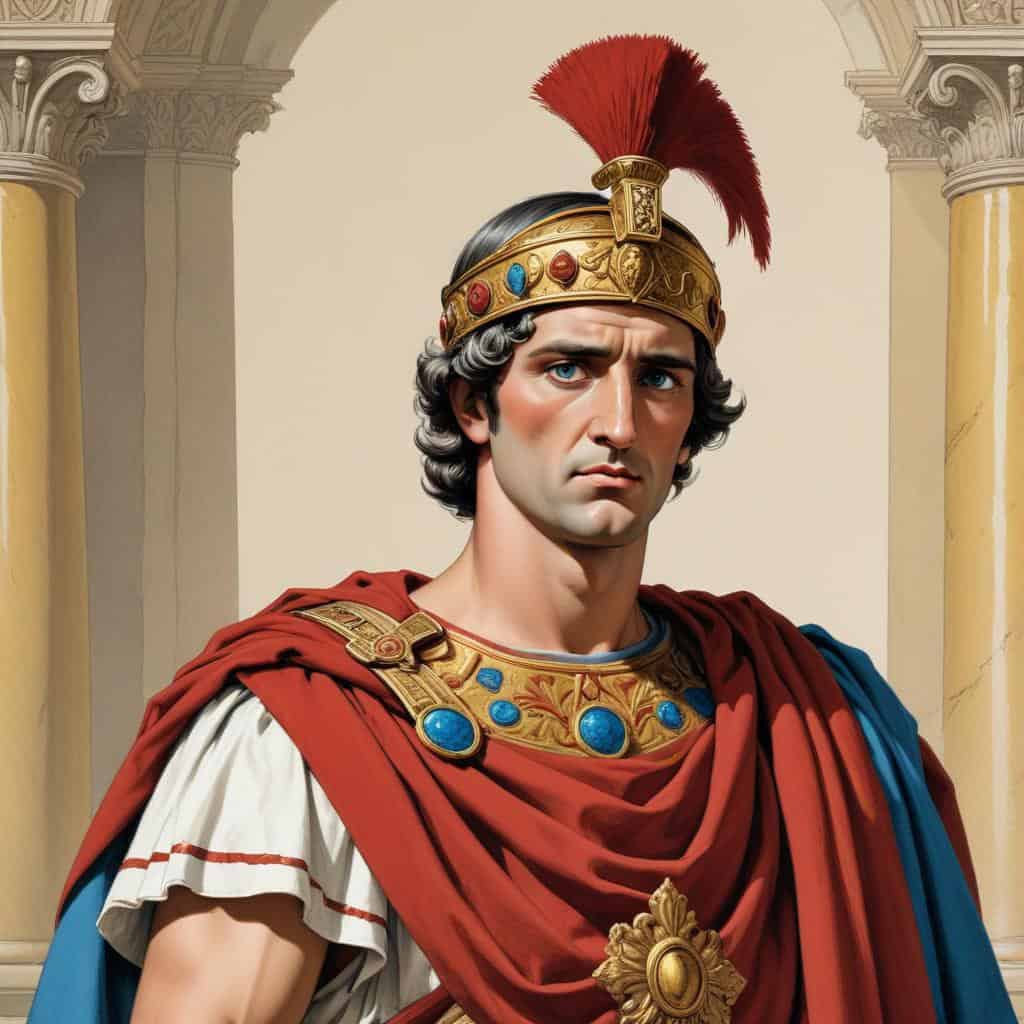
Introduction
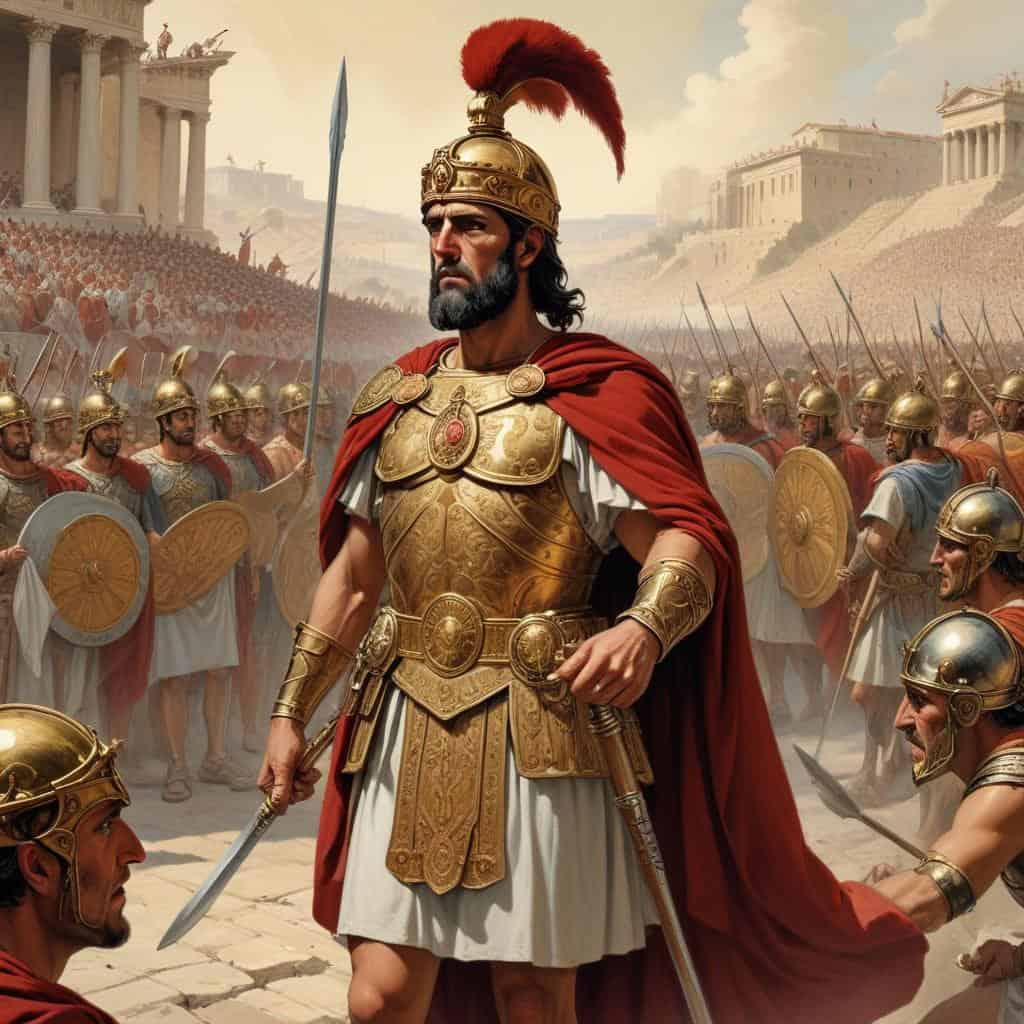
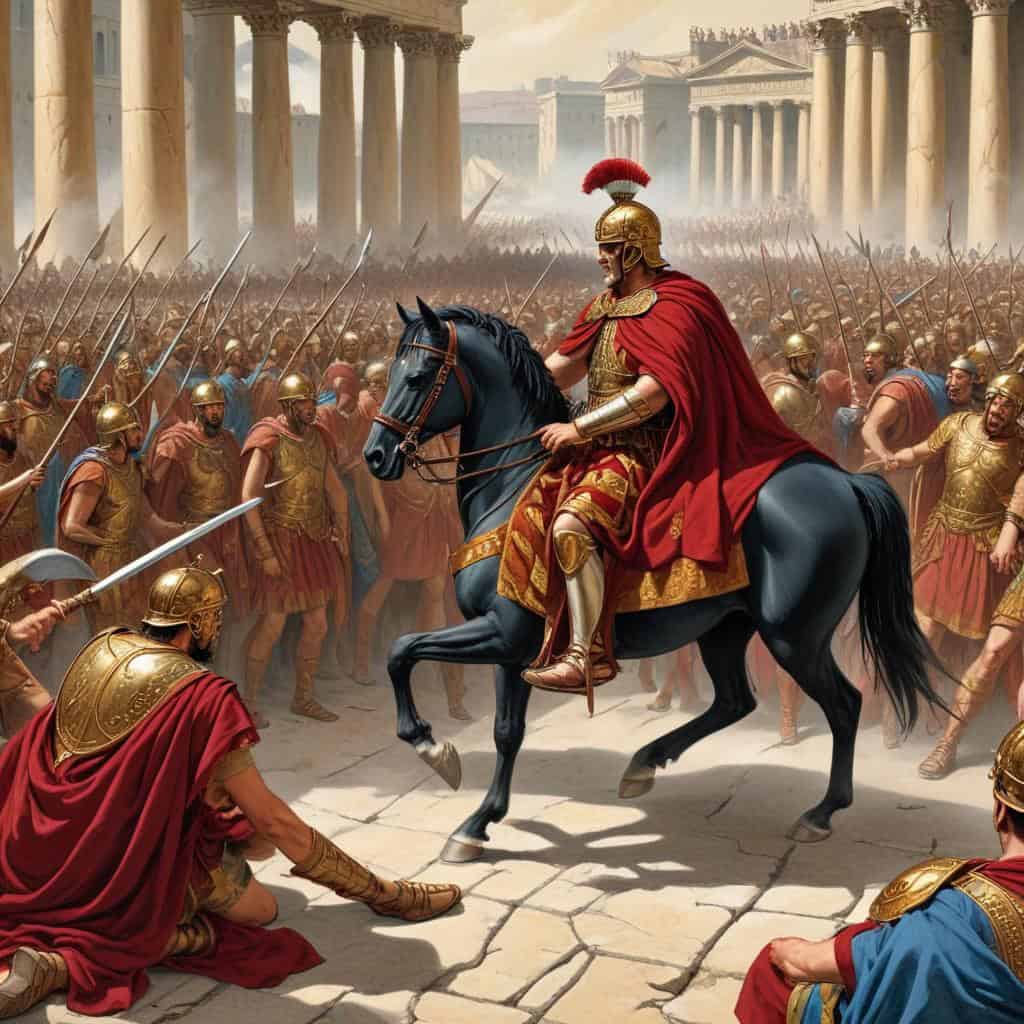
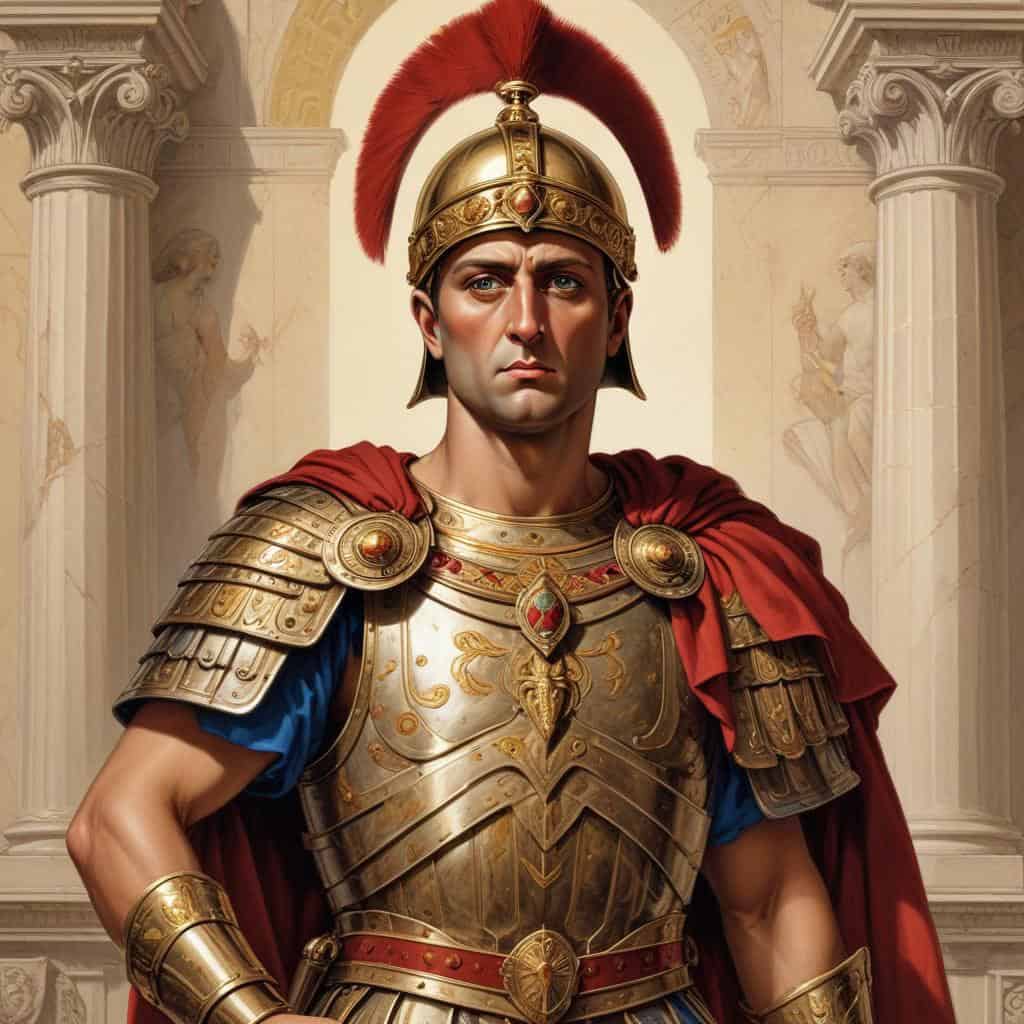
Emperor Valentinian I
Emperor Theodosius I
Emperor Valens
St. Ambrose
Early Life
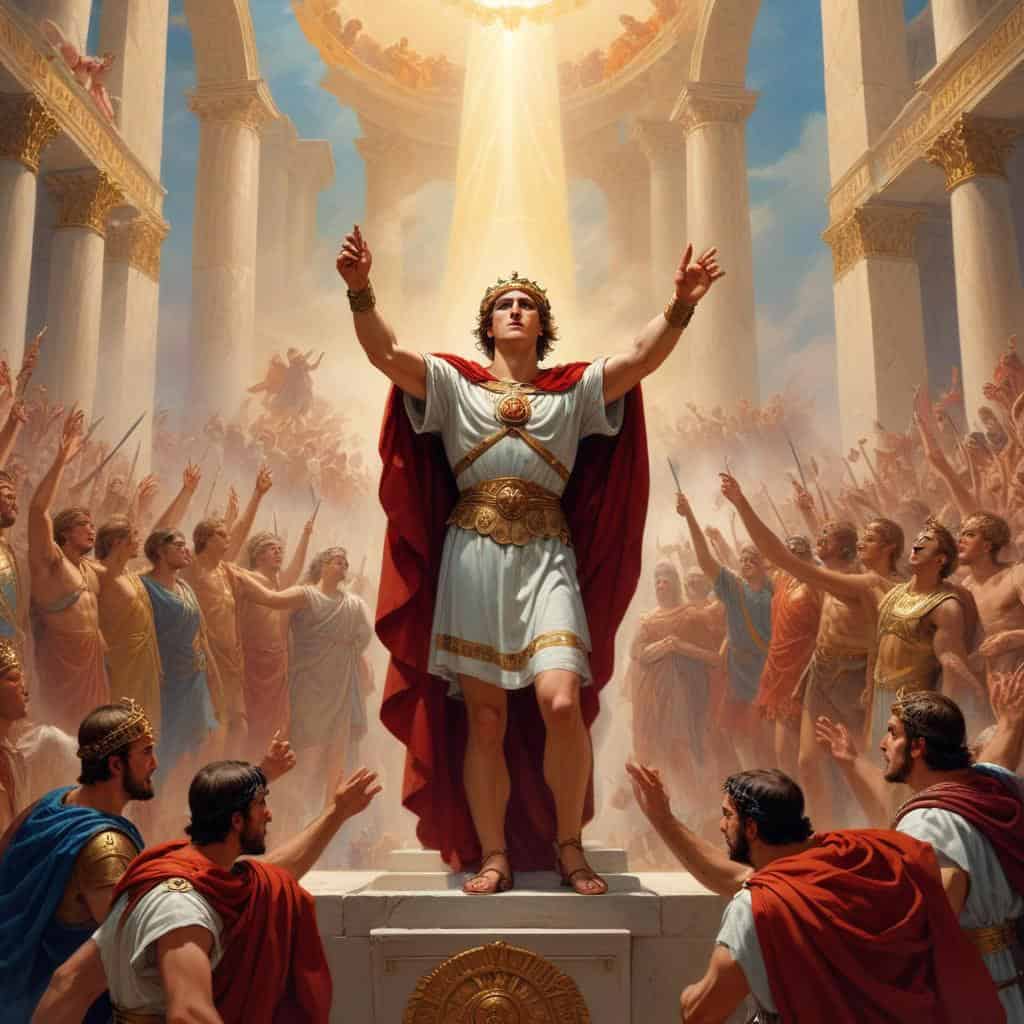
Ascension to Power
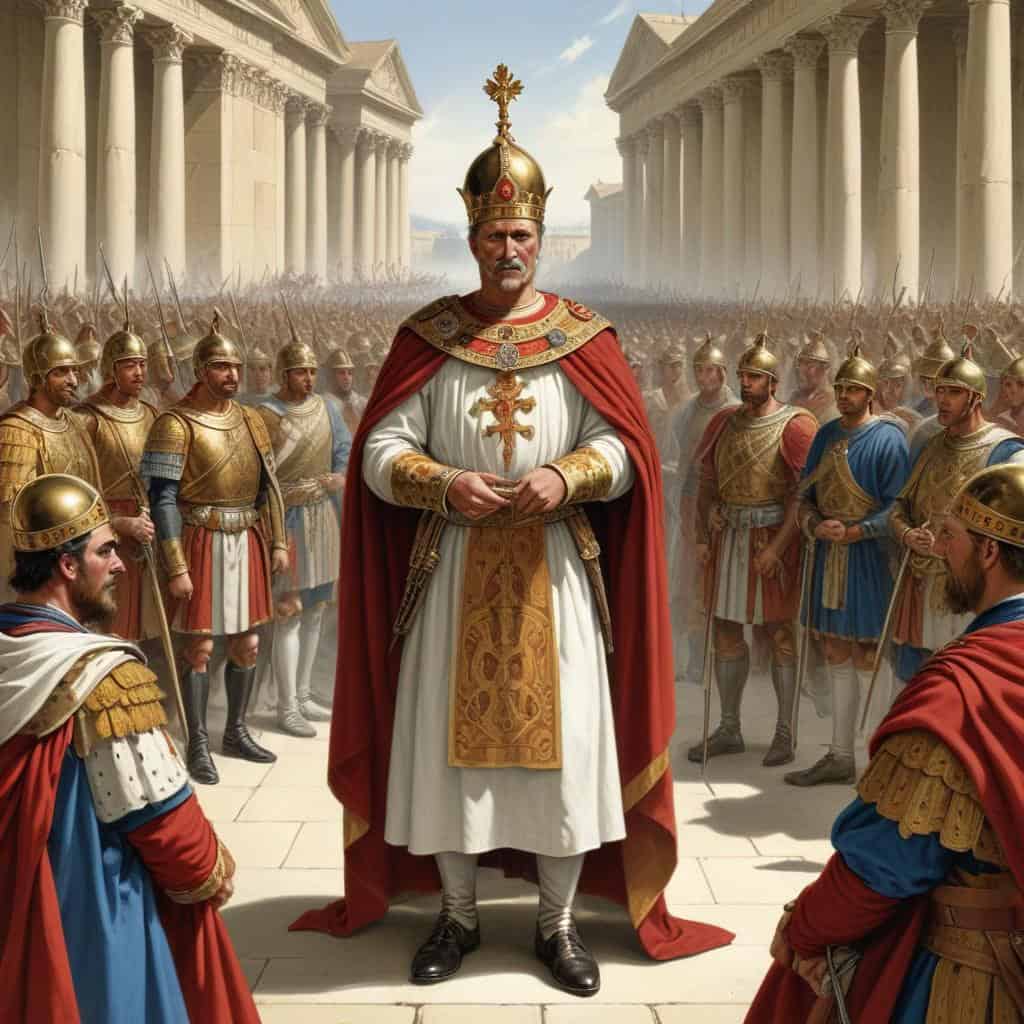
Reforms and Policies
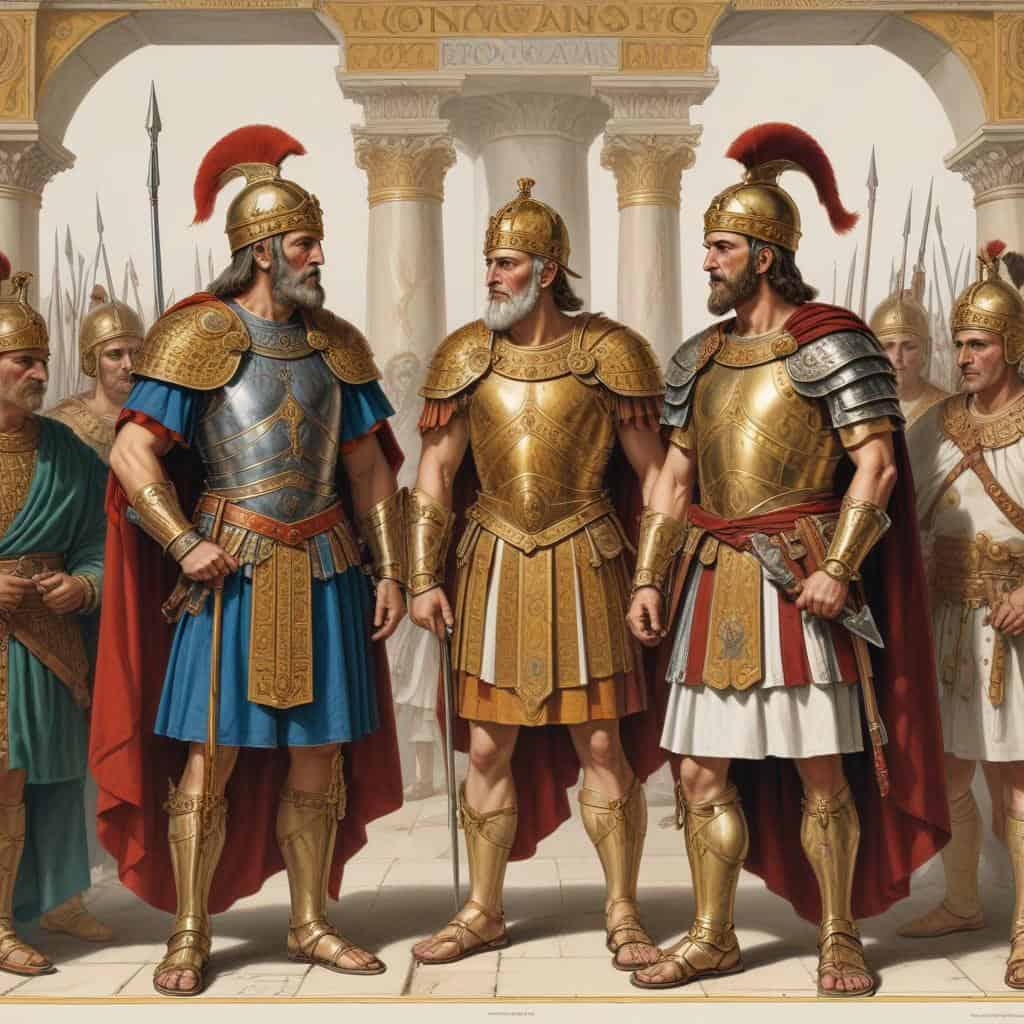
Alliance with Theodosius I
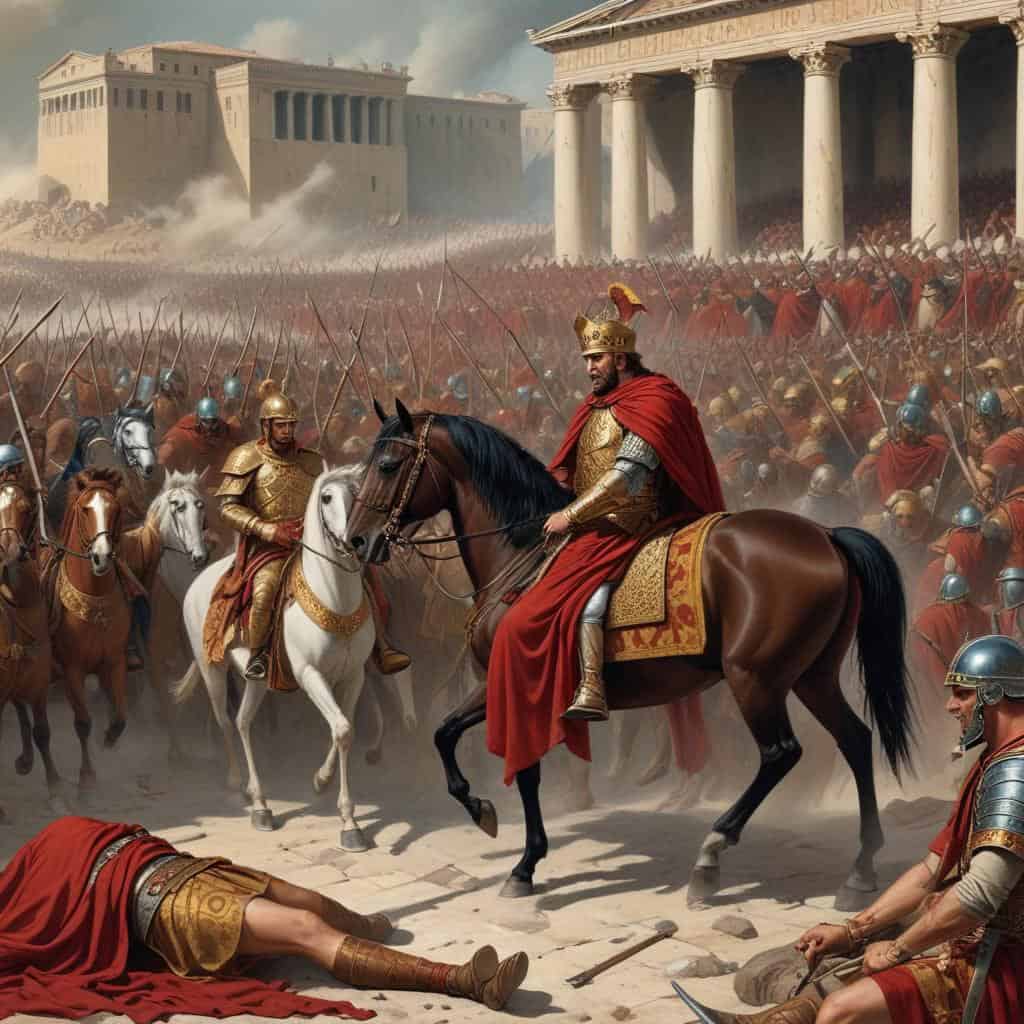
Death of Gratian
Legacy
Historical Significance
Personal Life
Artistic Depictions
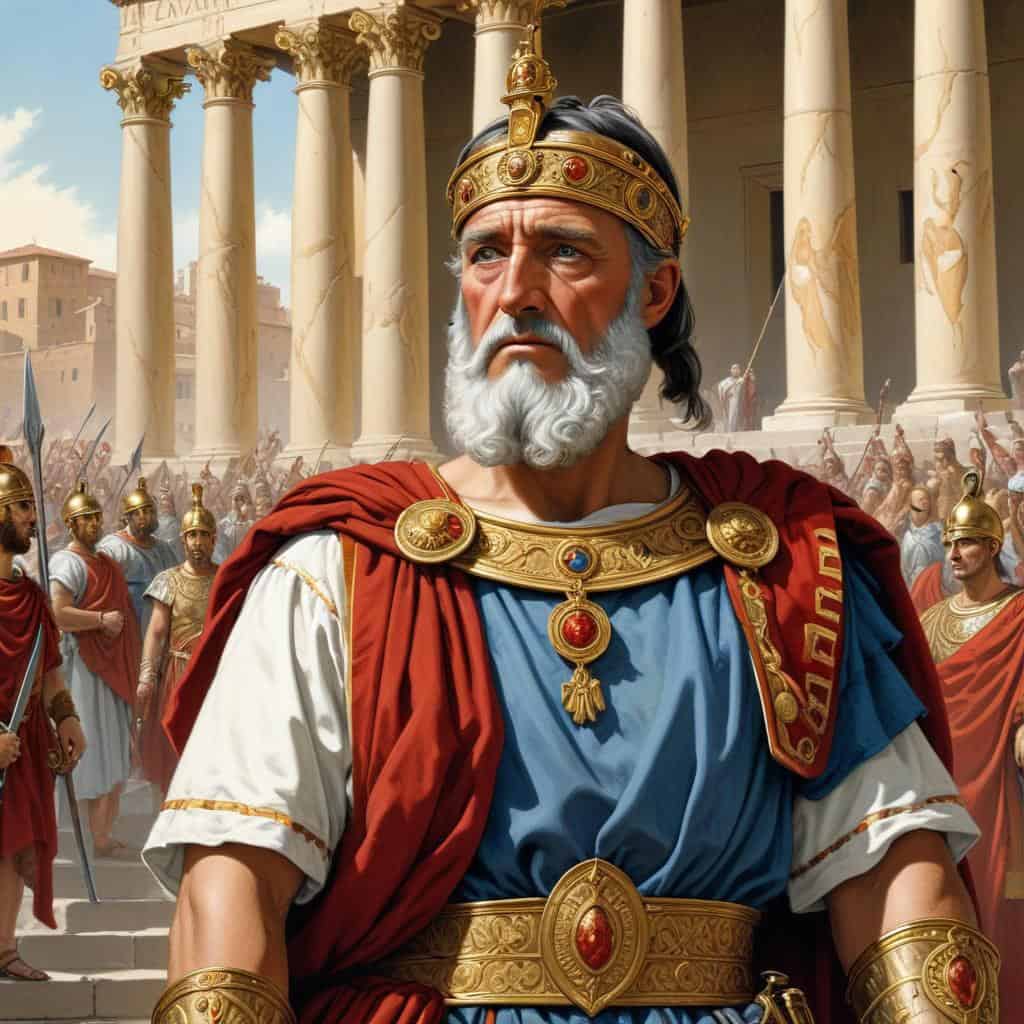
Remembering Gratian
Lesson Details & Resources
In a Nutshell
- Who: Roman Emperor and jurist
- When: Lived: 359 – 383
- Known For: Compilation of Roman law in the Digest
- Legacy: Influence on Western legal tradition and Roman law system
Timeline of Gratian: The Roman Emperor’s Biography
Gratian is born in 359 AD
Gratian becomes co-emperor with his father Valentinian I
Gratian becomes sole emperor of the Western Roman Empire
Gratian appoints Theodosius I as co-emperor of the Eastern Roman Empire
Gratian defeats the Alemanni at the Battle of Argentovaria
Gratian is acclaimed as Augustus by the Roman Senate
Gratian refuses to wear the traditional Roman military attire and instead adopts a more civilian style of dress
Gratian supports Nicene Christianity and suppresses Arianism in the Western Roman Empire
Gratian appoints Ambrose as bishop of Milan
Gratian is assassinated by supporters of Magnus Maximus
Magnus Maximus becomes emperor of the Western Roman Empire
Theodosius I defeats Magnus Maximus and becomes sole emperor of the Roman Empire
Theodosius I orders the execution of Magnus Maximus
Gratian's body is buried in Milan
Gratian is later venerated as a saint in the Catholic Church
Gratian is remembered for his policies of religious tolerance and his support of Nicene Christianity
Gratian's reign marks the beginning of the decline of the Western Roman Empire
Vocabulary List
- Decretum
- The Decretum is a collection of canon law compiled by Gratian in the 12th century.
- Concordia discordantium canonum
- The Concordia discordantium canonum is an alternative title for Gratian's Decretum.
- Causa
- In Gratian's Decretum, a causa refers to a legal case or issue.
- Distinction
- Gratian's Decretum is organized into distinct sections called distinctions.
- Concord
- The concept of concord, or harmony, between differing canons is a key theme in Gratian's work.
Key Facts
This is the information used in the fact matching game
- Gratian was a Roman Emperor who ruled from 367-383 AD.
- He was born in 359 AD in Sirmium, Pannonia (modern-day Serbia).
- Gratian was the son of Valentinian I and his second wife, Marina Severa.
- He became Emperor at the age of 8, following the death of his father Valentinian I.
- Gratian was known for his devotion to Christianity and his efforts to promote the religion throughout the Roman Empire.
- He was the first Emperor to refuse the title of Pontifex Maximus, a title traditionally held by Roman Emperors.
- Gratian was known for his military campaigns against the Germanic tribes along the Rhine and Danube rivers.
- He appointed Theodosius I as co-Emperor in 379 AD, giving him control over the Eastern Roman Empire.
- Gratian was assassinated in 383 AD by supporters of the usurper Magnus Maximus, who sought to take control of the Western Roman Empire.
- His death marked the end of the Valentinian dynasty in the Western Roman Empire.
- Gratian was succeeded by his half-brother Valentinian II, who was eventually murdered by supporters of Magnus Maximus.
- Despite his efforts to promote Christianity, Gratian was criticized by some Christian writers for his policies towards pagan religions.
- He was known for his modesty and simplicity in his personal life, eschewing the lavish lifestyle of other Roman Emperors.
- Gratian was the first Roman Emperor to be born in the province of Illyricum, which was a region in the Balkans.
- He was known for his interest in philosophy and was influenced by the teachings of the Neoplatonist philosopher Plotinus.
- Gratian was married to Laeta, with whom he had a daughter named Grata.
- He was the first Roman Emperor to appoint a Christian as consul, a prestigious political office in the Roman Empire.
- Gratian was known for his military skill and bravery in battle, leading his troops in campaigns against the Germanic tribes.
- He was deified by his successor Theodosius I, who honored him with a state funeral and declared him a hero of the Roman Empire.
- Gratian's reign marked a period of transition in the Roman Empire, as the Western and Eastern halves of the Empire began to diverge in their political and cultural identities.
Analysis & Significance
Major Accomplishments
Gratian, a renowned Memory Wizard, is best known for developing mnemonic techniques that revolutionized the way people remember and recall information. His innovative methods have been instrumental in enhancing memory retention and cognitive abilities.
Impact on the World
Gratian’s contributions have had a lasting impact on education, with his mnemonic techniques being used widely in schools and training programs around the world. By improving memory and learning skills, he has empowered countless individuals to achieve academic success and cognitive enhancement.
Enduring Legacy
Today, Gratian is remembered as a pioneer in the field of memory enhancement, with his techniques still being studied and utilized by memory experts and students alike. His legacy continues to inspire new generations to explore the potential of the human mind and unlock the secrets of memory retention.
Gratian: The Roman Emperor’s Biography Games


Take Your Learning Offline
Want a convenient, print-ready study guide for this lesson? Become a Memory Wizards Pro member to unlock the downloadable " Memory Scrolls" for this topic and our entire library!
- ✓ Complete Vocabulary Lists
- ✓ Key Facts & Timelines
- ✓ Beautifully Formatted for Print & Mobile