
Valens: The Reign of the Last Roman Emperor
Valens: The last Roman emperor who faced defeat at the Battle of Adrianople.
How Do You Learn Best?
Learn by Reading
Immerse yourself in the 10-minute visual lesson for a comprehensive understanding of the topic.
Learn by Reviewing
Jump directly to the key facts, timeline, and vocabulary lists to build a solid foundation of details.
Learn by Doing
Challenge yourself! Jump straight into the interactive games to learn by trial, error, and discovery.
Valens: The Reign of the Last Roman Emperor in 10 Minutes

Introduction
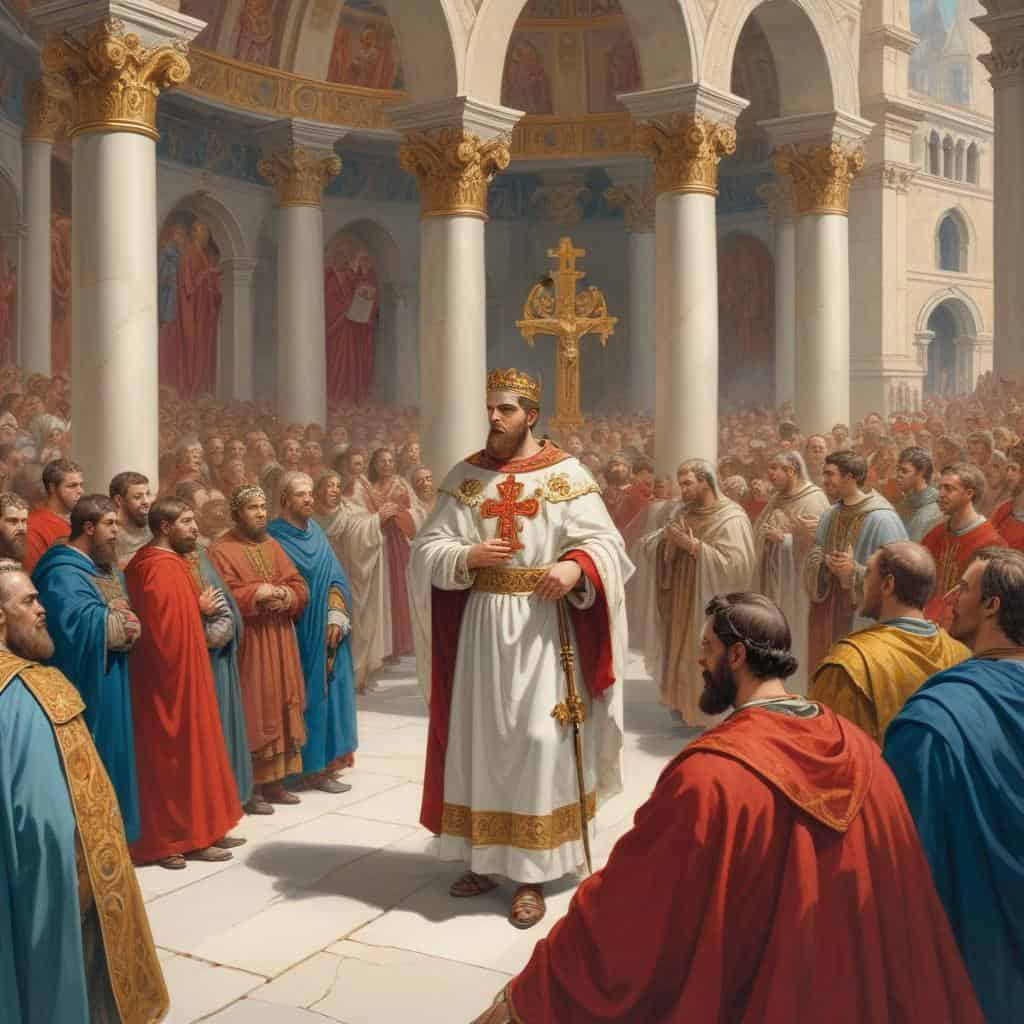
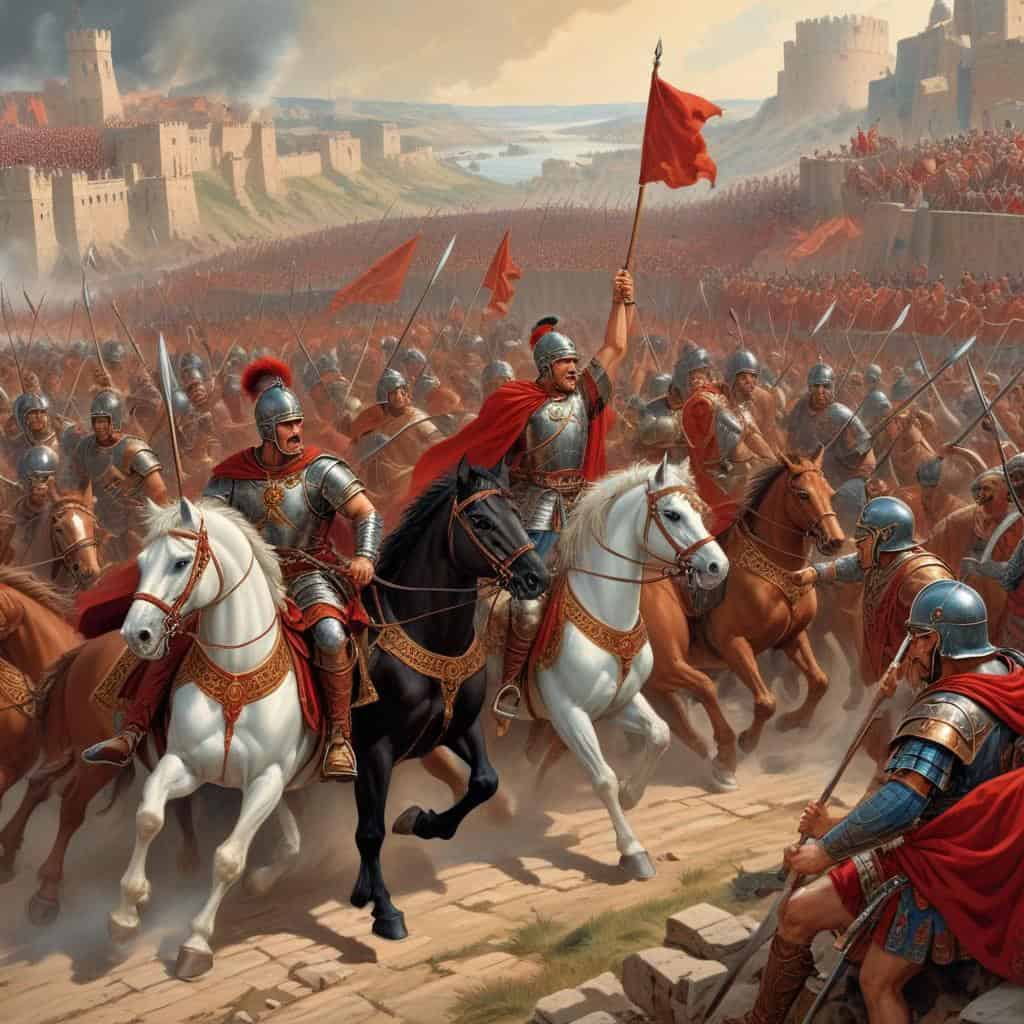
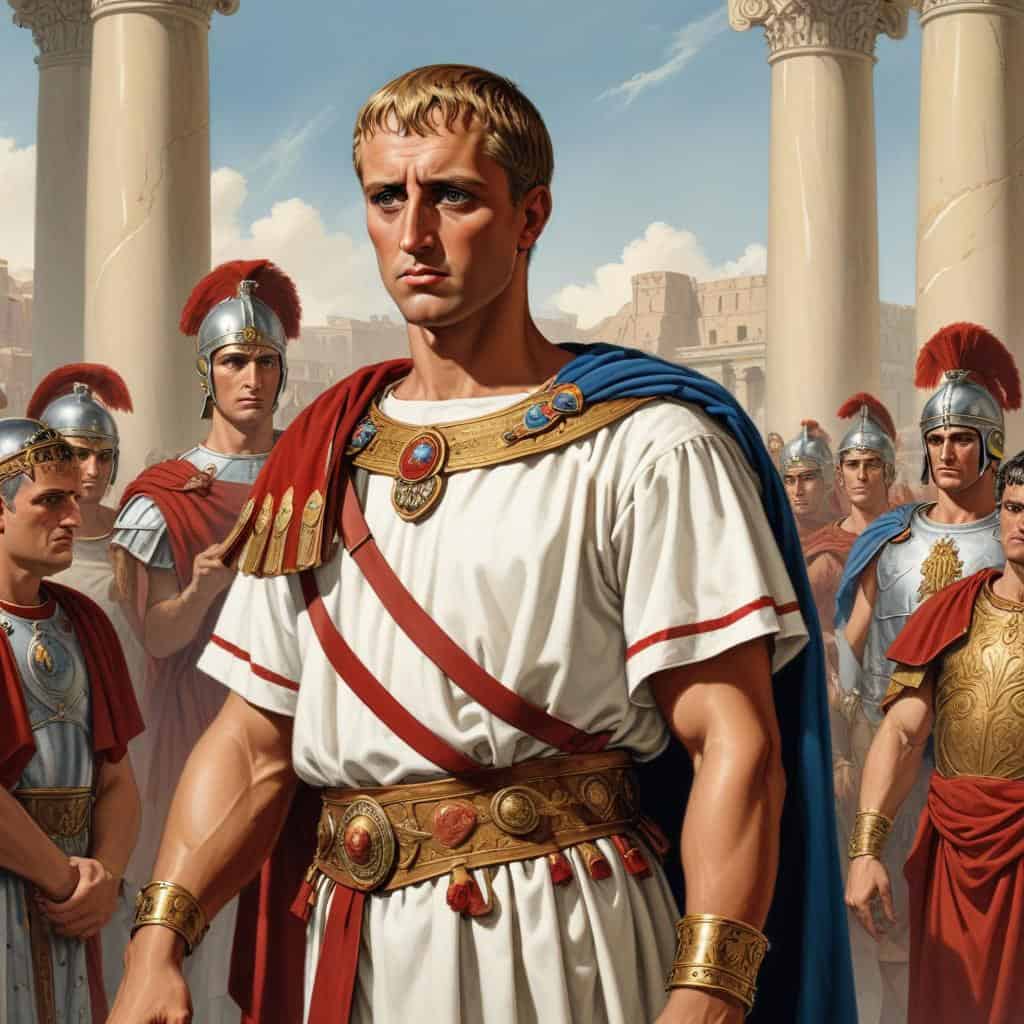
Valentinian I
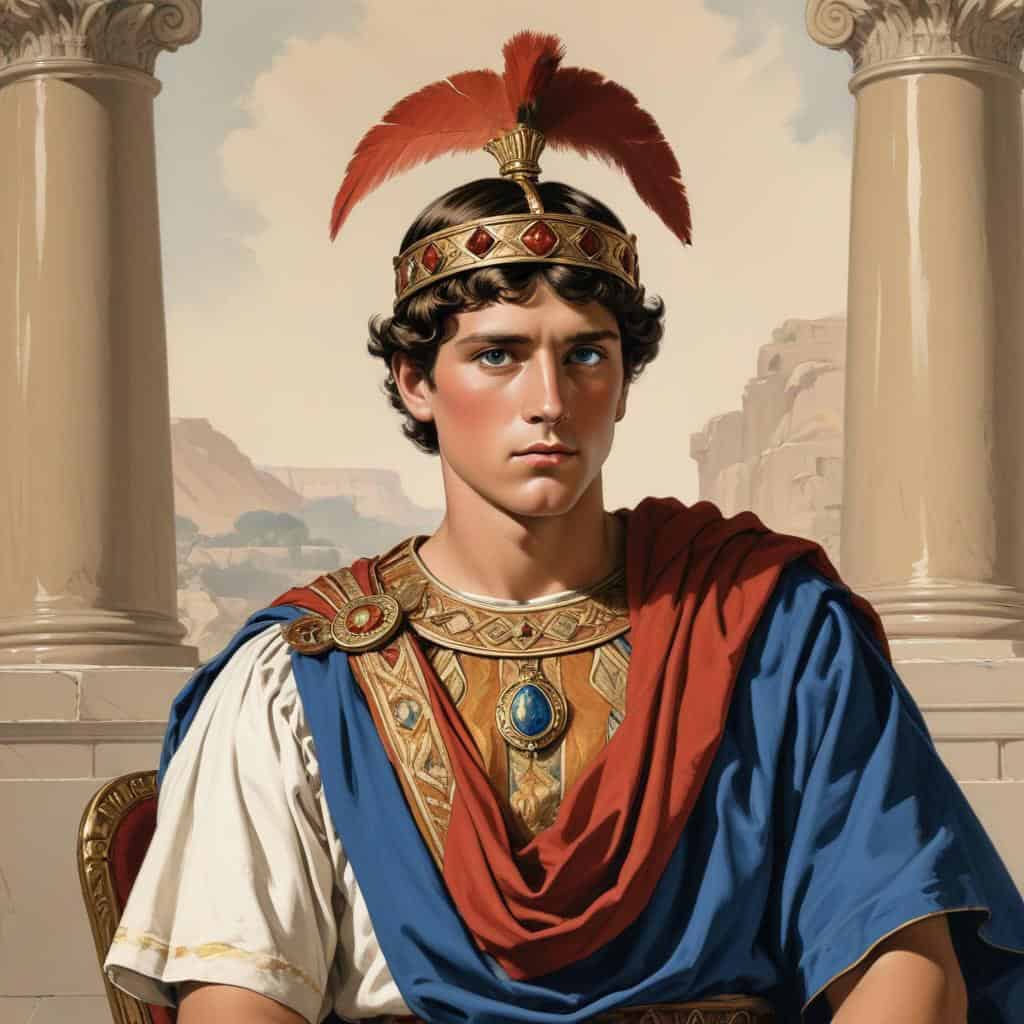
Gratian
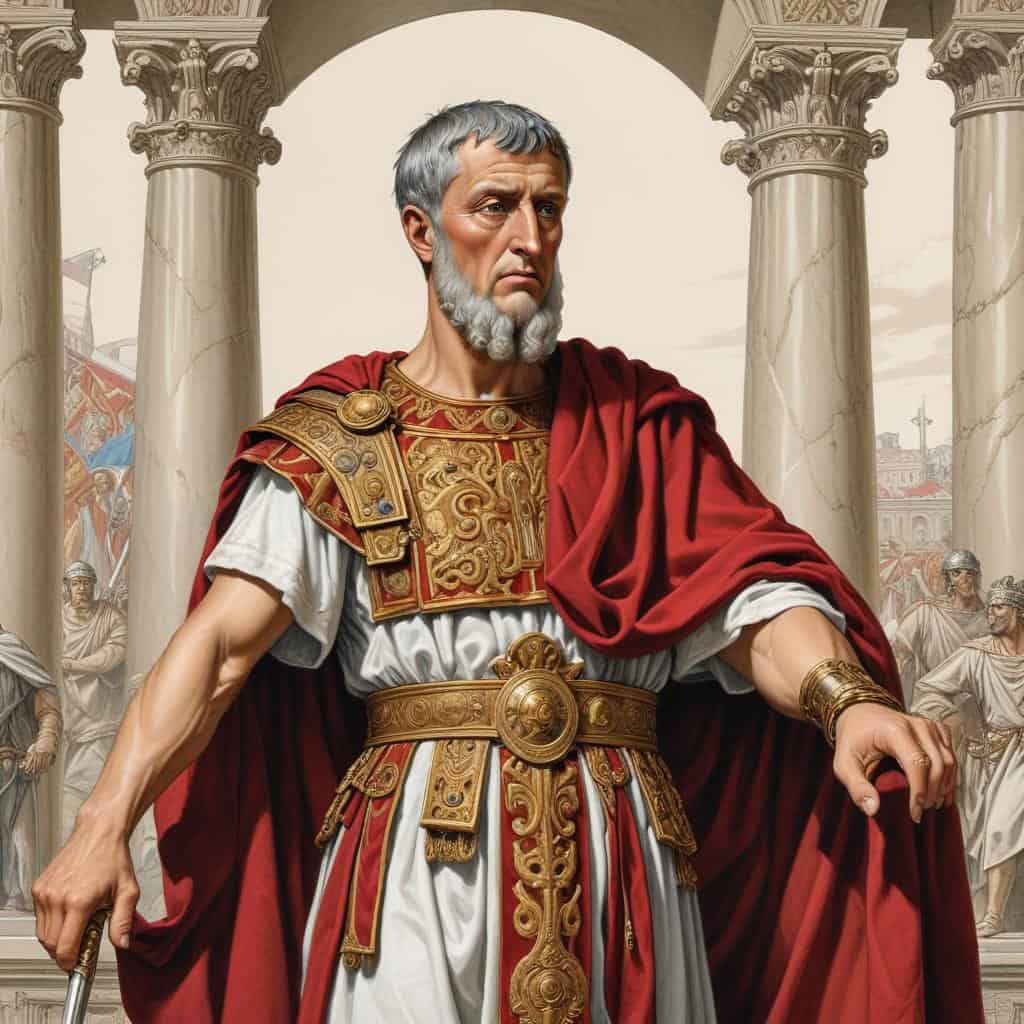
Theodosius I
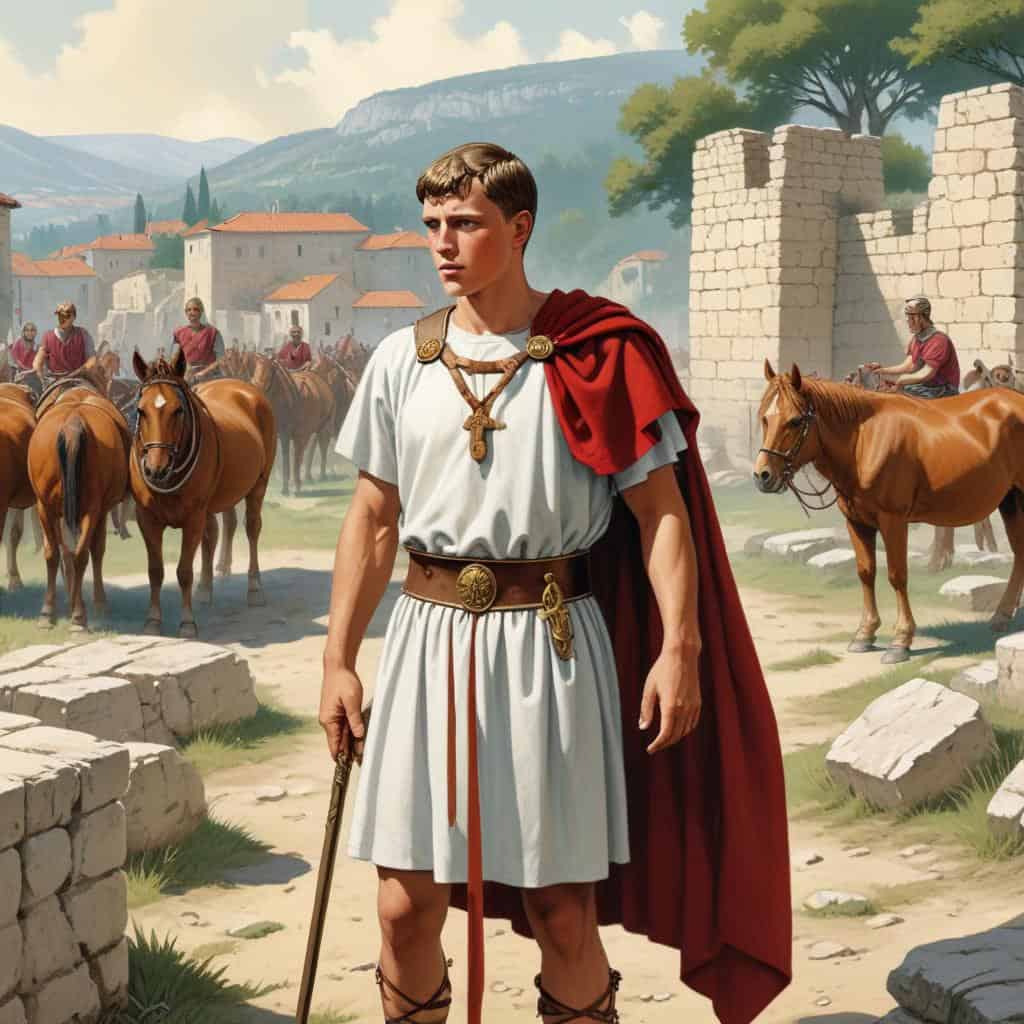
1. Valens Early Life
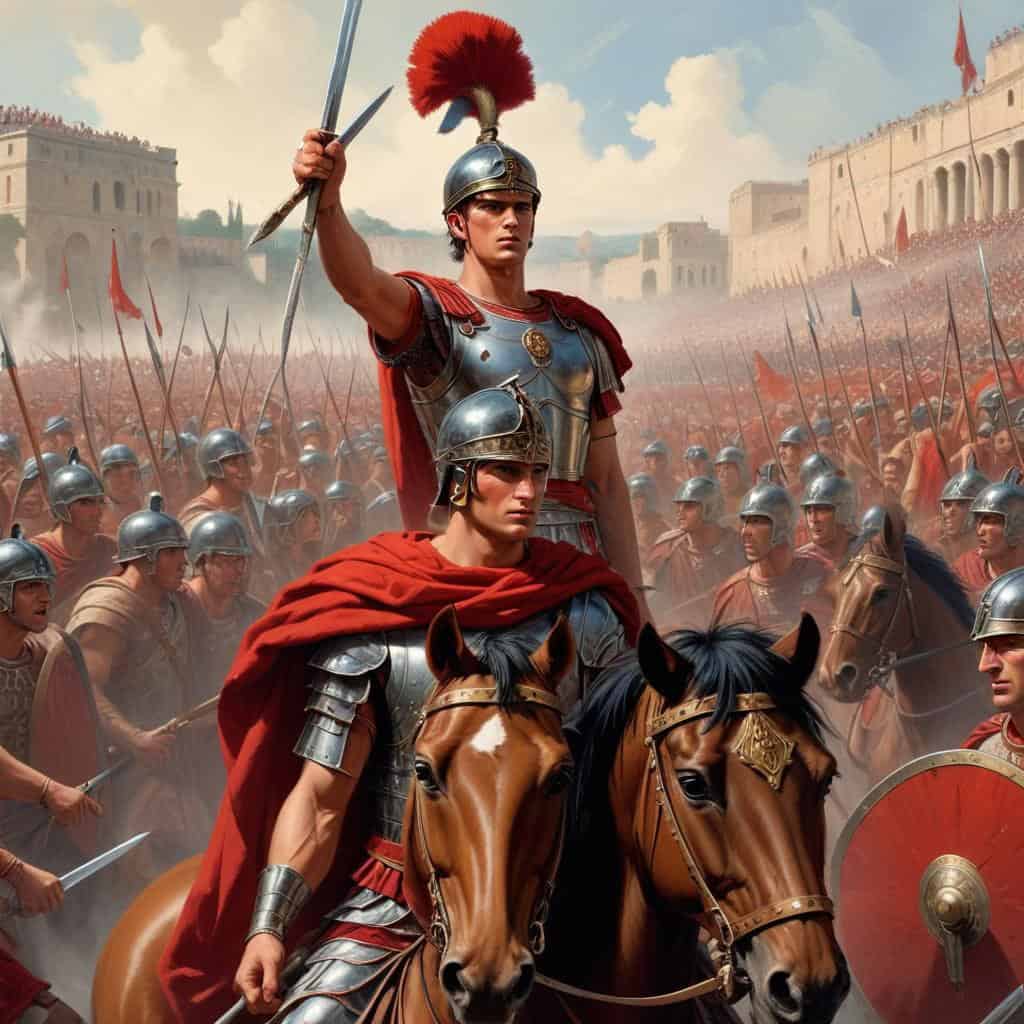
2. Rise to Power
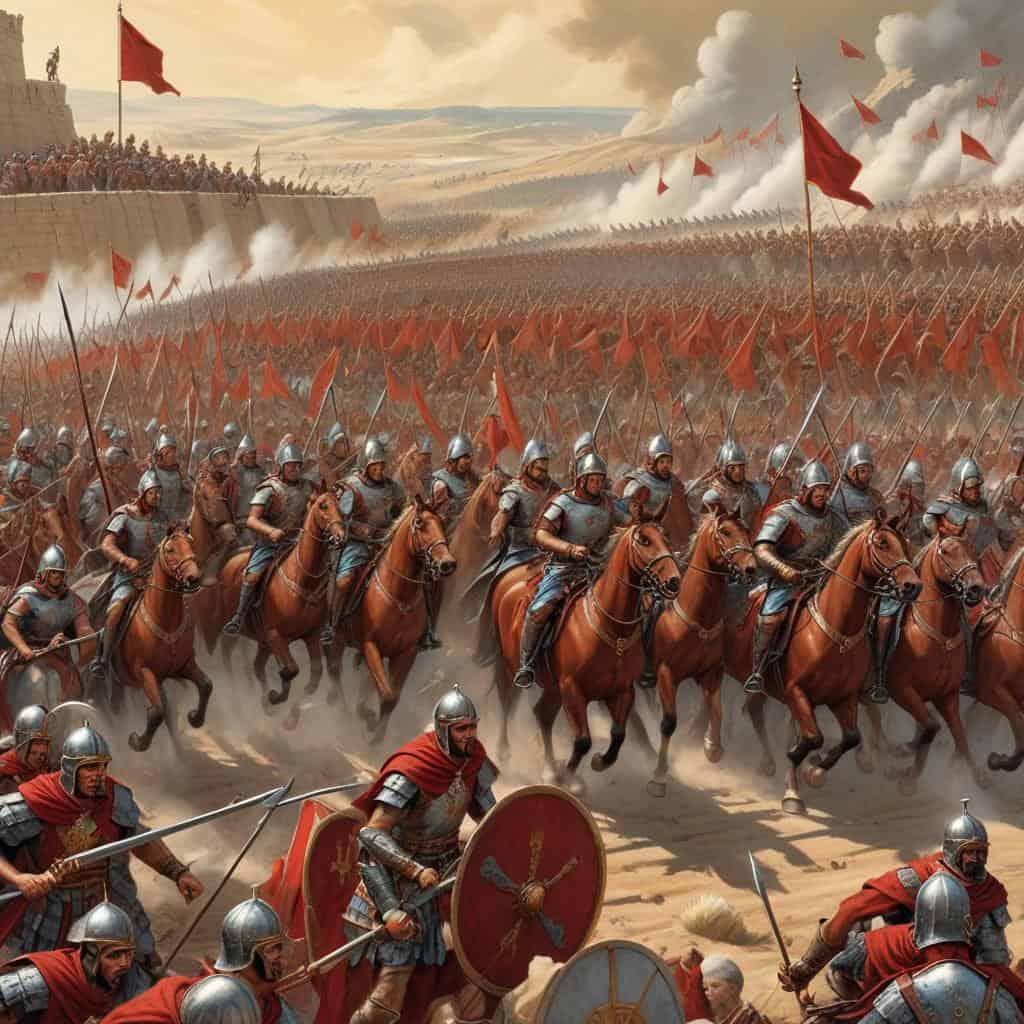
3. Military Campaigns
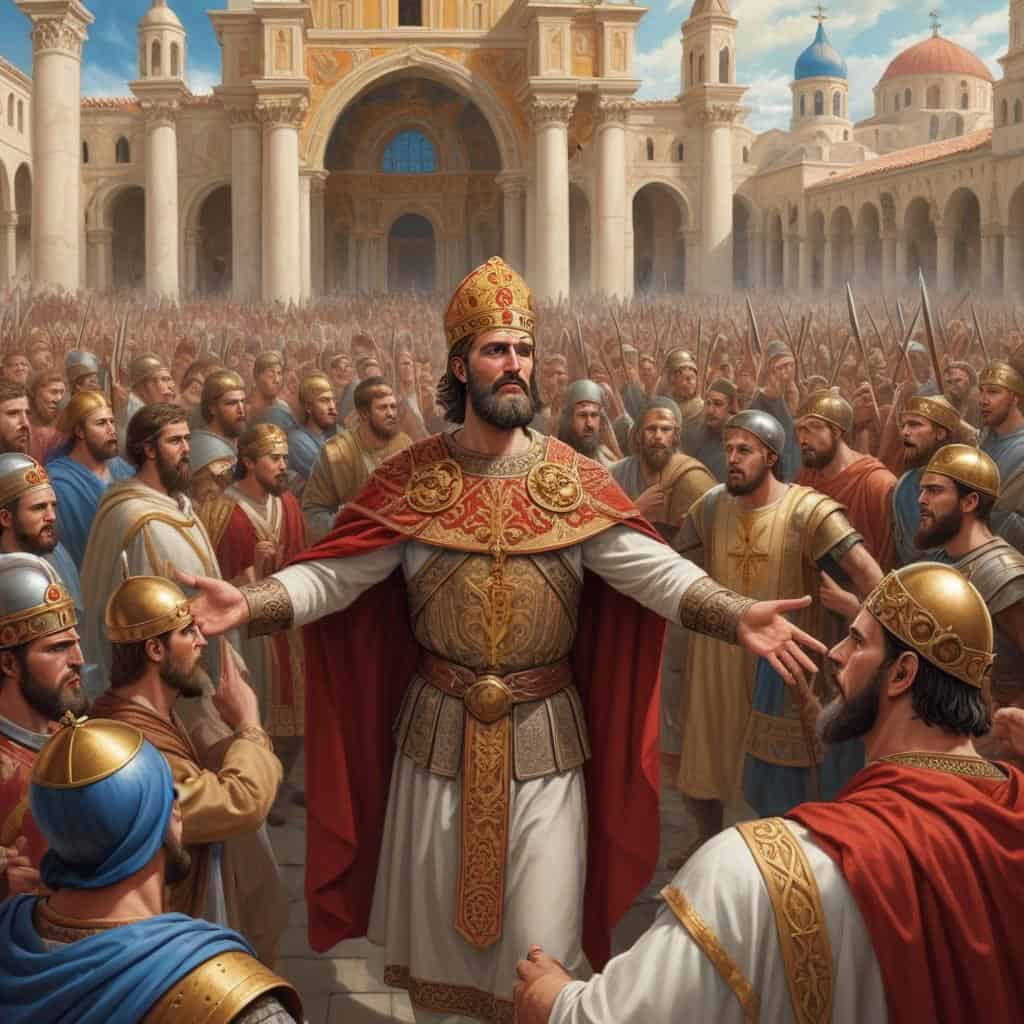
4. Religious Controversies
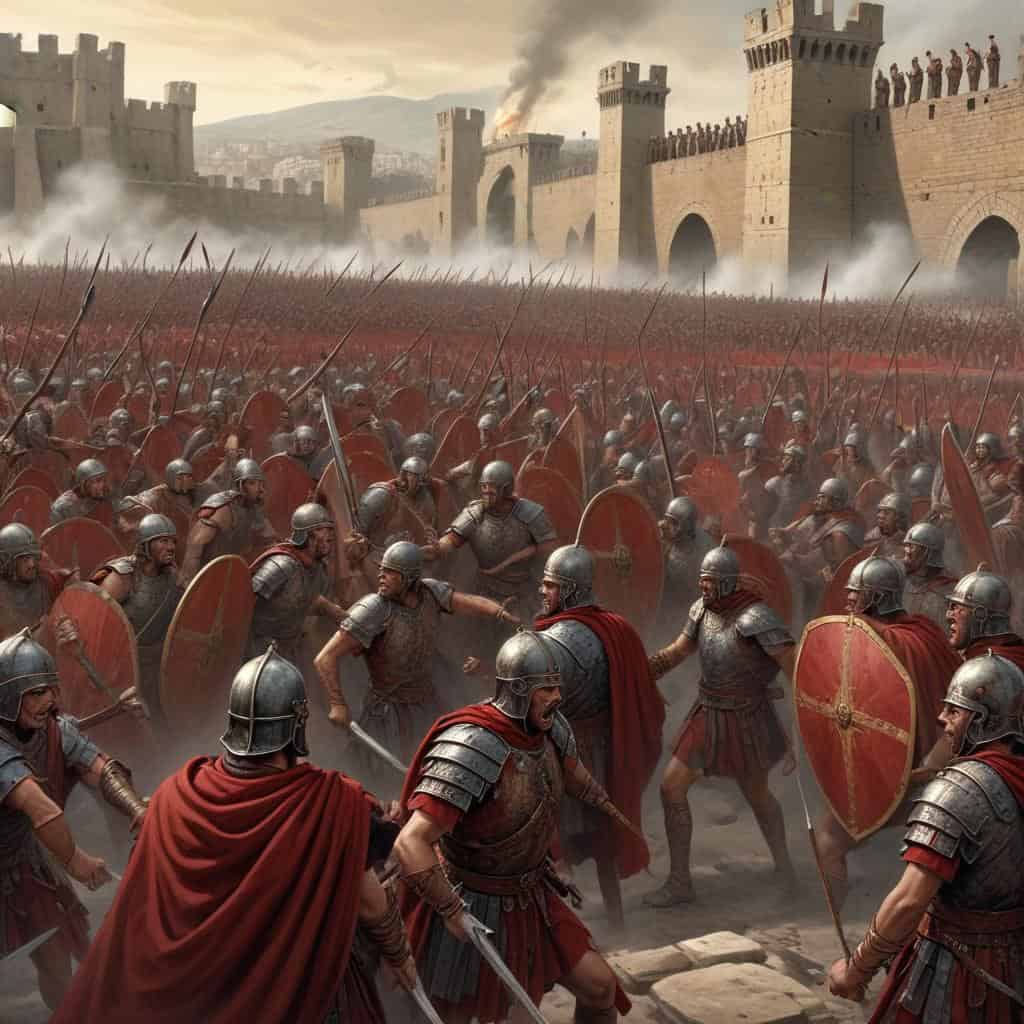
5. The Gothic War
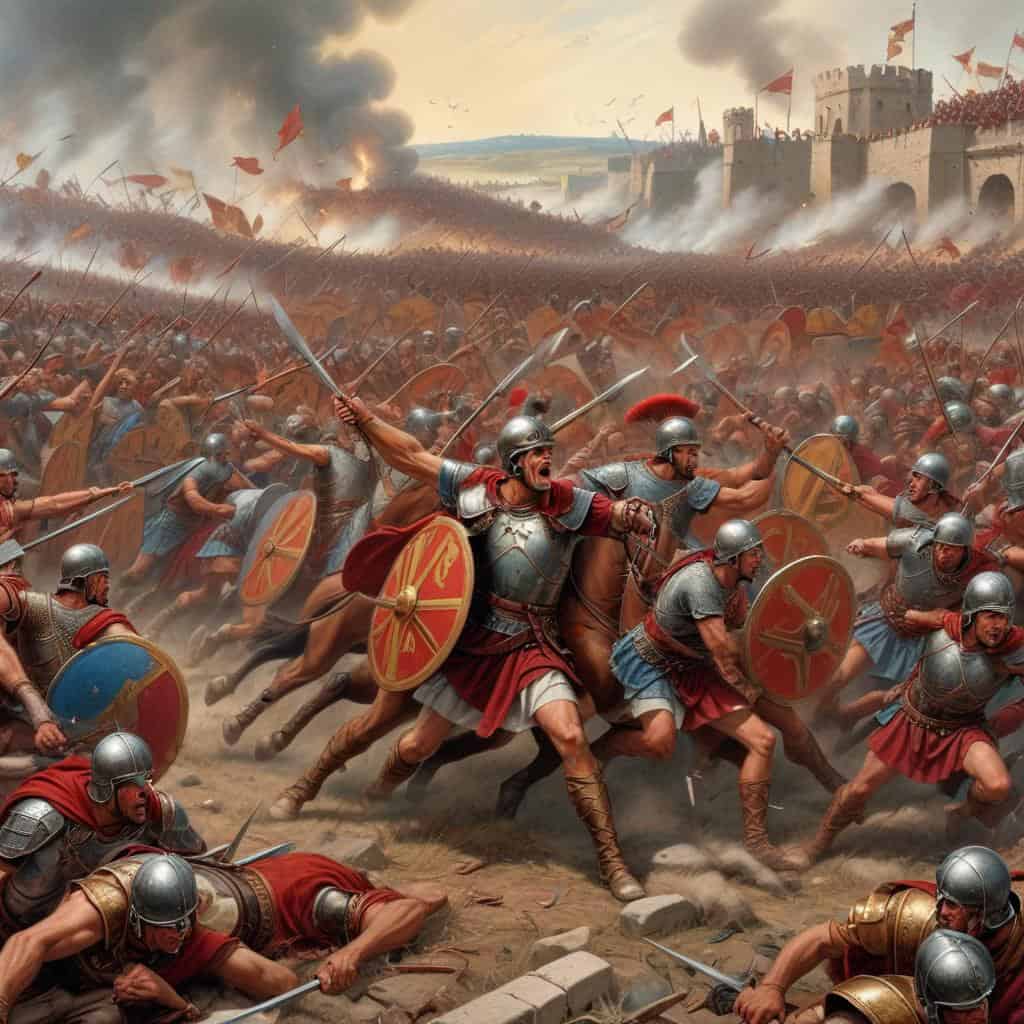
6. Battle of Adrianople
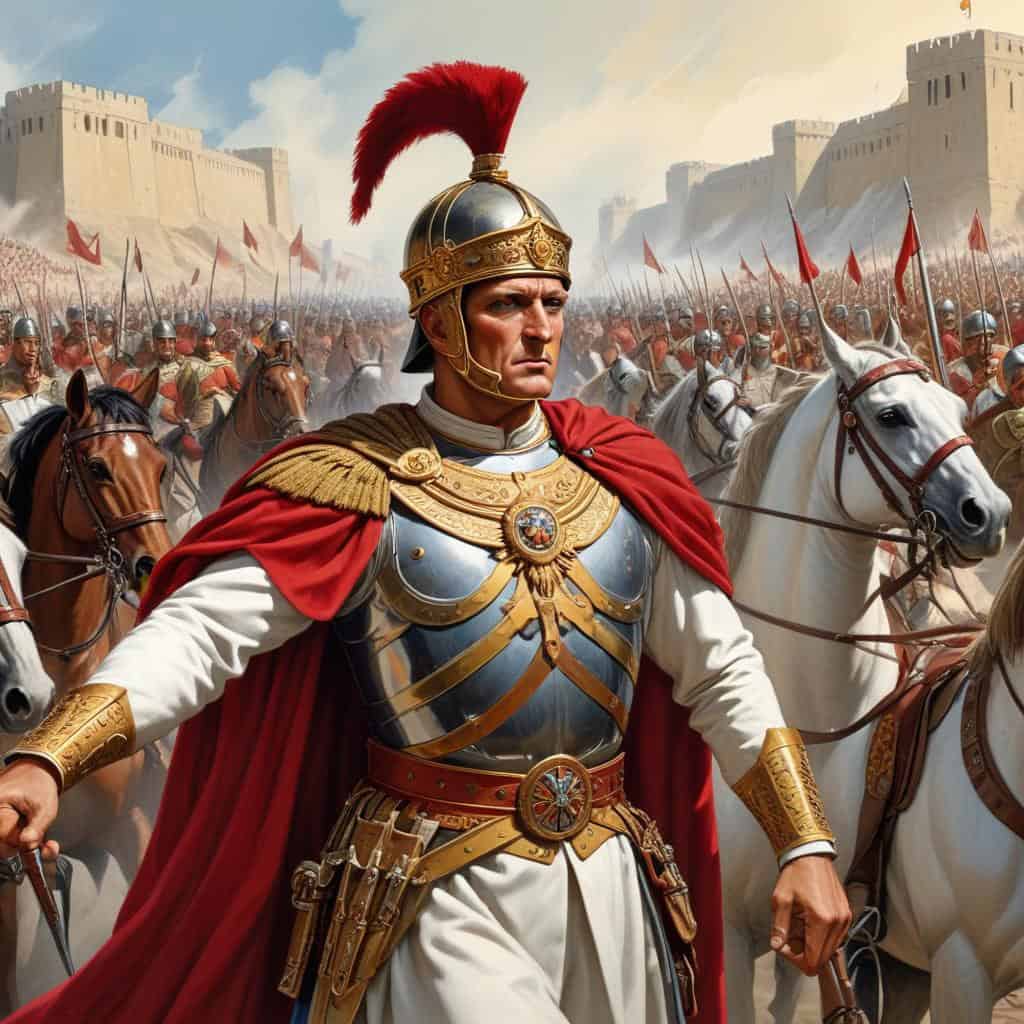
7. Legacy
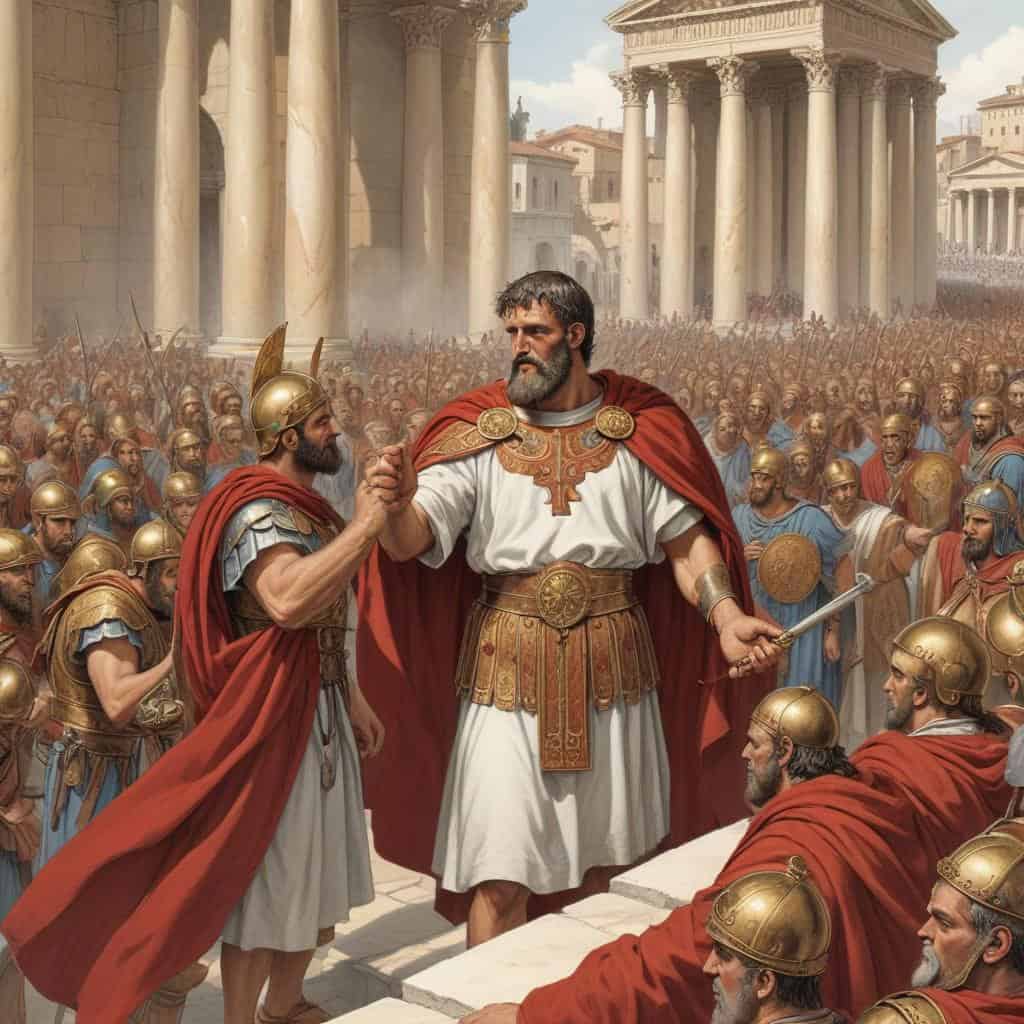
8. Impact on Christianity
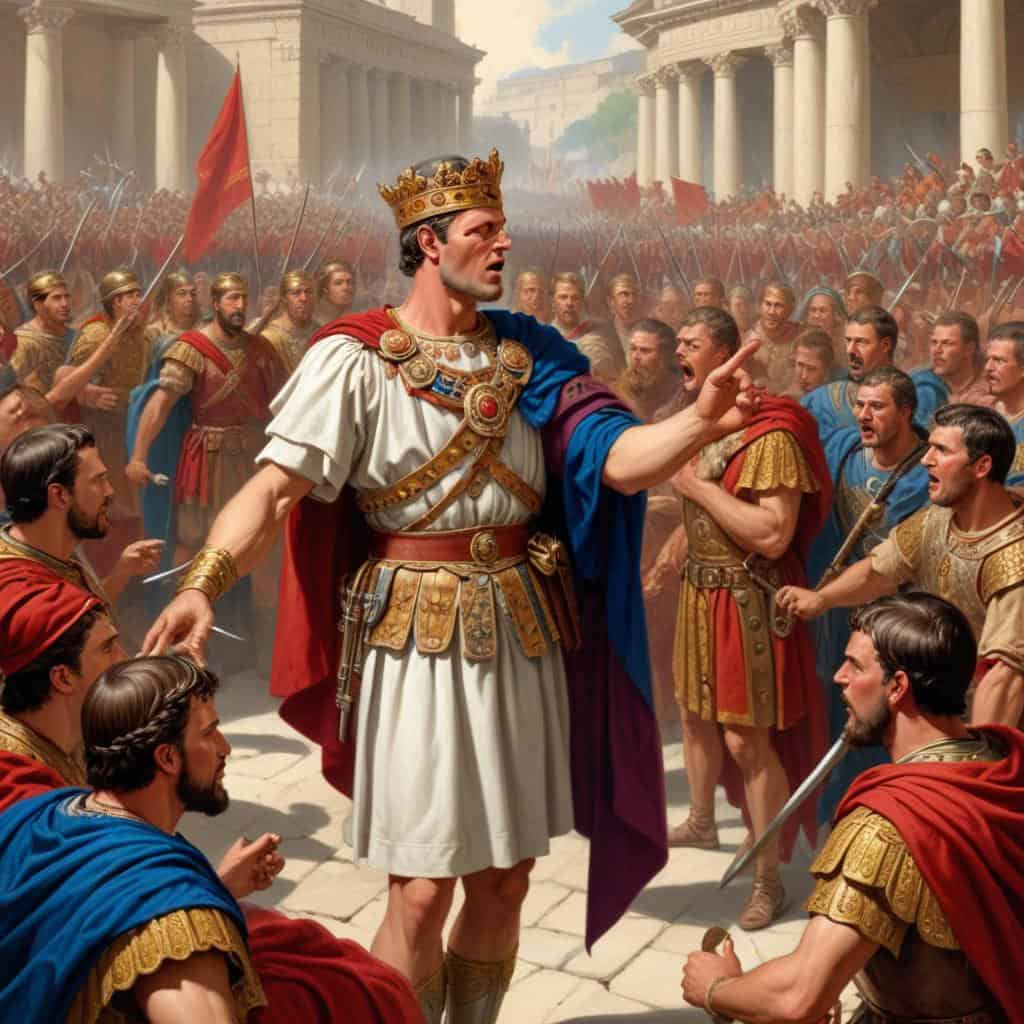
9. Historical Debate
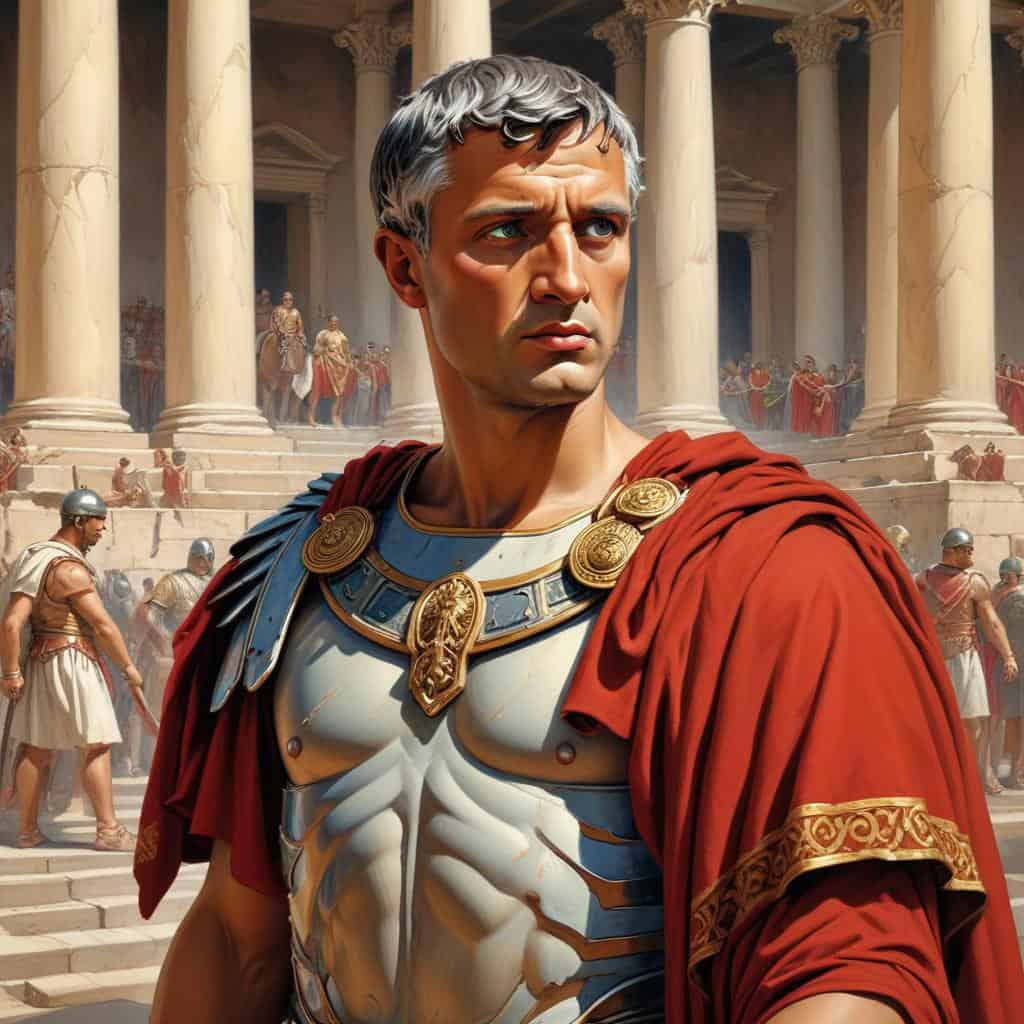
10. Remembering Valens
Lesson Details & Resources
In a Nutshell
- Who: Roman Emperor
- When: Lived: 328 – 378
- Known For: Ruling as Emperor of the Roman Empire from 364 until his death
- Legacy: Consolidating Roman rule in the region and promoting religious tolerance
Timeline of Valens: The Reign of the Last Roman Emperor
Valens becomes Roman Emperor
Battle of Mursa Major against the usurper Procopius
Valens introduces a law allowing pagans to participate in state rituals
Valens defeats the Visigoths at the Battle of Adrianople
Valens dies at the Battle of Adrianople
Theodosius I becomes Roman Emperor
Theodosius I orders the massacre of Thessalonica
Theodosius I declares Christianity as the official religion of the Roman Empire
Theodosius I defeats the usurper Magnus Maximus
Theodosius I dies
Arcadius becomes Roman Emperor in the East
Honorius becomes Roman Emperor in the West
Visigoths sack Rome
Vandals sack Rome
Fall of the Western Roman Empire
Odoacer deposes Romulus Augustulus, the last Roman Emperor in the West
Theodoric the Great establishes the Ostrogothic Kingdom in Italy
Byzantine Empire under Justinian I conquers Italy
Byzantine Empire under Heraclius defeats the Sassanid Empire
Arab-Muslim conquest of Egypt
Vocabulary List
- Emperor
- Valens was the emperor of the Eastern Roman Empire from 364 to 378 AD.
- Battle
- Valens was killed in the Battle of Adrianople in 378 AD.
- Roman
- Valens was a Roman emperor.
- Empire
- Valens ruled the Eastern Roman Empire.
- Soldiers
- Valens led his soldiers into battle.
- Defeat
- Valens suffered a major defeat at the Battle of Adrianople.
- Leadership
- Valens' leadership during the battle was questioned.
- Strategy
- Valens' military strategy at Adrianople was criticized by historians.
- Legacy
- Valens left a complex legacy in Roman history.
- Emperorship
- Valens' emperorship was marked by both successes and failures.
Key Facts
This is the information used in the fact matching game
- Valens was the Roman Emperor from 364 to 378 AD.
- Valens was the brother of Emperor Valentinian I.
- Valens was born in 328 AD in Cibalae, Pannonia (modern-day Croatia).
- Valens was known for his cruelty towards Christians.
- Valens was killed in the Battle of Adrianople in 378 AD.
- Valens was the last Roman Emperor to die in battle.
- Valens was a devout Arian Christian.
- Valens was known for his military campaigns against the Goths.
- Valens adopted his nephew Gratian as his heir.
- Valens was known for his unpopularity among the Roman people.
- Valens' reign was marked by several military defeats.
- Valens was known for his frugality and simplicity.
- Valens was married to Albia Dominica.
- Valens had several children, including a son named Gratian.
- Valens' reign was marked by economic difficulties and inflation.
- Valens was known for his harsh treatment of deserters.
- Valens was the first Roman Emperor to be baptized while in office.
- Valens was buried in the Church of the Holy Apostles in Constantinople.
- Valens' death marked the beginning of the decline of the Roman Empire.
- Valens' reign was marked by conflicts with the Sassanid Persians.
Analysis & Significance
Major Accomplishments
Valens was a pioneer in the field of memory manipulation, developing groundbreaking techniques for enhancing cognitive abilities and memory retention. His research led to significant advancements in the understanding of how memory works and how it can be optimized for peak performance.
Impact on the World
Valens’ work revolutionized the way people approached learning and memory improvement. His techniques have been widely adopted in education, training, and therapy, leading to improved cognitive abilities and enhanced memory retention for individuals around the world. Valens’ contributions have had a lasting impact on science and self-improvement.
Enduring Legacy
Today, Valens is remembered as a visionary in the field of memory enhancement, with his techniques and research continuing to influence how we understand and improve memory function. His legacy lives on through the countless individuals who have benefited from his groundbreaking work, making him a significant historical figure in the study of memory and cognitive science.
Valens: The Reign of the Last Roman Emperor Games


Take Your Learning Offline
Want a convenient, print-ready study guide for this lesson? Become a Memory Wizards Pro member to unlock the downloadable " Memory Scrolls" for this topic and our entire library!
- ✓ Complete Vocabulary Lists
- ✓ Key Facts & Timelines
- ✓ Beautifully Formatted for Print & Mobile