
Maxentius: A Biography
Defeated by Constantine at the Battle of the Milvian Bridge in 312 AD.
How Do You Learn Best?
Learn by Reading
Immerse yourself in the 10-minute visual lesson for a comprehensive understanding of the topic.
Learn by Reviewing
Jump directly to the key facts, timeline, and vocabulary lists to build a solid foundation of details.
Learn by Doing
Challenge yourself! Jump straight into the interactive games to learn by trial, error, and discovery.
Maxentius: A Biography in 10 Minutes
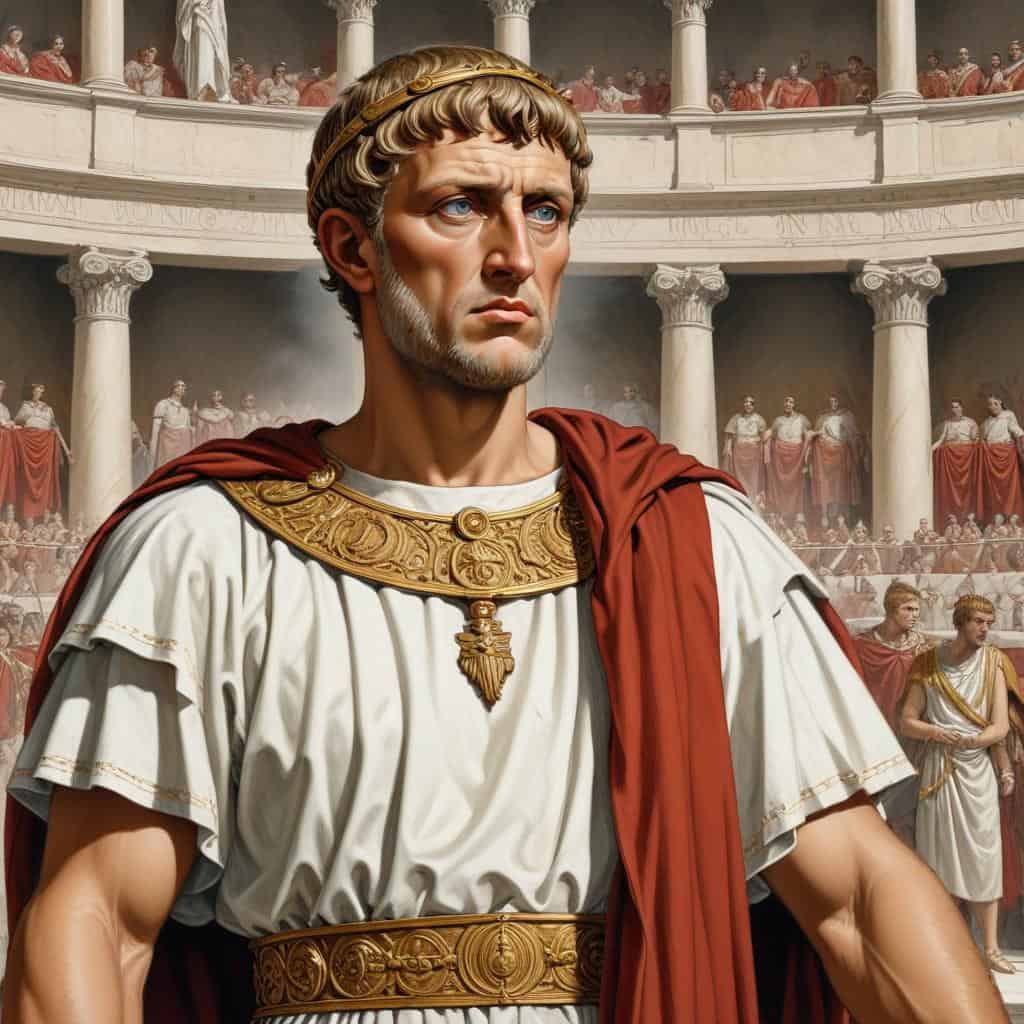
Introduction
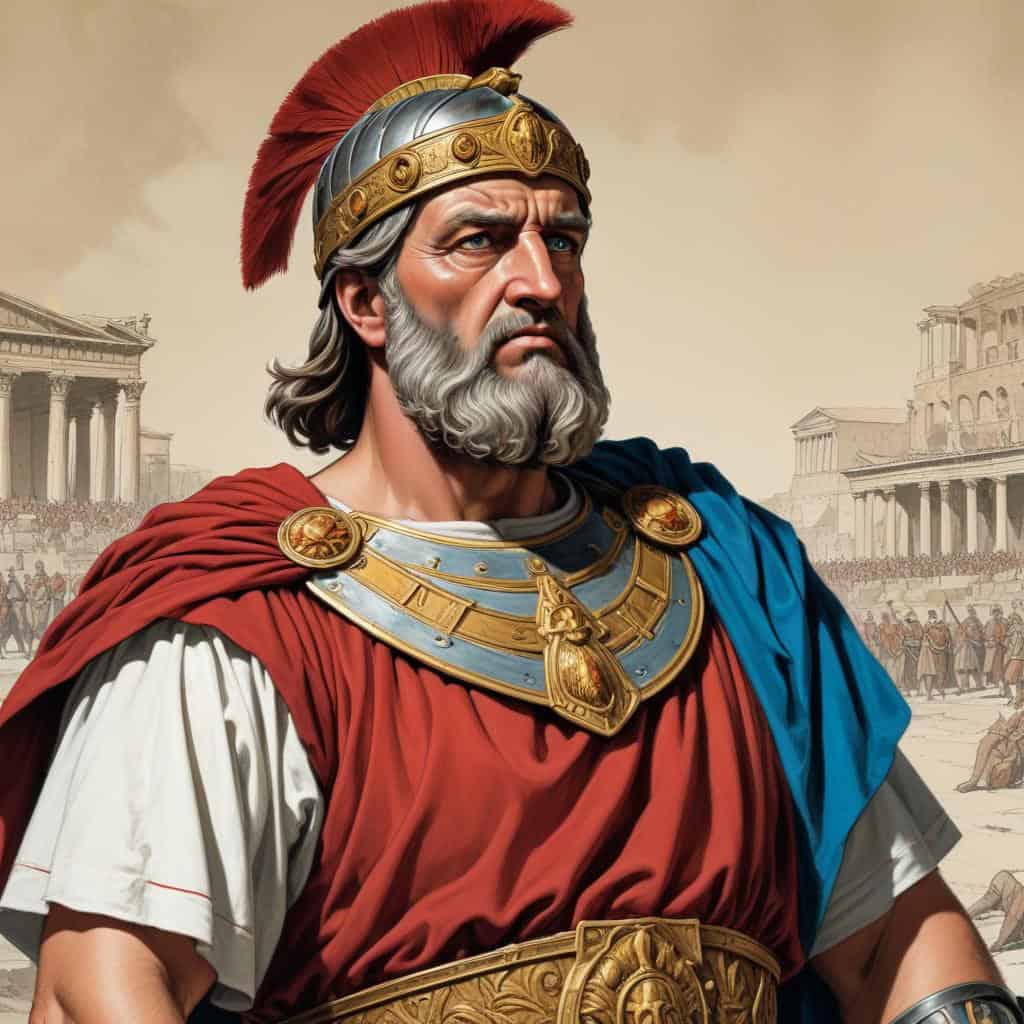
Constantine the Great
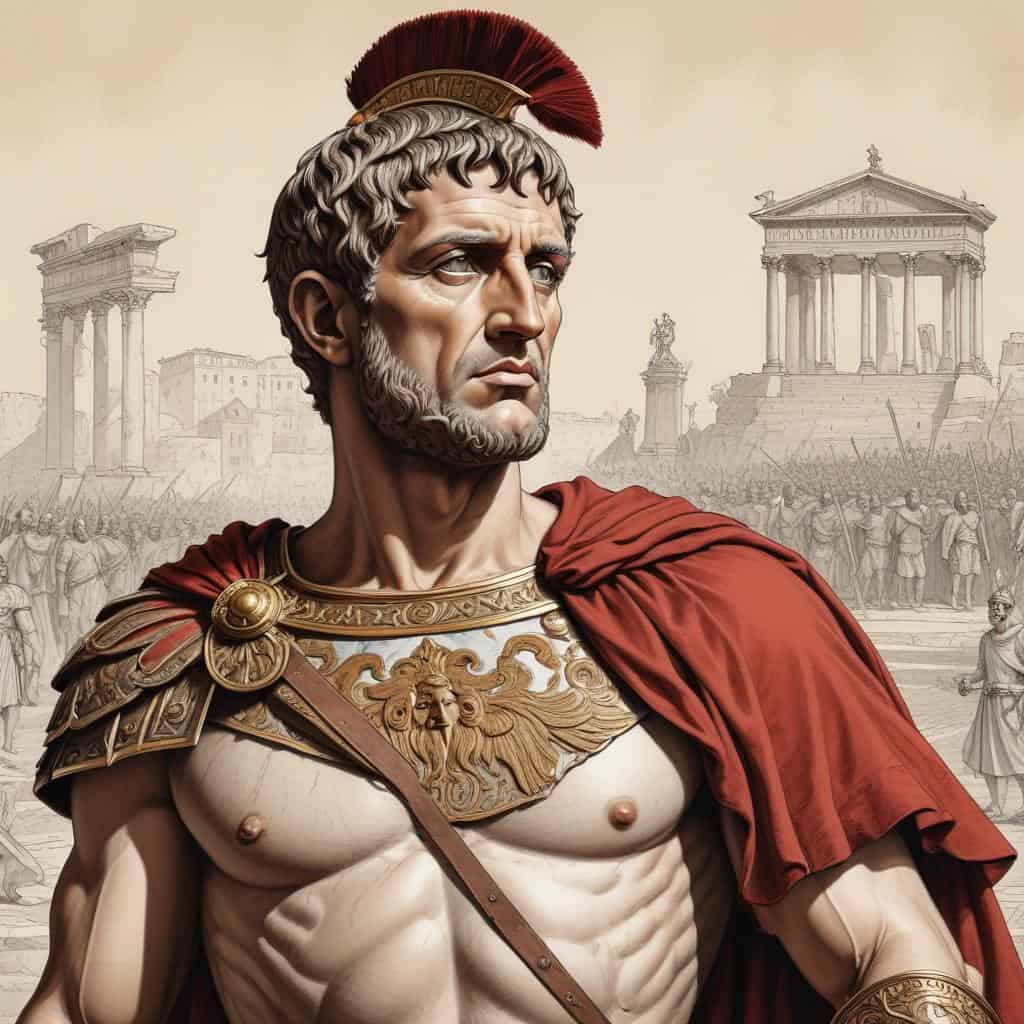
Maximian
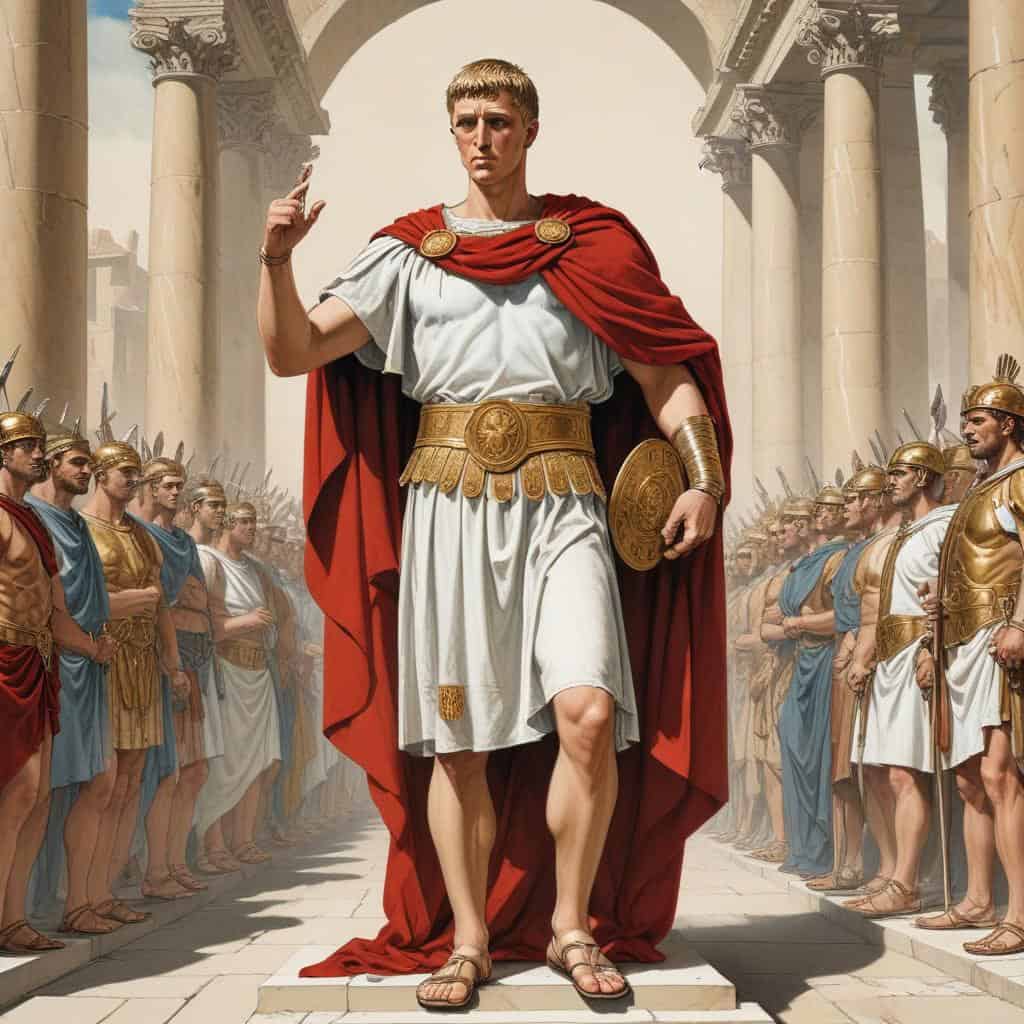
Licinius
The Rise to Power
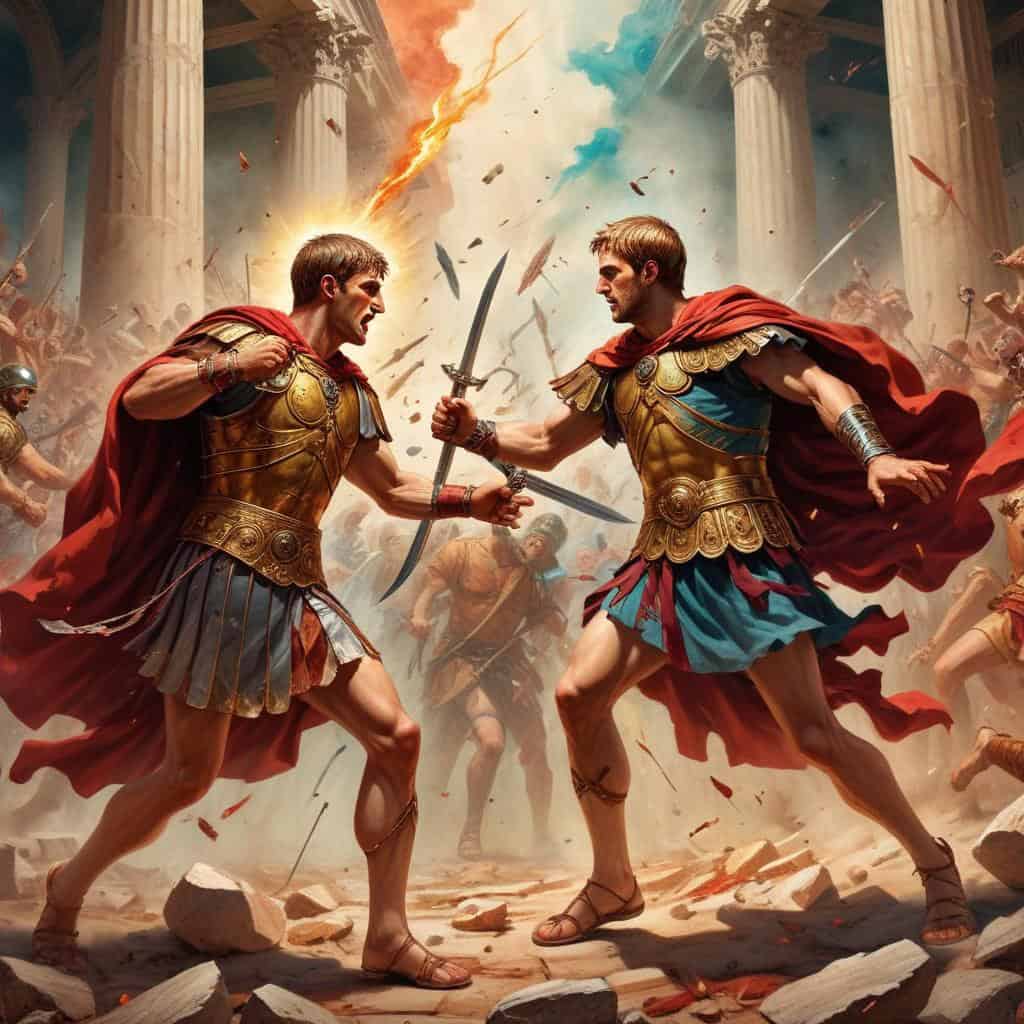
Conflict with Constantine
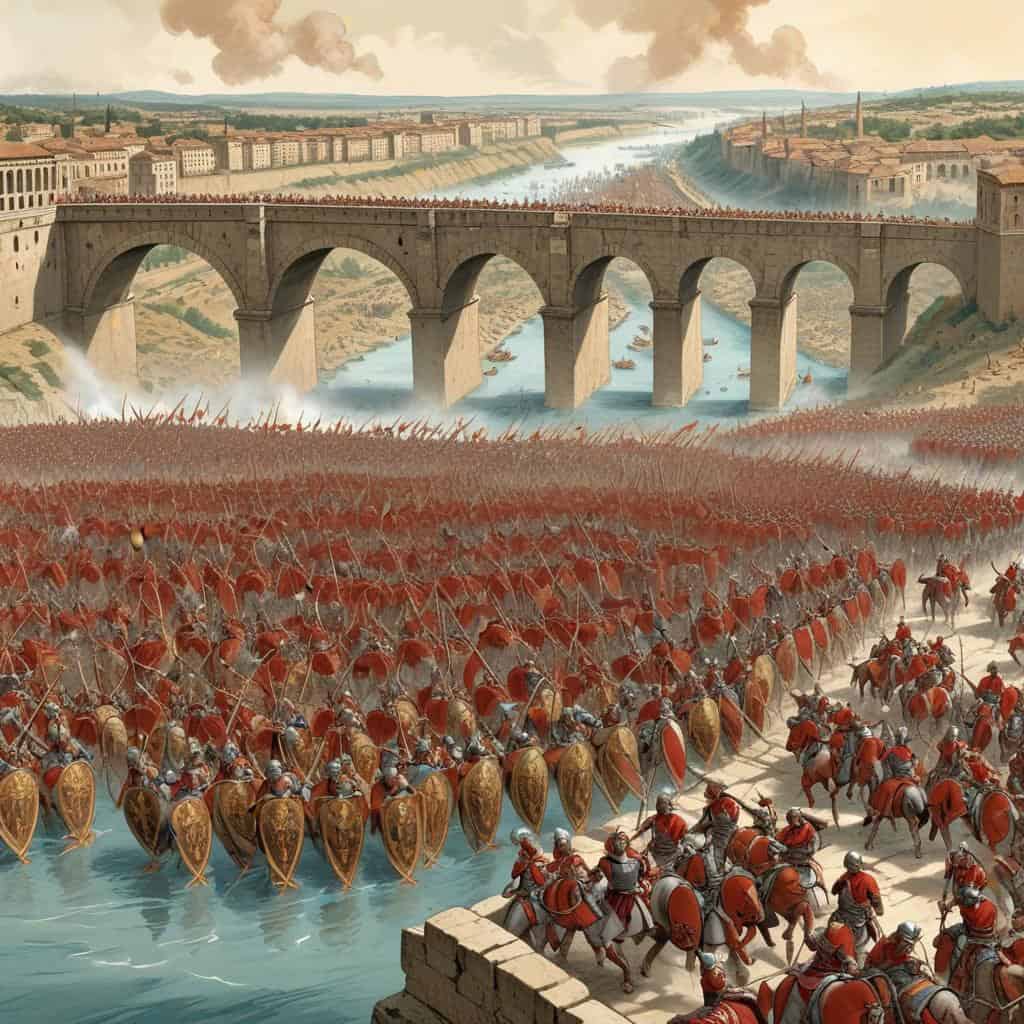
The Battle of the Milvian Bridge
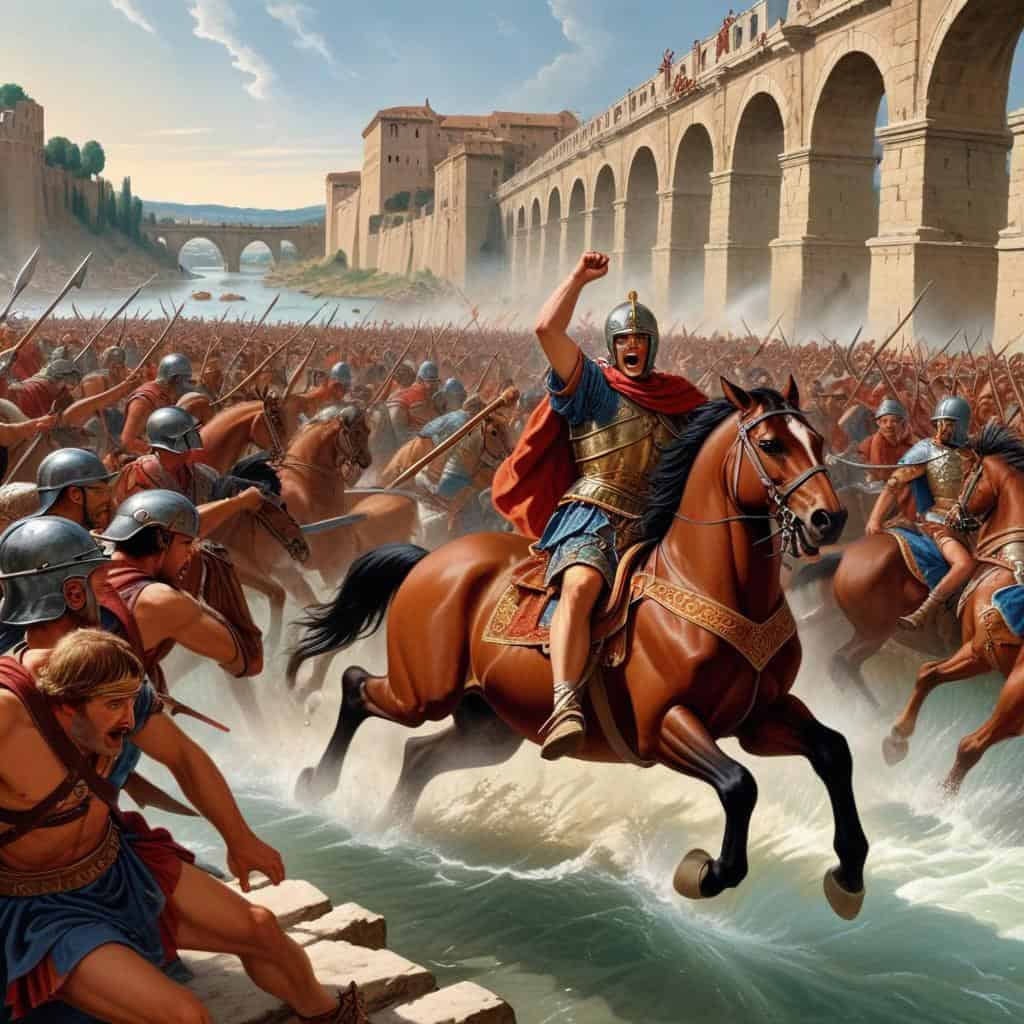
Death of Maxentius
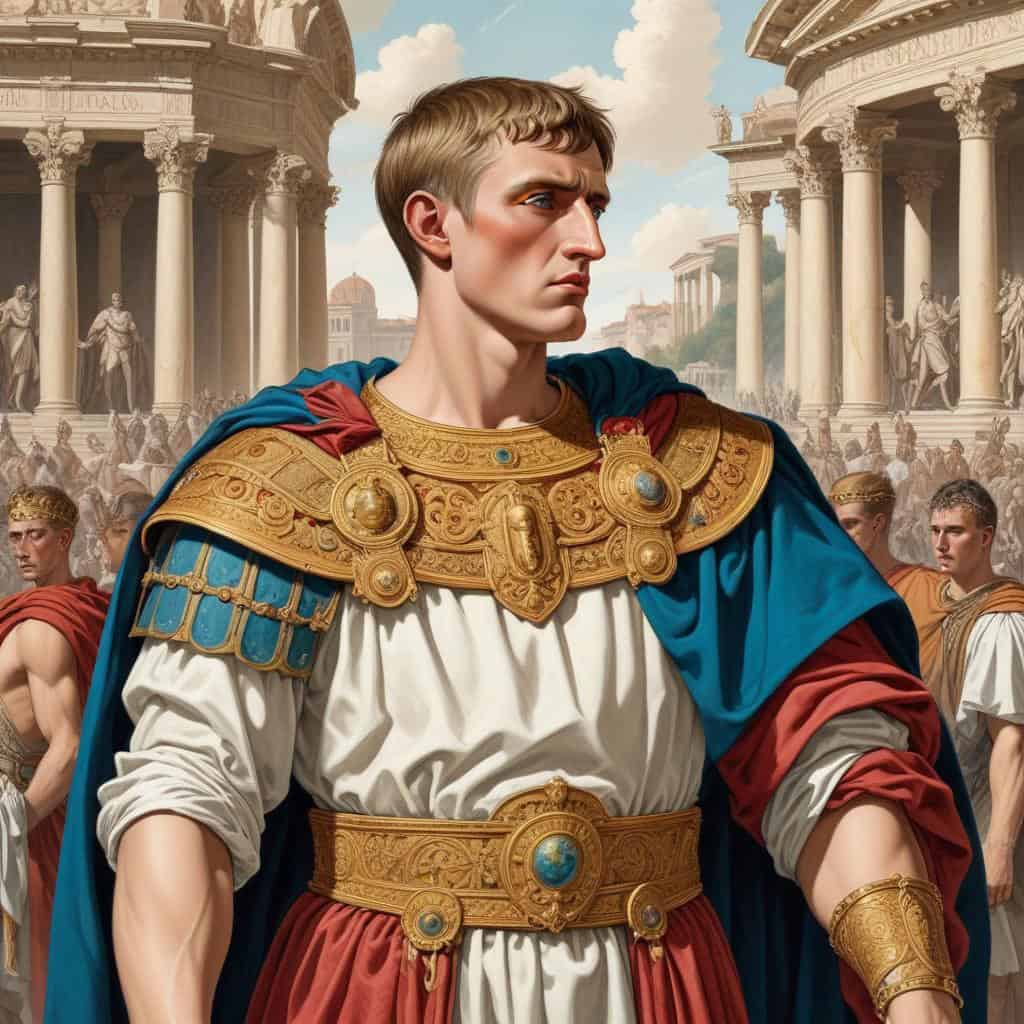
Legacy of Maxentius
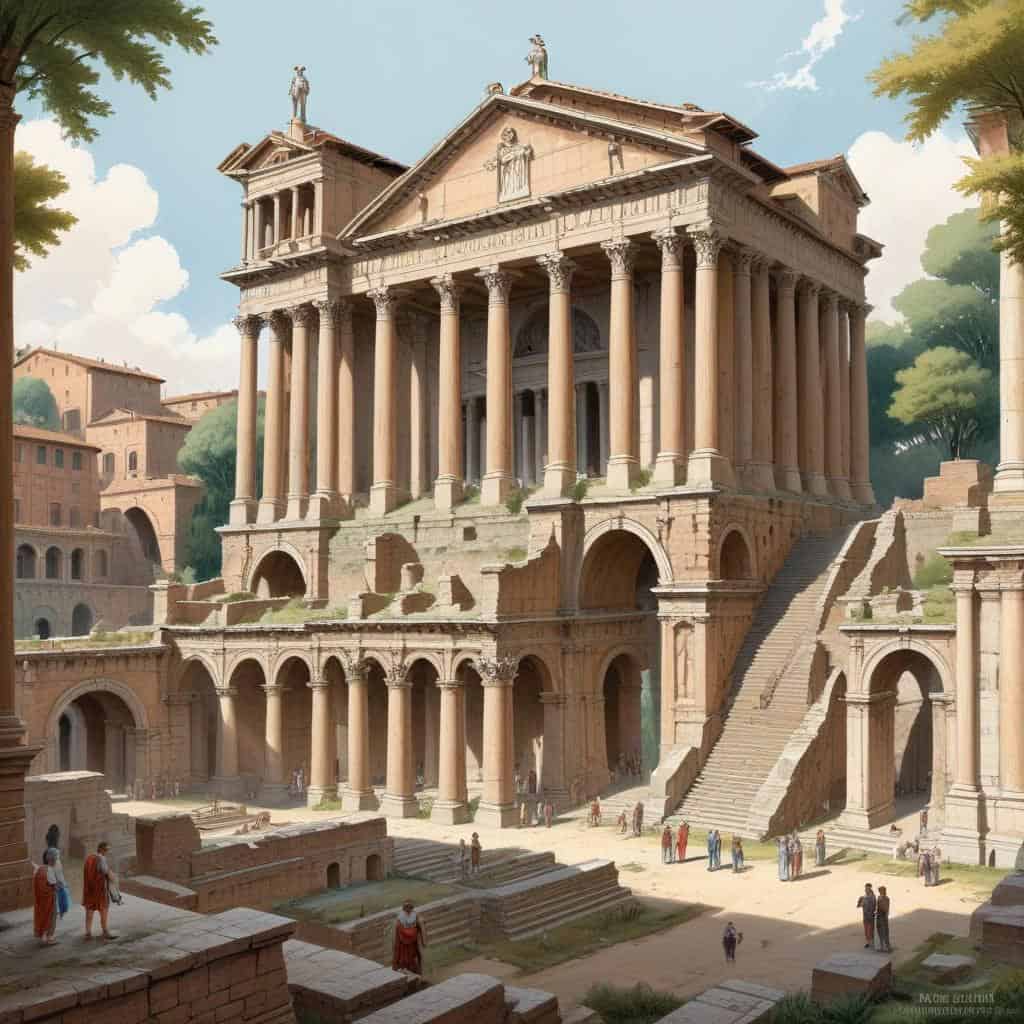
Architectural Achievements
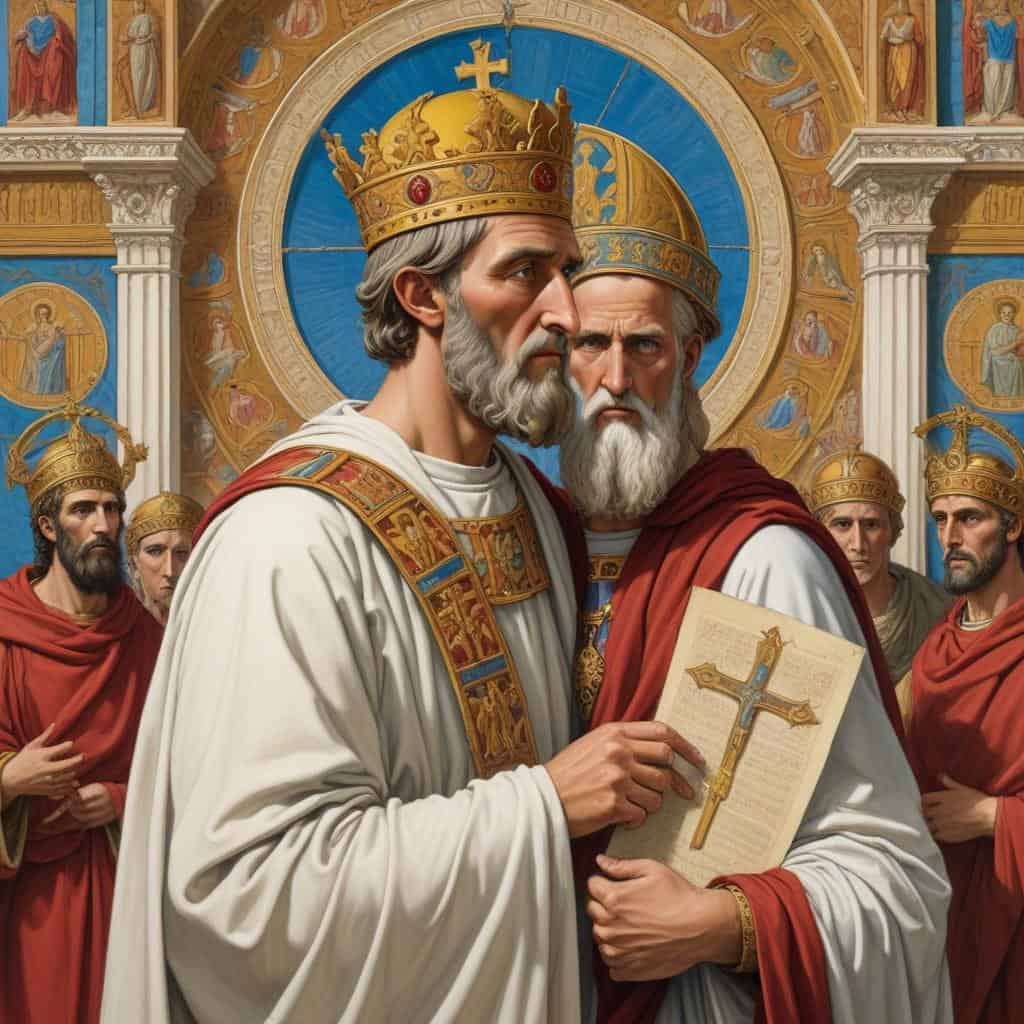
Relationship with Christianity
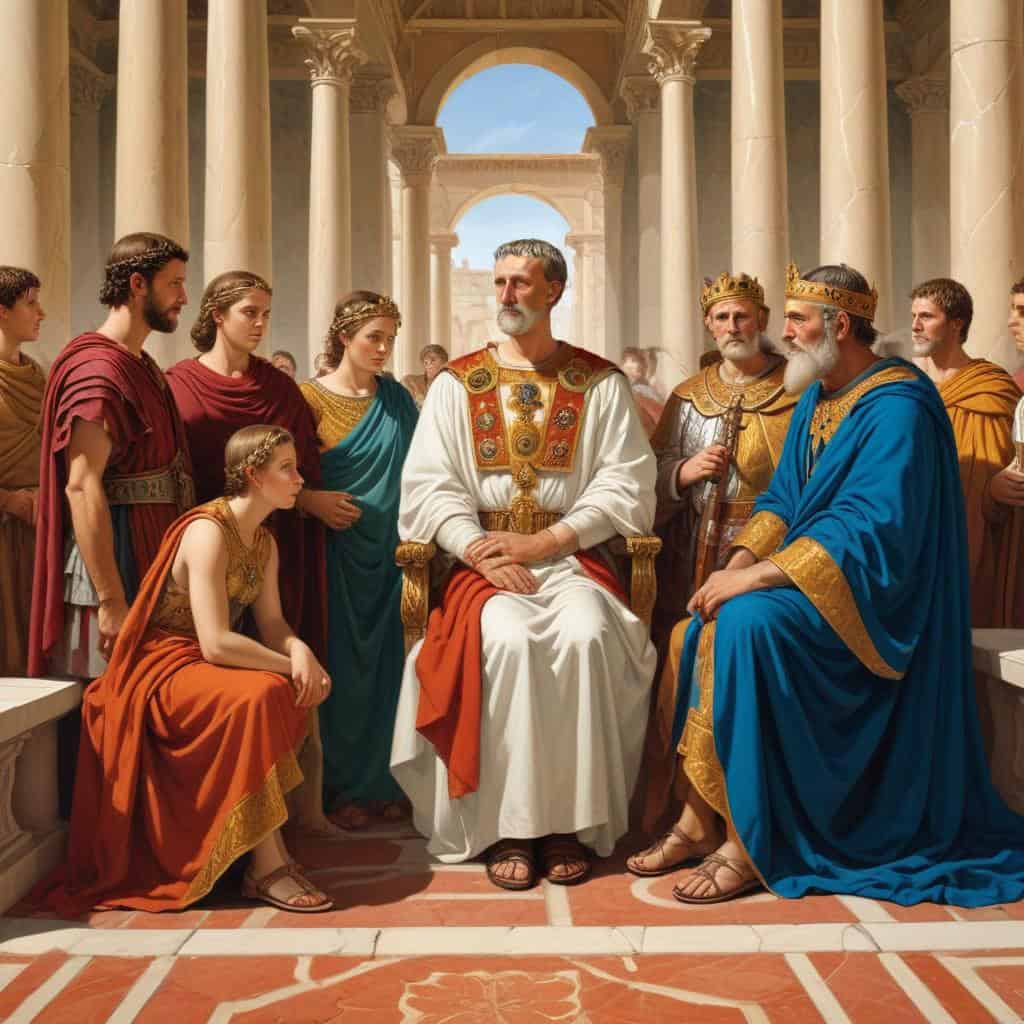
Family Connections
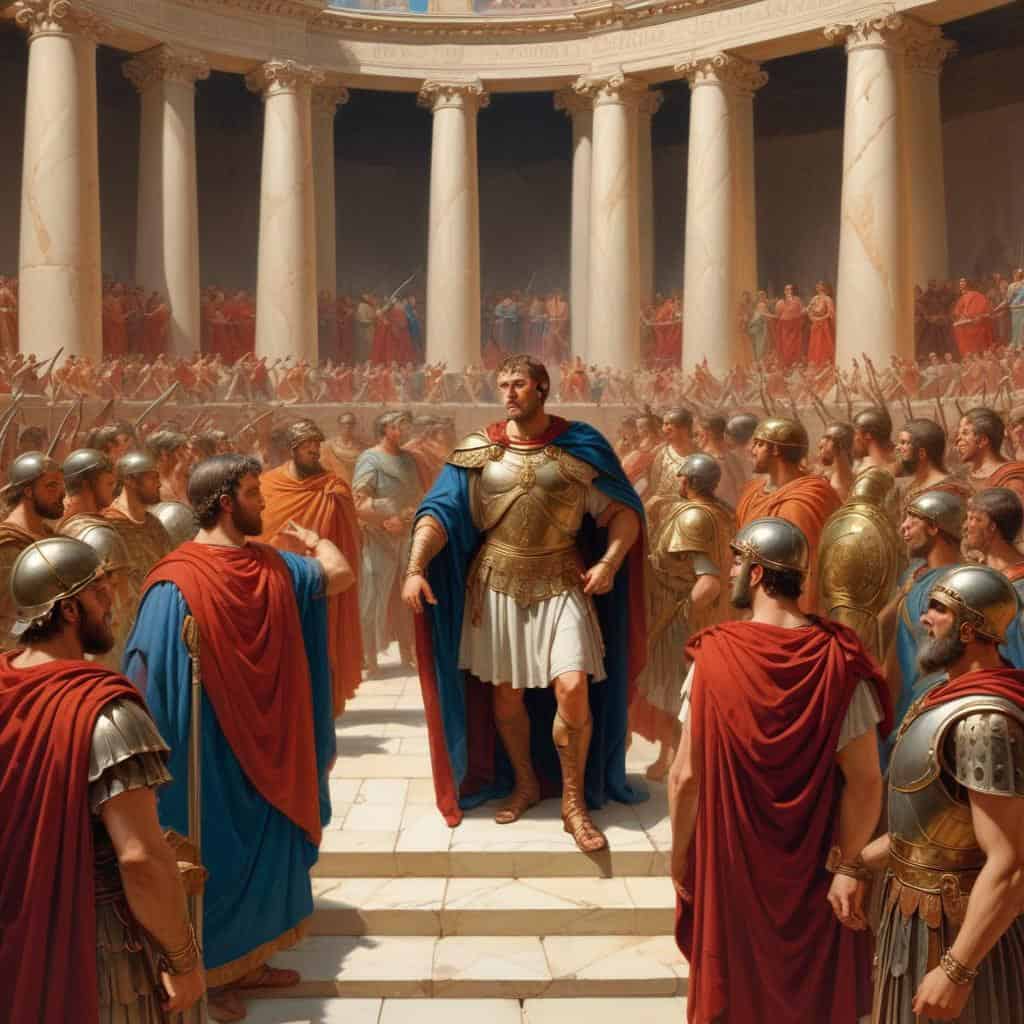
Political Maneuvering
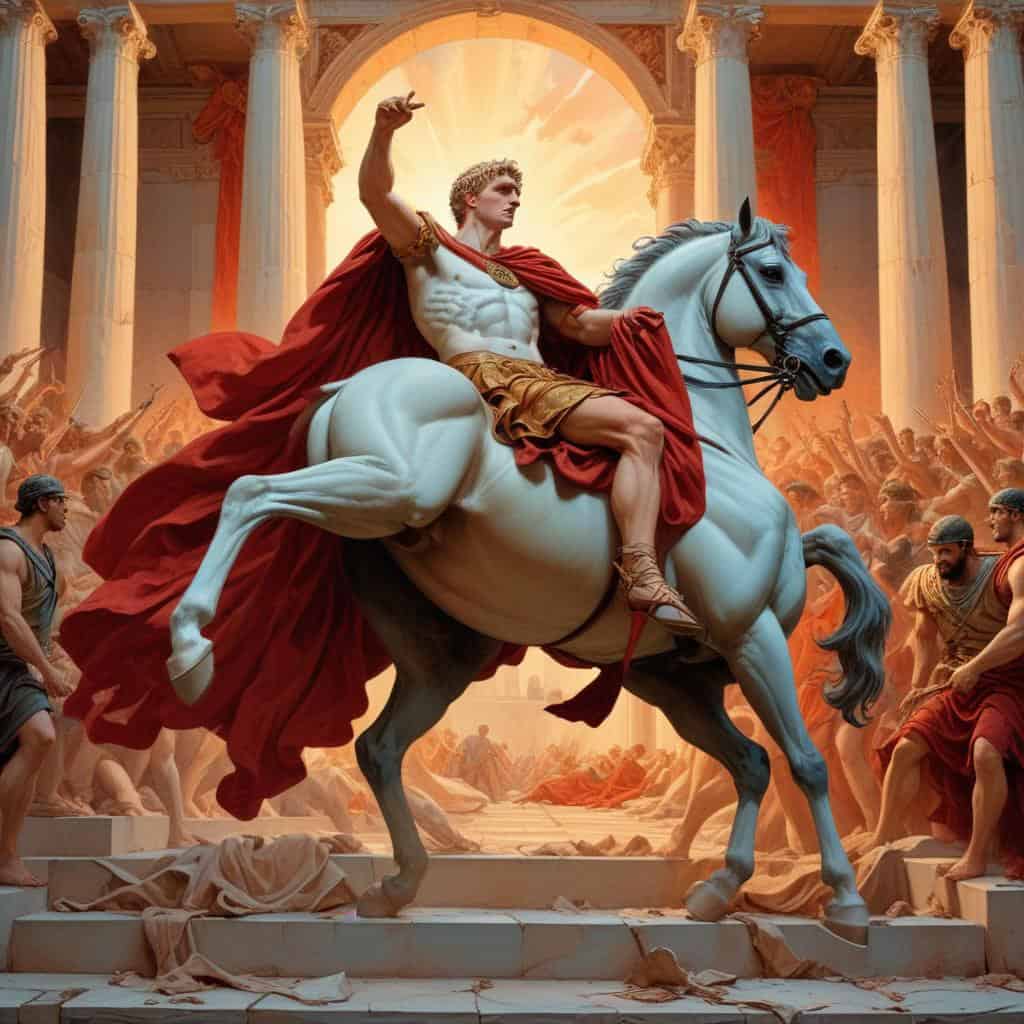
Downfall of Maxentius
Lesson Details & Resources
In a Nutshell
- Who: Roman emperor
- When: Lived: 278 – 312 AD
- Known For: Ruling as Emperor of Rome from 306 to 312 AD
- Legacy: The Battle of the Milvian Bridge and his defeat by Constantine the Great
Timeline of Maxentius: A Biography
Maxentius is born in 278 AD
Maxentius is appointed as co-emperor by his father Maximian in 306 AD
Maxentius marries Valeria Maximilla in 307 AD
Maxentius declares himself as Augustus in Rome in 306 AD
Maxentius constructs the Circus of Maxentius in Rome in 308 AD
Maxentius defeats Severus II in the Battle of Turin in 307 AD
Maxentius defeats Constantine I in the Battle of Verona in 312 AD
Maxentius is defeated by Constantine I in the Battle of the Milvian Bridge in 312 AD
Maxentius drowns in the Tiber River while fleeing from the Battle of the Milvian Bridge in 312 AD
Maxentius is deposed as emperor by Constantine I in 312 AD
Maxentius' body is retrieved from the Tiber River and buried in the Mausoleum of Hadrian in 312 AD
Maxentius is condemned as a tyrant by the Senate in 313 AD
Maxentius' statues and inscriptions are destroyed in Rome in 313 AD
Maxentius' memory is damned in Christian sources as a persecutor of Christians
Maxentius is posthumously rehabilitated by his descendants in the 4th century
Maxentius is portrayed positively in later sources as a victim of Constantine's propaganda
Maxentius' reign is remembered as a time of relative peace and prosperity in Rome
Maxentius' legacy is debated by historians as a failed usurper or a legitimate ruler
Maxentius' image appears in art and literature as a tragic figure in Roman history
Vocabulary List
- Maxentius
- Maxentius was a Roman emperor who ruled from 306 to 312 AD.
- Constantine
- Constantine defeated Maxentius at the Battle of the Milvian Bridge in 312 AD.
- Milvian Bridge
- The Battle of the Milvian Bridge was a decisive battle between Constantine and Maxentius.
- Roman Empire
- Maxentius was a ruler of the Roman Empire during the early 4th century AD.
- Tiber River
- The Battle of the Milvian Bridge took place near the Tiber River in Rome.
Key Facts
This is the information used in the fact matching game
- Maxentius was a Roman emperor who ruled from 306 to 312 AD.
- He was the son of the former emperor Maximian.
- Maxentius is known for being one of the last emperors of the Western Roman Empire.
- He is also known for his defeat at the Battle of the Milvian Bridge in 312 AD.
- Maxentius' reign was marked by civil war and unrest in the empire.
- He was a patron of the arts and commissioned several public works in Rome.
- Maxentius was a supporter of the Roman pagan religion.
- He built the Circus of Maxentius in Rome, which is still standing today.
- Maxentius' rule was characterized by corruption and nepotism.
- He was married to Valeria Maximilla, with whom he had a son named Romulus.
- Maxentius was defeated by Constantine the Great at the Battle of the Milvian Bridge.
- After his defeat, Maxentius drowned in the Tiber River while trying to escape.
- His body was later found and decapitated, and his head was paraded through the streets of Rome.
- Maxentius was buried in a mausoleum on the Via Appia, which can still be visited today.
- He is sometimes referred to as the 'usurper emperor' due to the way he came to power.
- Maxentius' reign was marked by economic decline and inflation in the Roman Empire.
- He was known for his extravagant lifestyle and love of luxury.
- Maxentius was a skilled military commander and strategist.
- He was the last emperor to hold Rome before the rise of Constantine the Great.
- Maxentius' reign marked the end of the Tetrarchy system of government in the Roman Empire.
Analysis & Significance
Major Accomplishments
Maxentius was a renowned Memory Wizard known for his groundbreaking research on enhancing memory retention through the use of mnemonic techniques. He developed innovative memory exercises that revolutionized the way people approached learning and memorization.
Impact on the World
Maxentius’ work had a profound impact on education and cognitive psychology, influencing generations of scholars and students. His methods were widely adopted and continue to be used in various fields to improve memory, study habits, and cognitive performance.
Enduring Legacy
Today, Maxentius is remembered as a pioneer in the field of memory enhancement, with his techniques still being taught and studied. His legacy as a Memory Wizard lives on through his enduring contributions to the understanding of human memory and cognition.
Maxentius: A Biography Games


Take Your Learning Offline
Want a convenient, print-ready study guide for this lesson? Become a Memory Wizards Pro member to unlock the downloadable " Memory Scrolls" for this topic and our entire library!
- ✓ Complete Vocabulary Lists
- ✓ Key Facts & Timelines
- ✓ Beautifully Formatted for Print & Mobile