
Constantius Chlorus: A Biography
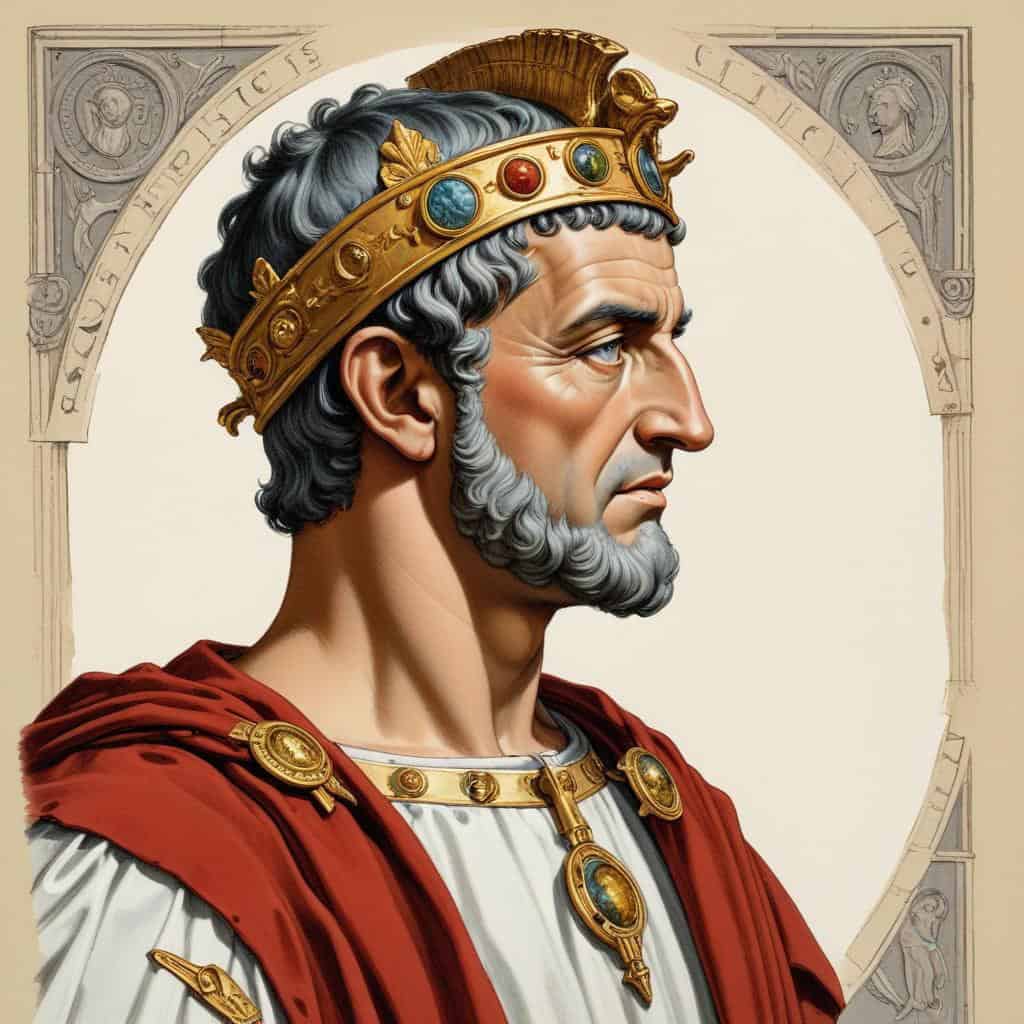
Constantius Chlorus: The Roman emperor who restored stability and unity to the empire.
How Do You Learn Best?
Learn by Reading
Immerse yourself in the 10-minute visual lesson for a comprehensive understanding of the topic.
Learn by Reviewing
Jump directly to the key facts, timeline, and vocabulary lists to build a solid foundation of details.
Learn by Doing
Challenge yourself! Jump straight into the interactive games to learn by trial, error, and discovery.
Constantius Chlorus: A Biography in 10 Minutes
Introduction
Flavius Valerius Constantinus (Constantine the Great)
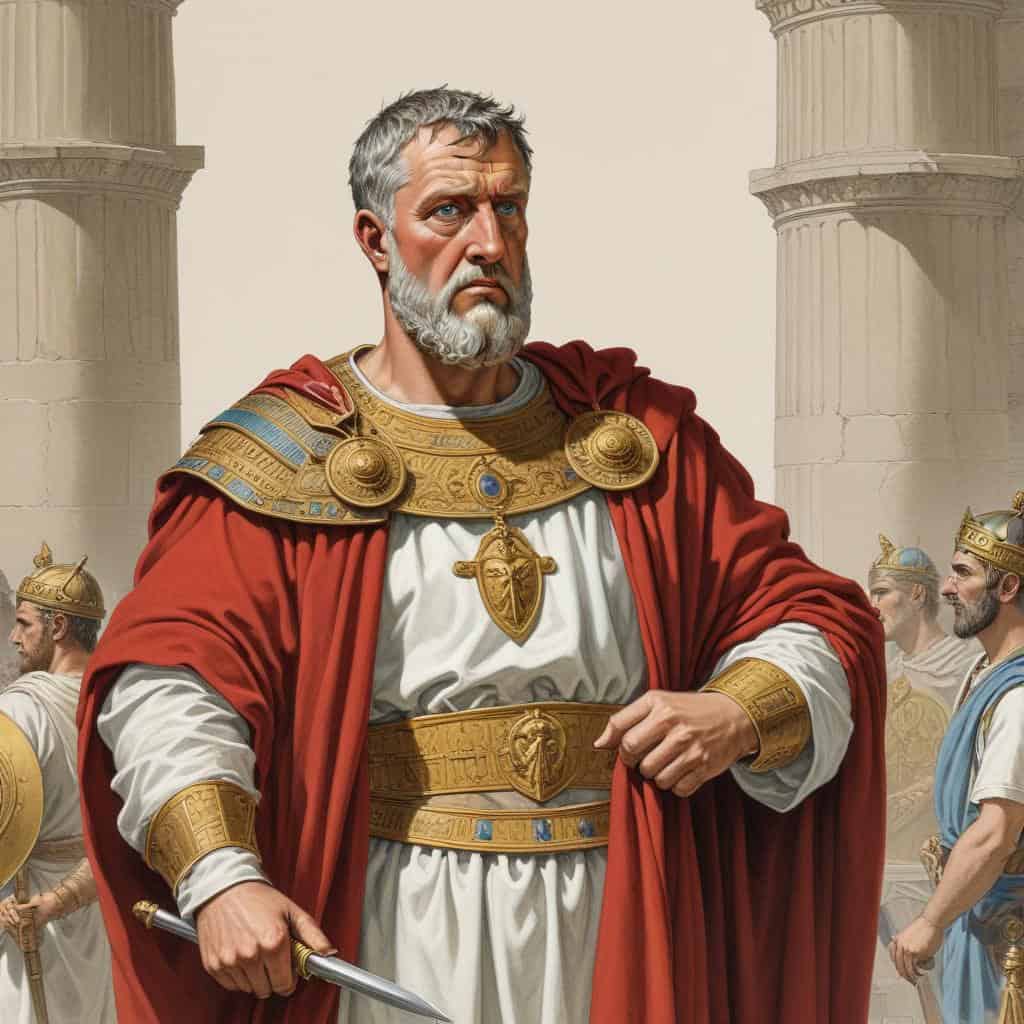
Galerius

Maxentius
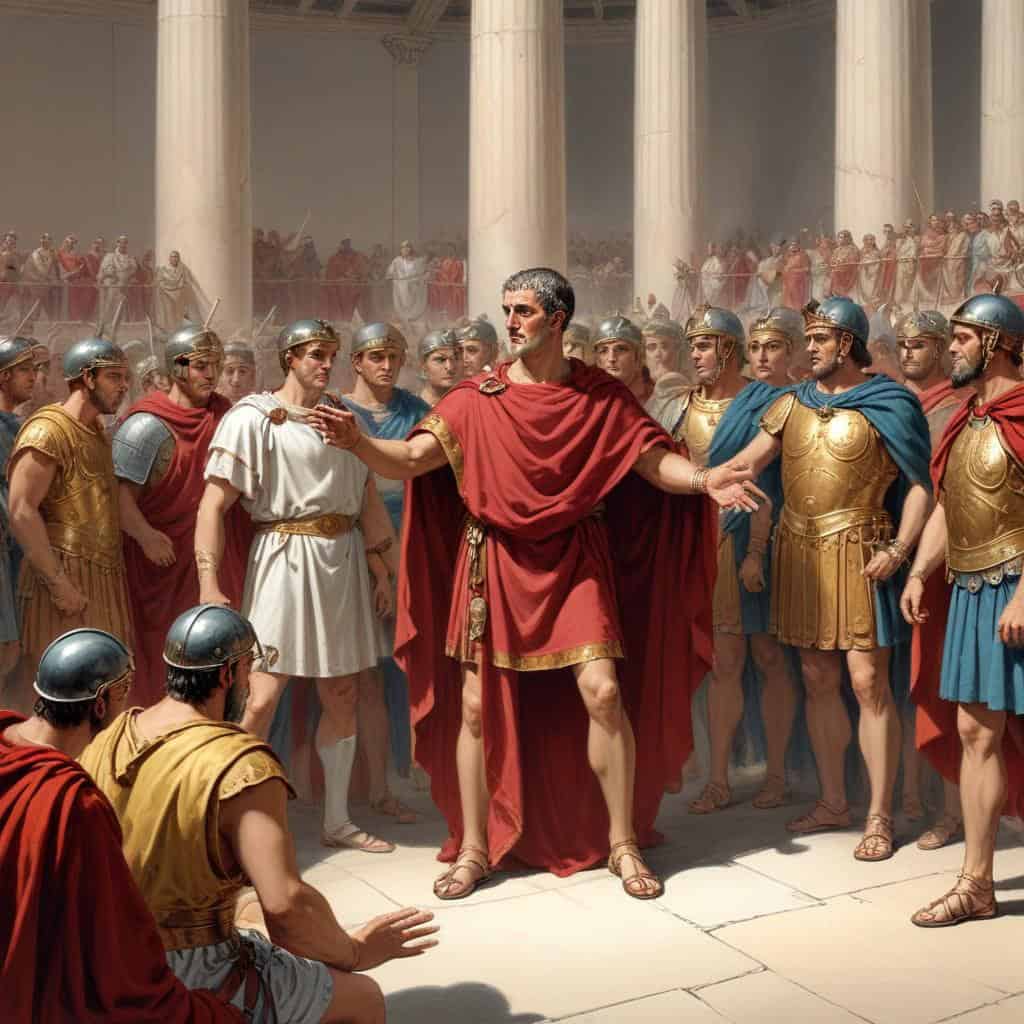
Rise to Power
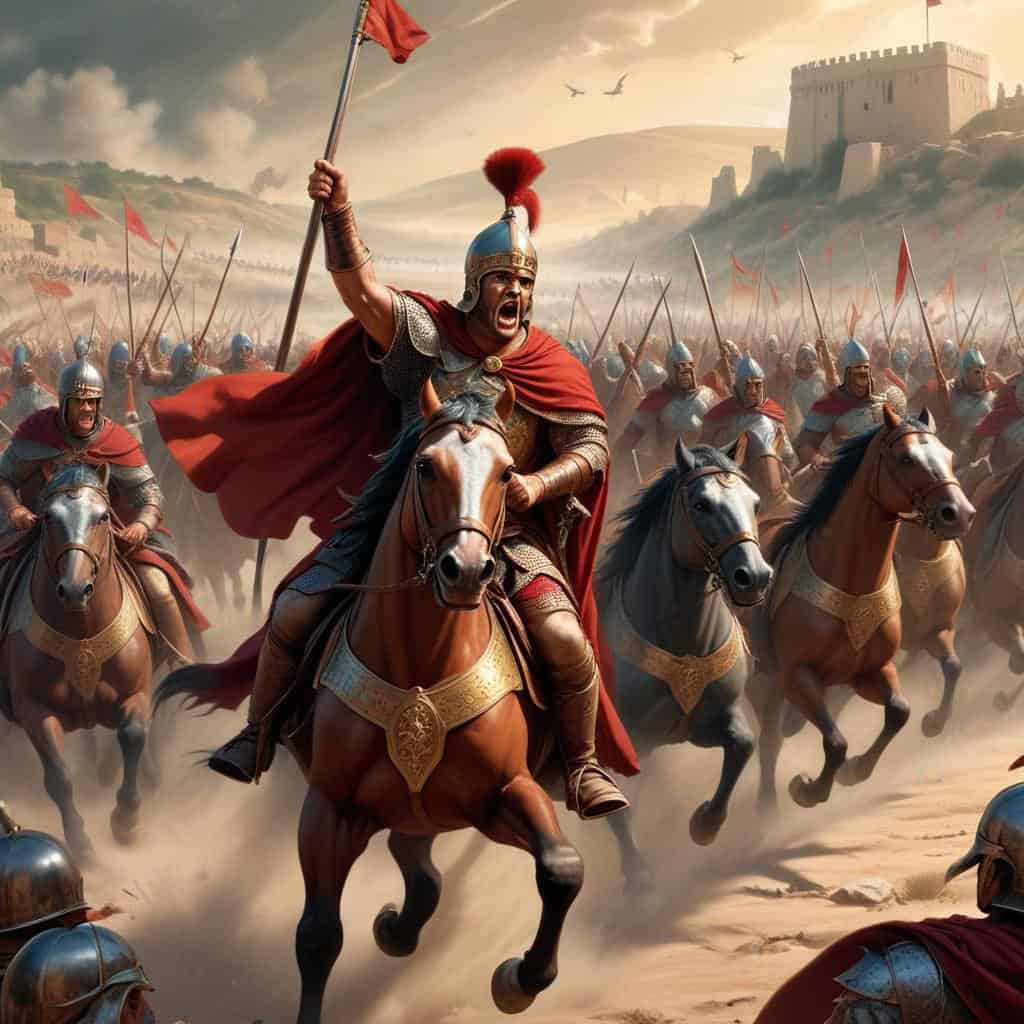
Military Campaigns
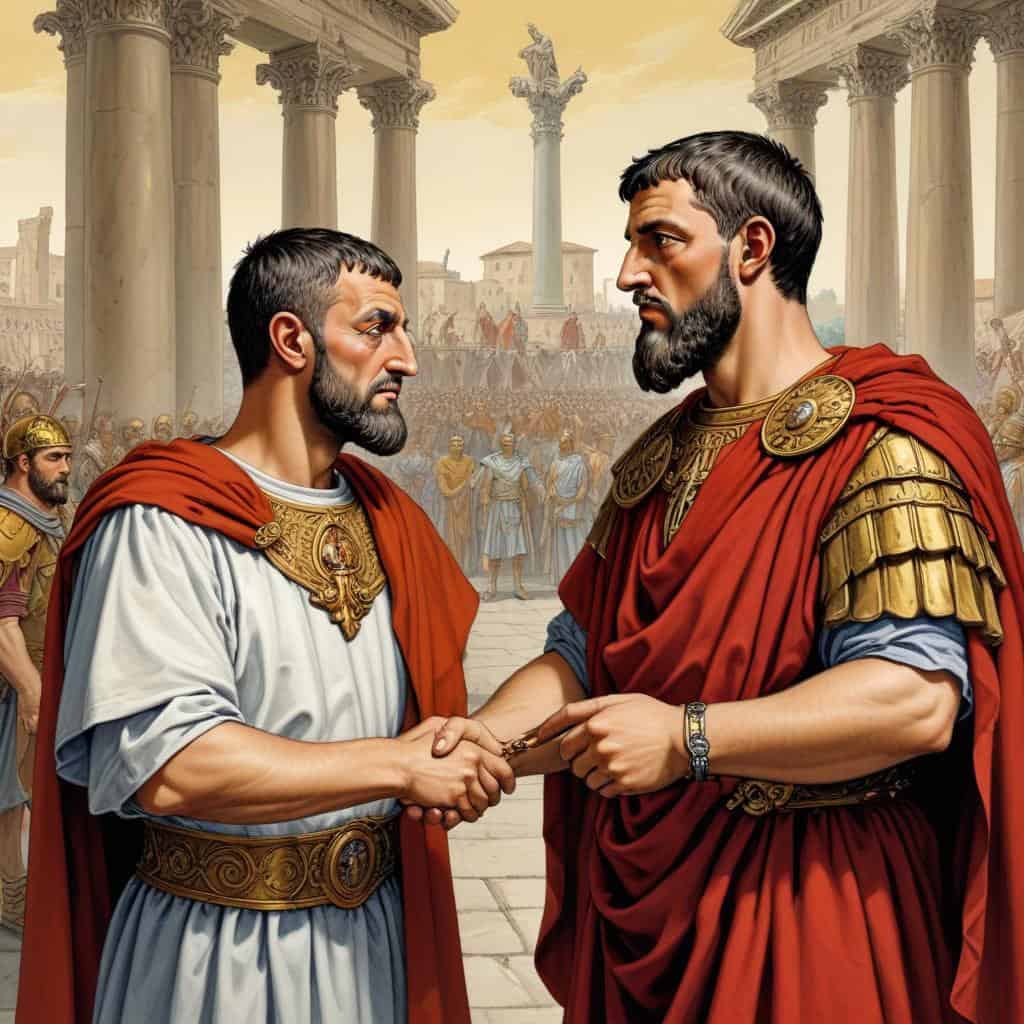
Relationship with Diocletian
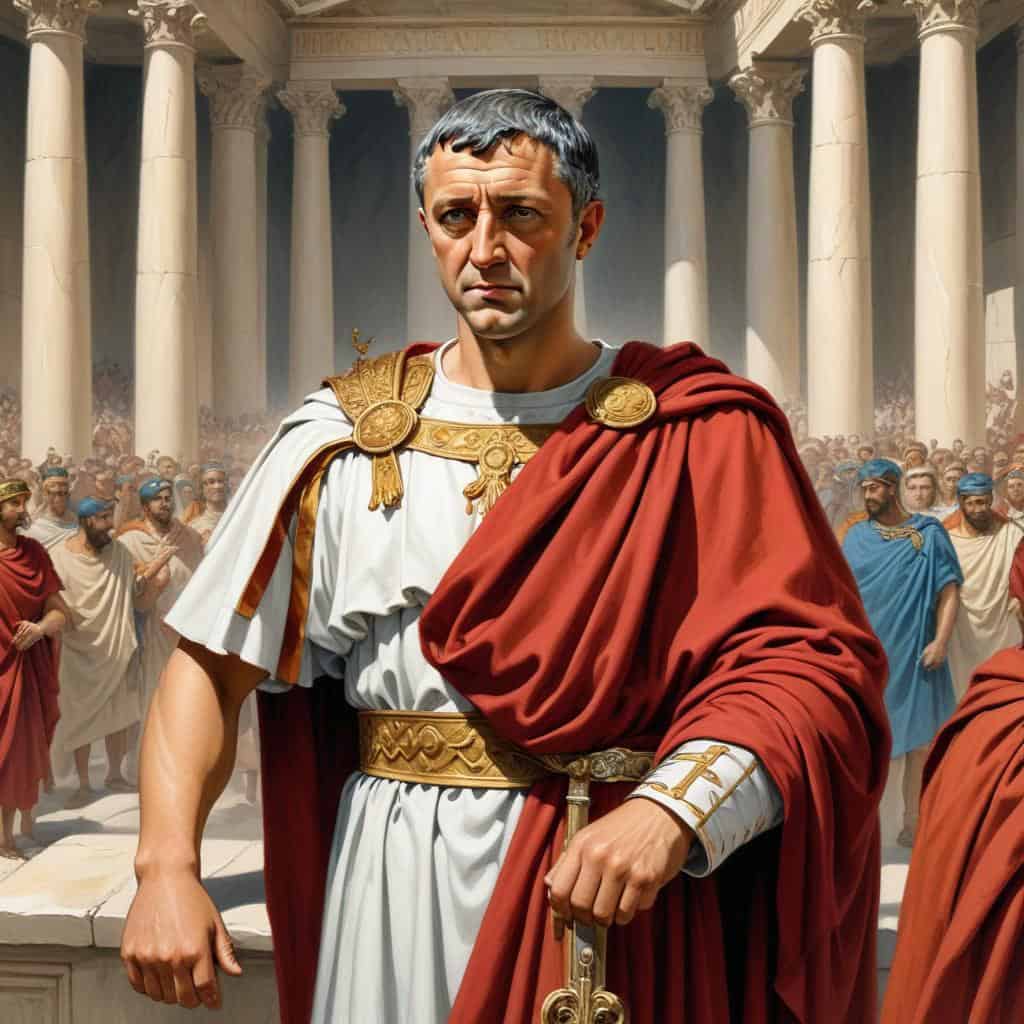
Religious Policy
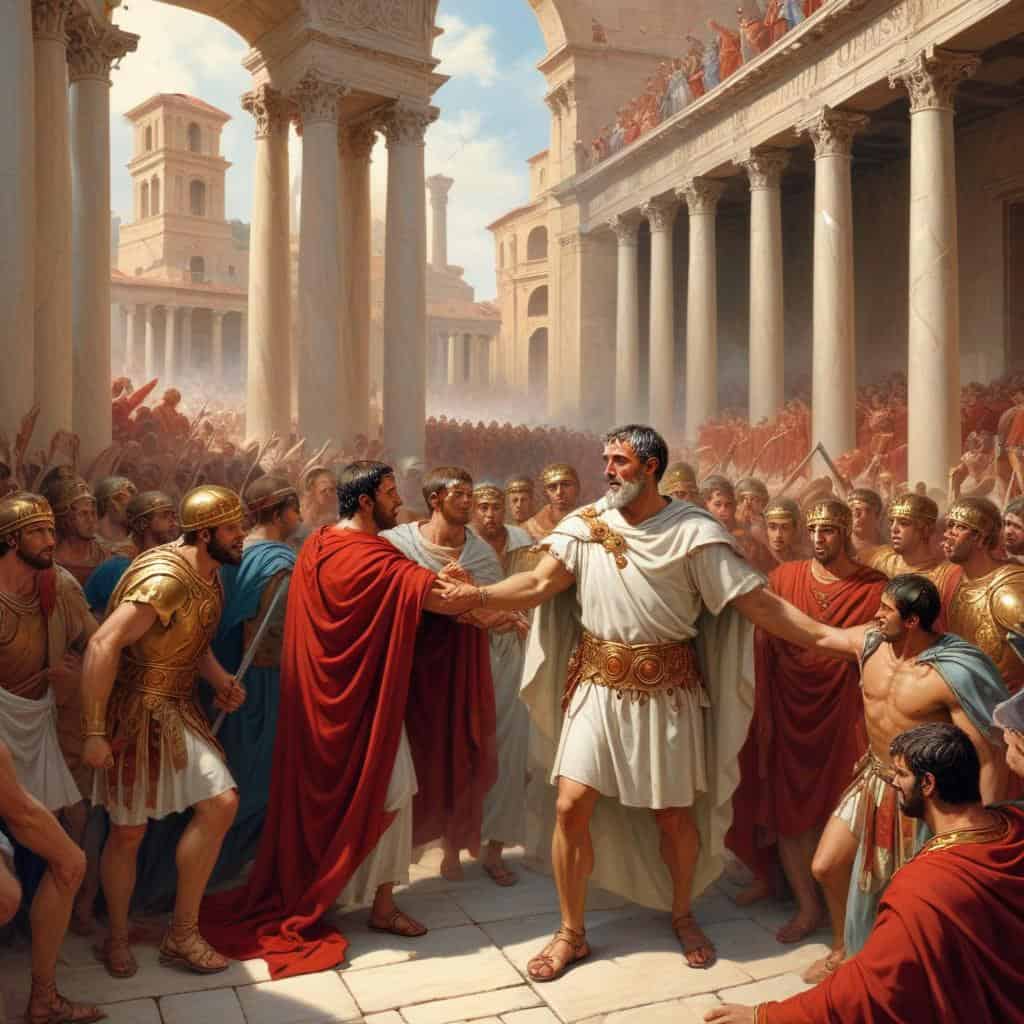
Death and Succession
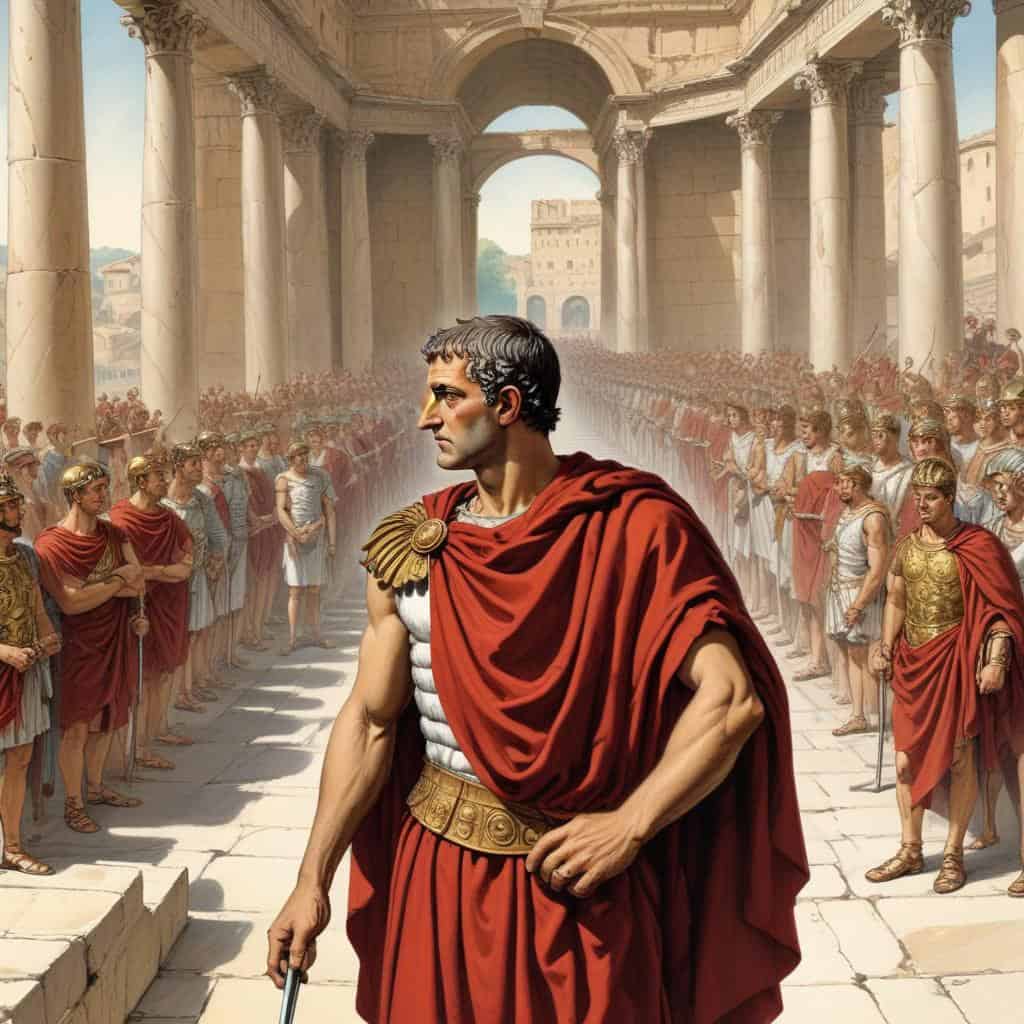
Legacy
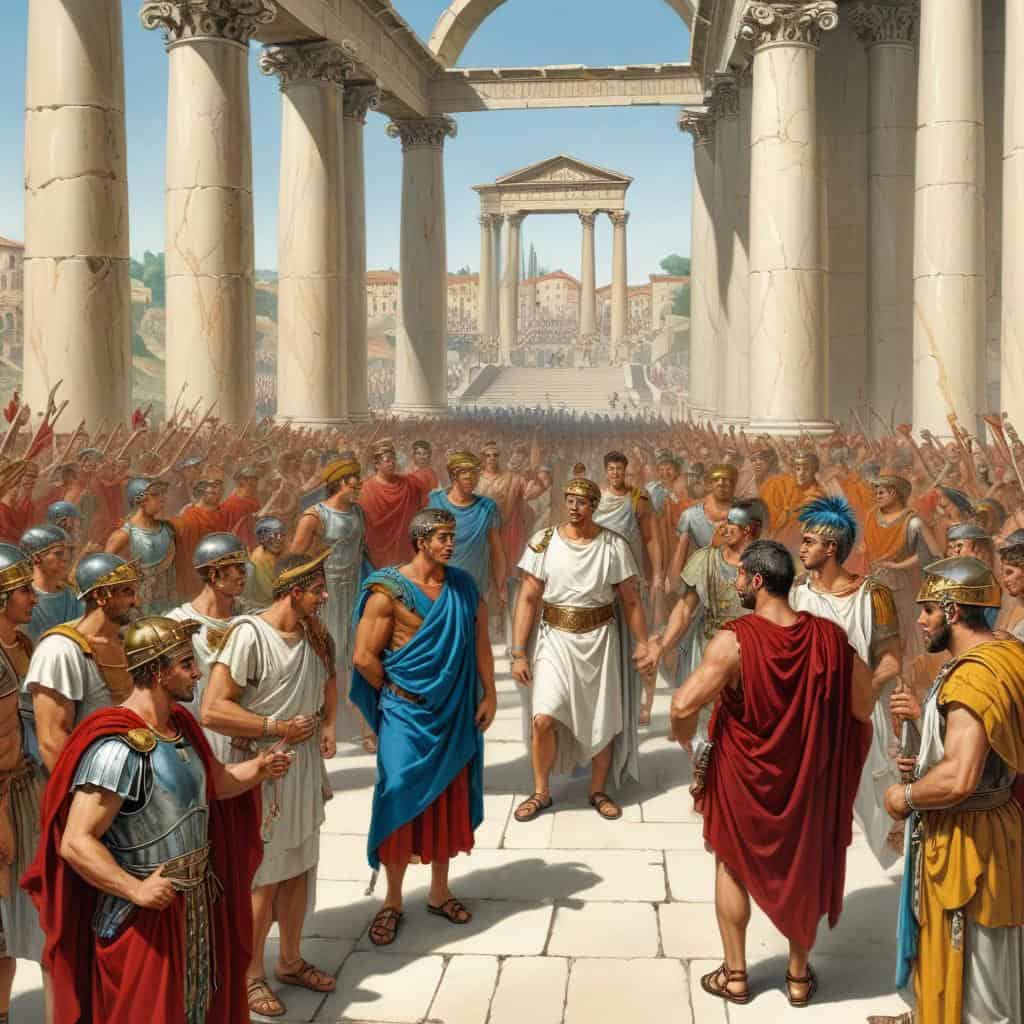
Administrative Reforms

Building Projects
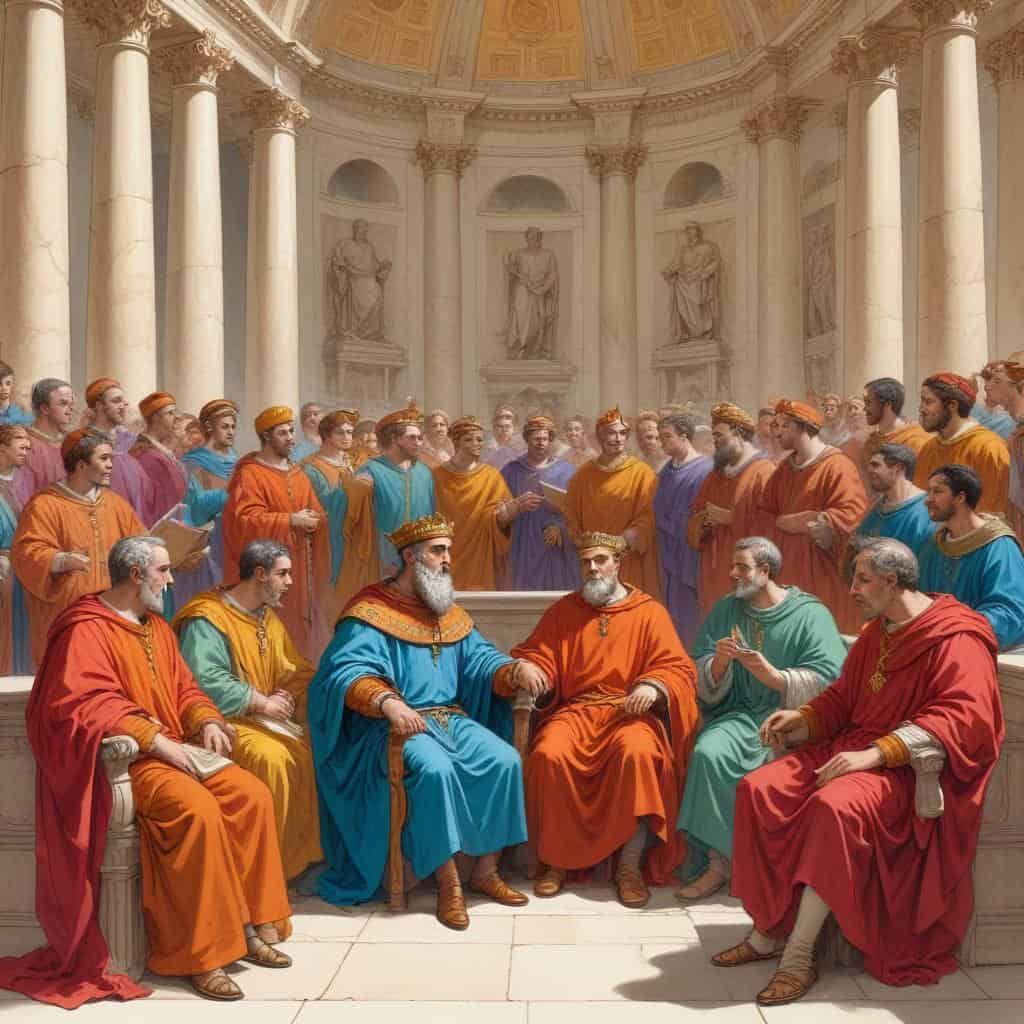
Cultural Influence
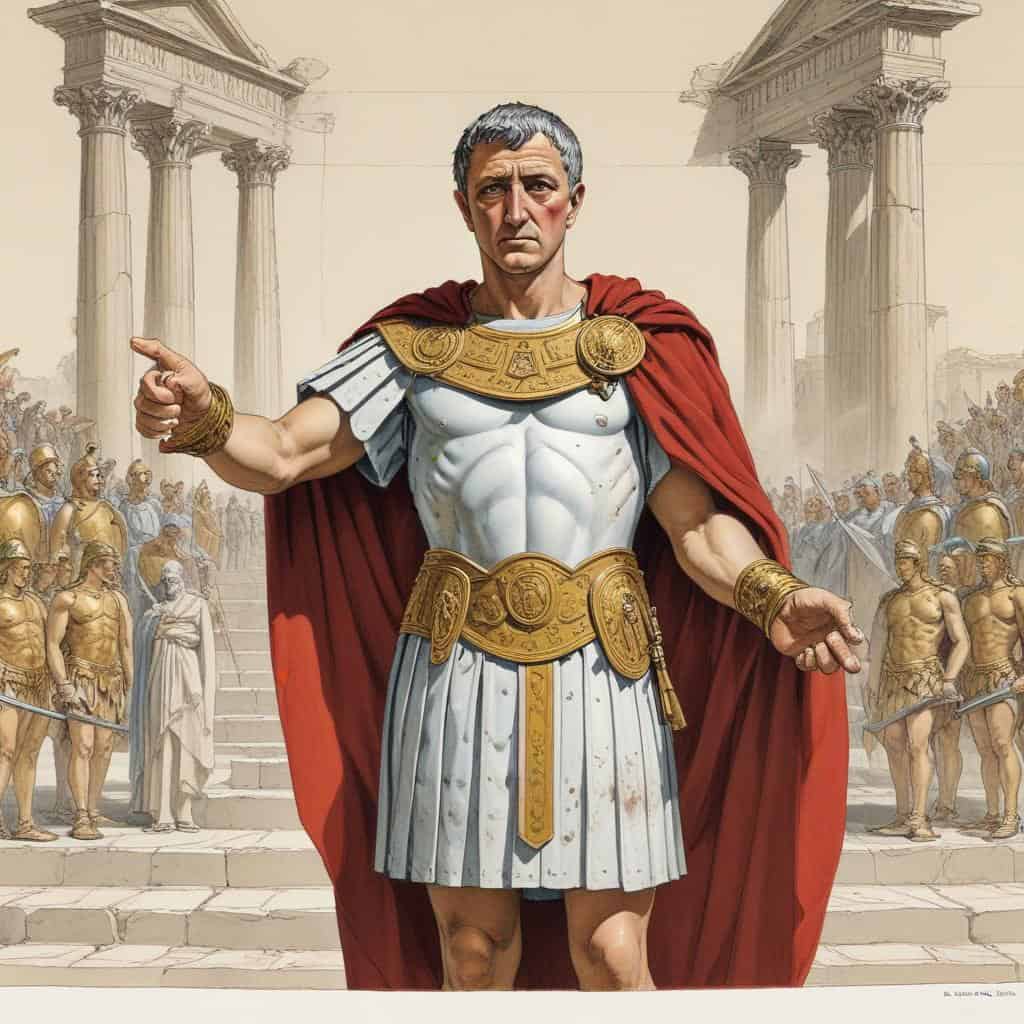
Remembering Constantius Chlorus
Lesson Details & Resources
In a Nutshell
- Who: Roman Emperor
- When: Lived: 250 – 306 AD
- Known For: Being the father of Constantine the Great and serving as Caesar and Augustus in the Roman Empire
- Legacy: Establishing a stable and peaceful rule in Gaul and Britain during his reign
Timeline of Constantius Chlorus: A Biography
Birth of Constantius Chlorus in approximately 250 AD
Constantius Chlorus becomes a military officer in the Roman army
Constantius Chlorus is appointed as a military governor in Dalmatia
Constantius Chlorus becomes Caesar of the Western Roman Empire
Constantius Chlorus marries Flavia Maximiana Theodora
Constantius Chlorus is given the title of Augustus by Emperor Diocletian
Constantius Chlorus defeats the usurper Allectus in Britain
Constantius Chlorus suppresses the revolt of Carausius in Britain
Constantius Chlorus leads campaigns against the Franks and Alamanni
Constantius Chlorus dies in York, Britain
Vocabulary List
- Constantius Chlorus
- Constantius Chlorus, also known as Constantius I, was a Roman Emperor who ruled from 293 to 306 AD.
- Tetrarchy
- Constantius Chlorus was a part of the Tetrarchy, a system of government established by Emperor Diocletian in which the Roman Empire was divided into four co-emperors.
- Galerius
- Galerius was a colleague of Constantius Chlorus in the Tetrarchy, serving as one of the other co-emperors.
- Caesar
- Constantius Chlorus was initially appointed as Caesar, the junior co-emperor, before eventually becoming Augustus.
- Maximian
- Maximian was another colleague of Constantius Chlorus in the Tetrarchy, serving as one of the other co-emperors.
- Gaul
- Constantius Chlorus was known for his military campaigns in Gaul, where he secured the Roman borders against invading tribes.
Key Facts
This is the information used in the fact matching game
- Constantius Chlorus was a Roman Emperor who ruled from 305 to 306 AD.
- He was born in 250 AD in the Roman province of Moesia (modern-day Serbia).
- Constantius Chlorus was known for his military campaigns in Gaul and Britain.
- He was the father of Constantine the Great, who would later become Emperor of Rome.
- Constantius Chlorus was known for his tolerance towards Christians, despite persecution of Christians being common at the time.
- He was given the title of Caesar by Emperor Diocletian in 293 AD.
- Constantius Chlorus was involved in the Tetrarchy system of government, which divided the Roman Empire into four separate territories.
- He played a key role in the defeat of the usurper Carausius in Britain.
- Constantius Chlorus died in 306 AD while on campaign against the Picts in Britain.
- He was succeeded by his son Constantine the Great as Emperor of Rome.
- Constantius Chlorus was known for his administrative reforms and efforts to stabilize the Roman Empire.
- He was married to Helena, who would later be declared a saint by the Catholic Church.
- Constantius Chlorus was a skilled military commander who earned the respect of his troops.
- He was known for his diplomatic skills in maintaining peace within the Roman Empire.
- Constantius Chlorus was appointed as Caesar of the Western Roman Empire by Emperor Maximian in 293 AD.
- He was involved in the suppression of the Bagaudae rebellion in Gaul.
- Constantius Chlorus was known for his fair and just rule, earning him the nickname 'Chlorus' which means 'the pale' in Latin.
- He was a supporter of the Tetrarchy system of government, which aimed to prevent civil wars and ensure a smooth succession of power.
- Constantius Chlorus is sometimes referred to as Constantius I to distinguish him from his son Constantine the Great.
- He was known for his military campaigns against the Franks and Alamanni in Gaul.
Analysis & Significance
Major Accomplishments
Constantius Chlorus, also known as Constantius I, was a Roman Emperor who successfully reunited the Western and Eastern Roman Empires after a period of turmoil. He also played a key role in securing the northern borders of the empire, particularly against the Franks and Alamanni.
Impact on the World
Constantius Chlorus’ reign marked a period of stability and prosperity for the Roman Empire. His military campaigns and diplomatic efforts helped to secure the empire’s borders and maintain peace within its territories. His policies also laid the foundation for the administrative reforms that would be carried out by his son, Constantine the Great.
Enduring Legacy
Constantius Chlorus is remembered as a capable and pragmatic ruler who was able to navigate the complexities of Roman politics and maintain the unity of the empire during a challenging time. His legacy lives on in the administrative reforms he implemented and the stability he brought to the Roman Empire during his reign.
Constantius Chlorus: A Biography Games


Take Your Learning Offline
Want a convenient, print-ready study guide for this lesson? Become a Memory Wizards Pro member to unlock the downloadable " Memory Scrolls" for this topic and our entire library!
- ✓ Complete Vocabulary Lists
- ✓ Key Facts & Timelines
- ✓ Beautifully Formatted for Print & Mobile