
Caracalla: A Ruthless Emperor’s Biography
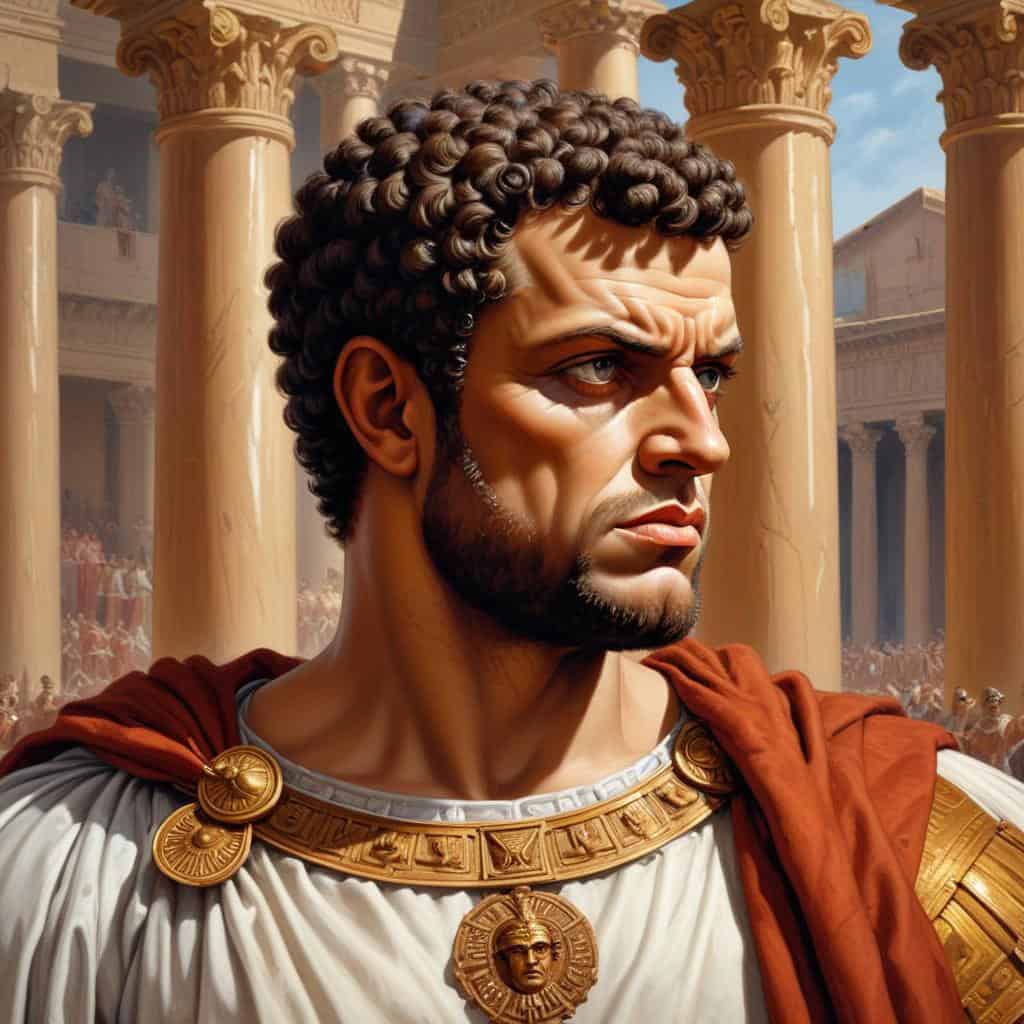
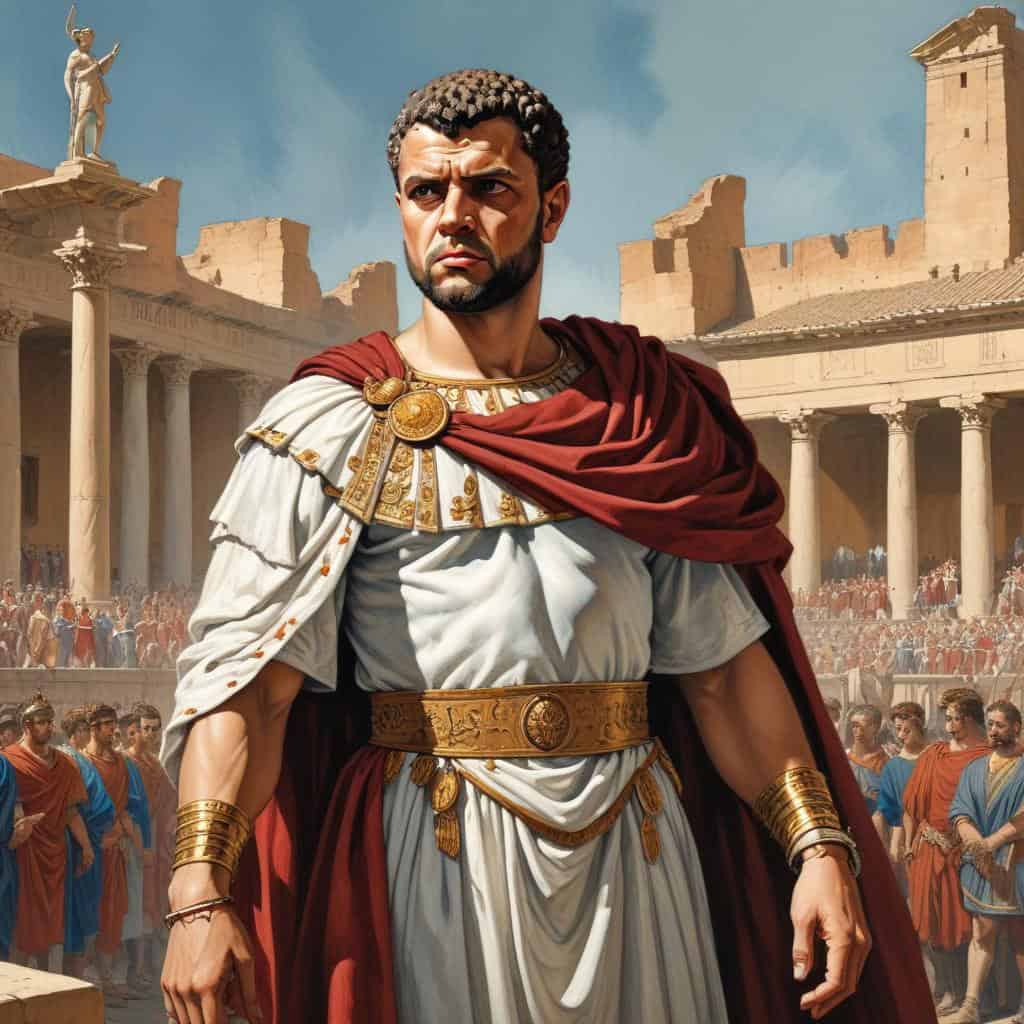
Caracalla: The ruthless Roman emperor who expanded the empire and granted citizenship to all.
How Do You Learn Best?
Learn by Reading
Immerse yourself in the 10-minute visual lesson for a comprehensive understanding of the topic.
Learn by Reviewing
Jump directly to the key facts, timeline, and vocabulary lists to build a solid foundation of details.
Learn by Doing
Challenge yourself! Jump straight into the interactive games to learn by trial, error, and discovery.
Caracalla: A Ruthless Emperor’s Biography in 10 Minutes
Introduction
Septimius Severus
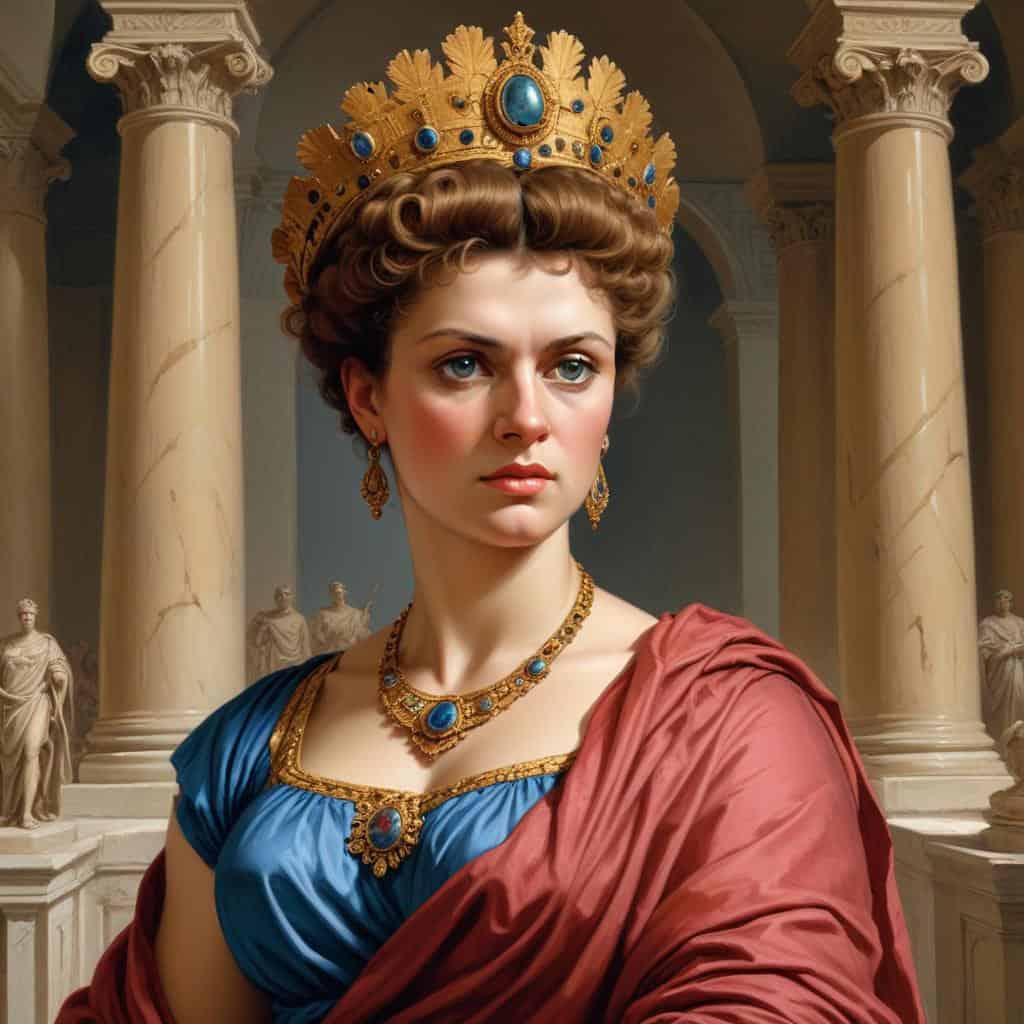
Julia Domna
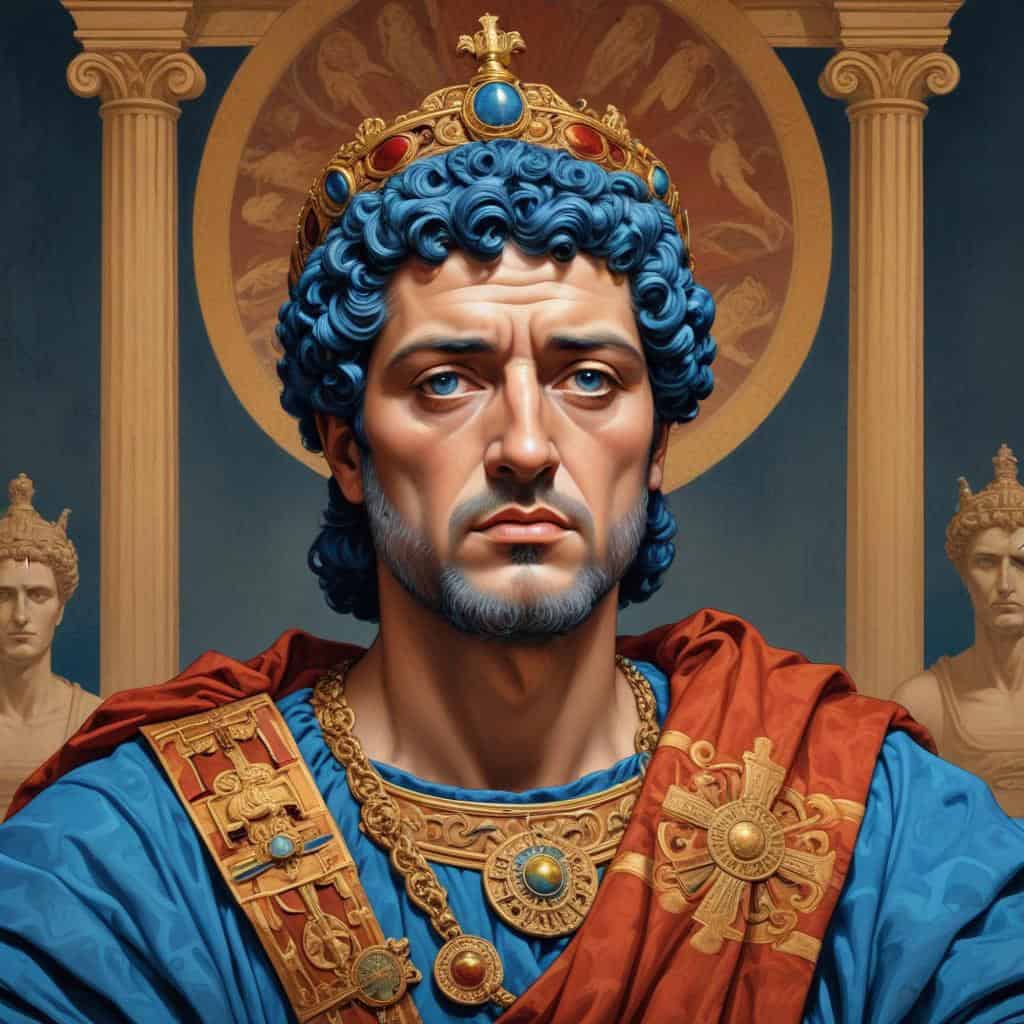
Geta
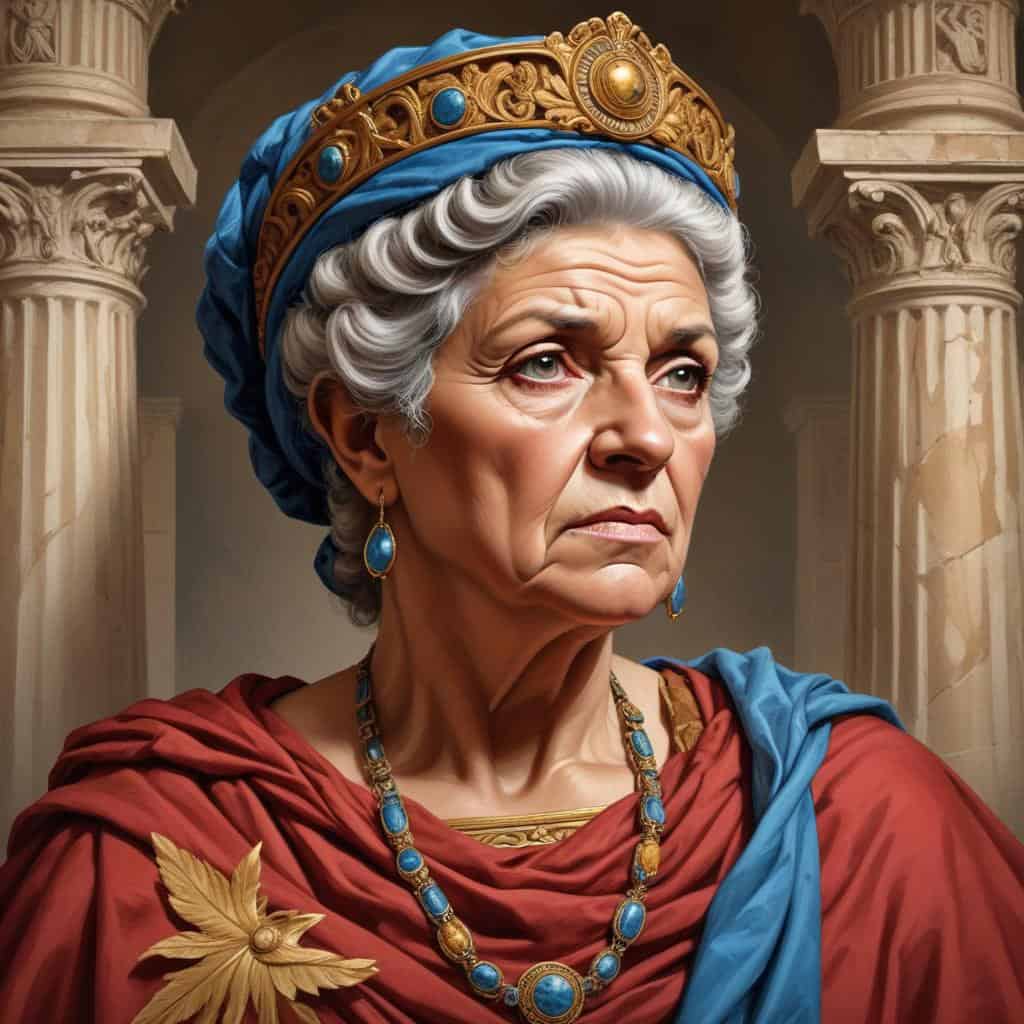
Julia Maesa
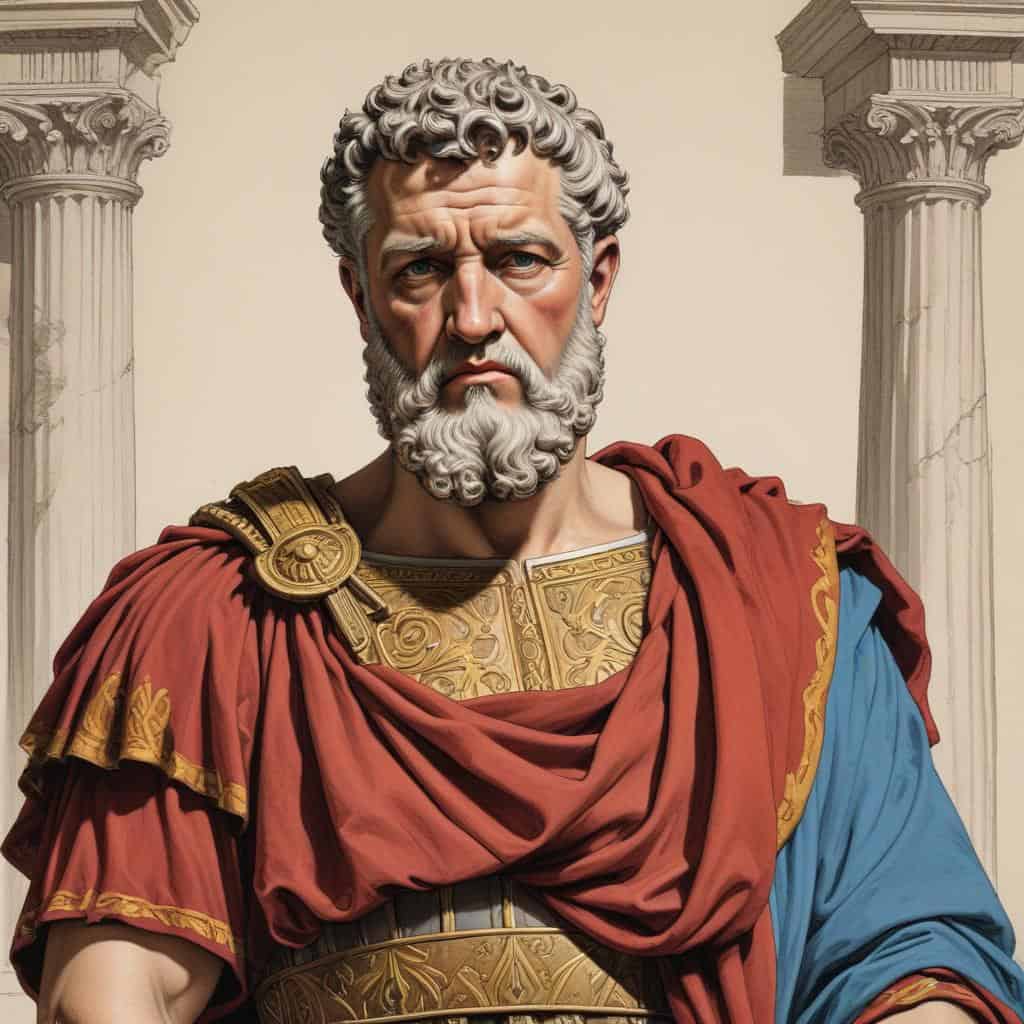
Macrinus
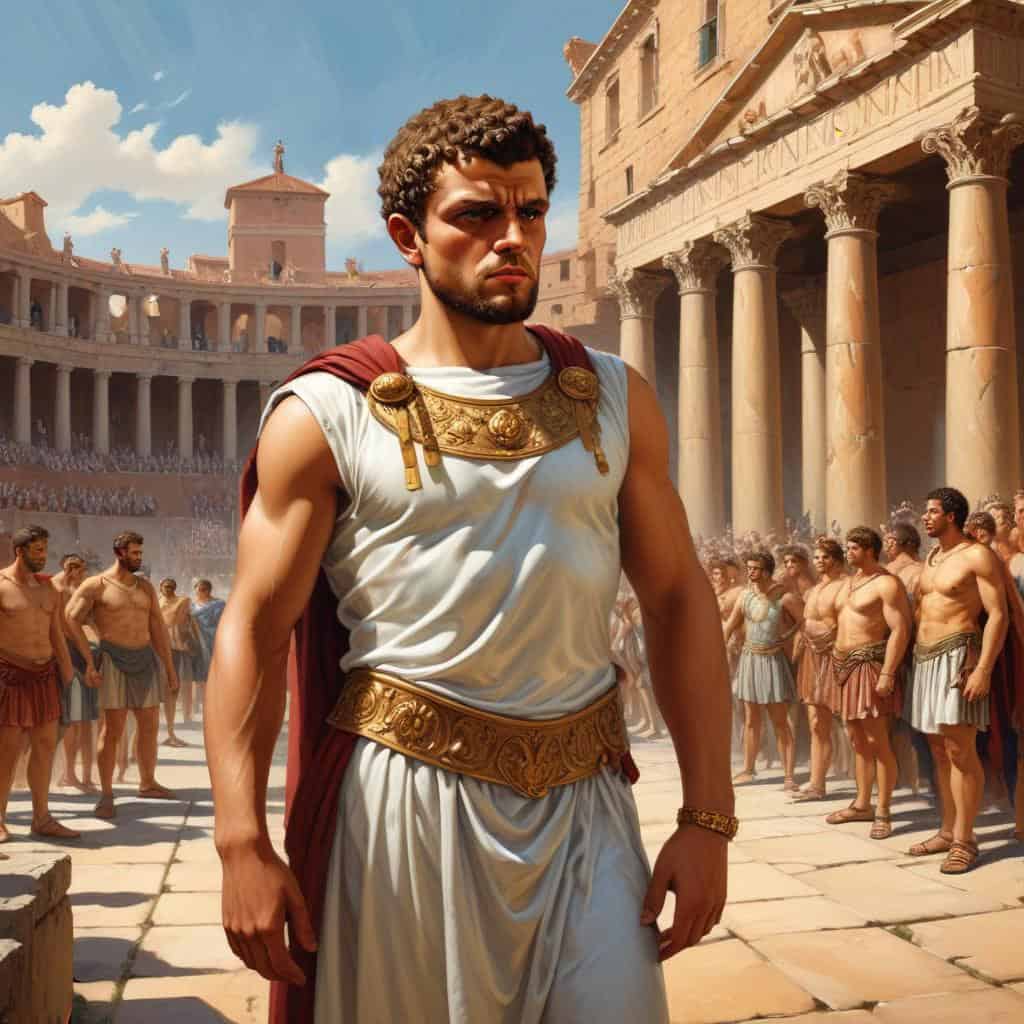
The Early Life of Caracalla
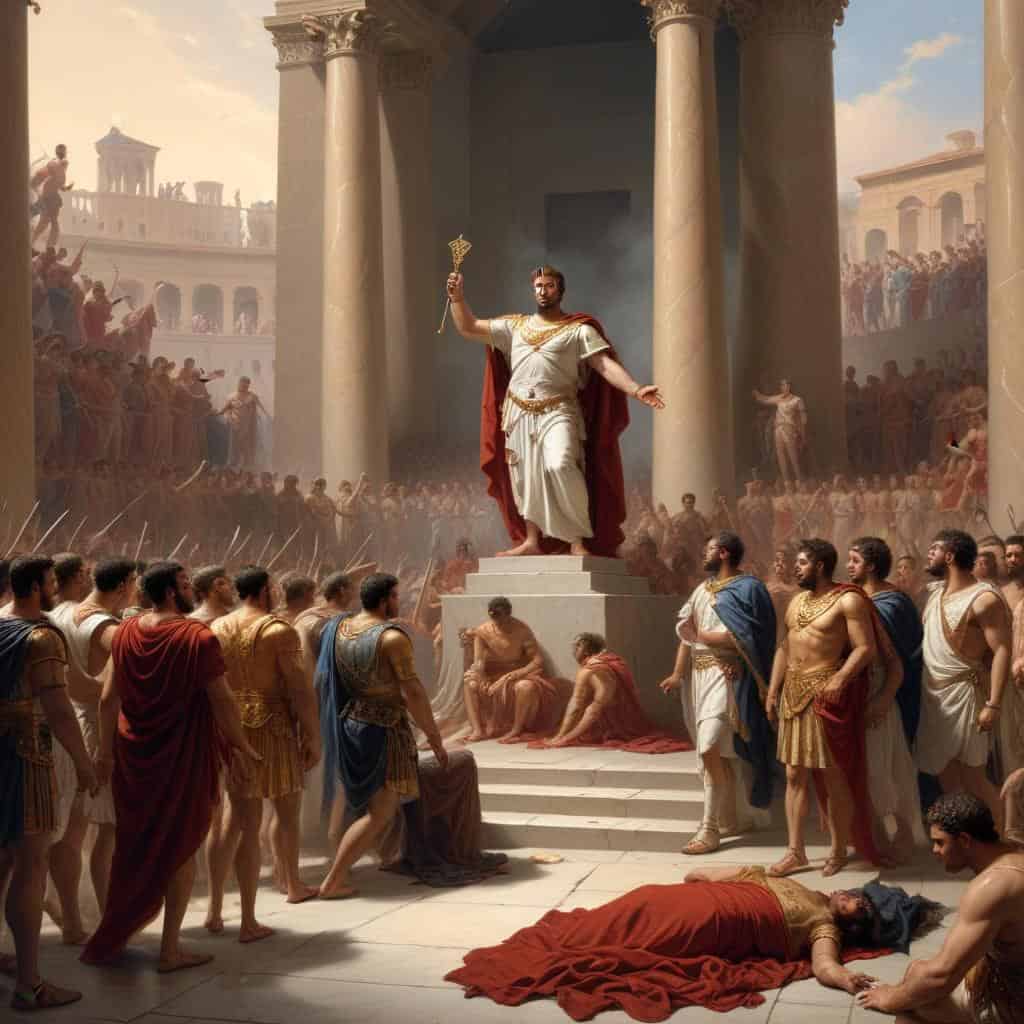
Ascension to the Throne
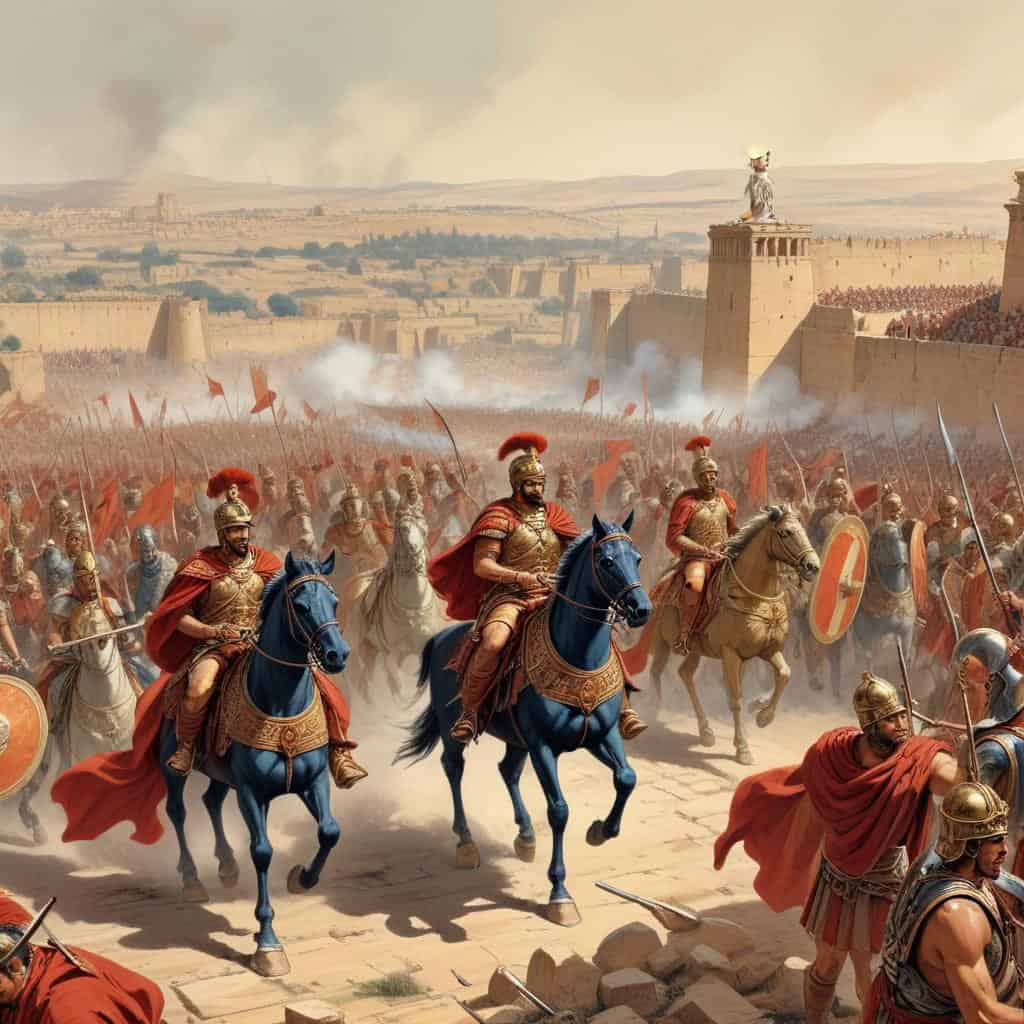
Military Campaigns
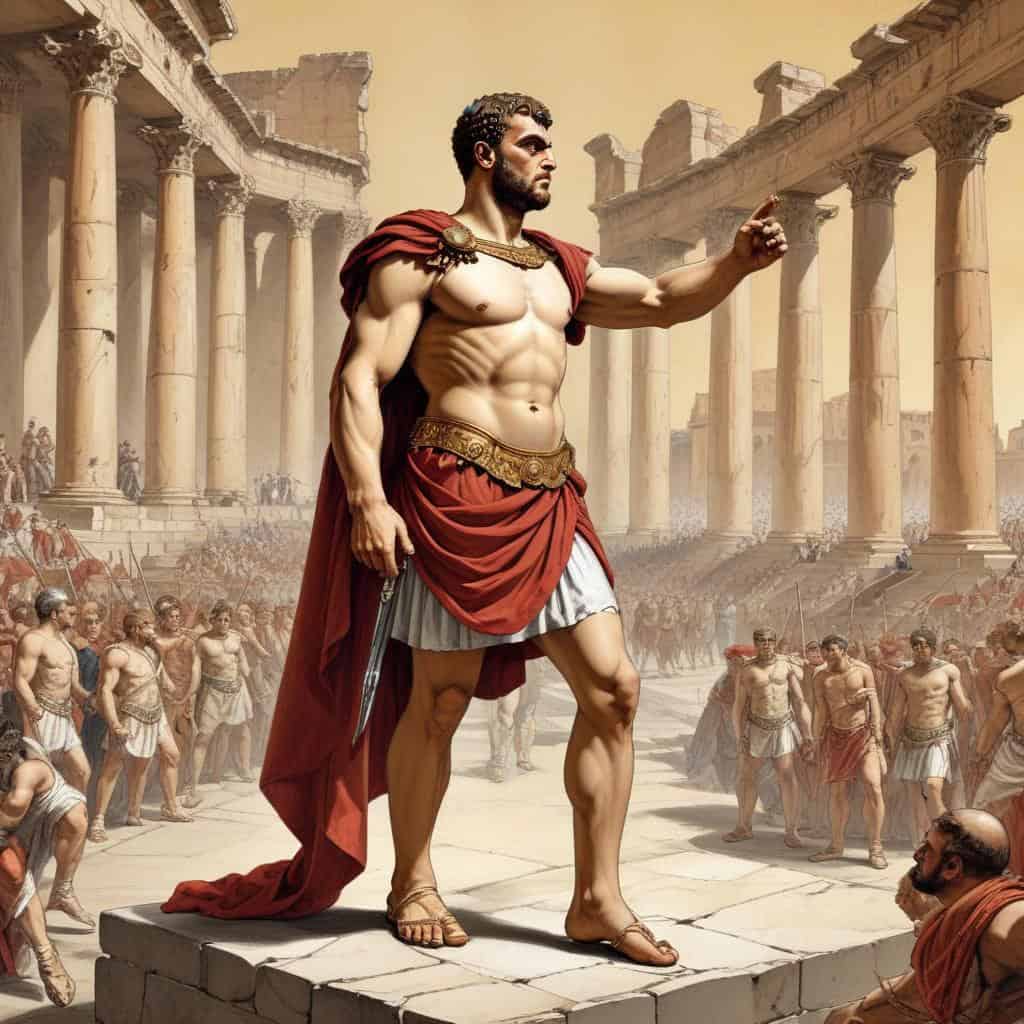
Caracallas Reign
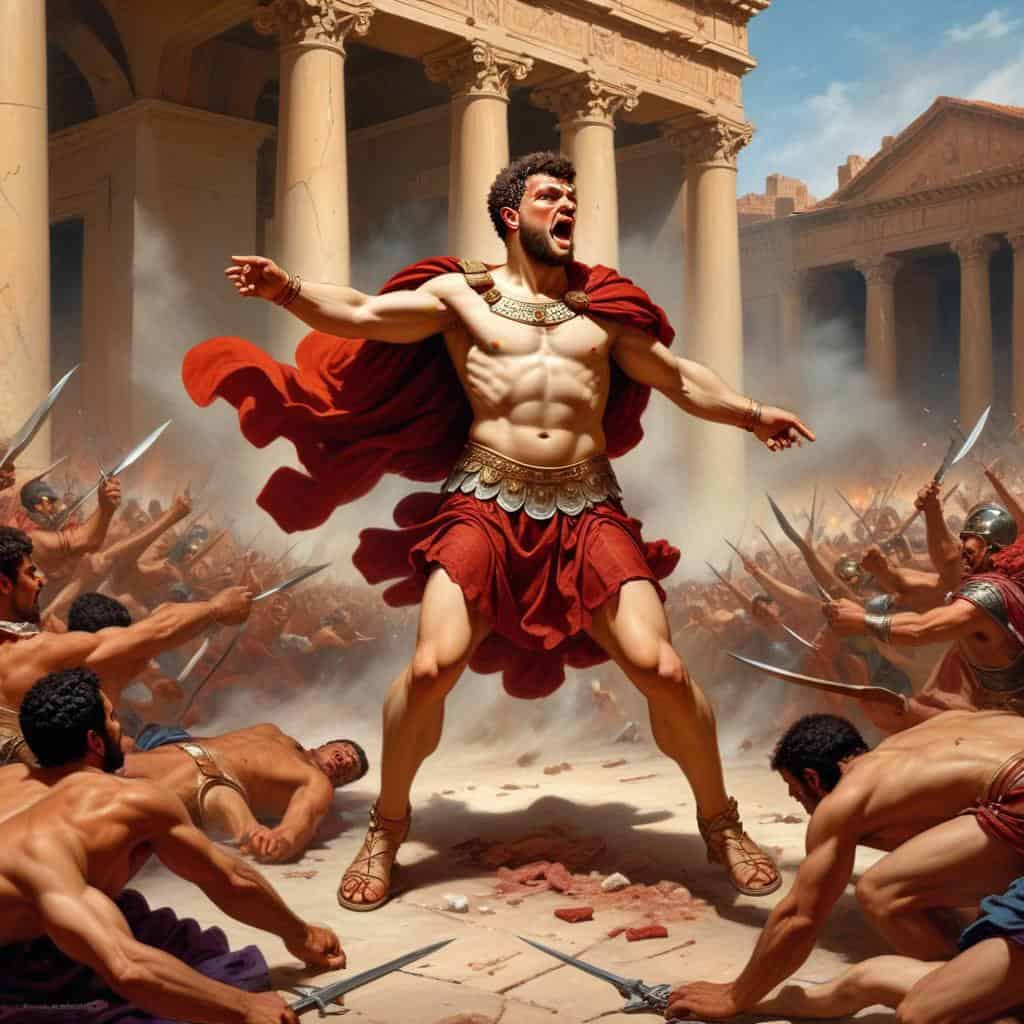
Assassination of Caracalla
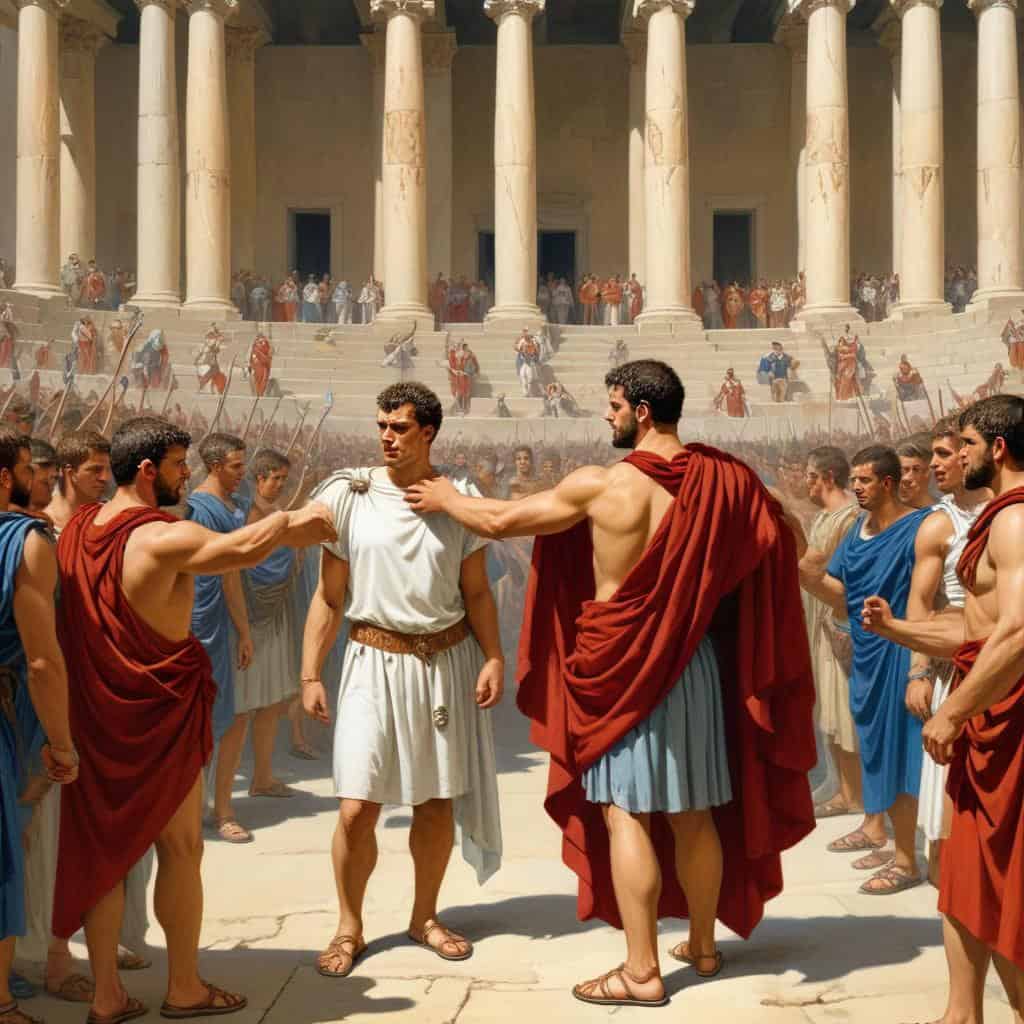
Legacy of Caracalla
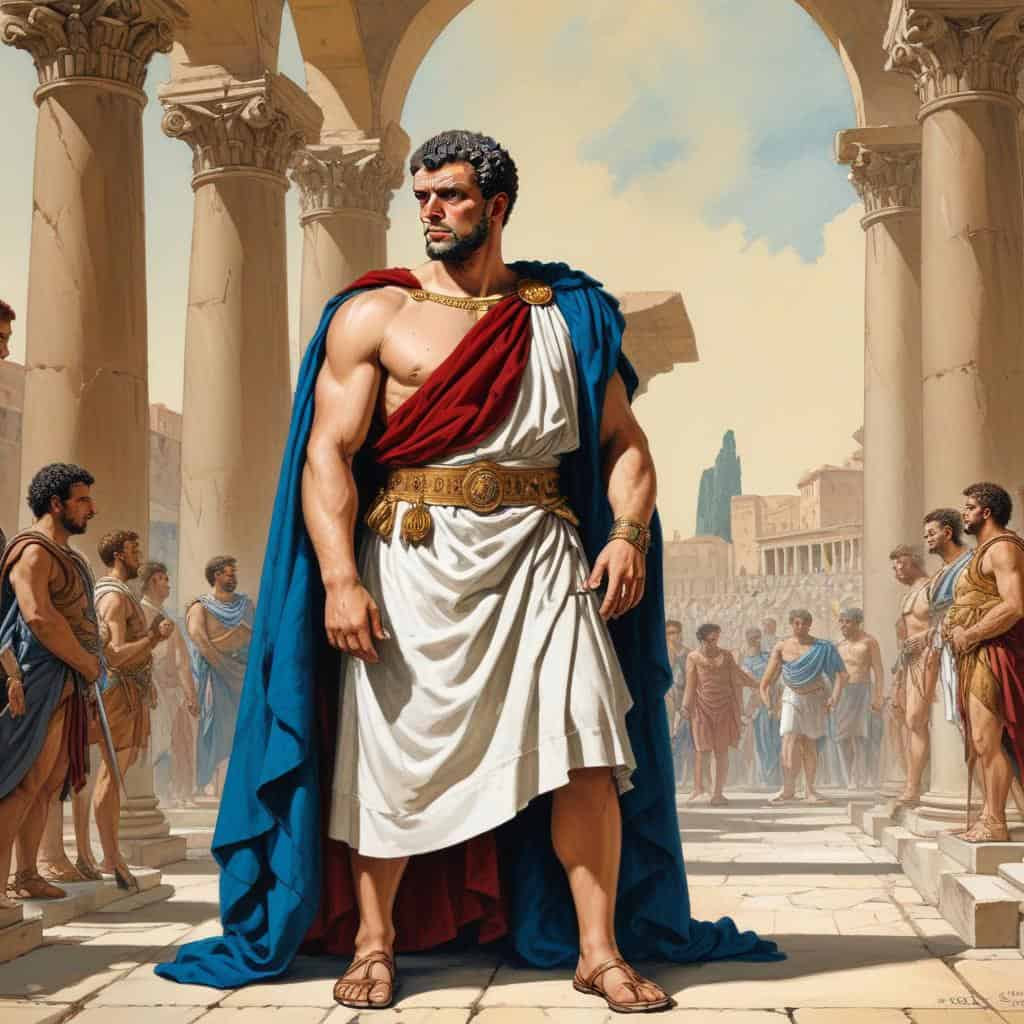
Historical Interpretations
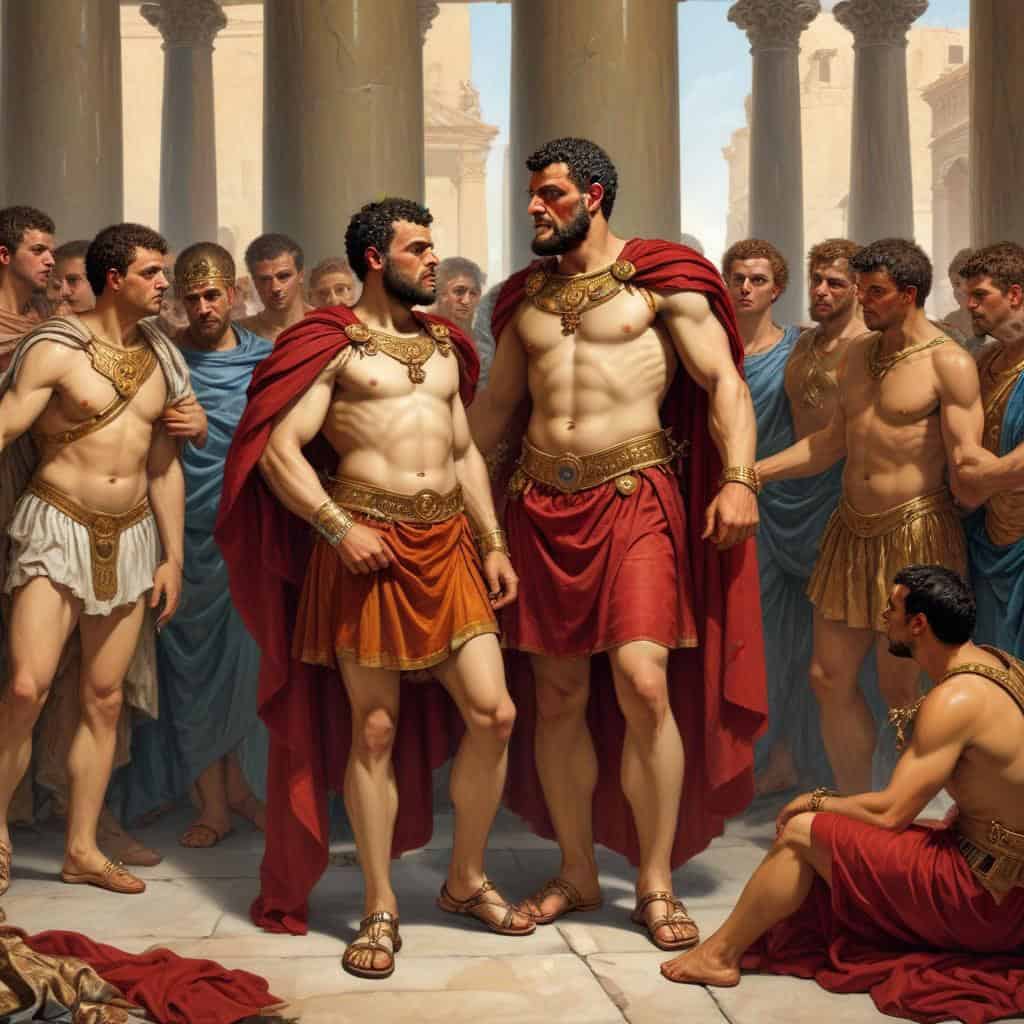
Personal Life
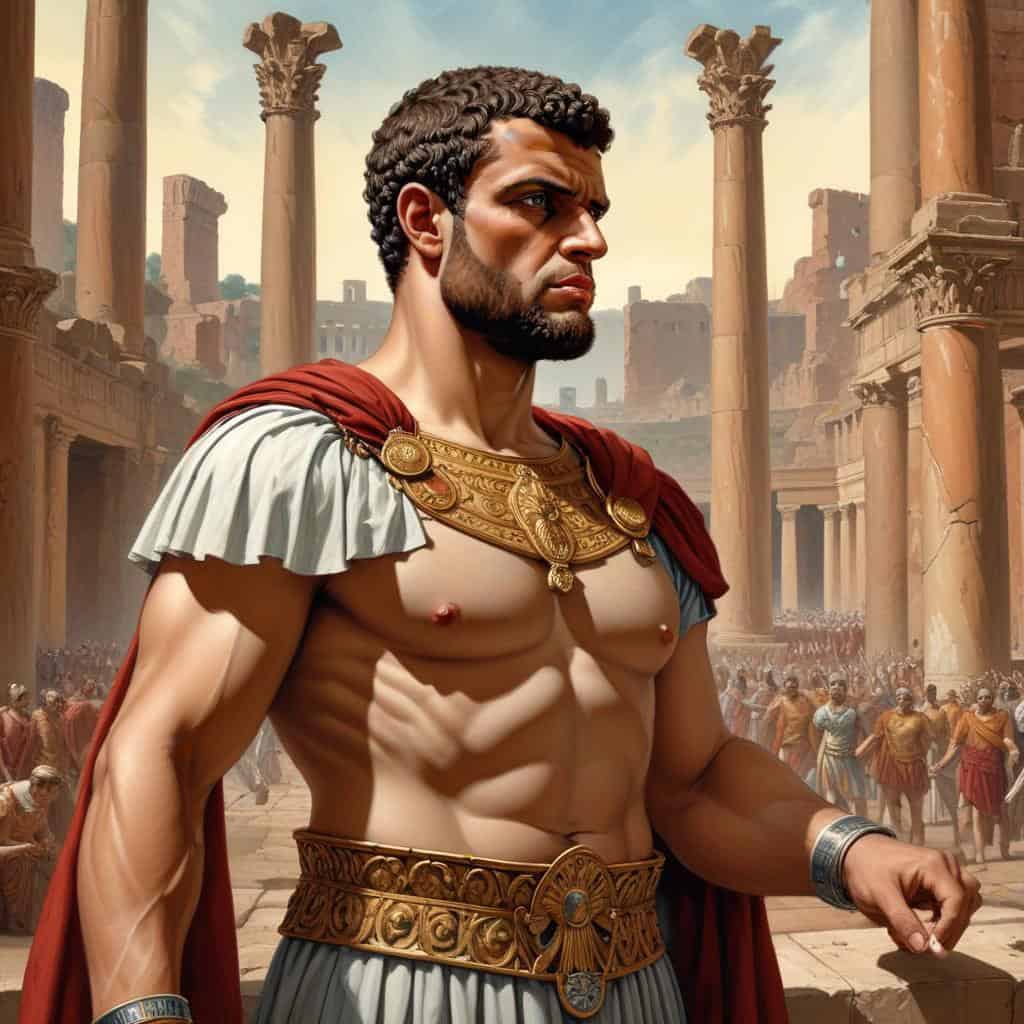
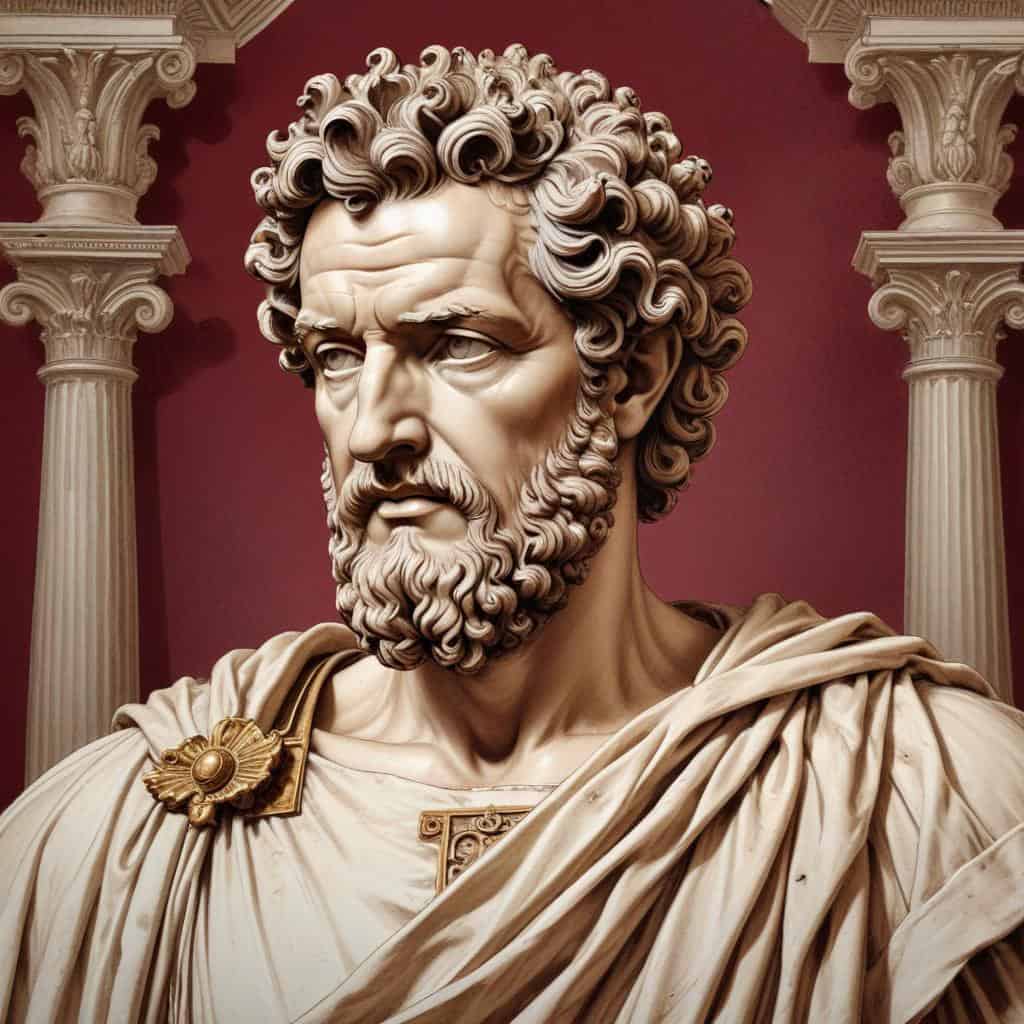
Artistic Depictions
Historical Impact
Lesson Details & Resources
In a Nutshell
- Who: Roman Emperor
- When: 188 – 217 AD
- Known For: Building the Baths of Caracalla and the assassination of his brother Geta
- Legacy: Caracalla is remembered for his brutal reign and the expansion of Roman citizenship to all free men in the empire
Timeline of Caracalla: A Ruthless Emperor’s Biography
Caracalla is born in Lugdunum (modern-day Lyon, France).
Caracalla becomes co-emperor with his father, Septimius Severus.
Caracalla accompanies his father on a military campaign to Britannia.
Septimius Severus dies, and Caracalla becomes the sole emperor.
Caracalla grants Roman citizenship to all free inhabitants of the empire, known as the Constitutio Antoniniana.
Caracalla begins a campaign against the Parthian Empire.
Caracalla marries Fulvia Plautilla.
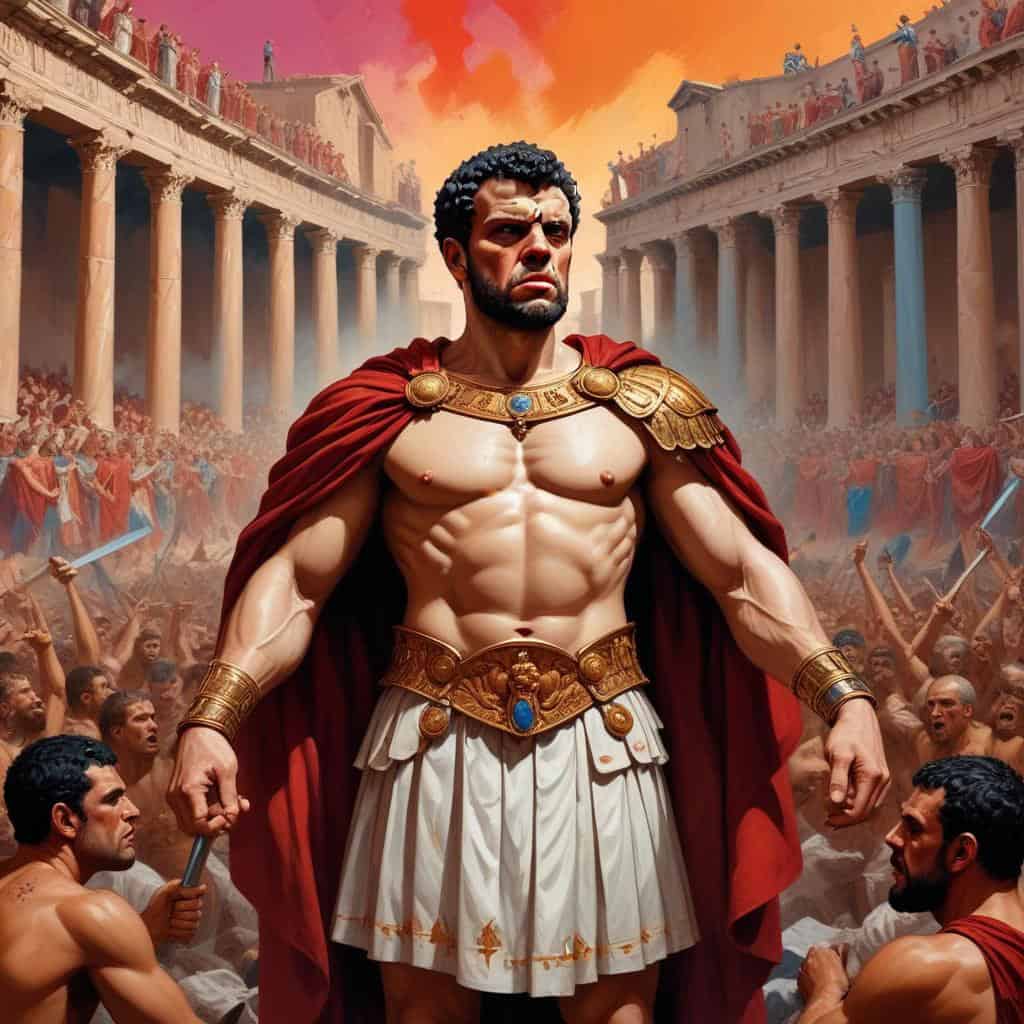
Caracalla orders the murder of his brother, Geta, during a family dispute.
Caracalla visits Alexandria and orders a massacre known as the Massacre of Alexandria.
Caracalla introduces a new coinage known as the antoninianus.
Caracalla extends Roman citizenship to all inhabitants of the provinces.
Caracalla begins construction of the Baths of Caracalla in Rome.
Caracalla is assassinated by a member of his own bodyguard, Macrinus.
Caracalla is deified by the Senate after his death.
Macrinus becomes the next Roman emperor after Caracalla's assassination.
Caracalla's memory is condemned by the Senate, and his images are removed from public spaces.
Caracalla's brother, Publius Septimius Antoninus Geta, is also deified by the Senate.
Caracalla's edicts and laws are repealed by his successor, Macrinus.
Caracalla's legacy as emperor is debated among historians, with some praising his administrative reforms and others criticizing his tyrannical rule.
Vocabulary List
- Caracalla
- Caracalla, also known as Marcus Aurelius Severus Antoninus Augustus, was a Roman emperor who ruled from 198 to 217 AD.
- Roman emperor
- Caracalla was a Roman emperor, belonging to the Severan dynasty, who ruled over the Roman Empire during the late 2nd and early 3rd centuries AD.
- Severan dynasty
- Caracalla was a part of the Severan dynasty, a Roman imperial dynasty that ruled from 193 to 235 AD.
- Antoninus
- Caracalla's full name was Marcus Aurelius Severus Antoninus Augustus. Antoninus refers to the Antonine dynasty, a Roman imperial dynasty that preceded the Severan dynasty.
- Augustus
- Caracalla held the title of Augustus, which was the highest title given to Roman emperors. It signified their supreme power and authority.
- Roman Empire
- Caracalla ruled over the vast Roman Empire, which encompassed territories in Europe, Africa, and Asia.
- 2nd century AD
- Caracalla's reign as emperor occurred during the 2nd century AD, specifically from 198 to 217 AD.
- 3rd century AD
- Caracalla's rule extended into the early years of the 3rd century AD, until his assassination in 217 AD.
Key Facts
This is the information used in the fact matching game
- Caracalla was a Roman emperor who ruled from 211 to 217 AD.
- His birth name was Lucius Septimius Bassianus.
- Caracalla is known for his infamous cruelty and violence towards his enemies.
- He is famous for ordering the massacre of thousands of people in Alexandria, Egypt in 215 AD.
- Caracalla is also known for his military campaigns against the Parthian Empire in the east.
- He is credited with constructing the Baths of Caracalla, one of the largest public baths in ancient Rome.
- Caracalla issued the Constitutio Antoniniana, granting Roman citizenship to all free inhabitants of the empire.
- He had a contentious relationship with his brother Geta, leading to Geta's murder on Caracalla's orders.
- Caracalla is said to have suffered from mental instability and paranoia.
- He was assassinated by a soldier named Martialis while urinating on the side of the road.
- Caracalla's reign marked the beginning of the decline of the Severan dynasty.
- He was known for his fondness for Greek culture and philosophy.
- Caracalla introduced a new silver coin, the Antoninianus, which had a lower silver content than previous Roman coins.
- He expanded the Roman Empire to its greatest territorial extent since the reign of Trajan.
- Caracalla was known for his ambitious building projects, including the construction of a new imperial residence in Rome.
- He was the eldest son of Septimius Severus, the Roman emperor who preceded him.
- Caracalla is believed to have been responsible for the death of his father-in-law, Plautianus, a powerful praetorian prefect.
- He adopted the name Marcus Aurelius Antoninus upon becoming emperor.
- Caracalla was known for his extravagant spending and lavish lifestyle.
- He is believed to have been responsible for the murder of his cousin, the young emperor Elagabalus.
Analysis & Significance
Major Accomplishments
Caracalla is best known for extending Roman citizenship to all free men in the empire, a decision that significantly expanded the rights and privileges of its inhabitants. He also constructed the famous baths in Rome which bear his name, showcasing his commitment to public infrastructure.
Impact on the World
Caracalla’s extension of citizenship had a profound impact on the social fabric of the Roman Empire, leading to increased integration and unity among its diverse populations. His lavish building projects also left a lasting mark on Roman architecture and urban planning, influencing future developments in the empire.
Enduring Legacy
Today, Caracalla is remembered as a complex figure in Roman history, known for his controversial rule and drastic policies. While his actions were divisive during his time, his legacy as a ruler who sought to consolidate power and expand rights continues to spark debate and analysis among historians and scholars, ensuring his place as a significant historical figure.
Caracalla: A Ruthless Emperor’s Biography Games


Take Your Learning Offline
Want a convenient, print-ready study guide for this lesson? Become a Memory Wizards Pro member to unlock the downloadable " Memory Scrolls" for this topic and our entire library!
- ✓ Complete Vocabulary Lists
- ✓ Key Facts & Timelines
- ✓ Beautifully Formatted for Print & Mobile