
Didius Julianus: The Reign and Fall of a Roman Emperor
Didius Julianus: The Roman emperor who bought his way to the throne.
How Do You Learn Best?
Learn by Reading
Immerse yourself in the 10-minute visual lesson for a comprehensive understanding of the topic.
Learn by Reviewing
Jump directly to the key facts, timeline, and vocabulary lists to build a solid foundation of details.
Learn by Doing
Challenge yourself! Jump straight into the interactive games to learn by trial, error, and discovery.
Didius Julianus: The Reign and Fall of a Roman Emperor in 10 Minutes

Introduction
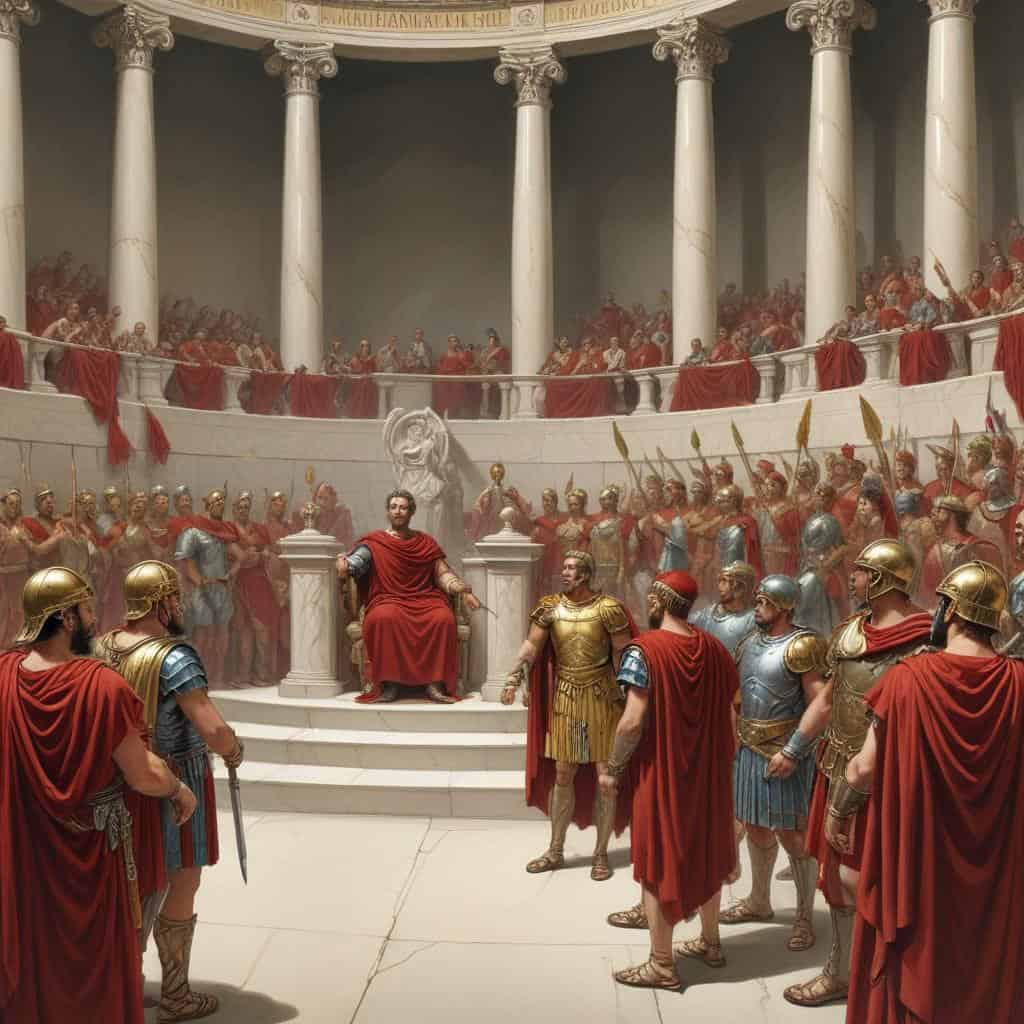

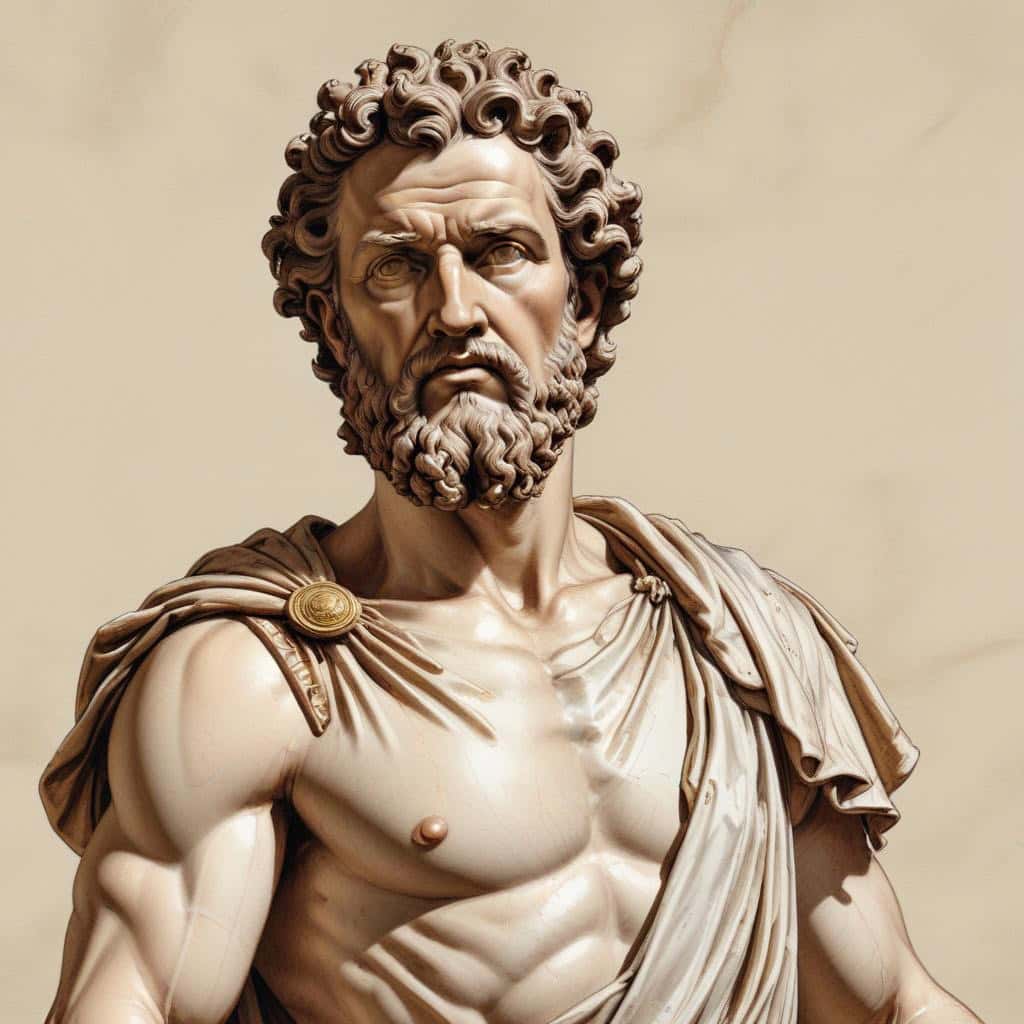
Septimius Severus
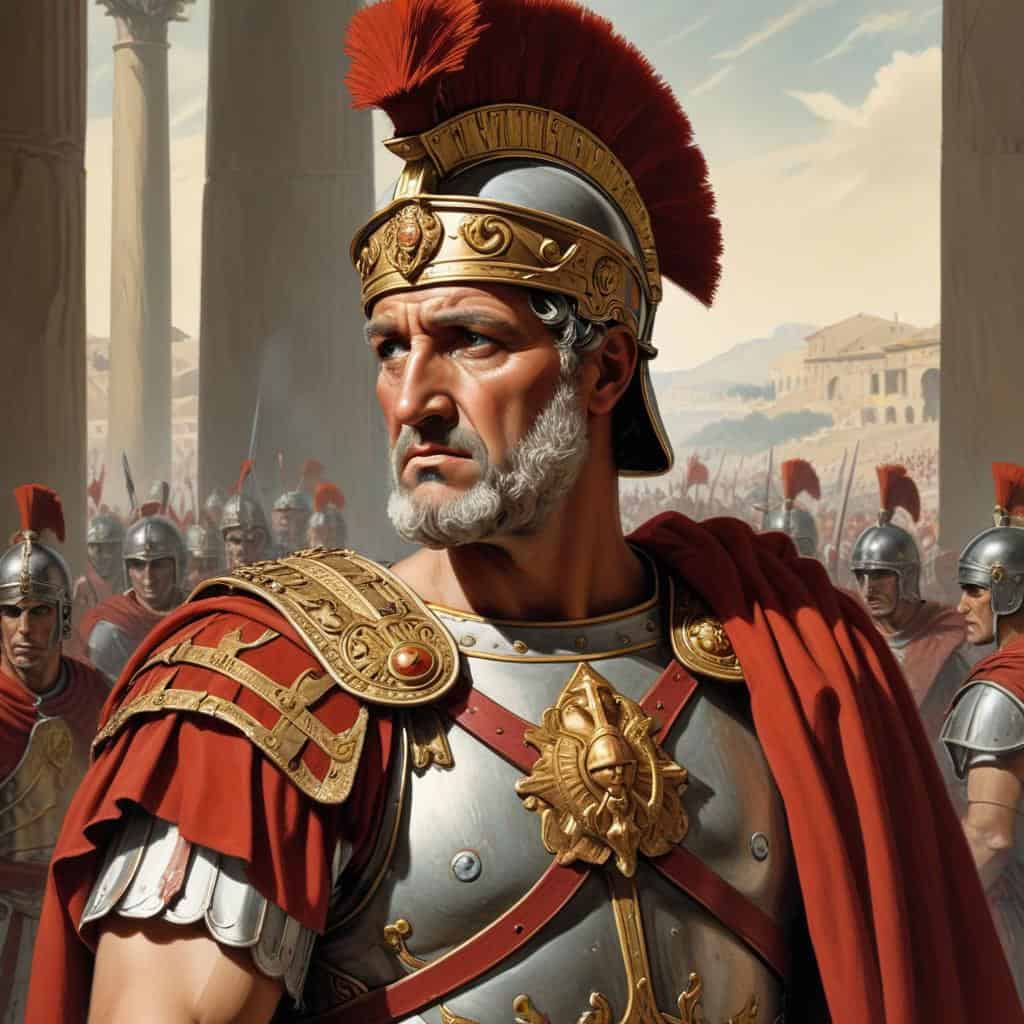
Pertinax
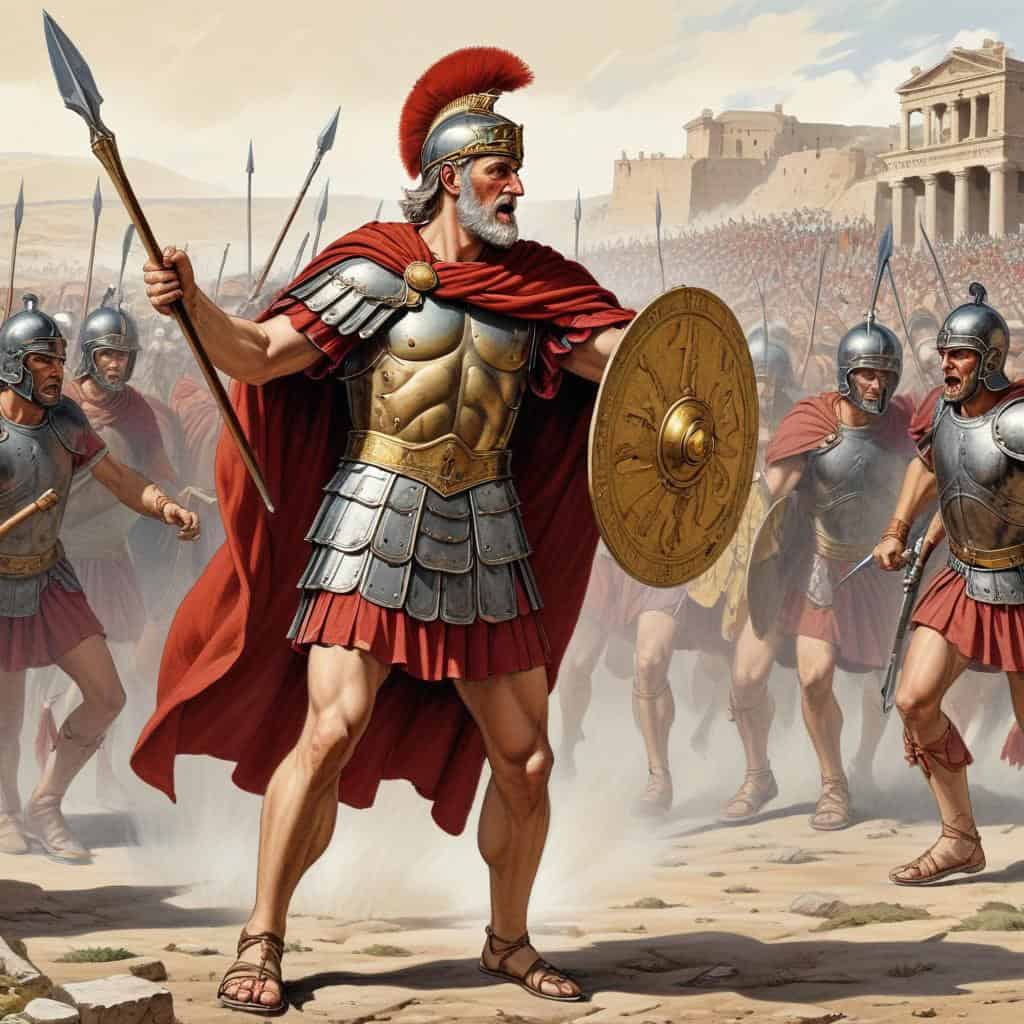
Clodius Albinus
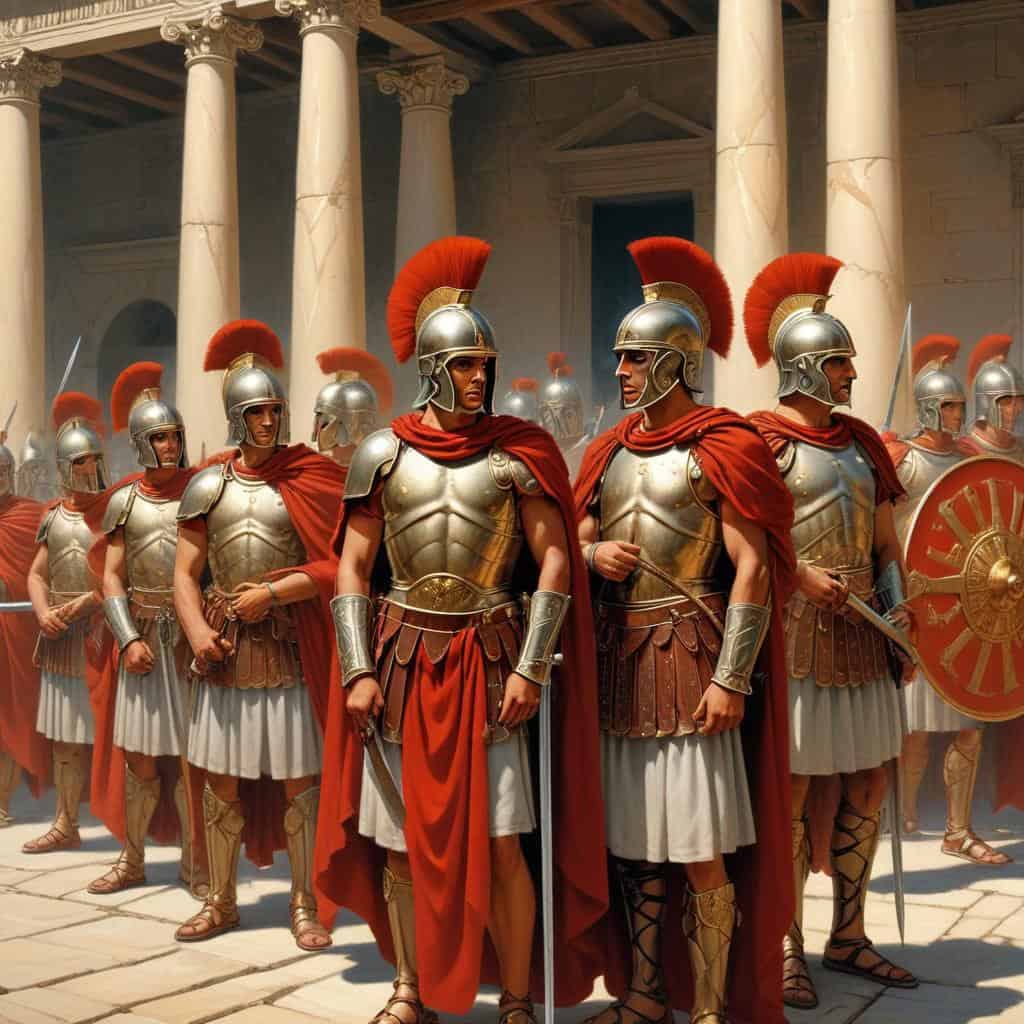
Praetorian Guard

The Rise and Fall of Didius Julianus: A Brief Overview
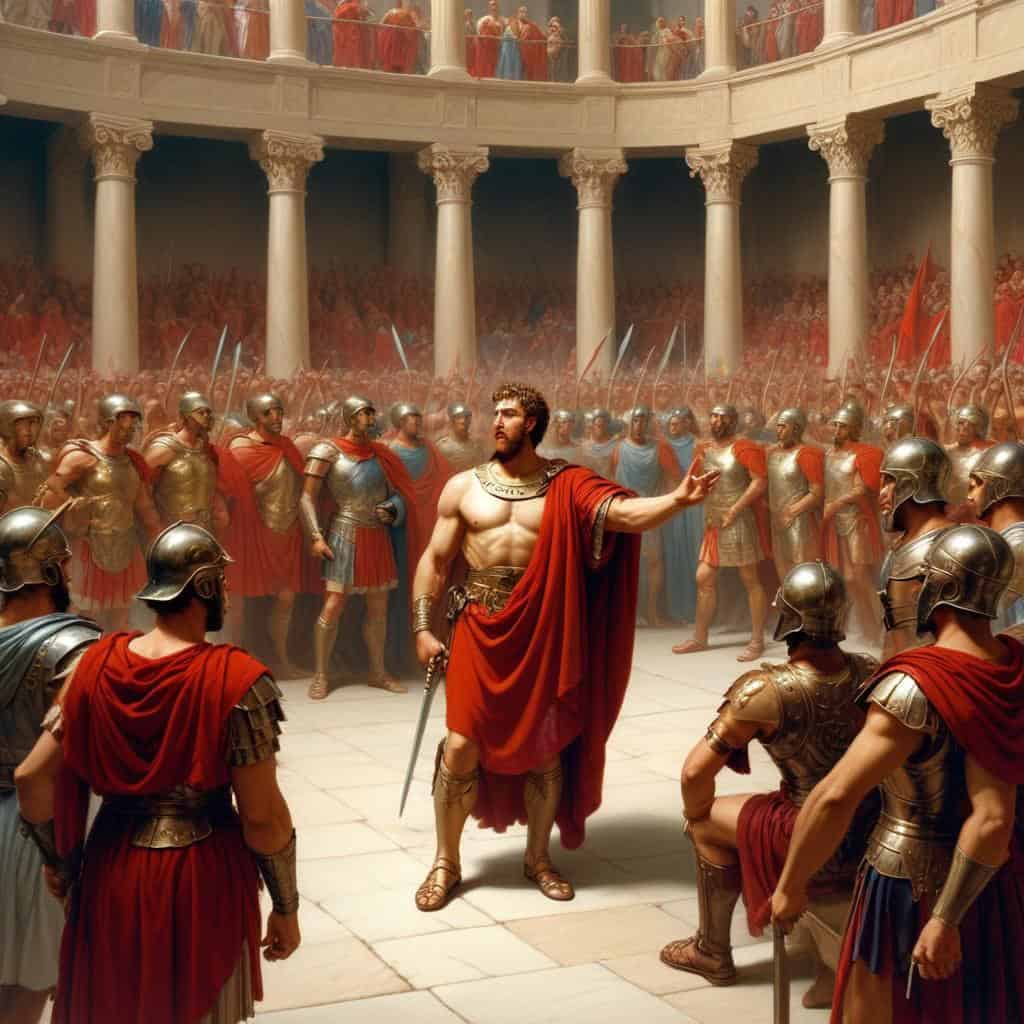
Winning the Auction
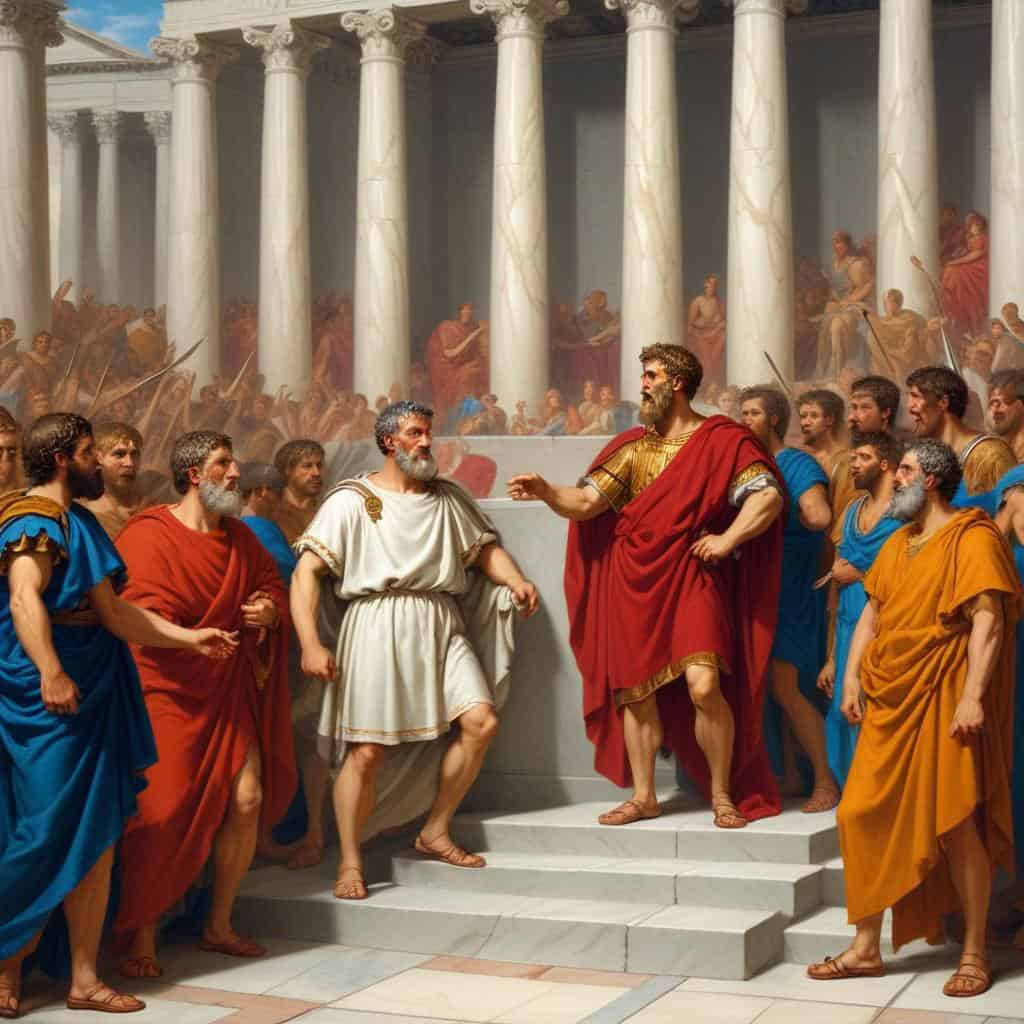
Unpopularity and Opposition
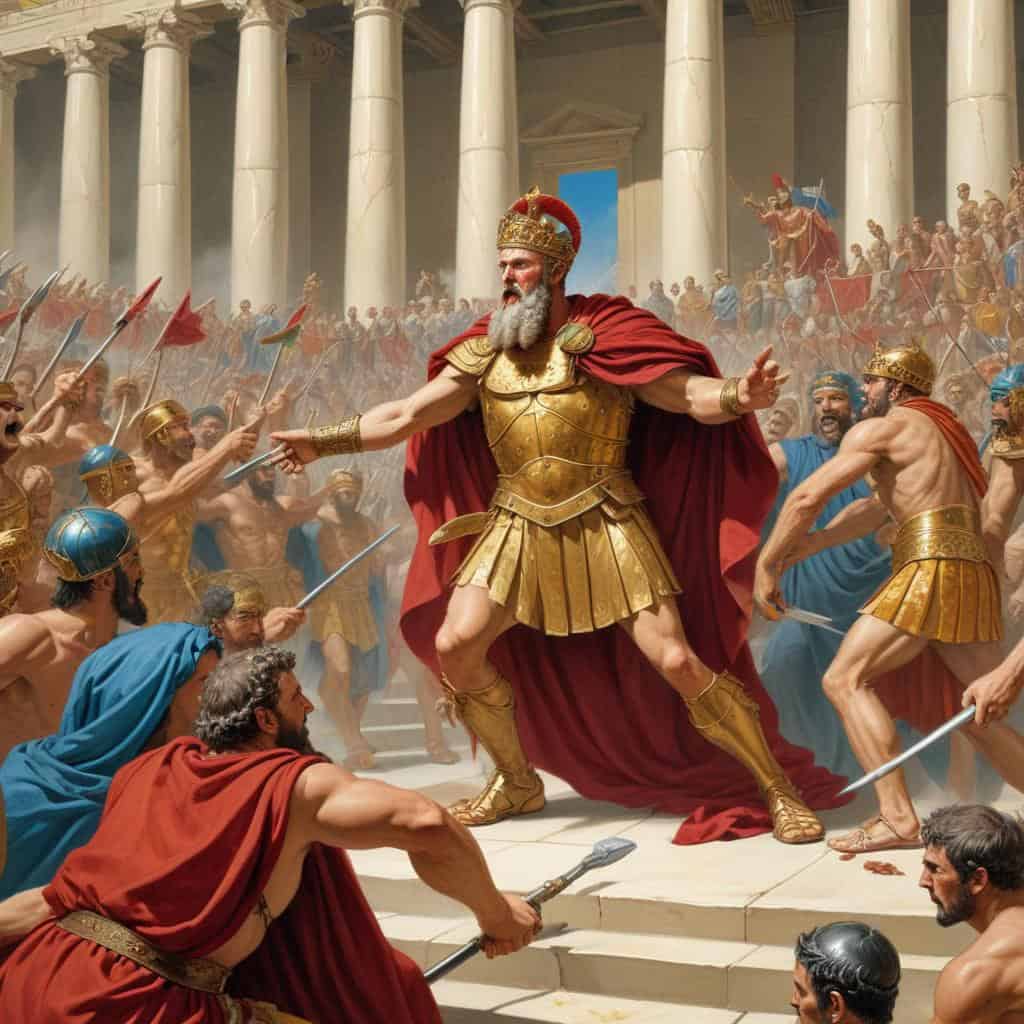
Challenges to his Rule
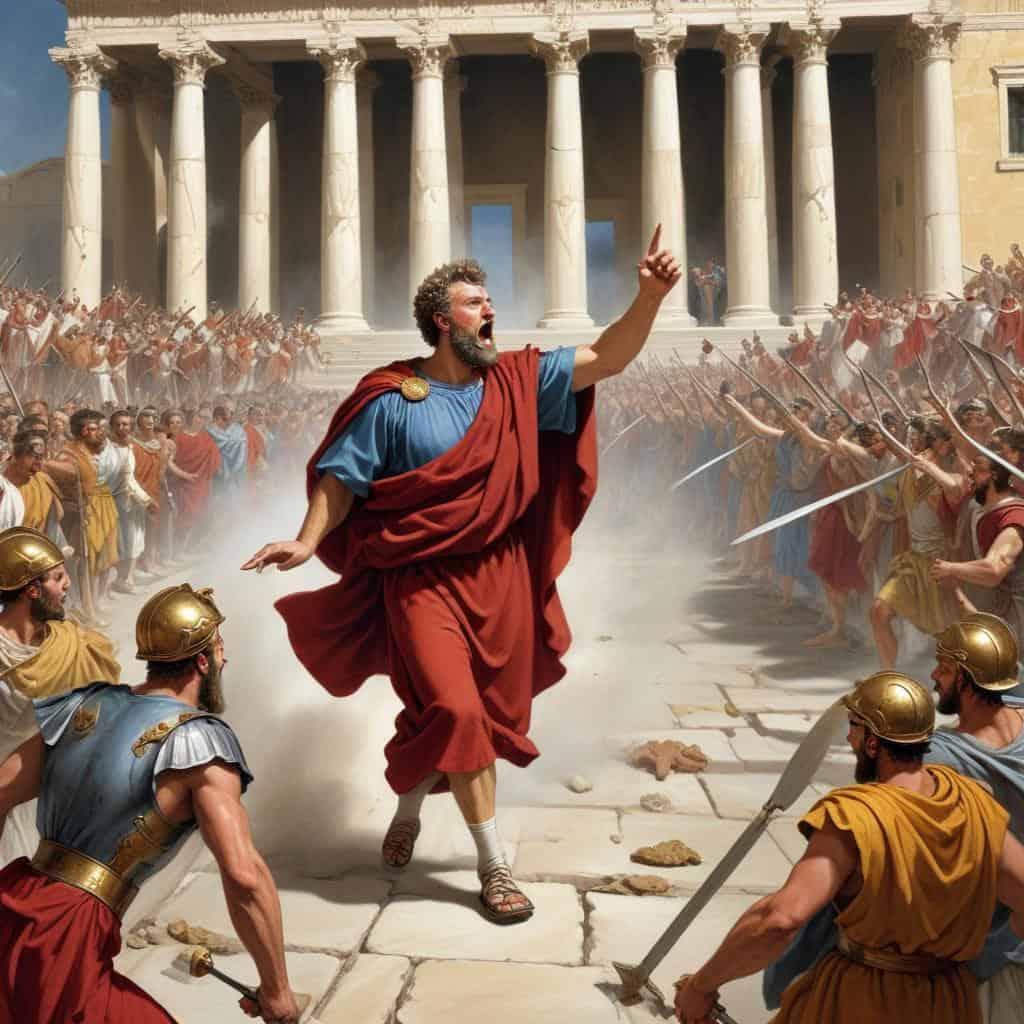
The Fall of Didius Julianus
Lesson Details & Resources
In a Nutshell
- Who: Roman Emperor
- When: Lived: 133 – 193 AD
- Known For: Purchasing the Roman throne at an auction
- Legacy: Julianus' brief reign of 66 days is remembered as a symbol of corruption and decadence in the Roman Empire
Timeline of Didius Julianus: The Reign and Fall of a Roman Emperor
Birth of Didius Julianus
Didius Julianus serves as a senator
Didius Julianus appointed consul
Governorship of Africa Province
Didius Julianus serves as proconsul of Asia
Didius Julianus serves as proconsul of Africa
Didius Julianus becomes Praetorian prefect
Death of Emperor Pertinax
Didius Julianus bids highest for the throne at auction
Didius Julianus proclaimed Roman Emperor
Didius Julianus pays Praetorian Guard for their support
Didius Julianus becomes unpopular due to his purchase of the throne
Clodius Albinus, governor of Britain, declared himself Emperor
Septimius Severus, governor of Pannonia, declared himself Emperor
Didius Julianus sentenced to death by the Senate
Didius Julianus executed
Vocabulary List
- Emperor
- Didius Julianus was a Roman Emperor who reigned for a short period in 193 AD.
- Dynasty
- Didius Julianus belonged to the Severan dynasty, which ruled the Roman Empire from 193 to 235 AD.
- Praetorian Guard
- Didius Julianus became Emperor after the Praetorian Guard auctioned off the throne to the highest bidder.
- Assassination
- Didius Julianus was assassinated by the Praetorian Guard in 193 AD after a reign of just nine weeks.
- Crisis
- Didius Julianus came to power during a period of political and military crisis in the Roman Empire.
- Usurper
- Some historians consider Didius Julianus to be a usurper, as he bought the throne rather than inheriting it.
- Senate
- The Roman Senate declared Didius Julianus a public enemy after he became Emperor.
- Decline
- Didius Julianus' brief reign is often seen as a symbol of the decline of the Roman Empire.
Key Facts
This is the information used in the fact matching game
- Didius Julianus was a Roman emperor who reigned for a short period in 193 AD.
- He bought the throne from the Praetorian Guard after they had assassinated the previous emperor, Pertinax.
- Didius Julianus was born in Milan, Italy.
- He was a member of the Roman Senate before becoming emperor.
- Didius Julianus was known for his lavish spending and extravagant lifestyle.
- He was the first Roman emperor to have purchased the position.
- Didius Julianus ruled for only 66 days before he was overthrown and executed.
- He was executed by order of the Senate after being declared a public enemy.
- Didius Julianus was succeeded by Septimius Severus, who became the next Roman emperor.
- During his brief reign, Didius Julianus faced several revolts and challenges to his rule.
- He was married to Manlia Scantilla, who was also executed after his downfall.
- Didius Julianus had two children, Didia Clara and Didius Julianus Severus.
- He came from a wealthy and influential family in Rome.
- Didius Julianus was known for his lack of military experience and leadership skills.
- He faced criticism for his handling of the economy and his failure to address the needs of the people.
- Didius Julianus was born in 133 AD and died in 193 AD.
- He was the second of the five emperors who ruled during the Year of the Five Emperors.
- Didius Julianus' reign marked the beginning of a period of political instability and military conflict in the Roman Empire.
- His reign is often seen as a symbol of the decline and corruption of the Roman Empire.
- Despite his brief and controversial reign, Didius Julianus left a lasting impact on Roman history.
Analysis & Significance
Major Accomplishments
Didius Julianus became Roman Emperor in 193 AD after purchasing the throne at an auction. He ruled for a short and tumultuous reign, marked by political instability and opposition from the Senate.
Impact on the World
Didius Julianus’ rule is often cited as a symbol of the decline of the Roman Empire, as his actions further weakened the already fragile political and social structure. His reign led to the Year of the Five Emperors, a period of civil war and chaos in Rome.
Enduring Legacy
Didius Julianus is remembered as one of the most infamous emperors in Roman history, known for his extravagant purchase of the throne and his lack of support from the people. His legacy serves as a cautionary tale of the dangers of political corruption and the consequences of putting personal gain above the welfare of the state.
Didius Julianus: The Reign and Fall of a Roman Emperor Games


Take Your Learning Offline
Want a convenient, print-ready study guide for this lesson? Become a Memory Wizards Pro member to unlock the downloadable " Memory Scrolls" for this topic and our entire library!
- ✓ Complete Vocabulary Lists
- ✓ Key Facts & Timelines
- ✓ Beautifully Formatted for Print & Mobile