
Antoninus Pius: A Roman Emperor’s Biography
The Roman emperor who brought peace and prosperity to the empire.
How Do You Learn Best?
Learn by Reading
Immerse yourself in the 10-minute visual lesson for a comprehensive understanding of the topic.
Learn by Reviewing
Jump directly to the key facts, timeline, and vocabulary lists to build a solid foundation of details.
Learn by Doing
Challenge yourself! Jump straight into the interactive games to learn by trial, error, and discovery.
Antoninus Pius: A Roman Emperor’s Biography in 10 Minutes
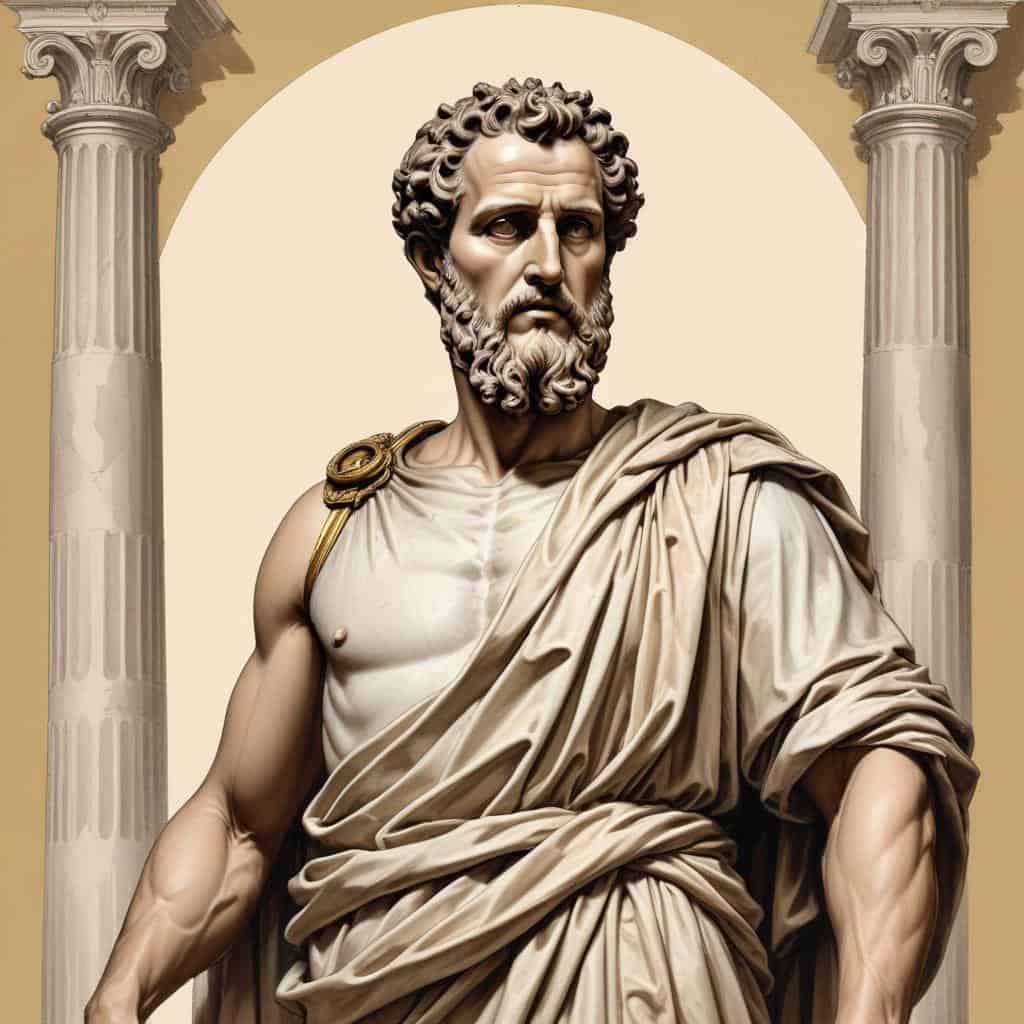
Introduction
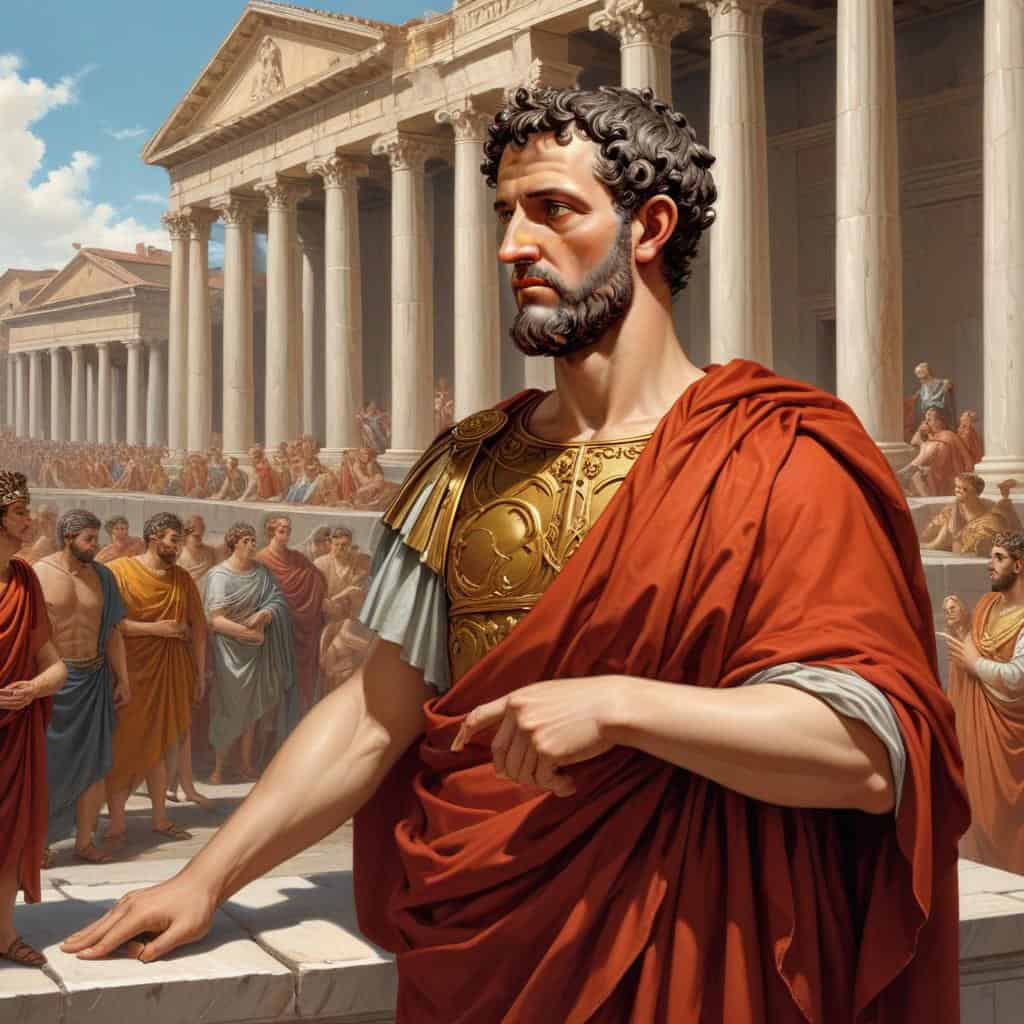
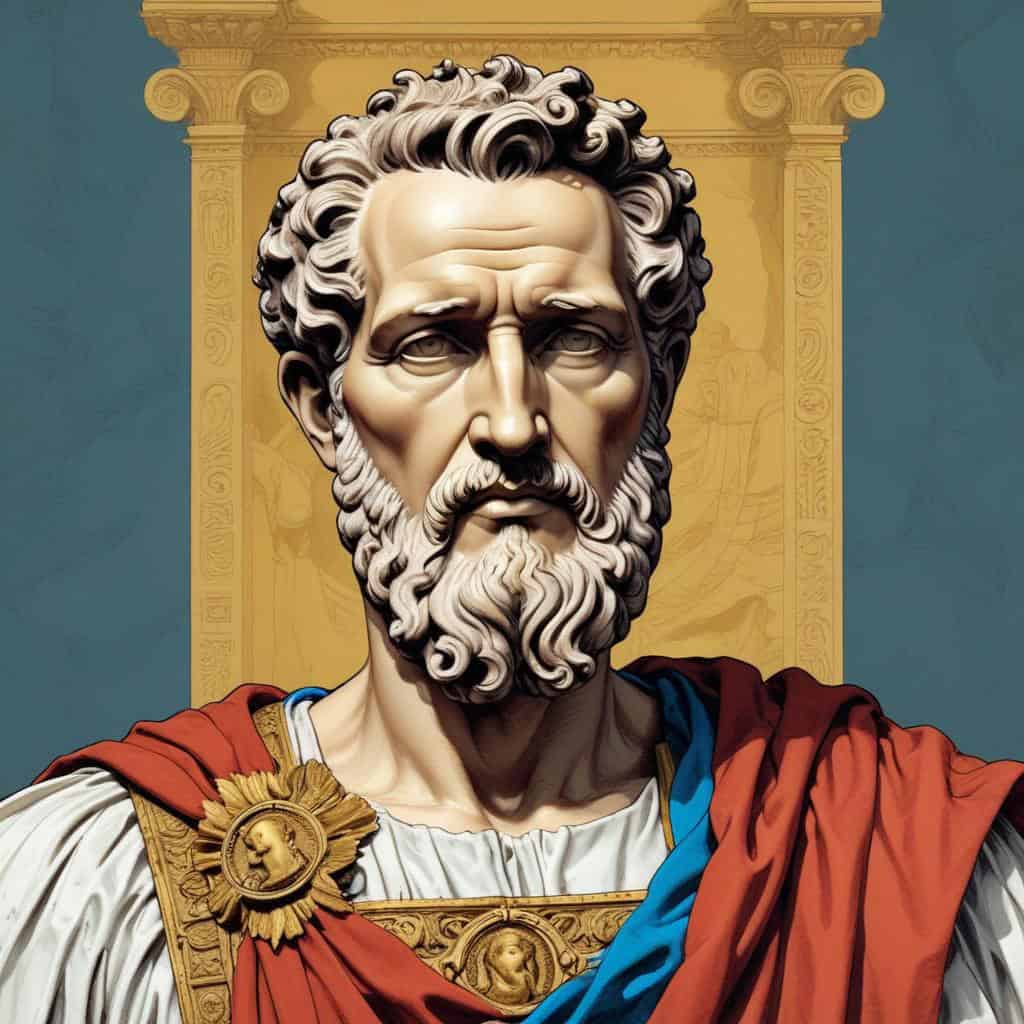
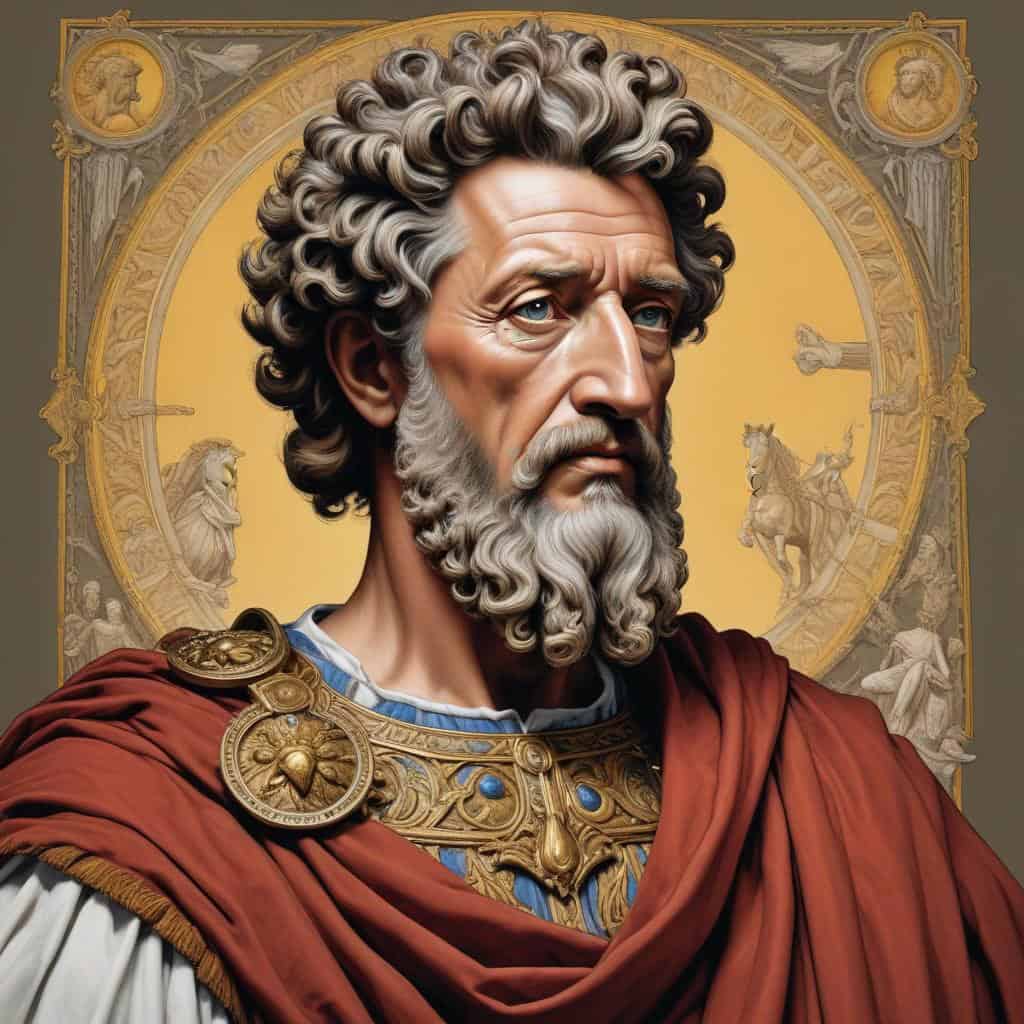
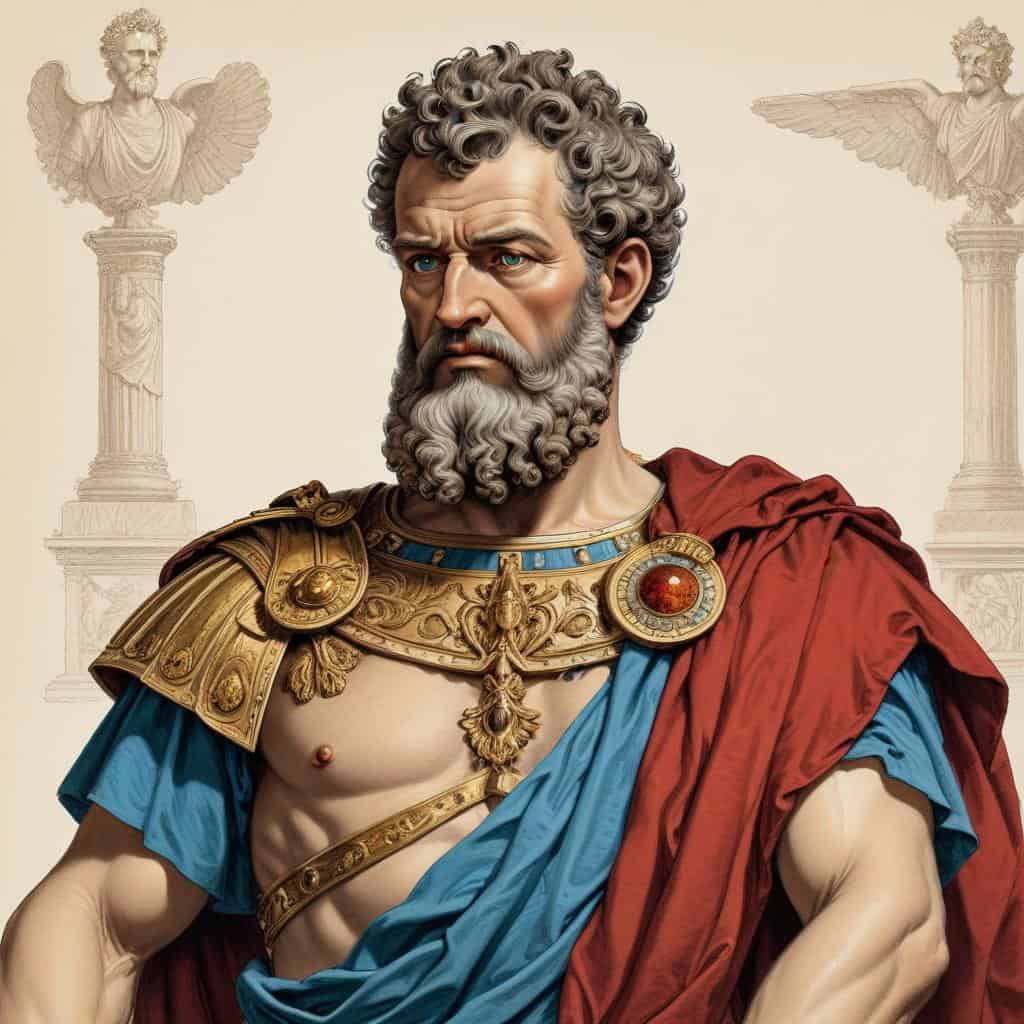
Marcus Aurelius
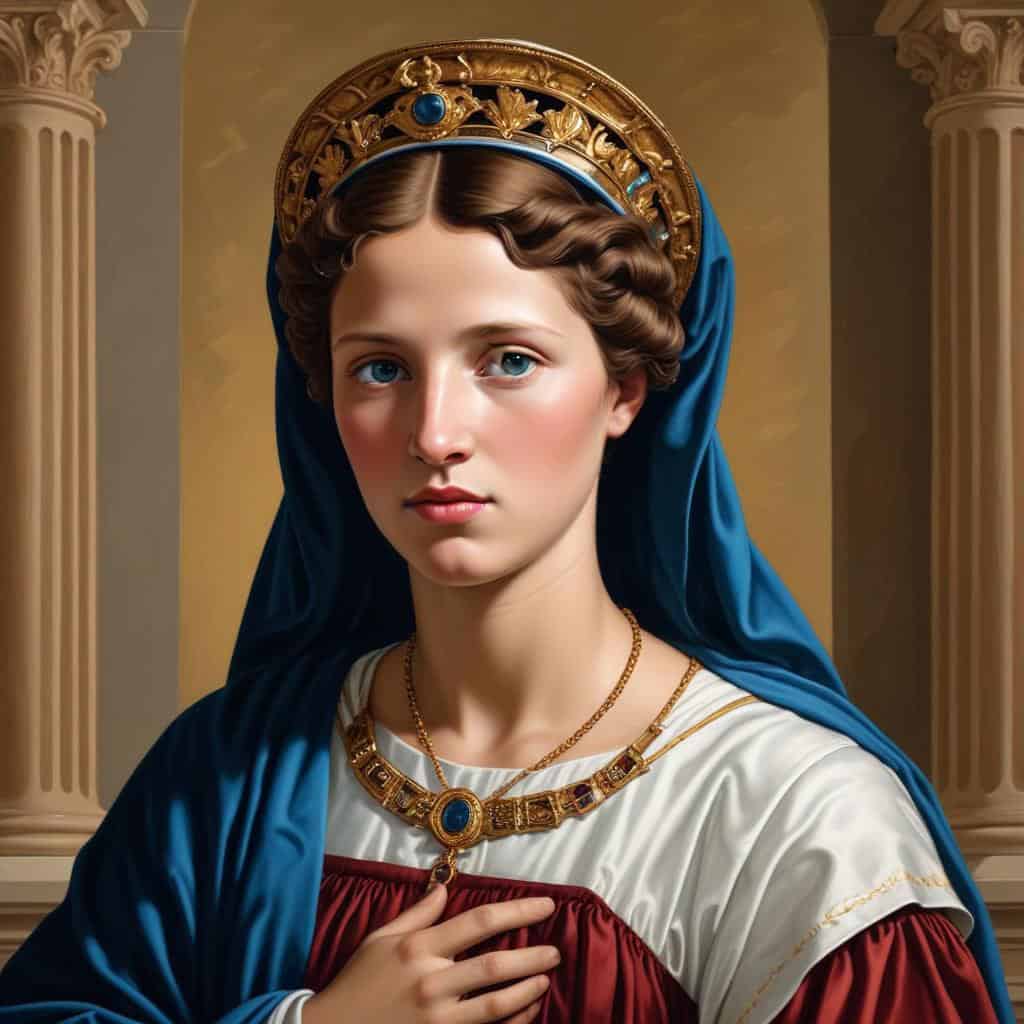
Faustina the Elder
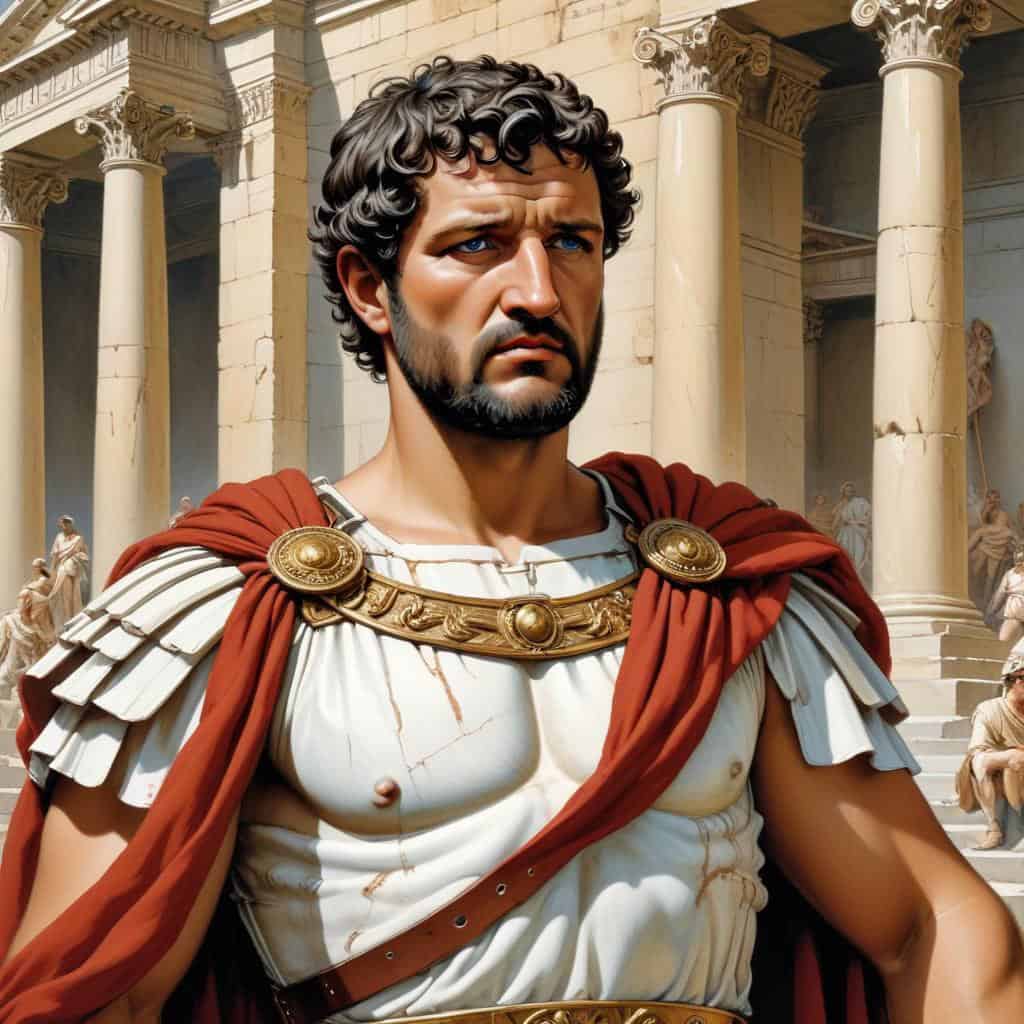
Lucius Verus
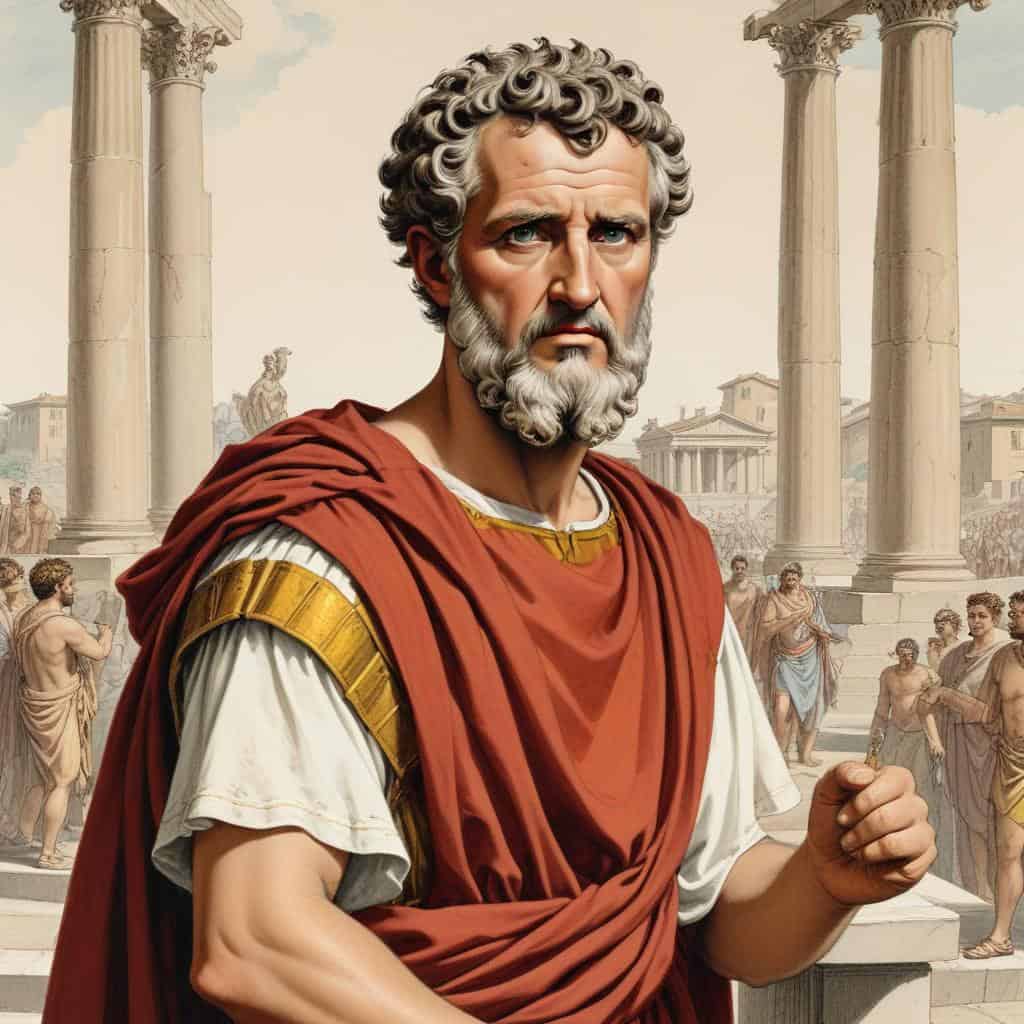
Hadrian
Early Life and Rise to Power
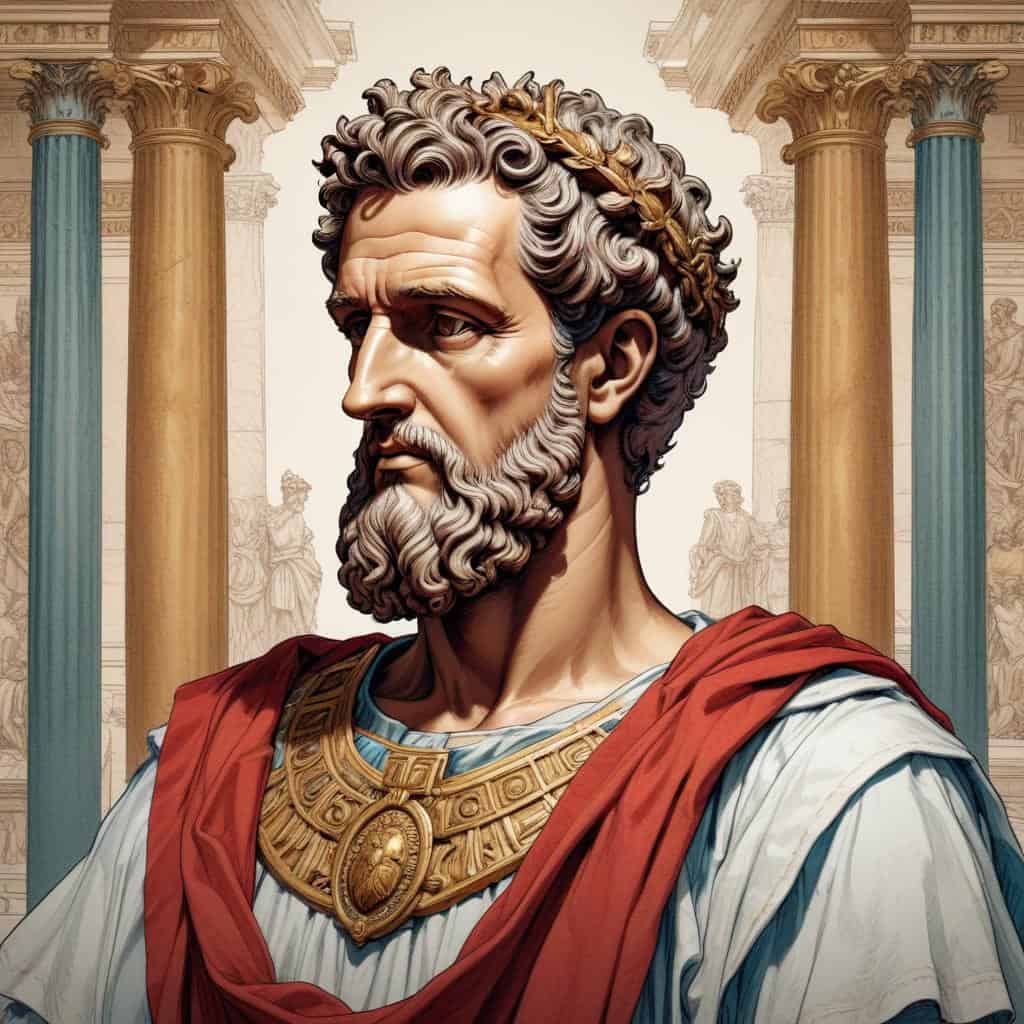
Reign as Emperor
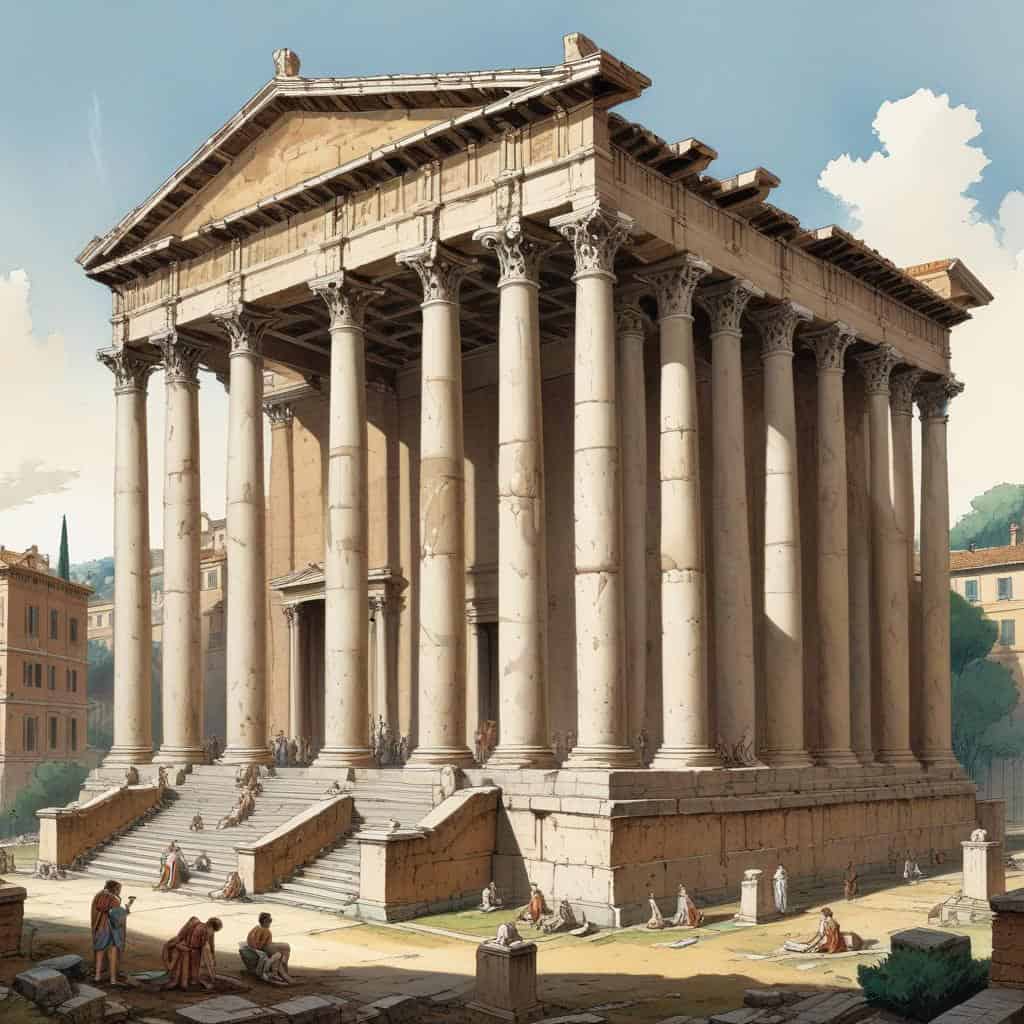
Building Projects
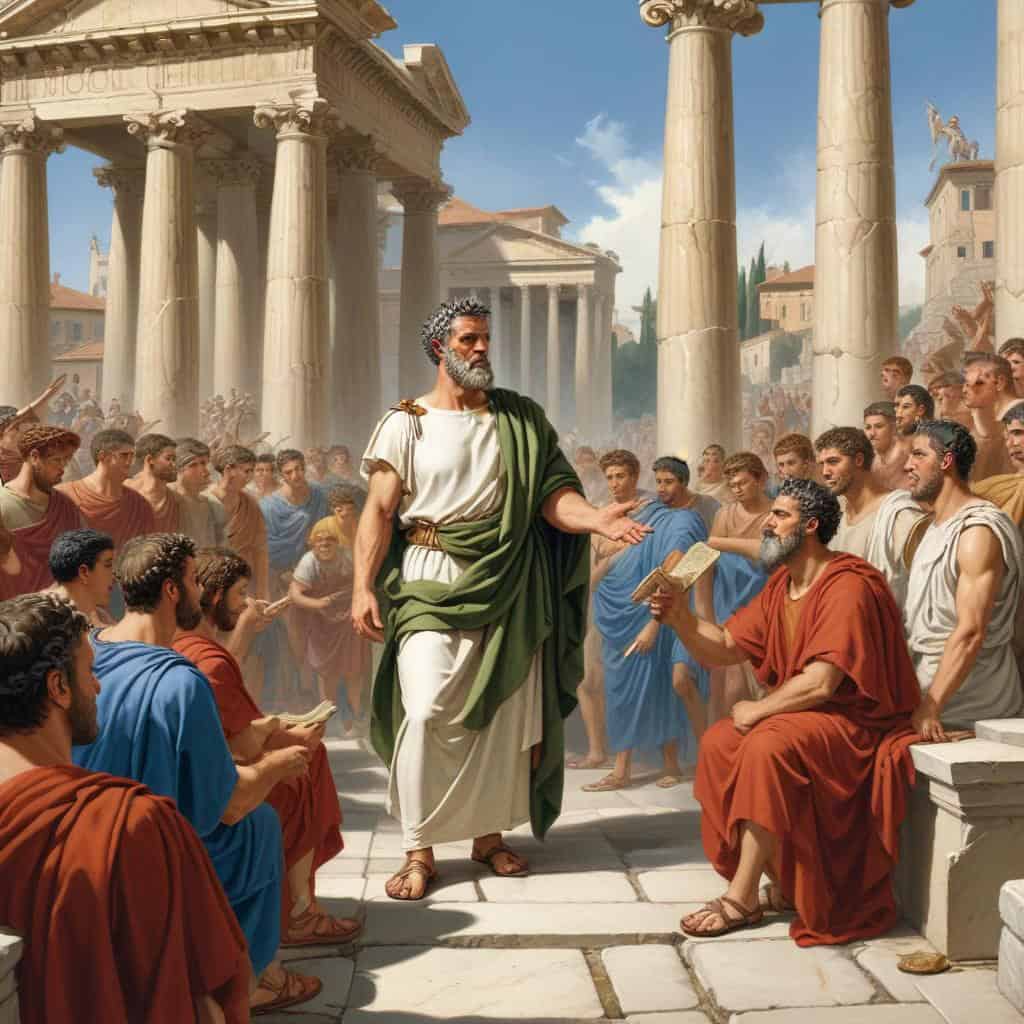
Legislation and Policies
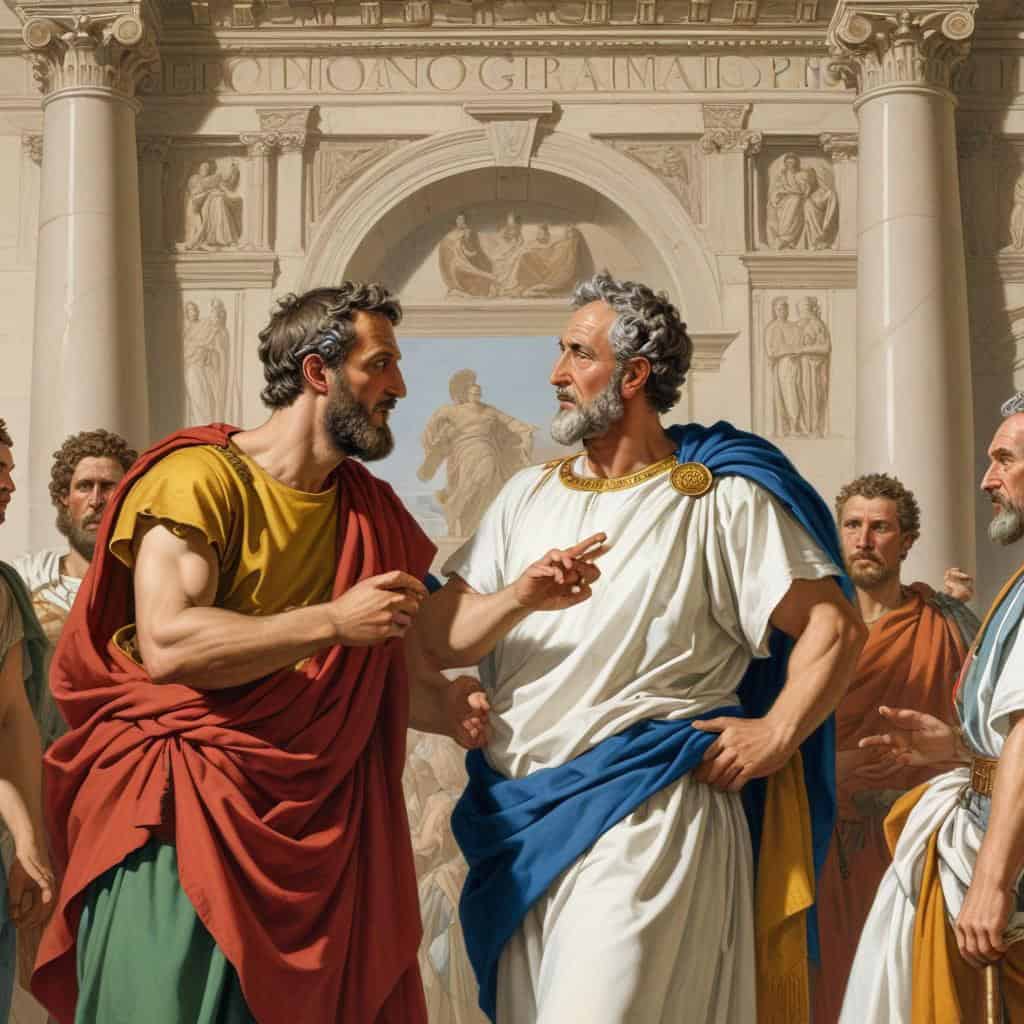
Foreign Relations
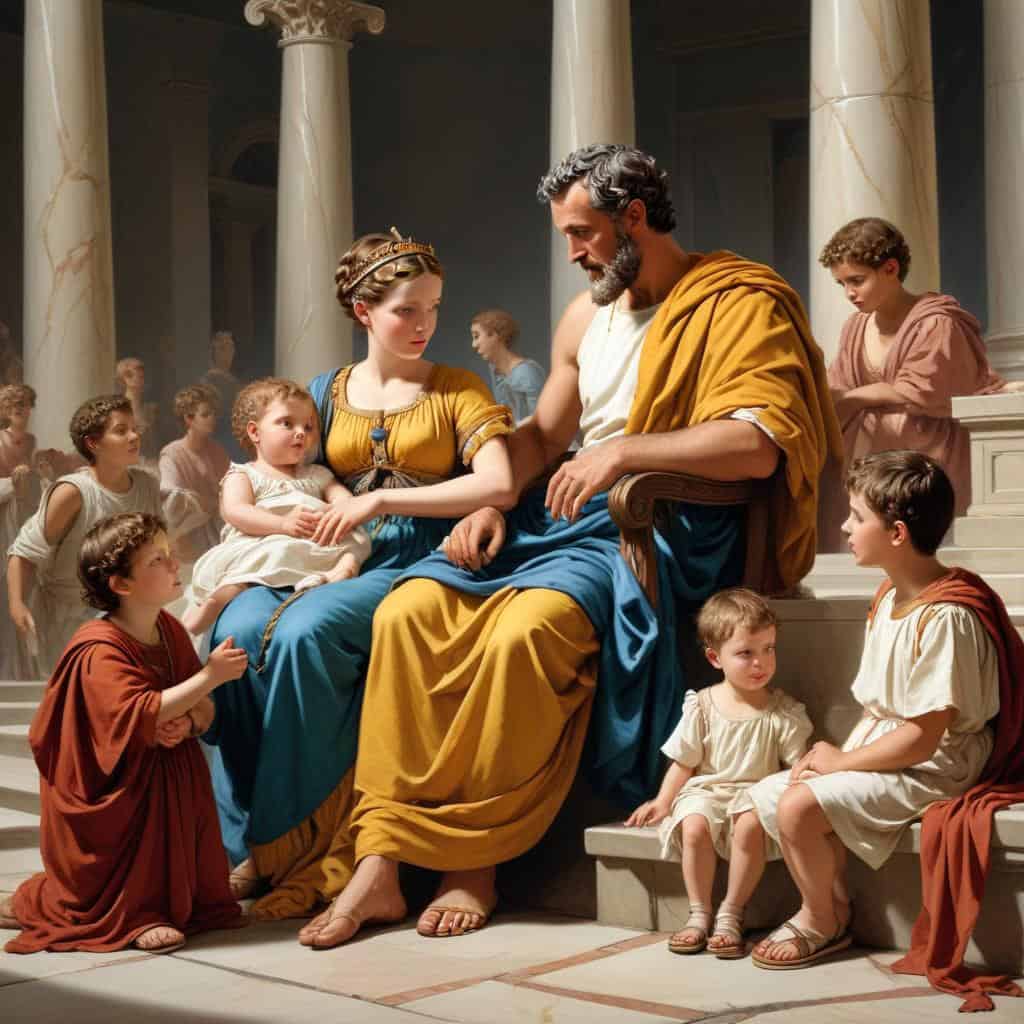
Family Life
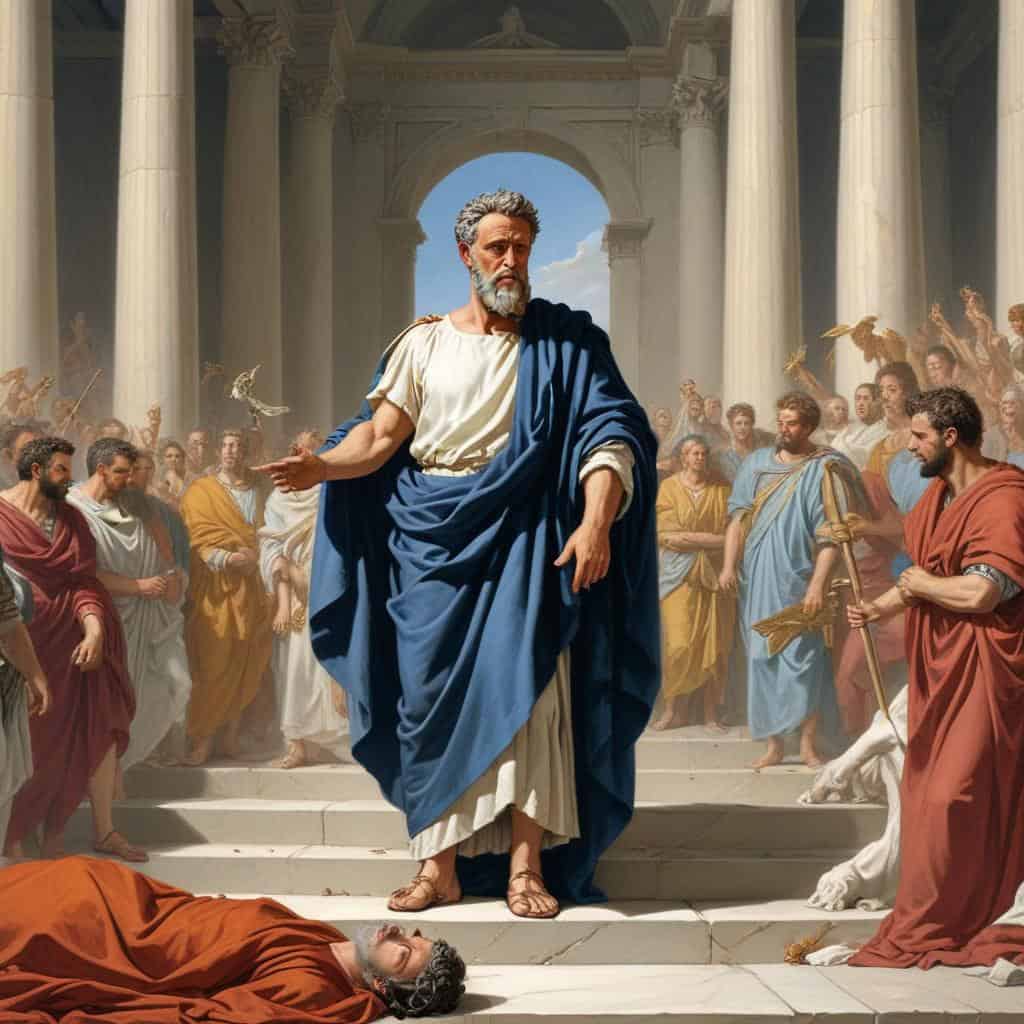
Death and Legacy
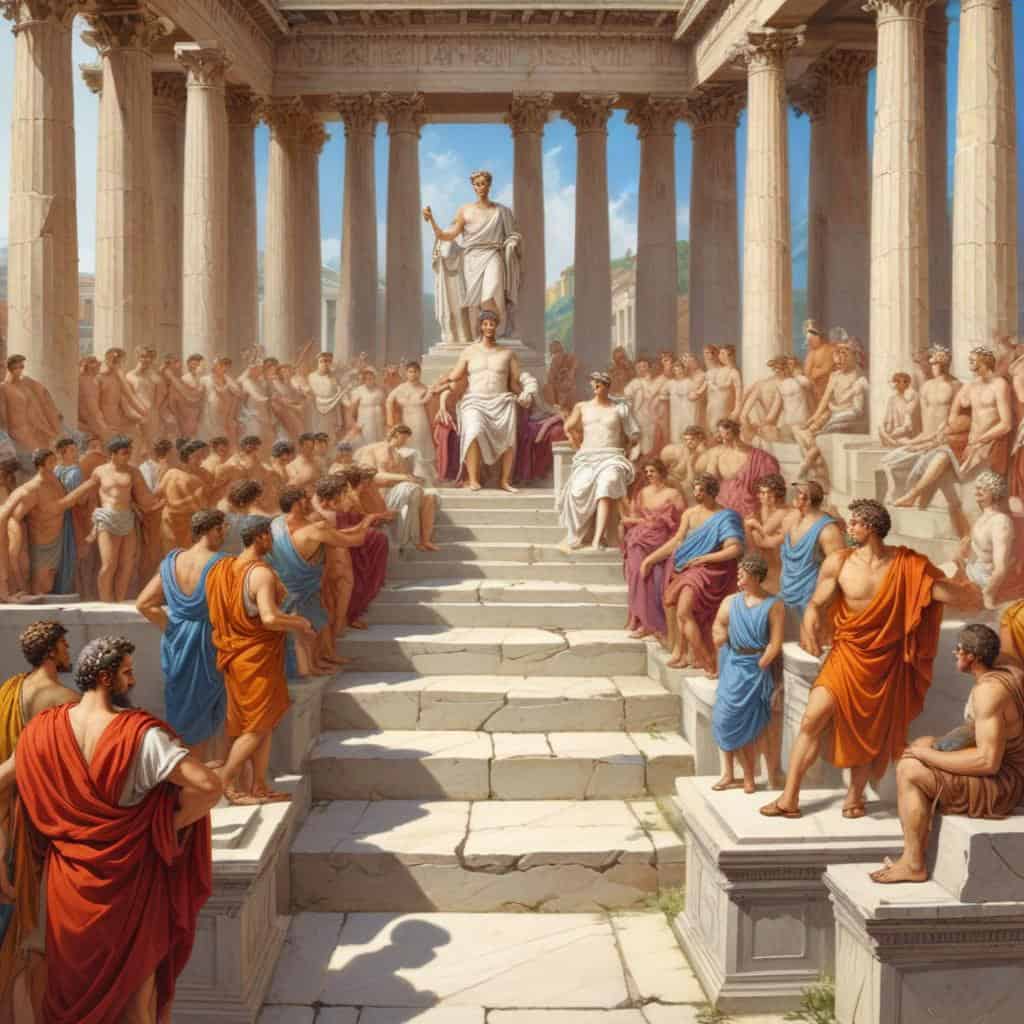
Cultural Influence
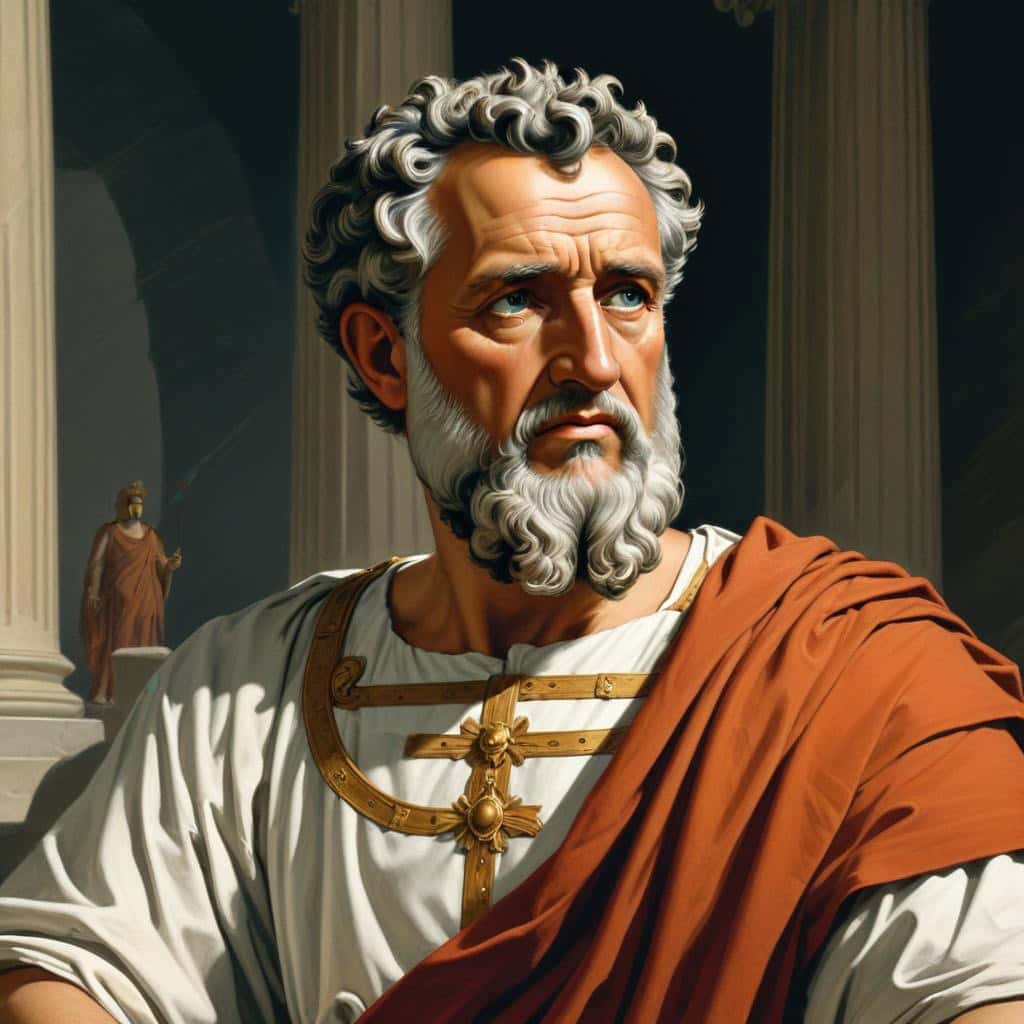
Evaluating His Rule
Lesson Details & Resources
In a Nutshell
- Who: Roman Emperor and Stoic philosopher
- When: Lived: 86 – 161
- Known For: Known for his peaceful reign and dedication to public welfare
- Legacy: His legacy includes the construction of public buildings and support for the arts
Timeline of Antoninus Pius: A Roman Emperor’s Biography
Antoninus Pius is born in Lanuvium, Italy
Antoninus Pius serves as quaestor and tribune in Rome
Antoninus Pius is appointed consul
Antoninus Pius marries Faustina the Elder
Antoninus Pius adopts Marcus Aurelius and Lucius Verus
Antoninus Pius becomes the Roman Emperor
Antoninus Pius suppresses a revolt in Britain
Antoninus Pius founds the Antonine Wall in Scotland
Antoninus Pius constructs the Temple of Hadrian in Rome
Antoninus Pius adopts Marcus Galerius Aurelius Antoninus (later known as Commodus)
Antoninus Pius constructs the Column of Antoninus Pius in Rome
Antoninus Pius dies in his villa in Lorium
Antoninus Pius is deified by the Roman Senate
Antoninus Pius' remains are placed in Hadrian's Mausoleum
Antoninus Pius is succeeded by his adopted son Marcus Aurelius
Antoninus Pius' wife, Faustina the Elder, is deified
Antoninus Pius establishes the alimenta, a program to support poor children
Antoninus Pius promotes the arts and sciences in Rome
Antoninus Pius makes peace with Parthia
Antoninus Pius dies after a reign of 23 years
Vocabulary List
- Antoninus Pius
- Antoninus Pius was a Roman emperor who ruled from 138 to 161 AD.
- Roman emperor
- Antoninus Pius held the title of Roman emperor during his reign.
- 138-161 AD
- Antoninus Pius's reign as Roman emperor lasted from 138 to 161 AD.
- Emperor
- Antoninus Pius was known as a fair and just Emperor.
- Roman Empire
- Antoninus Pius played a crucial role in the governance of the Roman Empire.
- Successor
- Antoninus Pius was the successor of Roman Emperor Hadrian.
- Adoption
- Antoninus Pius was adopted by Hadrian as his successor.
- Stoicism
- Antoninus Pius was influenced by the philosophy of Stoicism.
- Philosopher
- Antoninus Pius was known as a philosopher-king.
- Reign
- Antoninus Pius's reign was marked by stability and prosperity.
Key Facts
This is the information used in the fact matching game
- Antoninus Pius was the Roman Emperor from 138 to 161 AD.
- He was born on September 19, 86 AD, in Lanuvium, Italy.
- Antoninus Pius was adopted by the Roman Emperor Hadrian in 138 AD.
- He was the fourth of the Five Good Emperors of Rome.
- Antoninus Pius ruled with a focus on maintaining peace and stability within the Roman Empire.
- During his reign, the Roman Empire experienced a period of relative prosperity and tranquility.
- He is known for his administrative skills and efficient governance.
- Antoninus Pius was a patron of the arts and sciences, supporting various cultural endeavors.
- He built numerous public works and improved infrastructure throughout the empire.
- Antoninus Pius expanded the Roman legal system and promoted justice.
- He was married to Faustina the Elder and had two sons and two daughters.
- Antoninus Pius was deeply devoted to his wife and mourned her death greatly.
- He continued the policy of Hadrian in consolidating the frontiers of the Roman Empire.
- Antoninus Pius was known for his philanthropy and generosity towards the people.
- He established the Antonine Wall in Scotland as a defensive barrier.
- Antoninus Pius was the last Roman Emperor to be deified.
- He was succeeded by his adopted sons Marcus Aurelius and Lucius Verus.
- Antoninus Pius died on March 7, 161 AD, in Rome.
- His reign is often considered a period of peace and prosperity in Roman history.
- Antoninus Pius is remembered as a wise and just emperor.
Analysis & Significance
Major Accomplishments
Antoninus Pius, as Roman Emperor, is known for his peaceful and prosperous reign, maintaining stability in the empire and promoting legislation that protected the rights of individuals. He also focused on public welfare, building infrastructure, and supporting education.
Impact on the World
Antoninus Pius’ policies of diplomacy and governance set a standard for future Roman emperors, emphasizing the importance of fairness, justice, and the well-being of the people. His rule contributed to the overall stability and prosperity of the Roman Empire during his reign.
Enduring Legacy
Antoninus Pius is remembered as one of the “Five Good Emperors” of Rome, known for his benevolent rule and dedication to the welfare of his subjects. His legacy as a just and effective leader has continued to influence perceptions of Roman imperial rule and governance, making him a significant figure in Roman history.
Antoninus Pius: A Roman Emperor’s Biography Games


Take Your Learning Offline
Want a convenient, print-ready study guide for this lesson? Become a Memory Wizards Pro member to unlock the downloadable " Memory Scrolls" for this topic and our entire library!
- ✓ Complete Vocabulary Lists
- ✓ Key Facts & Timelines
- ✓ Beautifully Formatted for Print & Mobile