
Pocahontas: A Native American Princess’ Biography
The Native American princess who bridged two worlds with courage and compassion.
How Do You Learn Best?
Learn by Reading
Immerse yourself in the 10-minute visual lesson for a comprehensive understanding of the topic.
Learn by Reviewing
Jump directly to the key facts, timeline, and vocabulary lists to build a solid foundation of details.
Learn by Doing
Challenge yourself! Jump straight into the interactive games to learn by trial, error, and discovery.
Pocahontas: A Native American Princess’ Biography in 10 Minutes
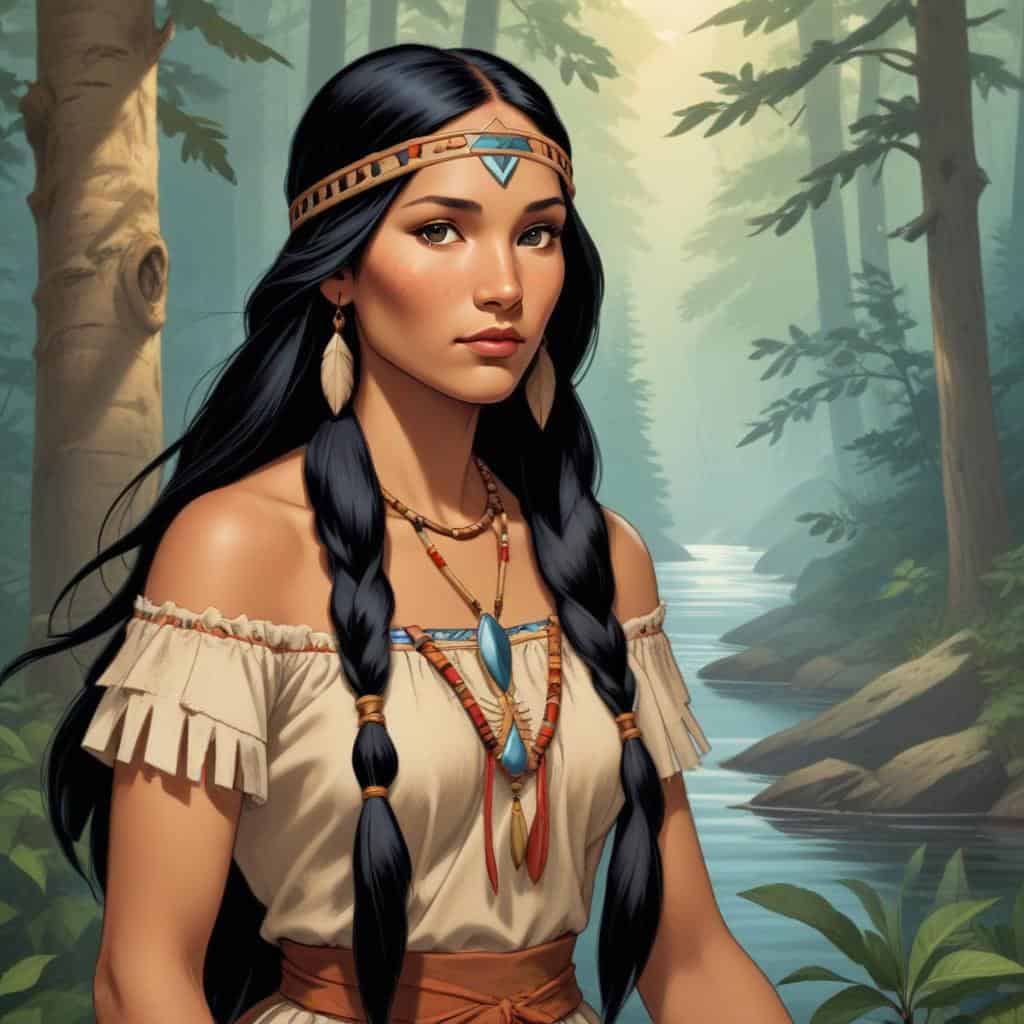
Introduction
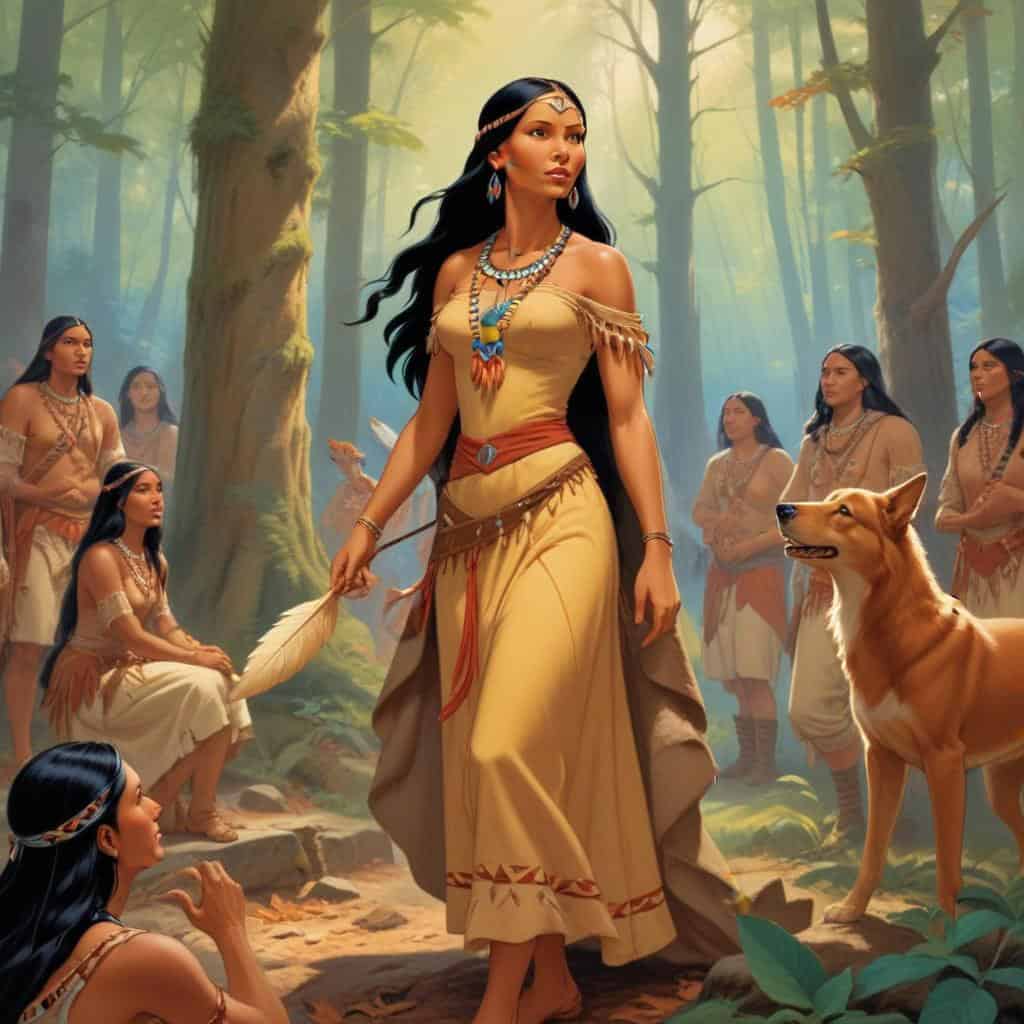
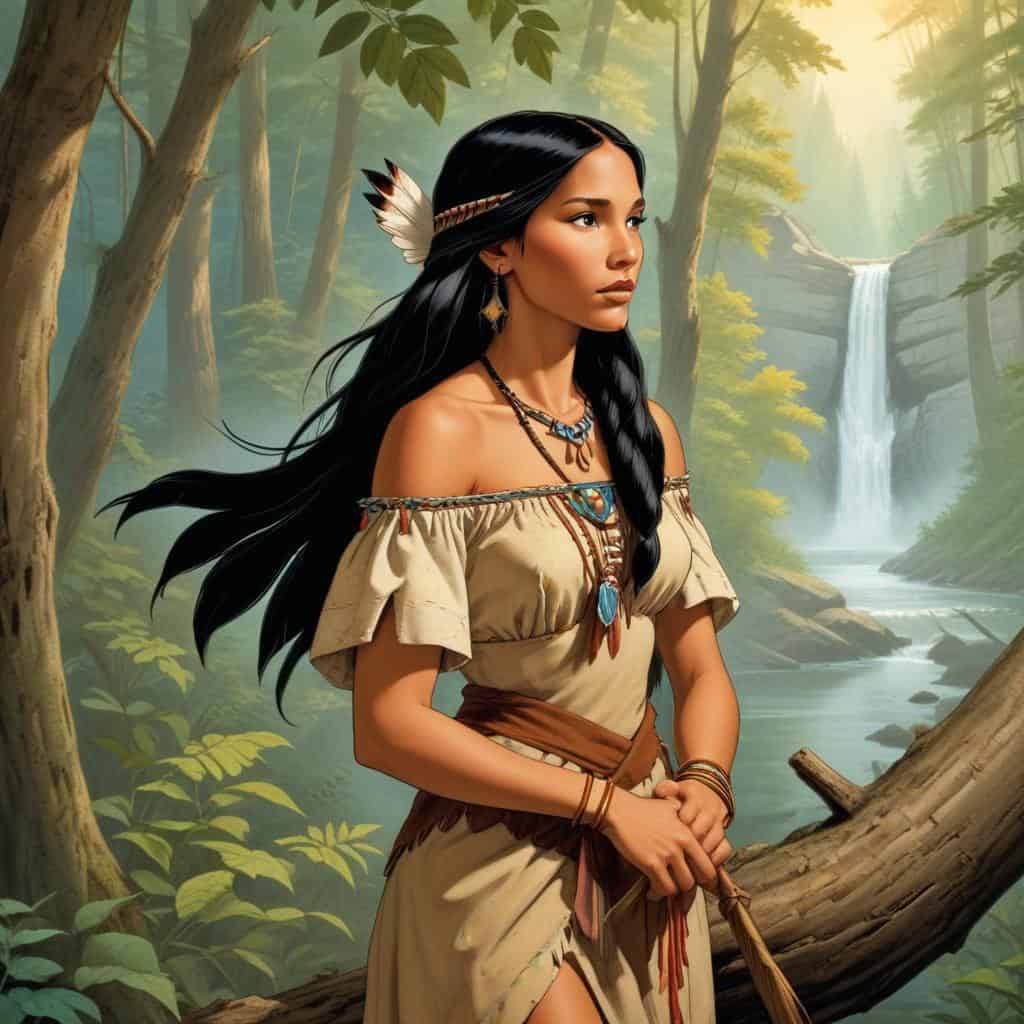
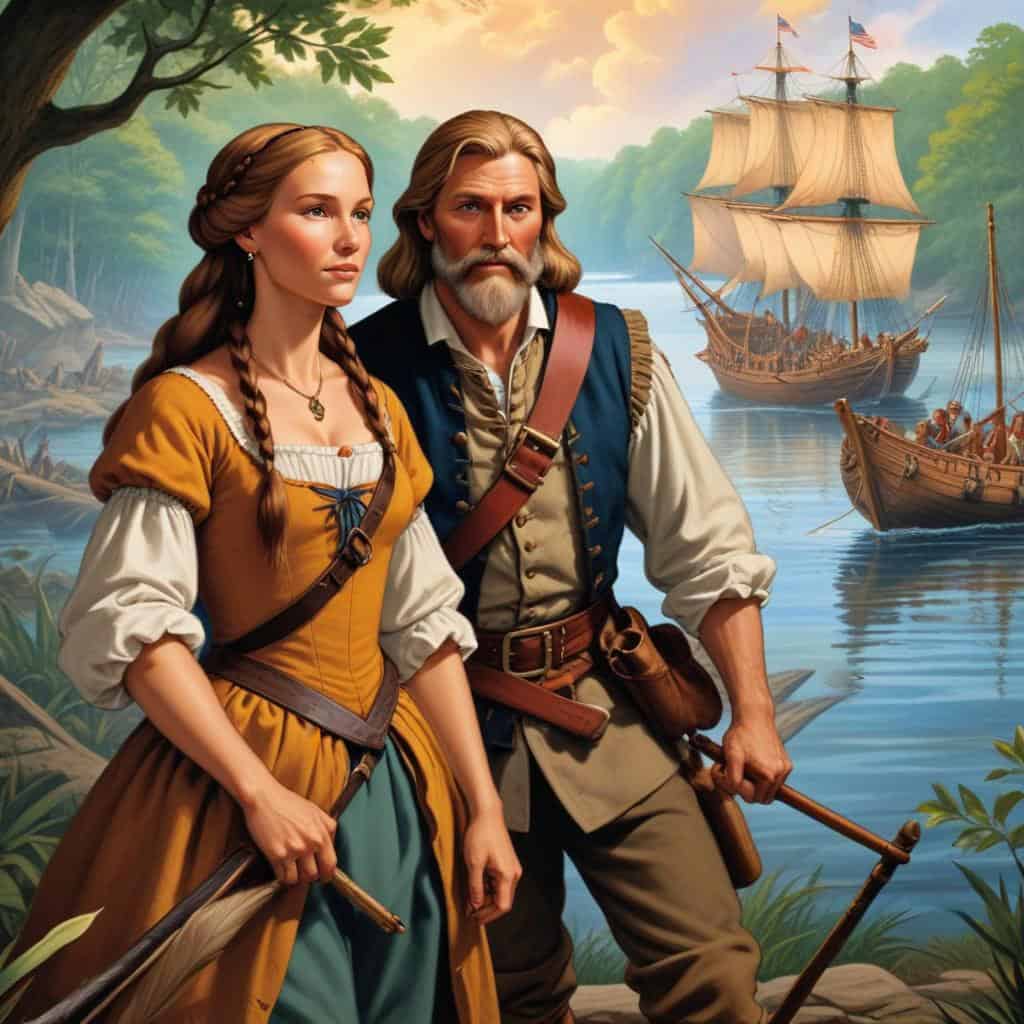
John Smith
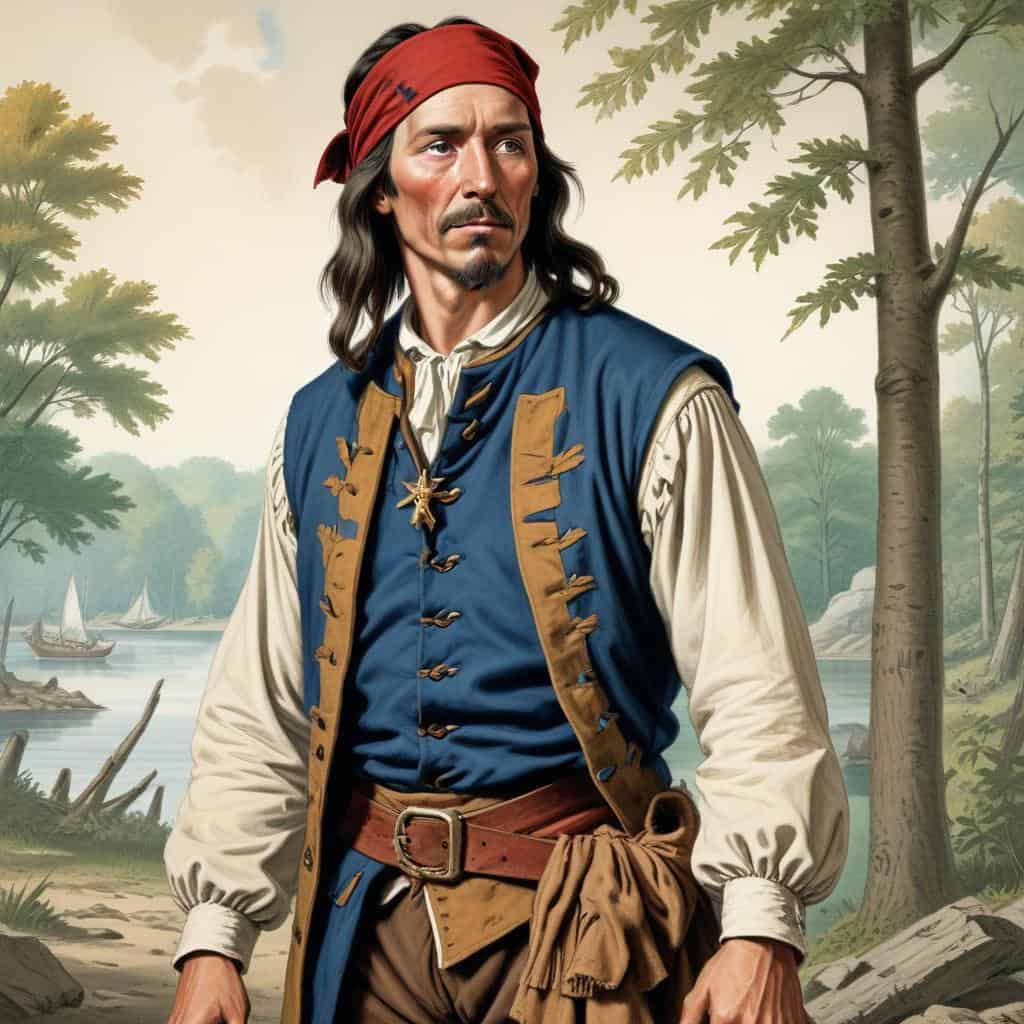
John Rolfe
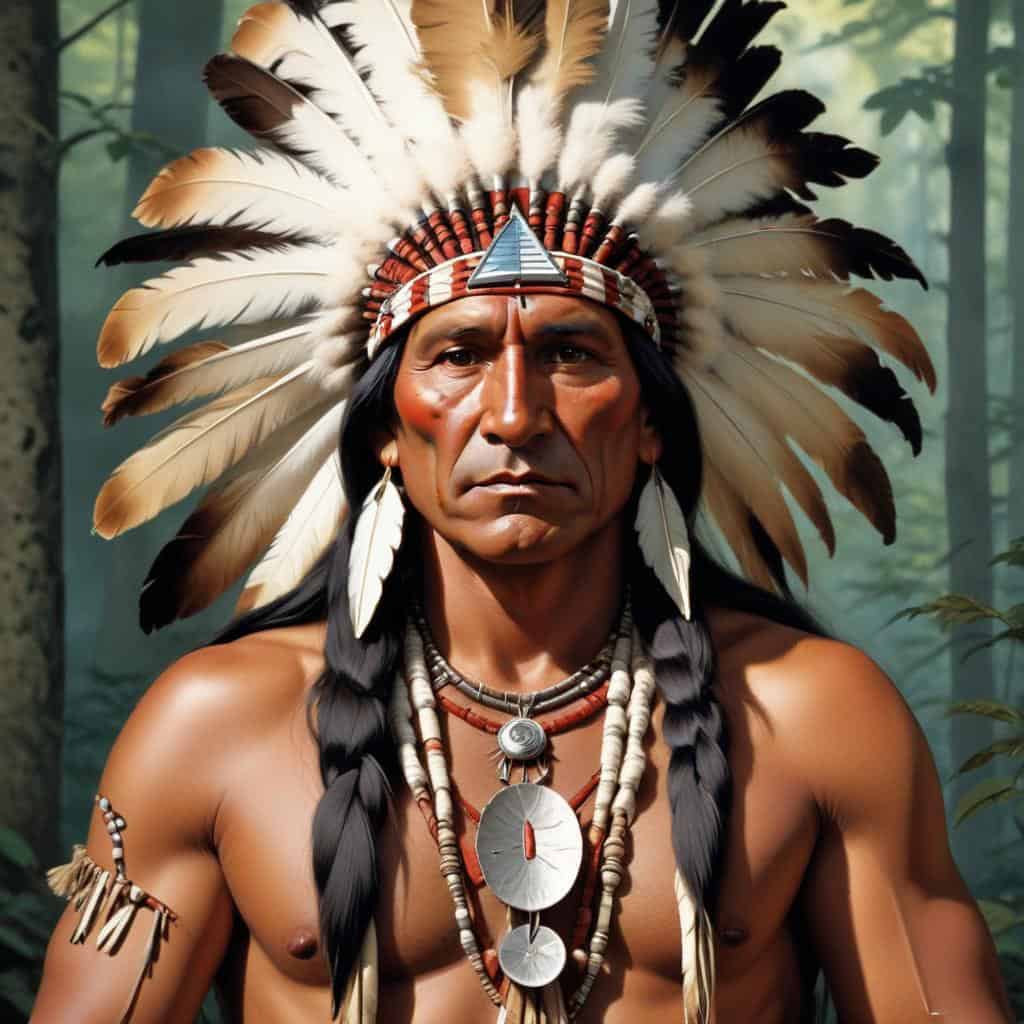
Chief Powhatan
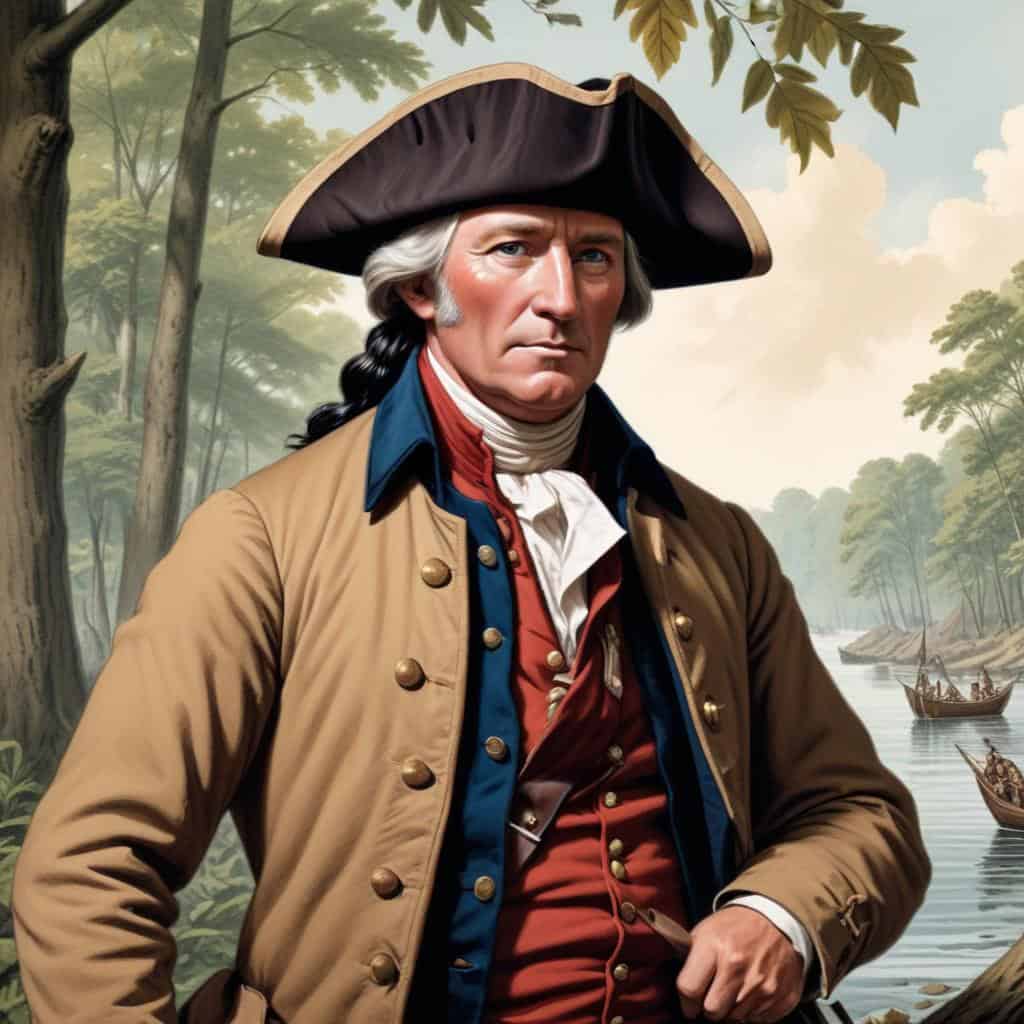
Thomas Dale
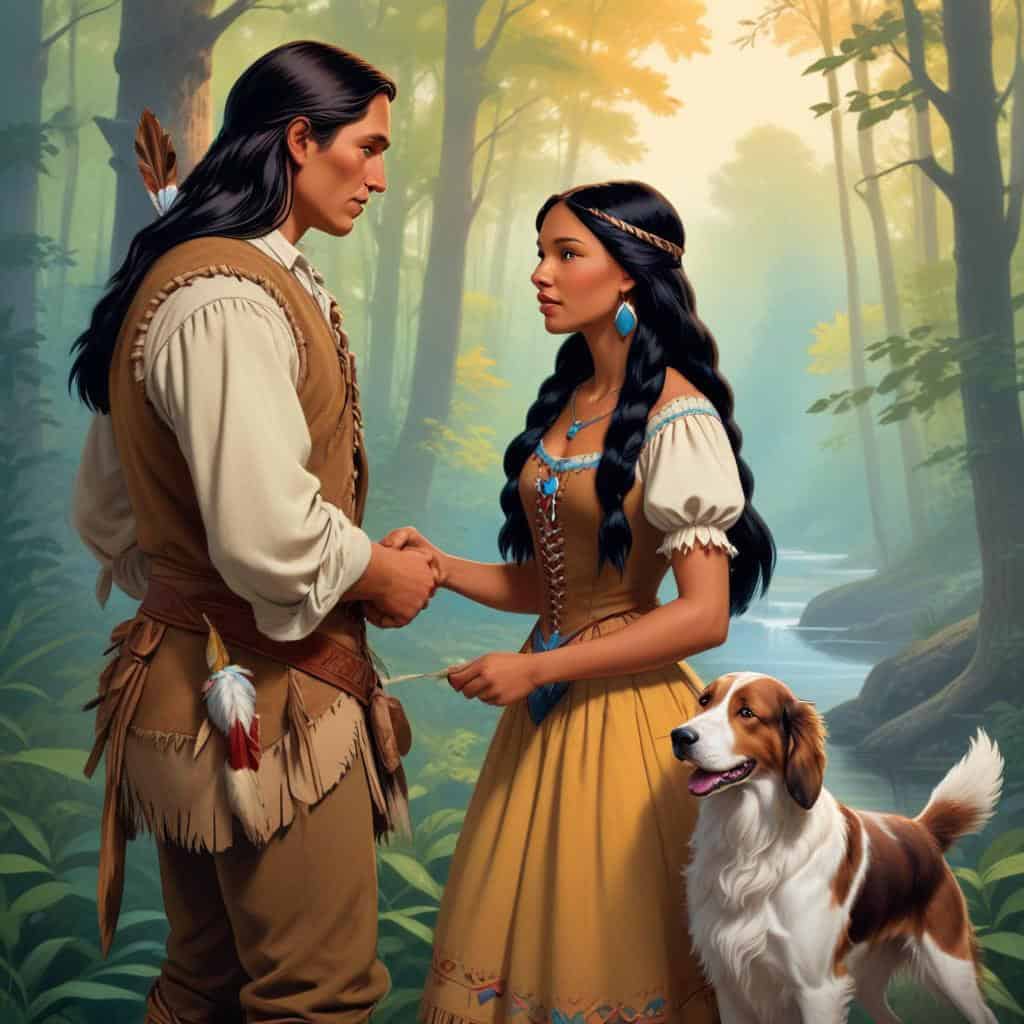
1. Pocahontas Meets John Smith
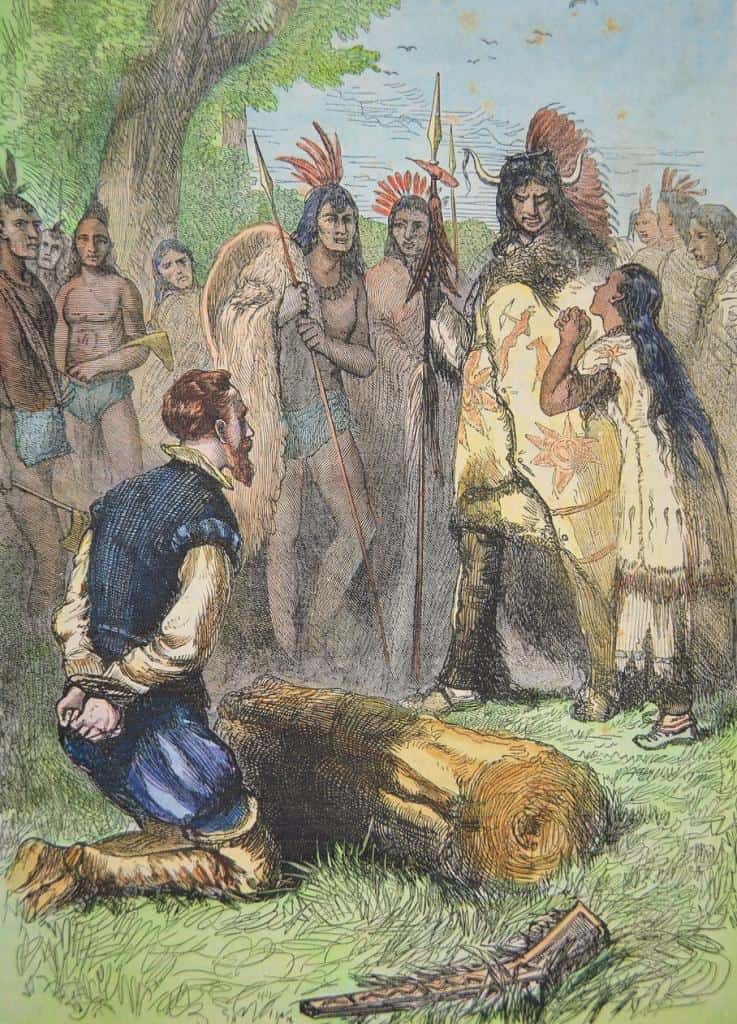
2. Saving John Smith
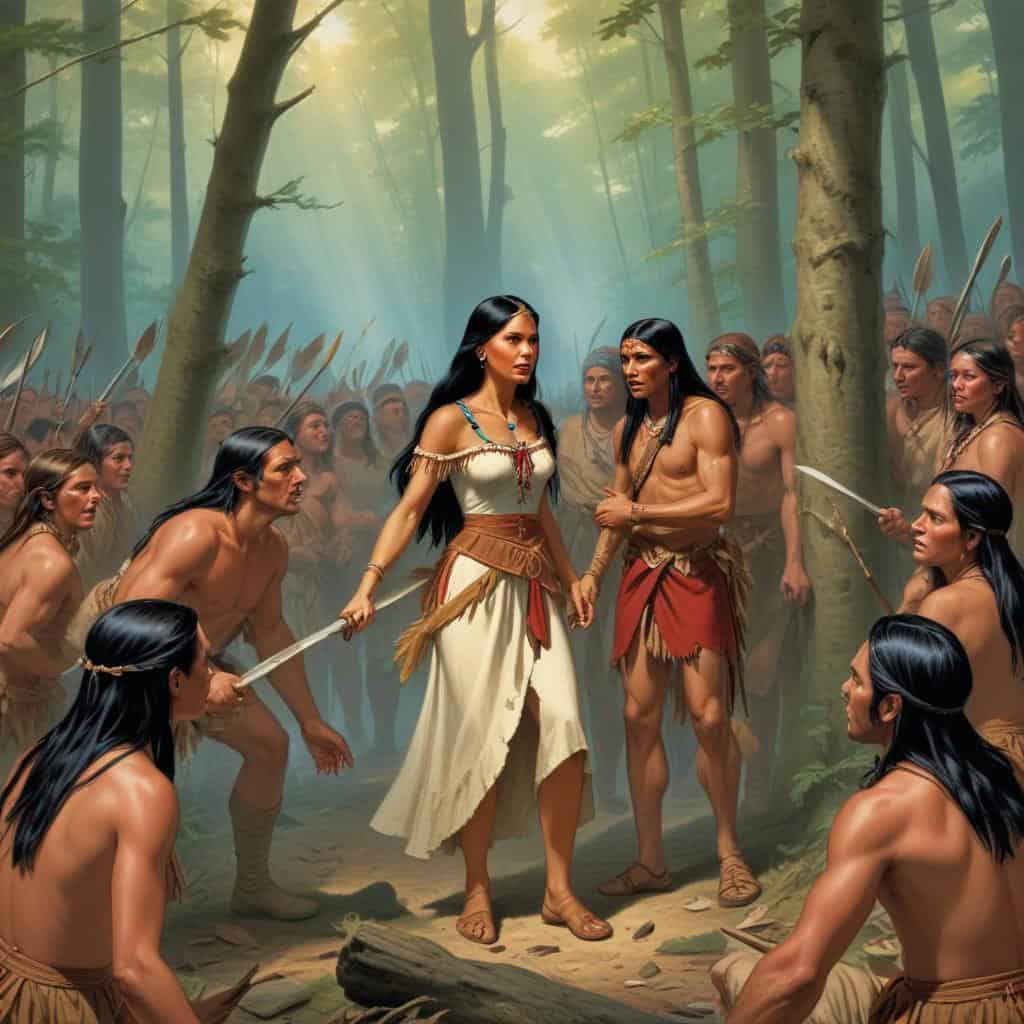
3. Pocahontas Capture
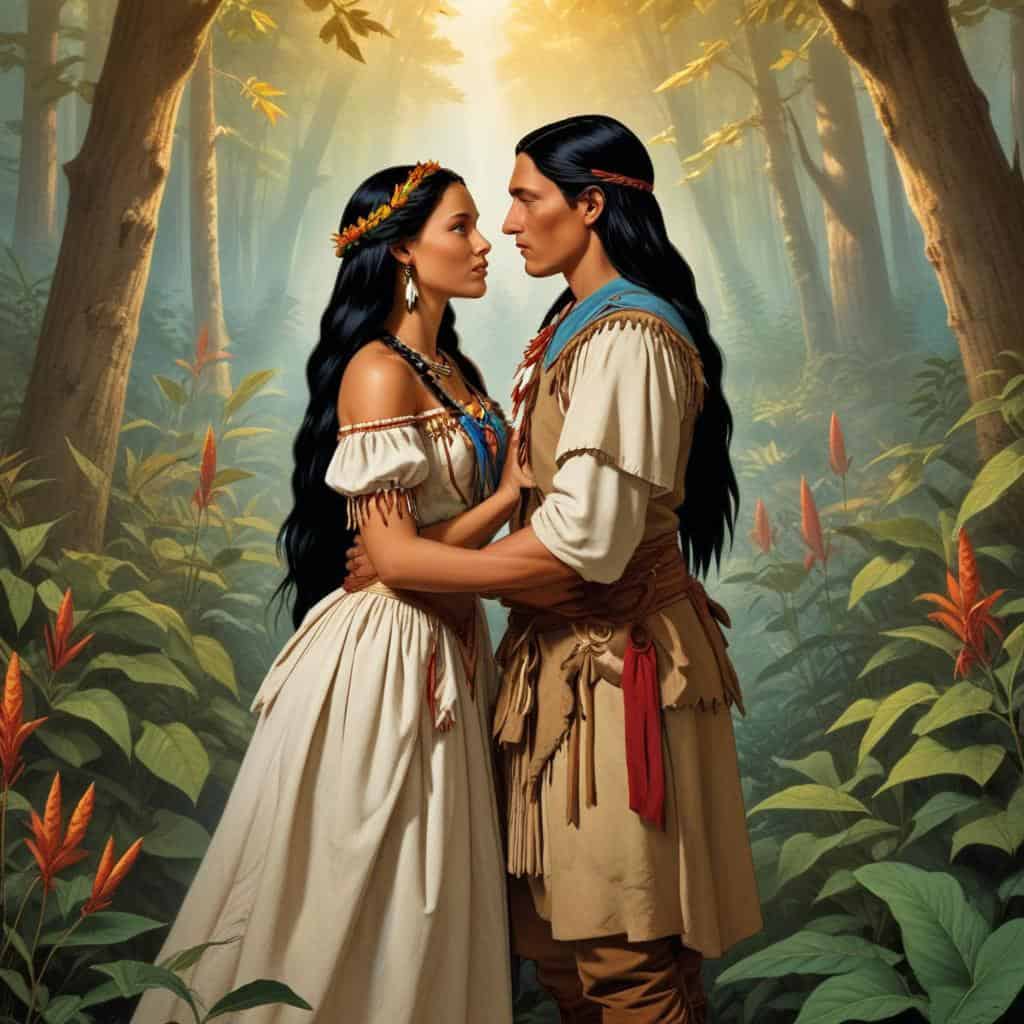
4. Marriage to John Rolfe

5. Journey to England
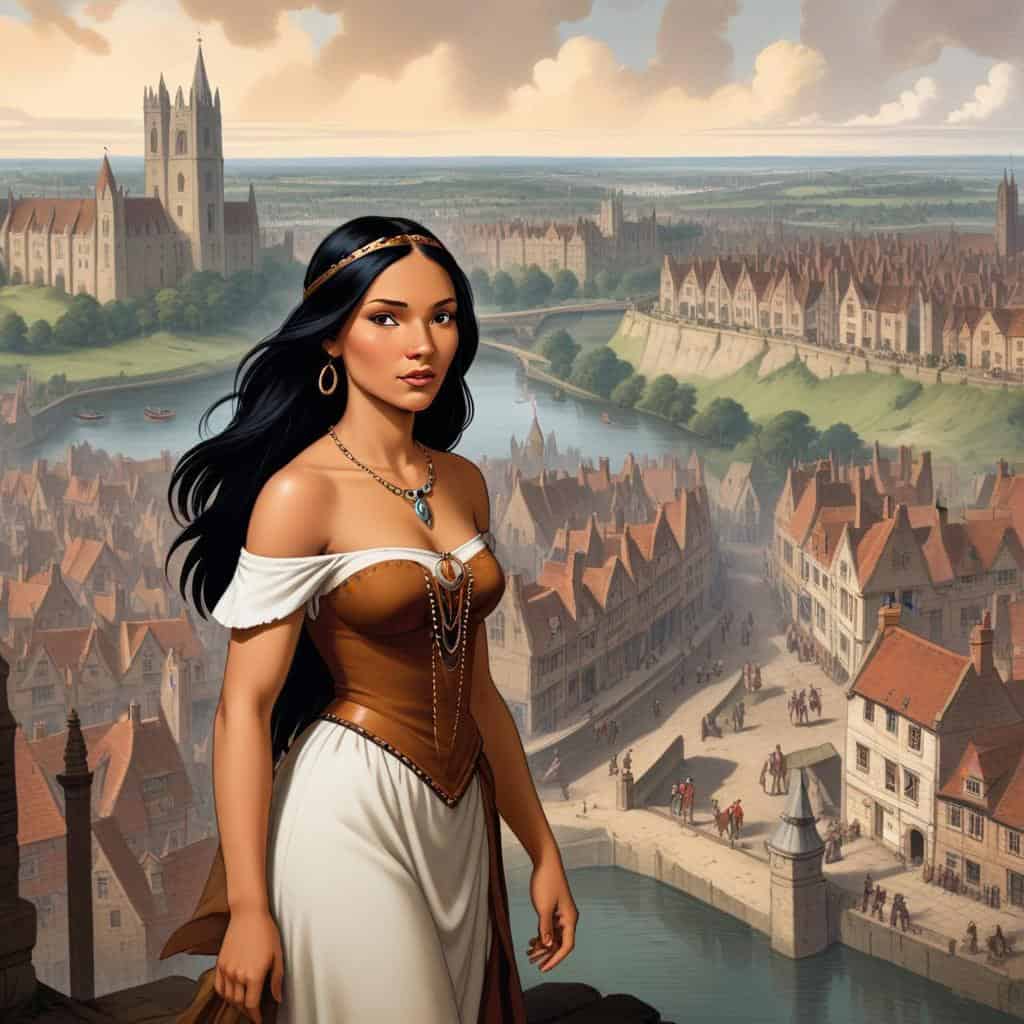
6. Illness and Death
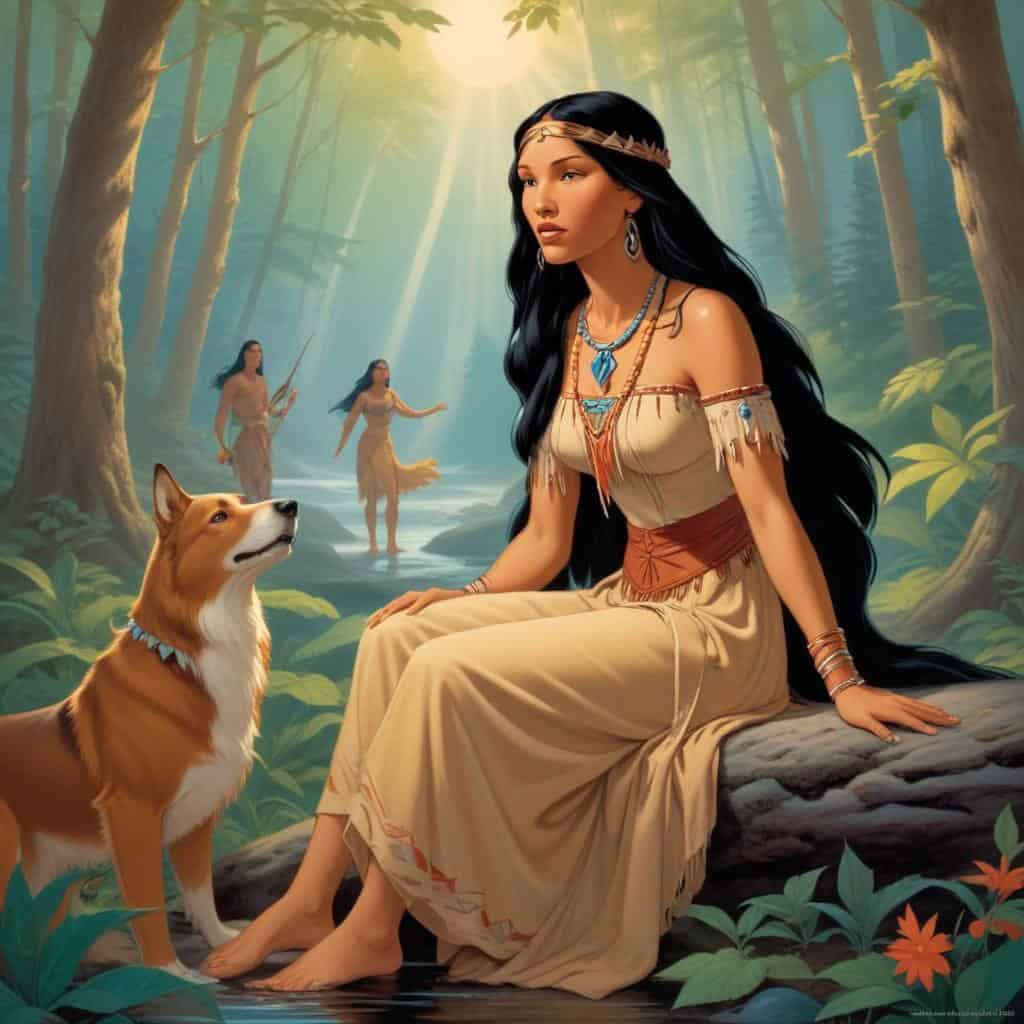
7. Legacy
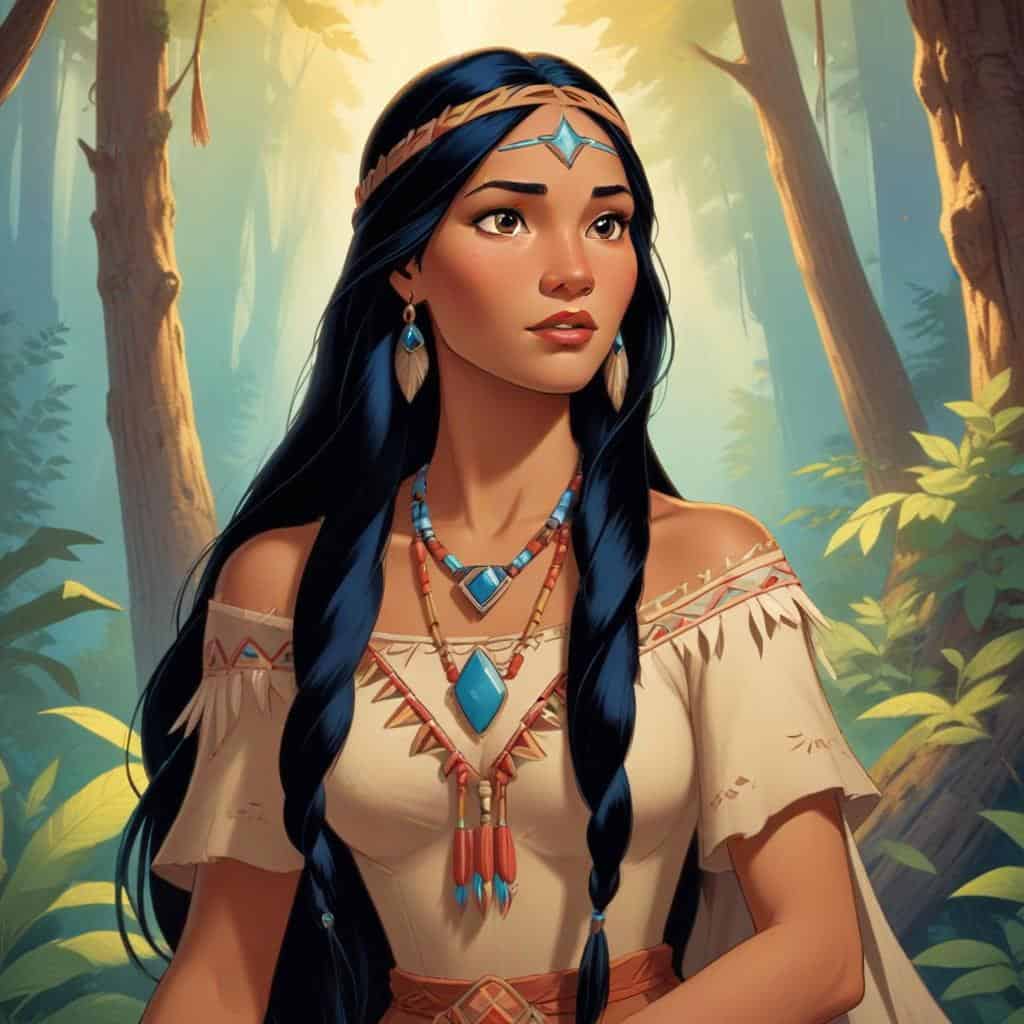
8. Disneys Adaptation
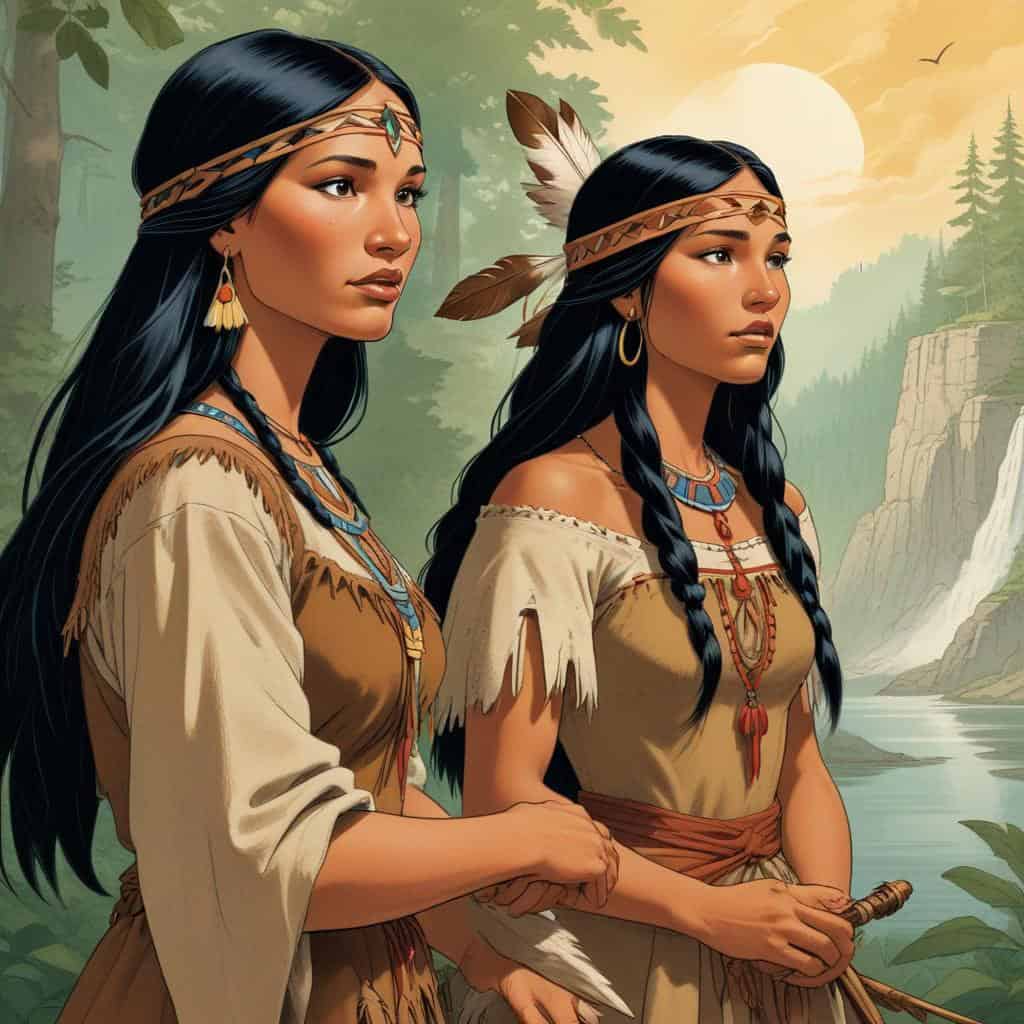
9. Historical Significance
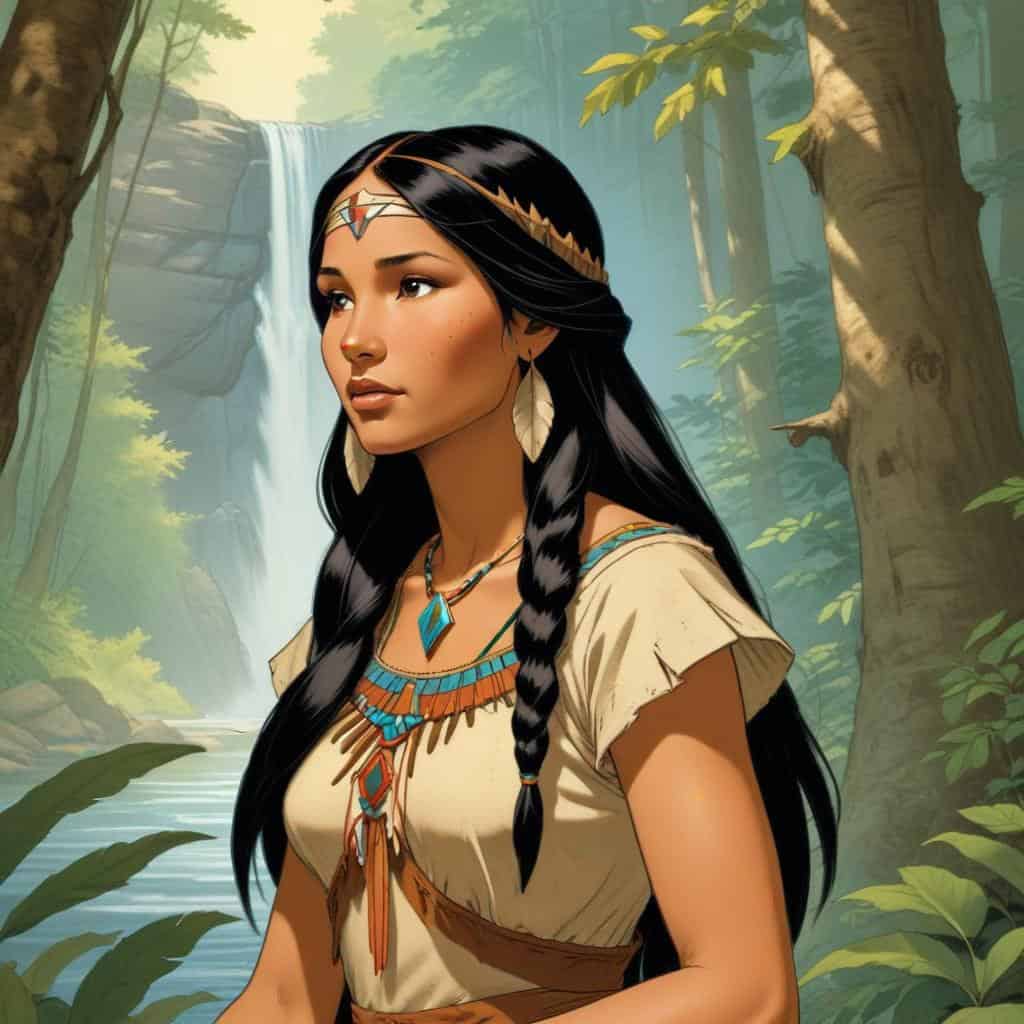
10. Continued Interest
Lesson Details & Resources
In a Nutshell
Pocahontas, Native American princess and intermediary
Lived: c. 1596 – 1617
Most known for her role in the early history of the English settlement at Jamestown, Virginia
Significant legacy as a symbol of peace and unity between Native Americans and Europeans
Timeline of Pocahontas: A Native American Princess’ Biography
Pocahontas is born as Matoaka, daughter of Chief Powhatan
English settlers arrive at Jamestown, Virginia
John Smith is captured by Powhatan's men and supposedly saved by Pocahontas
Pocahontas marries John Rolfe and converts to Christianity
Pocahontas gives birth to a son named Thomas Rolfe
Pocahontas travels to England with her husband and son
Pocahontas meets King James I and Queen Anne of England
Pocahontas falls ill in England and dies
Pocahontas is buried at St. George's Church in Gravesend, England
John Rolfe returns to Virginia with their son Thomas
John Rolfe dies in Virginia
Pocahontas' son Thomas returns to England
Thomas Rolfe marries Jane Poythress and has children
Thomas Rolfe returns to Virginia with his family
Thomas Rolfe becomes a prominent member of Virginia society
Pocahontas' descendants include many prominent Americans
Pocahontas is remembered as a symbol of Native American and colonial relations
Vocabulary List
- Pocahontas
- The Native American woman who famously interacted with English settlers in the early 17th century.
- John Smith
- The Englishman who claimed that Pocahontas saved his life during a confrontation with her tribe.
- Powhatan
- The Native American chief and father of Pocahontas.
- Jamestown
- The first permanent English settlement in America, where Pocahontas and her tribe encountered the English settlers.
- Colonization
- The process of establishing control over a foreign land and its inhabitants, as seen in the interactions between the English settlers and Native Americans in Pocahontas' story.
Key Facts
This is the information used in the fact matching game
- Pocahontas was born in 1596 in present-day Virginia, USA.
- Her real name was Matoaka, but she was known as Pocahontas, which means 'playful one' or 'ill-behaved child'.
- Pocahontas was the daughter of Powhatan, the chief of the Powhatan Confederacy.
- She is famously known for her association with the English colonists at Jamestown, particularly for saving the life of Captain John Smith.
- Pocahontas married English settler John Rolfe in 1614, which helped establish peace between the colonists and the Powhatan tribe.
- In 1616, Pocahontas and Rolfe traveled to England, where she was presented as an example of a 'civilized savage'.
- Pocahontas and Rolfe had a son named Thomas, who later traveled to Virginia to learn about his Native American heritage.
- Pocahontas died in England in 1617, at the age of around 21.
- Her death has been attributed to various causes, including pneumonia, tuberculosis, and smallpox.
- Pocahontas is buried at St. George's Church in Gravesend, England.
- There have been many portrayals of Pocahontas in popular culture, including the Disney animated film of the same name.
- Pocahontas has become a symbol of Native American resilience and cultural identity.
- Many historians believe that the story of Pocahontas saving John Smith may have been embellished or fabricated.
- Pocahontas' legacy continues to be a topic of debate and discussion among historians and Native American communities.
- There are several monuments and memorials dedicated to Pocahontas, including statues in Virginia and a Disney theme park attraction.
- Pocahontas' story has been used to promote ideas of interracial harmony and cooperation, as well as critiques of colonialism and cultural appropriation.
- Pocahontas' name has been used for various landmarks, including a river in Virginia and a town in Arkansas.
- The true nature of Pocahontas' relationship with John Smith and John Rolfe continues to be a topic of speculation and research.
- Pocahontas' legacy has inspired numerous works of art, literature, and music, exploring themes of identity, cultural exchange, and historical memory.
- Pocahontas' story serves as a reminder of the complex and often tragic history of Native American-European interactions in early America.
Analysis & Significance
Major Accomplishments
Pocahontas is best known for her role in mediating between the Powhatan Confederacy and English settlers in Jamestown, Virginia. She saved the life of Captain John Smith and helped establish a period of peace between the two groups.
Impact on the World
Pocahontas’ actions had a significant impact on early American history by fostering relations between Native Americans and European settlers. Her story has been romanticized and immortalized in literature, art, and film, shaping perceptions of the interactions between Native Americans and colonizers.
Enduring Legacy
Pocahontas is remembered as a symbol of cultural exchange, diplomacy, and the complexities of early colonial encounters. She continues to be a figure of fascination and inspiration, representing the resilience and strength of Native American women in history. Her legacy serves as a reminder of the importance of understanding different perspectives and bridging cultural divides.
Pocahontas: A Native American Princess’ Biography Games


Take Your Learning Offline
Want a convenient, print-ready study guide for this lesson? Become a Memory Wizards Pro member to unlock the downloadable " Memory Scrolls" for this topic and our entire library!
- ✓ Complete Vocabulary Lists
- ✓ Key Facts & Timelines
- ✓ Beautifully Formatted for Print & Mobile