
How Do You Learn Best?
Learn by Reading
Immerse yourself in the 10-minute visual lesson for a comprehensive understanding of the topic.
Learn by Reviewing
Jump directly to the key facts, timeline, and vocabulary lists to build a solid foundation of details.
Learn by Doing
Challenge yourself! Jump straight into the interactive games to learn by trial, error, and discovery.
The Masterpiece: The Happy Accidents of the Swing
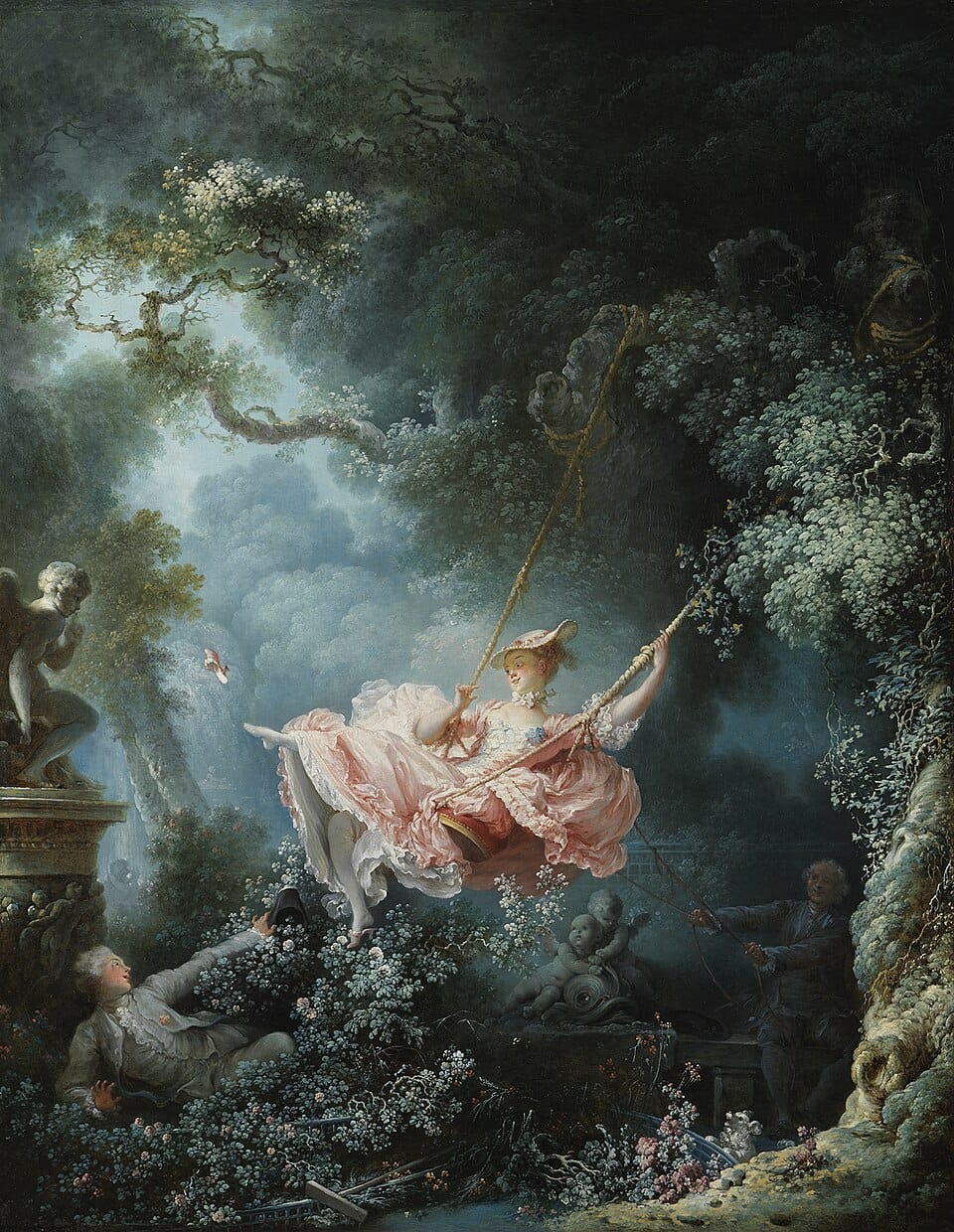
Deconstructing the Masterpiece
Flying Dress
The billowing white dress creates a sense of movement and lightness, enhancing the joyful and carefree mood of the scene.
Vibrant Colors
The bright and colorful palette conveys a sense of happiness and celebration, adding to the overall cheerful atmosphere of the painting.
Hidden Faces
The obscured faces of the figures add an element of mystery and intrigue, inviting viewers to interpret their emotions and intentions.
Rococo Design: An Analysis in 10 Minutes
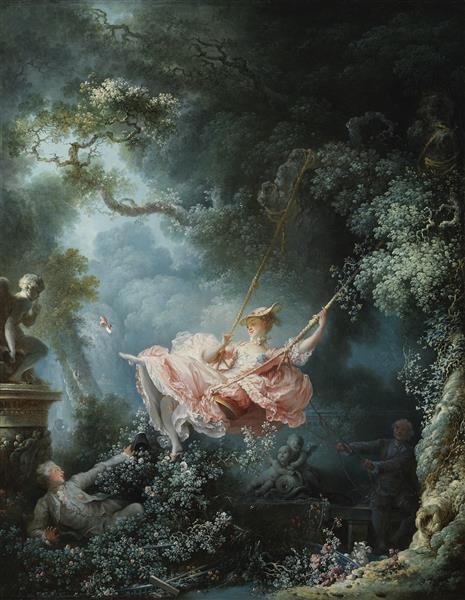
The Origins of Rococo Design
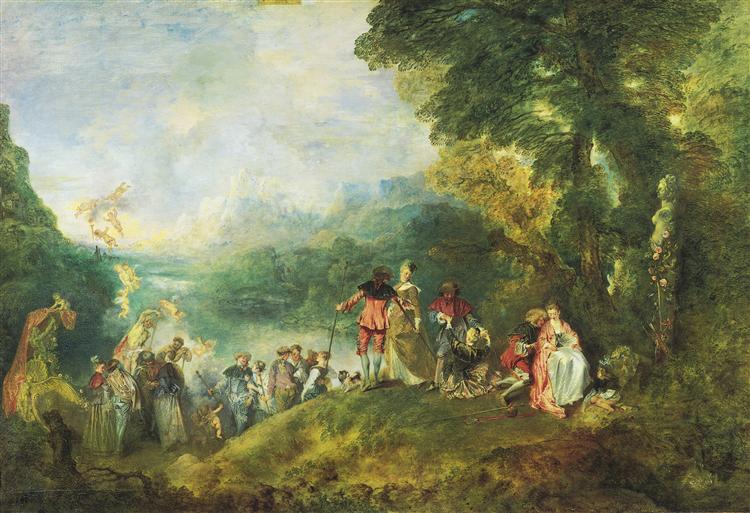
Influence of Nature
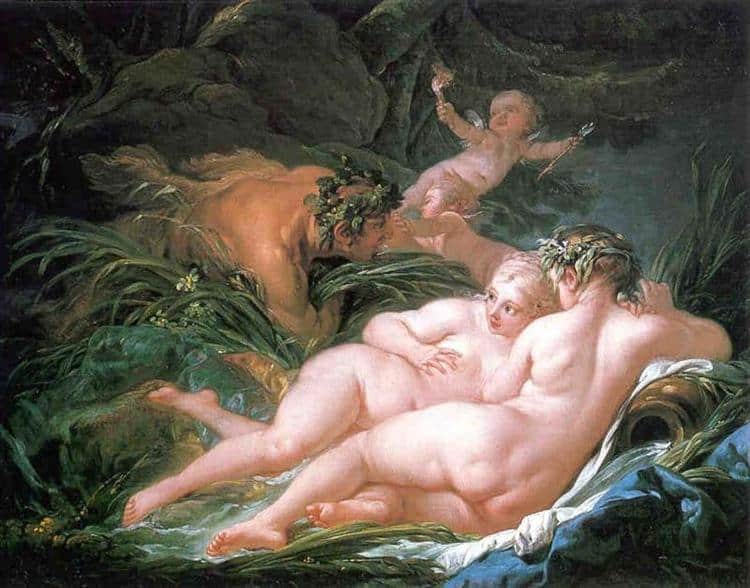
Curvaceous Forms
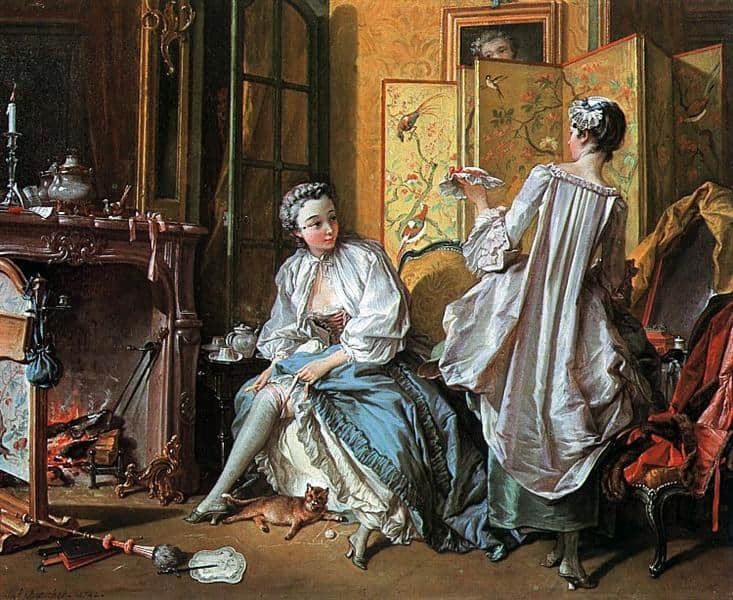
Pastel Color Palette
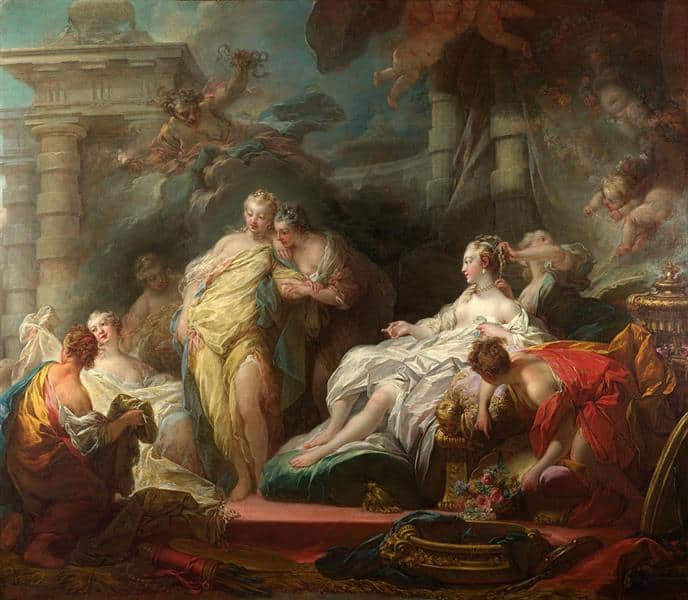
Extravagant Ornamentation
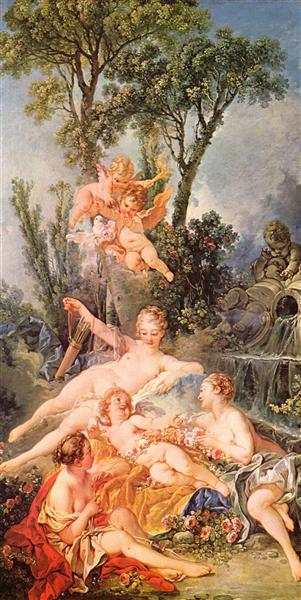
Playful Details
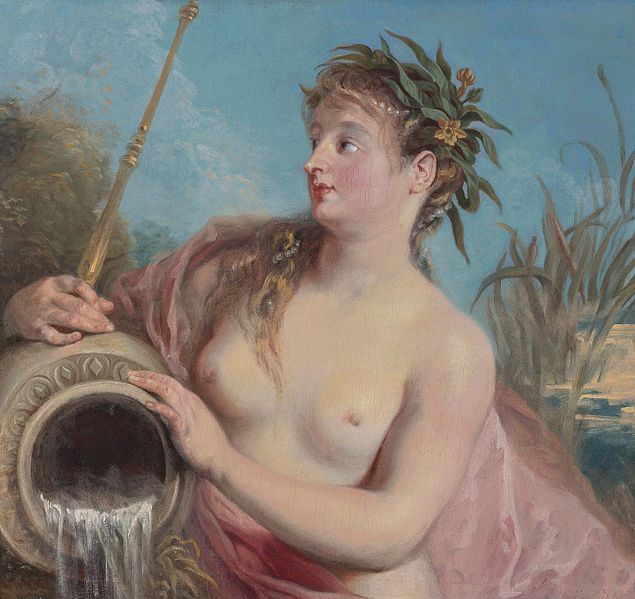
Popularization in Europe
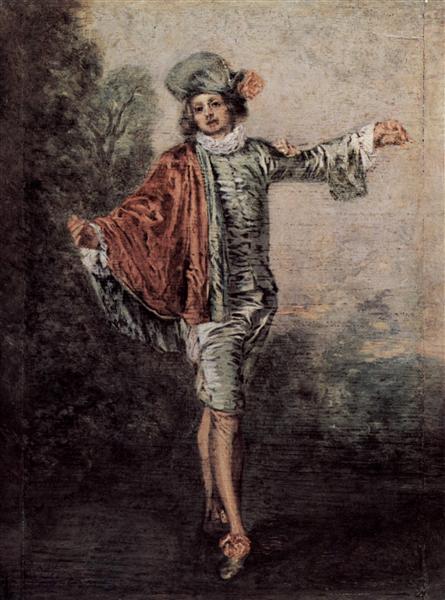
Decline and Revival
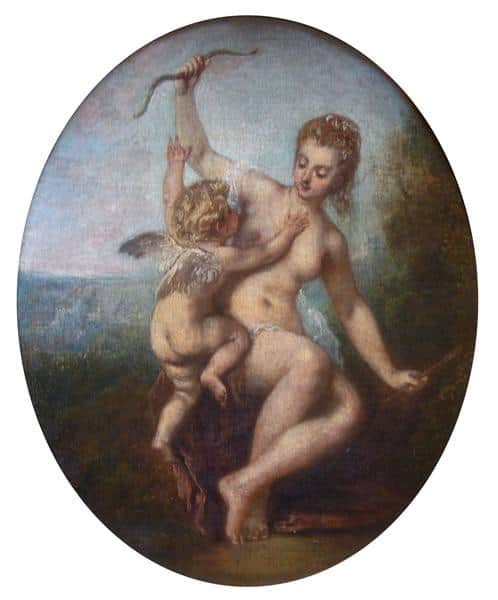
Legacy of Rococo Design
Lesson Details & Resources
In a Nutshell
- Title:The Happy Accidents of the Swing
- Artist: Jean-Honoré Fragonard
- Year: 17th century
- Medium: Oil Painting/li>
- Location: Wallace Collection, London
Vocabulary List
- Frivolity
- The Rococo design style is characterized by its frivolity and playfulness.
- Ornate
- Rococo design is known for its ornate and intricate decorations.
- Pastel
- Soft pastel colors are often used in Rococo artwork.
- Curvilinear
- Rococo design features elaborate, curvilinear forms.
- Asymmetrical
- Rococo art often incorporates asymmetrical compositions.
- Gilding
- Gold leaf gilding is a common decorative element in Rococo design.
- Cherub
- Cherubs and other playful figures are often depicted in Rococo paintings.
- Frothy
- Rococo design is often described as frothy and light-hearted.
- Sensuous
- Rococo art emphasizes sensuous and romantic themes.
- Rocaille
- The Rococo style is also known as the Rocaille style, named after the shell and rock motifs used in its decorations.
- Whimsical
- Rococo design is characterized by its whimsical and fanciful elements.
- Voluptuous
- The figures in Rococo paintings are often depicted as voluptuous and luxurious.
- Marquetry
- Intricate marquetry work is commonly found in Rococo furniture.
- Frieze
- Elaborate friezes are a key feature of Rococo architecture.
- Foliate
- Rococo design often incorporates foliate motifs and patterns.
- Cabriole
- Cabriole legs are a common feature of Rococo furniture, characterized by their curved shape.
- Trompe l'oeil
- Trompe l'oeil techniques are often used in Rococo paintings to create optical illusions.
- Rococo
- The term 'Rococo' comes from the French word 'rocaille' meaning shellwork, reflecting the style's ornamental motifs.
- Chinoiserie
- Chinoiserie elements, inspired by Chinese and East Asian designs, are often incorporated into Rococo artwork.
- Putto
- Putti, or cherubic figures, are a common motif in Rococo art, symbolizing love and innocence.
Timeline of Rococo Design: An Analysis
Rococo style emerges in France
Palace of Versailles renovated in Rococo style under Louis XV
Rococo furniture becomes popular in France
Madame de Pompadour becomes a prominent patron of Rococo art and design
Rococo style spreads to other European countries, including Germany and Austria
Rococo architecture becomes prominent in Vienna, Austria
Rococo art and design influences fashion, with elaborate dresses and hairstyles
Neoclassical style begins to replace Rococo in the late 18th century
Rococo style continues to be popular in interior design and decorative arts throughout Europe
Rococo influences can be seen in the design of porcelain, textiles, and wallpaper
Rococo style is characterized by pastel colors, asymmetrical designs, and ornate decorations
Rococo art and design reflects the lighthearted and whimsical themes of the time period
Rococo style is criticized for its excess and frivolity by some art critics
Rococo style experiences a revival in the 19th and 20th centuries as a nostalgic and decorative style
Rococo style influences the design of furniture, architecture, and interior design in the modern era
Rococo style continues to inspire artists and designers in the 21st century
Rococo exhibitions and retrospectives are held in museums and galleries around the world
Rococo style remains a popular choice for interior decorators and design enthusiasts
Key Facts
This is the information used in the fact matching game
- Rococo design originated in France during the early 18th century.
- Rococo design is characterized by asymmetry, pastel colors, and delicate ornamentation.
- Rococo design often features motifs inspired by nature, such as shells, flowers, and foliage.
- Rococo design was a reaction against the grandeur and formality of Baroque art.
- Rococo design is known for its emphasis on lightness and gracefulness.
- Rococo design was popular among the nobility and upper classes in Europe.
- Rococo interiors often featured elaborate wall paneling, mirrors, and chandeliers.
- Rococo design was heavily influenced by the decorative arts of Asia, particularly China and Japan.
- Rococo design is closely associated with the reign of King Louis XV of France.
- Rococo design was a key part of the decorative arts movement in Europe during the 18th century.
- Rococo design was characterized by a sense of playfulness and whimsy.
- Rococo design often featured curving forms and intricate patterns.
- Rococo design was used in a variety of mediums, including furniture, ceramics, and textiles.
- Rococo design was influenced by the work of artists such as Antoine Watteau and Jean-Honoré Fragonard.
- Rococo design is often associated with the court of Versailles in France.
- Rococo design fell out of favor in the late 18th century with the rise of Neoclassicism.
- Rococo design remains influential in contemporary interior design and fashion.
- Rococo design is known for its intricate details and craftsmanship.
- Rococo design was often used to create luxurious and opulent spaces.
- Rococo design is considered a key period in the history of Western art and design.
Analysis & Significance
Artistic Innovation
Rococo design introduced a whimsical and playful aesthetic characterized by intricate ornamentation, pastel colors, and asymmetrical compositions. This departure from the grandeur of Baroque art emphasized themes of love, nature, and fantasy, creating a sense of lightness and elegance in interior design and decorative arts.
Influence on Art History
The Rococo style paved the way for the transition from the formalism of the Baroque period to the more intimate and decorative art of the 18th century. It influenced not only architecture and interior design but also painting, sculpture, and fashion, setting the stage for the emergence of Neoclassicism and Romanticism.
Cultural Significance Today
Rococo design continues to captivate audiences with its luxurious and charming aesthetic. Its influence can be seen in contemporary interior design, fashion, and decorative arts, with its delicate motifs and graceful curves enduring as symbols of beauty and sophistication. The Rococo period remains a source of inspiration for artists and designers seeking to evoke a sense of romance and elegance in their work.
Rococo Design: An Analysis Games


Take Your Learning Offline
Want a convenient, print-ready study guide for this lesson? Become a Memory Wizards Pro member to unlock the downloadable " Memory Scrolls" for this topic and our entire library!
- ✓ Complete Vocabulary Lists
- ✓ Key Facts & Timelines
- ✓ Beautifully Formatted for Print & Mobile