
How Do You Learn Best?
Learn by Reading
Immerse yourself in the 10-minute visual lesson for a comprehensive understanding of the topic.
Learn by Reviewing
Jump directly to the key facts, timeline, and vocabulary lists to build a solid foundation of details.
Learn by Doing
Challenge yourself! Jump straight into the interactive games to learn by trial, error, and discovery.
The Masterpiece: The_Roses_of_Heliogabalus
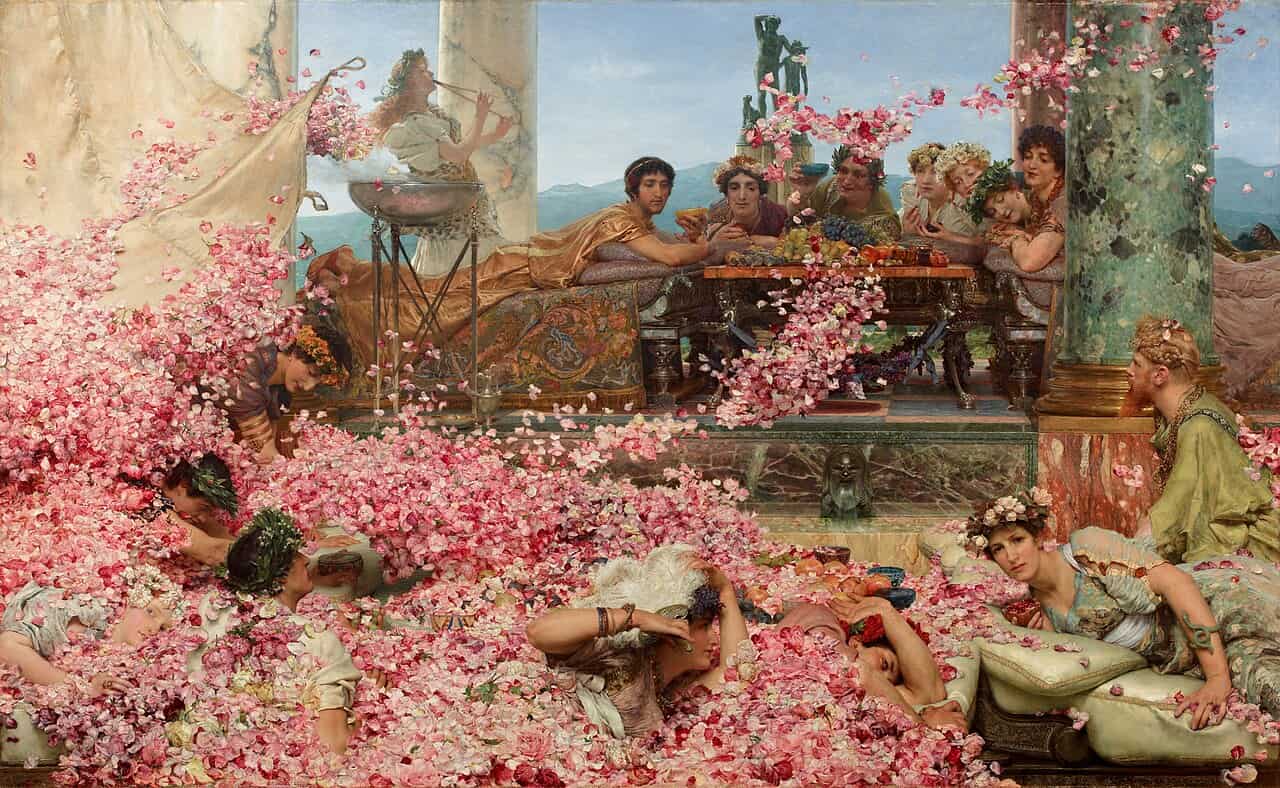
Deconstructing the Masterpiece
Overflowing Roses
The abundance of roses cascading from the banquet table symbolizes excess and decadence, reflecting the emperor's extravagant lifestyle.
Struggling Figures
The figures trapped beneath the roses represent the suffocating nature of power and the inevitable downfall of those who abuse it.
Dramatic Gestures
The exaggerated gestures and expressions of the figures convey a sense of chaos and turmoil within the scene.
Opulent Setting
The luxurious setting with elaborate drapery and golden decorations emphasizes the wealth and extravagance of the Roman emperor.
The Decadent Movement: An Analysis in 10 Minutes
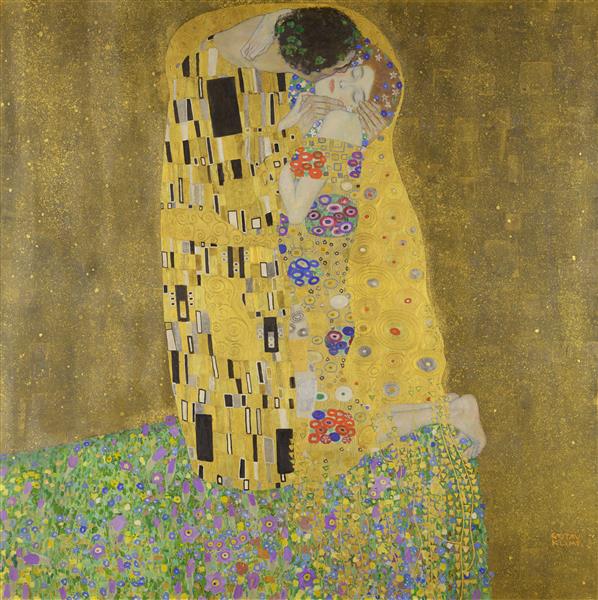
Introduction
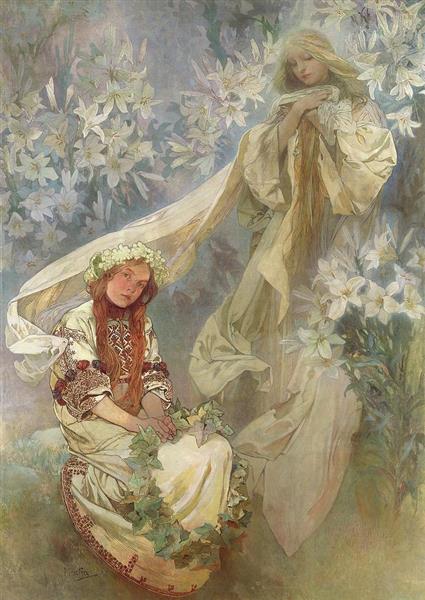
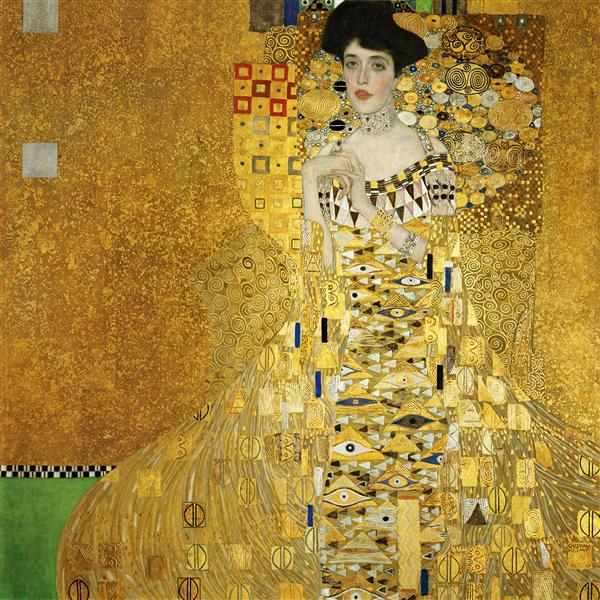
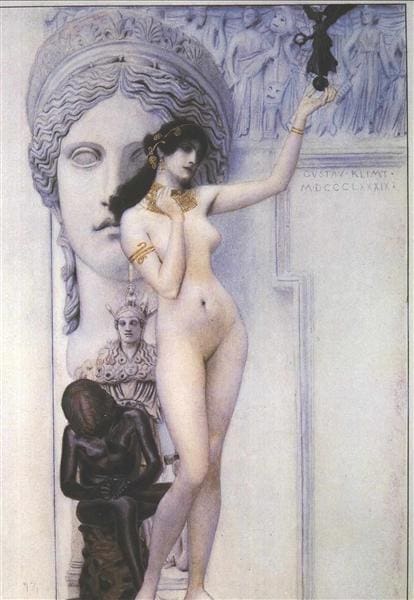
The Birth of the Decadent Movement
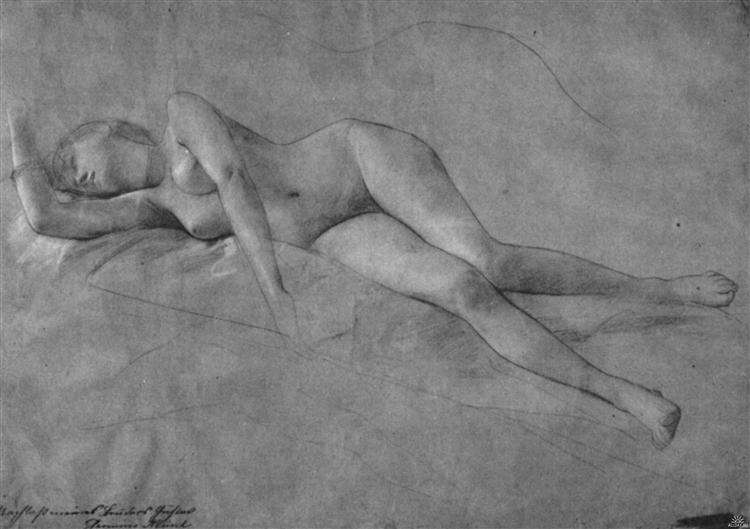
Celebrating Beauty for Beautys Sake
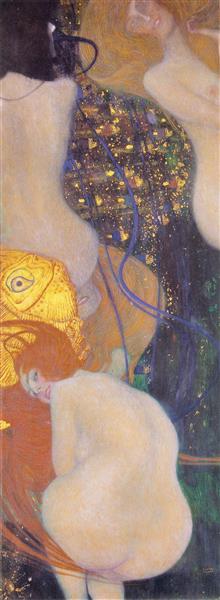
Symbolism in Decadent Art
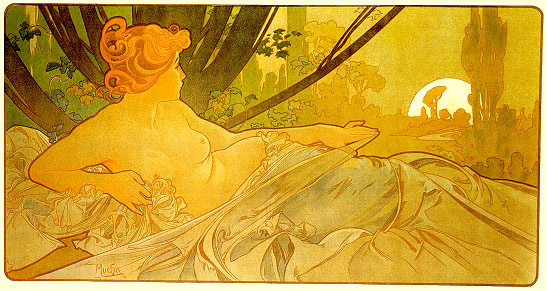
The Influence of Art Nouveau
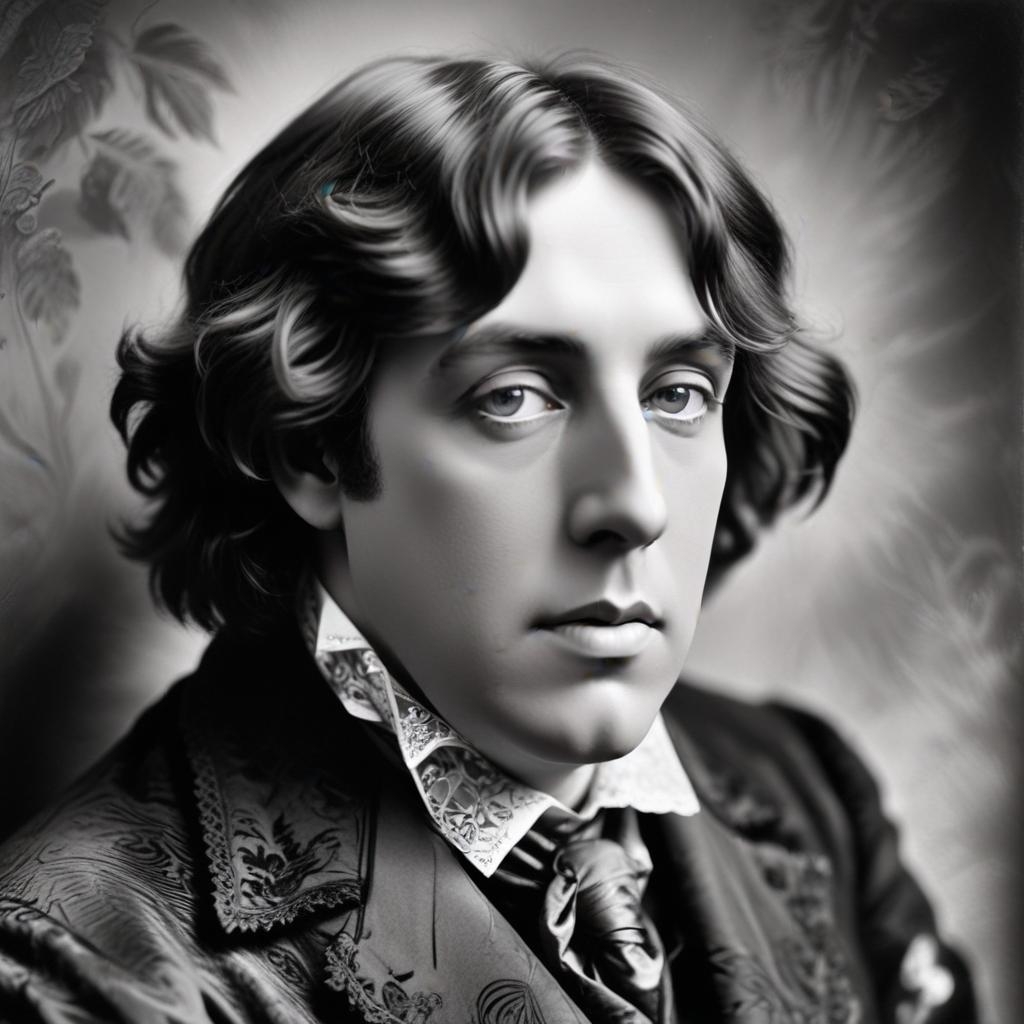
Decadence in Literature
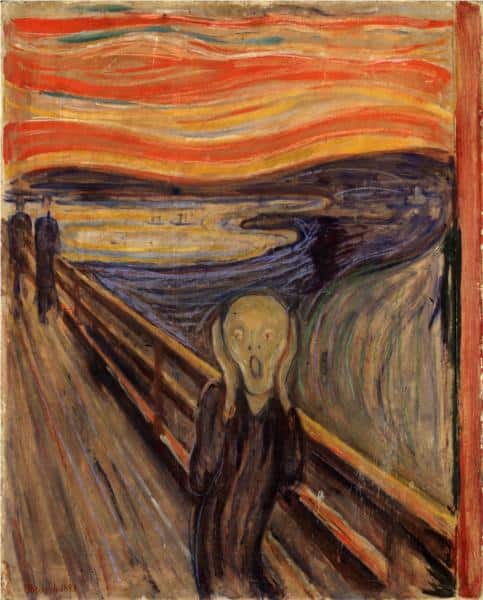
The Legacy of the Decadent Movement
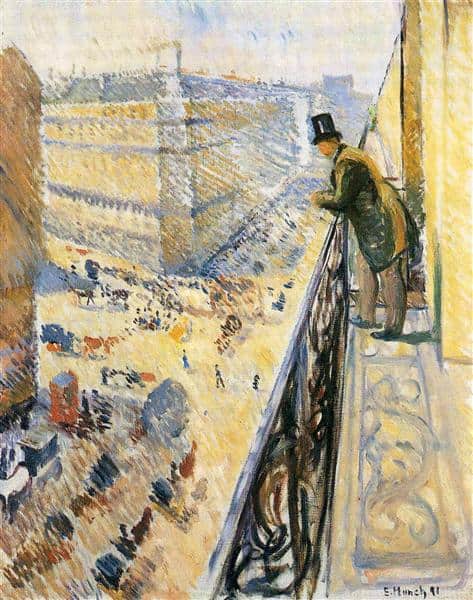
Decadence in Popular Culture
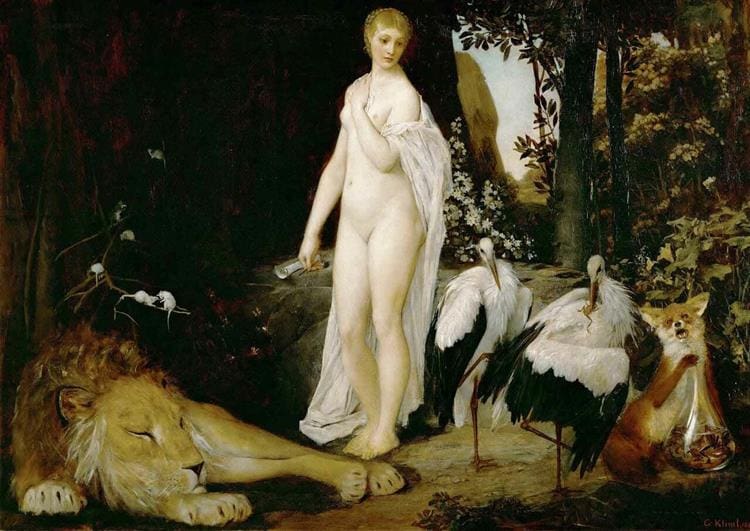
Reviving Decadence
Lesson Details & Resources
In a Nutshell
- Artist: The Decadent Movement
- Year: 19th Century
- Medium: Various
- Location: Various Museums
Vocabulary List
- Aestheticism
- The Decadent Movement emphasized the importance of aestheticism, valuing beauty and sensory experience above all else.
- Decadence
- Decadence refers to the moral and cultural decline that was often depicted in the art and literature of the Decadent Movement.
- Symbolism
- Symbolism played a key role in the artwork of the Decadent Movement, with artists using symbols to convey deeper meanings and emotions.
- Exoticism
- The Decadent Movement often incorporated elements of exoticism, drawing inspiration from foreign cultures and landscapes.
- Hedonism
- Hedonism, the pursuit of pleasure and self-indulgence, was a common theme in the artwork of the Decadent Movement.
- Ennui
- Ennui, a feeling of dissatisfaction and boredom, was a recurring theme in the literature and art of the Decadent Movement.
- Sensuality
- Sensuality, the celebration of the senses and physical pleasure, was a central theme in the artwork of the Decadent Movement.
- Dandyism
- Dandyism, the cultivation of an extravagant and sophisticated appearance, was often depicted in the art of the Decadent Movement.
- Paradox
- Paradoxes, contradictions, and ambiguities were often used in the artwork of the Decadent Movement to challenge conventional ideas and provoke thought.
- Decadent
- The term 'decadent' was used to describe artists and writers who embraced the principles of the Decadent Movement.
- Perversion
- The Decadent Movement often explored themes of perversion, deviating from societal norms and conventions.
- Escapism
- Escapism, the desire to avoid reality through art and imagination, was a prevalent theme in the artwork of the Decadent Movement.
- Transience
- The concept of transience, the impermanence of beauty and pleasure, was often depicted in the art of the Decadent Movement.
- Melancholy
- Melancholy, a feeling of deep sadness and longing, was a recurring theme in the literature and art of the Decadent Movement.
- Surrealism
- The Decadent Movement influenced the development of surrealism, an artistic movement that sought to explore the unconscious mind and dreams.
- Decadent
- The artwork of the Decadent Movement often depicted scenes of decadence, excess, and indulgence.
- Debauchery
- Debauchery, excessive indulgence in sensual pleasures, was a common theme in the art and literature of the Decadent Movement.
- Parody
- Parody, the imitation of a style or genre for comic effect, was often used in the artwork of the Decadent Movement to critique societal norms.
- Macabre
- The Decadent Movement often explored themes of the macabre, including death, decay, and the supernatural.
- Irony
- Irony, the use of language or imagery to convey the opposite of its literal meaning, was a key element in the artwork of the Decadent Movement.
Timeline of The Decadent Movement: An Analysis
Key Facts
This is the information used in the fact matching game
- The Decadent Movement was a late 19th-century artistic and literary movement that originated in France.
- Decadent artists and writers rejected traditional Victorian values and embraced themes of excess, indulgence, and decay.
- The movement was influenced by Symbolism, Aestheticism, and Romanticism.
- Decadent artists sought to shock and provoke audiences with their unconventional and often controversial works.
- Decadent literature often featured themes of hedonism, nihilism, and the rejection of societal norms.
- Artists associated with the Decadent Movement include Oscar Wilde, Aubrey Beardsley, and Gustave Moreau.
- Decadent art often featured elaborate, intricate designs and rich, sensual imagery.
- The movement is characterized by a focus on beauty, artifice, and the sensory experience of art.
- Decadent artists were often criticized for their perceived immorality and decadence by more conservative critics.
- The Decadent Movement had a significant influence on later artistic movements such as Surrealism and Art Nouveau.
- Decadent artists often explored themes of death, decay, and the fleeting nature of beauty.
- The movement was a response to the industrialization and rapid social change of the late 19th century.
- Decadent literature often featured exotic settings, unconventional characters, and dream-like imagery.
- Decadent artists often blurred the boundaries between art and life, embracing a total work of art concept.
- The movement was known for its rejection of traditional narrative structures and linear storytelling.
- Decadent art often featured intricate patterns, exotic motifs, and a sense of opulence.
- Decadent artists often explored taboo subjects such as sexuality, death, and the supernatural.
- The Decadent Movement was closely associated with the bohemian lifestyle and a rejection of bourgeois values.
- Decadent artists often used irony, wit, and satire to critique societal conventions and norms.
- Decadent art often featured a sense of melancholy, nostalgia, and longing for a bygone era.
Analysis & Significance
Artistic Innovation
The Decadent Movement introduced a provocative and subversive approach to art, embracing themes of excess, decay, and sensuality. Artists of this movement sought to challenge traditional norms and explore the darker, more decadent aspects of society, creating works that were rich in symbolism and emotion.
Influence on Art History
The Decadent Movement paved the way for future avant-garde movements such as Surrealism and Dada. It pushed boundaries and questioned societal norms, inspiring artists to break free from conventional artistic constraints and delve into the realm of the subconscious and taboo. The movement’s emphasis on personal expression and unconventional subject matter revolutionized the art world.
Cultural Significance Today
The Decadent Movement continues to captivate audiences today with its bold and daring exploration of human nature and societal norms. Its influence can be seen in contemporary art, literature, and fashion, as artists continue to push boundaries and challenge the status quo. The movement’s legacy reminds us of the power of art to provoke thought, evoke emotion, and spark social change.
The Decadent Movement: An Analysis Games


Take Your Learning Offline
Want a convenient, print-ready study guide for this lesson? Become a Memory Wizards Pro member to unlock the downloadable " Memory Scrolls" for this topic and our entire library!
- ✓ Complete Vocabulary Lists
- ✓ Key Facts & Timelines
- ✓ Beautifully Formatted for Print & Mobile