
How Do You Learn Best?
Learn by Reading
Immerse yourself in the 10-minute visual lesson for a comprehensive understanding of the topic.
Learn by Reviewing
Jump directly to the key facts, timeline, and vocabulary lists to build a solid foundation of details.
Learn by Doing
Challenge yourself! Jump straight into the interactive games to learn by trial, error, and discovery.
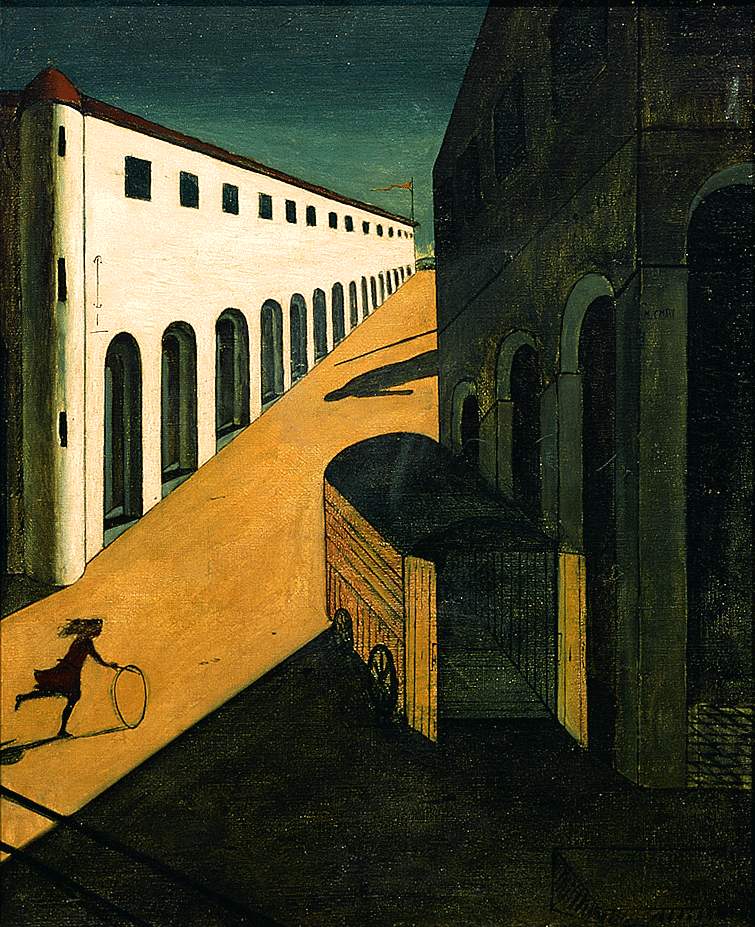
The Masterpiece: The Melancholy and Mystery of a Street
Deconstructing the Masterpiece
Surreal Architecture
The distorted perspective and unusual placement of architectural elements create a dreamlike, unsettling atmosphere.
Empty Spaces
The vast empty plaza and lack of figures suggest a sense of isolation and existential loneliness.
Long Shadows
The elongated shadows cast by the buildings and objects enhance the feeling of mystery and create a sense of unease.
Dream Imagery: An Analysis in 10 Minutes
Introduction
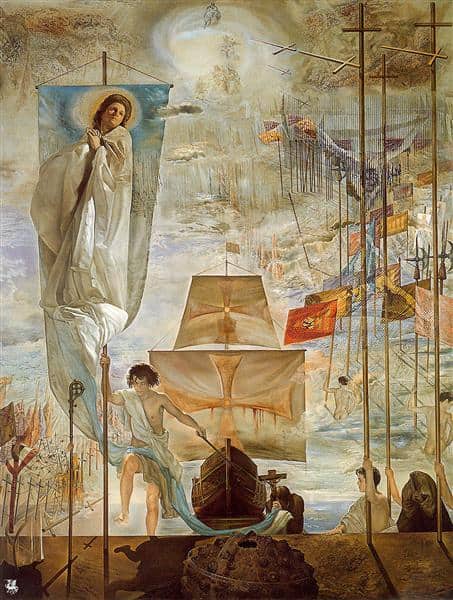
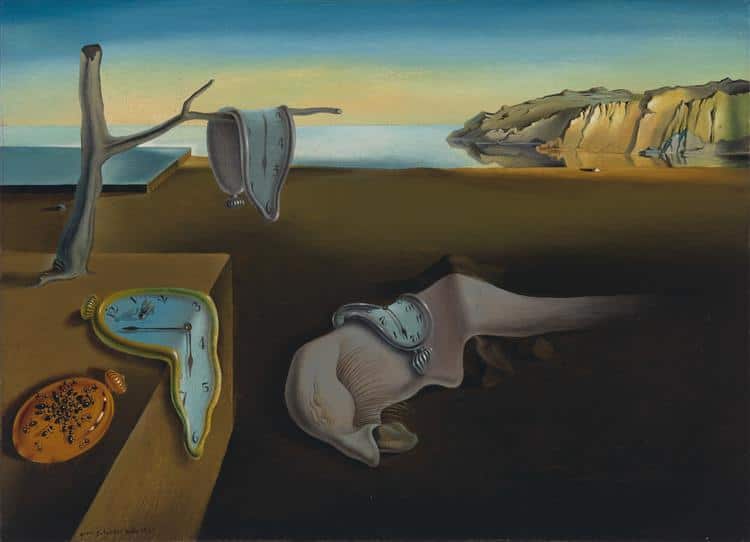
Salvador Dali
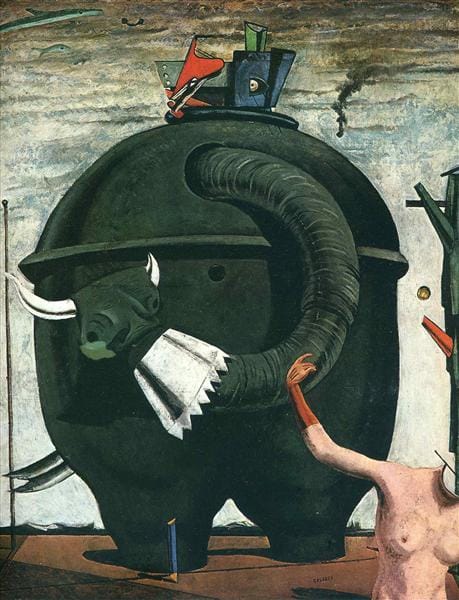
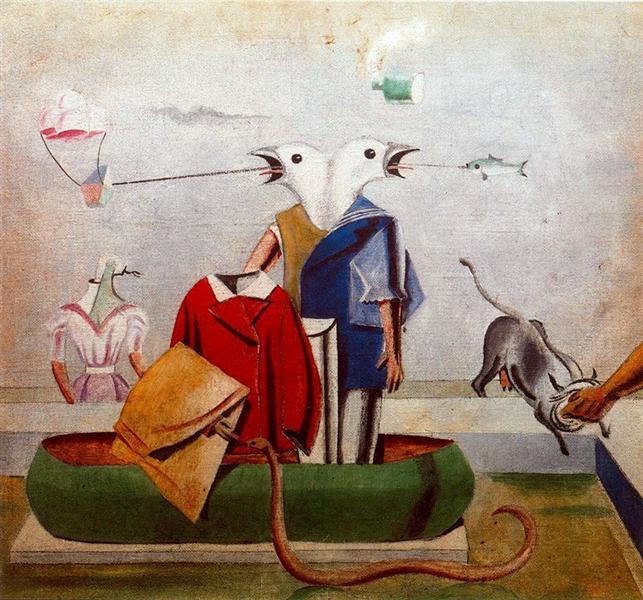
Max Ernst
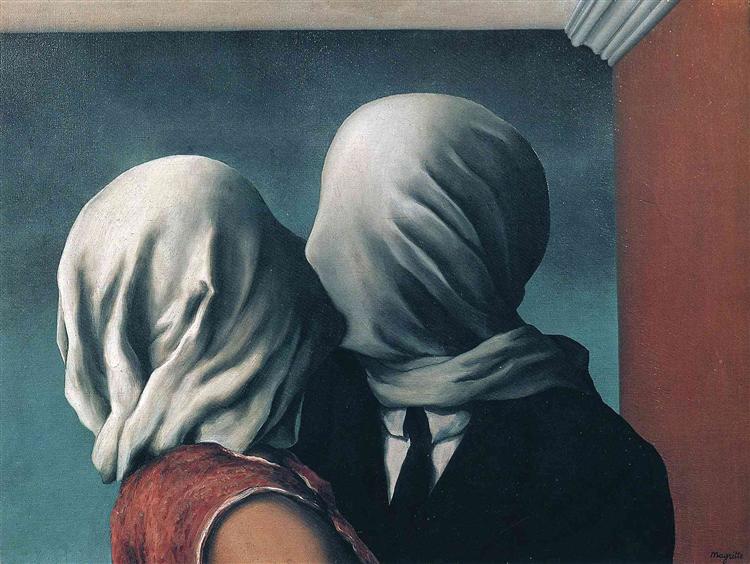
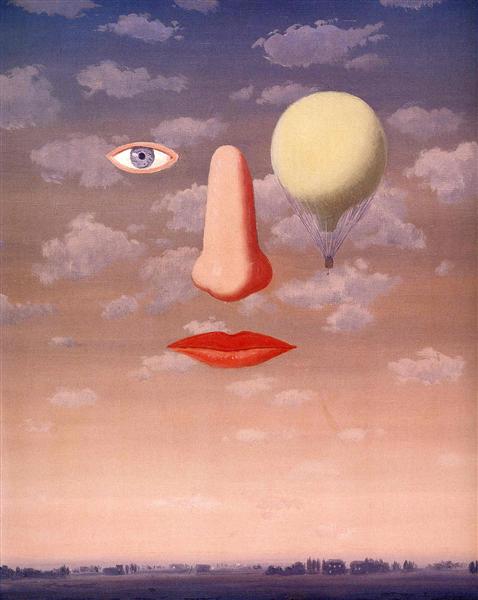
Rene Magritte
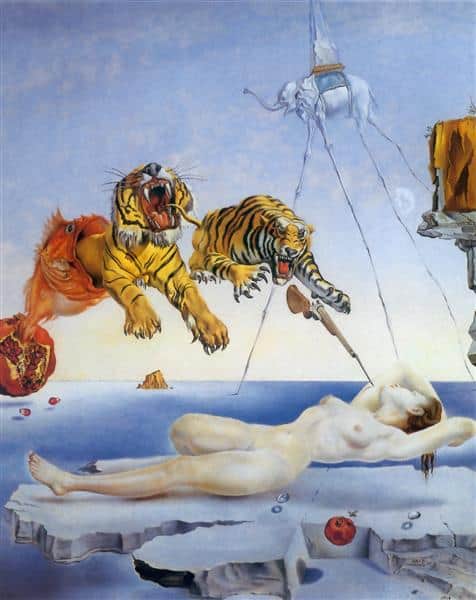
Exploring the Depths of the Unconscious
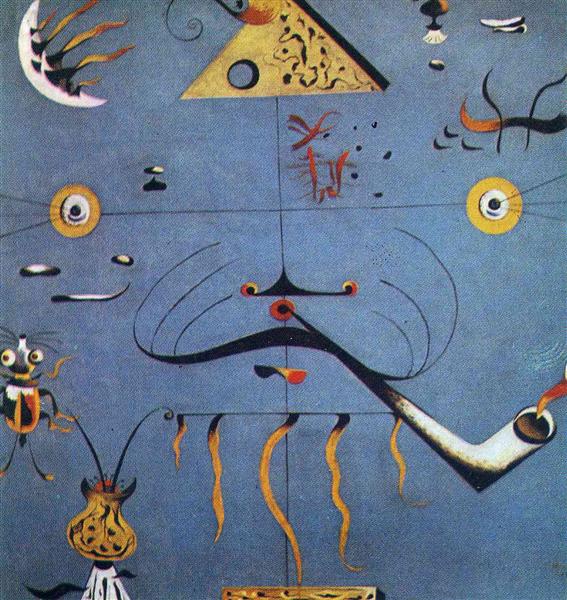
A World Beyond Reality
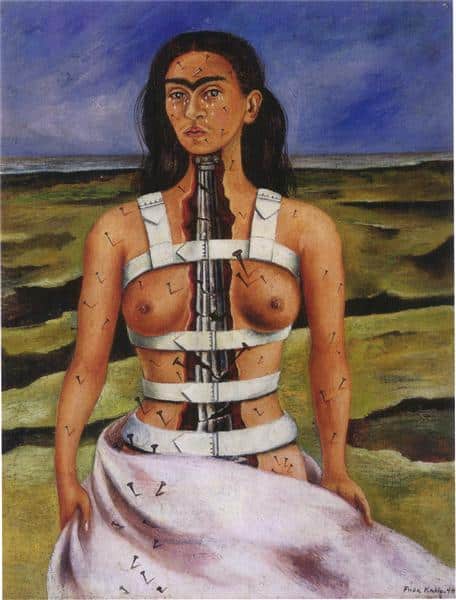
Recording the Subconscious
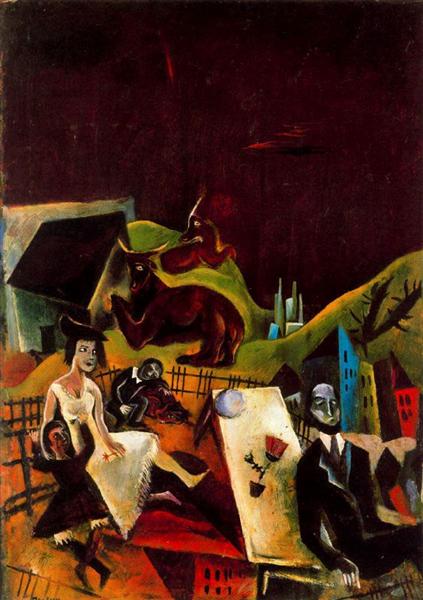
Embracing the Absurd
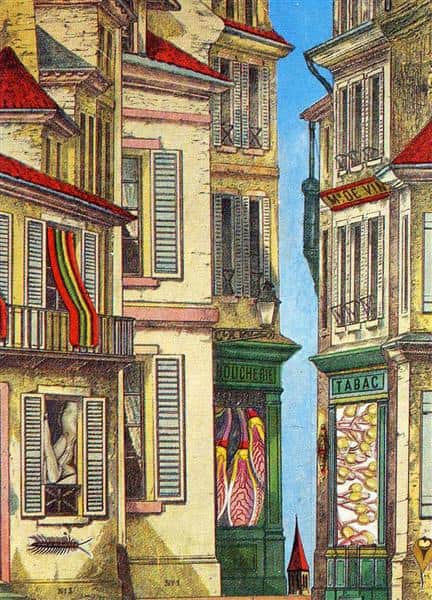
Transcending Reality
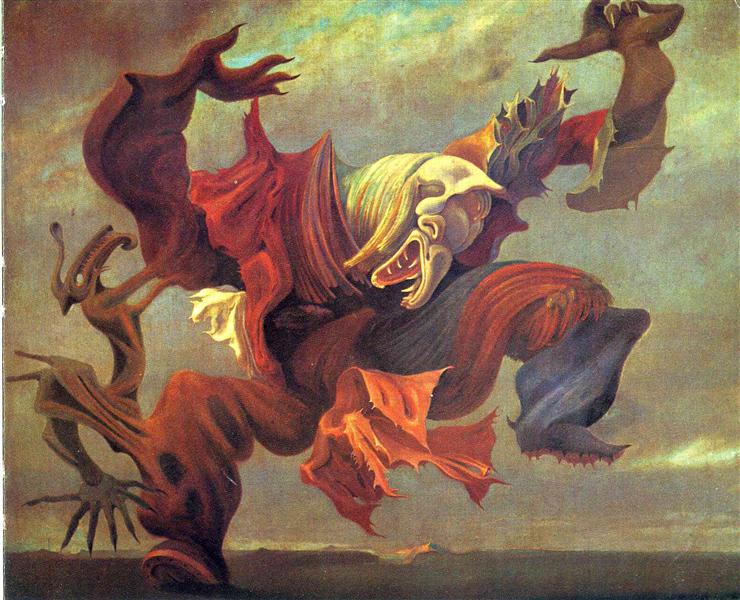
Challenging Conventional Wisdom
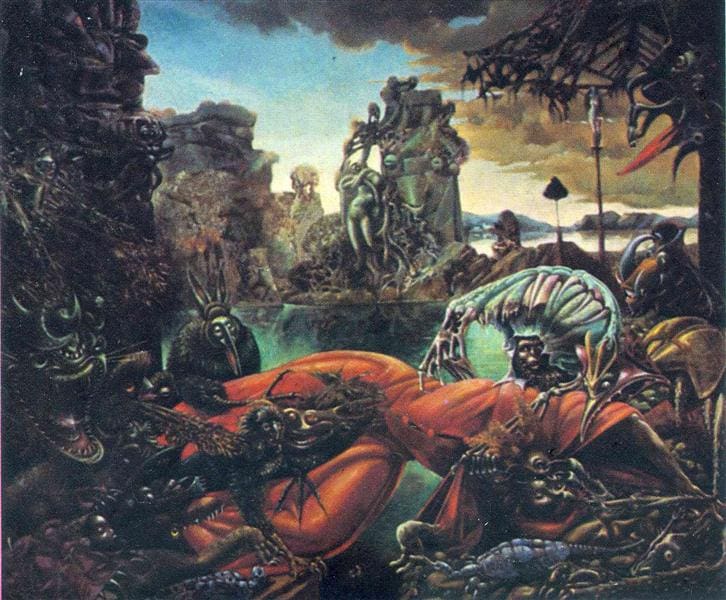
Unleashing the Power of the Imagination
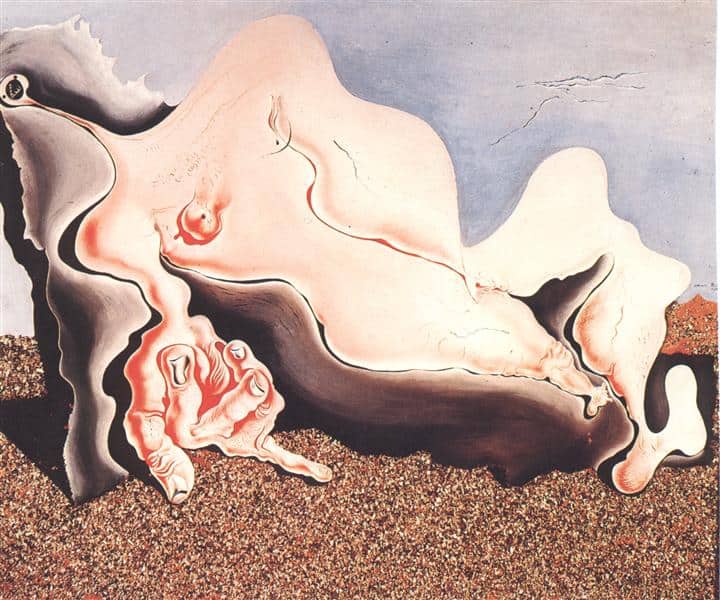
Seeking Truth in the Unconscious
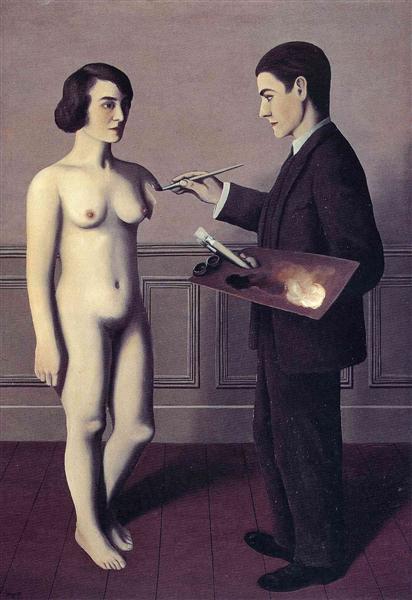
Embracing the Unknown
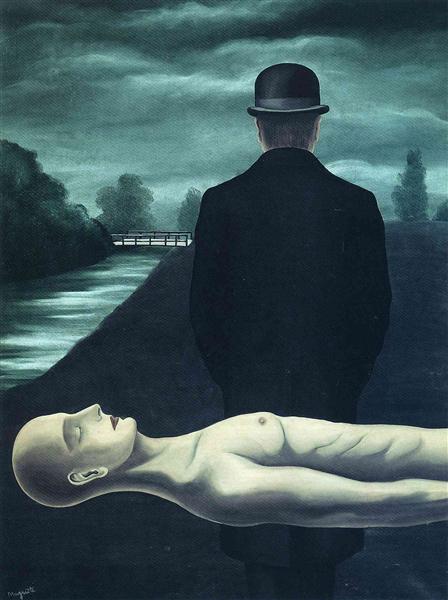
Unlocking the Secrets of Dream Imagery
Lesson Details & Resources
In a Nutshell
- Artist: Unknown
- Year: 2005
- Medium: Acrylic on canvas
- Location: Tate Modern, London
Vocabulary List
- Surreal
- The surrealist artwork was filled with bizarre and dreamlike imagery.
- Subconscious
- The artist tapped into their subconscious mind to create the dream imagery in their paintings.
- Fantastical
- The dream imagery in the painting was filled with fantastical creatures and landscapes.
- Symbolism
- The dream imagery was rich in symbolism, with each element representing deeper meanings.
- Surrealism
- The art movement of surrealism aimed to explore the unconscious mind through dream imagery.
- Dreamscape
- The artist painted a dreamscape filled with surreal and otherworldly imagery.
- Imagination
- The dream imagery in the painting sparked the viewer's imagination and creativity.
- Surrealist
- The surrealist artist often drew inspiration from their dreams to create their artwork.
- Dreamlike
- The painting had a dreamlike quality, with surreal imagery that seemed to defy reality.
- Unconscious
- The artist delved into their unconscious mind to bring forth the dream imagery in their work.
- Surreality
- The painting captured a sense of surreality with its dream imagery and distorted perspectives.
- Hallucinatory
- The dream imagery in the artwork had a hallucinatory quality, as if the viewer was in a dream.
- Psyche
- The dream imagery in the painting reflected the artist's inner psyche and emotions.
- Dreamworld
- The artist created a dreamworld in their painting, filled with strange and enchanting imagery.
- Dreamscape
- The dream imagery in the artwork created a dreamscape that transported the viewer to another world.
- Surrealistic
- The painting was characterized by its surrealistic elements and dream imagery.
- Symbolic
- The dream imagery in the painting was highly symbolic, with each element carrying a deeper meaning.
- Enigmatic
- The dream imagery in the painting was enigmatic, leaving the viewer puzzled and intrigued.
- Dreamer
- The artist was a dreamer who drew inspiration from their own dreams to create the surreal imagery in their work.
- Dreamscape
- The dream imagery in the painting created a dreamscape that was both captivating and mysterious.
Timeline of Dream Imagery: An Analysis
Key Facts
This is the information used in the fact matching game
- Surrealists believed that dreams were a direct source of creativity and truth.
- Dream imagery allowed artists to explore the subconscious mind and tap into their innermost thoughts.
- Surrealists used dream imagery to challenge societal norms and conventions.
- Dream imagery often featured bizarre and fantastical elements that defied reality.
- Artists like Salvador Dali and Rene Magritte were known for their use of dream imagery in their works.
- Dream imagery allowed artists to express their innermost desires and fears.
- Surrealists believed that dreams held hidden meanings and truths that could be revealed through art.
- Dream imagery often featured symbolic motifs that carried personal or universal significance.
- Surrealists used dream imagery to explore the boundaries between reality and fantasy.
- Dream imagery allowed artists to tap into the collective unconscious and create works that resonated with a wide audience.
- Surrealists often used dream imagery to create a sense of disorientation and unease in their viewers.
- Dream imagery was a way for artists to explore the depths of their own minds and emotions.
- Surrealists believed that dreams had the power to reveal hidden truths about the self and the world.
- Dream imagery often featured juxtapositions of disparate elements that created a sense of surrealism.
- Surrealist artists often used dream imagery to challenge the boundaries of traditional art forms.
- Dream imagery allowed artists to create dream-like landscapes that defied the laws of physics and nature.
- Surrealists believed that dreams were a form of rebellion against the constraints of society and reason.
- Dream imagery was a way for artists to explore the subconscious mind and unlock hidden truths about themselves.
- Surrealist artists often used dream imagery to challenge viewers' perceptions and provoke thought.
- Dream imagery allowed artists to create works that were deeply personal and emotionally charged.
Analysis & Significance
Artistic Innovation
The ‘Dream Imagery’ artwork introduced a new surrealistic style that combined realistic elements with dreamlike imagery, challenging traditional notions of representation and reality. The use of bold colors, distorted forms, and juxtaposition of strange scenes created a sense of psychological depth and imagination that was unprecedented for its time.
Influence on Art History
‘Dream Imagery’ profoundly influenced later artists, paving the way for the Surrealist movement that emerged in the early 20th century. Artists like Salvador Dalí and René Magritte drew inspiration from its exploration of the unconscious mind and the use of symbolic, dreamlike imagery. This artwork expanded the definition of art to include the realm of dreams and the subconscious.
Cultural Significance Today
Today, ‘Dream Imagery’ remains a timeless masterpiece that continues to captivate audiences worldwide. Its innovative approach to representing the subconscious and the dream world has inspired countless artists across different mediums, from literature to film. The artwork’s ability to evoke a sense of wonder and mystery makes it a significant cultural artifact that resonates with modern audiences.
Dream Imagery: An Analysis Games


Take Your Learning Offline
Want a convenient, print-ready study guide for this lesson? Become a Memory Wizards Pro member to unlock the downloadable " Memory Scrolls" for this topic and our entire library!
- ✓ Complete Vocabulary Lists
- ✓ Key Facts & Timelines
- ✓ Beautifully Formatted for Print & Mobile