
How Do You Learn Best?
Learn by Reading
Immerse yourself in the 10-minute visual lesson for a comprehensive understanding of the topic.
Learn by Reviewing
Jump directly to the key facts, timeline, and vocabulary lists to build a solid foundation of details.
Learn by Doing
Challenge yourself! Jump straight into the interactive games to learn by trial, error, and discovery.
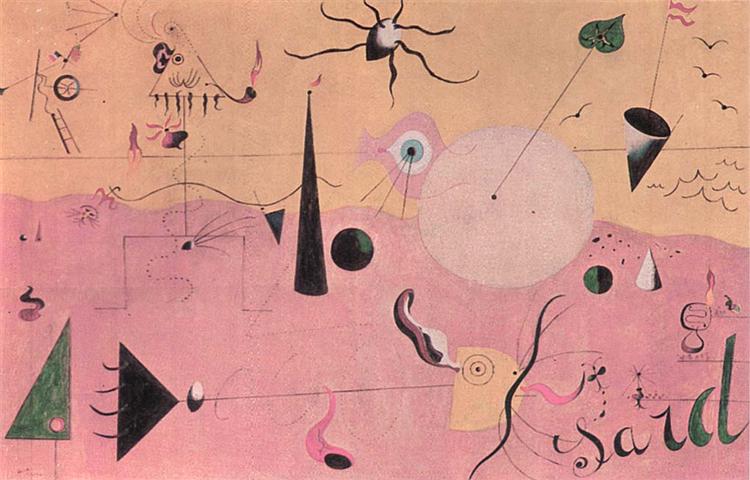
The Masterpiece: The Hunter
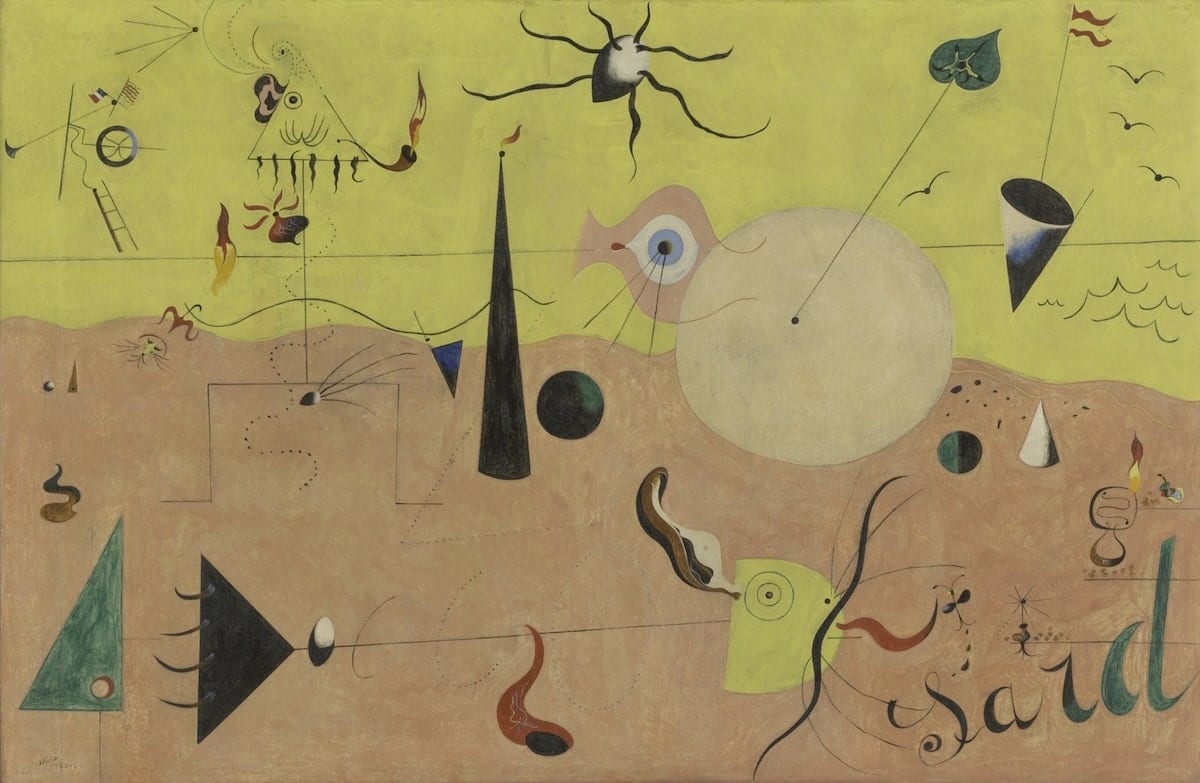
Deconstructing the Masterpiece
Simplified Forms
Miró uses simple, abstract shapes to create a playful and childlike composition.
Bright Colors
Vibrant hues and bold contrasts evoke a sense of joy and spontaneity in the artwork.
Surreal Imagery
Whimsical and dreamlike elements challenge reality, inviting viewers to explore their own imagination.
Symbolic Elements
Incorporation of symbolic motifs like stars, moons, and birds add depth and mystery to the composition.
Automatism: An Analysis in 10 Minutes
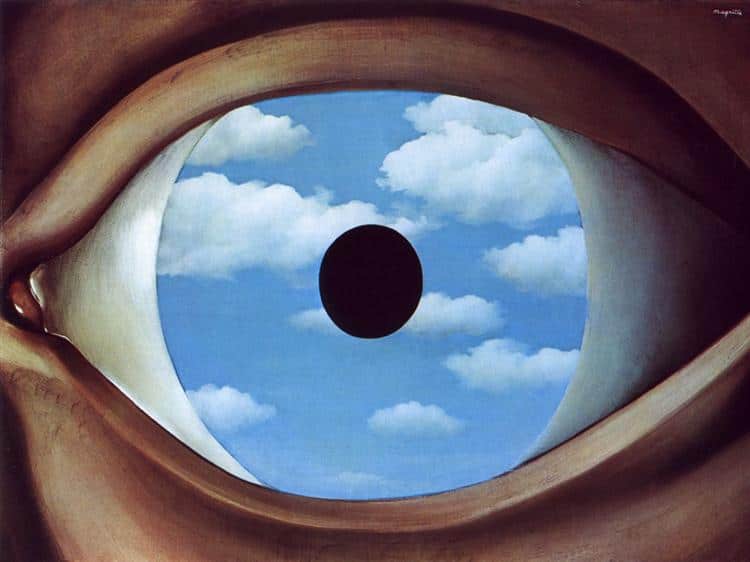
Introduction
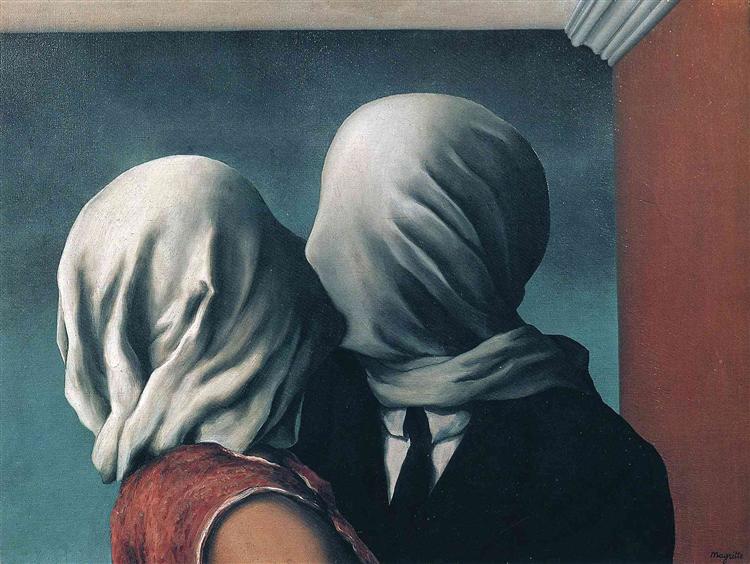
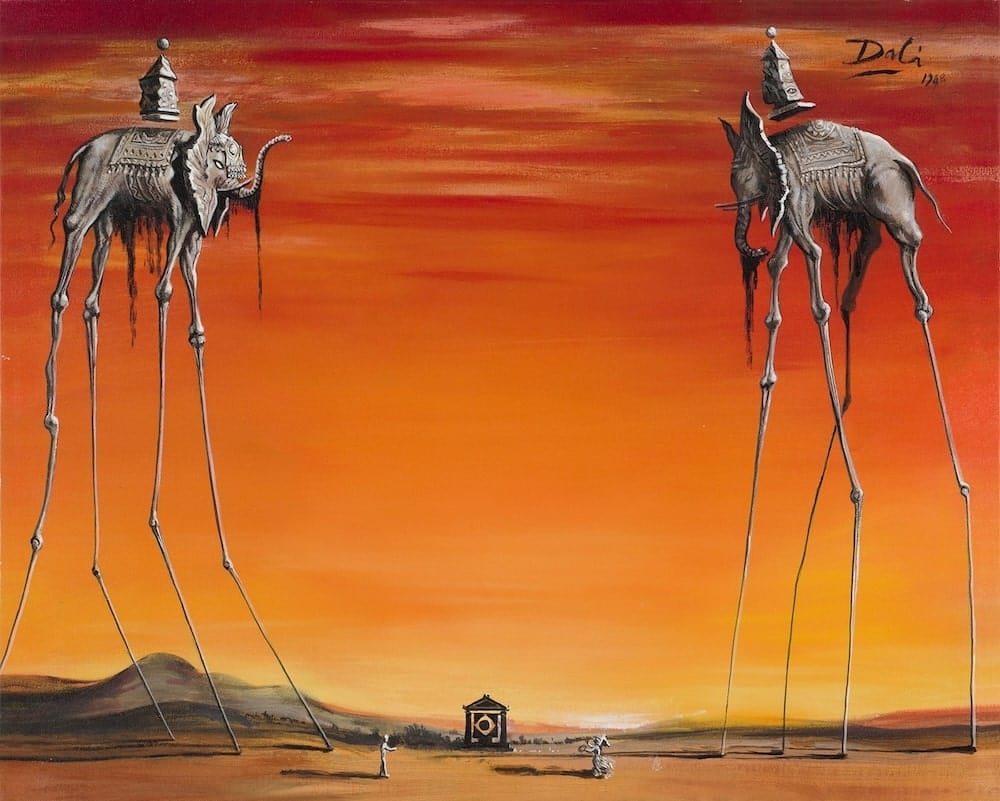
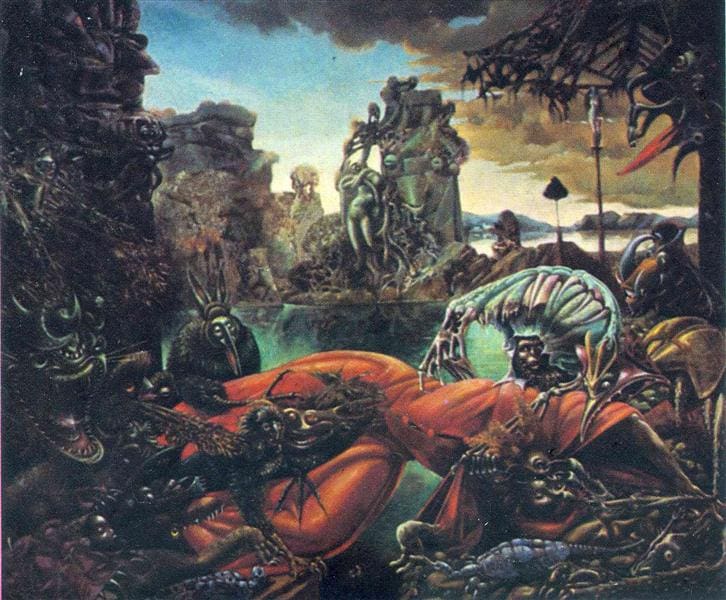
Automatism and Surrealism
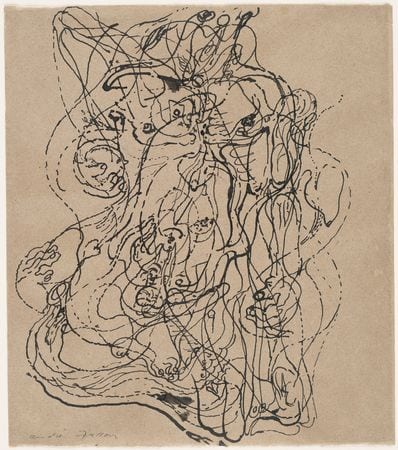
Automatic Drawing
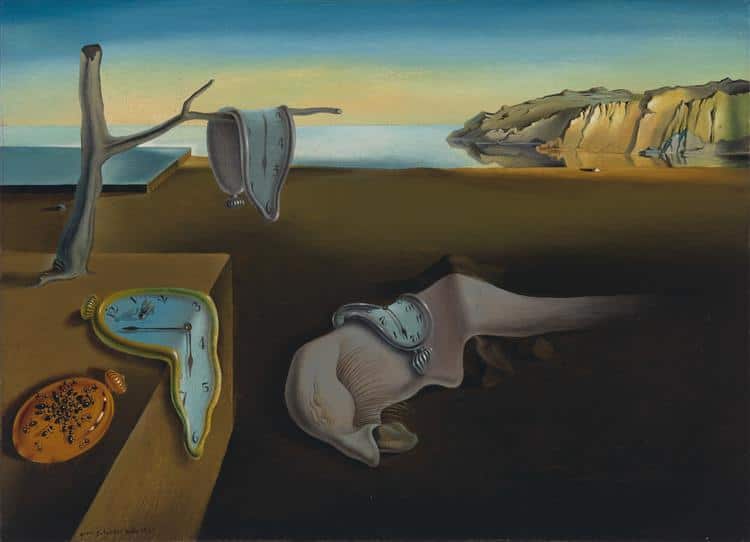
The Role of Chance
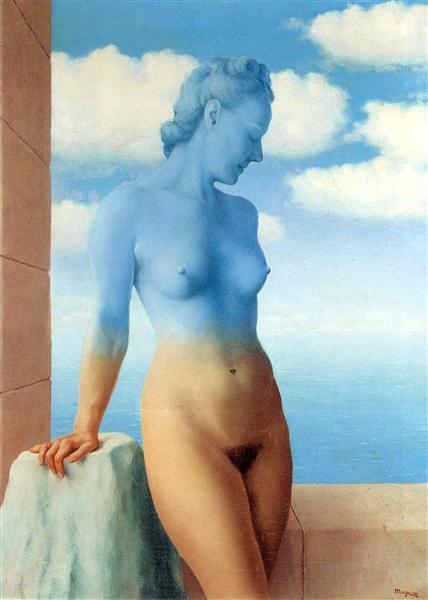
The Influence of the Unconscious Mind
The Legacy of Automatism
Lesson Details & Resources
In a Nutshell
- Artist: Andre Masson
- Year: 1924
- Medium: Oil on canvas
- Location: Museum of Modern Art, New York City
Vocabulary List
- Surrealism
- Automatism is a core Surrealist technique.
- Automatic
- The process of automatism involves suppressing conscious control.
- Subconscious
- Automatism allows the subconscious mind to take over.
- Spontaneous
- Automatism results in spontaneous forms being created.
- Unexpected
- Automatism can lead to unexpected outcomes.
- Intuitive
- Automatism relies on intuitive decision-making.
- Unconscious
- Automatism involves tapping into the unconscious mind.
- Inspiration
- Automatism can be a source of inspiration for artists.
- Creativity
- Automatism enhances creativity by bypassing conscious thought.
- Freeform
- Automatism allows for freeform expression.
- Abstract
- Automatism often results in abstract forms.
- Flow
- Automatism encourages a flow state of creativity.
- Imagery
- Automatism can produce vivid imagery.
- Uninhibited
- Automatism is a way to create art in an uninhibited manner.
- Fluidity
- Automatism promotes fluidity in artistic expression.
- Experimental
- Automatism is an experimental approach to art-making.
- Emotional
- Automatism can evoke strong emotional responses.
- Dreamlike
- Automatism often results in dreamlike imagery.
- Innovative
- Automatism is considered an innovative artistic technique.
- Instinctual
- Automatism relies on instinctual decision-making.
Timeline of Automatism: An Analysis
Key Facts
This is the information used in the fact matching game
- Automatism is a core Surrealist technique that involves suppressing conscious control to let the subconscious mind take over, creating spontaneous and unexpected forms.
- Automatism is often associated with automatic drawing, where the artist allows their hand to move freely across the paper without consciously guiding it.
- Automatism can also be expressed through automatic writing, where the artist writes without consciously thinking about the words or content.
- Artists who practice automatism often believe that it allows them to tap into their unconscious mind and reveal hidden truths or emotions.
- Automatism was first introduced by the Surrealists in the early 20th century as a way to explore the depths of the human psyche.
- Automatism was influenced by Freudian psychology and the belief in the power of the unconscious mind.
- Automatism is often used as a tool for self-discovery and introspection, allowing artists to access hidden emotions and desires.
- Automatism can lead to unexpected and surreal imagery, as the artist's subconscious mind guides the creative process.
- Automatism can be a form of free association, where one image or word leads to another in a stream-of-consciousness style.
- Automatism can be a way for artists to break free from traditional artistic conventions and explore new forms of expression.
- Automatism is often used in collaborative art projects, where multiple artists contribute to a piece without knowing what the others are creating.
- Automatism can be a way for artists to access their inner child and tap into a more playful and spontaneous creative energy.
- Automatism can be a form of meditation or therapy, allowing artists to release pent-up emotions and anxieties through the act of creation.
- Automatism can be a way for artists to challenge the idea of authorship and ownership in art, as the work is created without conscious intent.
- Automatism can be a way for artists to connect with their intuition and instinctual creative impulses.
- Automatism can be a way for artists to explore the boundaries between the conscious and unconscious mind, blurring the line between reality and fantasy.
- Automatism can be a way for artists to challenge societal norms and expectations by tapping into the subconscious and exploring taboo subjects.
- Automatism can be a way for artists to access a state of flow, where creativity flows effortlessly and without resistance.
- Automatism can be a way for artists to access a sense of liberation and freedom from the constraints of the conscious mind.
- Automatism can be a way for artists to embrace chaos and uncertainty as part of the creative process, leading to unexpected and innovative results.
Analysis & Significance
Artistic Innovation
Automatism introduced a groundbreaking approach to creating art by tapping into the subconscious mind. Artists would allow their hand to move freely across the canvas without conscious control, resulting in spontaneous, surreal, and abstract compositions. This technique opened up new possibilities for exploring the depths of the unconscious and accessing a raw, unfiltered form of expression.
Influence on Art History
Automatism played a crucial role in the development of Surrealism, a major art movement of the 20th century. Artists like André Masson, Joan Miró, and Salvador Dalí embraced automatism as a way to unlock the mysteries of the psyche and create art that transcended rational thought. This movement challenged traditional notions of artistic creation and paved the way for future generations of experimental artists.
Cultural Significance Today
Automatism continues to captivate audiences today for its ability to tap into the subconscious and produce art that is both mysterious and thought-provoking. Its influence can be seen in contemporary art practices that prioritize intuition, spontaneity, and the exploration of the unknown. Automatism remains a powerful tool for artists seeking to break free from conventional constraints and delve into the depths of the human experience.
Automatism: An Analysis Games


Take Your Learning Offline
Want a convenient, print-ready study guide for this lesson? Become a Memory Wizards Pro member to unlock the downloadable " Memory Scrolls" for this topic and our entire library!
- ✓ Complete Vocabulary Lists
- ✓ Key Facts & Timelines
- ✓ Beautifully Formatted for Print & Mobile