
How Do You Learn Best?
Learn by Reading
Immerse yourself in the 10-minute visual lesson for a comprehensive understanding of the topic.
Learn by Reviewing
Jump directly to the key facts, timeline, and vocabulary lists to build a solid foundation of details.
Learn by Doing
Challenge yourself! Jump straight into the interactive games to learn by trial, error, and discovery.
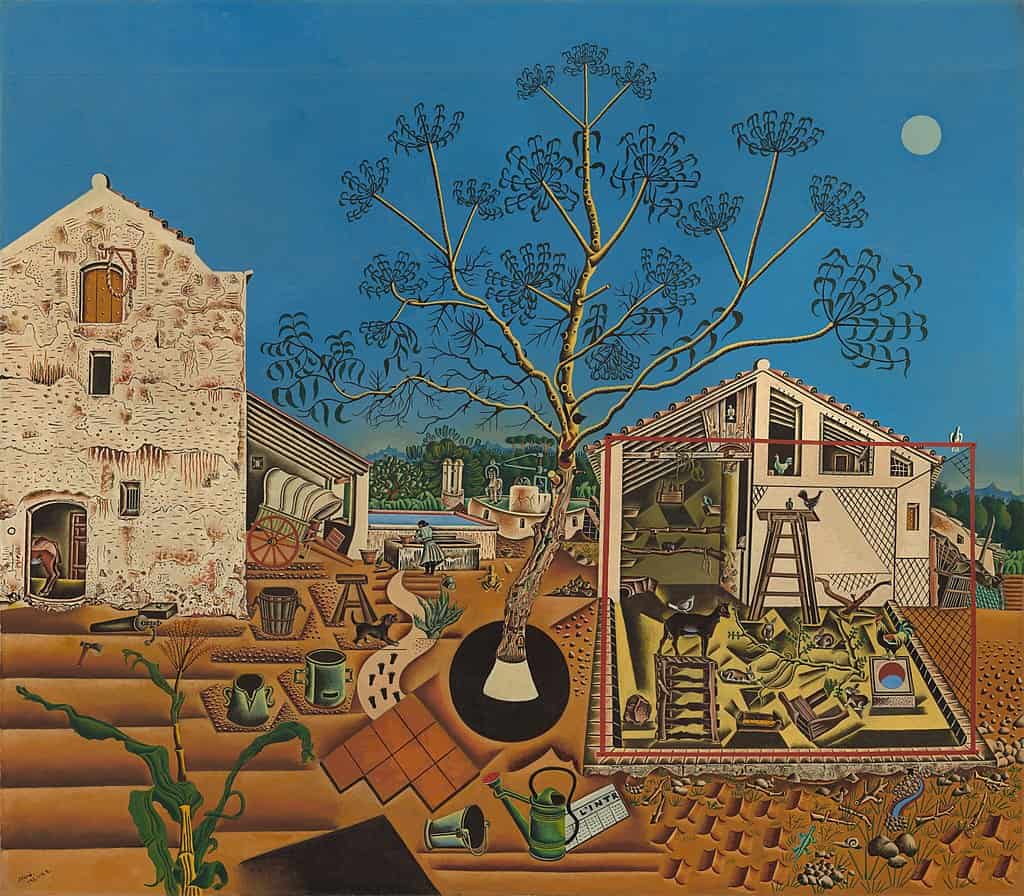
The Masterpiece: The-Farm
Deconstructing the Masterpiece
Surrealistic Elements
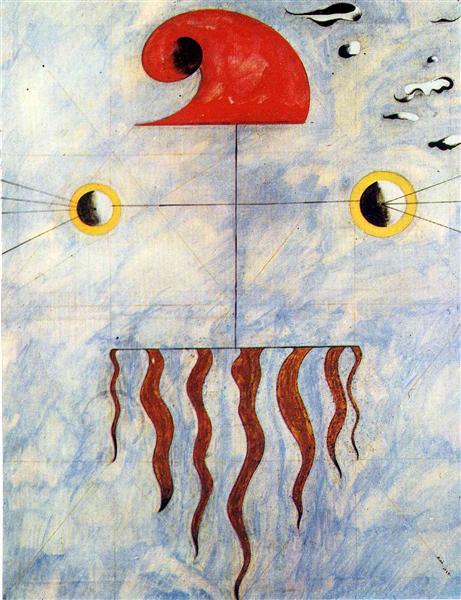
Miró's incorporation of dream-like imagery, distorted forms, and fantastical creatures challenges conventional reality.
Bold Color Palette
Vibrant colors and strong contrasts create a sense of energy and playfulness in the composition.
Symbolic Objects
Everyday objects are transformed into symbolic elements, inviting viewers to interpret their own meanings.
Childlike Abstraction
Simplified shapes and whimsical forms evoke a sense of innocence and spontaneity, reminiscent of a child's perspective.
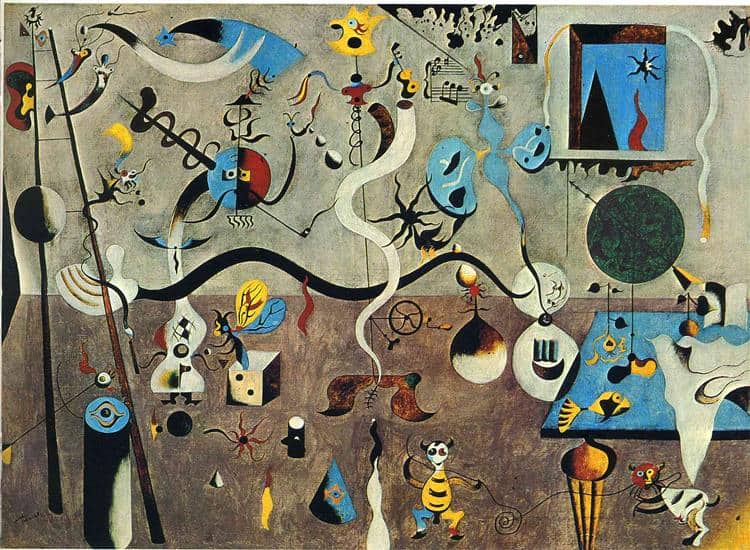
Joan Miró: An Analysis in 10 Minutes
Introduction
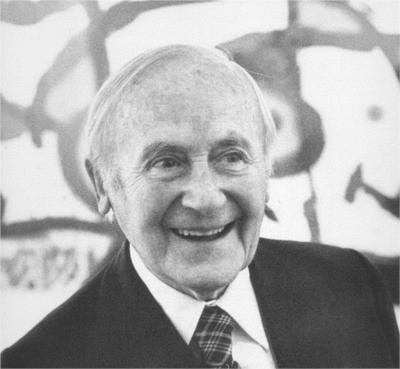
The Early Years
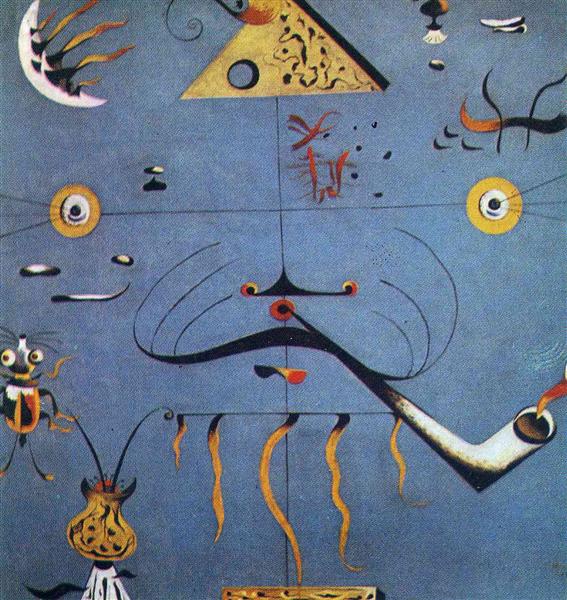
Exploring Surrealism
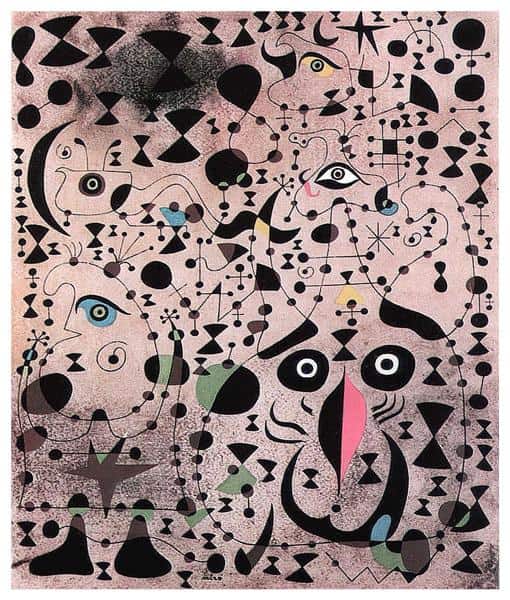
Biomorphic Abstractions
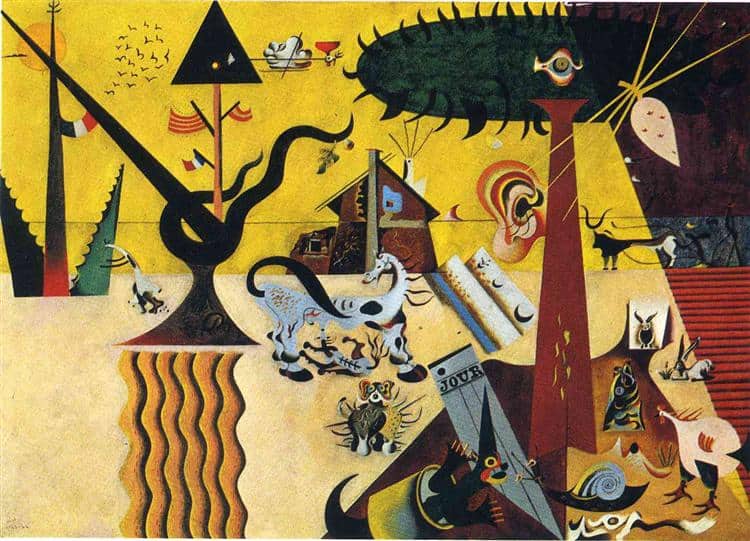
The Influence of the Surrealist Movement
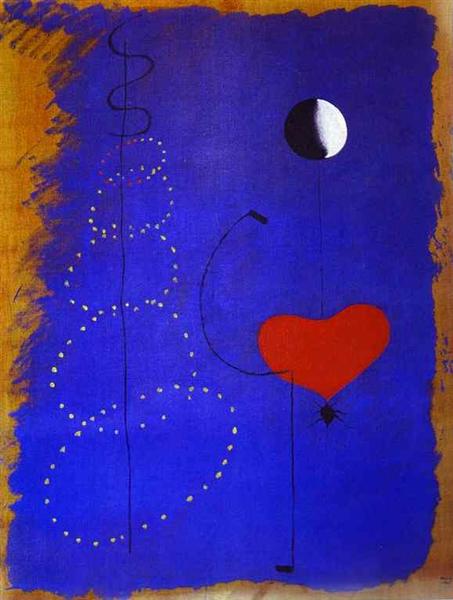
Symbolism in Mirós Work
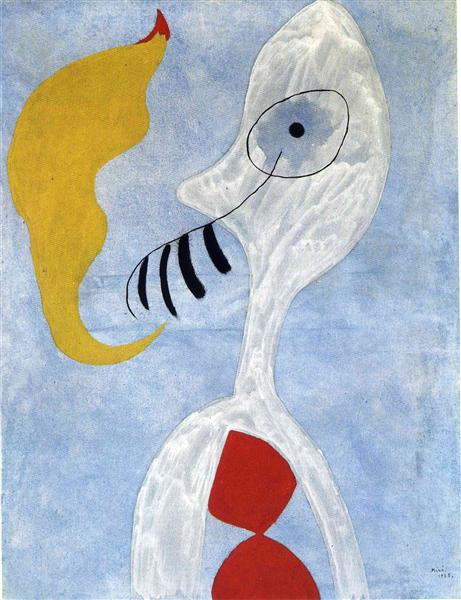
Playfulness and Creativity
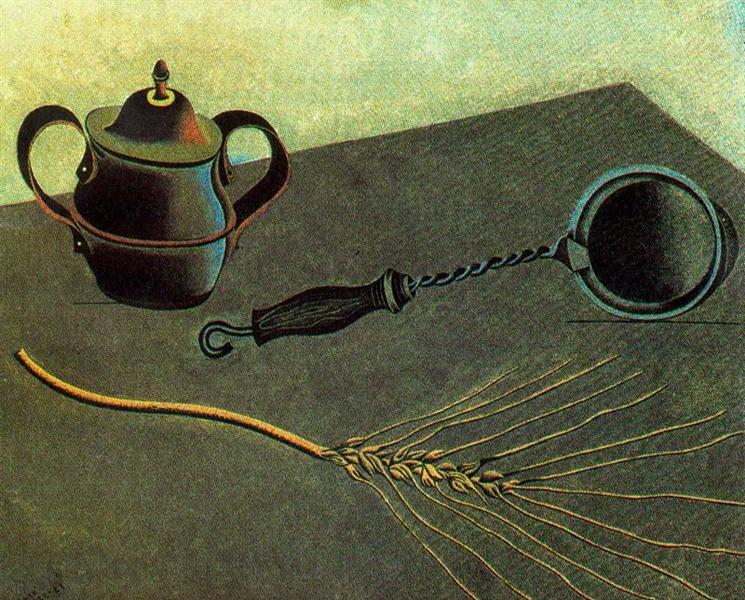
Legacy of Joan Miró
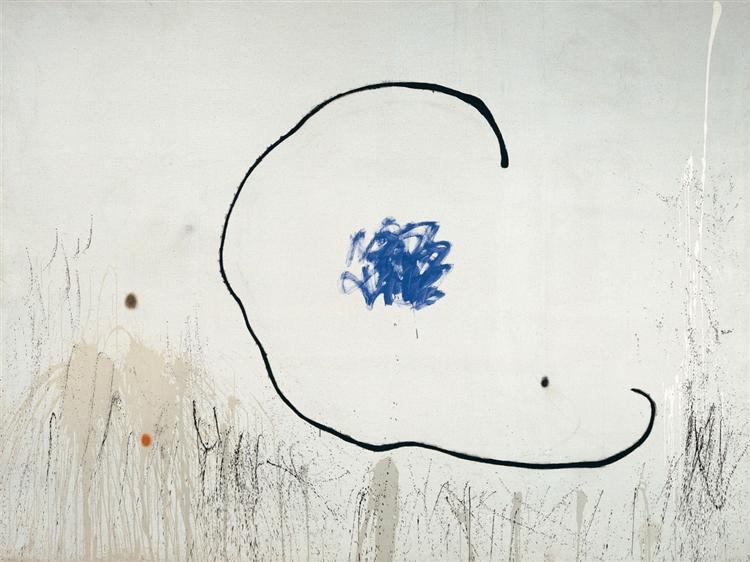
Exhibitions and Recognition
Continued Inspiration
Lesson Details & Resources
In a Nutshell
- Artist: Joan Miró
- Year: 1926
- Medium: Oil on canvas
- Location: Museum of Modern Art, New York City
Vocabulary List
- Biomorphic
- Miró's artwork often features organic, biomorphic shapes that resemble living organisms.
- Surrealism
- Miró was associated with the Surrealist movement, known for its dream-like, irrational imagery.
- Doodling
- Miró's playful use of doodling and sketching contributed to the spontaneous and childlike quality of his work.
- Automatic drawing
- Miró utilized automatic drawing techniques, allowing his hand to move freely without conscious control to tap into his subconscious.
- Symbolism
- Miró's paintings are filled with symbolic imagery, from stars and moons to birds and human figures.
- Abstract
- Miró's art is often described as abstract, with forms that are simplified and distorted from reality.
- Colorful
- Miró's palette is vibrant and colorful, with bold hues that add to the lively and energetic mood of his work.
- Playful
- Miró's artwork exudes a sense of playfulness and whimsy, inviting viewers to engage with the imaginative world he creates.
- Fluid
- Miró's lines are fluid and dynamic, creating a sense of movement and energy in his compositions.
- Dream-like
- Miró's paintings often have a dream-like quality, with fantastical imagery and surreal juxtapositions.
- Organic
- Miró's forms are often organic in nature, resembling plants, animals, and other natural elements.
- Mythical
- Miró's work is filled with mythical creatures and symbols, drawing on folklore and imagination.
- Whimsical
- Miró's art is whimsical and fantastical, evoking a sense of childlike wonder and imagination.
- Imagination
- Miró's art celebrates the power of imagination, inviting viewers to explore the limitless possibilities of the mind.
- Surrealist
- Miró was influenced by Surrealism, a movement that sought to unlock the unconscious mind and explore the realm of dreams and fantasy.
- Free-form
- Miró's shapes are often free-form and organic, flowing and evolving in a seemingly spontaneous manner.
- Innovative
- Miró was an innovative artist, pushing the boundaries of traditional painting and embracing new techniques and materials.
- Symbolic
- Miró's symbols are rich with meaning, drawing on personal experiences, memories, and emotions.
- Childlike
- Miró's art has a childlike quality, with its simple forms, bright colors, and playful spirit.
- Ambiguity
- Miró's work often exists in a state of ambiguity, with forms and symbols floating in a dream-like, indeterminate space.
Timeline of Joan Miró: An Analysis
Key Facts
This is the information used in the fact matching game
- Joan Miró was a Spanish painter, sculptor, and ceramicist known for his playful and imaginative artworks.
- Miró's art often featured biomorphic shapes and symbols inspired by nature, dreams, and the subconscious mind.
- He developed a personal language of symbols that appeared to float in ambiguous spaces in his artworks.
- Miró's use of bright colors and bold lines added to the whimsical and dreamlike quality of his art.
- He often used automatic drawing and doodling techniques to tap into his subconscious and create spontaneous compositions.
- Miró's art is characterized by a sense of childlike wonder and playfulness, as well as a deep connection to his Catalan heritage.
- He was influenced by Surrealism, Dada, and Fauvism, which contributed to the dreamlike and fantastical nature of his artworks.
- Miró's work often blurs the line between abstraction and representation, creating a sense of mystery and intrigue for the viewer.
- He was fascinated by the idea of creating art that could transcend language and communicate on a universal level.
- Miró's art has been described as a visual language that speaks to the emotions and the imagination rather than the intellect.
- He often incorporated symbols such as stars, moons, birds, and eyes into his artworks, each with its own personal meaning for the artist.
- Miró's use of symbols and shapes allowed him to create a unique and idiosyncratic visual vocabulary that set him apart from his contemporaries.
- He believed in the power of art to evoke emotions, provoke thought, and challenge the viewer's perceptions of reality.
- Miró's art can be seen as a reflection of his inner world, filled with dreams, fears, desires, and memories.
- He often worked in series, exploring a particular theme or motif through multiple variations and iterations.
- Miró's use of bold, gestural brushstrokes and spontaneous mark-making techniques added a sense of energy and movement to his artworks.
- He was known for his experimental approach to materials and techniques, constantly pushing the boundaries of traditional artistic practices.
- Miró's art has had a lasting impact on the development of abstract art and continues to inspire artists around the world.
- He once said, 'I try to apply colors like words that shape poems, like notes that shape music.'
- Miró's art is often celebrated for its ability to evoke a sense of wonder, joy, and freedom in the viewer.
Analysis & Significance
Artistic Innovation
Joan Miró’s abstract and surreal style introduced a revolutionary approach to art that challenged traditional norms. His use of vibrant colors, organic shapes, and dreamlike imagery pushed the boundaries of representation, inviting viewers to explore their own interpretations and emotions.
Influence on Art History
Miró’s unique artistic language paved the way for the Surrealist movement, inspiring artists like Salvador Dalí and Max Ernst. His playful and spontaneous approach to creating art also influenced Abstract Expressionism and other modern art movements, reshaping the definition of what art could be.
Cultural Significance Today
Today, Miró’s works are celebrated for their whimsical charm and profound symbolism. His paintings, sculptures, and murals continue to captivate audiences around the world, showcasing his enduring influence on contemporary art. Miró’s legacy as a master of abstraction and imagination remains relevant and influential in the art world today.
Joan Miró: An Analysis Games


Take Your Learning Offline
Want a convenient, print-ready study guide for this lesson? Become a Memory Wizards Pro member to unlock the downloadable " Memory Scrolls" for this topic and our entire library!
- ✓ Complete Vocabulary Lists
- ✓ Key Facts & Timelines
- ✓ Beautifully Formatted for Print & Mobile