
How Do You Learn Best?
Learn by Reading
Immerse yourself in the 10-minute visual lesson for a comprehensive understanding of the topic.
Learn by Reviewing
Jump directly to the key facts, timeline, and vocabulary lists to build a solid foundation of details.
Learn by Doing
Challenge yourself! Jump straight into the interactive games to learn by trial, error, and discovery.
Kiribati in 10 Minutes
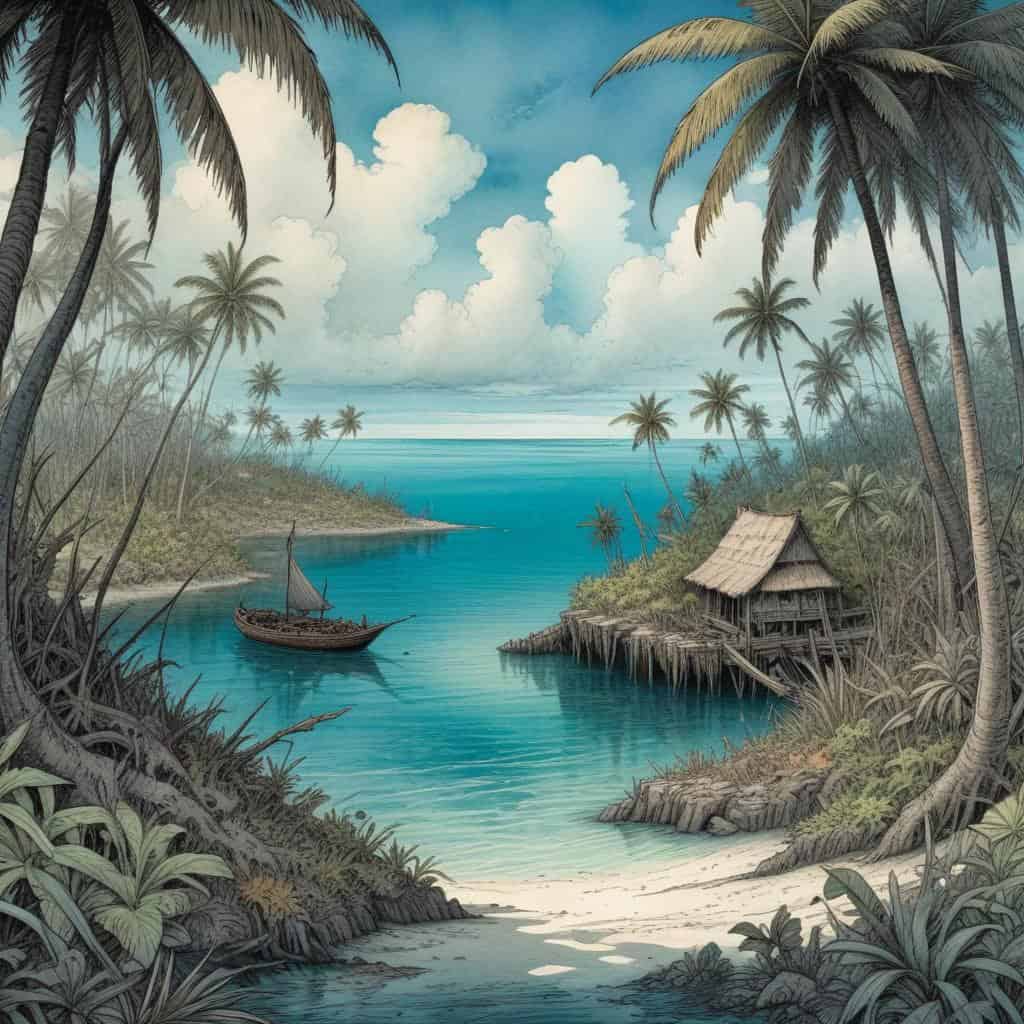
Introduction
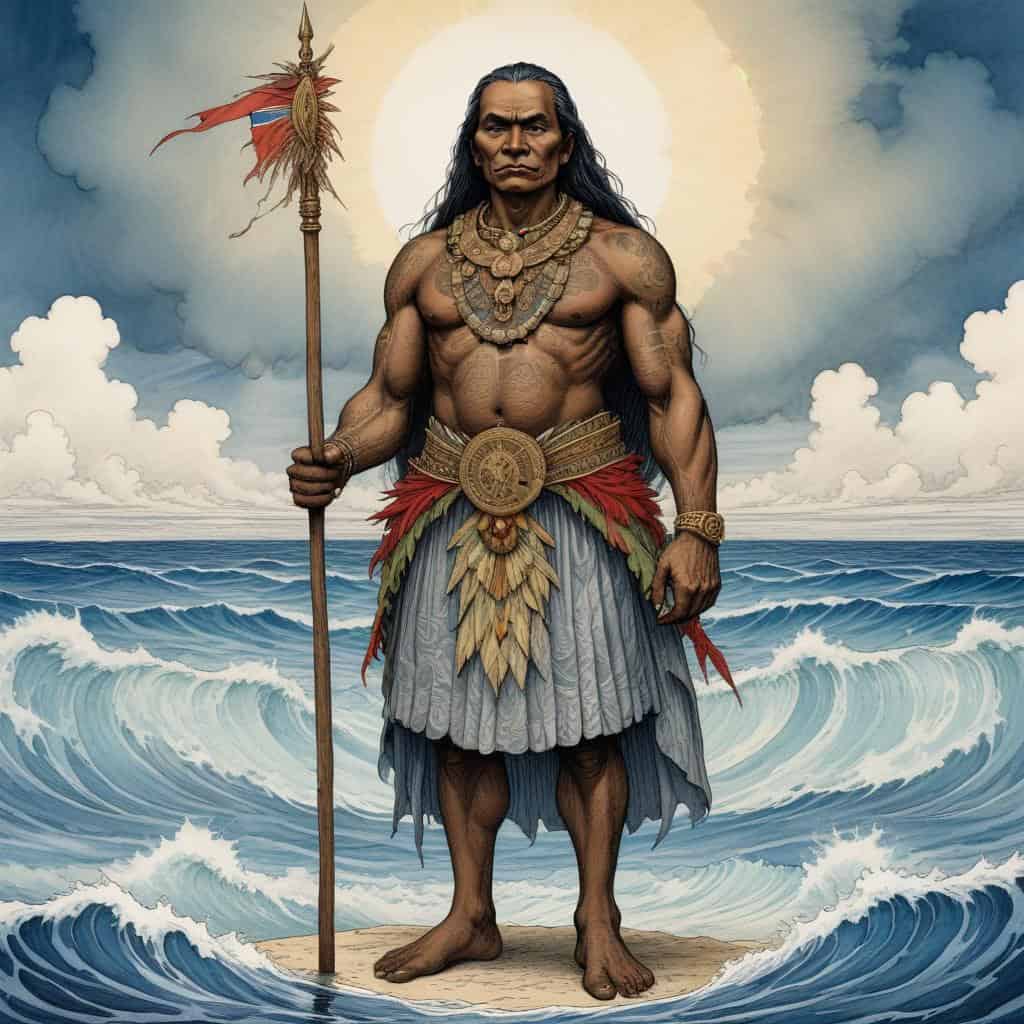
1. President Taneti Maamau
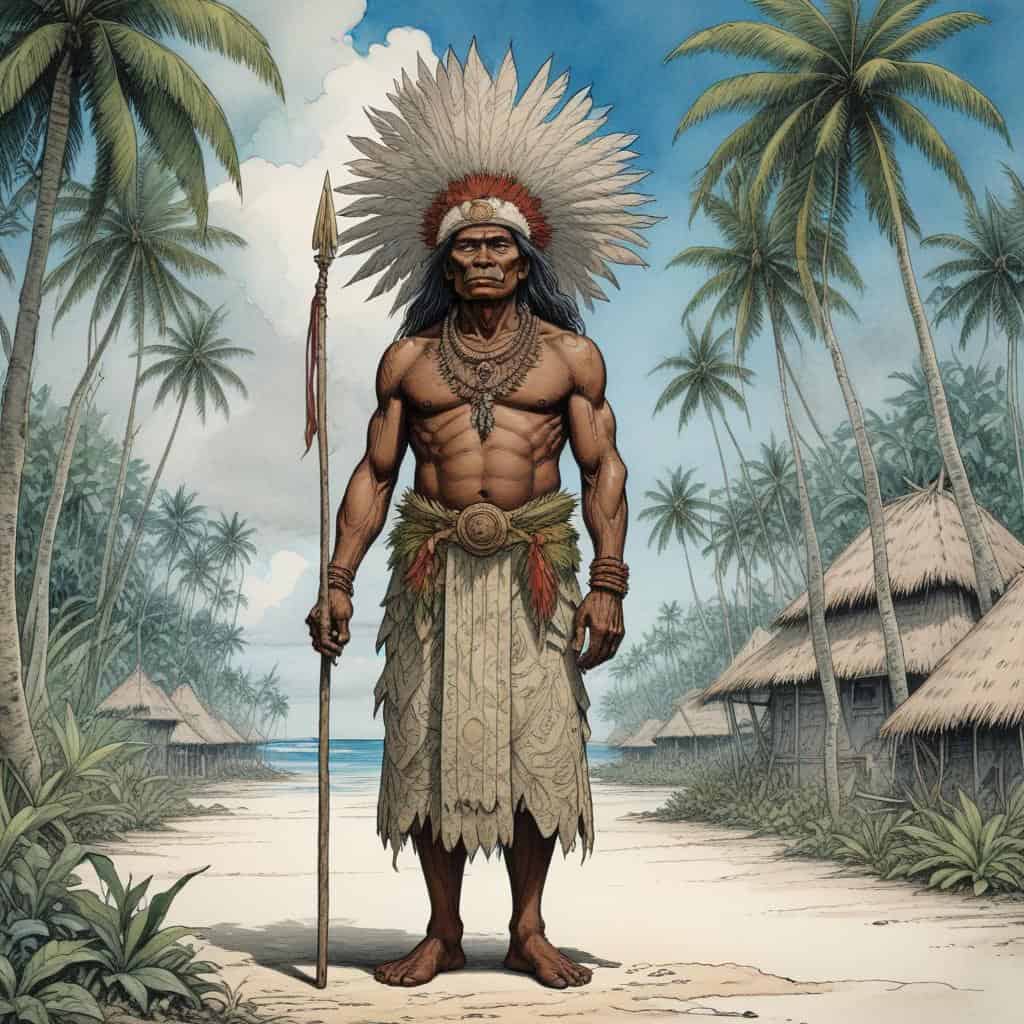
2. Chief Teraraj Kiritome
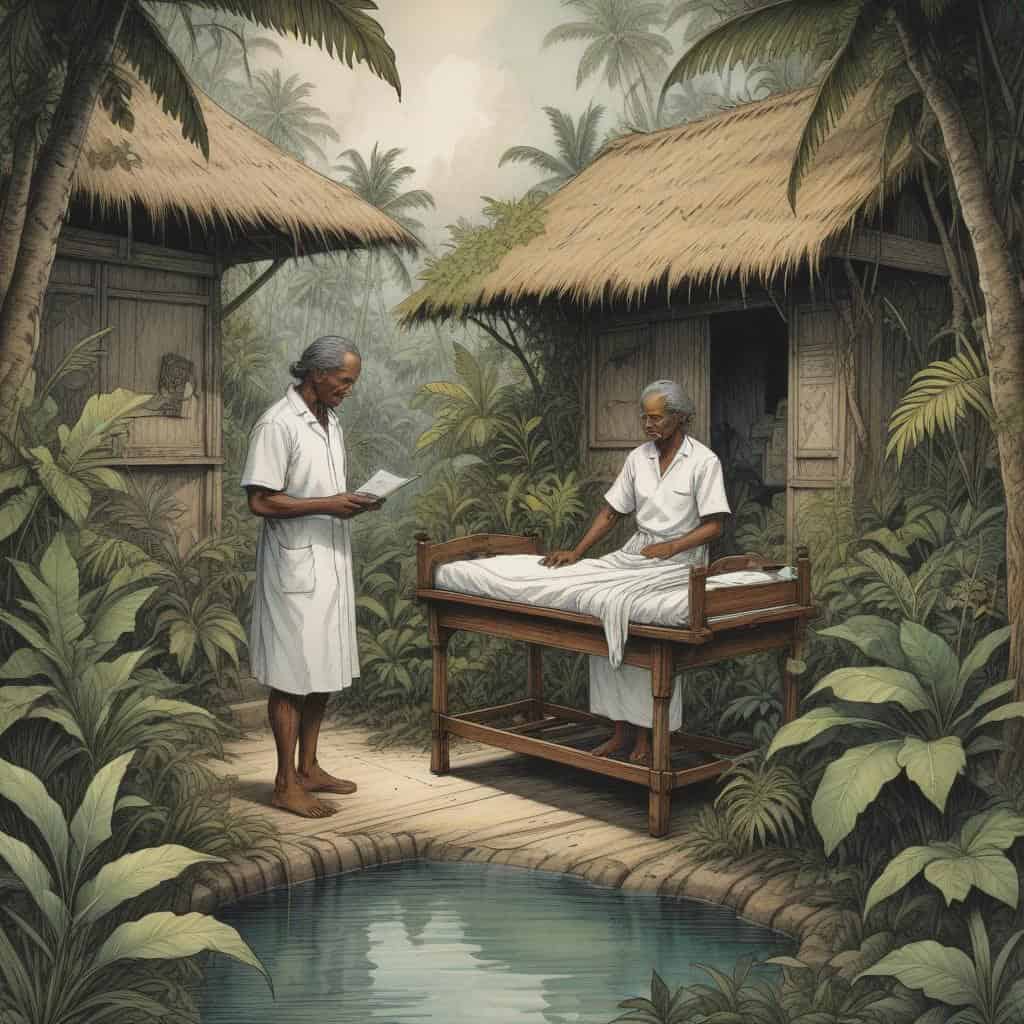
3. Dr. Teburoro Tito
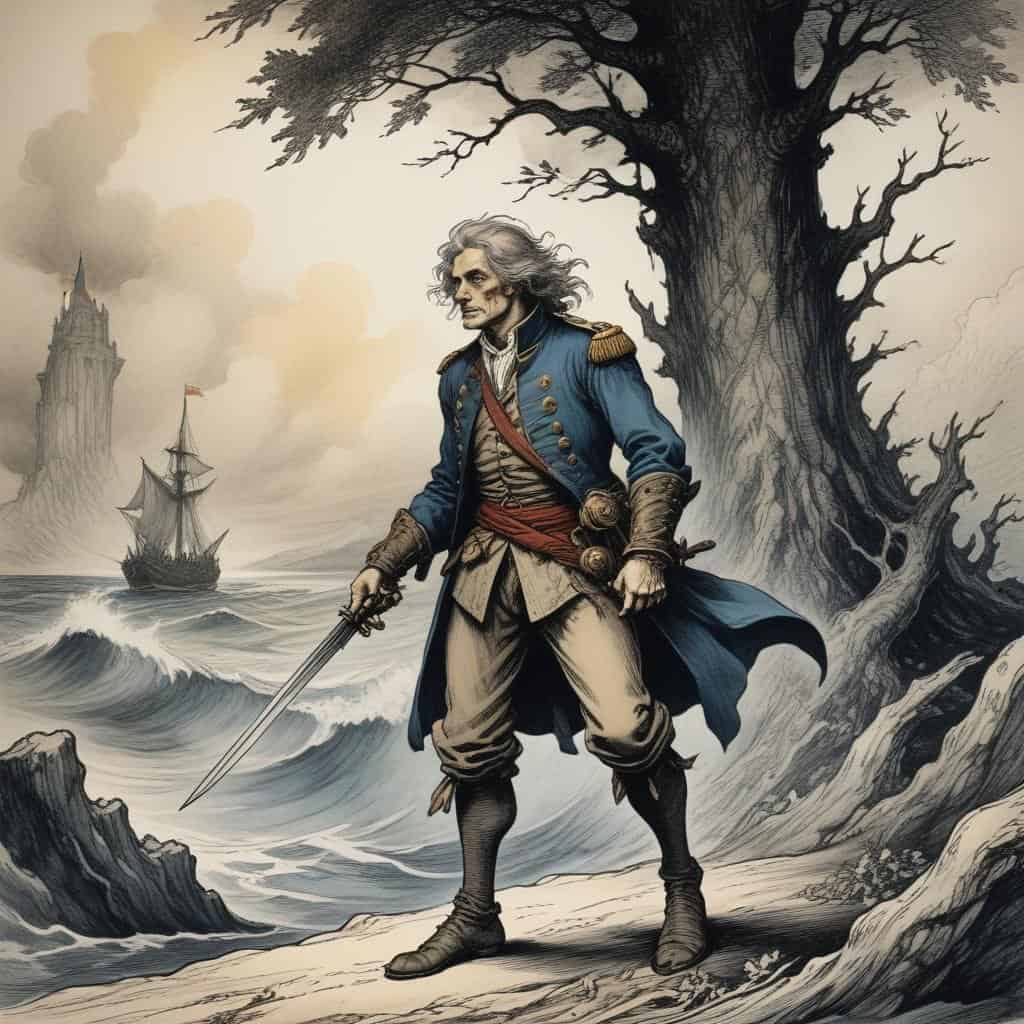
4. Captain Ieremia Tabai

5. Lina Tommy
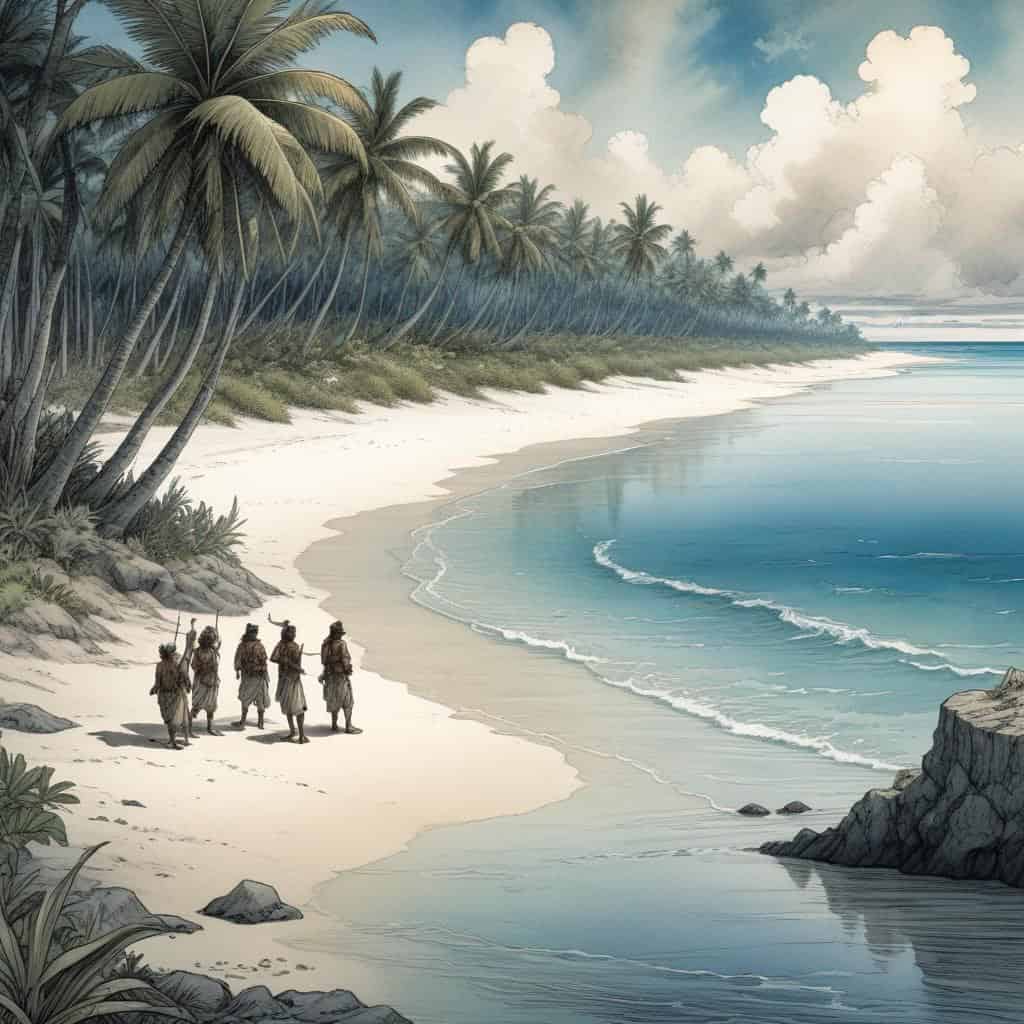
Discovering the Untouched Beaches
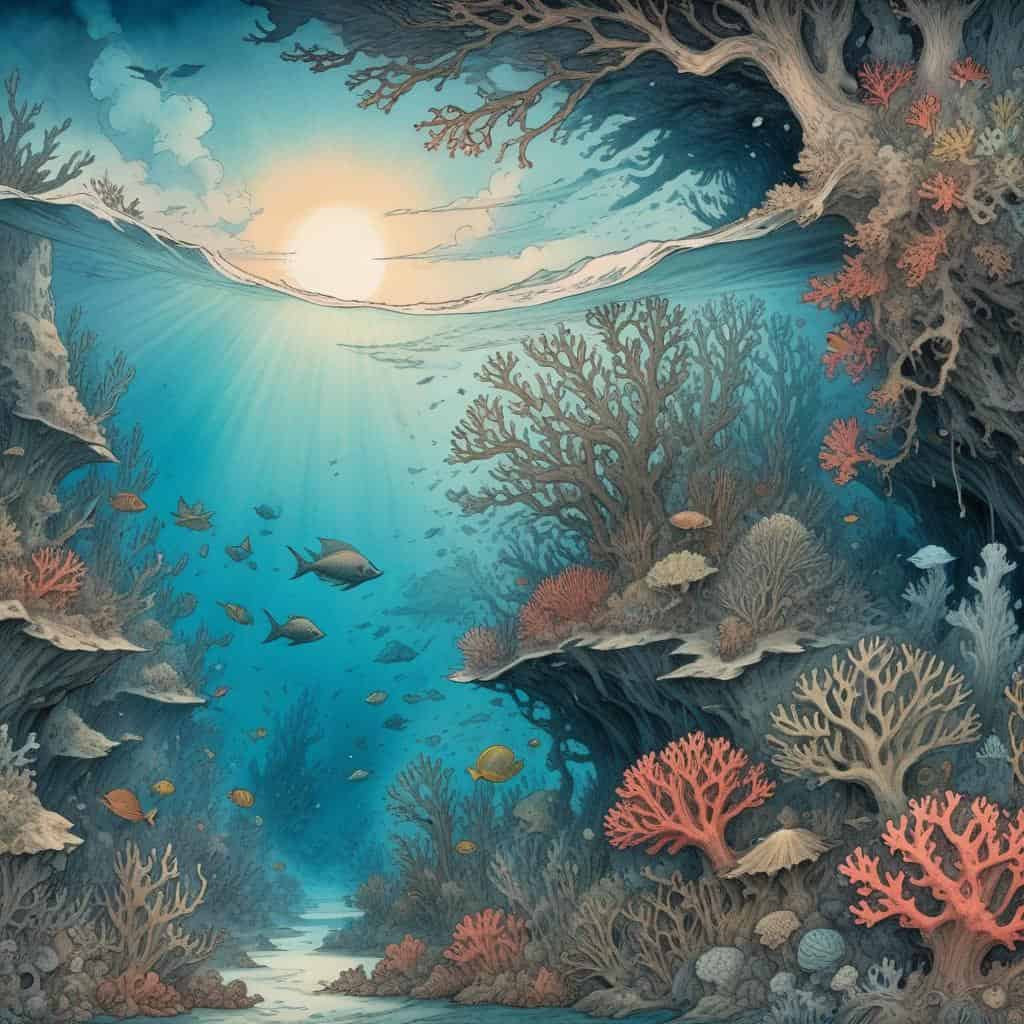
Exploring the Coral Reefs
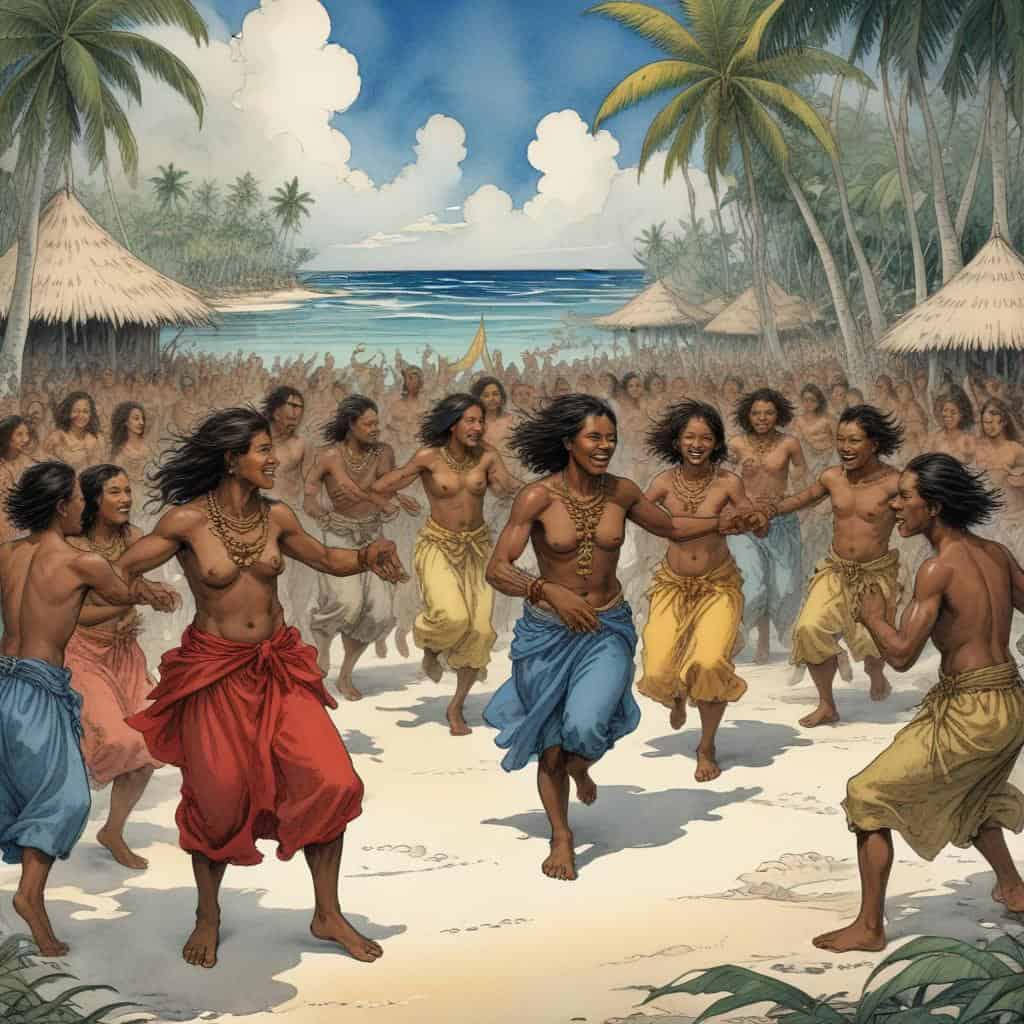
Experiencing Local Culture
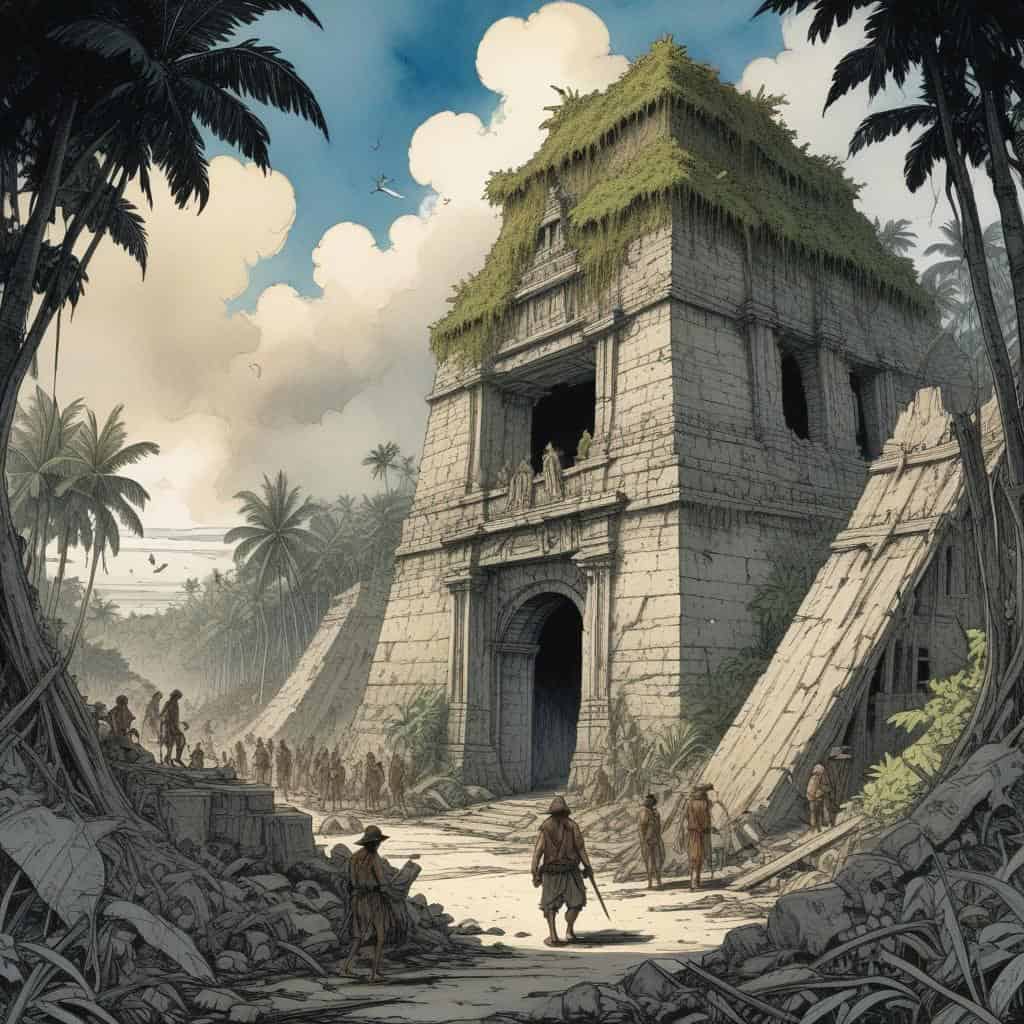
Visiting Historical Sites
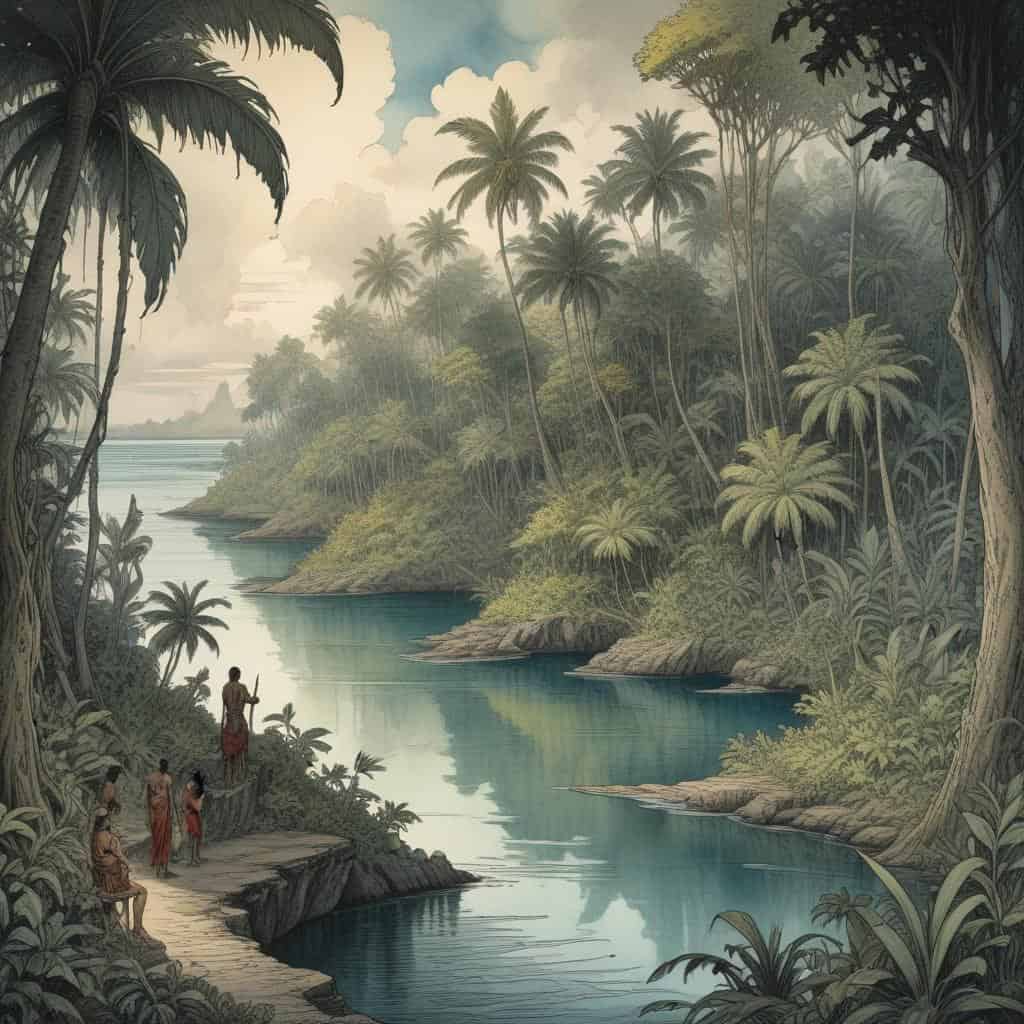
Admiring the Natural Beauty
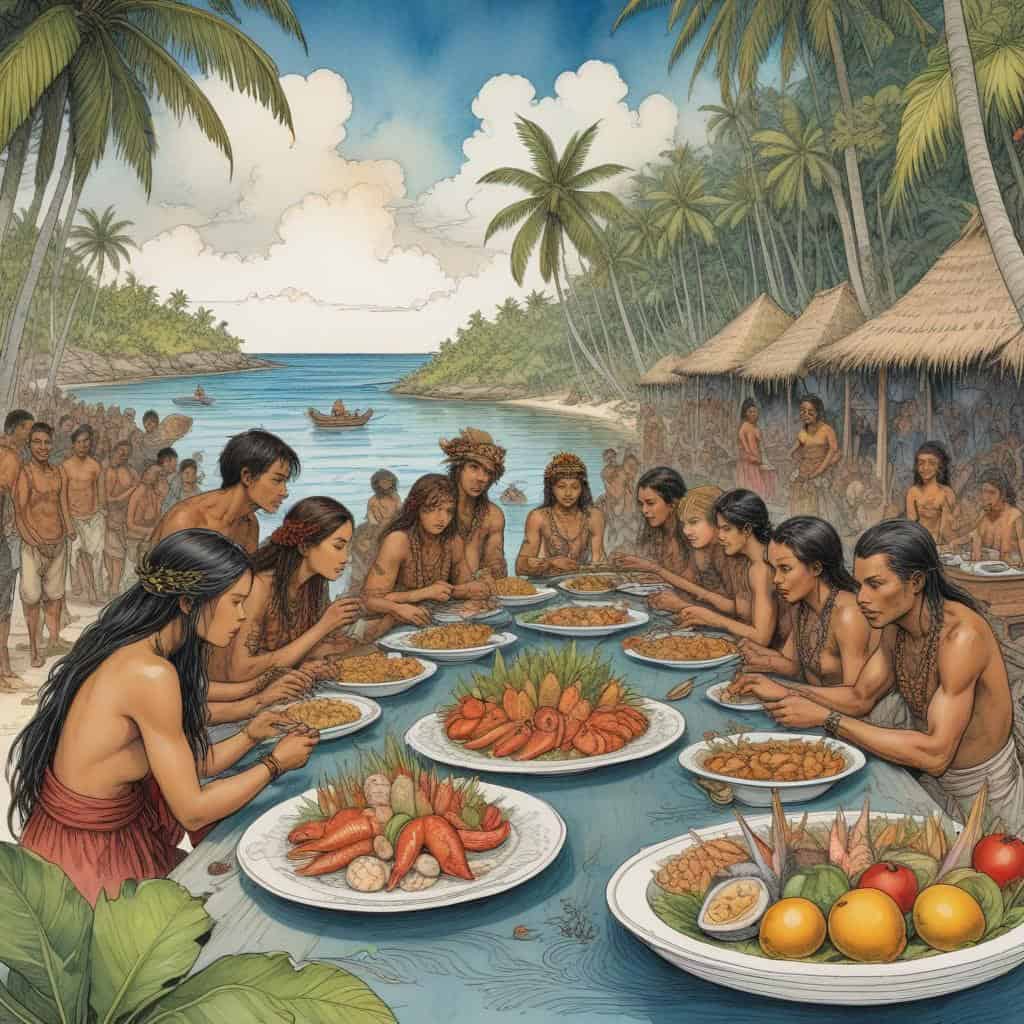
Sampling Local Cuisine
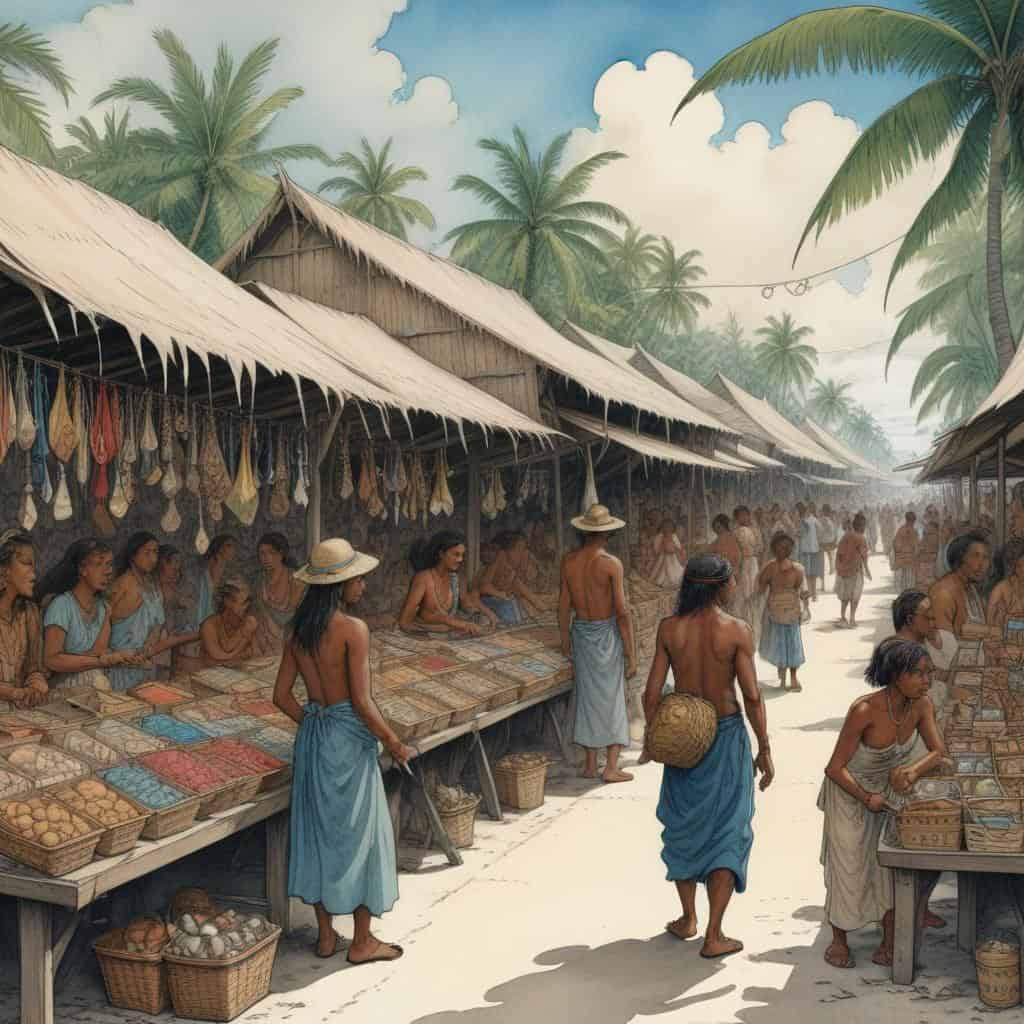
Shopping for Souvenirs
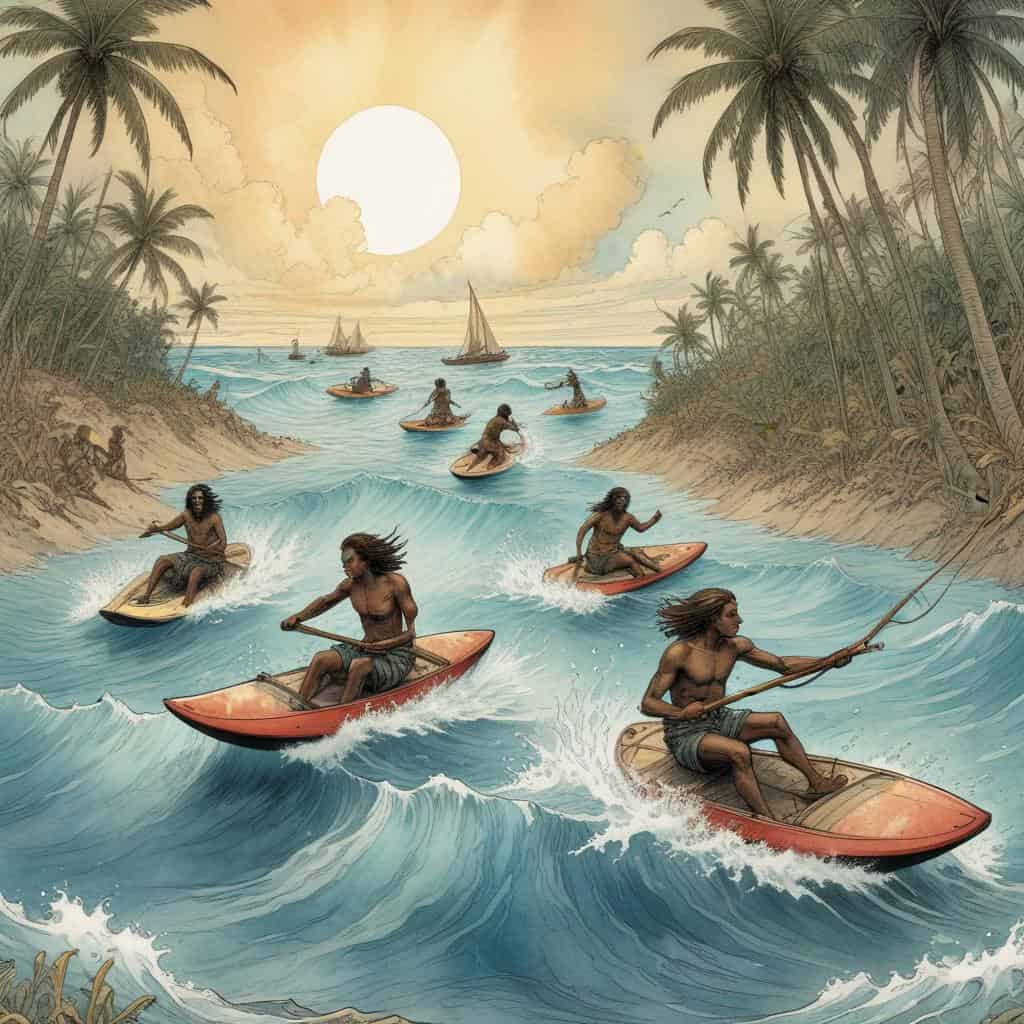
Participating in Water Sports
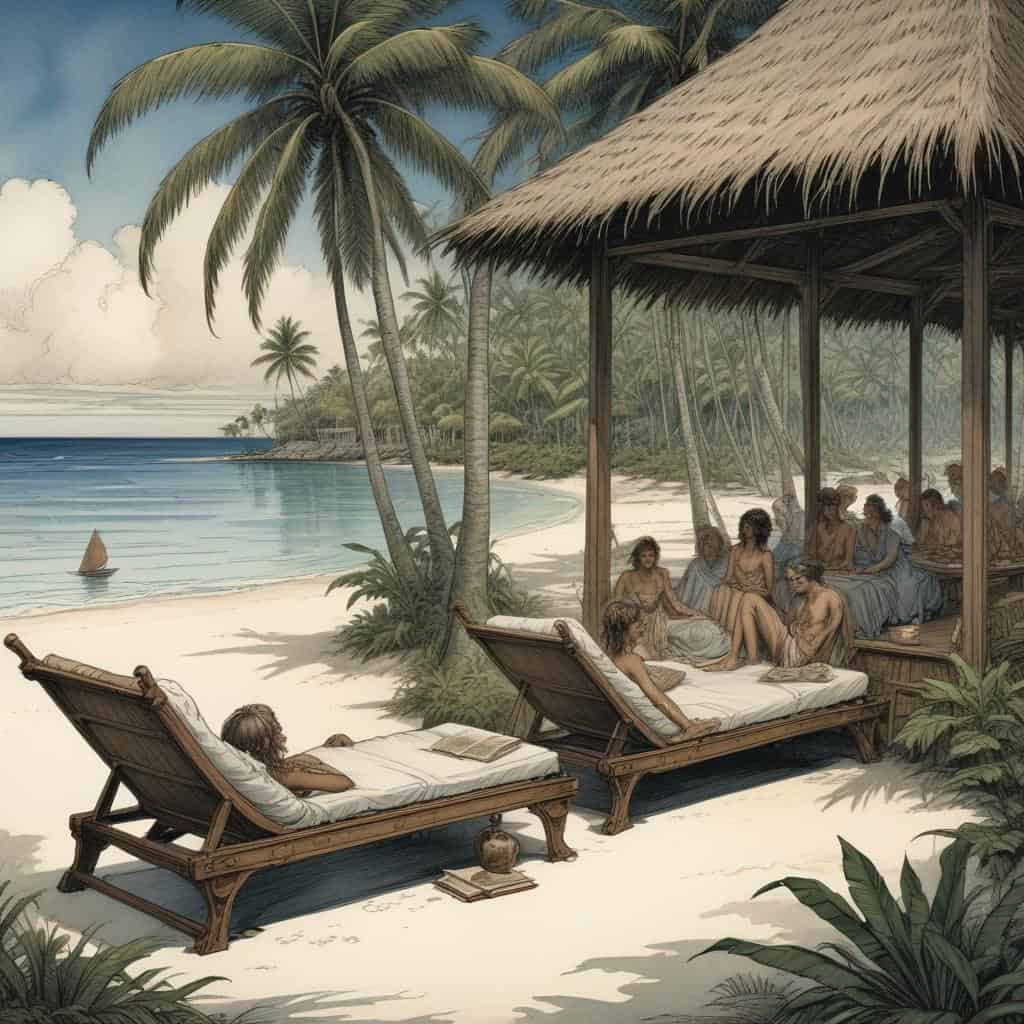
Relaxing in Luxury Resorts
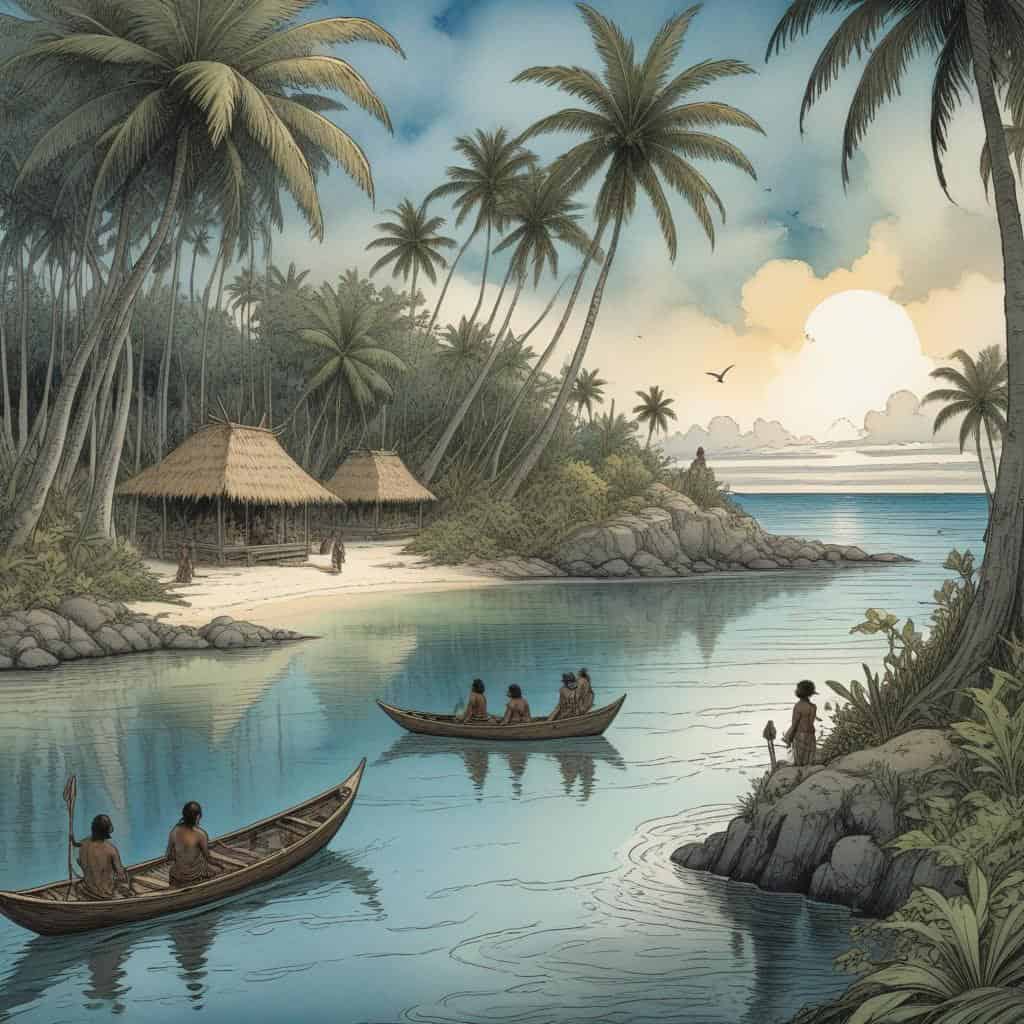
Connecting with Nature
In a Nutshell
- Capital: South Tarawa
- Population: Approx. 120,000 (2021)
- Official Language: English, Kiribati
- Currency: Kiribati dollar (AUD)
Breaking Down the Country
Geographical Gems
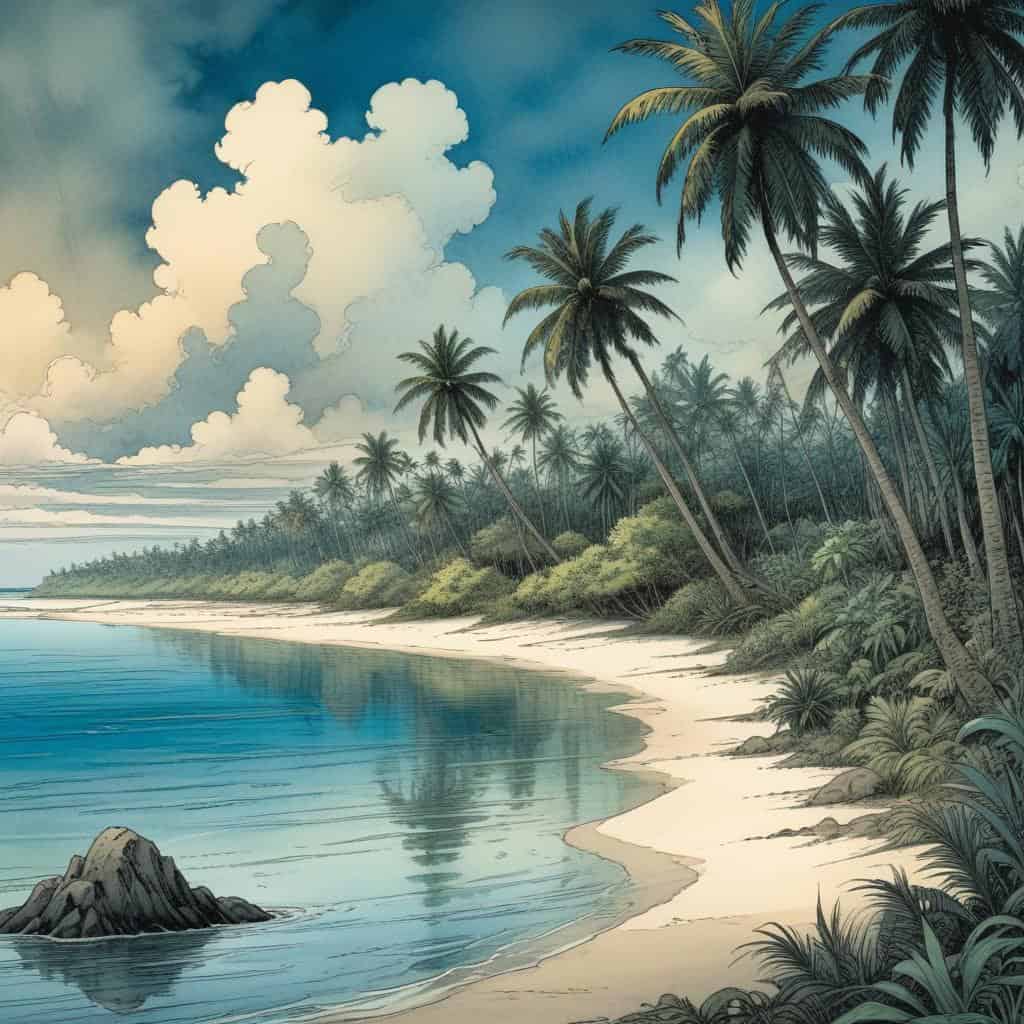
Kiribati is an island nation in the central Pacific Ocean, known for its pristine beaches, clear turquoise waters, and abundant marine life.
Cultural Traditions
Experience the unique customs and traditions of Kiribati, including traditional music, dancing, and intricate woven handicrafts.
Climate & Environment
Learn about Kiribati's vulnerability to climate change, rising sea levels, and efforts to protect its fragile ecosystem and biodiversity.
Timeline of Kiribati
First settlement by Austronesian peoples
European discovery by Spanish navigator Álvaro de Mendaña
Annexation by the United Kingdom
Japanese occupation during World War II
Independence from the United Kingdom
Establishment of the capital city of Tarawa
Adoption of the Kiribati Flag
Became a member of the United Nations
Ratification of the Kyoto Protocol
Pronounced effects of climate change on the islands
Establishment of the Phoenix Islands Protected Area
Signing of the Pacific Islands Forum Fisheries Agency
Establishment of the Kiribati Climate Action Network
Joint declaration on climate change with New Zealand
Launch of the Kiribati Vision 20
COVID-19 pandemic impacts on the economy
Participation in the COP26 climate conference
Renewable energy projects to reduce dependence on fossil fuels
Continued efforts to address climate change and sea level rise
Vocabulary List
- Atoll
- The Kiribati islands are made up of several atolls.
- Lagoon
- The crystal-clear waters of the lagoon provide a stunning backdrop for the city of Tarawa.
- Coconut palm
- The coconut palms sway gently in the breeze, providing shade and sustenance for the locals.
- Coral reef
- The coral reef surrounding the islands is teeming with colorful marine life.
- Traditional canoe
- The sight of a traditional canoe gliding across the lagoon is a common one in Kiribati.
- Pandanus tree
- The pandanus trees line the shores of the islands, their unique fruits providing a source of food and materials for the locals.
- Bougainvillea
- The vibrant bougainvillea flowers add a pop of color to the city streets.
- Palm thatch
- Many of the traditional buildings in Kiribati are constructed with palm thatch roofs.
- Tarawa
- The bustling city of Tarawa is the capital of Kiribati and a hub of activity.
- Kiritimati
- Kiritimati, also known as Christmas Island, is a popular destination for tourists looking to explore the natural beauty of Kiribati.
Key Facts
This is the information used in the fact matching game
- Kiribati is made up of 33 atolls and reef islands in the central Pacific Ocean.
- The capital city of Kiribati is South Tarawa, located on the atoll of Tarawa.
- Kiribati is one of the lowest-lying countries in the world, with an average elevation of only 2 meters above sea level.
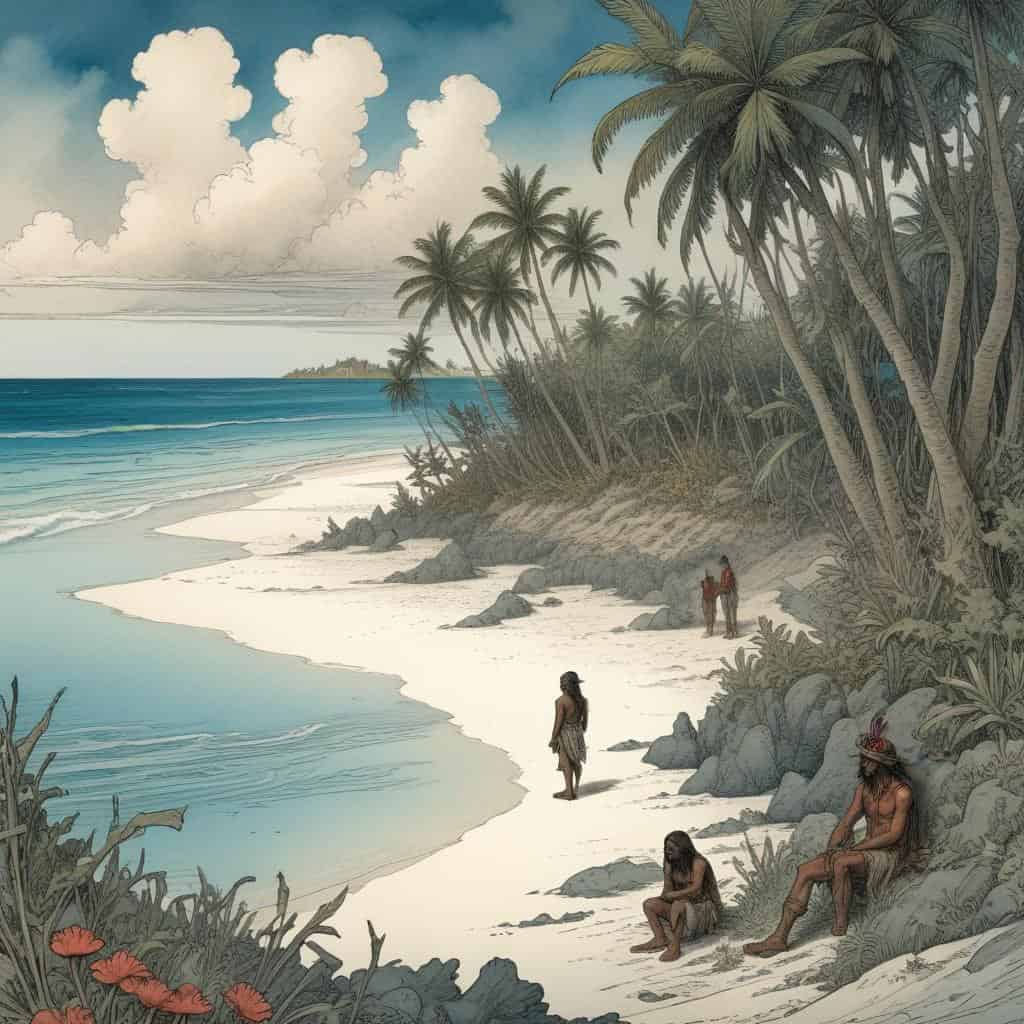
- The landscape of Kiribati is characterized by white sandy beaches, coconut palms, and crystal-clear turquoise waters.
- The traditional architecture in Kiribati consists of thatched-roof huts made from local materials like pandanus leaves and coconut palms.
- The main mode of transportation in Kiribati is by boat, as many of the islands are only accessible by sea.
- Kiribati is known for its abundant marine life, including colorful coral reefs, tropical fish, and sea turtles.
- The climate in Kiribati is tropical, with warm temperatures year-round and a wet season from November to March.
- The lagoons surrounding the atolls in Kiribati are perfect for swimming, snorkeling, and diving.
- The Kiribati flag features a frigate bird flying over the sun, symbolizing the country's location on the Equator.
- The traditional dance in Kiribati is called the 'te mwaie', which is performed by women wearing grass skirts and shell necklaces.
- The cuisine in Kiribati is based around seafood, coconut, and breadfruit, with dishes like coconut crab and palu sami (coconut cream with taro leaves).
- The Kiribati Christmas Island, also known as Kiritimati, is the largest atoll in the world.
- The Phoenix Islands Protected Area in Kiribati is one of the largest marine protected areas in the world, covering an area of 410,500 square kilometers.
- The people of Kiribati are known for their hospitality and strong sense of community, with traditional values of respect and sharing.
- The language spoken in Kiribati is Gilbertese, a Micronesian language that is closely related to other languages spoken in the region.
- Kiribati is a popular destination for ecotourism, with opportunities for birdwatching, fishing, and exploring pristine coral reefs.
- The Kiribati Outer Islands are known for their unspoiled beauty and remote location, offering a peaceful escape from the modern world.
- The Kiribati Phoenix Islands are a UNESCO World Heritage Site, recognized for their pristine coral reefs and diverse marine life.
- The Kiribati government is working to protect its natural environment and promote sustainable development, including initiatives to address climate change and sea level rise.
Why It Matters
Geopolitical Significance
As one of the lowest-lying countries in the world, Kiribati faces the threat of rising sea levels due to climate change. Its vulnerability to environmental challenges highlights the global issue of climate change and the importance of international cooperation to address these pressing concerns.
Historical Importance
Kiribati’s history is marked by colonization by European powers, particularly the British and the Gilbert Islands. The country’s struggle for independence and its unique cultural heritage, including traditional practices like canoe navigation, showcase the resilience and identity of its people.
Modern-Day Role
Today, Kiribati is at the forefront of the fight against climate change, advocating for sustainable development and climate action on the international stage. Its efforts to preserve its culture and adapt to environmental challenges serve as a poignant example for other nations facing similar threats.
Kiribati Games


Take Your Learning Offline
Want a convenient, print-ready study guide for this lesson? Become a Memory Wizards Pro member to unlock the downloadable " Memory Scrolls" for this topic and our entire library!
- ✓ Complete Vocabulary Lists
- ✓ Key Facts & Timelines
- ✓ Beautifully Formatted for Print & Mobile