
How Do You Learn Best?
Learn by Reading
Immerse yourself in the 10-minute visual lesson for a comprehensive understanding of the topic.
Learn by Reviewing
Jump directly to the key facts, timeline, and vocabulary lists to build a solid foundation of details.
Learn by Doing
Challenge yourself! Jump straight into the interactive games to learn by trial, error, and discovery.
Belarus in 10 Minutes
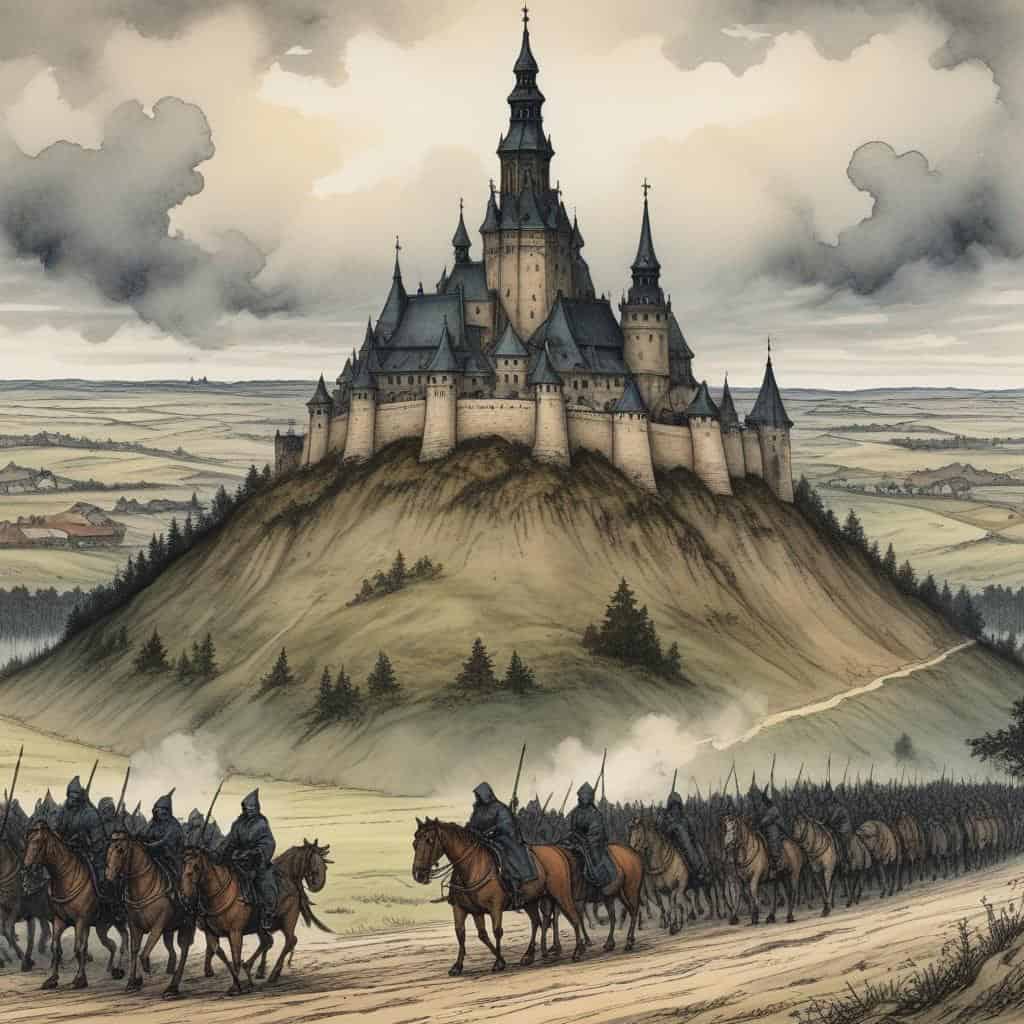
Introduction
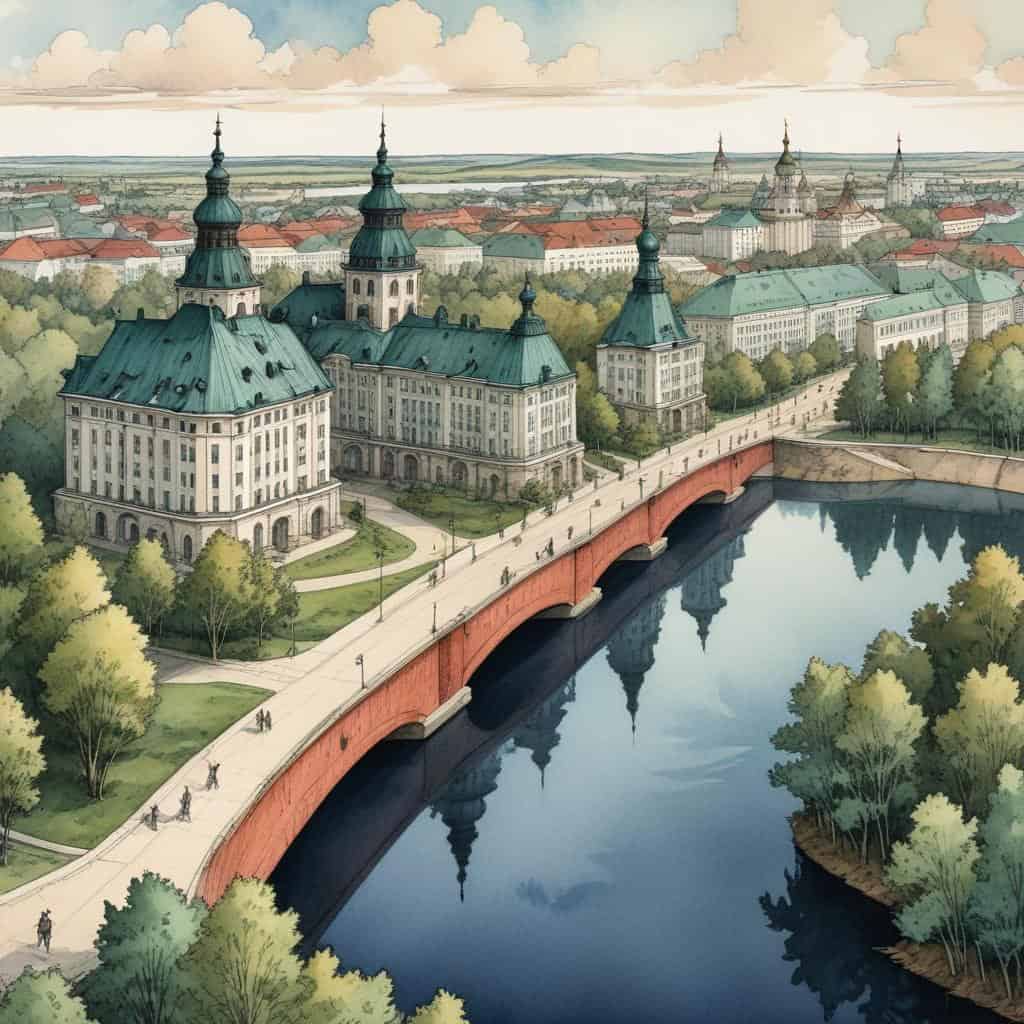
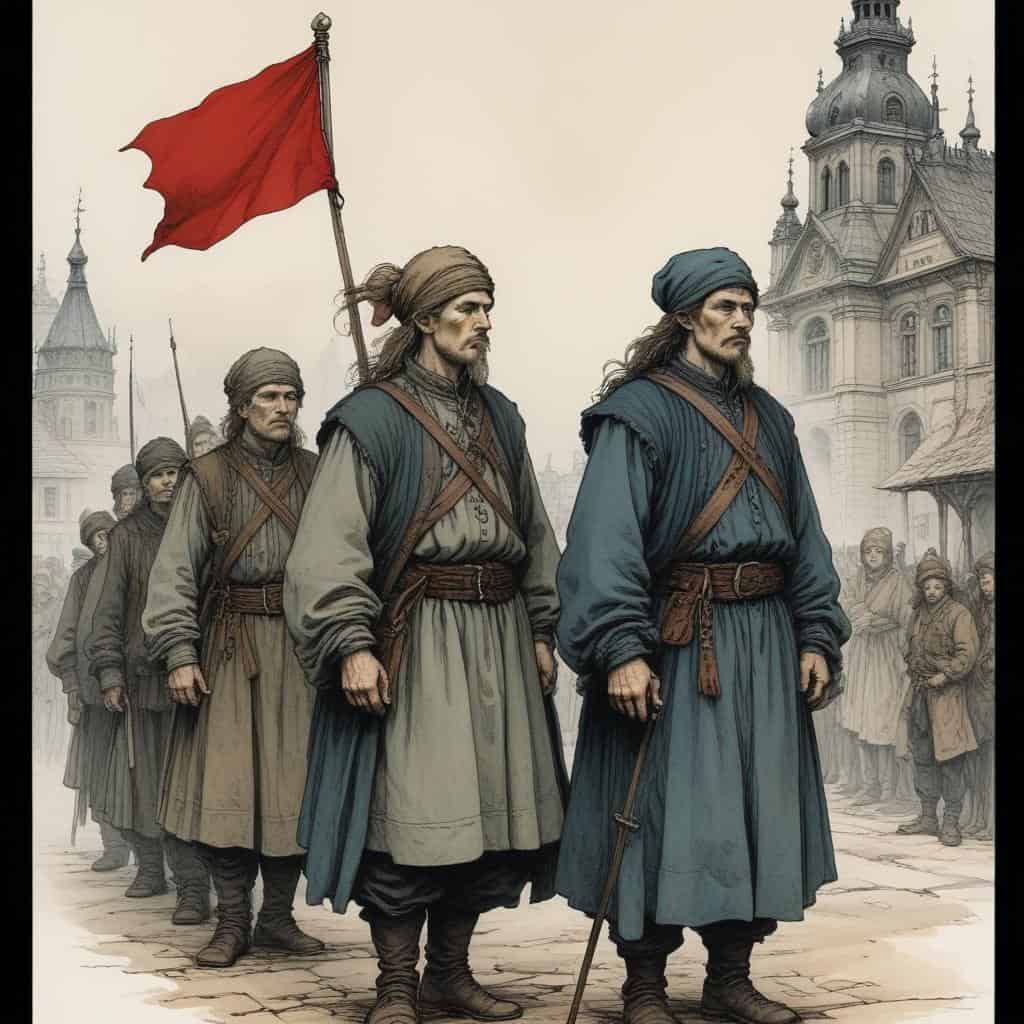
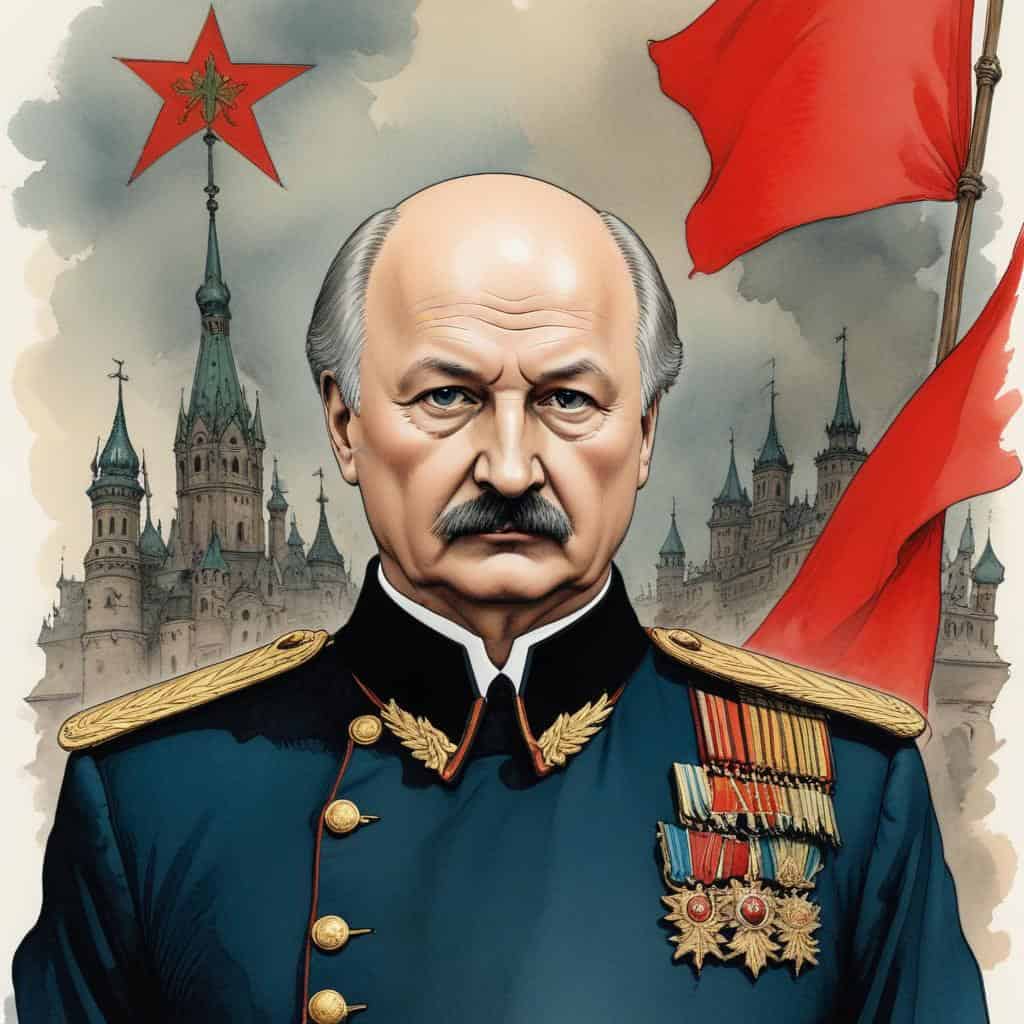
Alexander Lukashenko
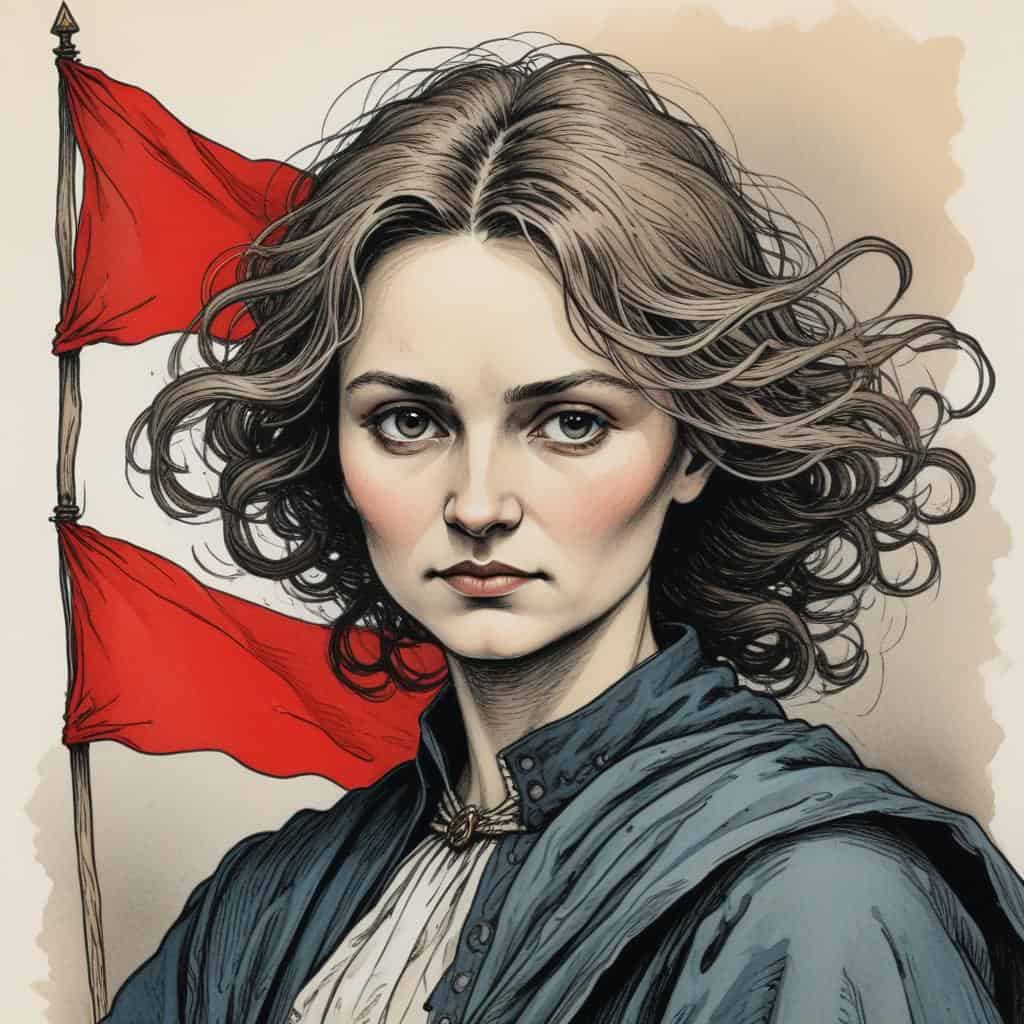
Svetlana Tikhanovskaya
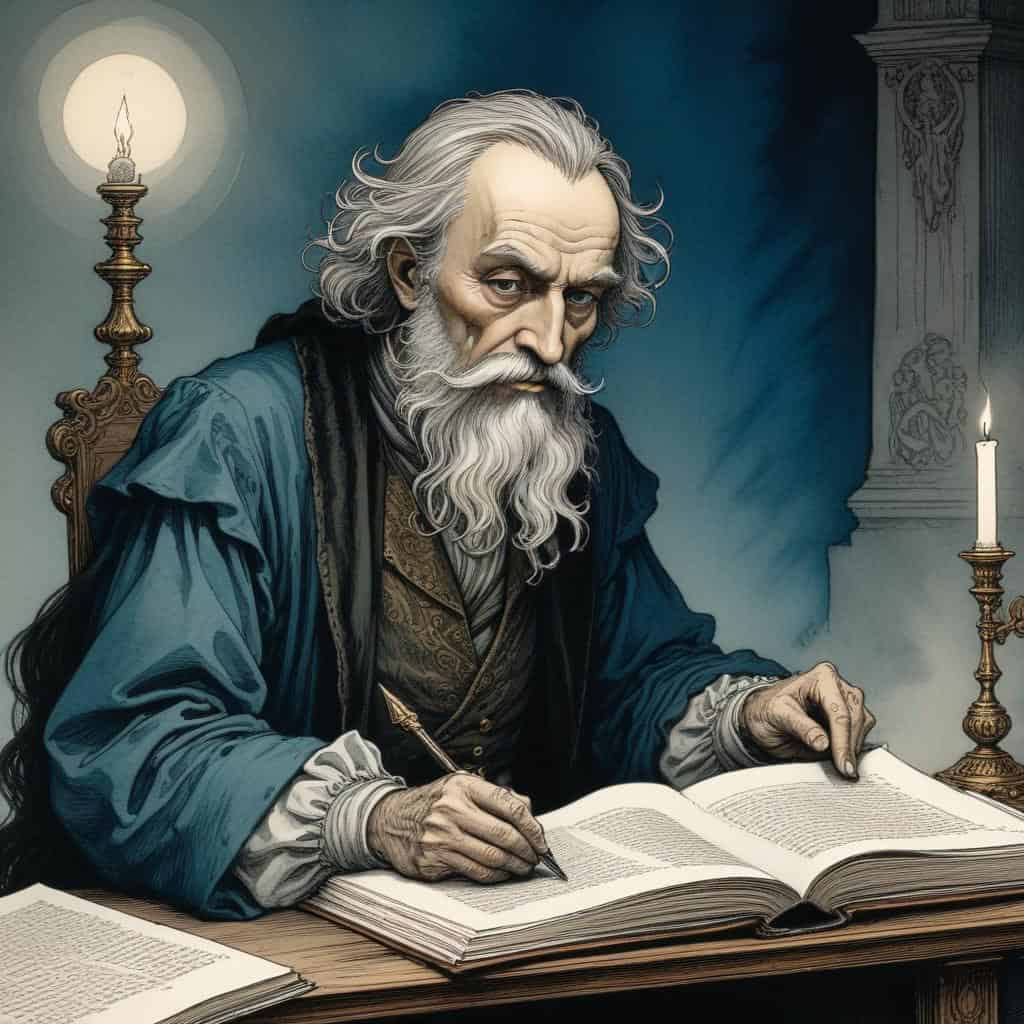
Francysk Skaryna
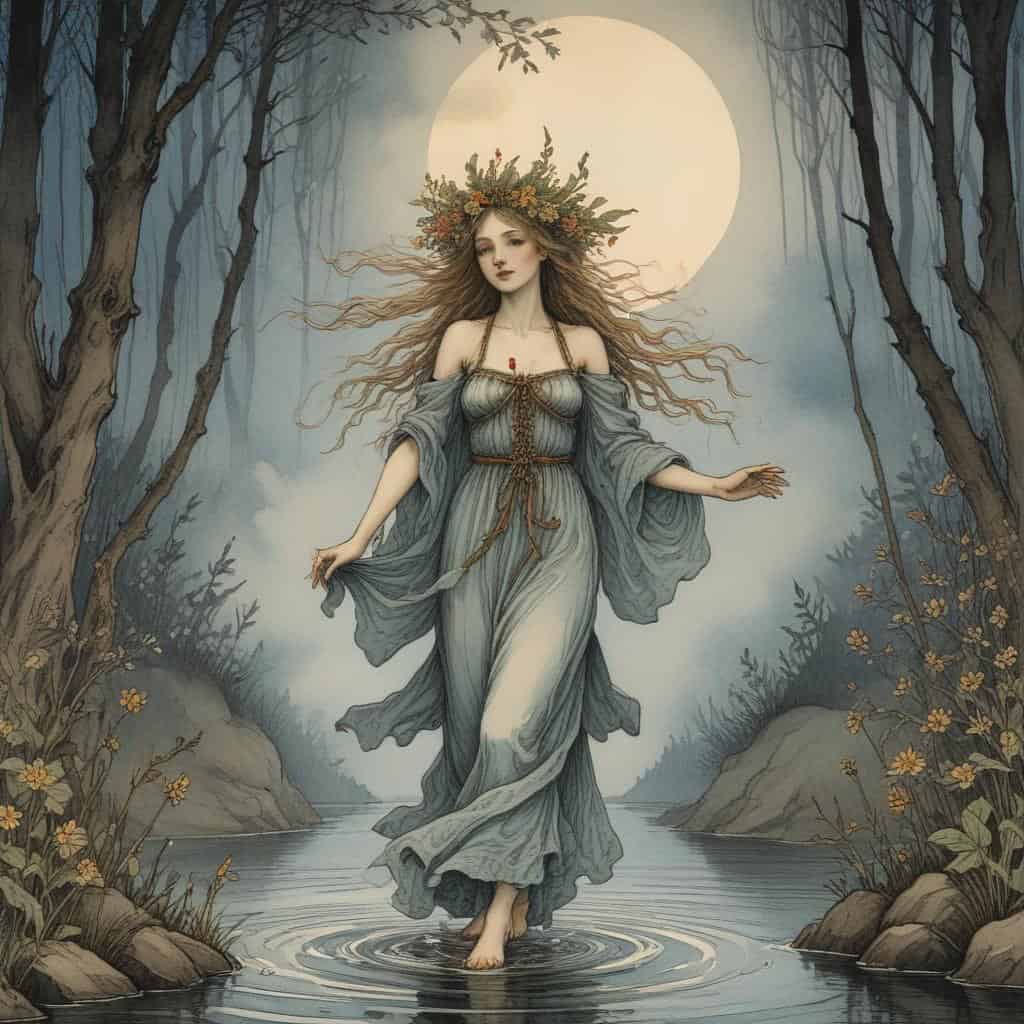
Yanka Kupala

Victoria Azarenka
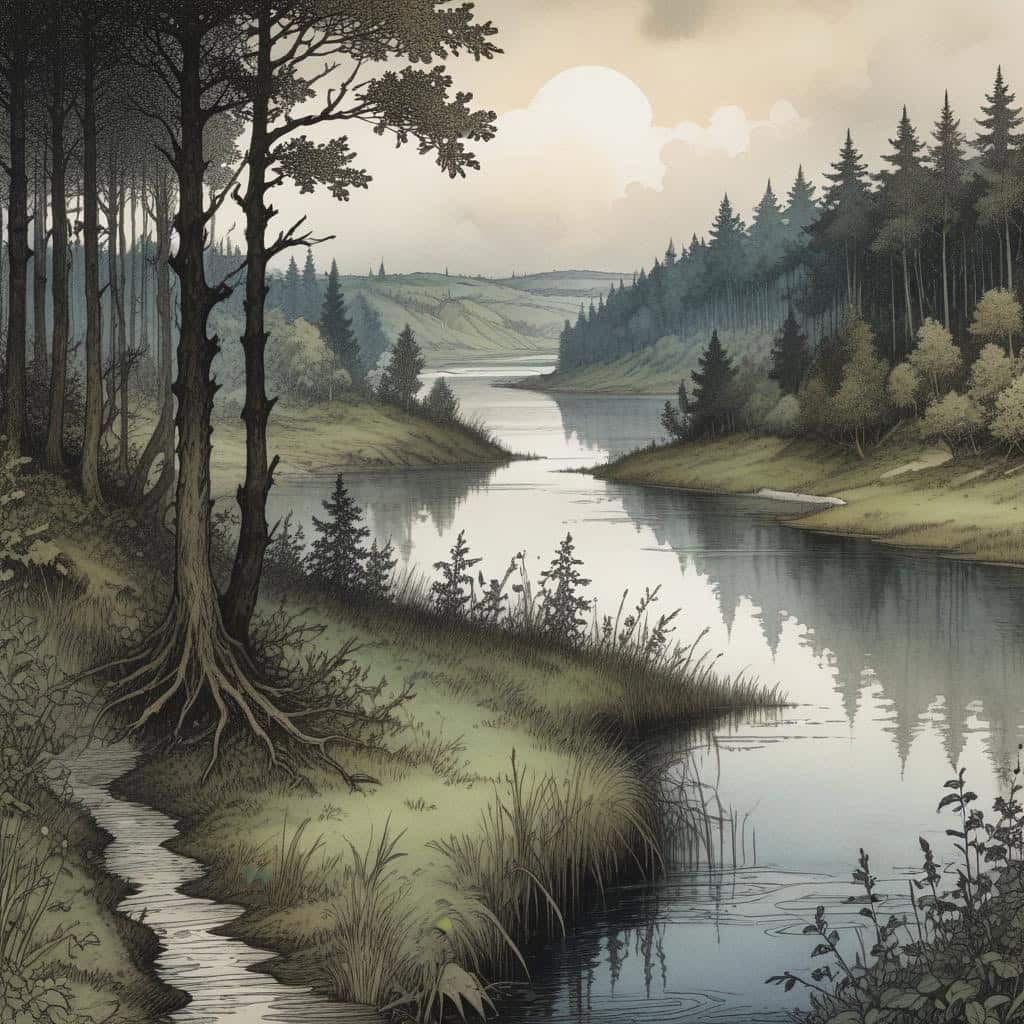
1. Geography and Climate
2. History
3. Economy
4. Culture
5. Language and Religion
6. Politics
7. Tourism

8. Sports

9. Education
10. Future Outlook
In a Nutshell
- Capital: Minsk
- Population: Approx. 9.4 million (2023)
- Official Language: Belarusian, Russian
- Currency: Belarusian ruble (BYN)
Breaking Down the Country
Geographical Diversity
Belarus boasts diverse landscapes, from dense forests and tranquil lakes to the vast expanses of the Pripet Marshes and the rolling hills of the Belarusian Uplands.
Cultural Heritage
Immerse yourself in Belarusian traditions, folklore, and art, shaped by a history of Slavic, Baltic, and Tatar influences, and preserved in vibrant museums and festivals.
Modern Urban Centers
Discover the blend of Soviet architecture and contemporary developments in cities like Minsk, where bustling markets, historic landmarks, and innovative tech hubs converge.
Timeline of Belarus
Belarusian SSR established as part of the Soviet Union
Belarusian People's Republic declared independence from Russia
Belarus becomes part of the Soviet Union
Chernobyl nuclear disaster in neighboring Ukraine affects Belarus
Belarus gains independence from the Soviet Union
Alexander Lukashenko elected as President of Belarus
Belarus joins the United Nations
Belarus-Russia Union State established
Protests against Lukashenko's government in Minsk
Belarusian presidential election, widely viewed as rigged
European Union imposes sanctions on Belarus
Opposition leader Sviatlana Tsikhanouskaya flees to Lithuania
Protests continue in Belarus against Lukashenko's rule
Belarusian journalist Roman Protasevich arrested after forced landing of Ryanair flight
European Union imposes further sanctions on Belarus
Lukashenko meets with Russian President Vladimir Putin in Sochi
Belarusian authorities crackdown on independent media and civil society organizations
Belarusian athletes arrested in Tokyo after criticizing government
United States imposes sanctions on Belarus
Belarusian authorities accused of human rights abuses and repression
Vocabulary List
- Belarus
- Belarus is a landlocked country in Eastern Europe.
- Minsk
- Minsk is the capital and largest city of Belarus.
- Soviet Union
- Belarus was once part of the Soviet Union.
- Cyrillic
- The Belarusian language is written in the Cyrillic script.
- Lukashenko
- Alexander Lukashenko has been the President of Belarus since 1994.
- Chernobyl
- The Chernobyl nuclear disaster in 1986 had a significant impact on Belarus.
- Eastern Europe
- Belarus is located in Eastern Europe, bordering Russia, Ukraine, Poland, and Lithuania.
- Orthodox Christianity
- The majority of Belarusians adhere to Orthodox Christianity.
- National Flag
- The national flag of Belarus features a red and green horizontal stripe with a white and red ornament on the left side.
Key Facts
This is the information used in the fact matching game
- Belarus is a landlocked country in Eastern Europe, bordered by Russia, Ukraine, Poland, Lithuania, and Latvia.
- The official language of Belarus is Belarusian, although Russian is also widely spoken.
- Minsk is the capital and largest city of Belarus.
- Belarus gained independence from the Soviet Union in 1991.
- The flag of Belarus consists of a red and green horizontal stripe with a white and red ornament on the left side.
- Belarus has a presidential system of government.
- The currency of Belarus is the Belarusian ruble.
- Belarus is known for its pristine forests and numerous lakes.
- The Chernobyl nuclear disaster in 1986 had a significant impact on Belarus, with a large part of the fallout landing in the country.
- Belarus is a member of the Commonwealth of Independent States (CIS).
- The Brest Fortress, located in Belarus, is a symbol of Soviet resistance against the German invaders during World War II.
- Belarus has a rich cultural heritage, with influences from Slavic, Baltic, and European traditions.
- The Belovezhskaya Pushcha National Park in Belarus is a UNESCO World Heritage site and home to the European bison.
- Belarus has a strong agricultural sector, with the production of potatoes, flax, and dairy products being important to the economy.
- The Mir Castle Complex in Belarus is a UNESCO World Heritage site and a prime example of Gothic architecture in Eastern Europe.
- Belarus has a visa-free regime for citizens of several countries, allowing them to visit for up to 30 days without a visa.
- Belarus has a high level of education, with a literacy rate of over 99%.
- The Belarusian State Circus in Minsk is one of the oldest circuses in Europe, dating back to 1928.
- Belarus is a member of the Eurasian Economic Union (EAEU), a regional economic organization.
- The Great Patriotic War Museum in Minsk commemorates the sacrifices of Belarusian soldiers during World War II.
Why It Matters
Geopolitical Significance
Belarus holds a strategic position between Russia and European Union countries, influencing regional politics and trade. Its role in the Eurasian Economic Union and historical ties to Russia shape its geopolitical importance.
Historical Importance
Belarus has a rich history of being a crossroads for various cultures and empires, including the Grand Duchy of Lithuania and the Soviet Union. The country’s past struggles for independence and resilience against foreign invasions have shaped its national identity.
Modern-Day Role
Today, Belarus is known for its political dynamics and its relationship with Russia. As a key player in the region, it plays a significant role in shaping Eastern European geopolitics and international relations.
Belarus Games


Take Your Learning Offline
Want a convenient, print-ready study guide for this lesson? Become a Memory Wizards Pro member to unlock the downloadable " Memory Scrolls" for this topic and our entire library!
- ✓ Complete Vocabulary Lists
- ✓ Key Facts & Timelines
- ✓ Beautifully Formatted for Print & Mobile