
How Do You Learn Best?
Learn by Reading
Immerse yourself in the 10-minute visual lesson for a comprehensive understanding of the topic.
Learn by Reviewing
Jump directly to the key facts, timeline, and vocabulary lists to build a solid foundation of details.
Learn by Doing
Challenge yourself! Jump straight into the interactive games to learn by trial, error, and discovery.
The Masterpiece: Mona Lisa by Leonardo da Vinci
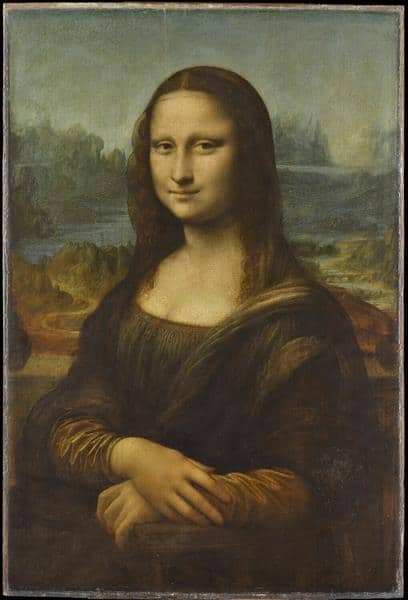
Deconstructing the Masterpiece
Sfumato Technique
The soft blending of colors and edges creates a sense of depth and realism, giving the figure a lifelike appearance.
Enigmatic Smile
The subtle smile adds an air of mystery and intrigue, inviting viewers to interpret the subject's emotions and intentions.
Gaze and Perspective
The direct gaze of the subject engages the viewer, while the distant landscape creates a sense of depth and vastness in the composition.
Leonardo da Vinci: An Analysis in 10 Minutes

Introduction
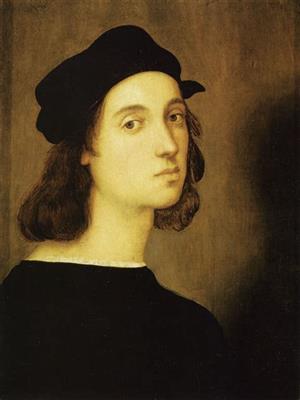
Raphael

Michelangelo
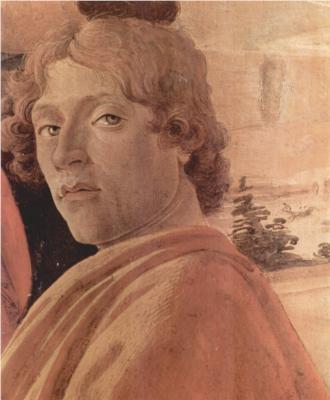
Sandro Botticelli
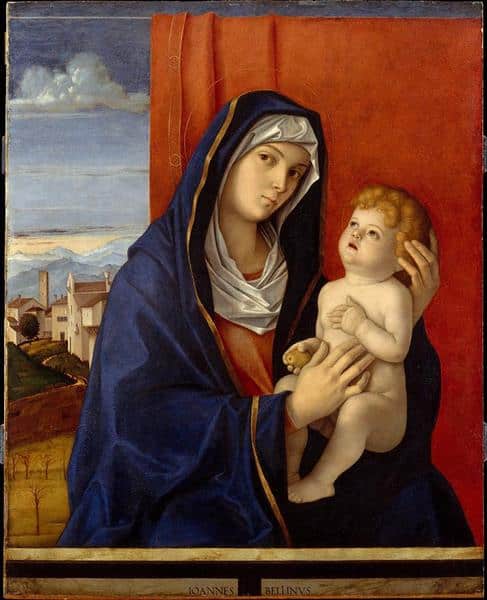
Giovanni Bellini
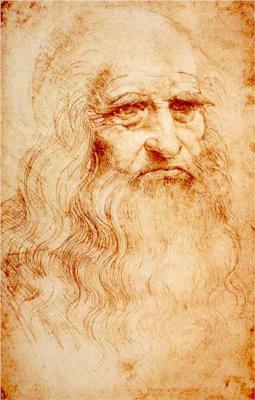
Early Life and Education
Artistic Career Begins
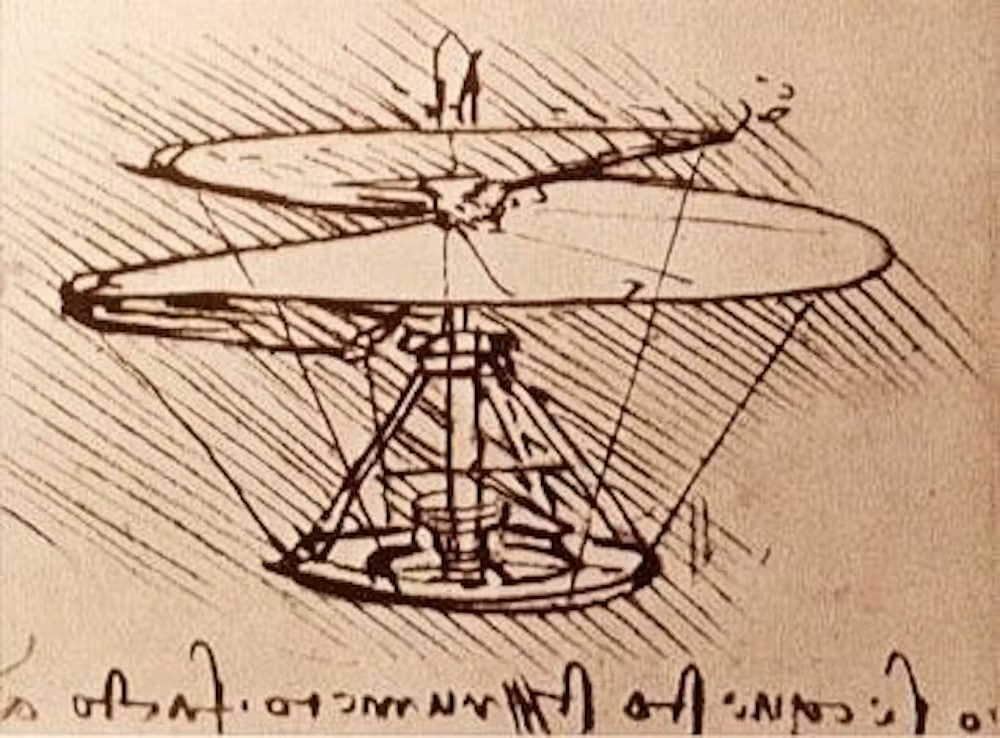
Scientific and Inventive Genius
Return to Florence
Move to Rome
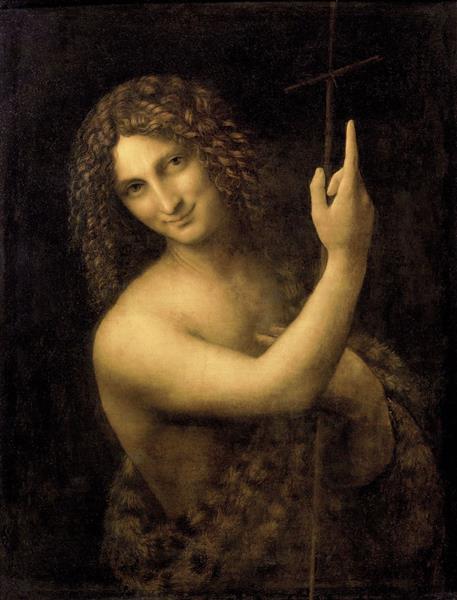
Final Years in France
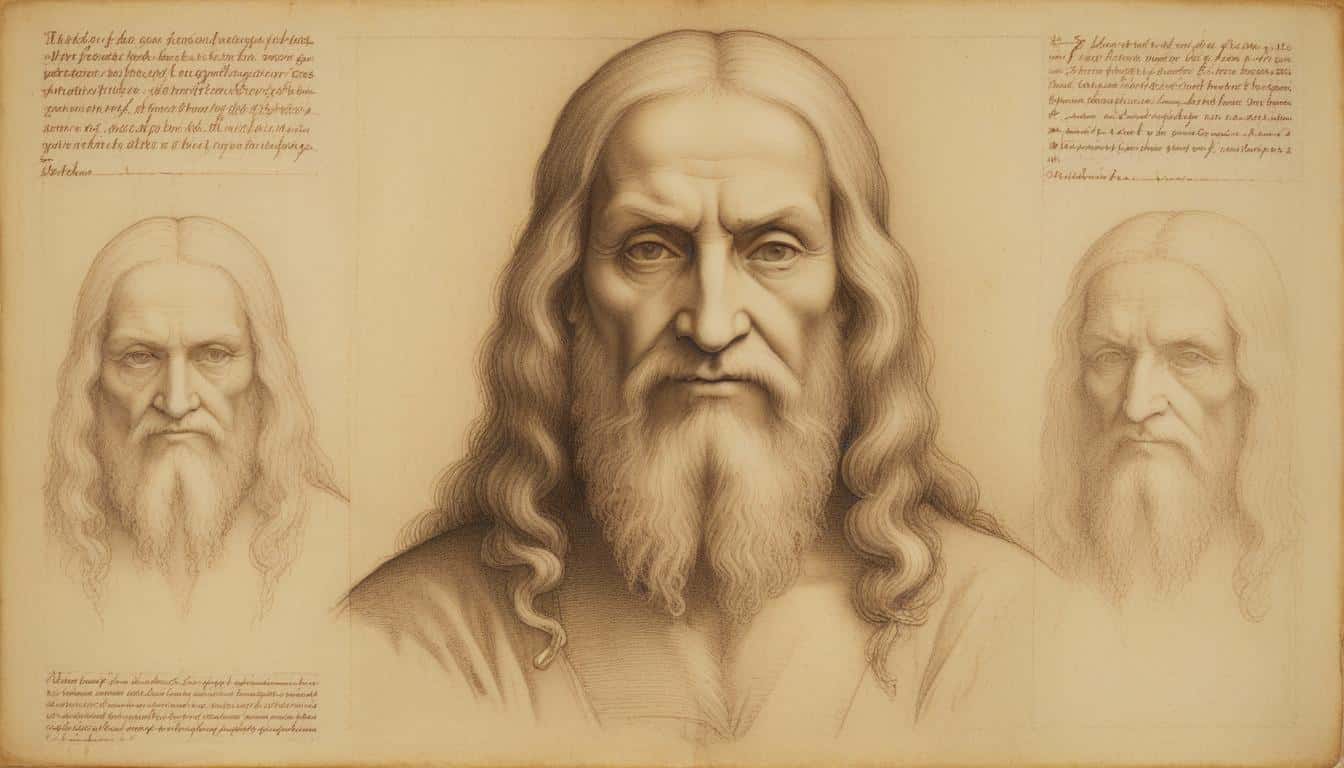
Legacy and Influence
Lesson Details & Resources
In a Nutshell
- Artist: Leonardo da Vinci
- Year: 1519
- Medium: Oil on canvas
- Location: Louvre Museum, Paris
Vocabulary List
- Renaissance
- Leonardo da Vinci was a prominent figure in the Renaissance period, a time of great cultural and artistic rebirth in Europe.
- Mona Lisa
- One of Leonardo da Vinci's most famous works is the painting of the Mona Lisa, which is housed in the Louvre Museum in Paris.
- Vitruvian Man
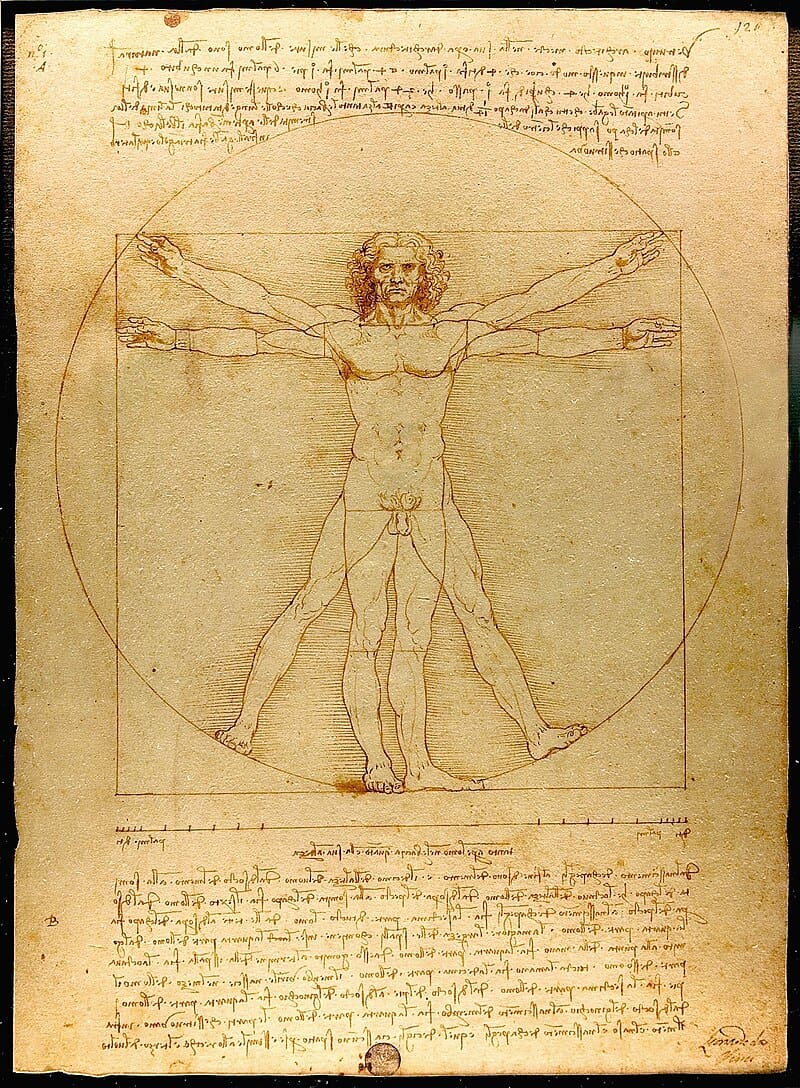
- Leonardo da Vinci created the Vitruvian Man, a drawing that depicts the ideal proportions of the human body.
- Sfumato
- Leonardo da Vinci was known for his use of sfumato, a painting technique that creates soft, blurred edges and transitions.
- Anatomy
- Leonardo da Vinci was a skilled anatomist and often studied human anatomy to inform his artwork.
- Perspective
- Leonardo da Vinci was a master of perspective, using techniques to create depth and realism in his paintings.
- Codex
- Leonardo da Vinci's notebooks, known as codices, contain sketches, scientific observations, and ideas for inventions.
- Chiaroscuro
- Leonardo da Vinci used chiaroscuro, a technique of contrasting light and shadow, to create a sense of volume in his paintings.
- Last Supper
- One of Leonardo da Vinci's most famous frescoes is The Last Supper, depicting the moment Jesus announces that one of his disciples will betray him.
- Invention
- Leonardo da Vinci was not only a painter but also an inventor, creating designs for flying machines, war machines, and more.
- Sketch
- Leonardo da Vinci's sketches are known for their detail and precision, often serving as studies for his larger works.
- Leonardo da Vinci
- Leonardo da Vinci was a polymath, excelling in various fields such as art, science, engineering, and anatomy.
- Composition
- Leonardo da Vinci's paintings are known for their careful composition, with every element placed purposefully within the frame.
- Artistic genius
- Leonardo da Vinci is often considered one of the greatest artistic geniuses of all time, with his works admired for their beauty and innovation.
- Raphael
- Leonardo da Vinci's contemporary, Raphael, was also a renowned artist of the Renaissance period.
- Renaissance man
- Leonardo da Vinci is often described as a 'Renaissance man,' a term used to describe someone who excels in multiple areas of study and creativity.
- Fresco
- Leonardo da Vinci used the fresco technique in many of his works, painting directly onto wet plaster to create vibrant and long-lasting images.
- Study of light
- Leonardo da Vinci was fascinated by the study of light and its effects, often incorporating this knowledge into his paintings.
- Sfumato
- Leonardo da Vinci's use of sfumato in his paintings gives them a soft, ethereal quality, with subtle gradations of light and shadow.
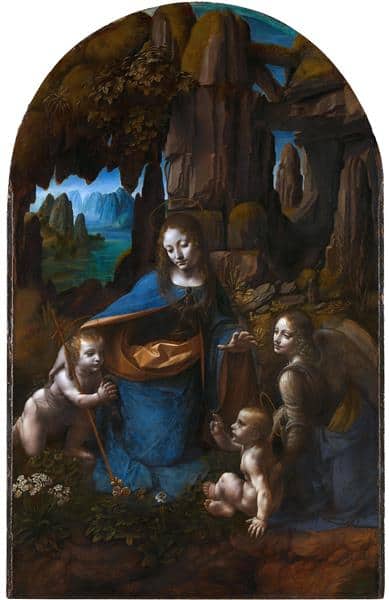
- Madonna of the Rocks
- One of Leonardo da Vinci's religious paintings, Madonna of the Rocks, is known for its intricate composition and use of symbolism.
Timeline of Leonardo da Vinci: An Analysis
Leonardo da Vinci is born in Vinci, Italy
Leonardo begins an apprenticeship with artist Andrea del Verrocchio
Leonardo paints his first known work, 'The Annunciation'
Leonardo moves to Milan and begins working for Duke Ludovico Sforza
Leonardo paints 'The Last Supper' in the refectory of Santa Maria delle Grazie
Leonardo designs a flying machine and a parachute
Leonardo paints the 'Mona Lisa'
Leonardo begins working on the 'Battle of Anghiari' mural
Leonardo returns to Milan and works on various projects
Leonardo moves to Rome and begins working for Pope Leo X
Leonardo moves to France and becomes a court painter for King Francis I
Leonardo dies at Clos Lucé in France
Leonardo's notebooks and sketches are compiled and published posthumously
Leonardo's works inspire the Renaissance and future generations of artists
Key Facts
This is the information used in the fact matching game
- Leonardo da Vinci was an Italian artist, scientist, and inventor who is considered one of the greatest geniuses of all time.
- He is best known for works such as the Mona Lisa and The Last Supper, which are two of the most famous paintings in the world.
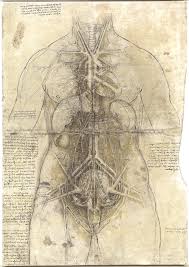
- Leonardo was a master of anatomy and his detailed drawings of the human body are still studied by artists and scientists today.
- He was also a skilled engineer and designed inventions such as flying machines, bridges, and war machines.
- Leonardo's notebooks contain thousands of pages of drawings, notes, and ideas on a wide range of subjects, from art and science to mathematics and engineering.
- He was born in Vinci, Italy in 1452 and died in France in 1519.
- Leonardo was left-handed and wrote his notes in mirror writing, from right to left.
- He was known for his meticulous attention to detail and his use of light and shadow to create depth in his paintings.
- Leonardo was a vegetarian and had a great love for animals, often including them in his paintings.
- He was a perfectionist and often took years to complete a single painting, such as the Mona Lisa.
- Leonardo was a close friend of the Medici family in Florence and received commissions from them for various projects.
- He was also a talented musician and composer, playing the lute and designing musical instruments.
- Leonardo was a pioneer in the field of paleontology and made detailed studies of fossils and geological formations.
- He was known for his innovative techniques in painting, such as sfumato, which creates a soft, blurred effect.
- Leonardo's painting, The Last Supper, is considered one of the greatest masterpieces of all time and is located in Milan, Italy.
- He was a mentor to other famous artists such as Raphael and Michelangelo.
- Leonardo's scientific drawings and observations were far ahead of his time and influenced later scientists such as Galileo and Newton.
- He was known for his innovative use of perspective in his paintings, creating a sense of depth and realism.
- Leonardo was a deeply religious man and often included religious themes in his artwork.
- He was buried in the Chapel of Saint-Hubert in France, where his tomb remains a popular tourist attraction.
Analysis & Significance
Artistic Innovation
Leonardo da Vinci’s innovative use of chiaroscuro, the contrast between light and shadow, brought a new level of realism and depth to his work. His meticulous attention to detail and anatomical accuracy in pieces like the Vitruvian Man and The Last Supper set a new standard for artistic representation.
Influence on Art History
Da Vinci’s multidisciplinary approach to art and science paved the way for the Renaissance ideal of the “Renaissance Man.” His exploration of human anatomy, perspective, and engineering not only influenced his contemporaries but also inspired generations of artists and thinkers, from Michelangelo to modern-day innovators.
Cultural Significance Today
Leonardo da Vinci’s works continue to captivate audiences worldwide, with his paintings like the Mona Lisa and The Last Supper being iconic symbols of artistic excellence. His legacy as a master of the Renaissance period and his contributions to various fields of study make him a revered figure in art history, serving as a timeless source of inspiration for future generations.
Leonardo da Vinci: An Analysis Games


Take Your Learning Offline
Want a convenient, print-ready study guide for this lesson? Become a Memory Wizards Pro member to unlock the downloadable " Memory Scrolls" for this topic and our entire library!
- ✓ Complete Vocabulary Lists
- ✓ Key Facts & Timelines
- ✓ Beautifully Formatted for Print & Mobile