
At a Glance - Infographic
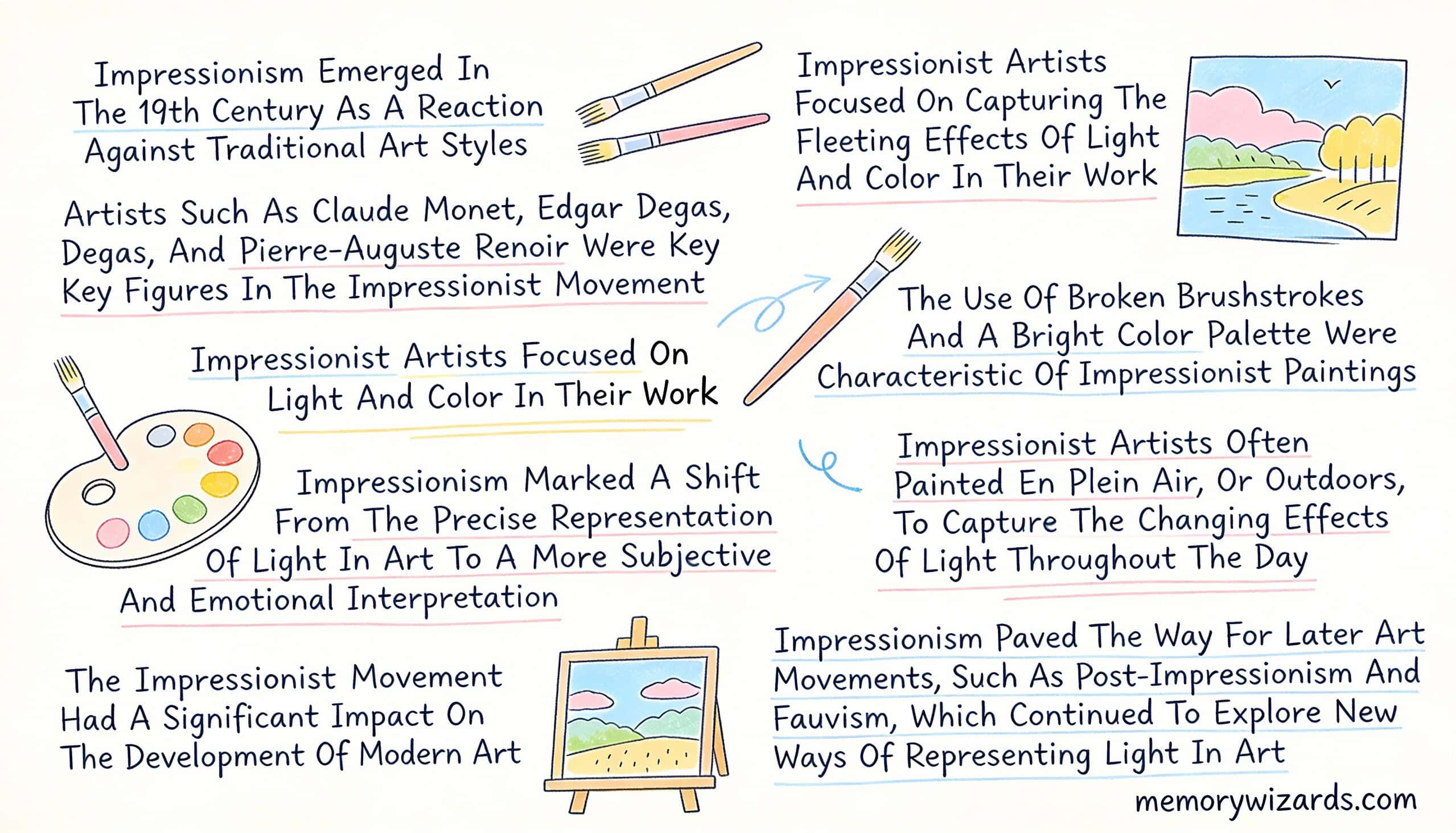
How Do You Learn Best?
Learn by Listening
Start with the 3-minute audio summary to get the key facts and narrative highlights quickly.
Learn by Reading
Immerse yourself in the 10-minute visual lesson for a comprehensive understanding of the topic.
Learn by Reviewing
Jump directly to the key facts, timeline, and vocabulary lists to build a solid foundation of details.
Learn by Doing
Challenge yourself! Jump straight into the interactive games to learn by trial, error, and discovery.
The Masterpiece: Captivating Sunrise: Monet's Impression

Deconstructing the Masterpiece
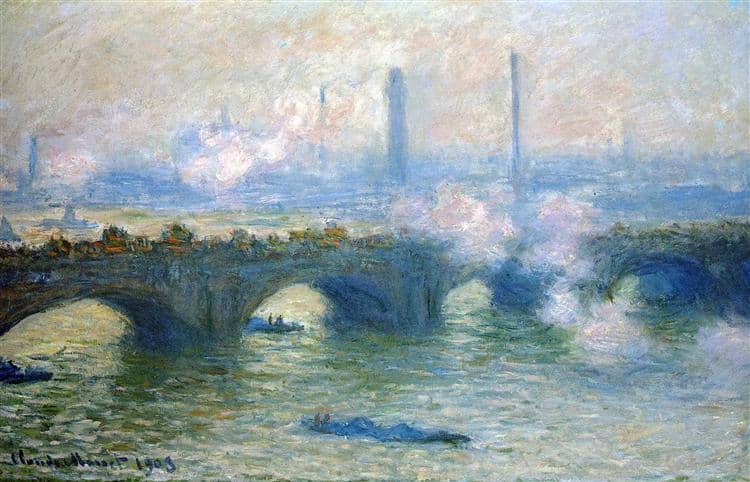
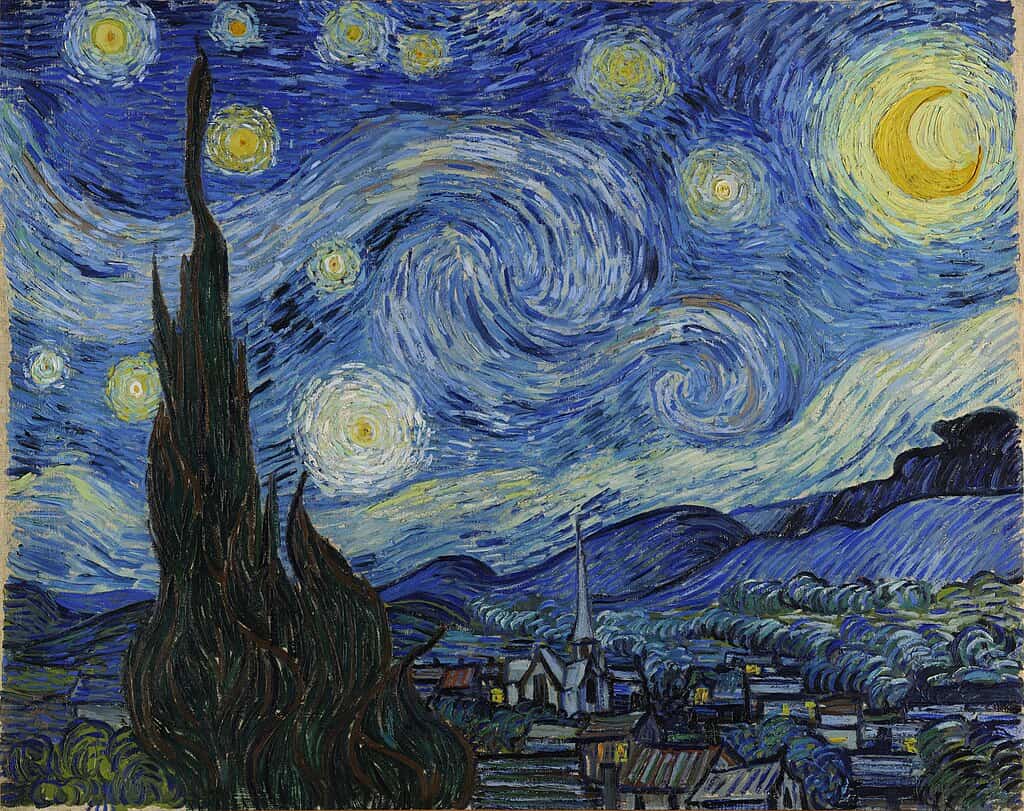
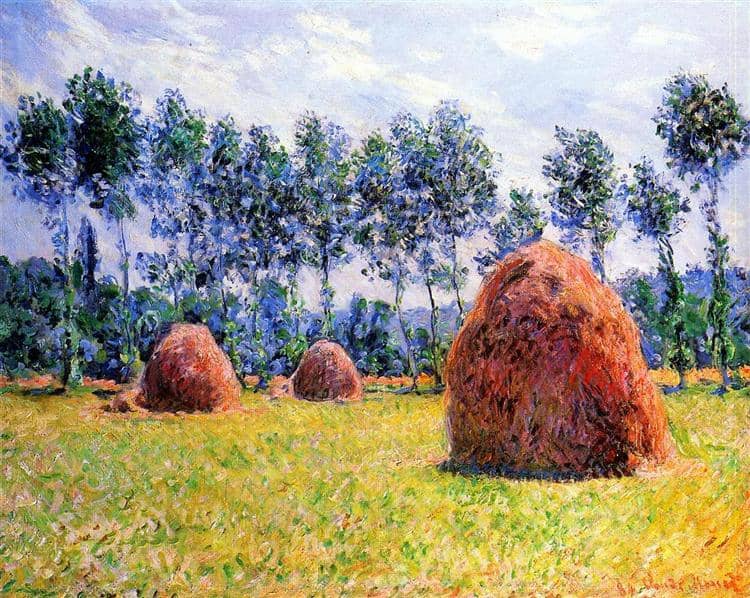
Broken Brushstrokes
Loose, rapid brushwork captures fleeting impressions of light and movement, giving a sense of spontaneity and immediacy.
Color Harmony
Vibrant colors are juxtaposed to create optical mixing, enhancing the overall luminosity and atmospheric quality of the scene.
Outdoor Scenes
Emphasis on natural light and open-air settings, portraying the effects of changing light on landscapes and everyday scenes.
Focus on Transience
Artists depict the passing of time through the changing qualities of light, capturing moments of flux and impermanence in their work.
Audio Library
As one of our featured lessons, this topic includes premium audio guides.
Unlock the Wizard's Cram Session
This powerful audio study guide is a Pro-exclusive feature. Upgrade to Memory Wizards Pro to access this and all of our premium learning tools.
Upgrade to ProImpressionism and the Changing Role of Light in Art: An Analysis in 10 Minutes
Introduction

Claude Monet
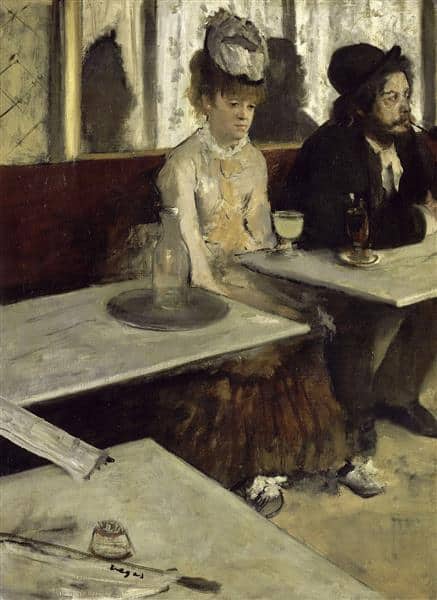
Edgar Degas

Camille Pissarro
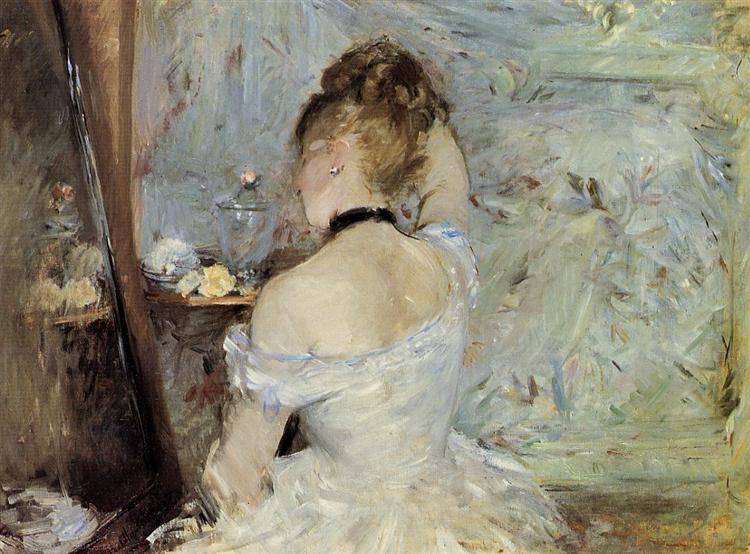
Berthe Morisot

1. The Birth of Impressionism
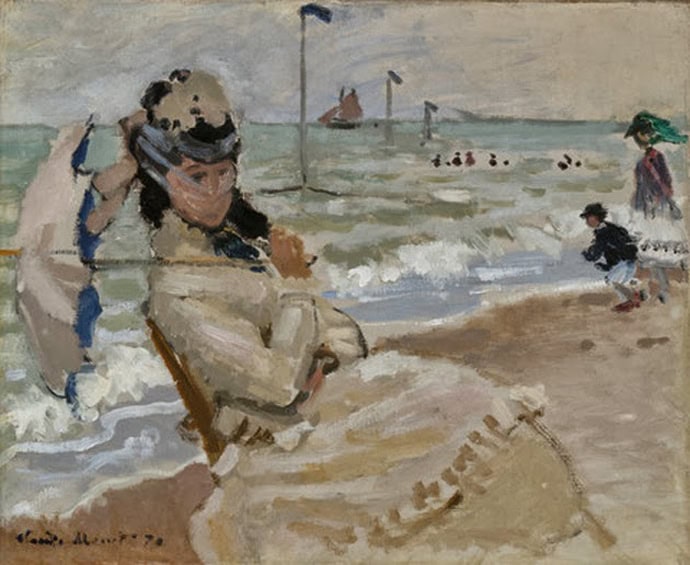
2. Embracing Natural Light
3. Influence of Photography
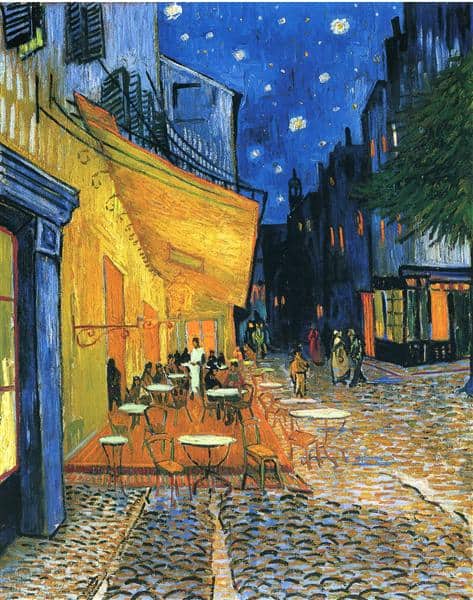
4. Changing Perspectives
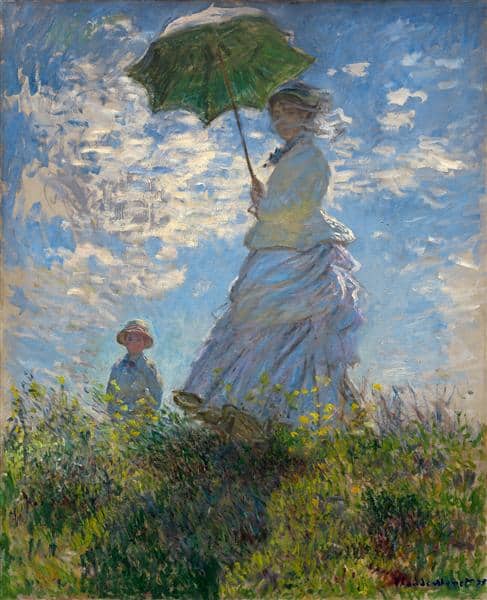
5. Breaking from Tradition
6. The Role of Shadows
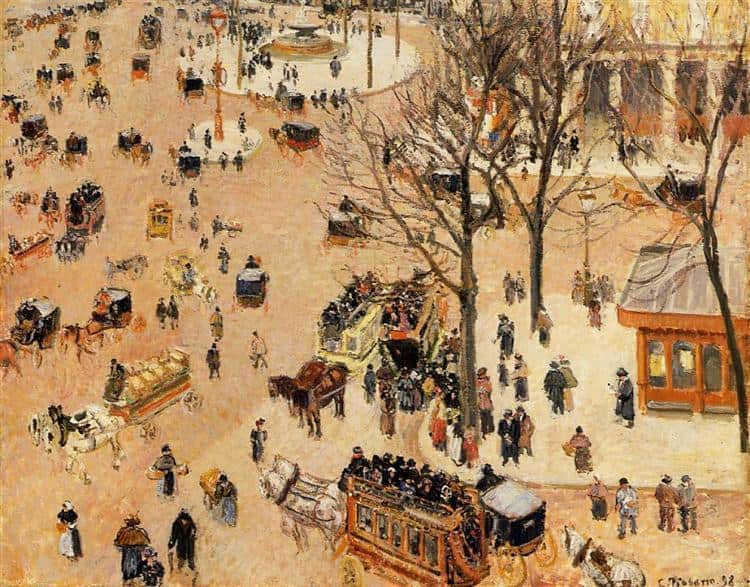
7. Capturing Movement

8. The Influence of Japanese Art
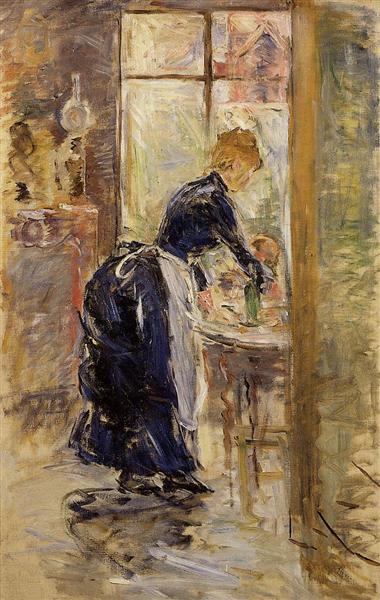
9. Legacy of Impressionism
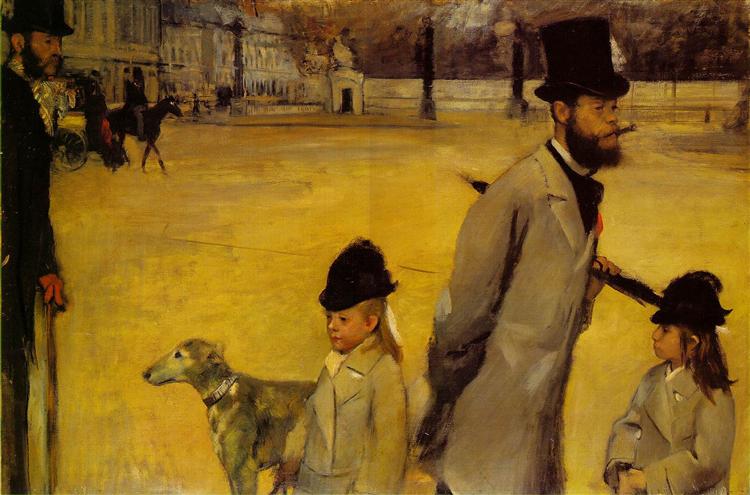
10. Evolving Techniques
Lesson Details & Resources
In a Nutshell
- Artist: Claude Monet
- Year: 1872
- Medium: Oil on canvas
- Location: Musée d’Orsay, Paris
Vocabulary List
- Impressionism
- The art movement that focused on capturing the fleeting effects of light and atmosphere.
- Monet
- One of the most famous Impressionist painters known for his use of light and color.
- Plein air
- The practice of painting outdoors to capture natural light and atmosphere.
- En plein air
- French for 'in the open air', a term used to describe painting outdoors.
- Claude Monet
- A key figure in Impressionism known for his series of paintings depicting the same subject at different times of day.
- Light
- A central focus of Impressionist art, used to convey mood and atmosphere.
- Color
- Impressionists used vibrant colors to capture the effects of light on their subjects.
- Brushwork
- Impressionist painters used loose and visible brushstrokes to suggest the play of light.
- Atmosphere
- Impressionist paintings often convey a sense of mood and atmosphere through the use of light and color.
- Dappled
- A term used to describe the effect of light filtering through leaves or other objects.
- Refraction
- The bending of light as it passes through different mediums, often depicted in Impressionist paintings.
- Shadows
- Impressionists used shadows to create depth and contrast in their compositions.
- Reflection
- Impressionists often depicted the reflection of light on water or other surfaces.
- Sunlight
- A key source of inspiration for Impressionist painters, who sought to capture its changing effects.
- Natural light
- Impressionists favored painting outdoors to capture the natural light and colors of the landscape.
- Optical mixing
- The practice of placing small, distinct strokes of color next to each other to create the illusion of blended colors.
- Ephemeral
- Impressionist paintings often capture fleeting moments of light and atmosphere.
- Vibrant
- Impressionist paintings are known for their vibrant colors and lively brushwork.
- Landscape
- Impressionist painters often focused on landscapes and outdoor scenes to capture the effects of light.
- Apparition
- Impressionist paintings often have a dreamlike quality, with figures and scenes appearing almost like apparitions in the shifting light.
Timeline of Impressionism and the Changing Role of Light in Art: An Analysis
Introduction of the term 'Impressionism' by art critic Louis Leroy in response to the painting 'Impression, Sunrise' by Claude Monet
First Impressionist exhibition held in Paris, featuring works by Monet, Renoir, Degas, and Pissarro
Exhibition of Impressionist artworks at the Salon des Refusés
Expansion of the Impressionist movement to include artists such as Mary Cassatt and Berthe Morisot
Development of the 'plein air' painting technique, where artists paint outdoors to capture natural light
Interest in capturing changing light conditions and atmospheric effects in paintings
Inclusion of vibrant colors and loose brushwork in Impressionist paintings
Growing popularity of Impressionism in Europe and the United States
Criticism and rejection of Impressionist works by traditional art critics and the academic art establishment
Influence of Japanese art on Impressionist compositions and use of light
Shift towards Post-Impressionism and other modern art movements in the late 19th and early 20th centuries
Recognition and appreciation of Impressionism as a groundbreaking art movement in the 20th century
Continued influence of Impressionism on contemporary art and artists
Revival of interest in Impressionism and the changing role of light in art in the 21st century
Key Facts
This is the information used in the fact matching game
- Impressionism was a 19th-century art movement that originated in France.
- Impressionist painters sought to capture the fleeting effects of light on their subjects.
- The changing role of light in Impressionist art was influenced by advancements in science and technology.
- Impressionist artists often painted outdoors en plein air to accurately depict the effects of natural light.
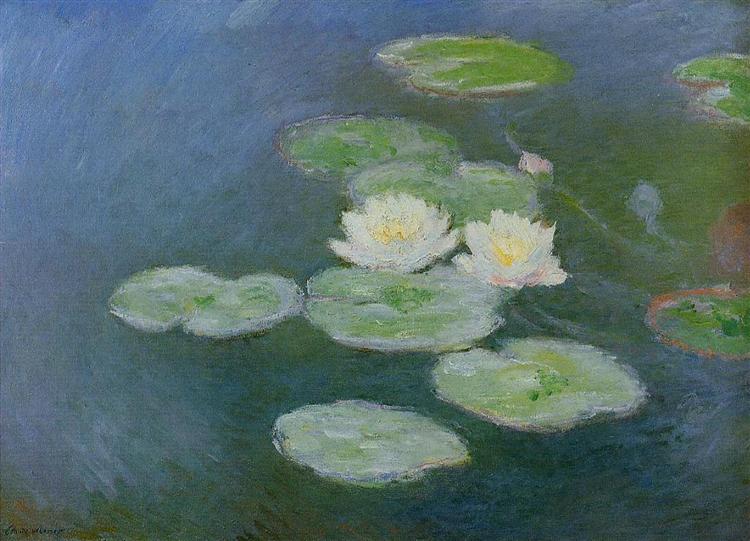
- Claude Monet's series of paintings of water lilies exemplify the changing role of light in Impressionist art.
- Edgar Degas' use of artificial lighting in his works challenged traditional notions of light in art.
- The use of color theory was integral to the depiction of light in Impressionist paintings.
- Impressionist artists often used broken brushstrokes and dabs of color to create the illusion of light.
- The changing role of light in Impressionist art reflected a shift towards more subjective and emotional interpretations of reality.
- Mary Cassatt's depictions of mothers and children showcase the influence of light on intimate scenes.
- Impressionism paved the way for modern art movements by challenging traditional artistic conventions.
- The use of light in Impressionist art was a response to the changing urban landscape of the 19th century.
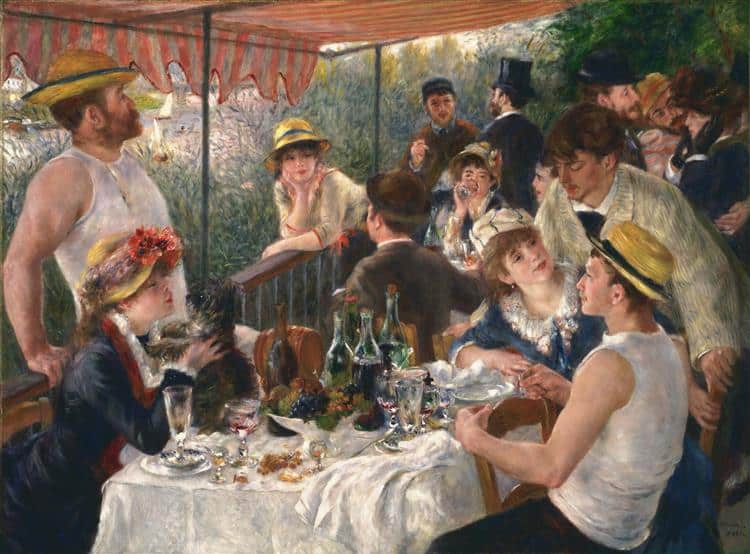
- Pierre-Auguste Renoir's paintings of dance halls and cafes capture the vibrant play of light in social settings.
- The Impressionist emphasis on light and color was a rejection of the academic emphasis on line and form.
- Berthe Morisot's paintings of domestic scenes highlight the changing role of light in intimate settings.
- Impressionist artists often used contrasting colors to create the illusion of light and shadow.
- The changing role of light in Impressionist art reflected a broader cultural shift towards individualism and subjectivity.
- Gustave Caillebotte's paintings of urban scenes showcase the changing role of artificial light in the modern city.
- Impressionist artists often painted en plein air to capture the effects of changing light throughout the day.
- The changing role of light in Impressionist art was influenced by the rise of photography and its ability to capture fleeting moments.
Analysis & Significance
Artistic Innovation
Impressionism revolutionized the depiction of light in art, emphasizing the fleeting effects of natural light and atmosphere. Artists such as Claude Monet and Edgar Degas utilized loose brushstrokes and vibrant colors to capture the essence of a scene at a specific moment, rather than focusing on precise details.
Influence on Art History
Impressionism paved the way for modern art movements by challenging traditional techniques and subject matter. Its emphasis on capturing the ephemeral quality of light influenced later artists like the Post-Impressionists, Cubists, and Fauvists, who pushed boundaries even further.
Cultural Significance Today
Impressionism continues to be celebrated for its revolutionary approach to light and color, inspiring artists and captivating audiences worldwide. The movement’s emphasis on capturing fleeting moments and emotions resonates with contemporary viewers, ensuring its enduring popularity and importance in the art world.
Impressionism and the Changing Role of Light in Art: An Analysis Games


Take Your Learning Offline
Want a convenient, print-ready study guide for this lesson? Become a Memory Wizards Pro member to unlock the downloadable " Memory Scrolls" for this topic and our entire library!
- ✓ Complete Vocabulary Lists
- ✓ Key Facts & Timelines
- ✓ Beautifully Formatted for Print & Mobile