
How Do You Learn Best?
Learn by Listening
Start with the 3-minute audio summary to get the key facts and narrative highlights quickly.
Learn by Reading
Immerse yourself in the 10-minute visual lesson for a comprehensive understanding of the topic.
Learn by Reviewing
Jump directly to the key facts, timeline, and vocabulary lists to build a solid foundation of details.
Learn by Doing
Challenge yourself! Jump straight into the interactive games to learn by trial, error, and discovery.
The Masterpiece: Peter Paul Rubens Massacre Of The Innocents
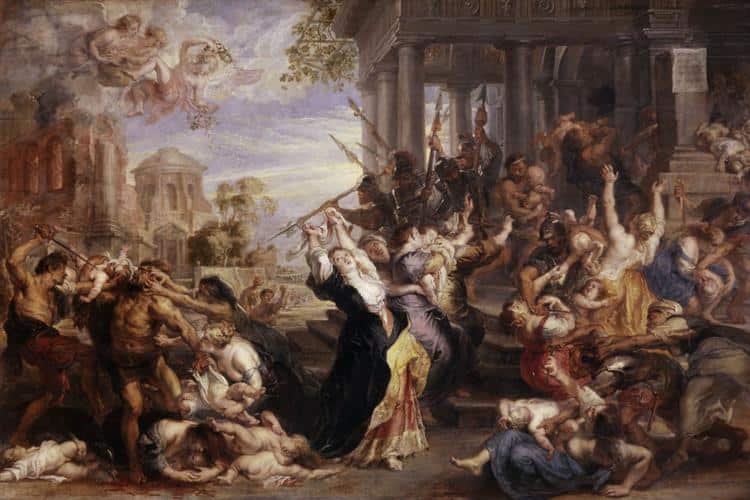
Deconstructing the Masterpiece
Dramatic Composition
The chaotic arrangement of figures creates a sense of urgency and horror, drawing the viewer into the violent scene.
Emotional Expressiveness
Facial expressions and body language convey a range of emotions, from fear and despair to anger and resignation.
Rich Color Palette
Vibrant colors and bold contrasts add intensity and drama to the brutal subject matter.
Intricate Details
Elaborate textures and intricate patterns enhance the visual richness of the painting, showcasing Rubens' skill as a master painter.
Audio Library
As one of our featured lessons, this topic includes premium audio guides.
A Guide to Peter Paul Rubens: The Master of Baroque Art in 10 Minutes
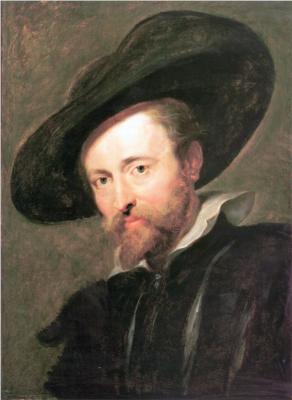
Early Life and Education
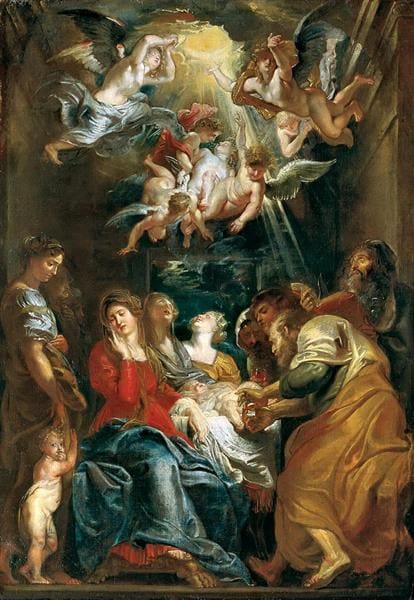
Artistic Training and Travel
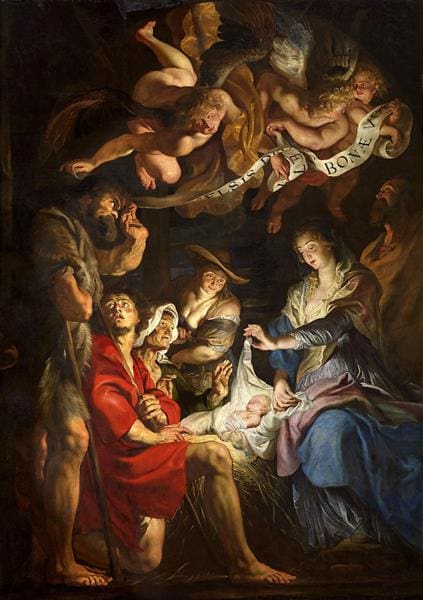
Return to Antwerp
Style and Influence
Marriage and Family
Diplomatic Missions
Later Years and Legacy
Death and Impact
Lesson Details & Resources
In a Nutshell
- When: 17th century
- Characteristics: Baroque, dramatic, dynamic
- Key Artists: Anthony van Dyck, Frans Snyders
- Major Work: “The Descent from the Cross”
Vocabulary List
Timeline of A Guide to Peter Paul Rubens: The Master of Baroque Art
Peter Paul Rubens is born in Siegen, Holy Roman Empire (modern-day Germany)
Rubens moves to Antwerp, Belgium with his mother after his father's death
Apprenticeship with artist Tobias Verhaecht in Antwerp
Travels to Italy and studies classical art in Rome
Returns to Antwerp and becomes court painter to Archduke Albert and Infanta Isabella
Marries Isabella Brant
Opens his own studio in Antwerp
Receives commissions from European royalty and nobility
Appointed as court painter to King Philip IV of Spain
Paints the Marie de' Medici cycle for the Luxembourg Palace in Paris
Travels to England on a diplomatic mission for King Philip IV of Spain
Rubens' wife, Isabella Brant, dies
Rubens marries Hélène Fourment
Continues to receive prestigious commissions and produce art until his death
Peter Paul Rubens dies in Antwerp, Belgium
Key Facts
This is the information used in the fact matching game
- Peter Paul Rubens was a prominent Baroque artist from the Flemish region of Europe.
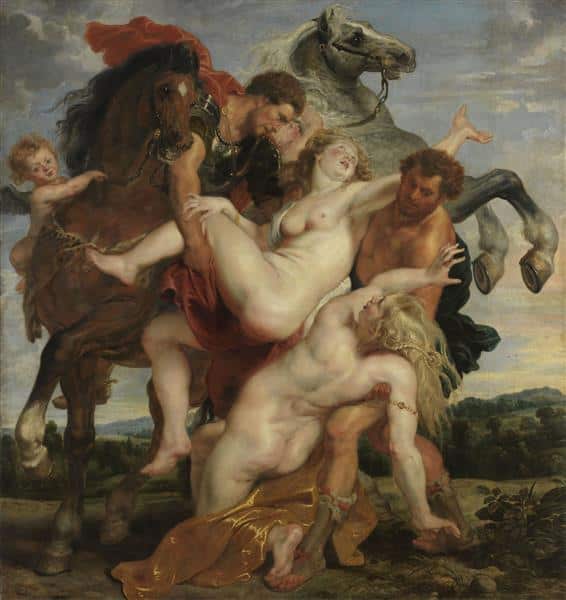
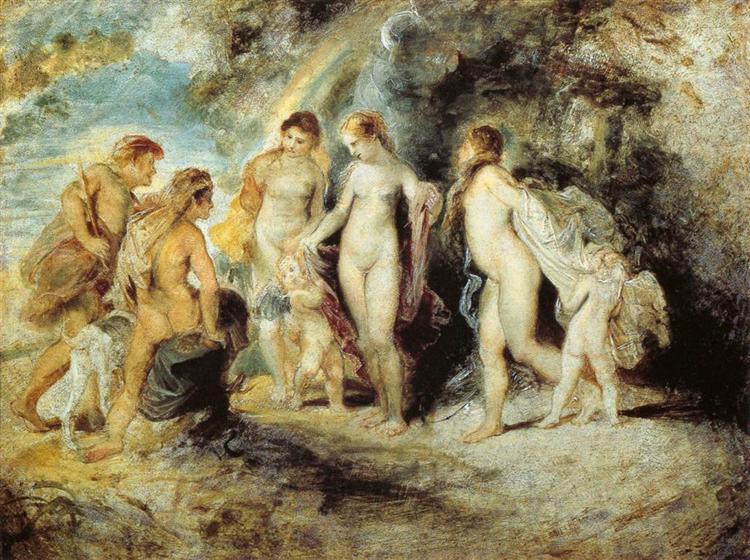
- Rubens was known for his dynamic compositions, rich colors, and dramatic lighting effects.
- Rubens was a prolific artist, producing over 1,400 paintings in his lifetime.
- Rubens was a master of the human form and was renowned for his ability to capture movement and emotion in his figures.
- Rubens often painted mythological and religious subjects, as well as historical events and portraits.
- Rubens' works were highly sought after by European royalty and nobility.
- Rubens' studio was one of the largest and most successful in Europe during his time.
- Rubens often collaborated with other artists in his studio to produce large-scale works.
- Rubens' paintings are known for their sensual and dynamic qualities, as well as their attention to detail.
- Rubens traveled extensively throughout Europe and was exposed to a wide range of artistic styles and influences.
- Rubens' work had a major influence on later Baroque artists, as well as on the development of the Rococo style.
- Rubens' use of color and light was revolutionary for his time and helped to define the Baroque aesthetic.
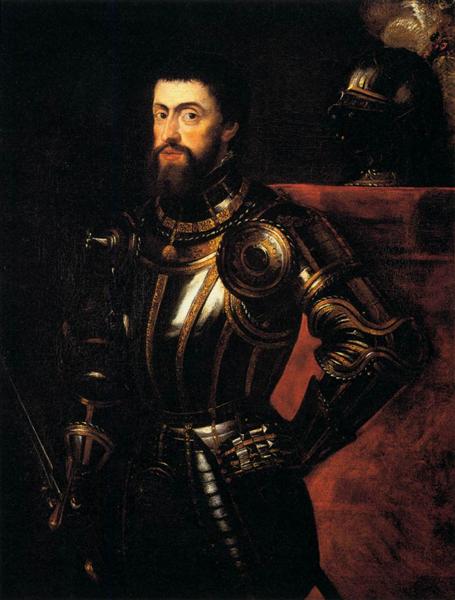
- Rubens was also a skilled diplomat and served as a court painter for several European monarchs.
- Rubens' work was highly praised by his contemporaries, including other artists and art critics.
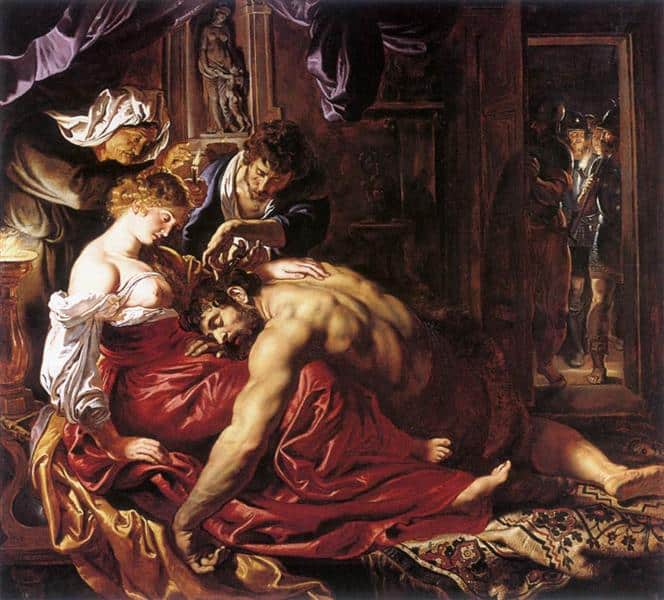
- Rubens' compositions often feature a sense of movement and drama, with figures in dynamic poses and expressive gestures.
- Rubens' paintings often explore themes of love, war, and religion, reflecting the tumultuous times in which he lived.
- Rubens was a versatile artist, skilled in painting, drawing, and printmaking.
- Rubens' work is characterized by its emotional intensity and theatricality, drawing viewers into the dramatic scenes he created.
- Rubens' legacy as a painter continues to be celebrated today, with his works displayed in museums and galleries around the world.
- Rubens' influence can be seen in the work of later artists, such as Peter Lely, Anthony van Dyck, and Diego Velázquez.
Analysis & Significance
Historical Context
Peter Paul Rubens was a Flemish Baroque artist who lived during the 17th century, a time of great cultural and artistic flourishing in Europe. Rubens was influenced by the Counter-Reformation, which sought to reinvigorate the Catholic Church in response to the Protestant Reformation. His works often depicted religious themes and were commissioned by wealthy patrons and the Catholic Church.
Defining Characteristics
Rubens’ style is characterized by dynamic compositions, rich colors, and dramatic lighting. He was known for his ability to capture movement and emotion in his paintings, as well as his mastery of the human form. His works often featured voluptuous figures, influenced by the ideals of beauty of the time.
Lasting Influence
Rubens’ legacy can be seen in the work of many subsequent artists, including the Rococo and Neoclassical painters who followed him. His influence can also be seen in the development of the Baroque style, with its emphasis on drama and emotion. Rubens’ impact on art history is significant, as he helped to shape the course of European art during his time and beyond.
A Guide to Peter Paul Rubens: The Master of Baroque Art Games


Take Your Learning Offline
Want a convenient, print-ready study guide for this lesson? Become a Memory Wizards Pro member to unlock the downloadable " Memory Scrolls" for this topic and our entire library!
- ✓ Complete Vocabulary Lists
- ✓ Key Facts & Timelines
- ✓ Beautifully Formatted for Print & Mobile