
How Do You Learn Best?
Learn by Reading
Immerse yourself in the 10-minute visual lesson for a comprehensive understanding of the topic.
Learn by Reviewing
Jump directly to the key facts, timeline, and vocabulary lists to build a solid foundation of details.
Learn by Doing
Challenge yourself! Jump straight into the interactive games to learn by trial, error, and discovery.
Guyana in 10 Minutes
Introduction
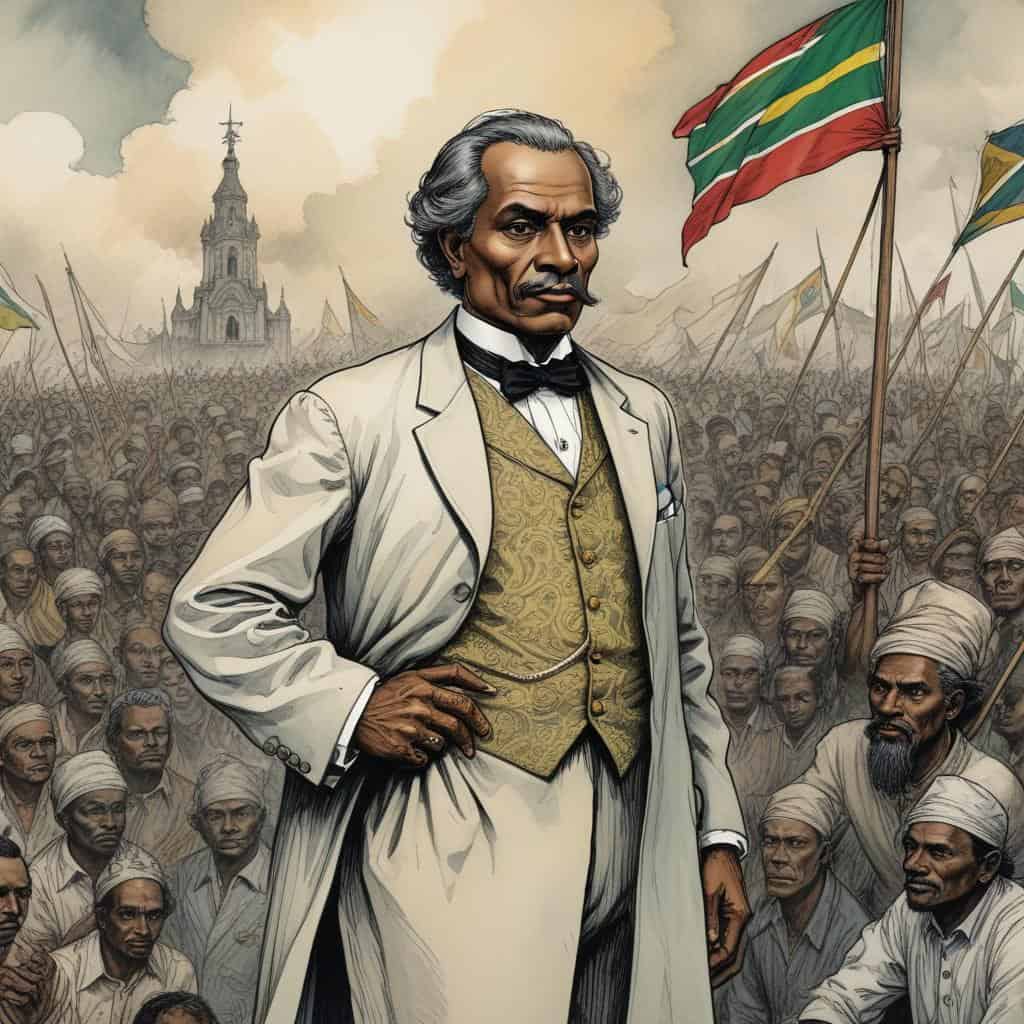
Dr. Cheddi Jagan

Janet Jagan
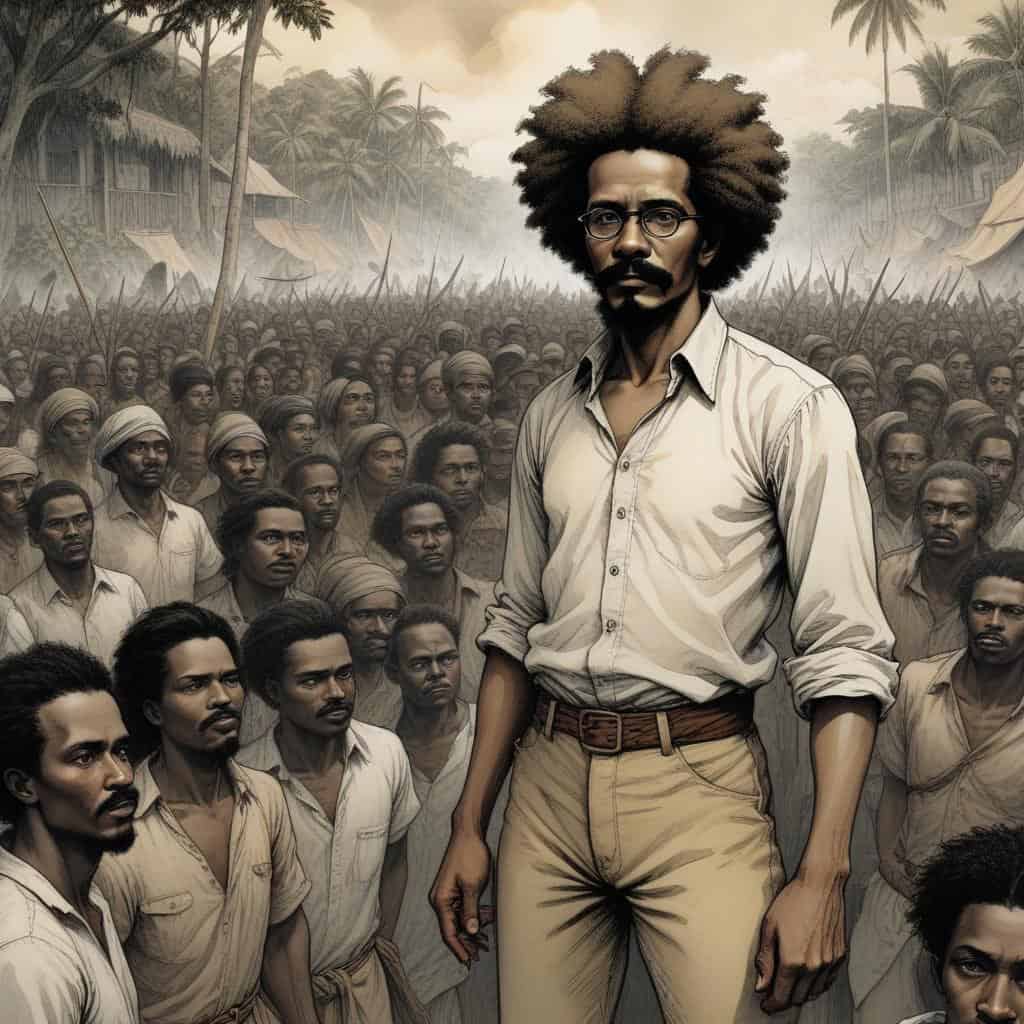
Walter Rodney
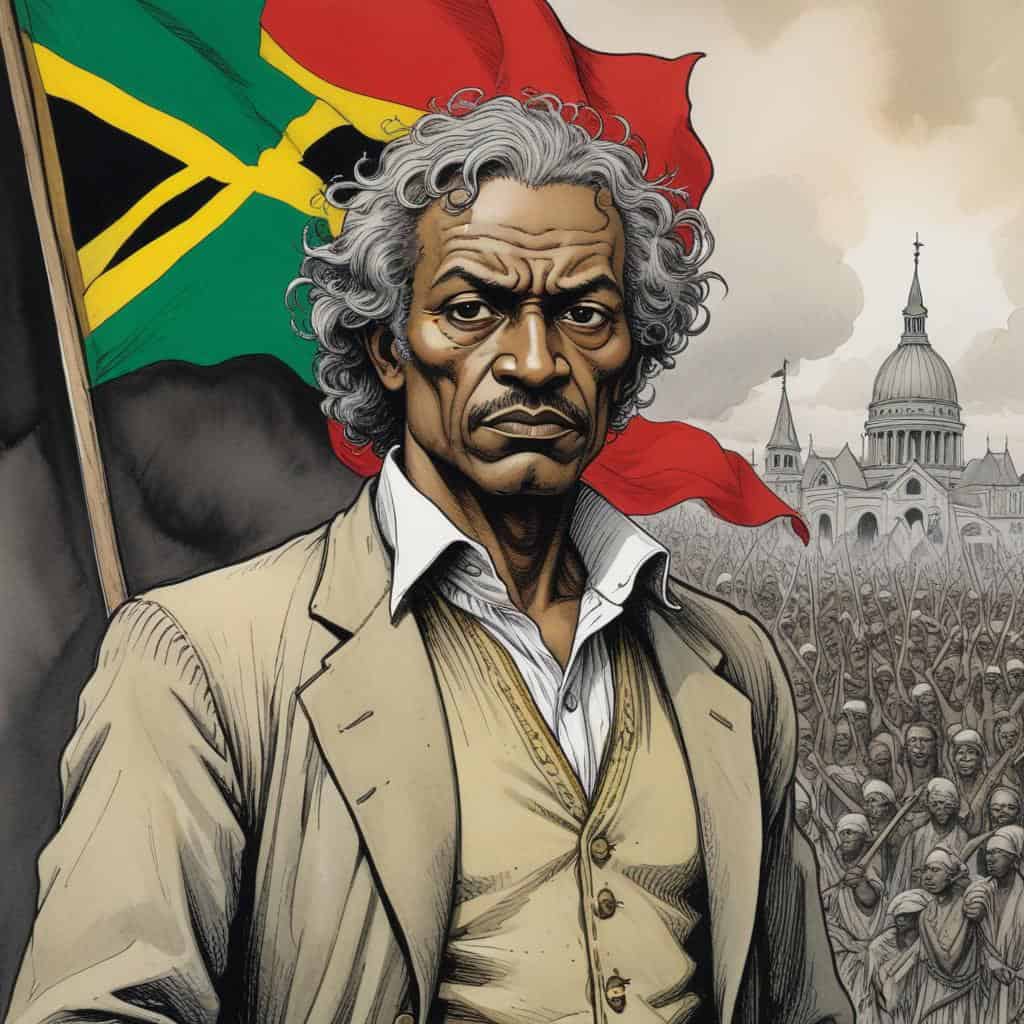
Mark Benschop
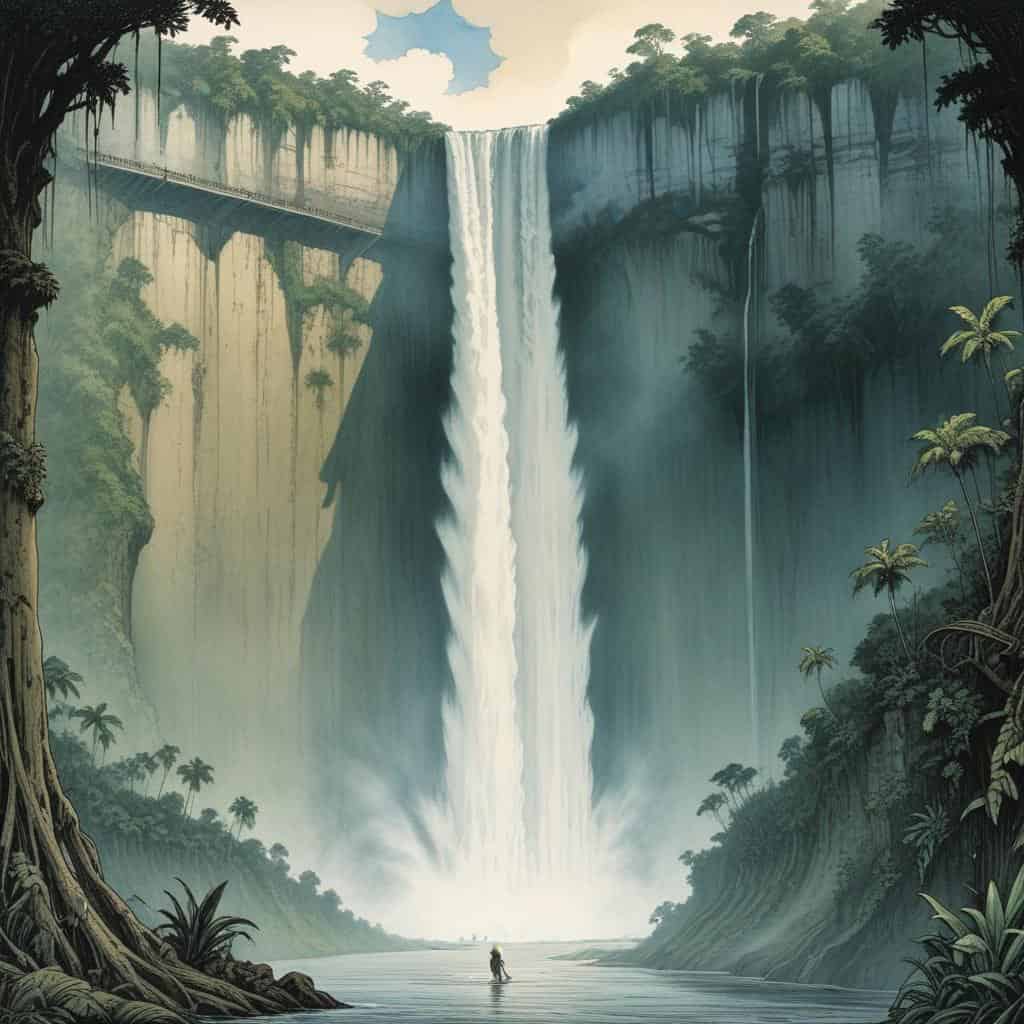
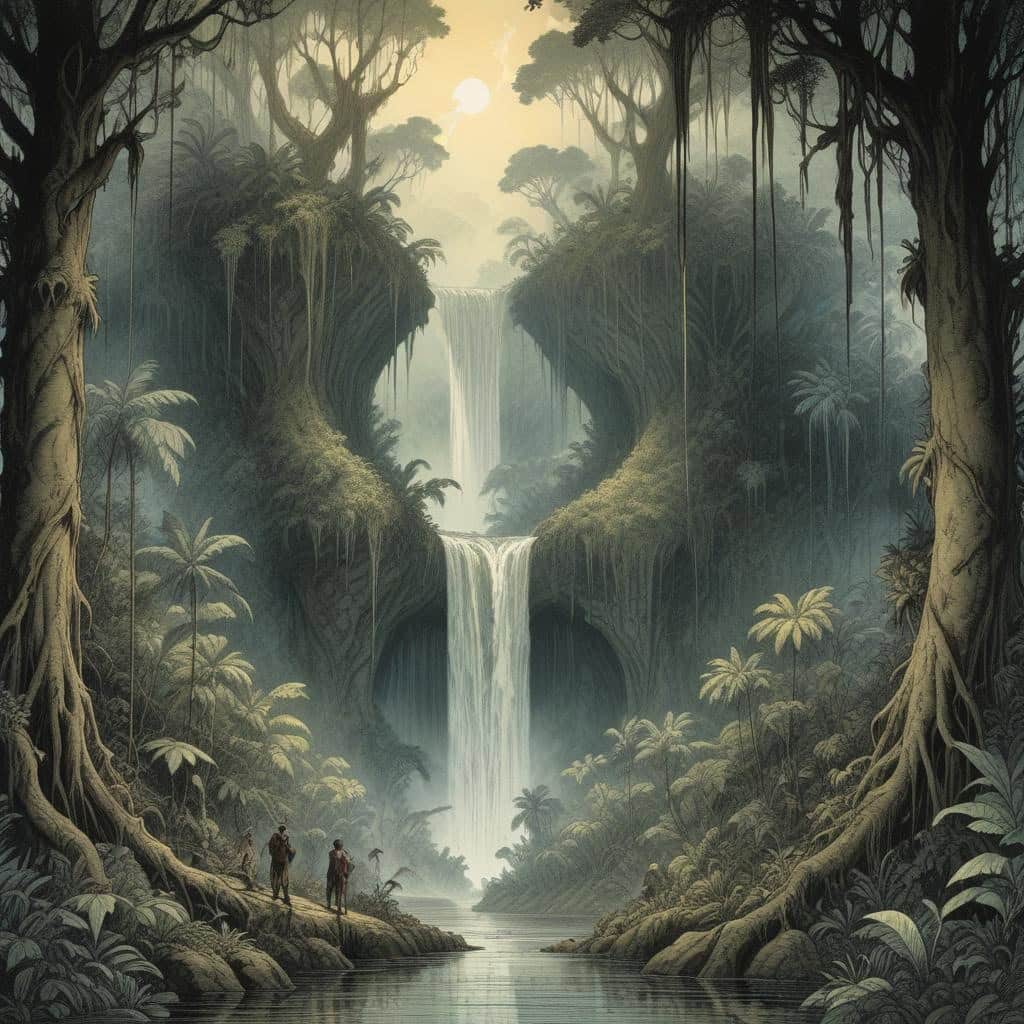
1. Breathtaking Waterfalls
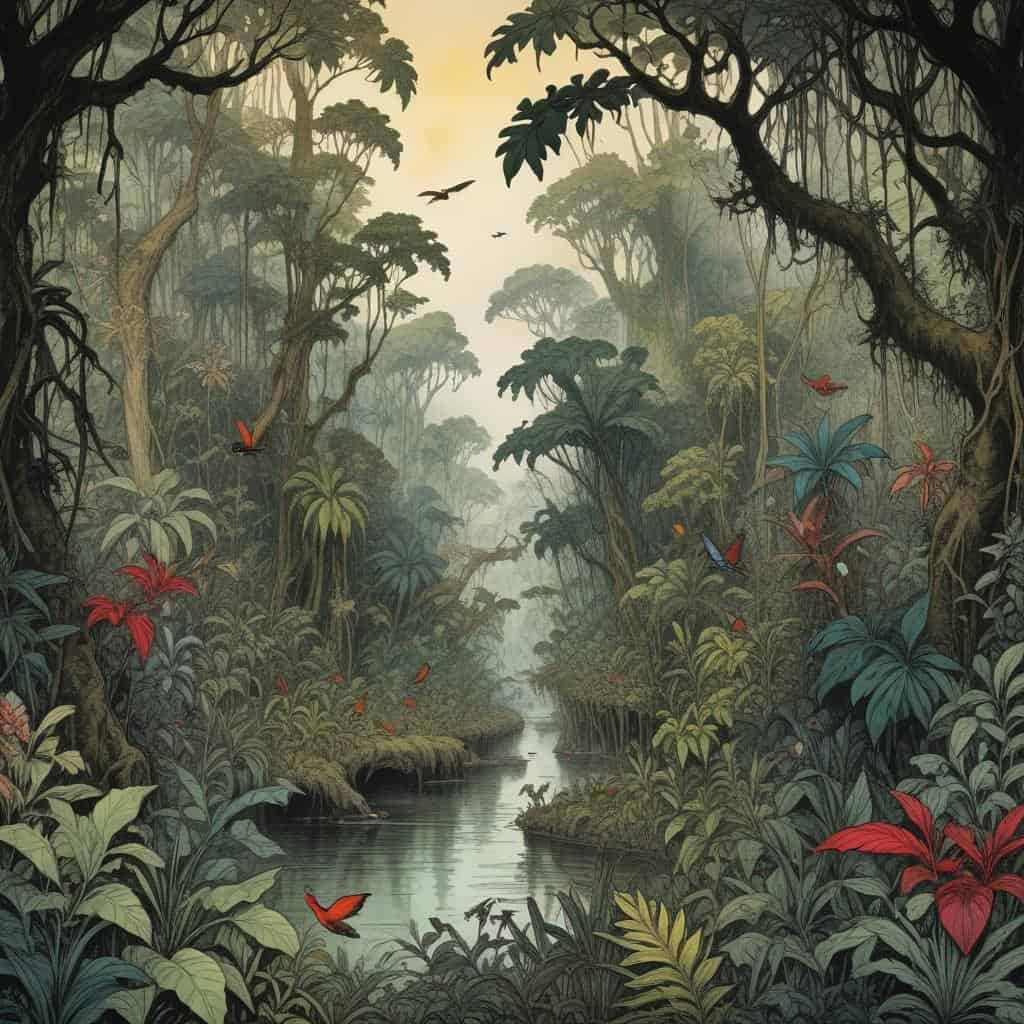
2. Dense Rainforests
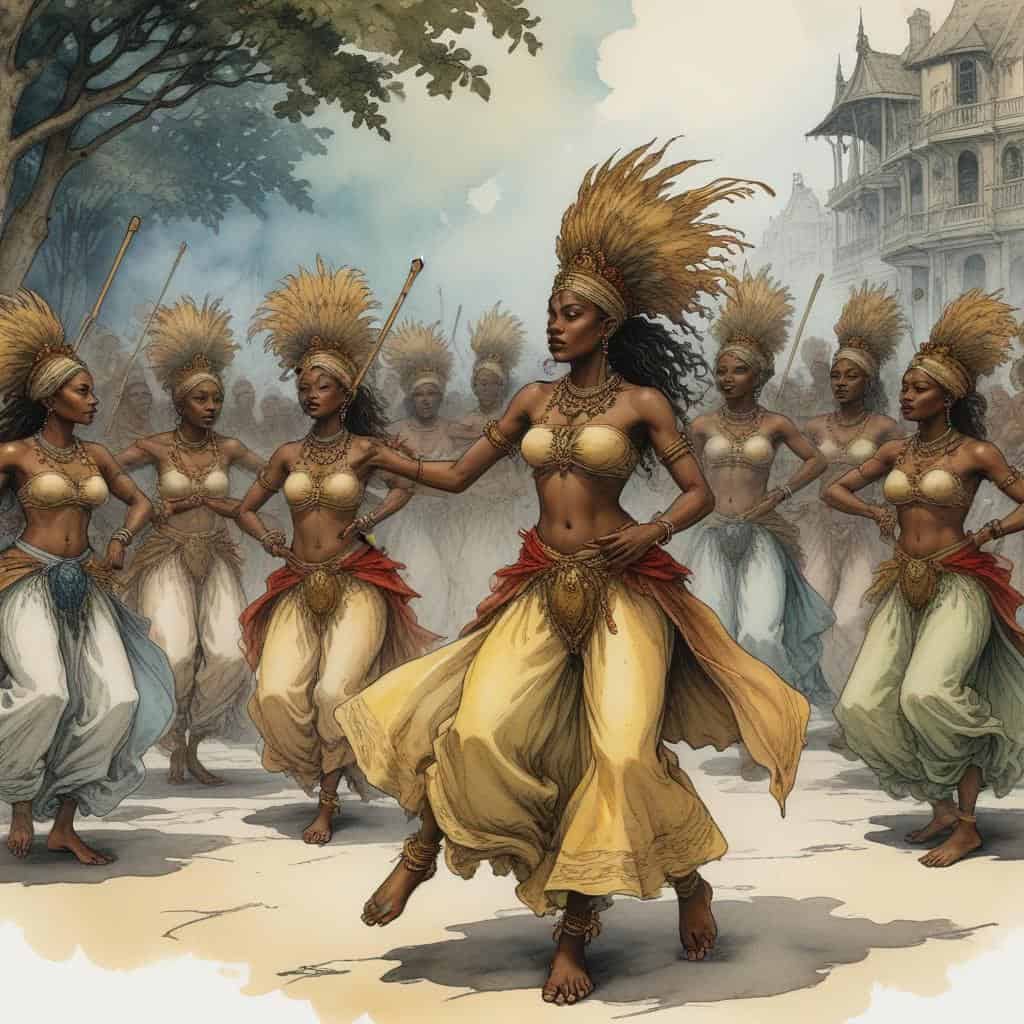
3. Vibrant Culture
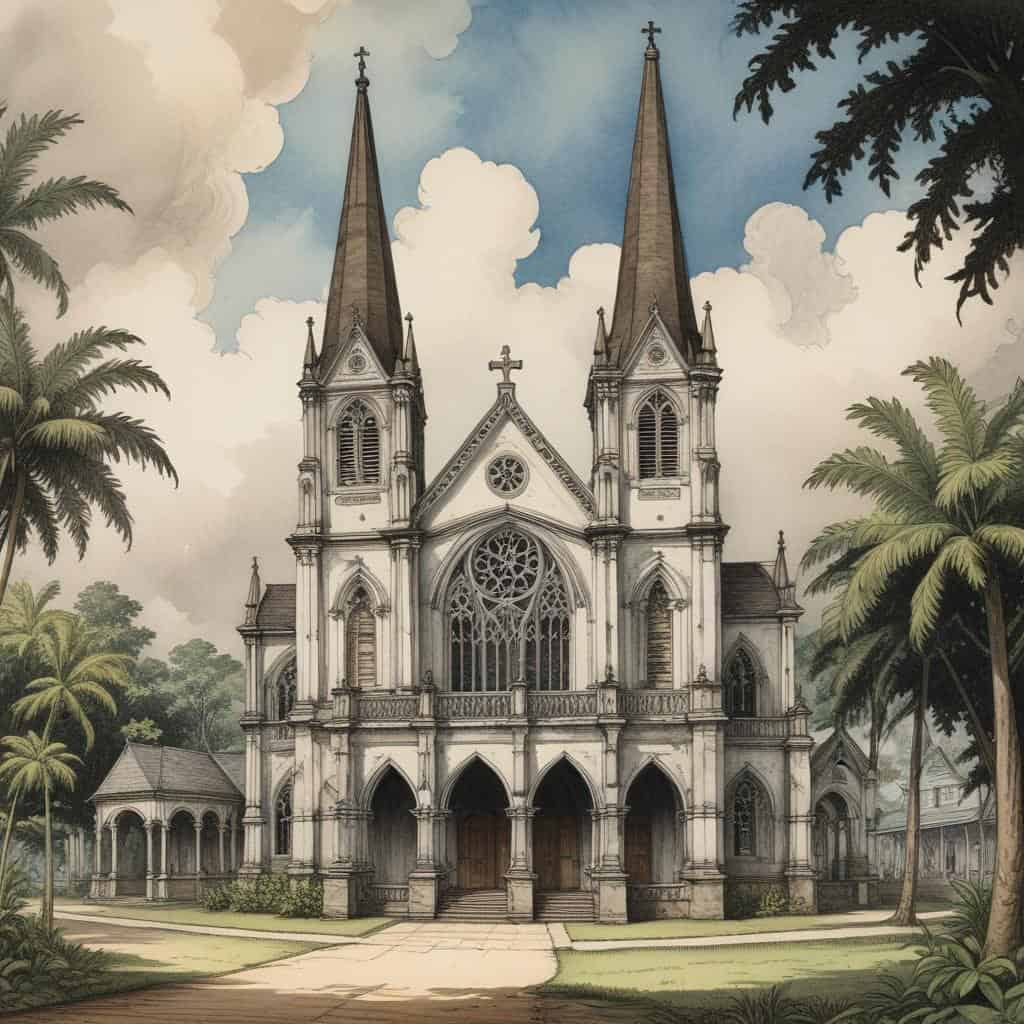
4. Colonial Architecture
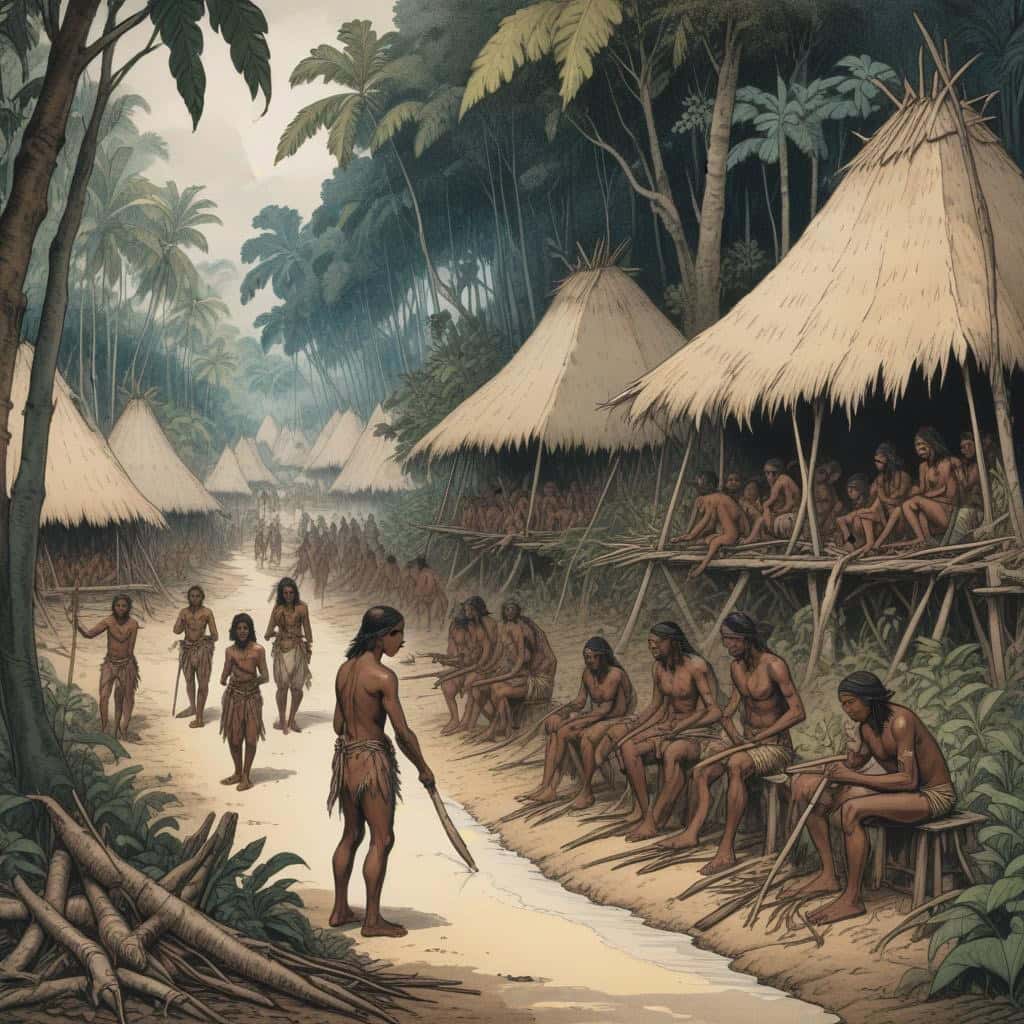
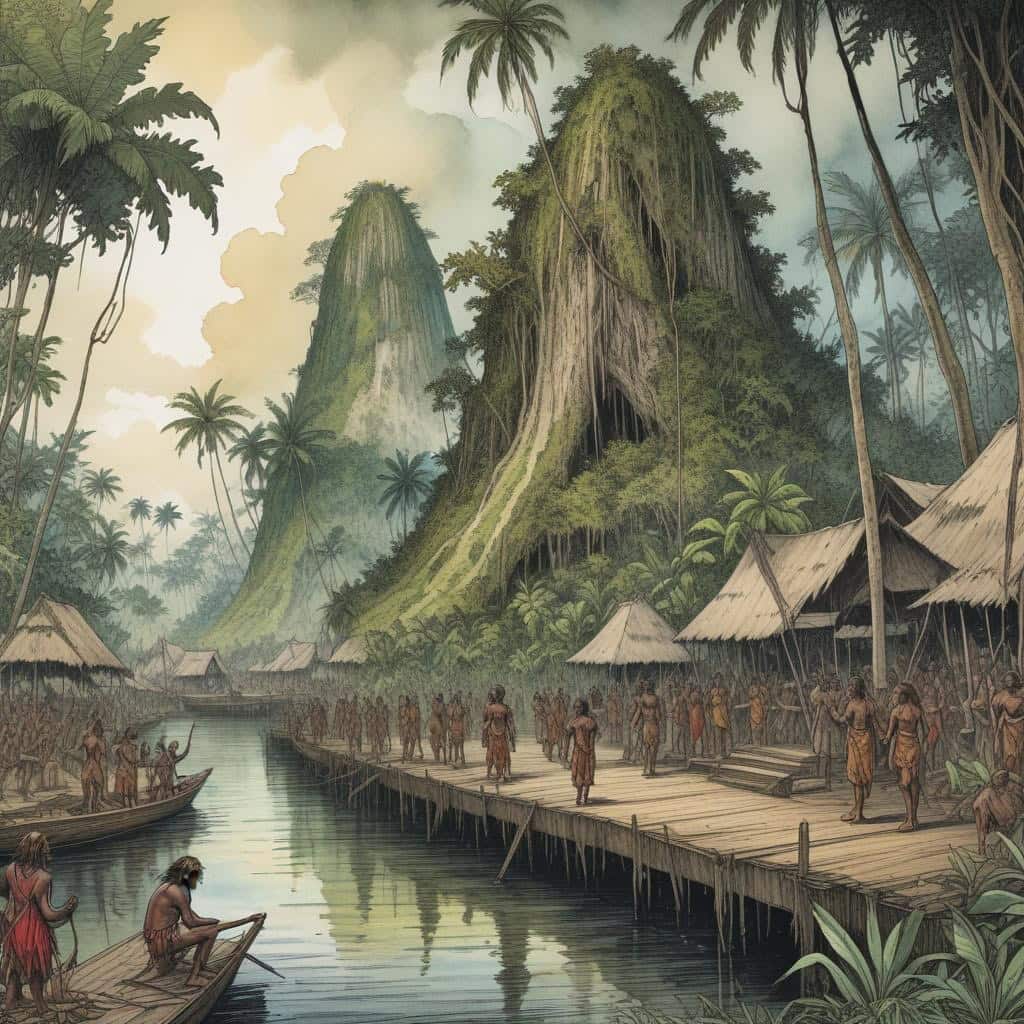
5. Amerindian Villages
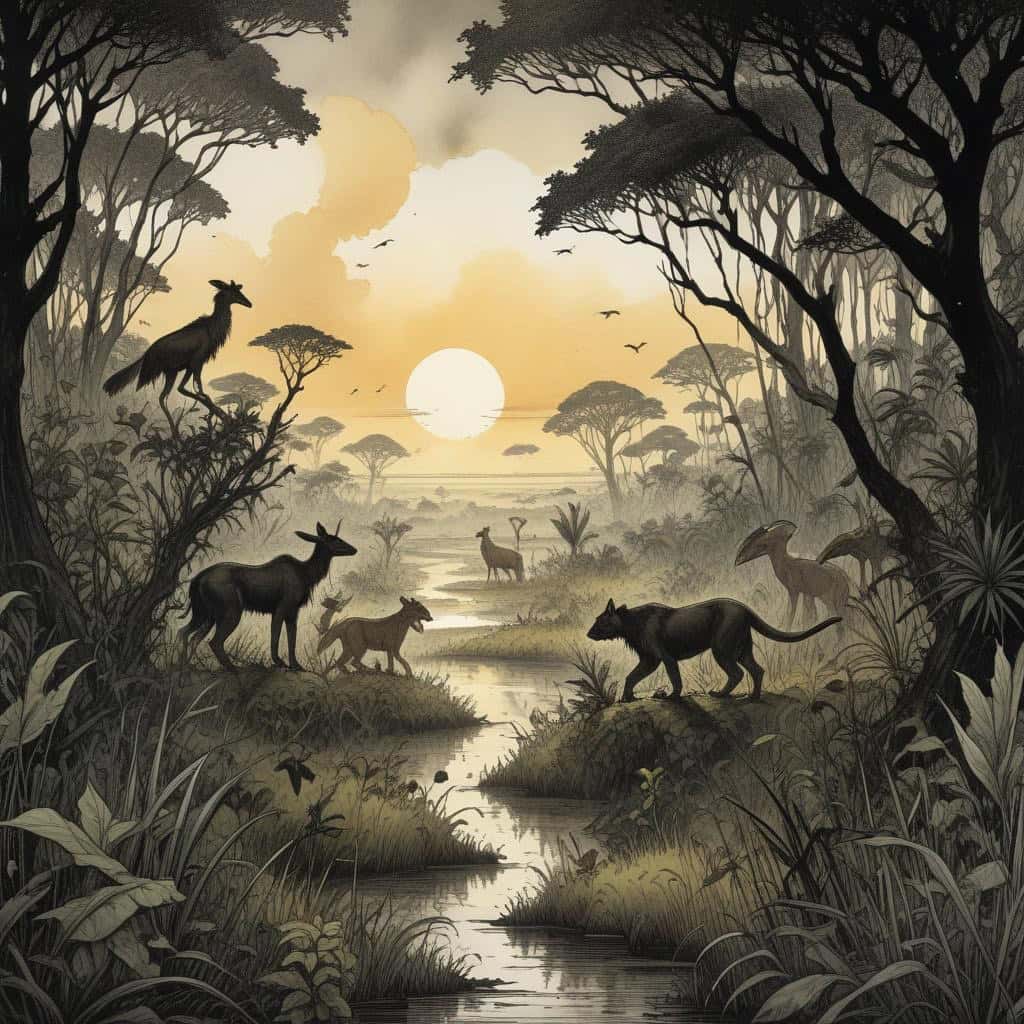
6. Wildlife Encounters
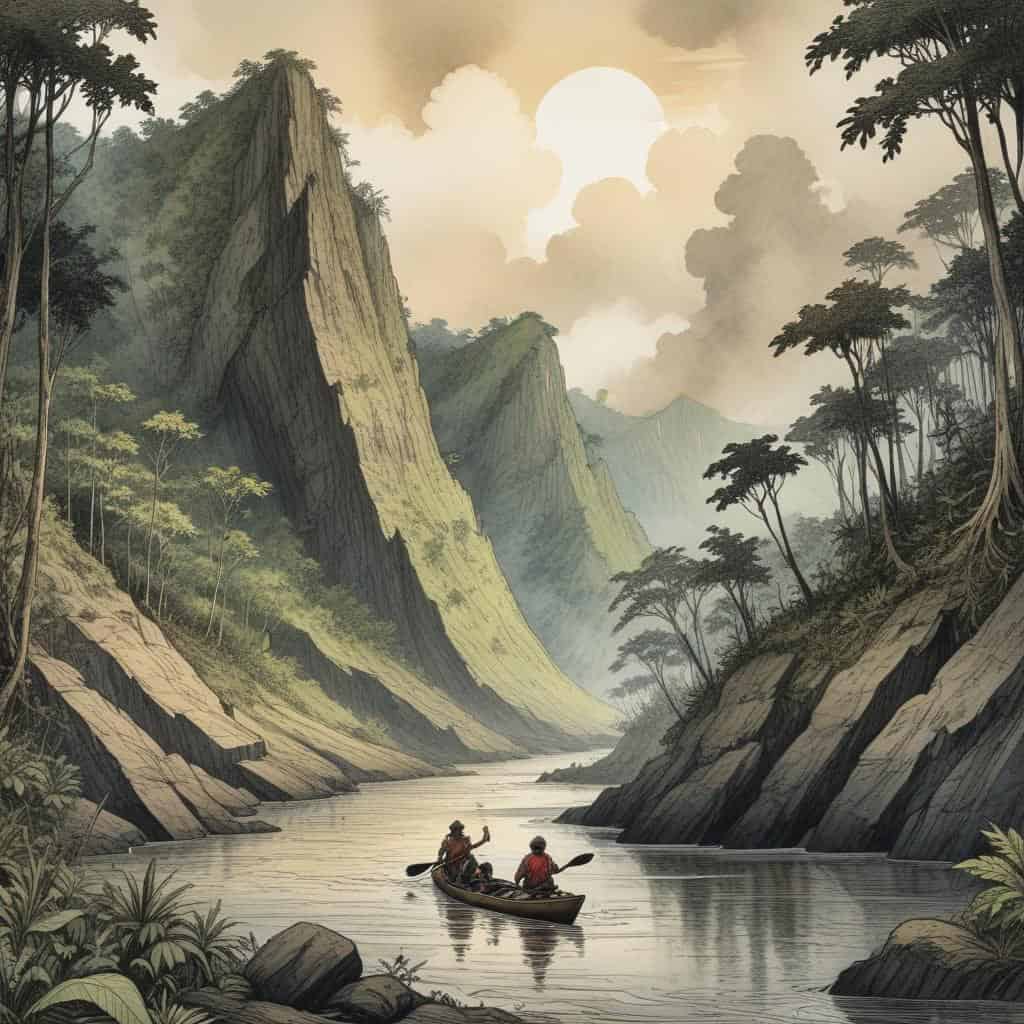
7. Adventure Activities
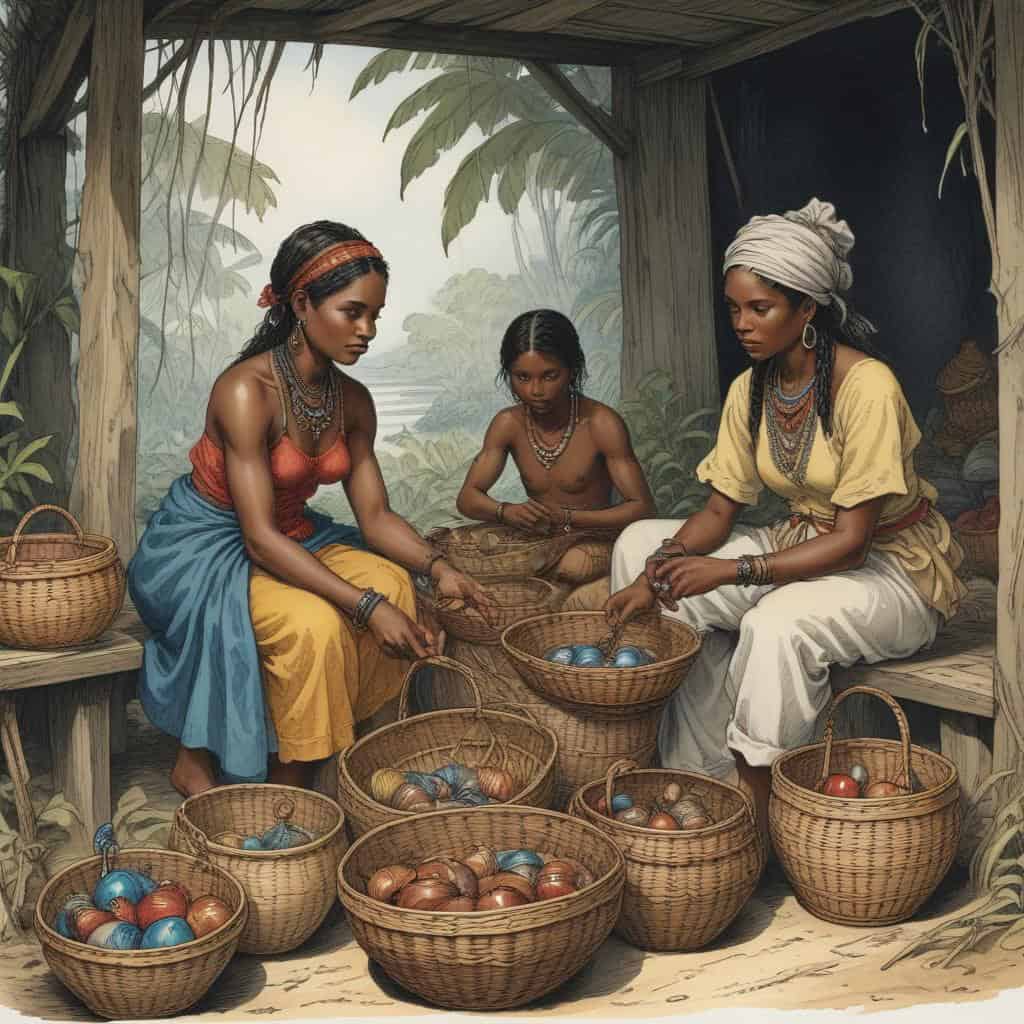
8. Indigenous Crafts
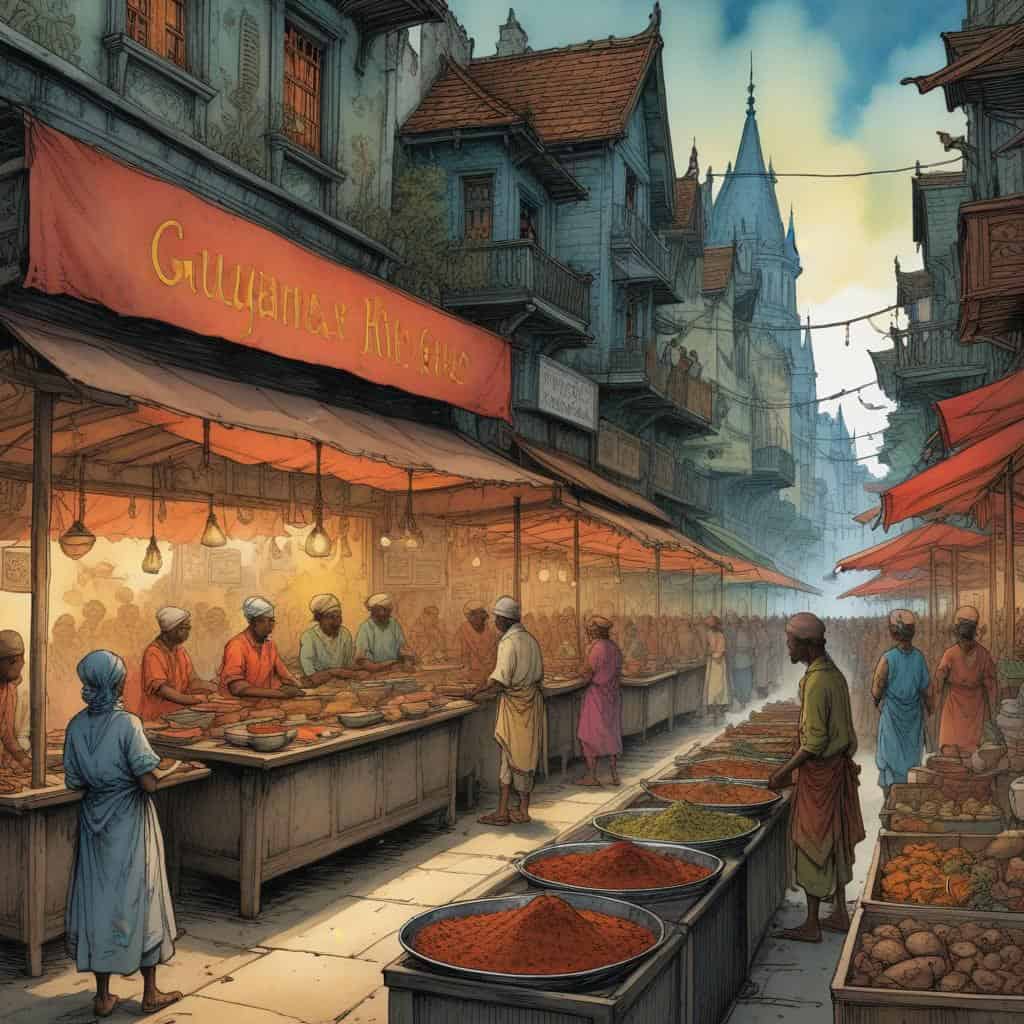
9. Culinary Delights
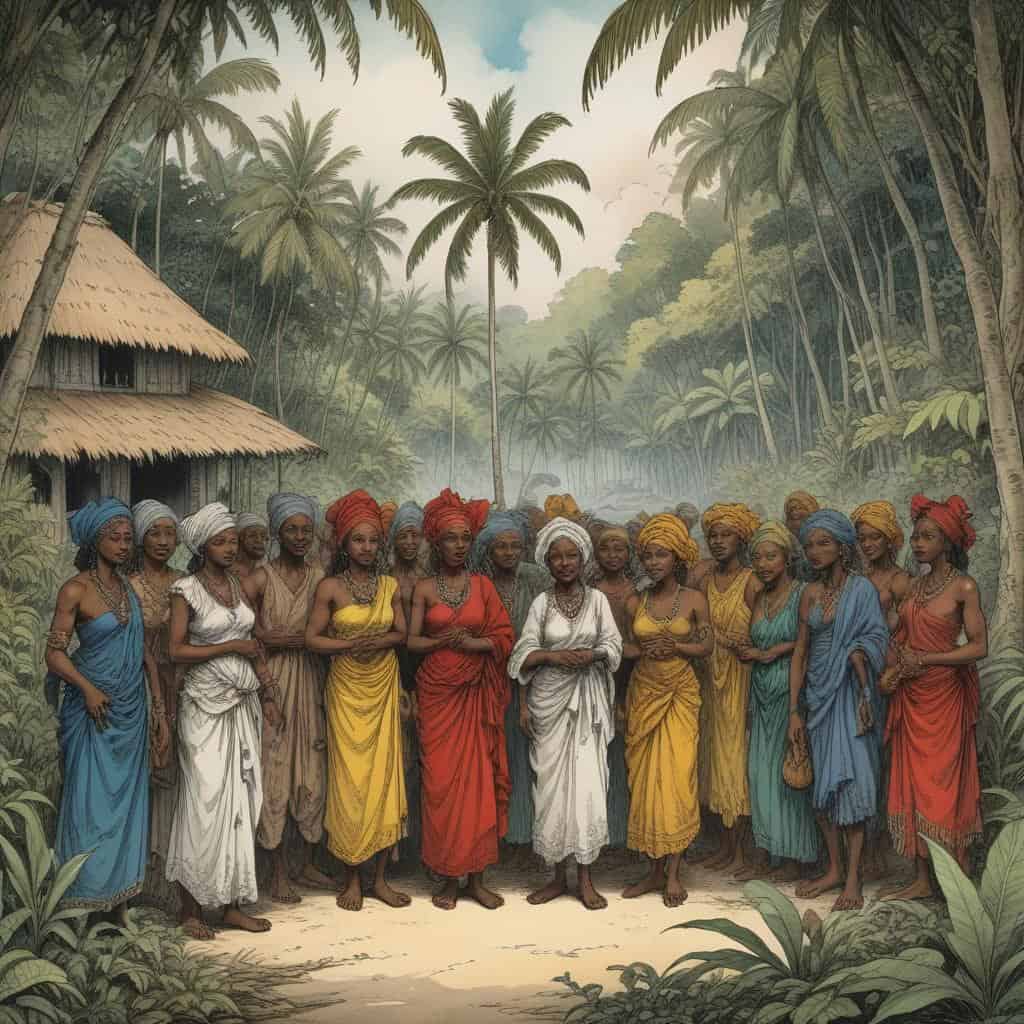
10. Warm Hospitality
In a Nutshell
- Capital: Georgetown
- Population: Approx. 786,000 (2021)
- Official Language: English
- Currency: Guyanese dollar (GYD)
Breaking Down the Country
Geographical Diversity
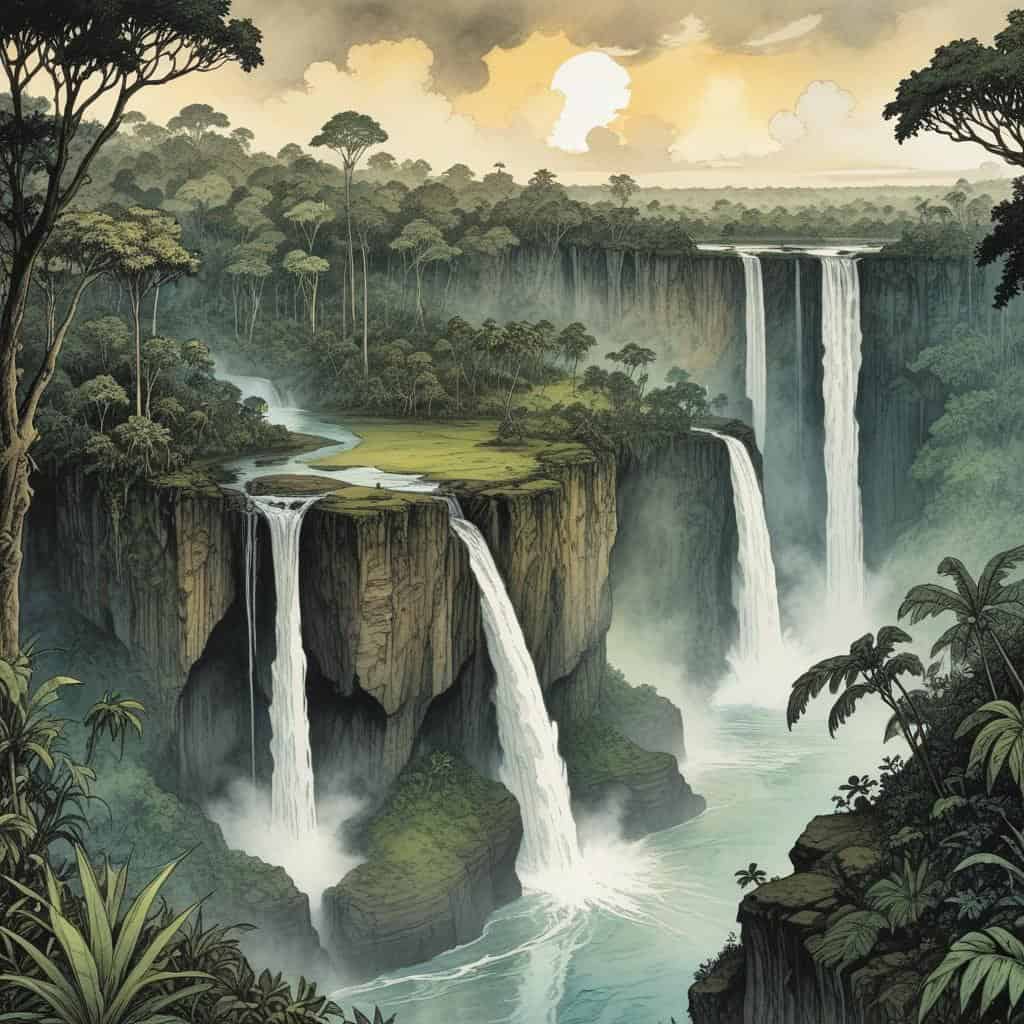
Guyana boasts a diverse landscape featuring lush rainforests, sprawling savannas, and the majestic Kaieteur Falls, one of the tallest single-drop waterfalls in the world.
Cultural Fusion
With influences from Amerindian, African, Indian, Chinese, and European cultures, Guyana's diverse population contributes to a rich tapestry of traditions, languages, and cuisines.
Biodiversity Hotspot
Home to an incredible array of wildlife, including jaguars, giant river otters, and the elusive harpy eagle, Guyana is a paradise for nature lovers and eco-tourists.
Timeline of Guyana
Indigenous peoples inhabited the region now known as Guyana
European exploration of the region begins
Dutch establish colonies in the area
British take control of Dutch colonies
Guyana becomes a British colony
Slavery abolished in British colonies, leading to influx of Indian and Chinese laborers
Guyana becomes independent from Britain
Cooperative Republic of Guyana declared
Bauxite mining industry established
Racial tensions and political unrest in the country
Guyana signs agreement with IMF for economic reform
Cheddi Jagan elected as President
Economic growth and foreign investment increase
Discovery of oil reserves off the coast of Guyana
Oil production begins in Guyana
Guyana joins the Extractive Industries Transparency Initiative
Government announces plans for sustainable development of oil resources
Renewable energy projects launched in Guyana
Guyana celebrates 200 years of independence
Guyana becomes a leader in sustainable development and environmental conservation
Vocabulary List
- Jaguar
- The jaguar is a common sight in the rainforests of Guyana.
- Kaieteur
- The Kaieteur Falls is one of the tallest waterfalls in the world, located in Guyana.
- Georgetown
- Georgetown is the capital city of Guyana, known for its colonial architecture.
- Savannah
- The savannahs of Guyana are home to a diverse range of wildlife.
- Essequibo
- The Essequibo River is the longest river in Guyana, flowing through the country's interior.
- Koker
- Kokers are traditional wooden sluice gates used to control water flow in Guyana's coastal regions.
- Hinterland
- The hinterland of Guyana is a remote and sparsely populated region, characterized by dense rainforests.
- Stelling
- Stellings are wooden or concrete structures built along rivers in Guyana to facilitate boat transportation.
- Demerara
- Demerara is a region in Guyana known for its sugar plantations and historic colonial homes.
- Mangrove
- Mangrove forests line the coast of Guyana, providing important habitat for marine life.
Key Facts
This is the information used in the fact matching game
- Guyana is the only country in South America where English is the official language.
- The Kaieteur Falls in Guyana is one of the highest single-drop waterfalls in the world, standing at 741 feet.
- The capital city of Guyana, Georgetown, is known for its unique wooden architecture and colorful buildings.
- The Rupununi savannah in southern Guyana is home to diverse wildlife such as jaguars, giant river otters, and harpy eagles.
- Guyana is home to the Iwokrama Forest, a protected area of rainforest that is a hotspot for biodiversity.
- The Essequibo River in Guyana is the longest river in the country, stretching over 600 miles.
- The St. George's Cathedral in Georgetown is one of the tallest wooden buildings in the world.
- Guyana is known for its vibrant festivals, such as Mashramani, which celebrates the country's independence.
- The Demerara Harbour Bridge in Guyana is one of the longest floating bridges in the world, spanning over the Demerara River.
- The Kanuku Mountains in Guyana are a biodiversity hotspot, home to unique plant and animal species.
- The Watooka House in Guyana is a historic colonial mansion that now serves as a museum showcasing the country's history.
- Guyana is home to the famous El Dorado rum distillery, known for producing high-quality rum using local sugarcane.
- The Shell Beach in Guyana is a nesting ground for four species of endangered sea turtles, including the leatherback turtle.
- The Botanical Gardens in Georgetown is one of the oldest botanical gardens in the Caribbean, showcasing a variety of plant species.
- Guyana is known for its diverse cuisine, influenced by African, Indian, and Indigenous traditions.
- The Essequibo Delta in Guyana is one of the largest river deltas in the world, covering an area of over 9,500 square kilometers.
- The Kaieteur National Park in Guyana is home to the Kaieteur Falls and a range of unique plant and animal species.
- Guyana has a rich cultural heritage, with Indigenous, African, Indian, and European influences shaping the country's identity.
- The Demerara-Mahaica region in Guyana is known for its sugar plantations and historic estates dating back to the colonial era.
- The Pakaraima Mountains in Guyana are a popular destination for hiking and birdwatching, with stunning views of the surrounding rainforest.
Why It Matters
Geopolitical Significance
Located on the northern coast of South America, Guyana’s position between Venezuela, Brazil, and Suriname gives it strategic importance in regional affairs. Its border disputes, particularly with Venezuela, have implications for stability and resource access in the region.
Historical Importance
Colonized by the Dutch, British, and French, Guyana has a diverse cultural heritage shaped by European imperialism, African slavery, and Indian indenture. Its history of resistance against colonial rule and struggles for independence are central to understanding its identity today.
Modern-Day Role
As an oil-rich nation, Guyana is experiencing rapid economic growth and attracting international investment. The country’s environmental policies, particularly related to rainforest conservation, are being closely watched as it balances economic development with sustainability efforts.
Guyana Games


Take Your Learning Offline
Want a convenient, print-ready study guide for this lesson? Become a Memory Wizards Pro member to unlock the downloadable " Memory Scrolls" for this topic and our entire library!
- ✓ Complete Vocabulary Lists
- ✓ Key Facts & Timelines
- ✓ Beautifully Formatted for Print & Mobile