
How Do You Learn Best?
Learn by Reading
Immerse yourself in the 10-minute visual lesson for a comprehensive understanding of the topic.
Learn by Reviewing
Jump directly to the key facts, timeline, and vocabulary lists to build a solid foundation of details.
Learn by Doing
Challenge yourself! Jump straight into the interactive games to learn by trial, error, and discovery.
The Idiot by Fyodor Dostoevsky in 10 Minutes
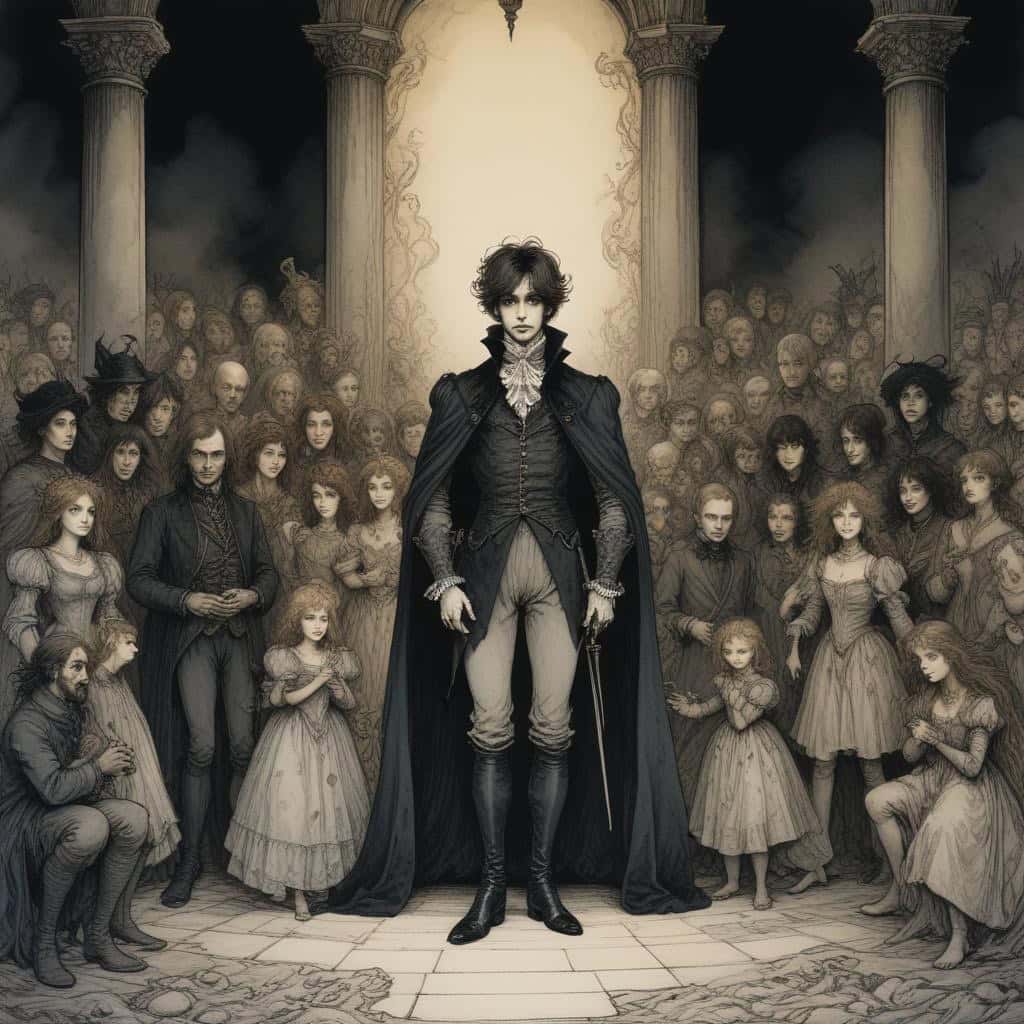
Introduction
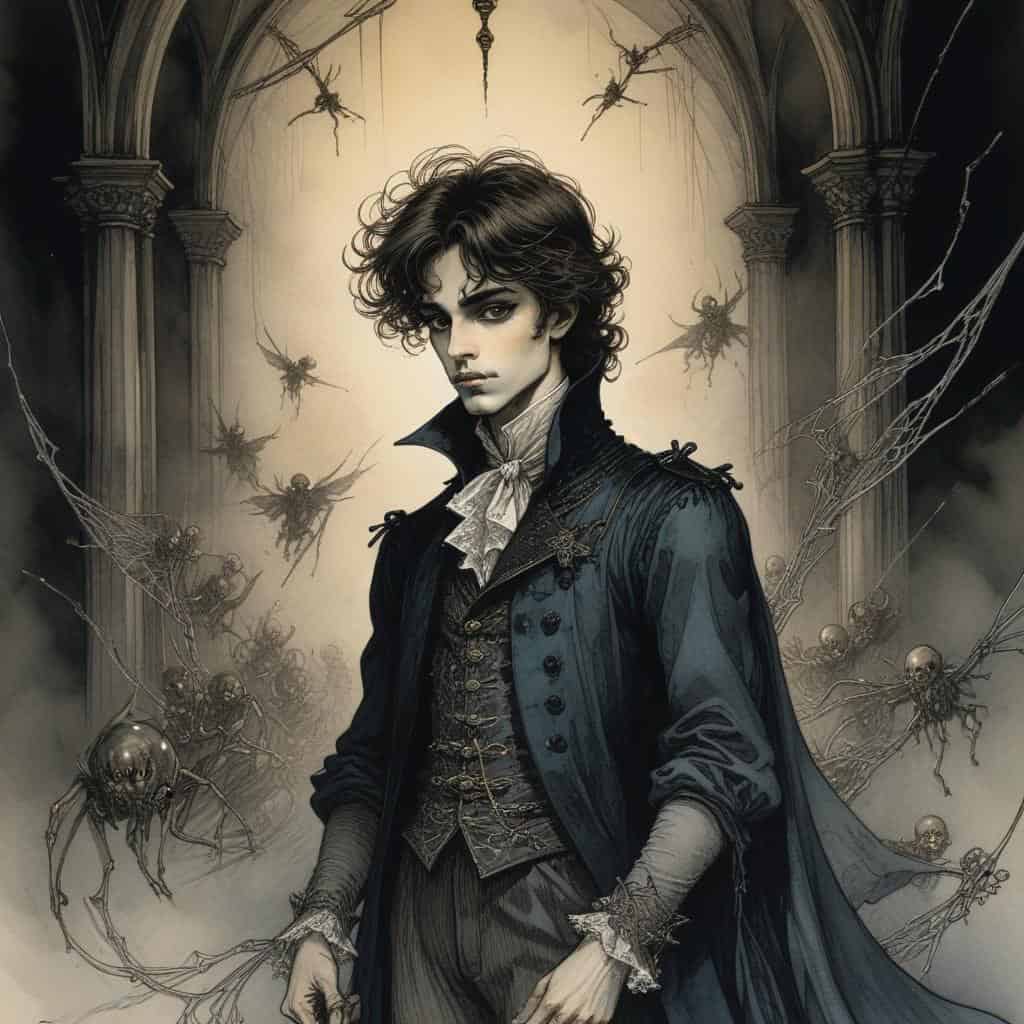

Prince Myshkin

Nastassya Filippovna

Rogozhin

Aglaia Epanchin

Lebedev
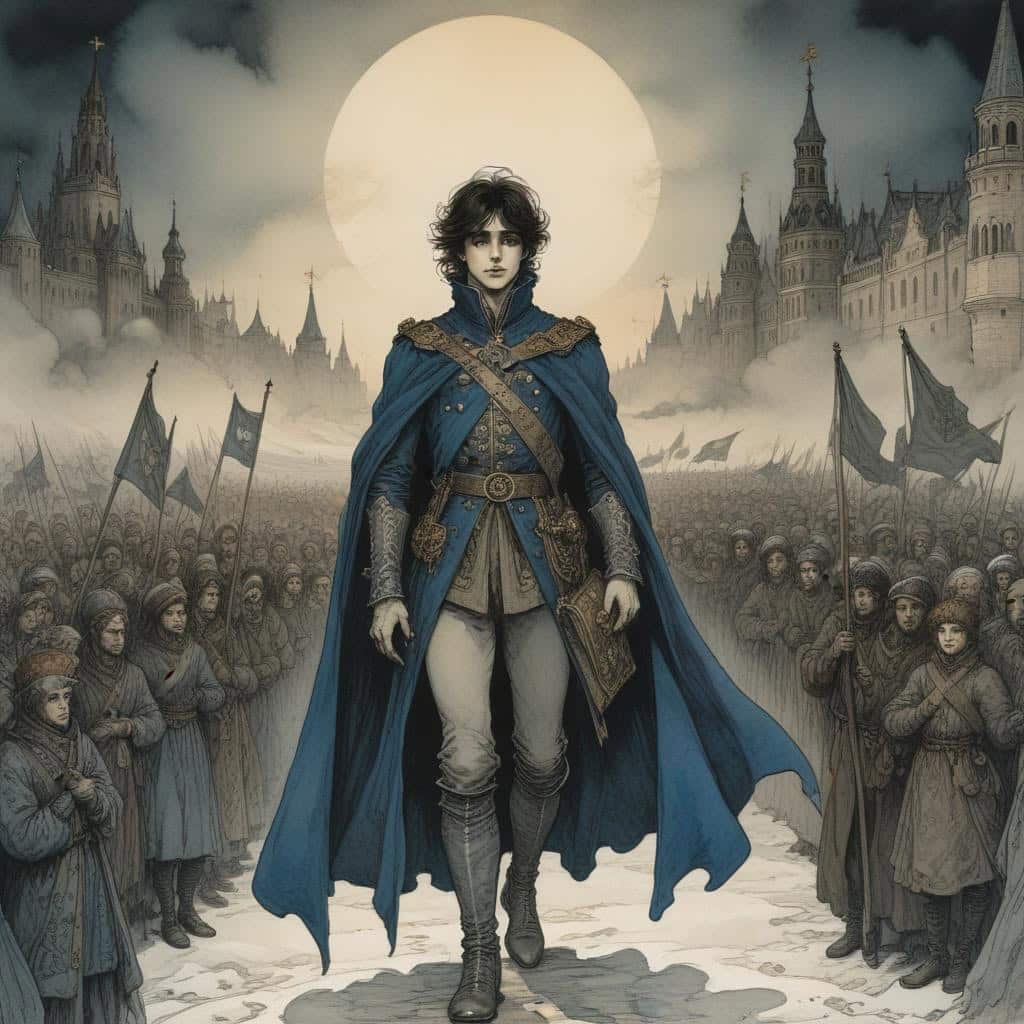
The Arrival of Prince Myshkin
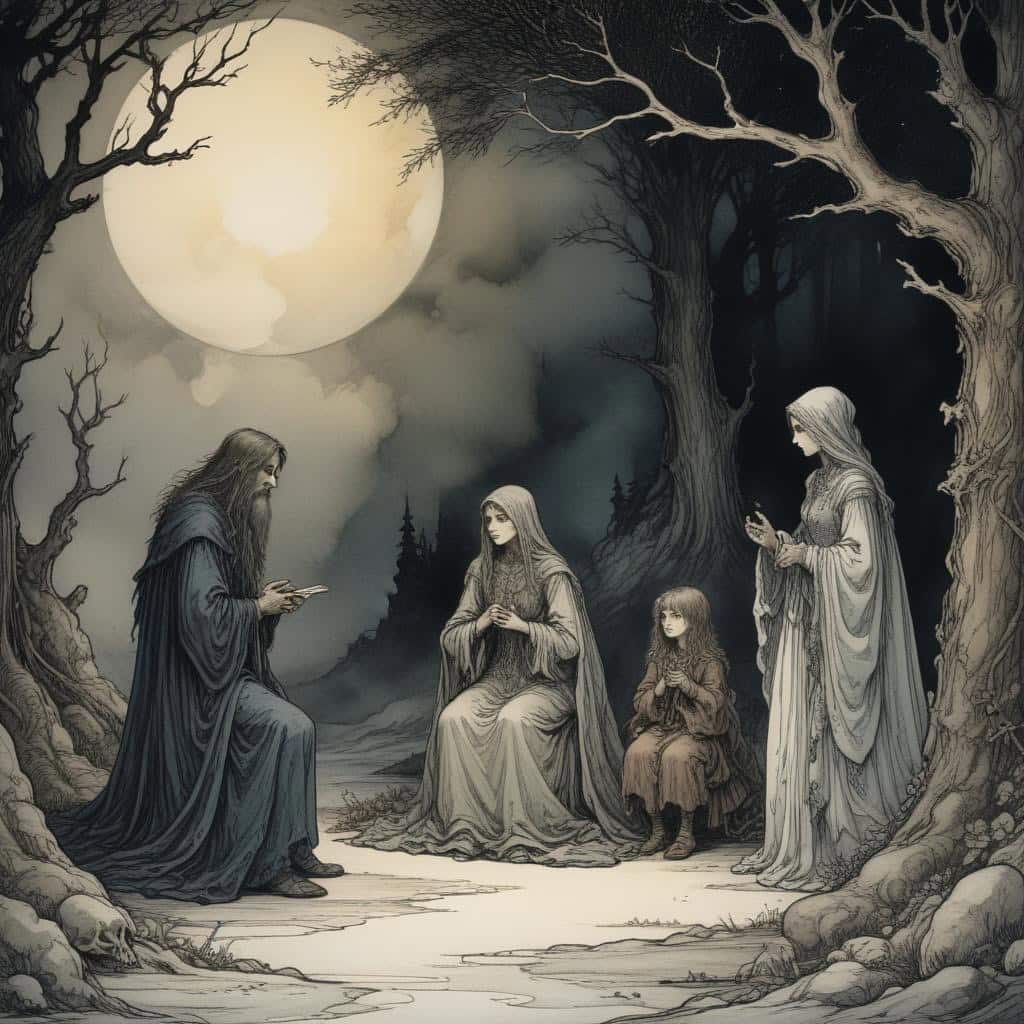
The Princes Interactions with Society
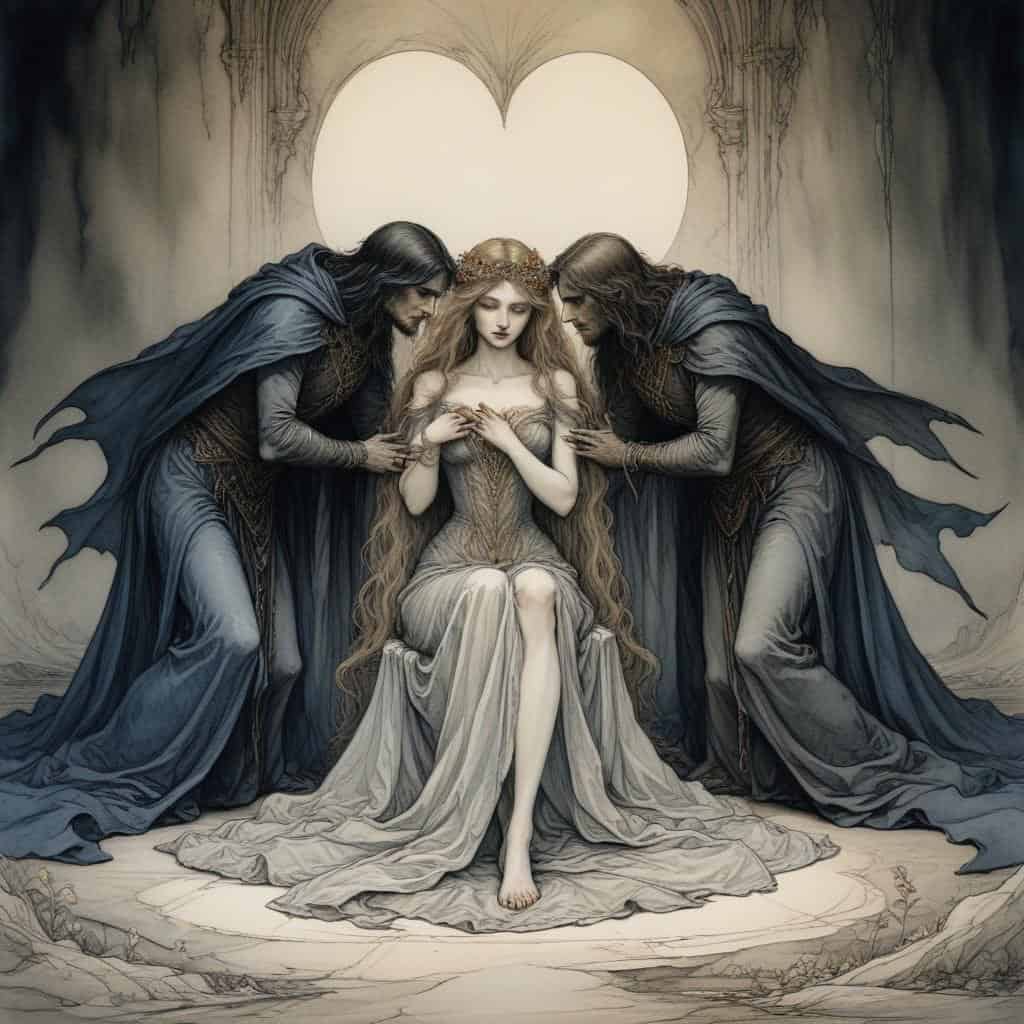
The Love Triangle
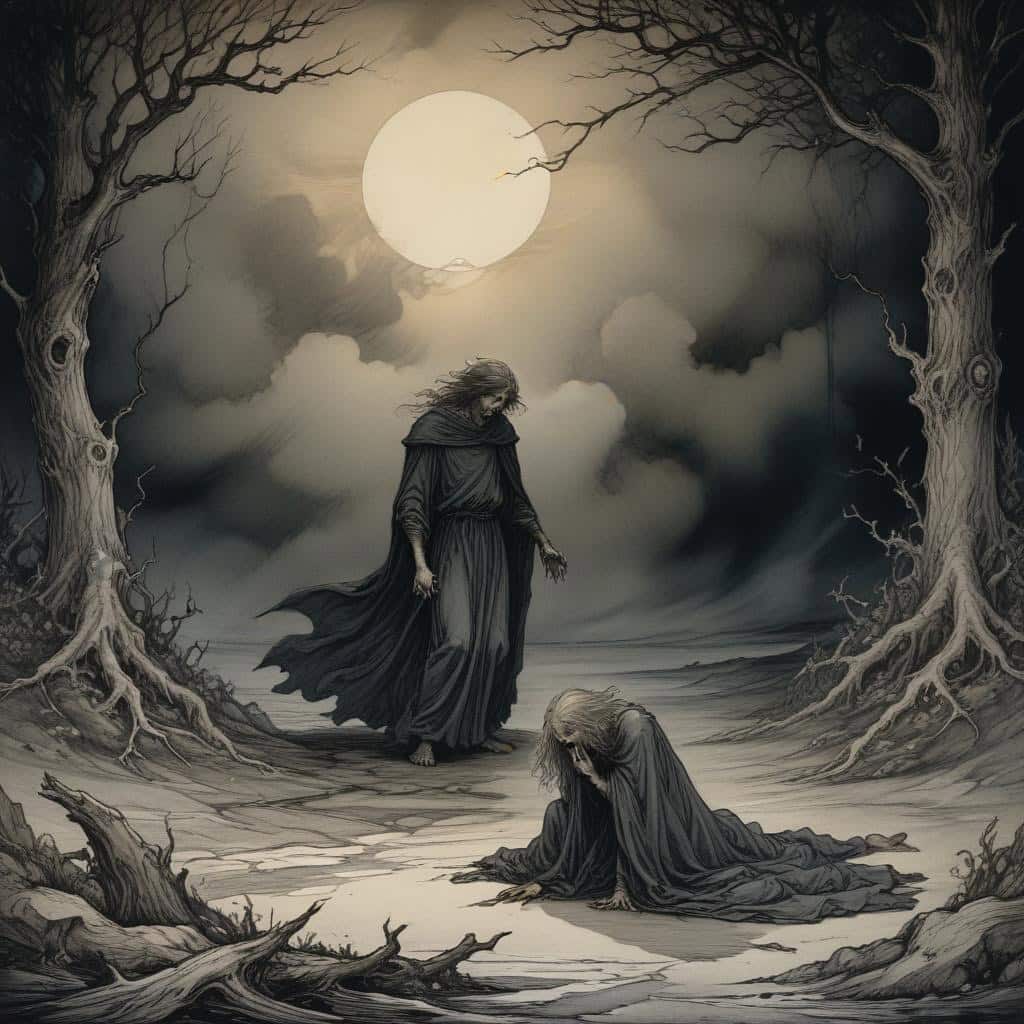
The Tragic End
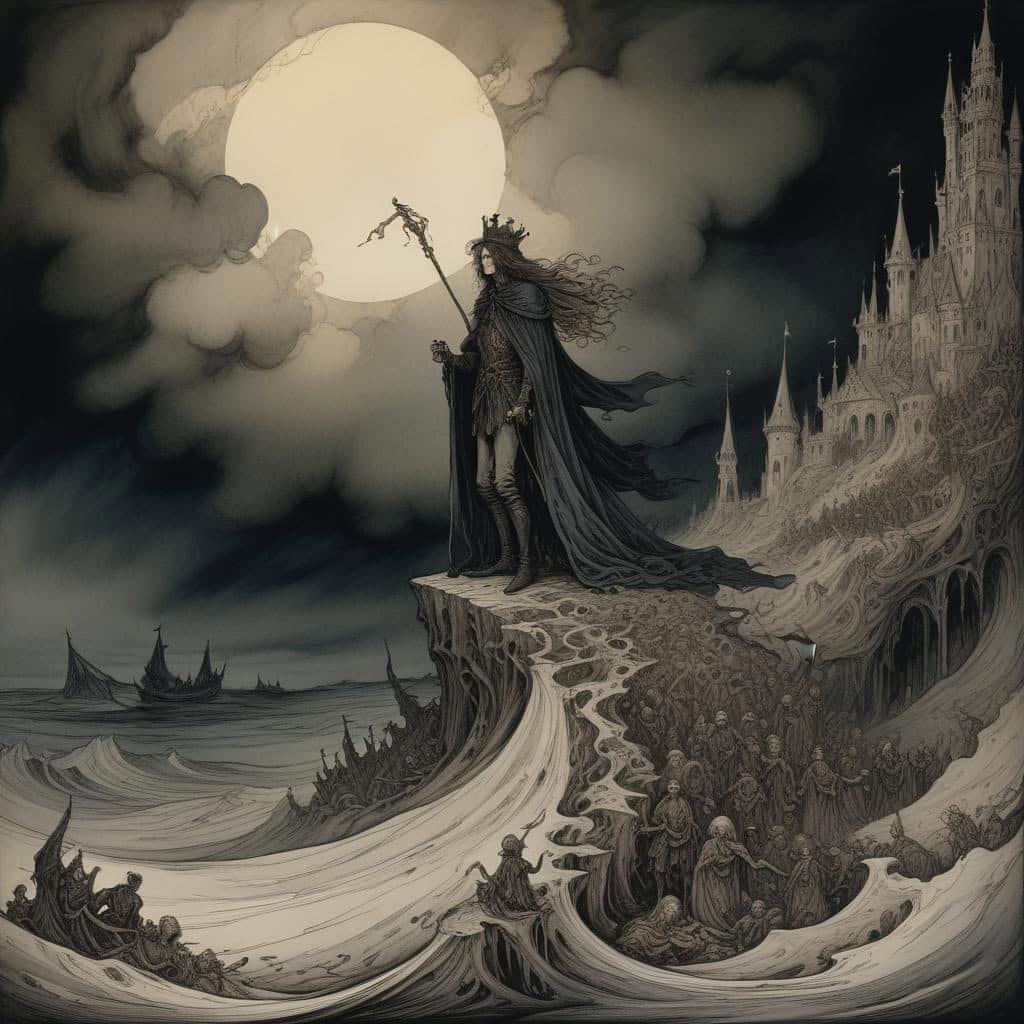
The Princes Mental Decline
The Themes of Madness and Redemption
The Symbolism of the Idiot
The Impact of The Idiot
The Legacy of Dostoevsky
Lesson Details & Resources
In a Nutshell
- What: The Idiot by Fyodor Dostoevsky
- When: Written in the 19th century
- Who: Main characters: Prince Myshkin, Nastasya Filippovna, Rogozhin
- Theme: The complexity of human nature, the struggle between good and evil, societal norms and expectations
List of Characters in The Idiot by Fyodor Dostoevsky
-
Prince Myshkin
Prince Myshkin is the protagonist of the novel, who is seen as morally pure but naive and often misunderstood by others.
-
Nastasya Filippovna
Nastasya Filippovna is a complex character who struggles with her own inner demons and is caught in a love triangle between Myshkin and Rogozhin.
-
Rogozhin
Rogozhin is a wealthy and passionate man who is obsessed with Nastasya Filippovna and becomes entangled in a destructive rivalry with Myshkin.
-
Aglaya Ivanovna
Aglaya Ivanovna is a beautiful and intelligent young woman who captures the attention of both Myshkin and Rogozhin.
-
Lebedev
Lebedev is a scheming and manipulative character who is constantly involved in various intrigues and scandals.
-
Ganya Ivolgin
Ganya Ivolgin is a young man who is torn between his love for Aglaya and his desire for wealth and social status.
Timeline of The Idiot by Fyodor Dostoevsky
Prince Myshkin arrives in St. Petersburg after spending several years in a Swiss sanatorium.
Myshkin meets the Epanchin family and becomes acquainted with their daughter, Aglaya.
Myshkin befriends Rogozhin, a wealthy and troubled young man who is in love with Nastassya Filippovna.
Nastassya Filippovna is torn between Myshkin and Rogozhin, leading to a love triangle.
Myshkin tries to help Nastassya Filippovna, but his efforts are misunderstood and lead to further complications.
Rogozhin becomes increasingly jealous and obsessed with Nastassya Filippovna, leading to a violent confrontation with Myshkin.
Myshkin's naivety and inability to navigate the complexities of society lead to misunderstandings and tragic consequences for himself and those around him.
The novel concludes with Myshkin's mental state deteriorating as he struggles to find his place in a world consumed by greed, jealousy, and betrayal.
Vocabulary List
- Naive
- The protagonist, Prince Myshkin, is often seen as naive and innocent in his interactions with others.
- Eccentric
- The characters in The Idiot are portrayed as eccentric and unpredictable, adding to the complexity of the novel.
- Introspective
- The novel delves into the introspective thoughts and emotions of the characters, revealing their inner turmoil and struggles.
- Paradox
- The Idiot is filled with paradoxes and contradictions, challenging readers to think critically about the characters and their motivations.
- Alienation
- The theme of alienation is prevalent throughout the novel, as the characters struggle to connect with one another on a deeper level.
- Suffering
- The characters in The Idiot experience deep emotional suffering, grappling with their own inner demons and the harsh realities of the world around them.
- Enigmatic
- Prince Myshkin is an enigmatic character, whose motives and actions often leave other characters and readers puzzled.
- Existential
- The novel explores existential themes, such as the meaning of life, death, and the nature of existence.
- Madness
- The characters in The Idiot teeter on the brink of madness, as they grapple with their own inner turmoil and the pressures of society.
- Redemption
- The theme of redemption is central to the novel, as the characters seek forgiveness and salvation for their past sins and mistakes.
Key Facts
This is the information used in the fact matching game
- The Idiot was published in 1869.
- The novel explores themes of innocence, beauty, and the complexities of human nature.
- The protagonist, Prince Myshkin, is considered an 'idiot' by society due to his naivety and kindness.
- The novel is set in 19th century Russia.
- Prince Myshkin returns to Russia after spending several years in a Swiss sanatorium.
- The novel is known for its complex characters and psychological depth.
- The Idiot is considered one of Dostoevsky's greatest works.
- The novel was inspired by Dostoevsky's own experiences with epilepsy.
- The Idiot is often considered a tragicomedy due to its mix of serious and humorous elements.
- The novel explores themes of redemption and forgiveness.
- Dostoevsky wrote The Idiot while also working on his other major work, The Devils.
- The character of Nastasya Filippovna is one of the most complex and enigmatic in the novel.
- The novel delves into the complexities of love and relationships.
- Prince Myshkin is often seen as a Christ-like figure due to his innocence and selflessness.
- The Idiot has been adapted into several films and TV series.
- The novel's ending is considered ambiguous and open to interpretation.
- The character of Rogozhin is a dark and brooding counterpart to Prince Myshkin.
- The Idiot is often praised for its exploration of the human psyche and moral dilemmas.
- Dostoevsky drew on his own struggles with mental illness and morality in writing The Idiot.
- The novel has been translated into numerous languages and continues to be studied and analyzed by scholars.
Analysis & Significance
Impact on Literature
‘The Idiot’ by Fyodor Dostoevsky has had a significant impact on literature by exploring complex psychological and moral dilemmas faced by its characters. Dostoevsky’s portrayal of the protagonist Prince Myshkin as a pure and innocent soul in a corrupt society challenged traditional notions of heroism and morality, influencing later writers to delve deeper into the complexities of human nature.
Enduring Themes
The timeless themes of innocence, purity, and the struggle to navigate a corrupt society still resonate with modern audiences in ‘The Idiot’. Dostoevsky’s exploration of the nature of goodness and the challenges of maintaining one’s integrity in the face of societal pressures continue to captivate readers, sparking discussions on morality, ethics, and human nature.
Cultural Significance Today
‘The Idiot’ continues to hold cultural significance today through its legacy as a classic work of Russian literature and its numerous adaptations in various art forms. The novel’s themes of love, betrayal, and the struggle for authenticity have inspired countless reinterpretations in film, theater, and literature, solidifying its reputation as a timeless masterpiece that speaks to the complexities of the human experience.
The Idiot by Fyodor Dostoevsky Games


Take Your Learning Offline
Want a convenient, print-ready study guide for this lesson? Become a Memory Wizards Pro member to unlock the downloadable " Memory Scrolls" for this topic and our entire library!
- ✓ Complete Vocabulary Lists
- ✓ Key Facts & Timelines
- ✓ Beautifully Formatted for Print & Mobile