
How Do You Learn Best?
Learn by Reading
Immerse yourself in the 10-minute visual lesson for a comprehensive understanding of the topic.
Learn by Reviewing
Jump directly to the key facts, timeline, and vocabulary lists to build a solid foundation of details.
Learn by Doing
Challenge yourself! Jump straight into the interactive games to learn by trial, error, and discovery.
Electra in 10 Minutes
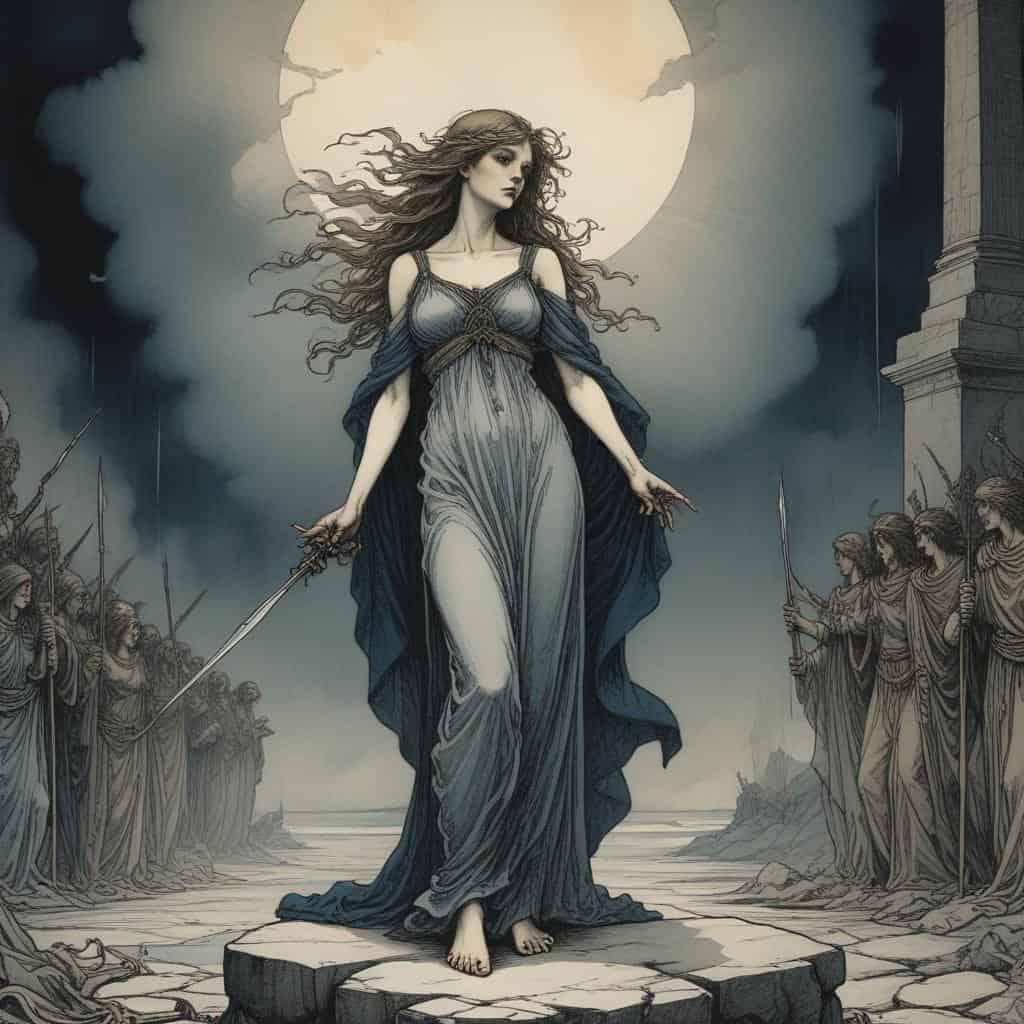
Introduction
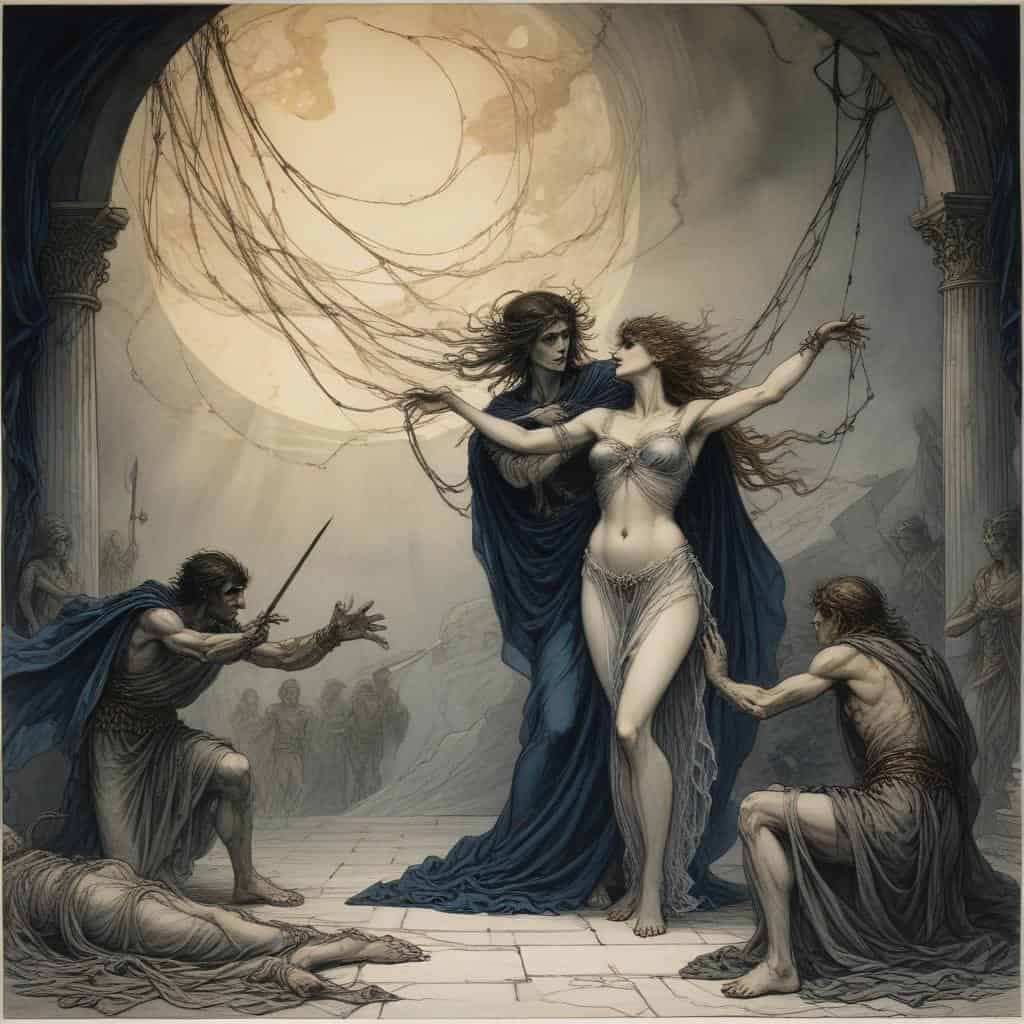
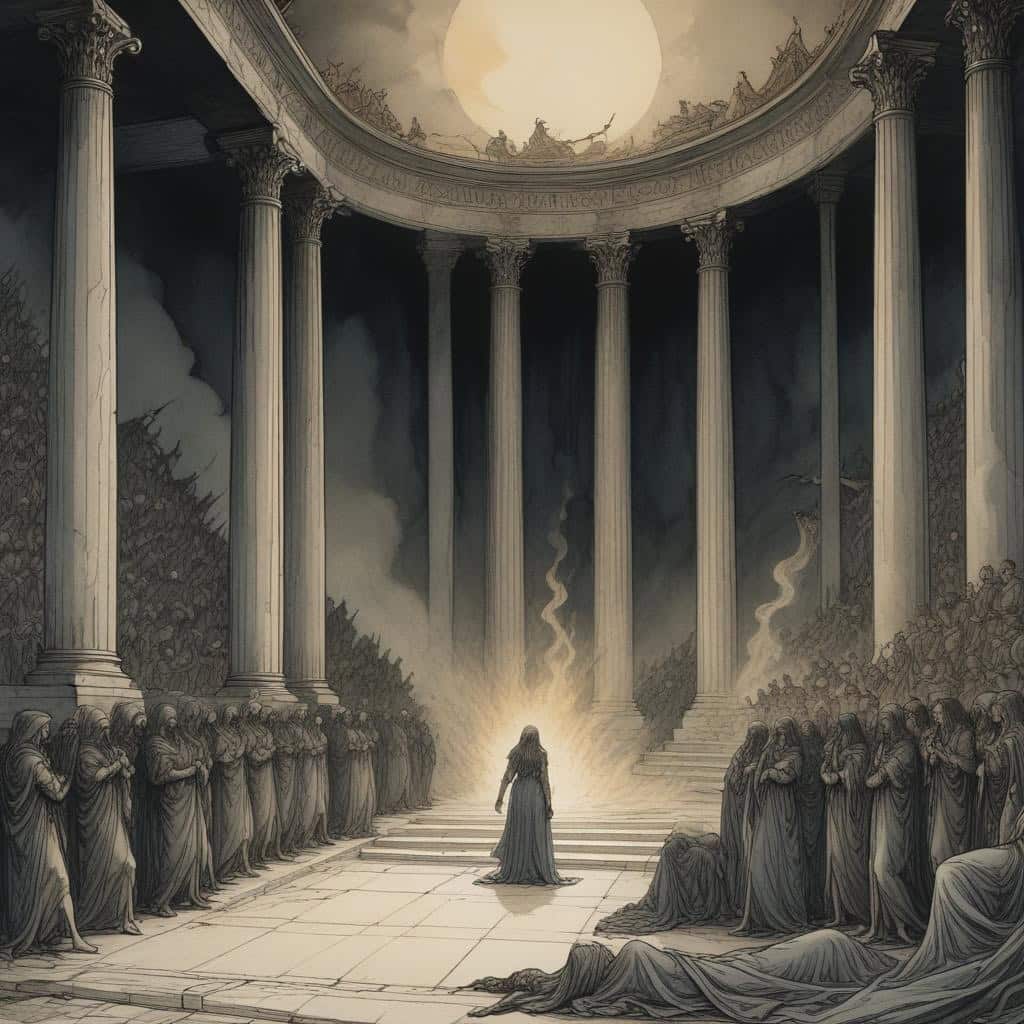
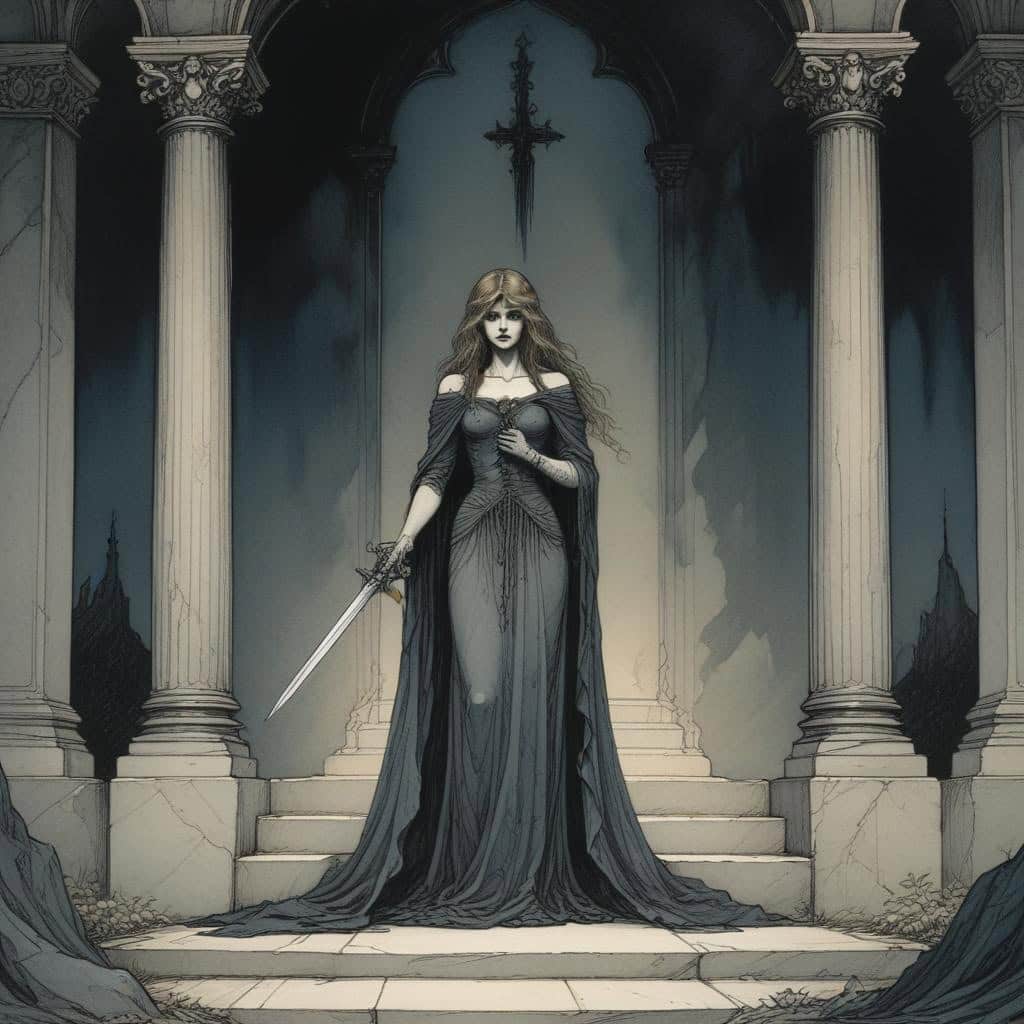
Electra
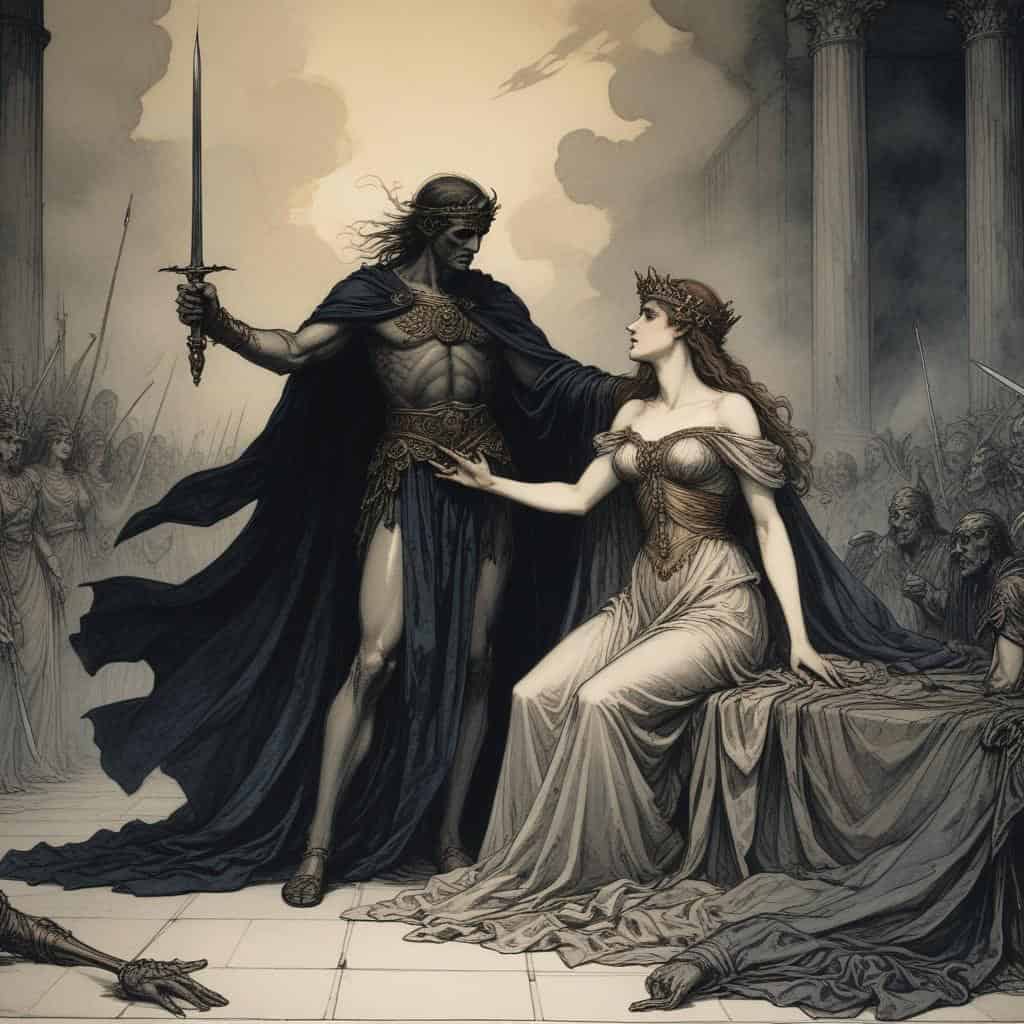
Clytemnestra
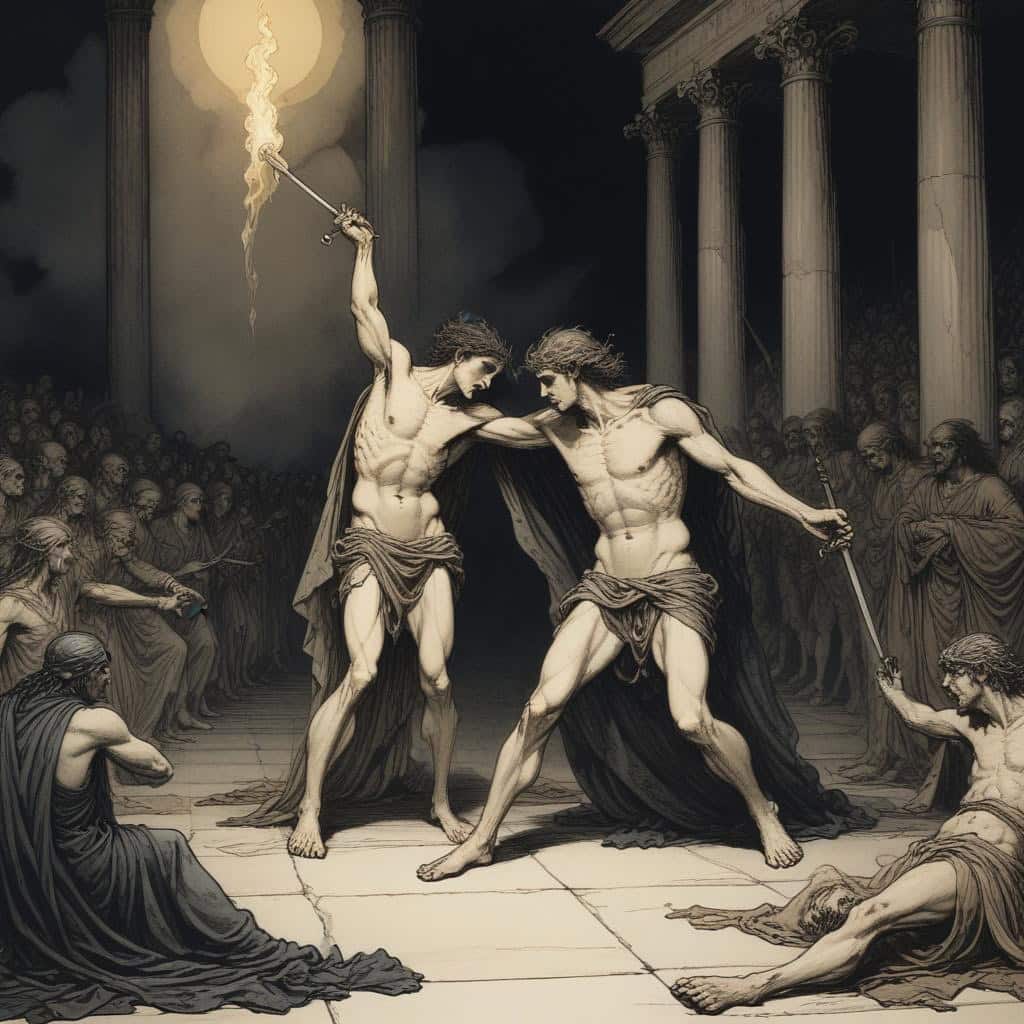
Orestes

Aegisthus
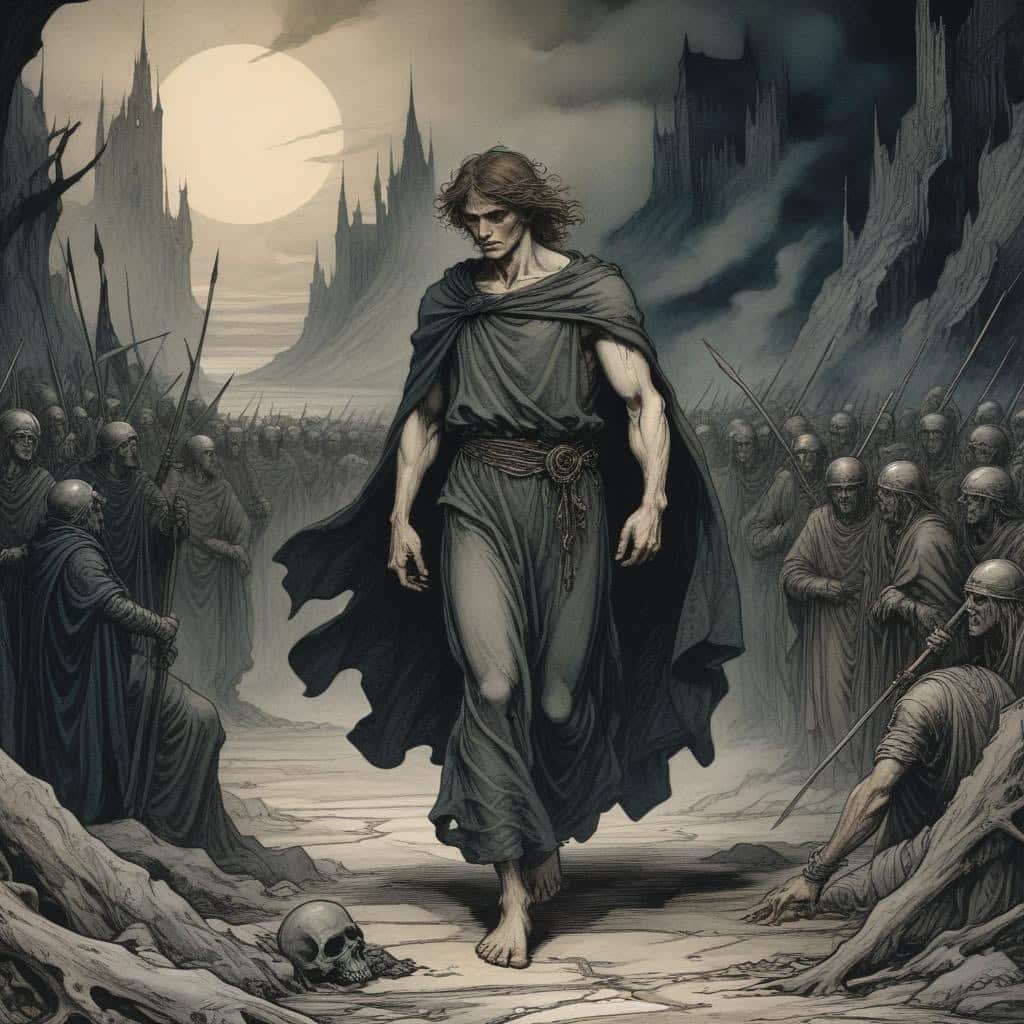
The Return of Orestes
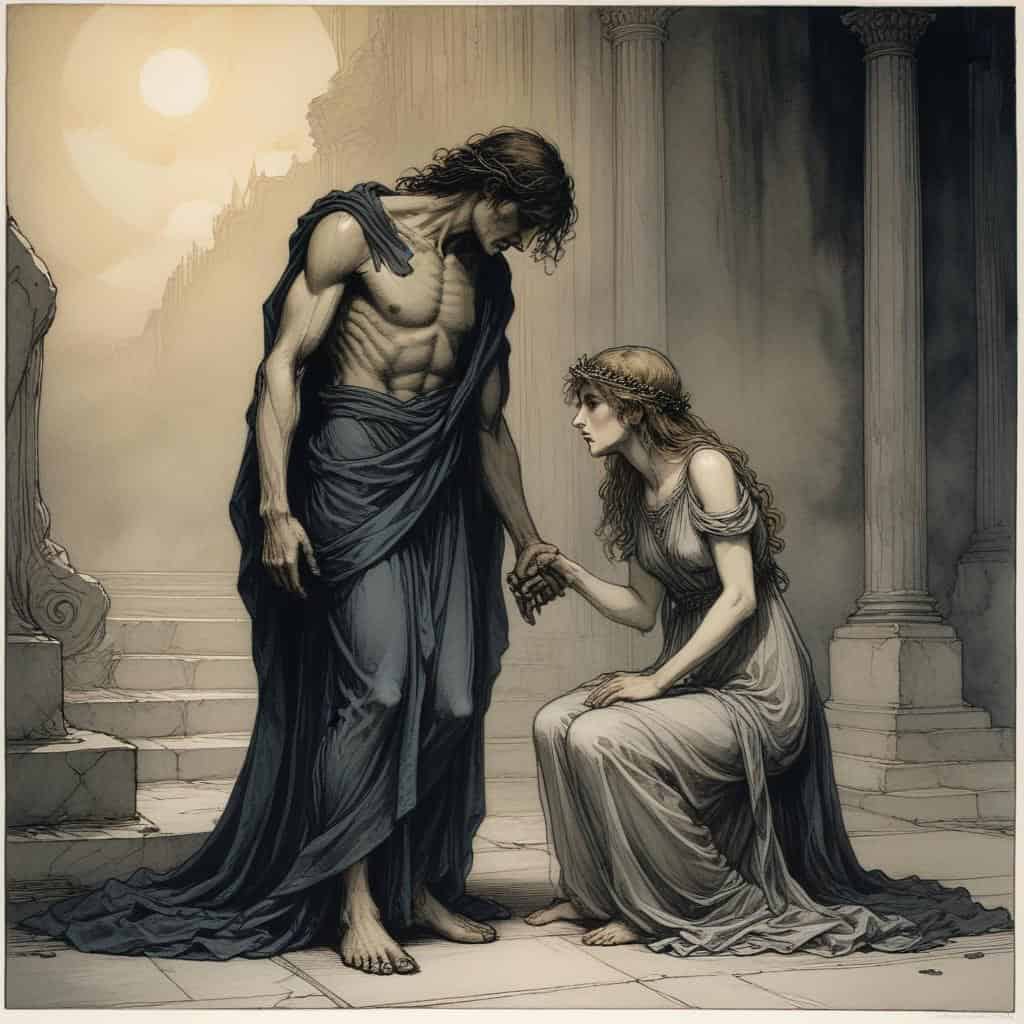
Reunion with Electra
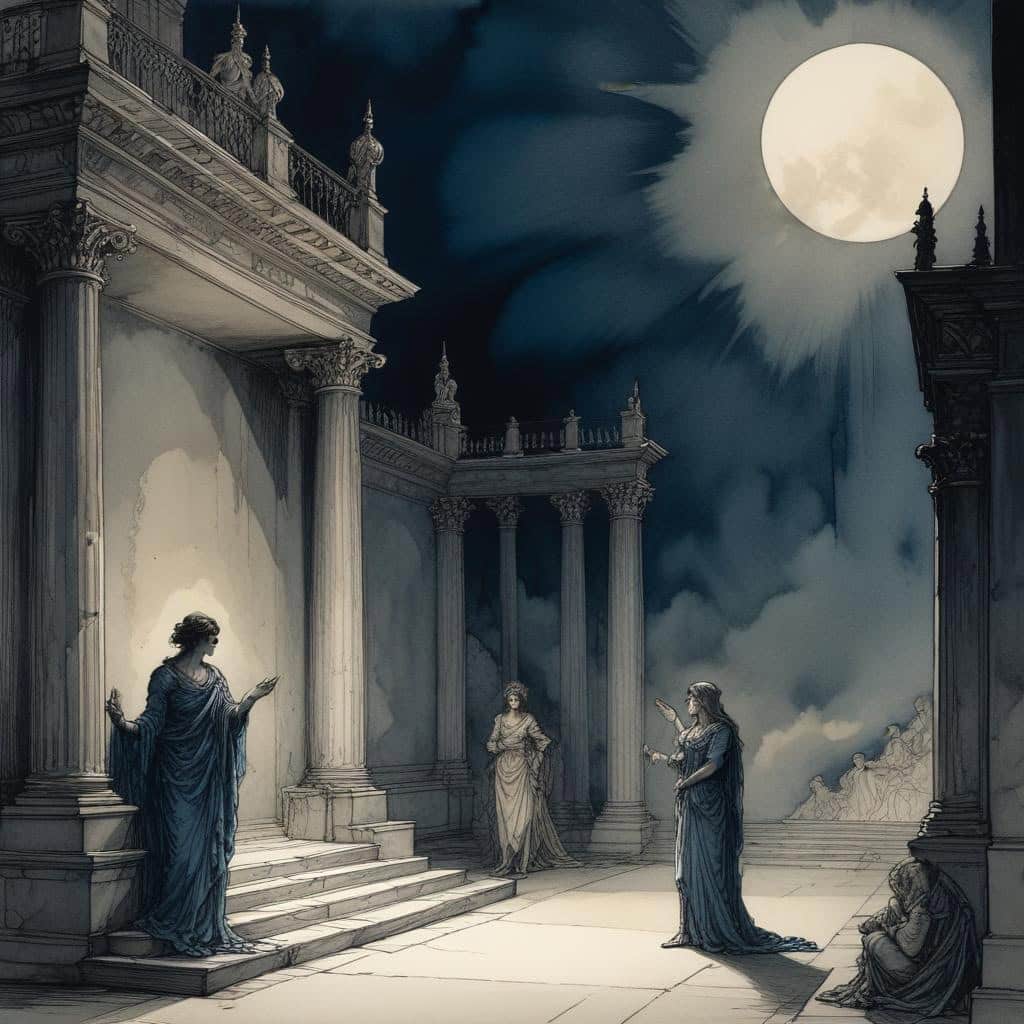
Planning the Murder
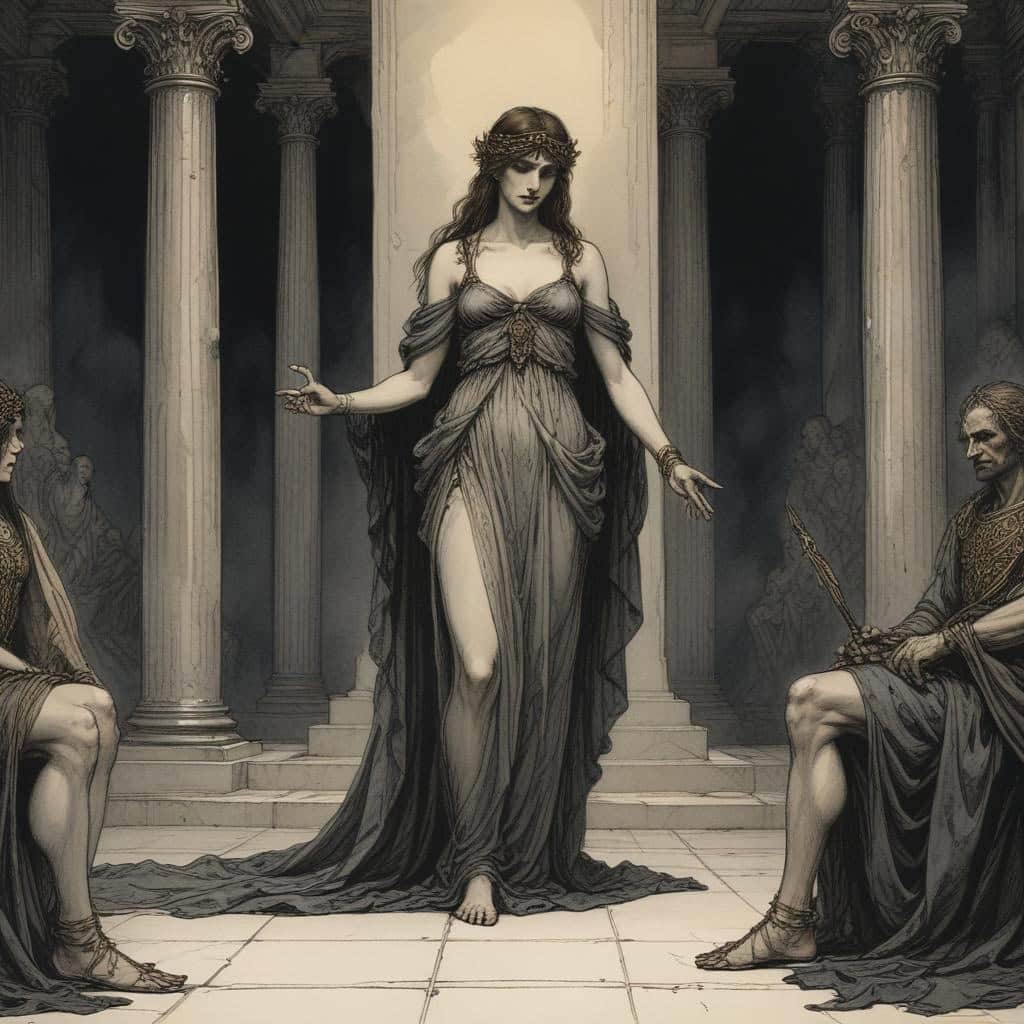
The Deception
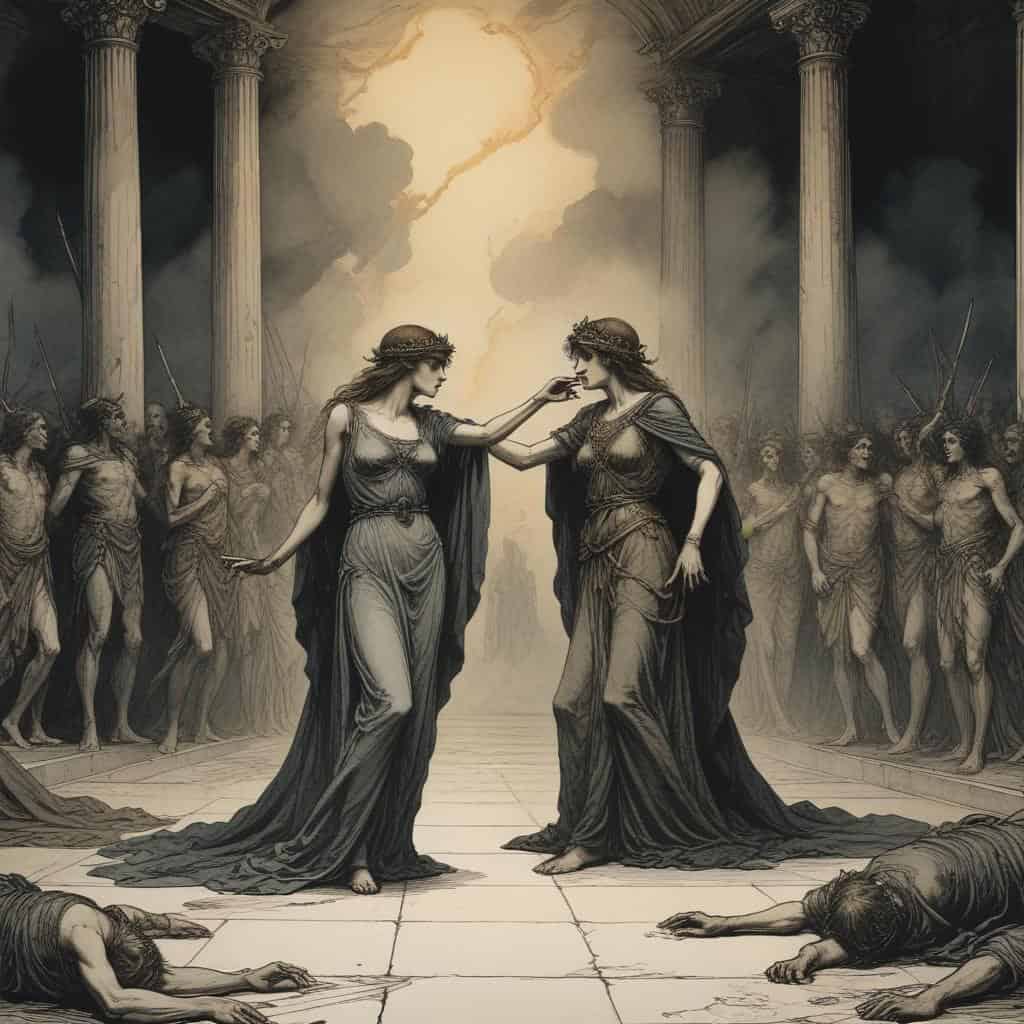
The Murder of Clytemnestra and Aegisthus
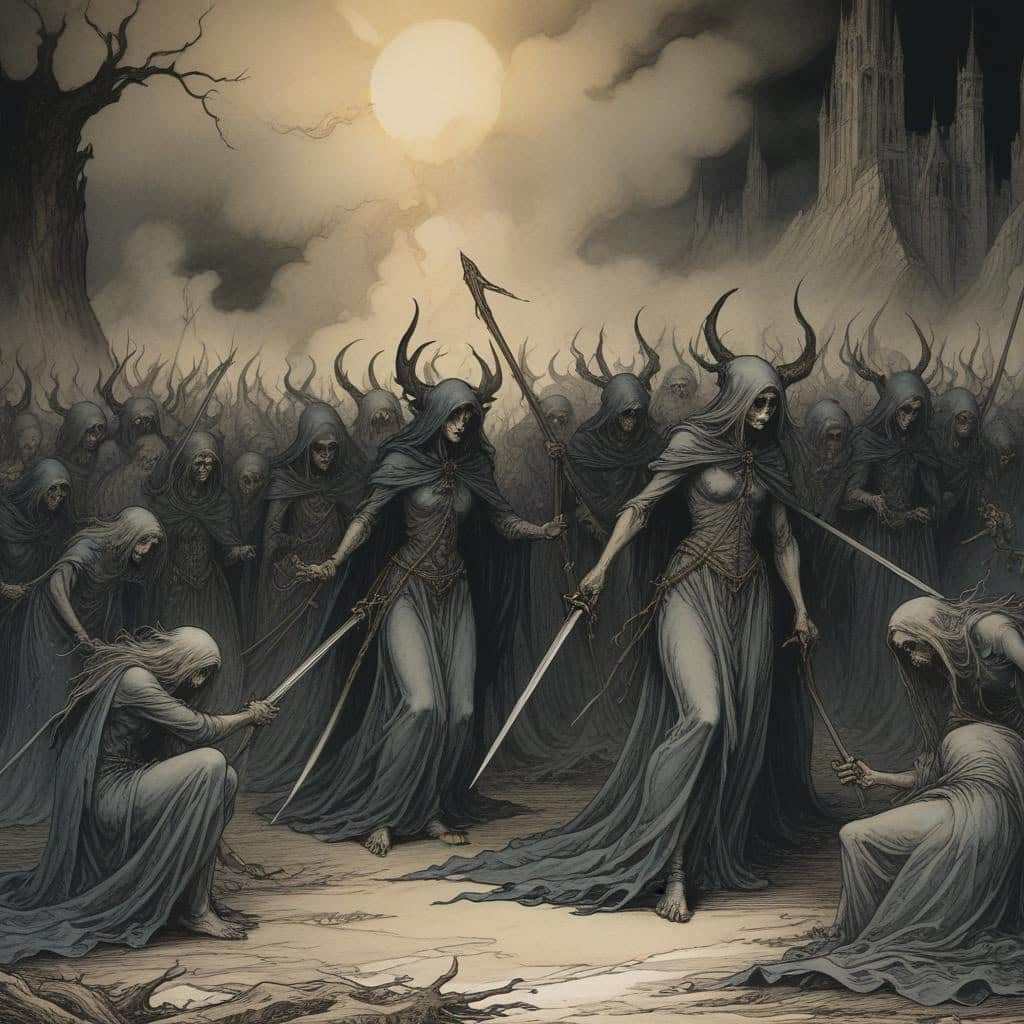
The Furies Curse
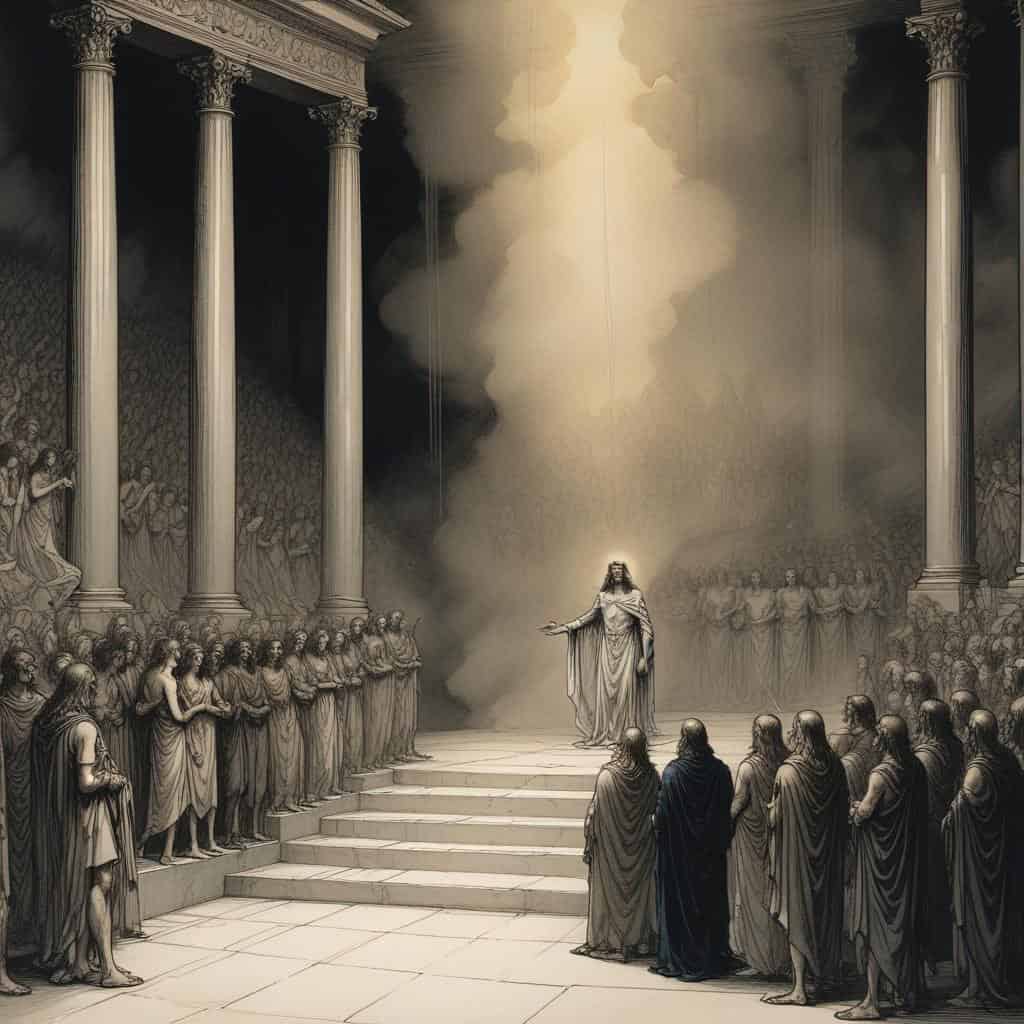
The Trial of Orestes
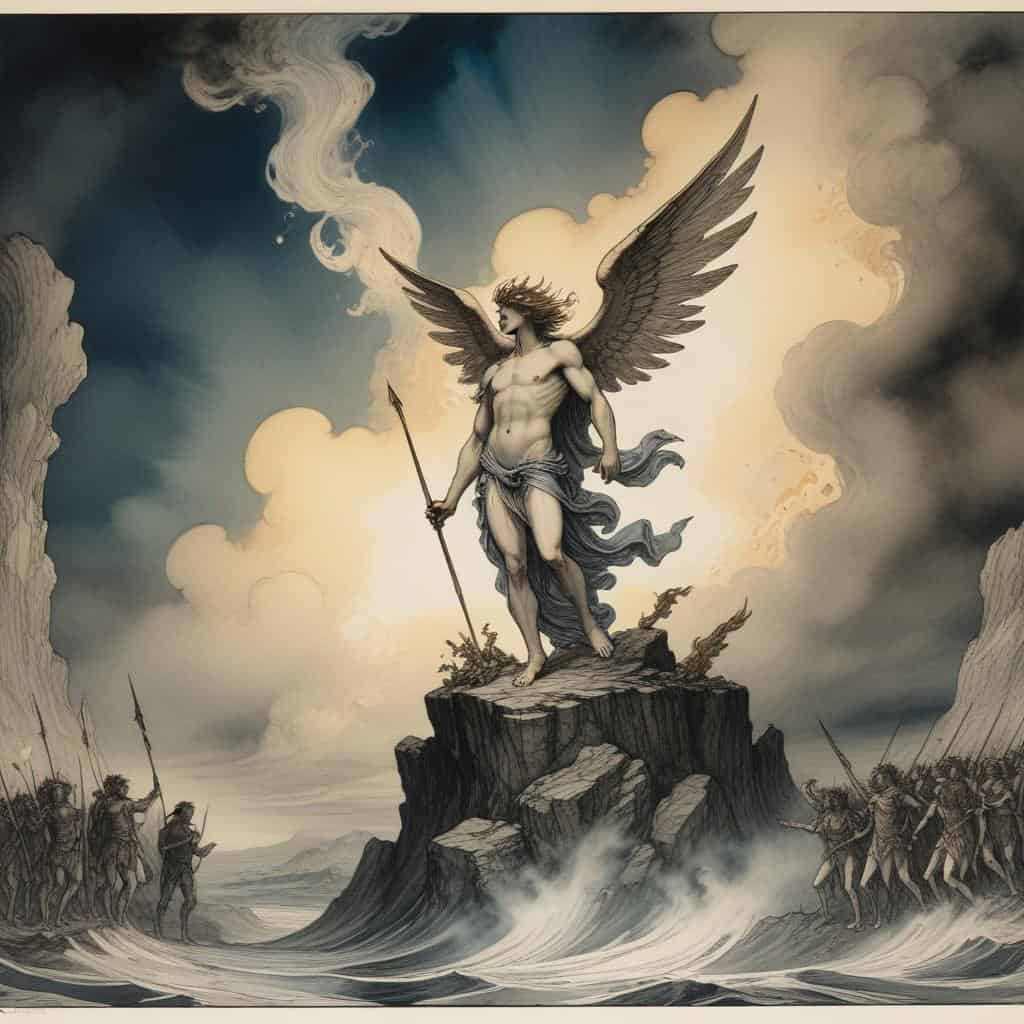
The Intervention of Apollo
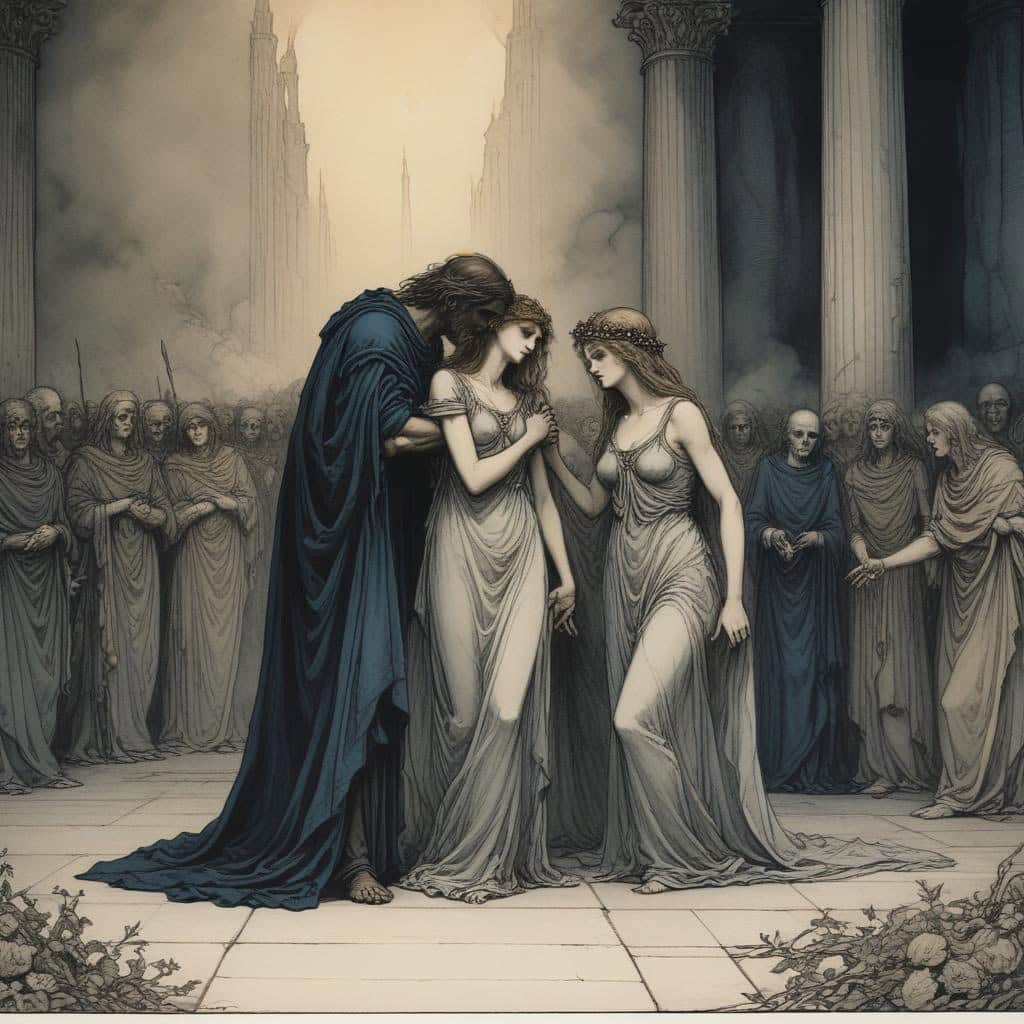
The Resolution
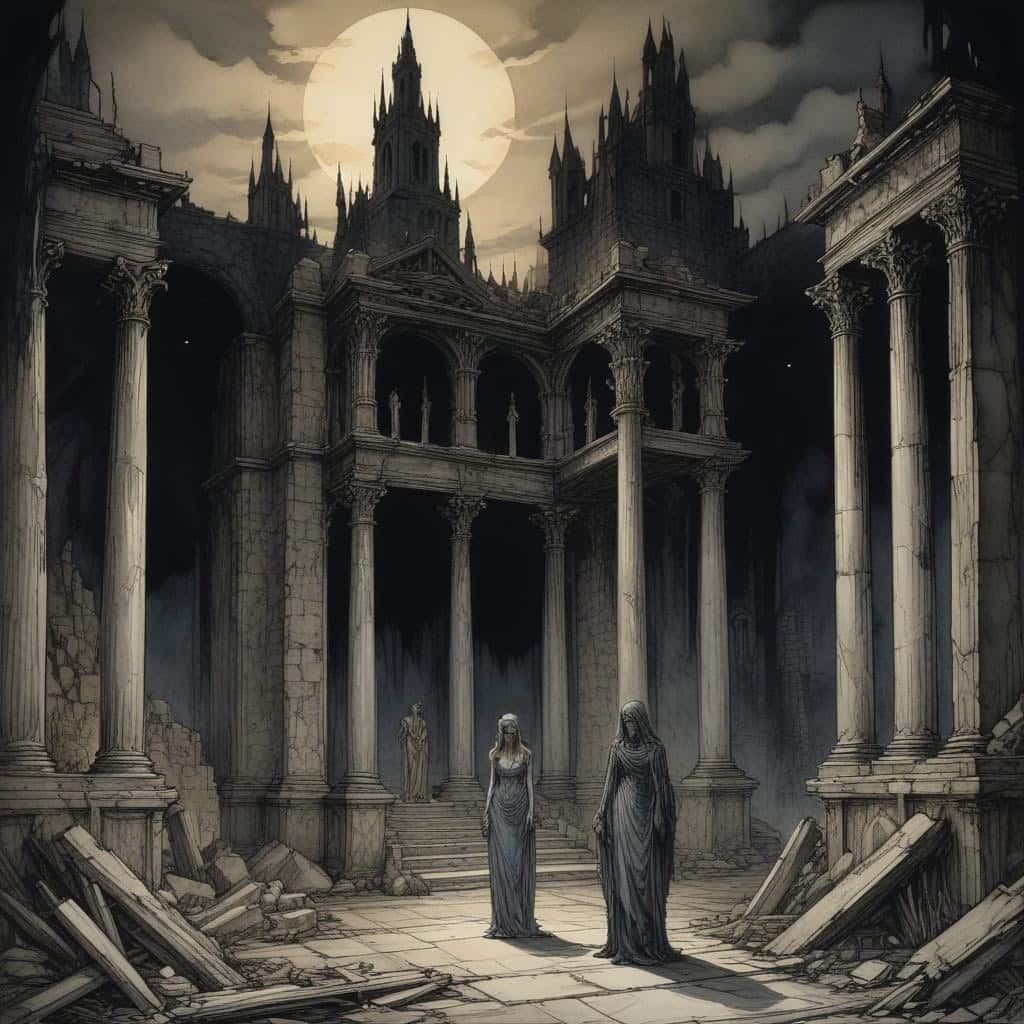
The Legacy
Lesson Details & Resources
In a Nutshell
- What: Tragedy by Sophocles
- When: Ancient Greece
- Who: Electra, Clytemnestra, Orestes
- Theme: Revenge, justice, and family relationships
List of Characters in Electra
Timeline of Electra
Electra's father, King Agamemnon, is murdered by his wife Clytemnestra and her lover Aegisthus.
Electra is left to mourn her father's death and is mistreated by Clytemnestra and Aegisthus.
Electra's brother, Orestes, is sent away to be raised in a foreign land.
Years later, Orestes returns to avenge his father's death and reunite with Electra.
Orestes and Electra devise a plan to kill Clytemnestra and Aegisthus.
Orestes and Electra successfully carry out their plan and Clytemnestra and Aegisthus are killed.
The siblings are faced with the consequences of their actions and must deal with the guilt and repercussions of their revenge.
The play ends with Orestes being pursued by the Furies for his matricide, while Electra is left to face an uncertain future.
Vocabulary List
- Electra
- The main character in the play, daughter of Agamemnon and Clytemnestra.
- Agamemnon
- Electra's father, the king of Mycenae who was murdered by Clytemnestra and Aegisthus.
- Clytemnestra
- Electra's mother, who plotted with Aegisthus to murder Agamemnon.
- Aegisthus
- Clytemnestra's lover, who helped her kill Agamemnon and now rules Mycenae.
- Orestes
- Electra's brother, who returns to Mycenae to avenge their father's death.
- Chorus
- A group of characters who provide commentary and insight throughout the play.
- Tragedy
- A genre of drama that portrays the downfall of a noble character due to a tragic flaw or external circumstances.
- Fate
- The idea that events are predetermined and cannot be changed.
- Revenge
- The act of retaliating against someone who has wronged you.
- Hubris
- Excessive pride or arrogance that often leads to a character's downfall in Greek tragedy.
Key Facts
This is the information used in the fact matching game
- Electra is a Greek tragedy written by Sophocles around 410 BC.
- The play is based on the myth of Electra, the daughter of King Agamemnon and Queen Clytemnestra.
- Electra is a central character in the play, seeking revenge for her father's murder.
- The play explores themes of justice, revenge, and the consequences of violence.
- Electra's brother, Orestes, plays a key role in the plot as well, aiding Electra in her quest for revenge.
- The character of Clytemnestra, Electra's mother, is also a central figure in the play, as she is both a victim and a perpetrator of violence.
- The play features a chorus of women who provide commentary on the action and serve as a Greek chorus.
- Electra was likely performed as part of the City Dionysia festival in Athens.
- The play is one of Sophocles' lesser-known works, overshadowed by his more famous plays such as Oedipus Rex and Antigone.
- Electra's character is often portrayed as a symbol of resistance and defiance against tyranny and injustice.
- The play has been adapted into various operas, ballets, and films over the years.
- Electra's relationship with her sister, Chrysothemis, is a key element of the play, as they have differing views on how to handle their mother's crimes.
- The play ends with a resolution of sorts, as Electra and Orestes are able to exact their revenge on Clytemnestra and her lover, Aegisthus.
- Sophocles' portrayal of Electra as a strong and determined woman was ahead of its time in ancient Greece, where women were often portrayed as passive and submissive.
- The character of Electra has been a source of inspiration for feminist writers and scholars over the centuries.
- The play raises questions about the nature of justice, the limits of revenge, and the complexities of family relationships.
- Electra is considered one of Sophocles' most psychologically complex works, delving into the minds of its characters in a way that was innovative for its time.
- The character of Orestes is also a key figure in Aeschylus' Oresteia trilogy, which explores similar themes of justice and revenge.
- The play has been translated into many languages and is still performed today in theaters around the world.
- Electra's actions in the play are driven by a sense of duty to her father and a desire for vengeance, making her a tragic figure in the classical sense.
- Sophocles' portrayal of Electra as a complex and conflicted character has been praised by critics for its psychological depth and emotional resonance.
Analysis & Significance
Impact on Literature
Electra, a classic Greek tragedy by Sophocles, has had a profound impact on literature by exploring themes of vengeance, justice, and redemption. Its complex characters and intense emotions have inspired countless writers and playwrights to delve into the depths of human nature.
Enduring Themes
The enduring themes of Electra, such as the struggle for justice, the consequences of revenge, and the complexity of familial relationships, continue to resonate with modern audiences. These timeless themes remind us of the universal truths about human behavior and the consequences of holding onto anger and resentment.
Cultural Significance Today
Electra’s cultural significance remains strong today, with numerous adaptations in literature, theater, and film. From modern retellings to reinterpretations in popular culture, Electra’s story of betrayal, grief, and ultimately, catharsis, continues to captivate audiences and spark discussions about morality and the human experience.
Electra Games


Take Your Learning Offline
Want a convenient, print-ready study guide for this lesson? Become a Memory Wizards Pro member to unlock the downloadable " Memory Scrolls" for this topic and our entire library!
- ✓ Complete Vocabulary Lists
- ✓ Key Facts & Timelines
- ✓ Beautifully Formatted for Print & Mobile