
How Do You Learn Best?
Learn by Reading
Immerse yourself in the 10-minute visual lesson for a comprehensive understanding of the topic.
Learn by Reviewing
Jump directly to the key facts, timeline, and vocabulary lists to build a solid foundation of details.
Learn by Doing
Challenge yourself! Jump straight into the interactive games to learn by trial, error, and discovery.
The Prevention of Literature in 10 Minutes
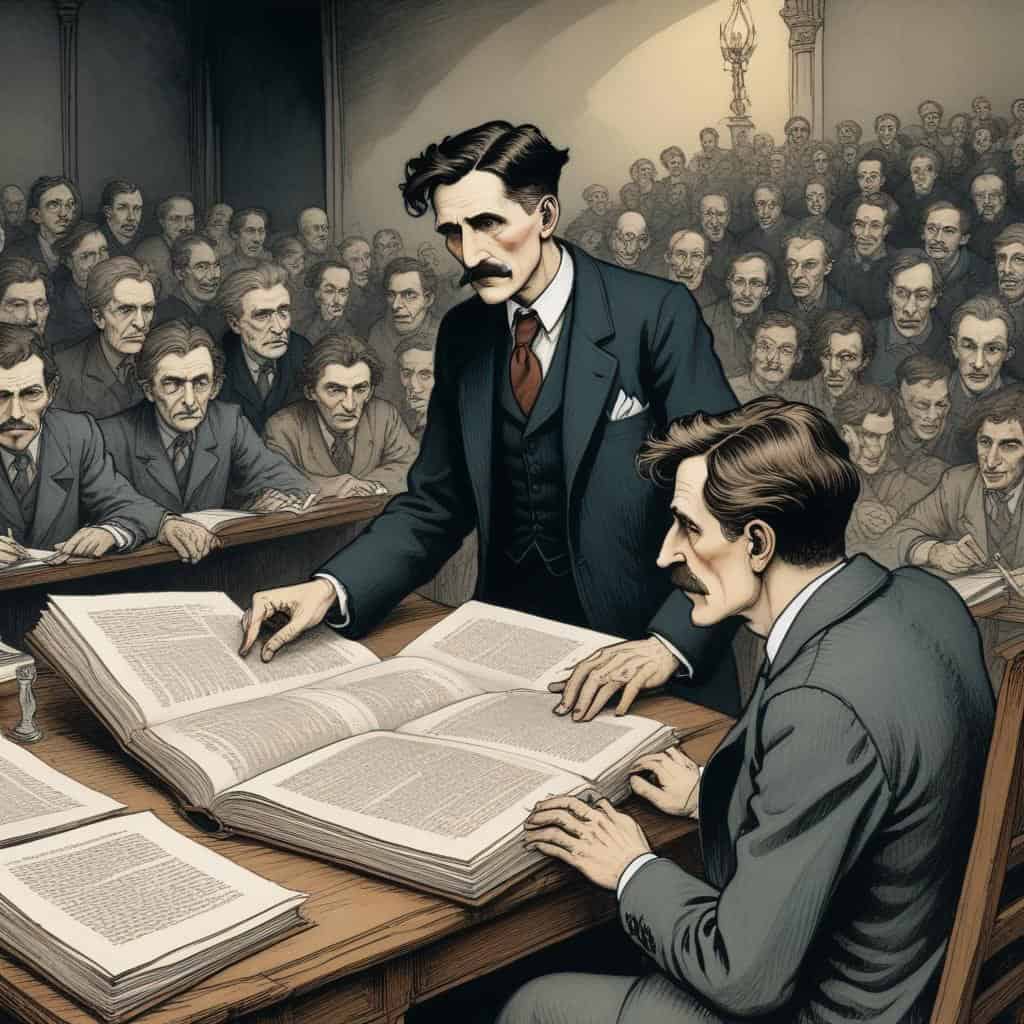
Introduction
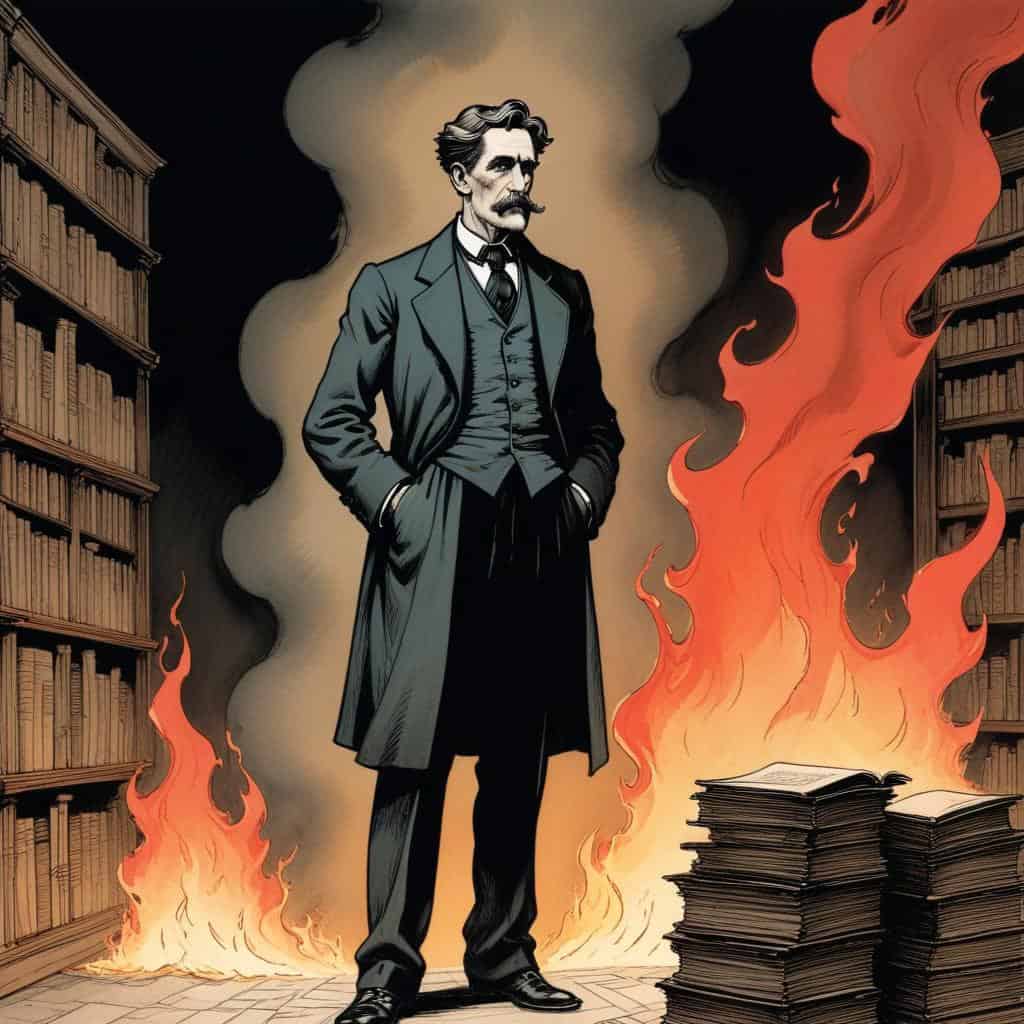
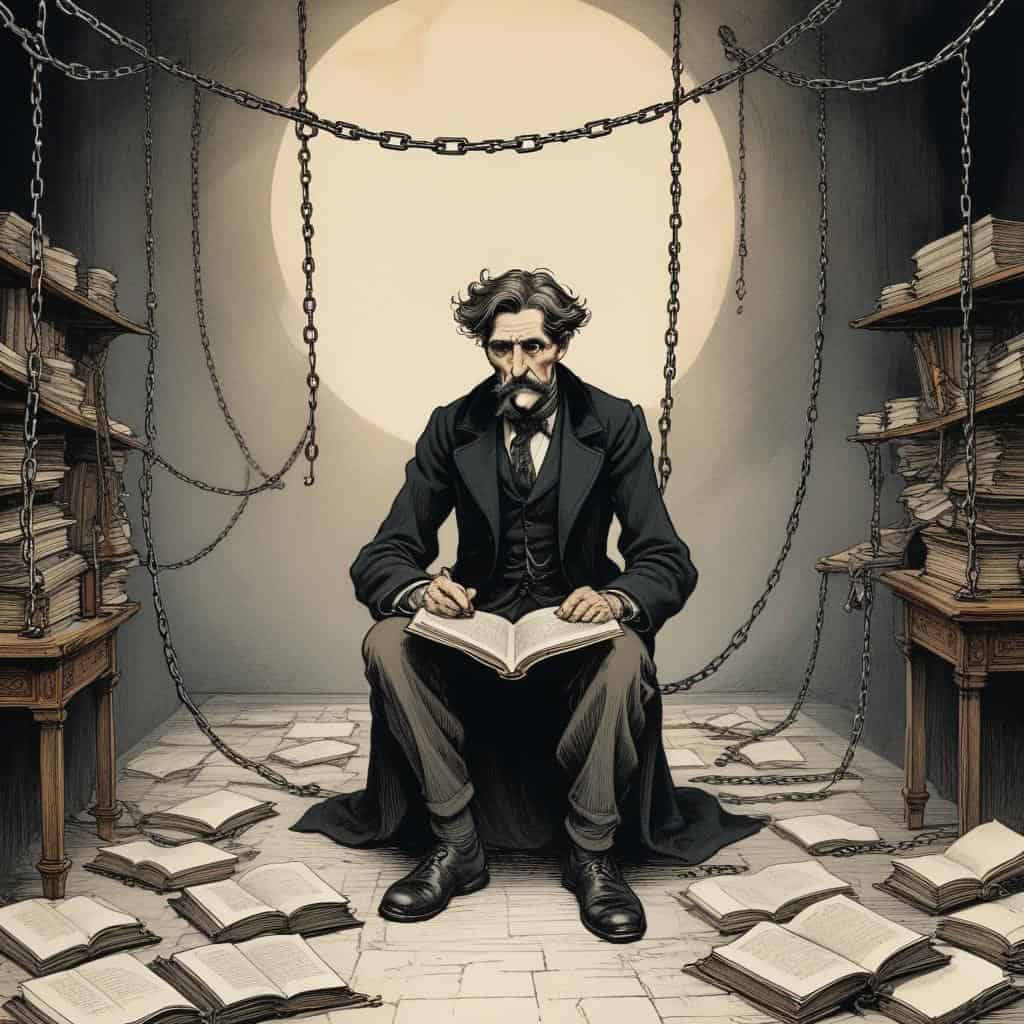
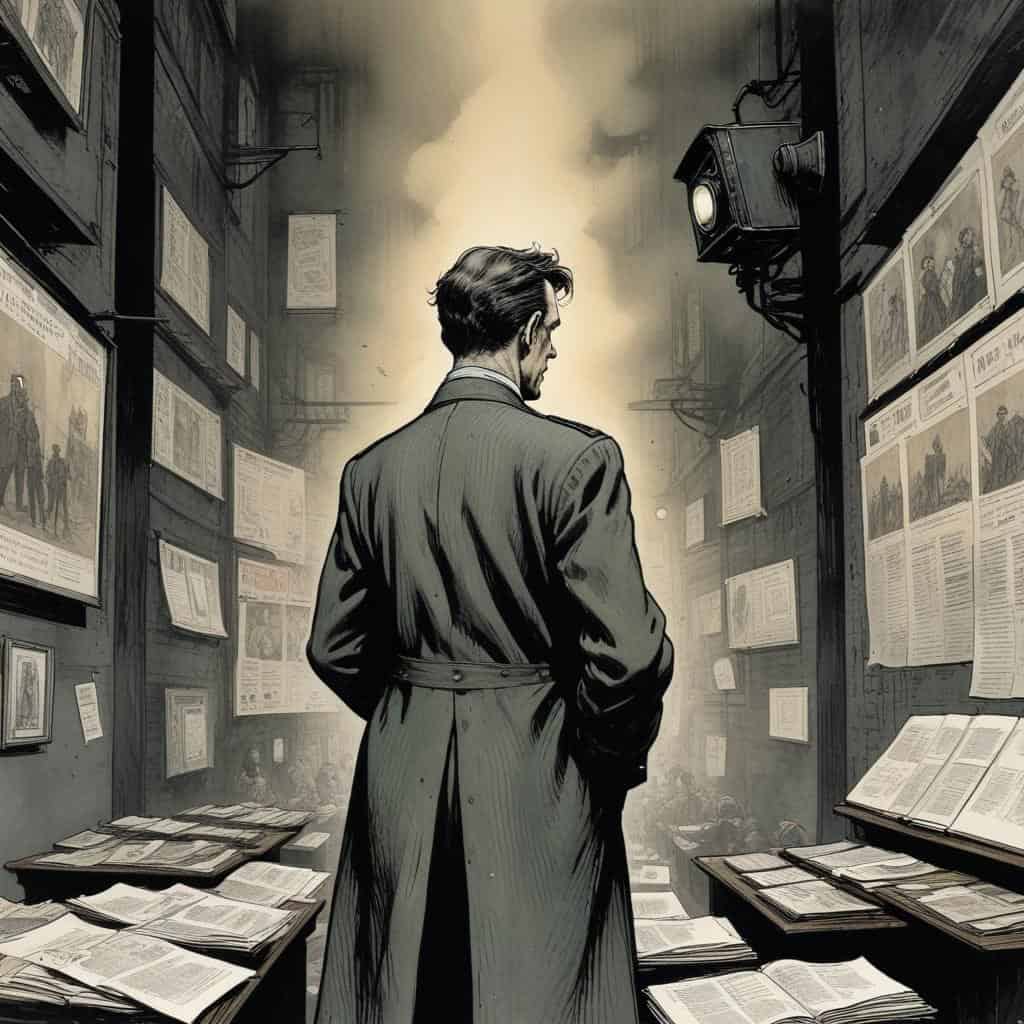
Winston Smith
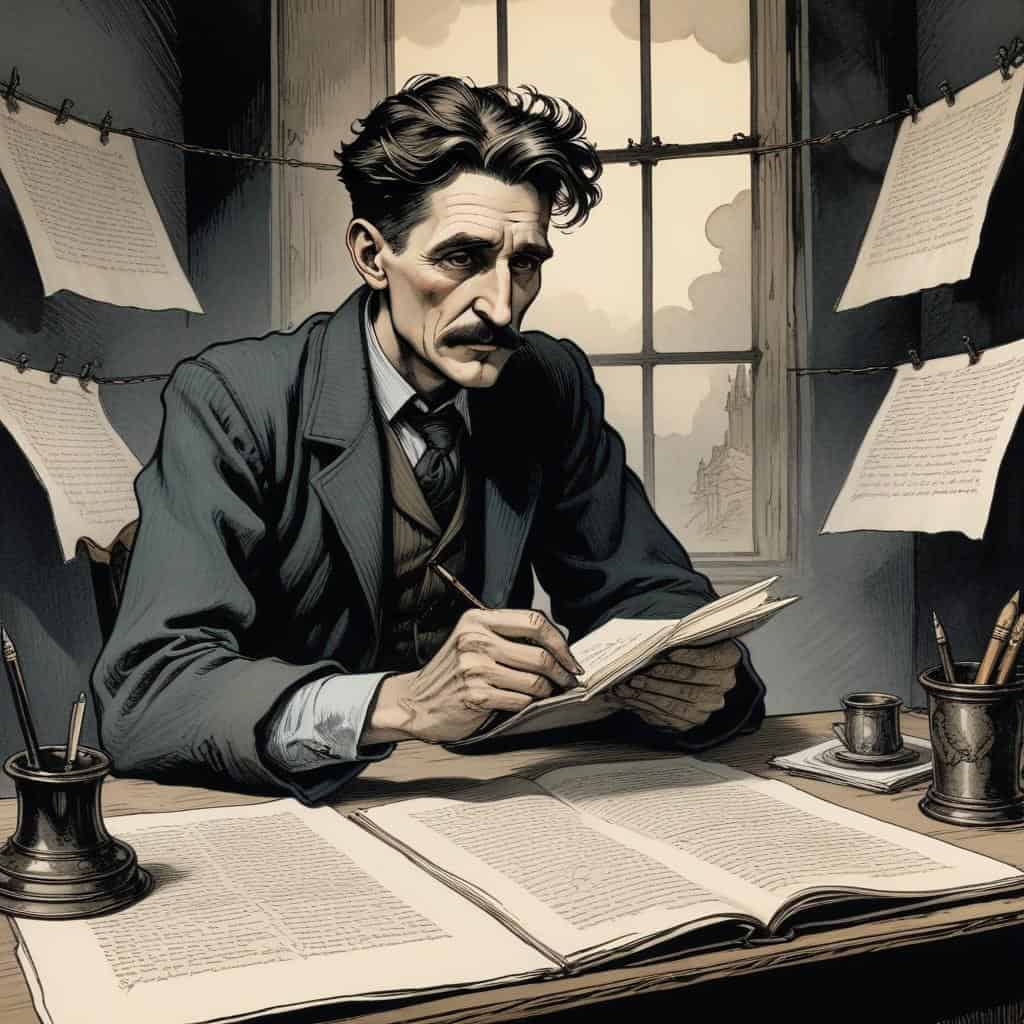
George Orwell
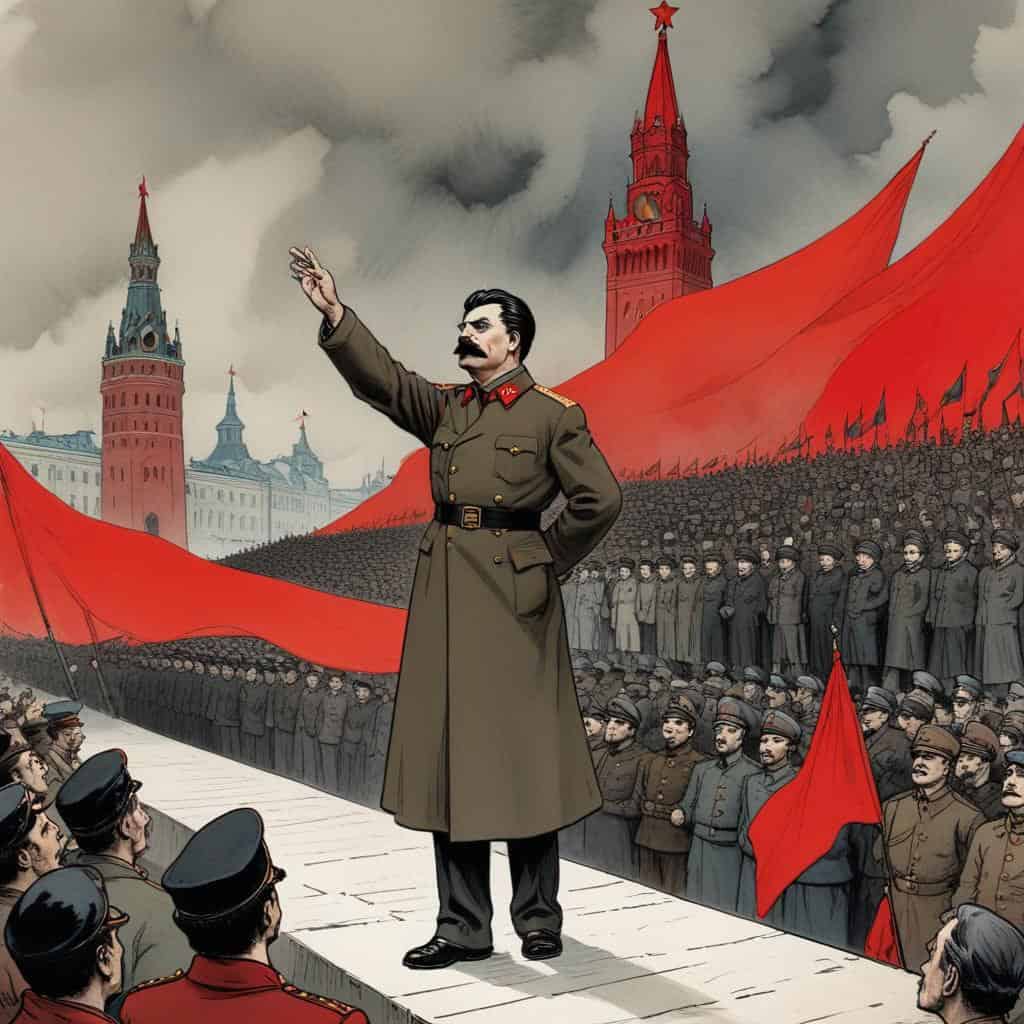
Joseph Stalin
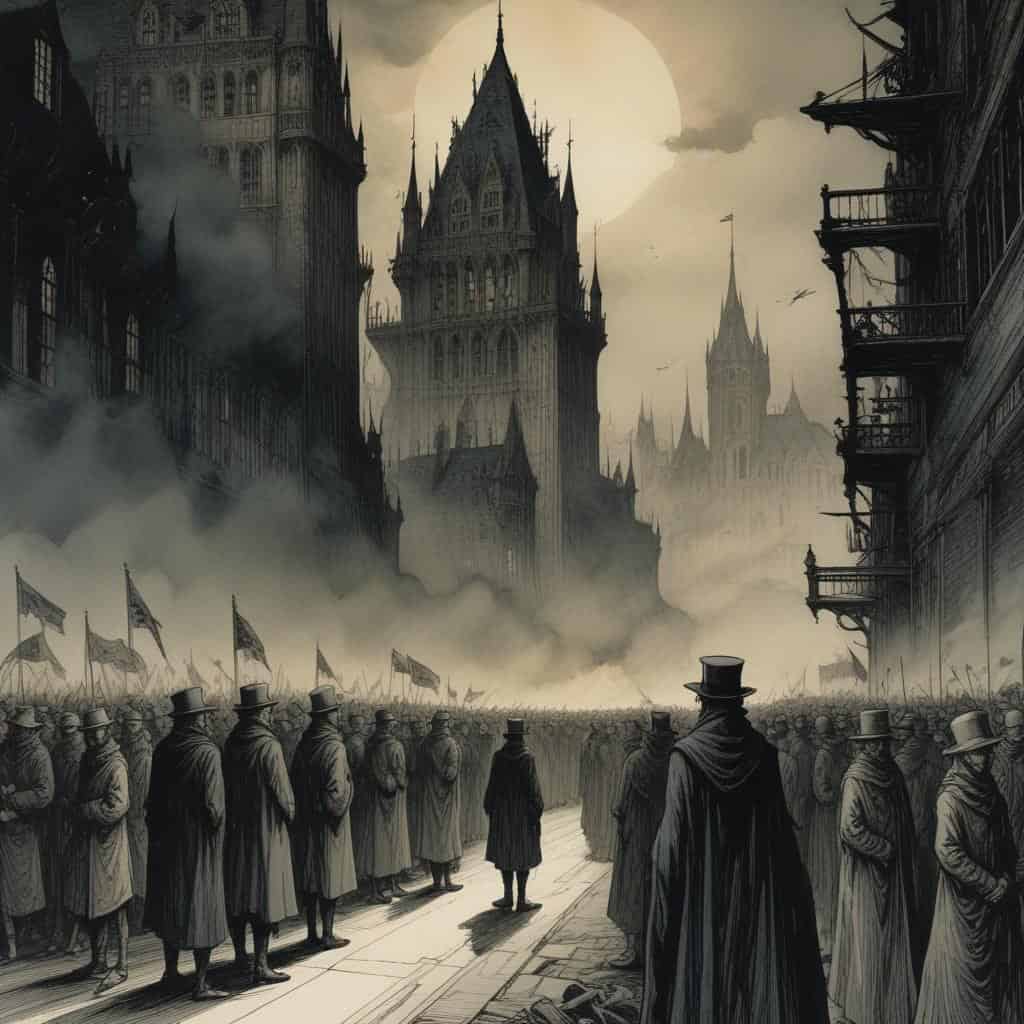
Big Brother
1. Introduction to The Prevention of Literature
2. Orwells Views on Totalitarianism
3. The Role of Writers in Society
4. The Impact of Censorship on Literature
5. The Importance of Intellectual Freedom
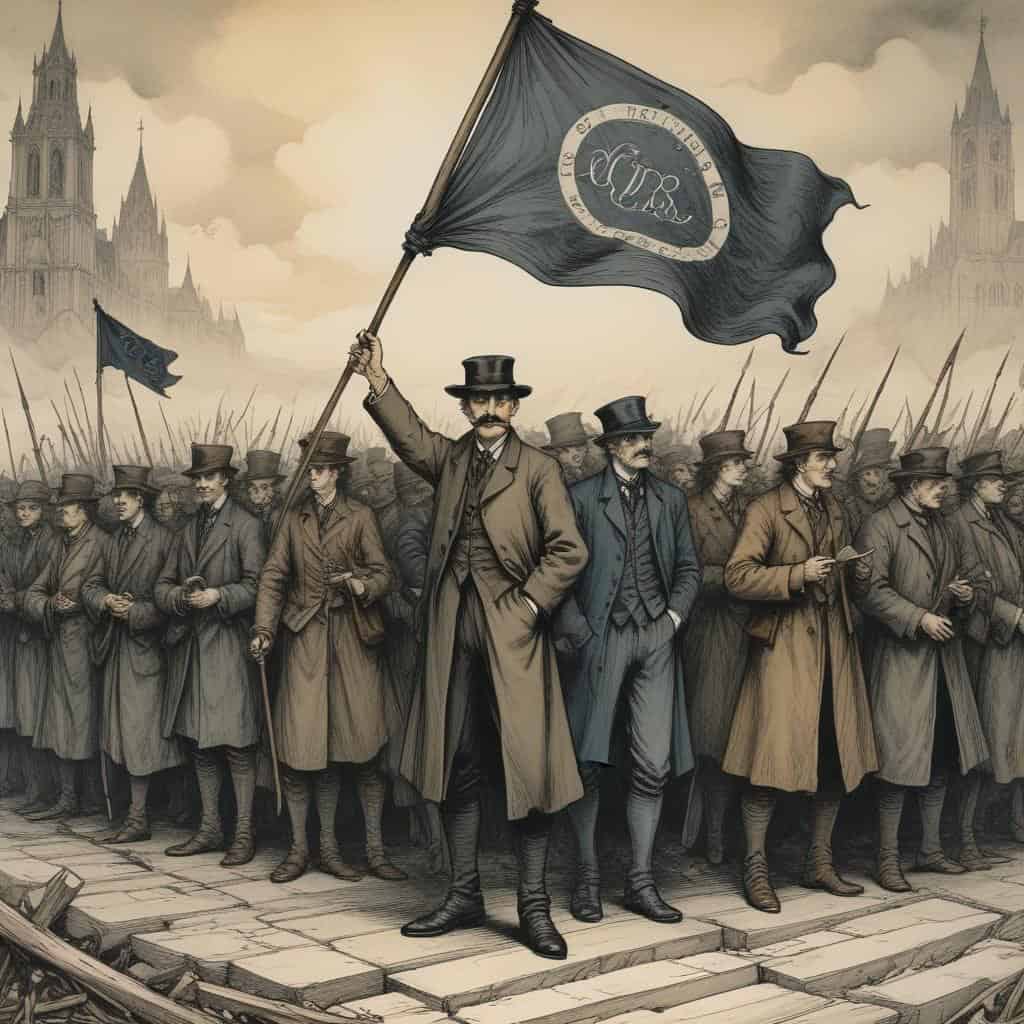
6. Orwells Call to Action
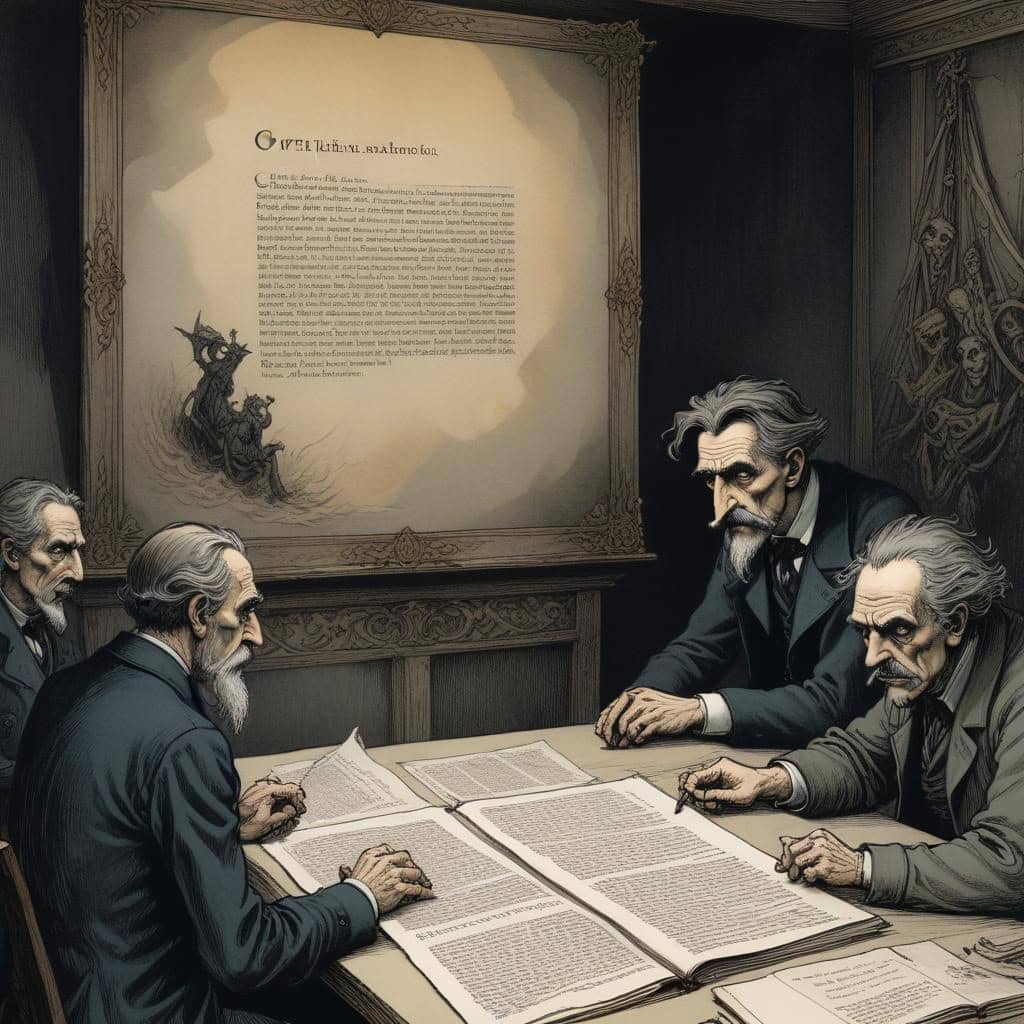
7. The Role of Language in Manipulation
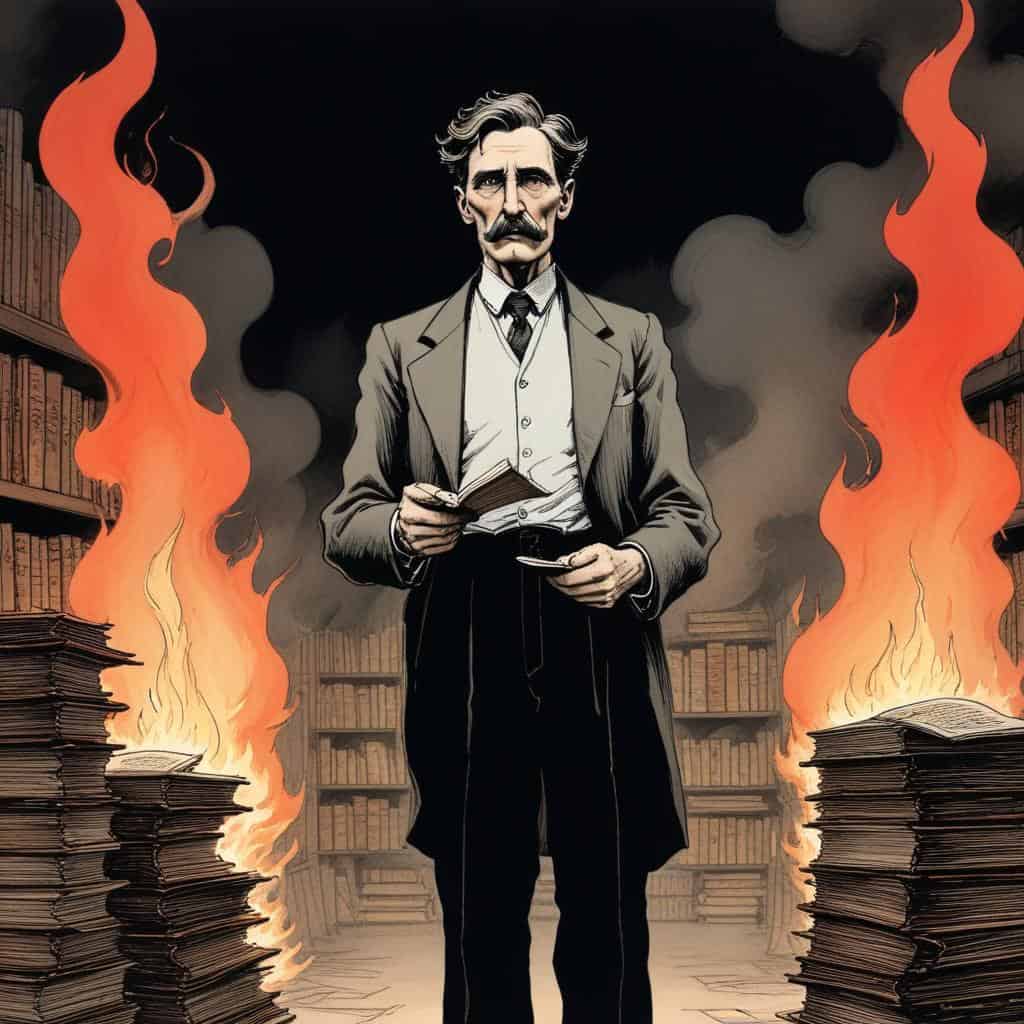
8. The Dangers of Complacency
9. The Legacy of Orwells Work
10. Conclusion
Lesson Details & Resources
In a Nutshell
- What: "The Prevention of Literature" by George Orwell
- When: Written in the mid-20th century
- Who: Not applicable (essay discussing censorship and suppression of literature)
- Theme: Censorship, suppression of free speech, and the importance of literature in society
List of Characters in The Prevention of Literature
-
Winston Smith
Winston Smith is the protagonist of George Orwell's novel 1984, who works at the Ministry of Truth and rebels against the oppressive government.
-
George Orwell
George Orwell is the author of The Prevention of Literature, an essay that discusses the dangers of censorship and the importance of free speech.
-
Karl Popper
Karl Popper was a philosopher who criticized totalitarian ideologies and advocated for an open society.
-
Aldous Huxley
Aldous Huxley was a writer who explored dystopian themes in his novel Brave New World.
-
Leo Tolstoy
Leo Tolstoy was a Russian author who wrote about the human condition and the struggle for individual freedom.
Timeline of The Prevention of Literature
The author begins by discussing the importance of literature and how it can challenge and criticize the status quo.
He explains how totalitarian regimes seek to control and manipulate literature to serve their own interests.
The author describes the various methods used to prevent literature, such as censorship, propaganda, and the manipulation of language.
He discusses the role of intellectuals in society and how they can either resist or collaborate with the regime.
The author explains how the regime uses fear, punishment, and surveillance to discourage and suppress independent thought.
He argues that literature should strive to be truthful and objective, as it can expose the lies and contradictions of the regime.
The author emphasizes the need for writers to resist and continue producing literature even in the face of adversity.
He concludes by highlighting the enduring power of literature and its ability to inspire change and challenge oppressive regimes.
Vocabulary List
- Censorship
- Orwell discusses how censorship can limit the spread of certain ideas and control the population.
- Propaganda
- Orwell warns about the dangers of propaganda and how it can manipulate public opinion.
- Thought control
- Orwell explores the idea of thought control and how it can be used to suppress dissenting opinions.
- Totalitarianism
- Orwell highlights the dangers of living under a totalitarian regime where freedom of thought and expression are restricted.
- Intellectual freedom
- Orwell emphasizes the importance of intellectual freedom and the ability to freely express ideas.
- Surveillance
- Orwell discusses how surveillance can be used to monitor and control the population.
- Doublethink
- Orwell introduces the concept of doublethink, where individuals are able to hold contradictory beliefs at the same time.
- Newspeak
- Orwell explains how the manipulation of language through the use of Newspeak can limit the ability to express dissenting ideas.
- Revisionism
- Orwell warns about the dangers of historical revisionism and how it can be used to manipulate the past.
- Freedom of speech
- Orwell advocates for freedom of speech as a fundamental right that should be protected in society.
Key Facts
This is the information used in the fact matching game
- - George Orwell wrote "The Prevention of Literature" in 1946.
- - It is a non-fiction essay addressing the issue of censorship and the suppression of free expression in literature.
- - Orwell argues that totalitarian regimes use various tactics to stifle creativity and control the narrative.
- - The essay highlights the importance of literature in challenging authority and promoting critical thinking.
- - Orwell discusses the dangers of self-censorship and the role of intellectuals in shaping public opinion.
- - He criticizes the tendency of writers to conform to popular opinions and avoid controversial subjects.
- - Orwell emphasizes the need for independent thought and the willingness to question accepted norms.
- - The essay explores the impact of political censorship on language and the manipulation of words.
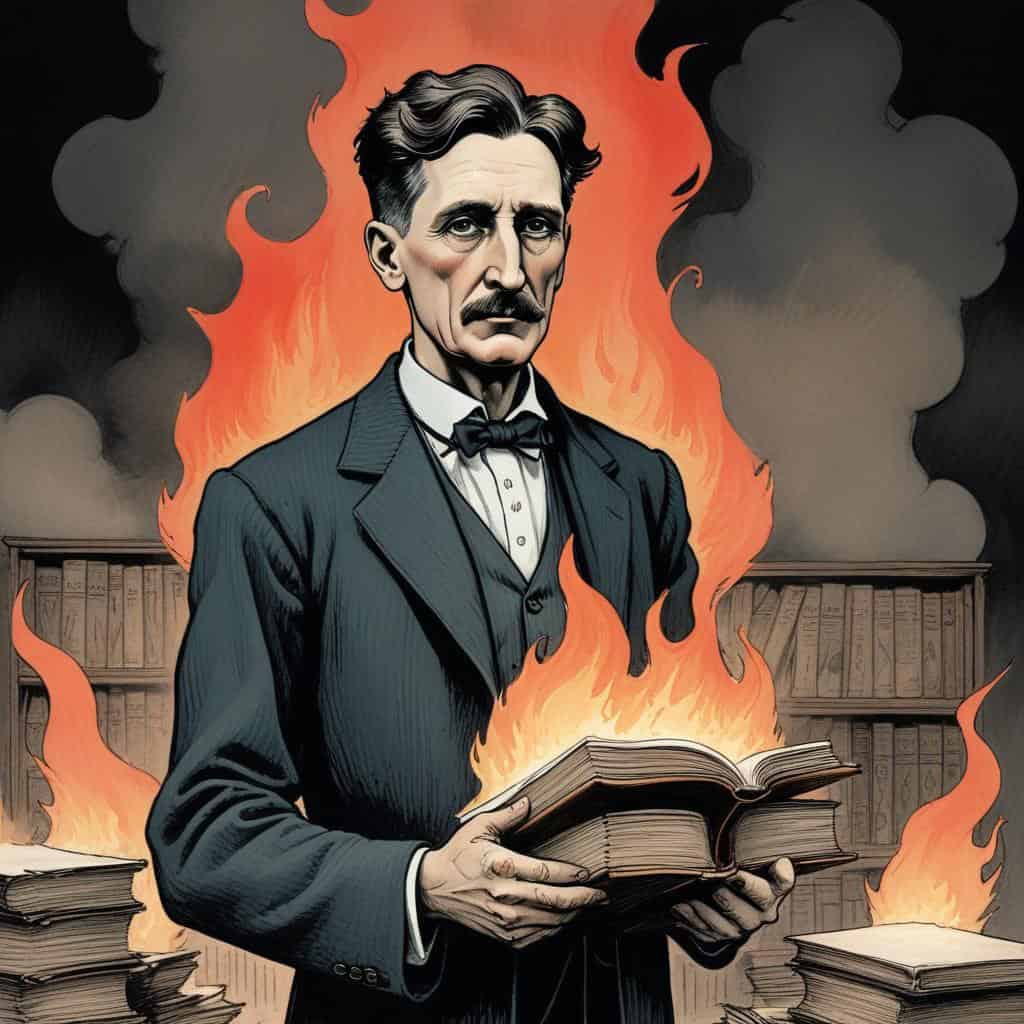
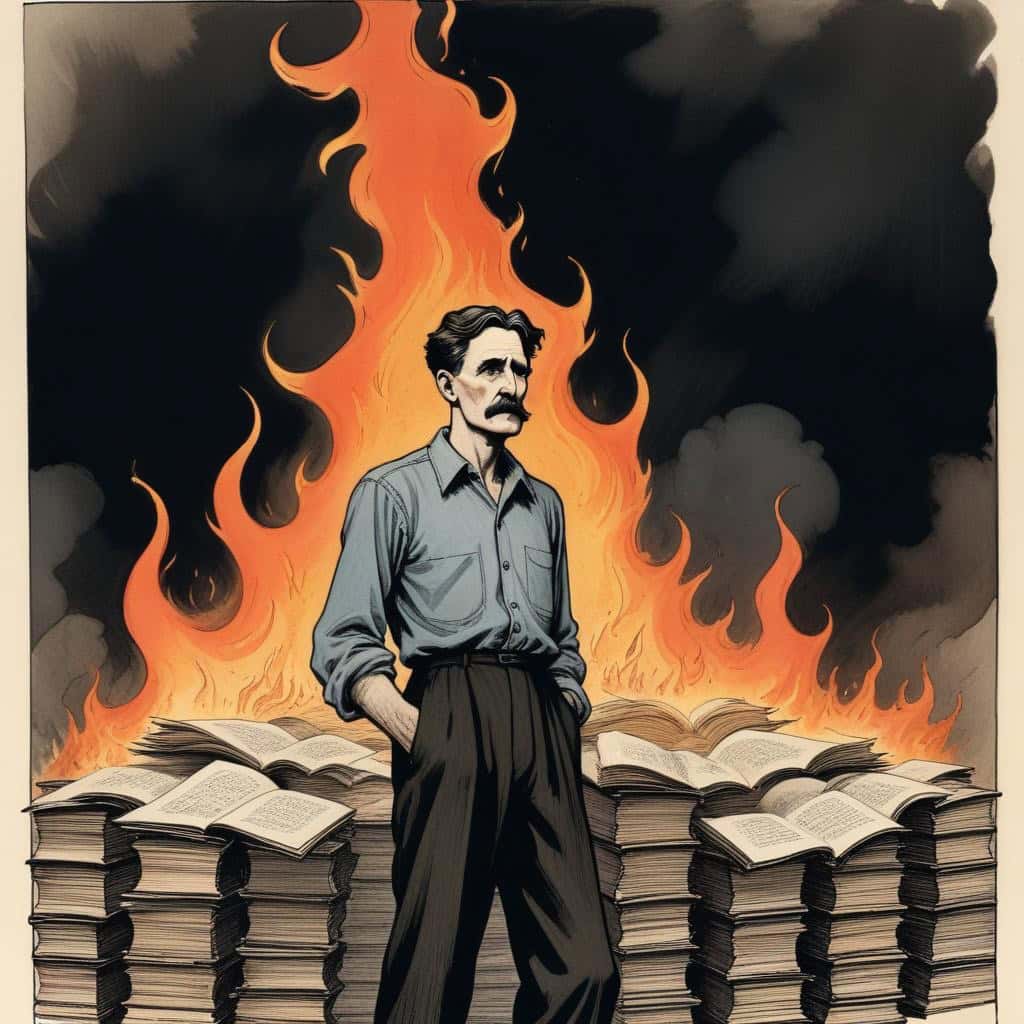
- - Orwell mentions historical examples of book burnings and the destruction of literature to control information.
- - He warns against the dangers of propaganda and the distortion of truth for political gain.
- - Orwell argues that literature should be a means of resistance and a tool for exposing injustice.
- - He suggests that the fear of punishment often leads writers to avoid certain topics or adopt a passive stance.
- - Orwell criticizes the tendency of intellectuals to align with those in power and neglect their duty to speak truth to power.
- - The essay examines the role of language in shaping public opinion and controlling thought.
- - Orwell discusses the importance of preserving literary traditions and the impact of censorship on cultural heritage.
- - He argues that literature should be a reflection of society and its flaws, rather than a tool for propaganda.
- - Orwell highlights the danger of a society where all literature is controlled by the state and dissenting voices are silenced.
- - The essay concludes with a call to action, urging writers to resist censorship and defend intellectual freedom.
- - Orwell's ideas in "The Prevention of Literature" continue to be relevant in the context of modern-day censorship and suppression of free expression.
- - The essay serves as a reminder of the power of literature to challenge authority and inspire change.
Analysis & Significance
Impact on Literature
“The Prevention of Literature” by George Orwell is a thought-provoking essay that delves into the dangers of censorship and the suppression of free speech. Orwell’s insights into the manipulation of language and the control of information have had a lasting impact on literature, inspiring writers to explore themes of authoritarianism, propaganda, and the importance of individual expression.
Enduring Themes
The themes of censorship, political control, and the power of language in “The Prevention of Literature” continue to resonate with modern audiences. Orwell’s warning about the dangers of limiting intellectual freedom and the need for critical thinking in the face of propaganda are timeless themes that remain relevant in today’s society.
Cultural Significance Today
Orwell’s work has had a profound cultural significance, with “The Prevention of Literature” being widely studied and referenced in discussions about censorship, freedom of speech, and government control. The essay’s influence can be seen in popular culture, with adaptations and interpretations of Orwell’s ideas appearing in literature, film, and political discourse around the world.
The Prevention of Literature Games


Take Your Learning Offline
Want a convenient, print-ready study guide for this lesson? Become a Memory Wizards Pro member to unlock the downloadable " Memory Scrolls" for this topic and our entire library!
- ✓ Complete Vocabulary Lists
- ✓ Key Facts & Timelines
- ✓ Beautifully Formatted for Print & Mobile