
How Do You Learn Best?
Learn by Reading
Immerse yourself in the 10-minute visual lesson for a comprehensive understanding of the topic.
Learn by Reviewing
Jump directly to the key facts, timeline, and vocabulary lists to build a solid foundation of details.
Learn by Doing
Challenge yourself! Jump straight into the interactive games to learn by trial, error, and discovery.
Critias in 10 Minutes
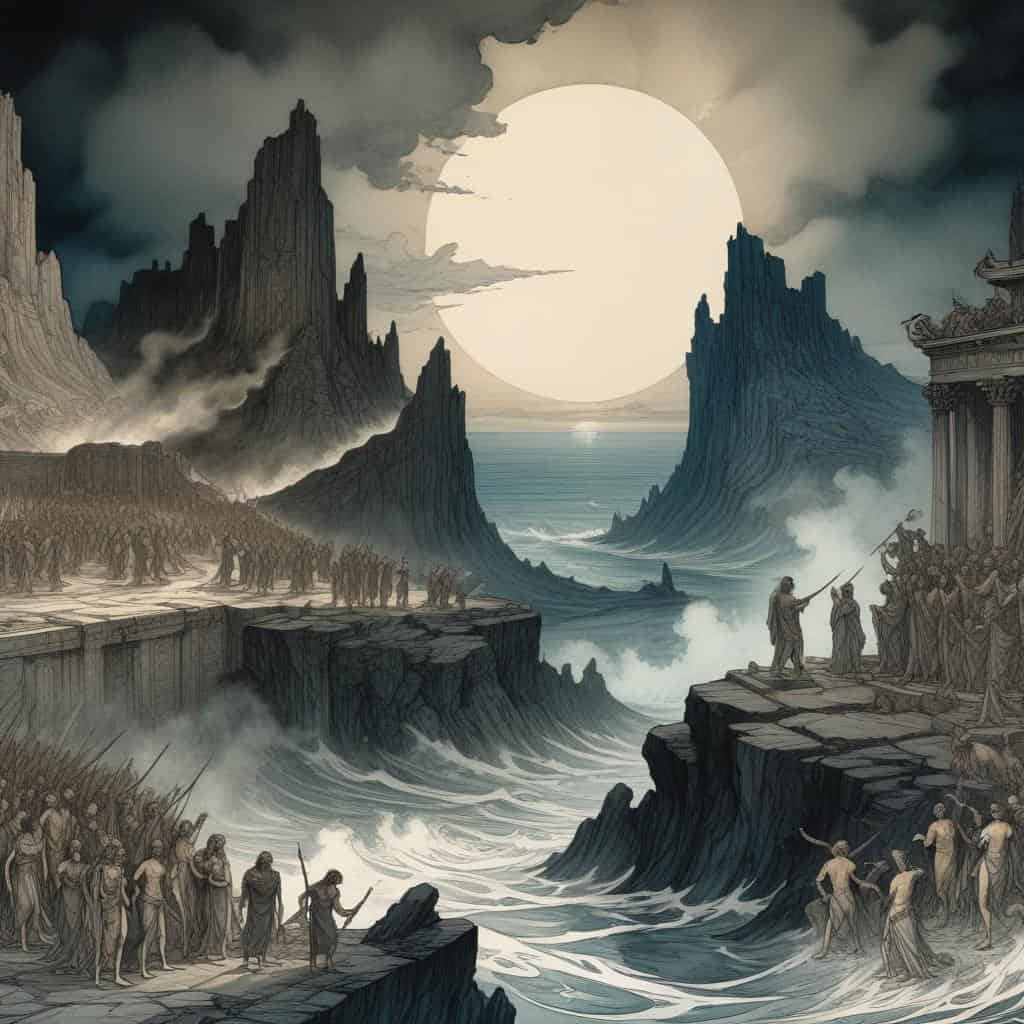
Introduction
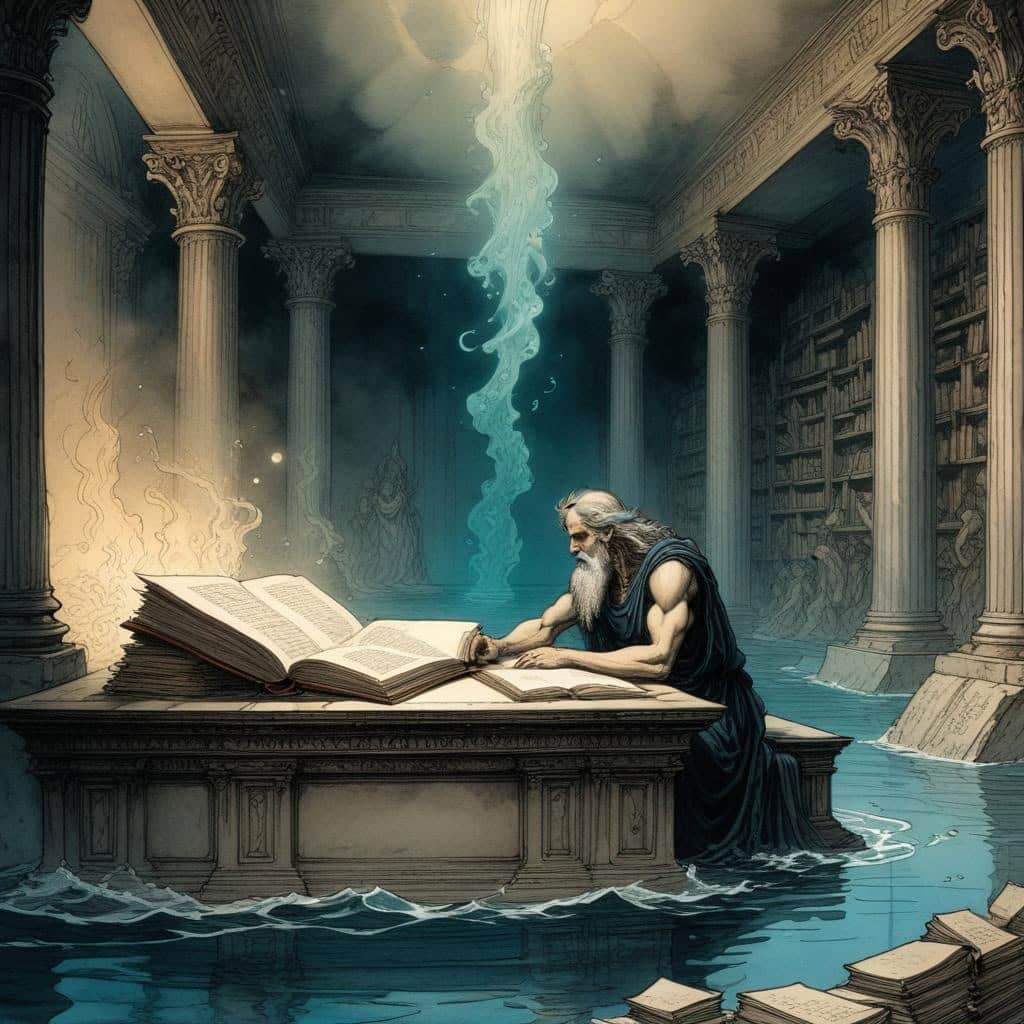
Critias

Solon

Atlantis

Hermocrates

The Athenian Stranger
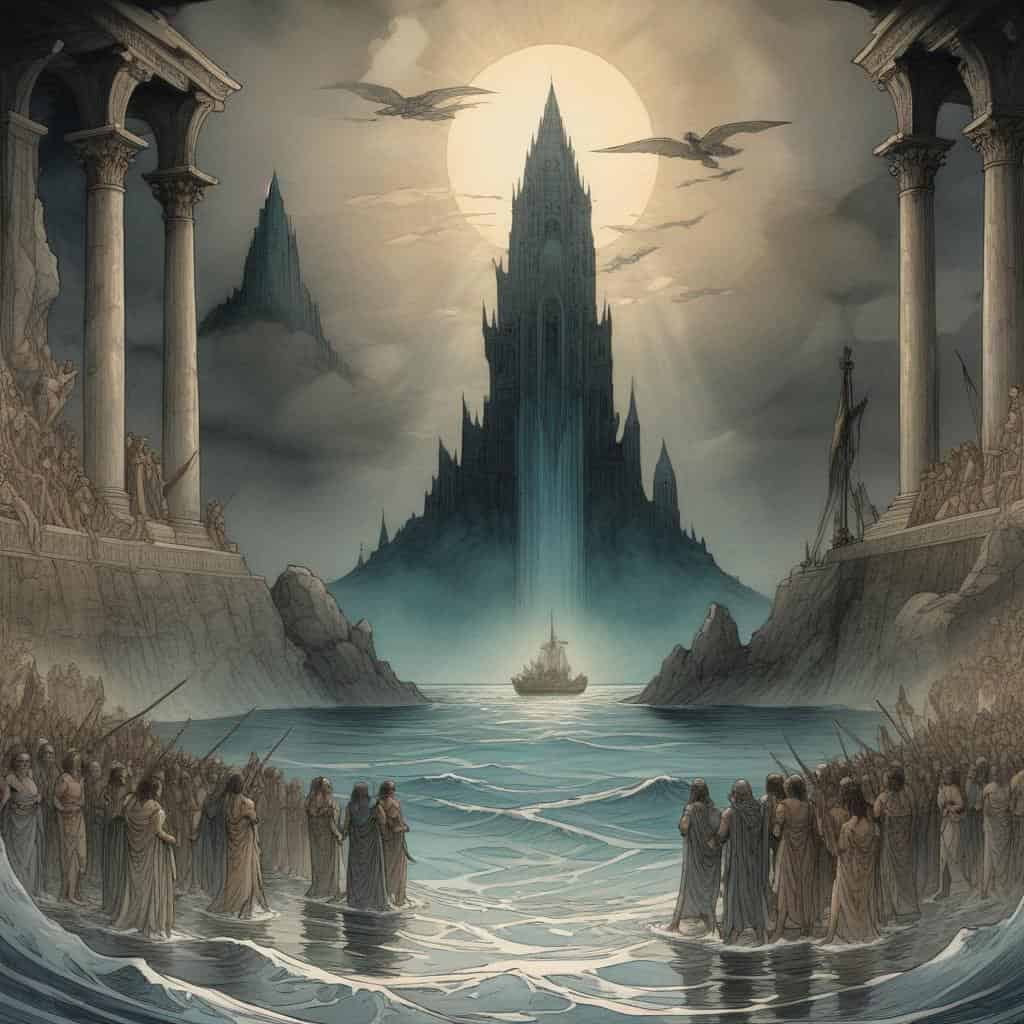
The Background of Critias
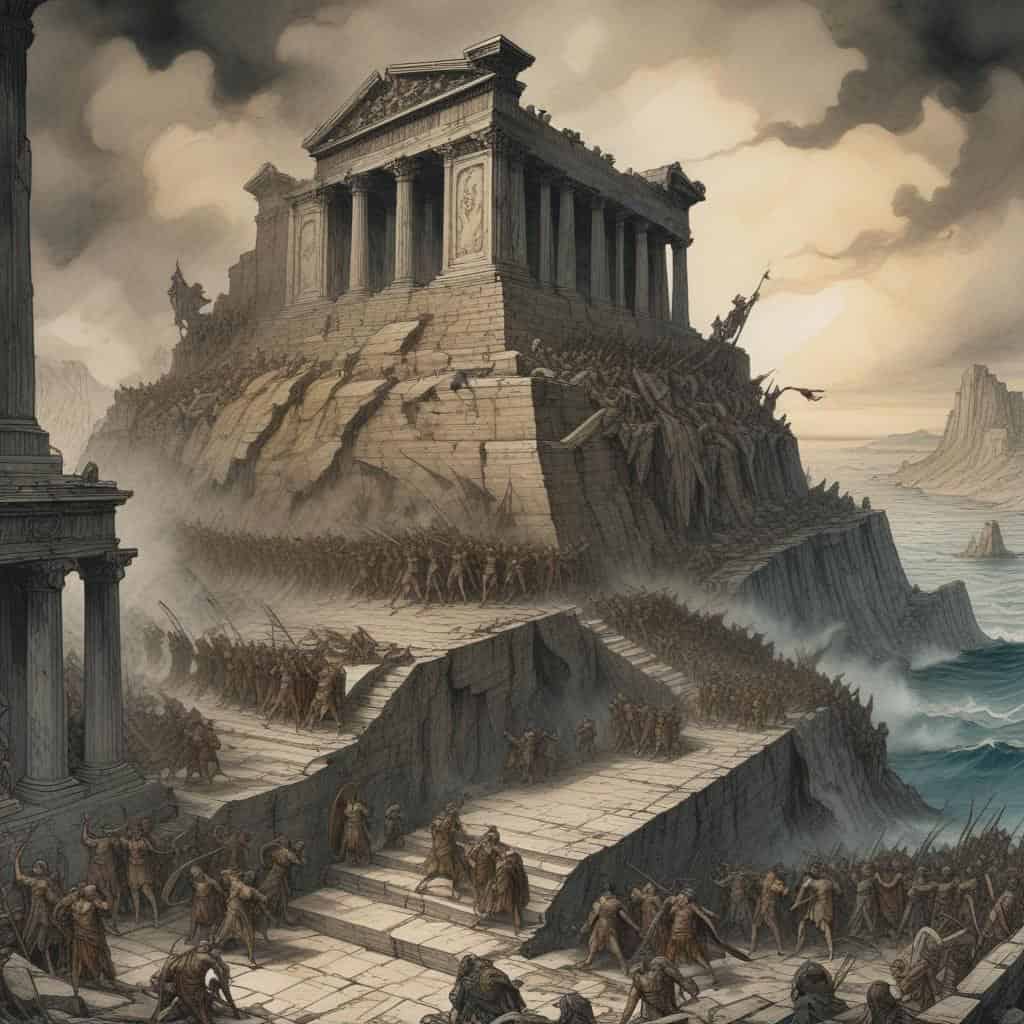
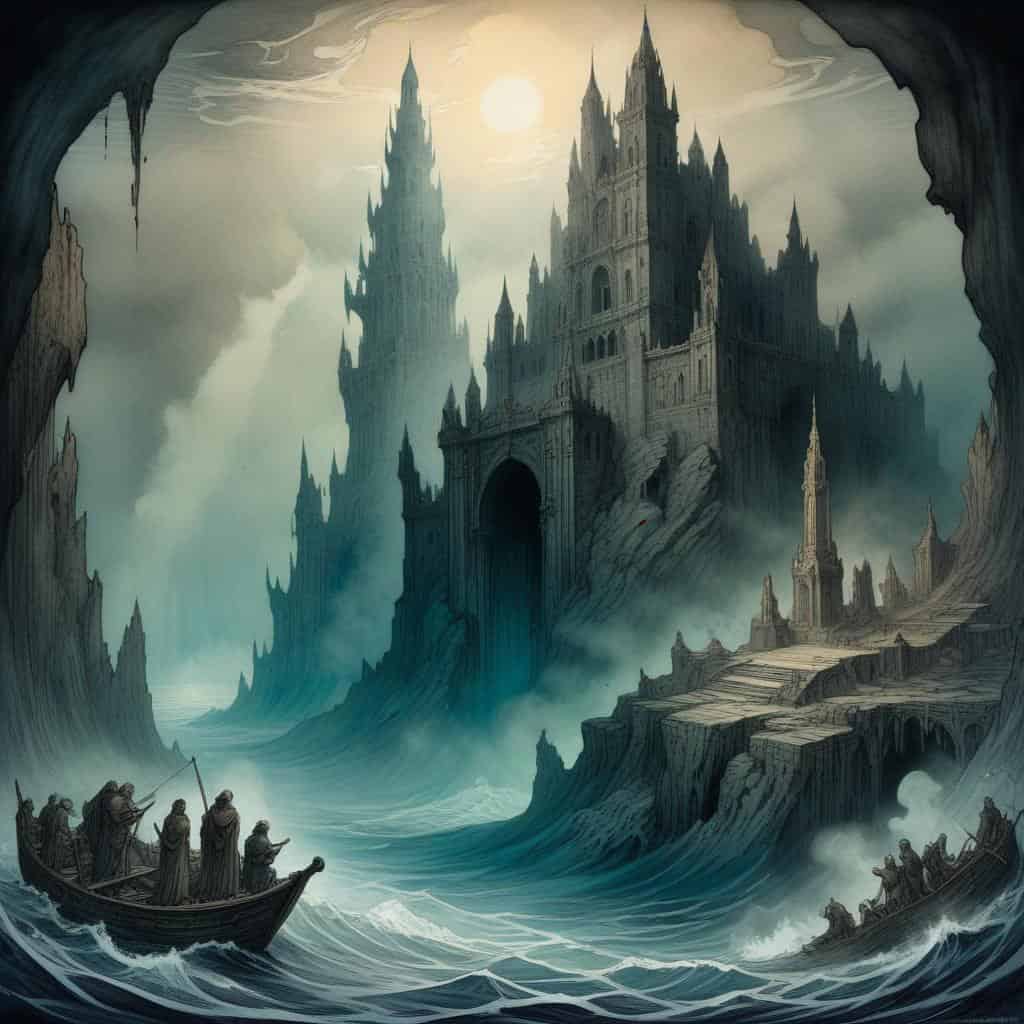
The Story of Atlantis
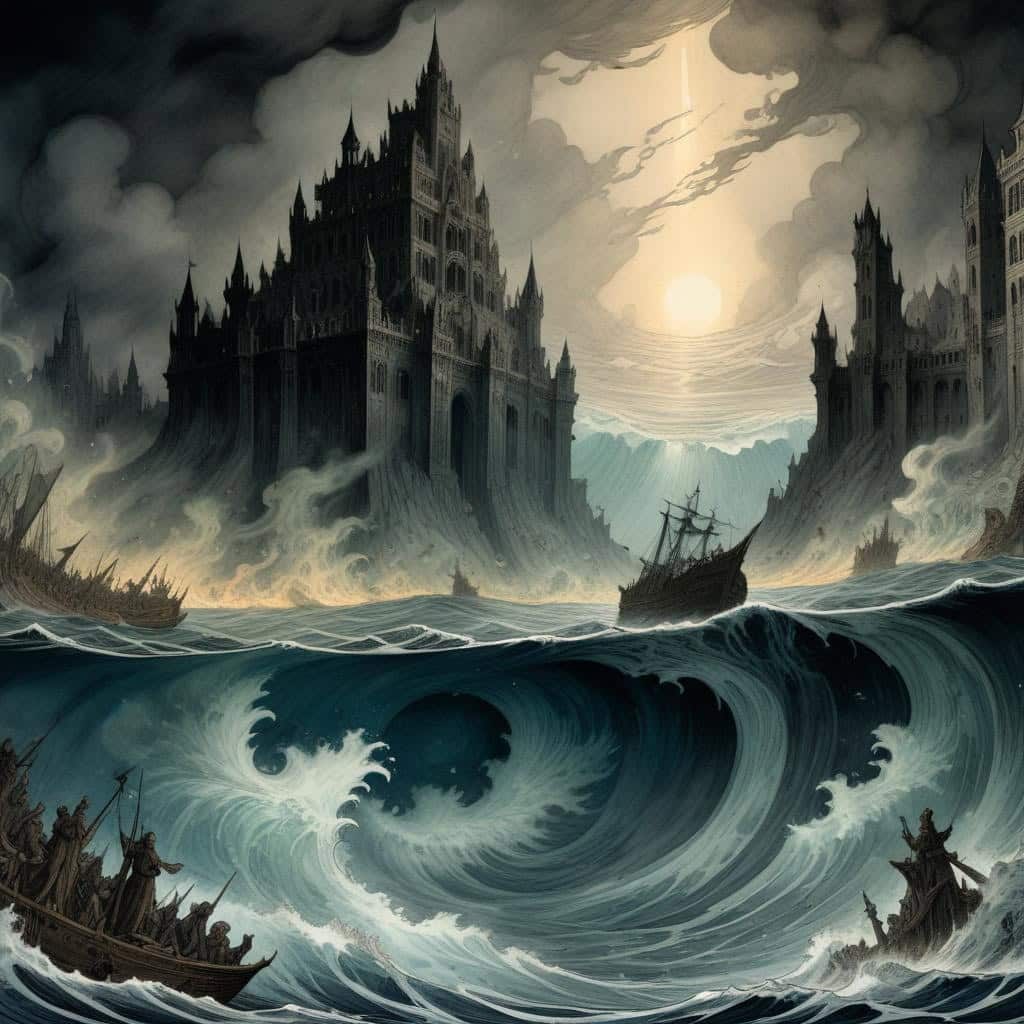
The Destruction of Atlantis
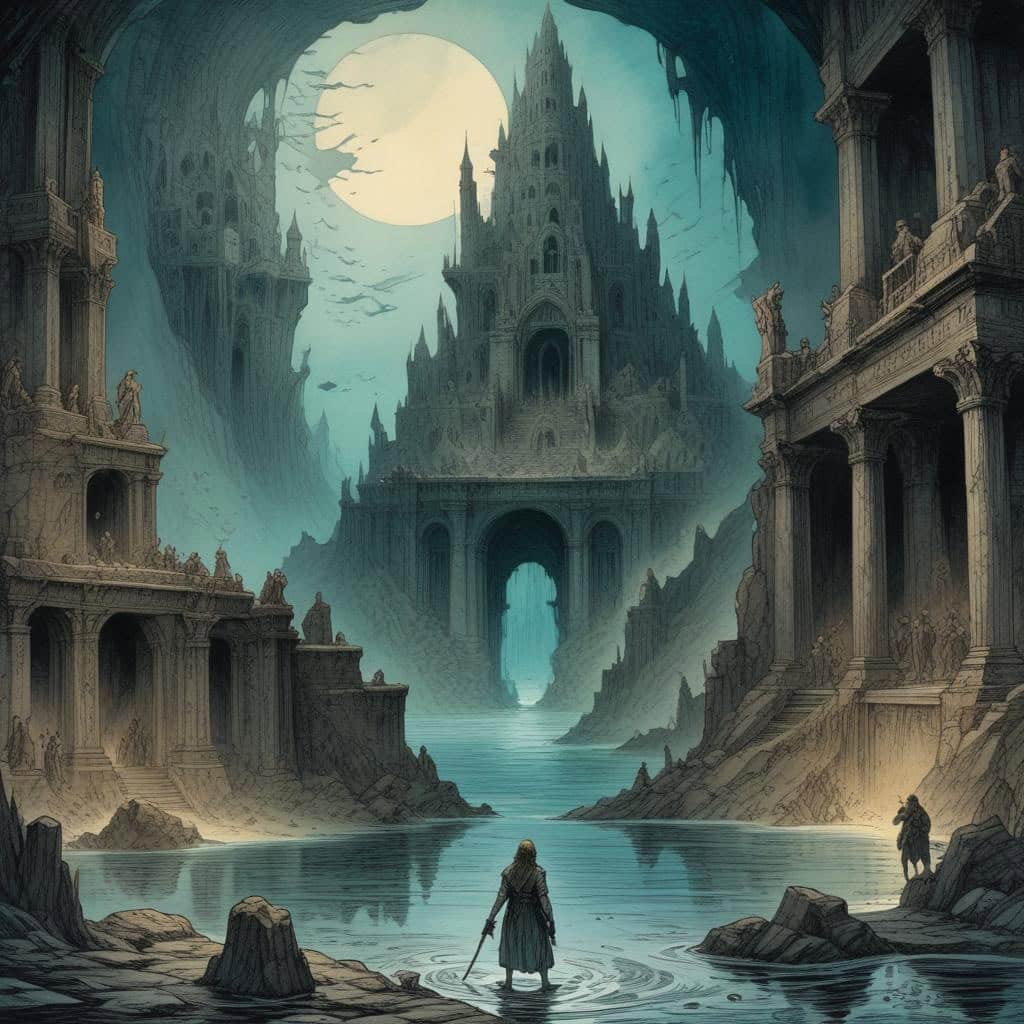
The Search for Clues
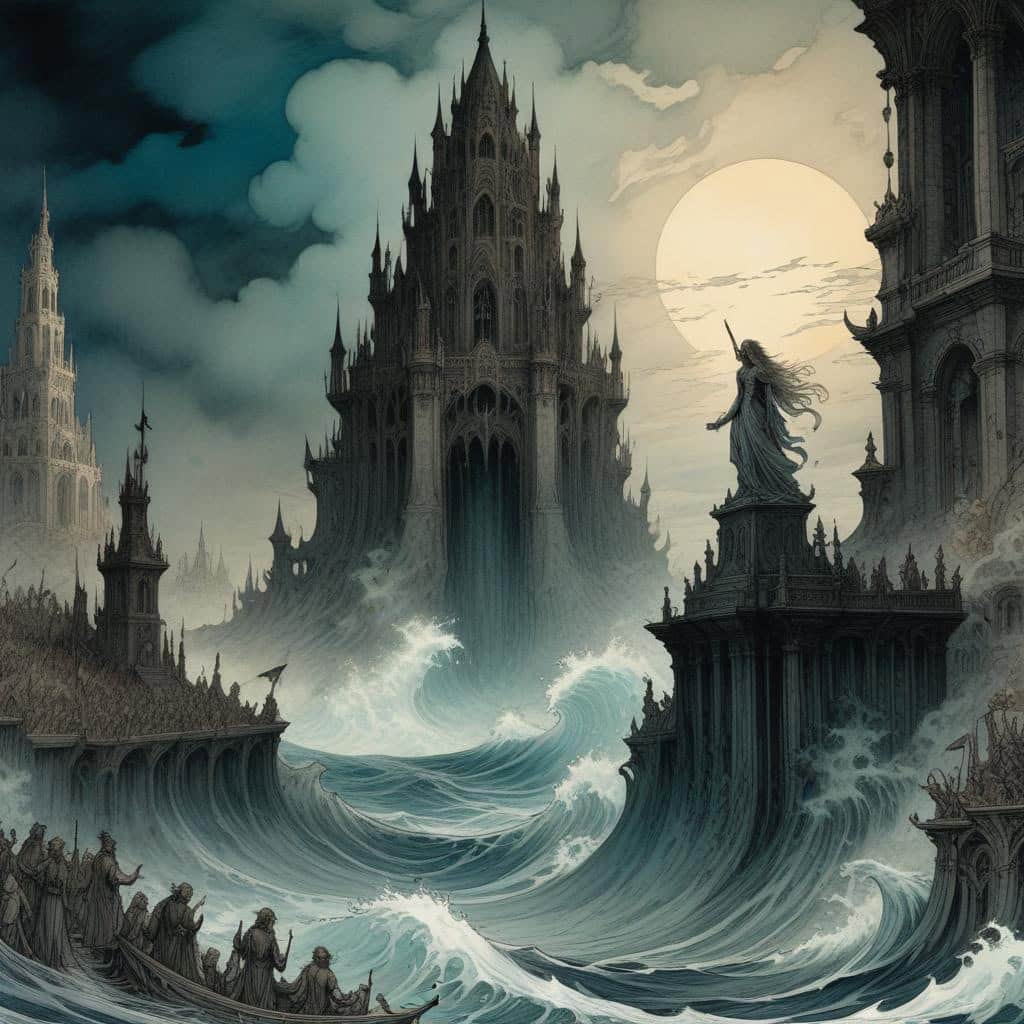
The Moral Lesson
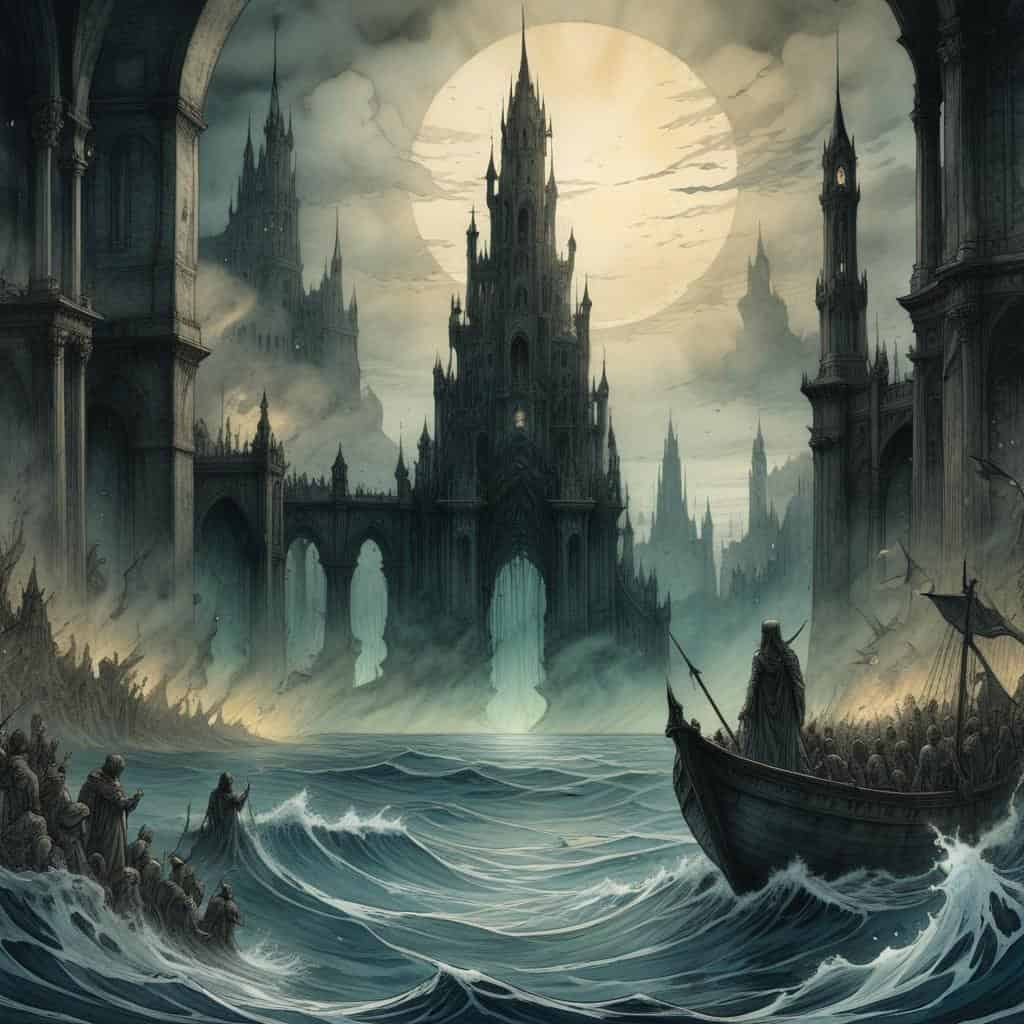
The Legacy of Atlantis
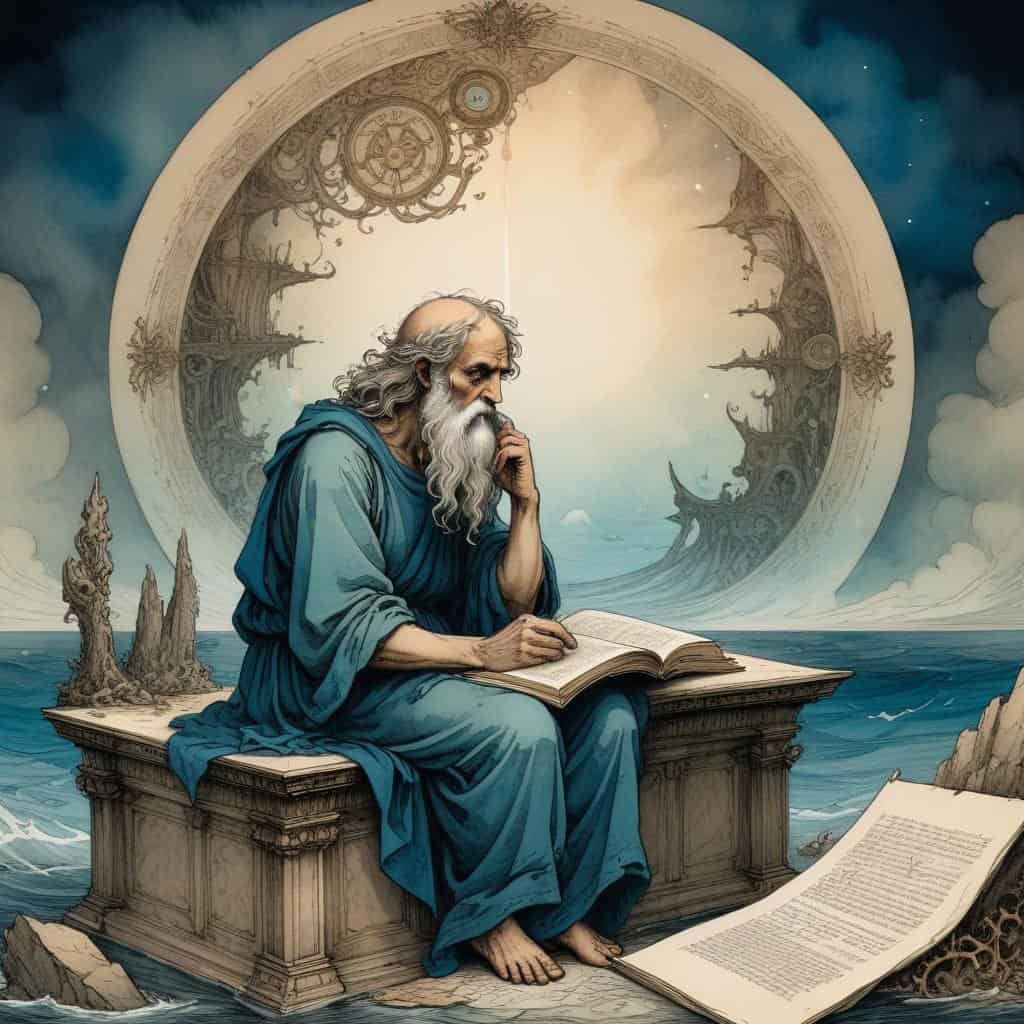
The Philosophical Implications
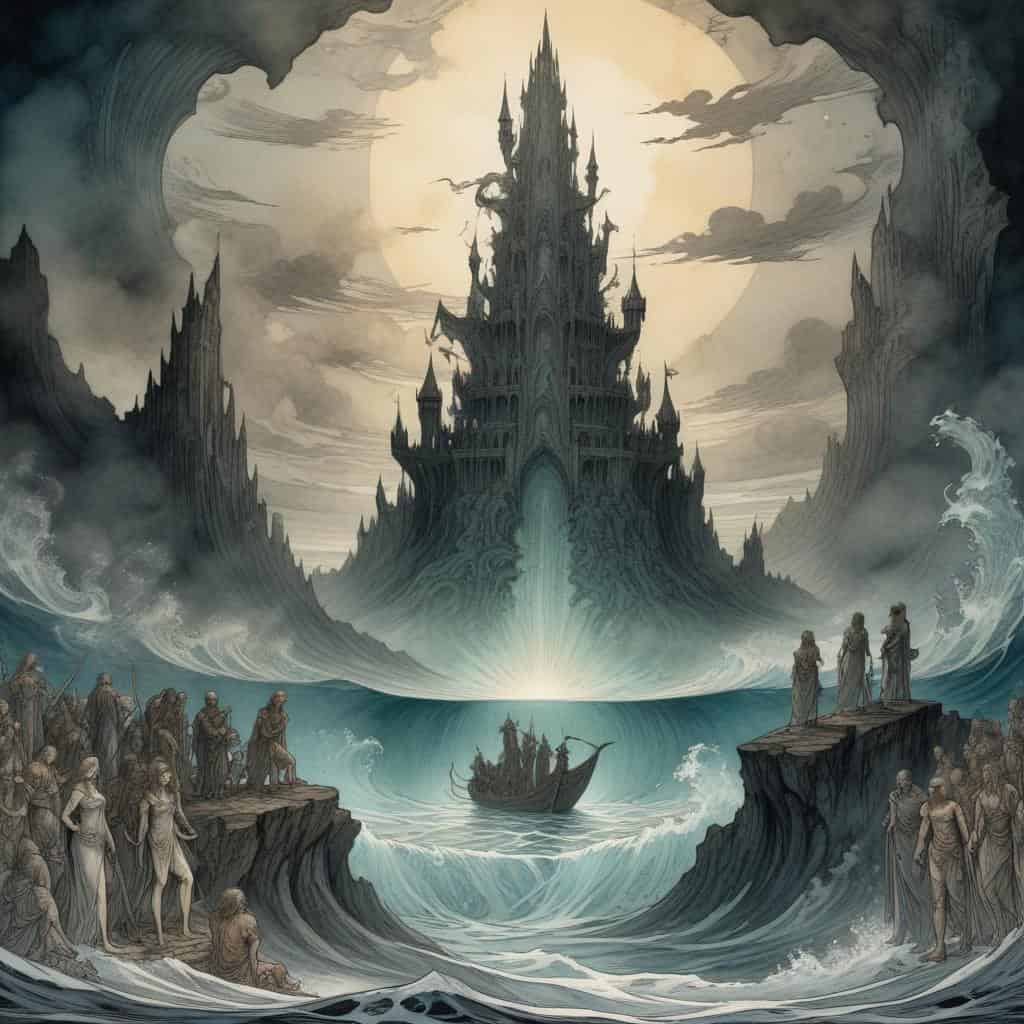
The Importance of Preserving Knowledge
The Enduring Mystery of Atlantis
Lesson Details & Resources
In a Nutshell
- What: 'Critias' by Plato
- When: Written in the Classical era
- Who: Critias
- Theme: Power and corruption
List of Characters in Critias
-
Critias
Critias was an Athenian political figure and one of the main characters in Plato's dialogues.
-
Socrates
Socrates was a classical Greek philosopher and is known for his questioning style of teaching.
-
Hermocrates
Hermocrates was a Sicilian general and political leader.
-
Timaeus
Timaeus was a Pythagorean philosopher and is the main speaker in Plato's dialogue Timaeus.
-
Solon
Solon was an Athenian statesman and lawmaker who plays a role in the story of Critias.
Timeline of Critias
Critias, a wealthy Athenian politician and philosopher, is born.
Critias becomes a student of Socrates and a member of the inner circle of the philosopher.
Critias participates in the Peloponnesian War between Athens and Sparta.
Critias becomes one of the Thirty Tyrants, a group of oligarchs who ruled Athens after the war.
Critias becomes known for his harsh and oppressive rule as one of the Thirty Tyrants.
Critias is killed in battle during a failed attempt to overthrow the democratic government of Athens.
Critias is later depicted in Plato's dialogues, particularly in the dialogue named after him, where he discusses the nature of justice and the ideal state.
Vocabulary List
Key Facts
This is the information used in the fact matching game
- Critias was a prominent Athenian politician and philosopher in ancient Greece.
- Critias was a student of Socrates and a member of the Thirty Tyrants, a pro-Spartan oligarchy that ruled Athens briefly after the Peloponnesian War.
- Critias is known for his involvement in the execution of Socrates, which he later regretted.
- Critias was also a playwright, with some of his work surviving to this day.
- Critias is believed to have been a relative of Plato, as well as one of his dialogues being named after him.
- Critias was one of the main characters in Plato's dialogues 'Timaeus' and 'Critias'.
- Critias was a proponent of the idea of an ideal society ruled by philosopher-kings.
- Critias was a member of the wealthy and influential Alcmaeonid family in Athens.
- Critias was known for his intelligence and cunning, as well as his ruthless pursuit of power.
- Critias was exiled from Athens multiple times due to his controversial political actions and alliances.
- Critias was a key figure in the literary and philosophical circles of ancient Athens, alongside Plato and others.
- Critias was said to have been a charismatic and persuasive speaker, able to sway crowds with his rhetoric.
- Critias was involved in various military campaigns and conflicts during his lifetime, including the Peloponnesian War.
- Critias was known for his connections to powerful figures in Greek politics, including the philosopher Protagoras.
- Critias was a controversial figure in ancient Athens, with some praising his intellect and others condemning his actions.
- Critias was involved in several failed coup attempts in Athens, leading to his eventual downfall and death.
- Critias' dialogues with Socrates and other philosophers have been preserved in Plato's works, providing insight into his views and beliefs.
- Critias' writings on ethics, politics, and metaphysics had a lasting impact on Greek philosophy and continue to be studied today.
- Critias' legacy is complex and controversial, with scholars debating his contributions to philosophy and his role in Athenian history.
- Critias' reputation as a philosopher and statesman has been overshadowed by his involvement in the Thirty Tyrants and his association with Socrates' death.
Analysis & Significance
Impact on Literature
‘Critias’ is a work of historical significance as it is one of the few dialogues written by Plato that discusses the lost city of Atlantis. This work has inspired countless authors and filmmakers to explore the concept of a utopian society and the consequences of its downfall. Its influence can be seen in various genres, from science fiction to fantasy, shaping the way we think about mythical civilizations.
Enduring Themes
The timeless themes of power, corruption, and the rise and fall of civilizations explored in ‘Critias’ still resonate with modern audiences. The dialogue delves into the human desire for control and the consequences of unchecked ambition, themes that continue to be relevant in today’s society. The idea of a perfect society and its eventual demise serves as a cautionary tale that transcends time.
Cultural Significance Today
The legacy of ‘Critias’ lives on through its influence on popular culture and its adaptations in various forms of media. From novels to films, the story of Atlantis continues to captivate audiences around the world. Its impact can be seen in works such as J.R.R. Tolkien’s ‘The Lord of the Rings’ and James Cameron’s ‘Avatar’, showcasing the enduring appeal of utopian societies and their ultimate downfall.
Critias Games


Take Your Learning Offline
Want a convenient, print-ready study guide for this lesson? Become a Memory Wizards Pro member to unlock the downloadable " Memory Scrolls" for this topic and our entire library!
- ✓ Complete Vocabulary Lists
- ✓ Key Facts & Timelines
- ✓ Beautifully Formatted for Print & Mobile