
How Do You Learn Best?
Learn by Listening
Start with the 3-minute audio summary to get the key facts and narrative highlights quickly.
Learn by Reading
Immerse yourself in the 10-minute visual lesson for a comprehensive understanding of the topic.
Learn by Reviewing
Jump directly to the key facts, timeline, and vocabulary lists to build a solid foundation of details.
Learn by Doing
Challenge yourself! Jump straight into the interactive games to learn by trial, error, and discovery.
Audio Library
As one of our featured lessons, this topic includes premium audio guides.
Unlock the Wizard's Cram Session
This powerful audio study guide is a Pro-exclusive feature. Upgrade to Memory Wizards Pro to access this and all of our premium learning tools.
Upgrade to ProA Memory of Two Mondays in 10 Minutes
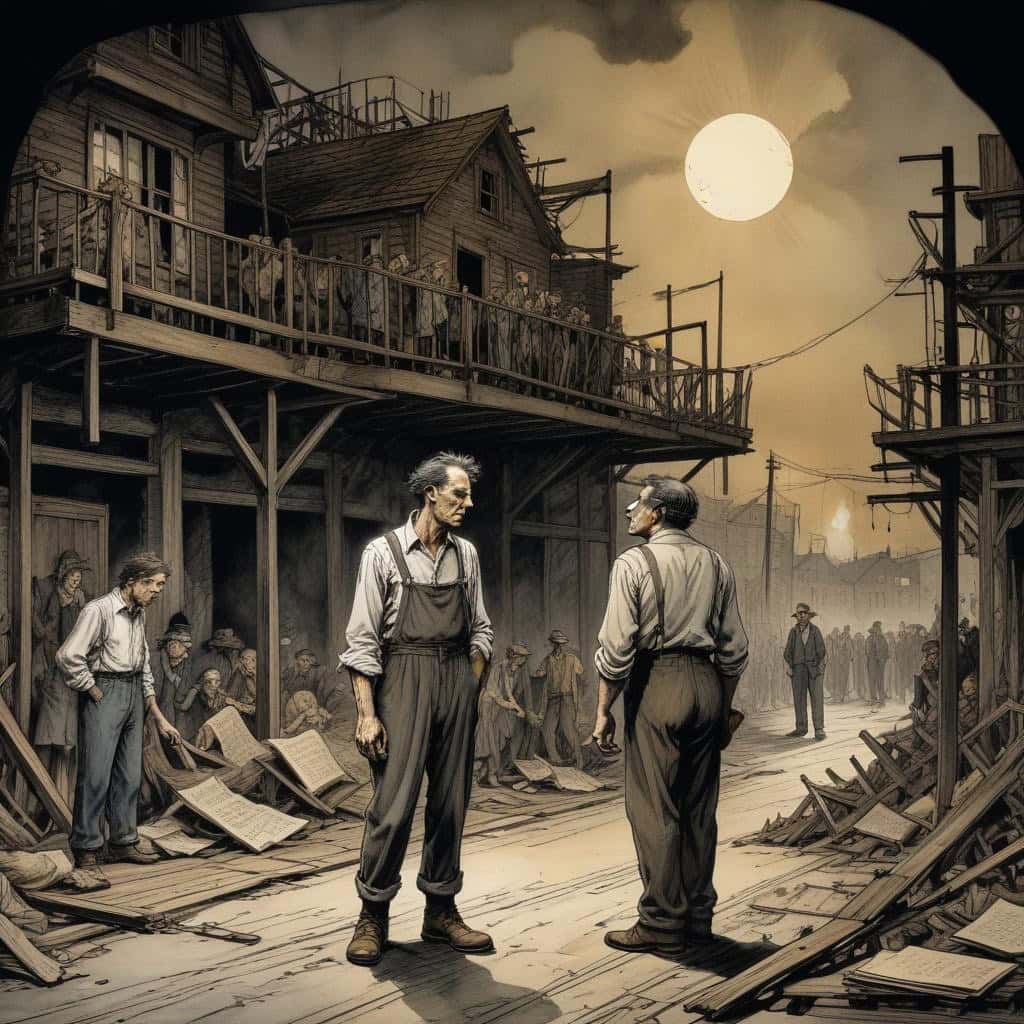
Introduction
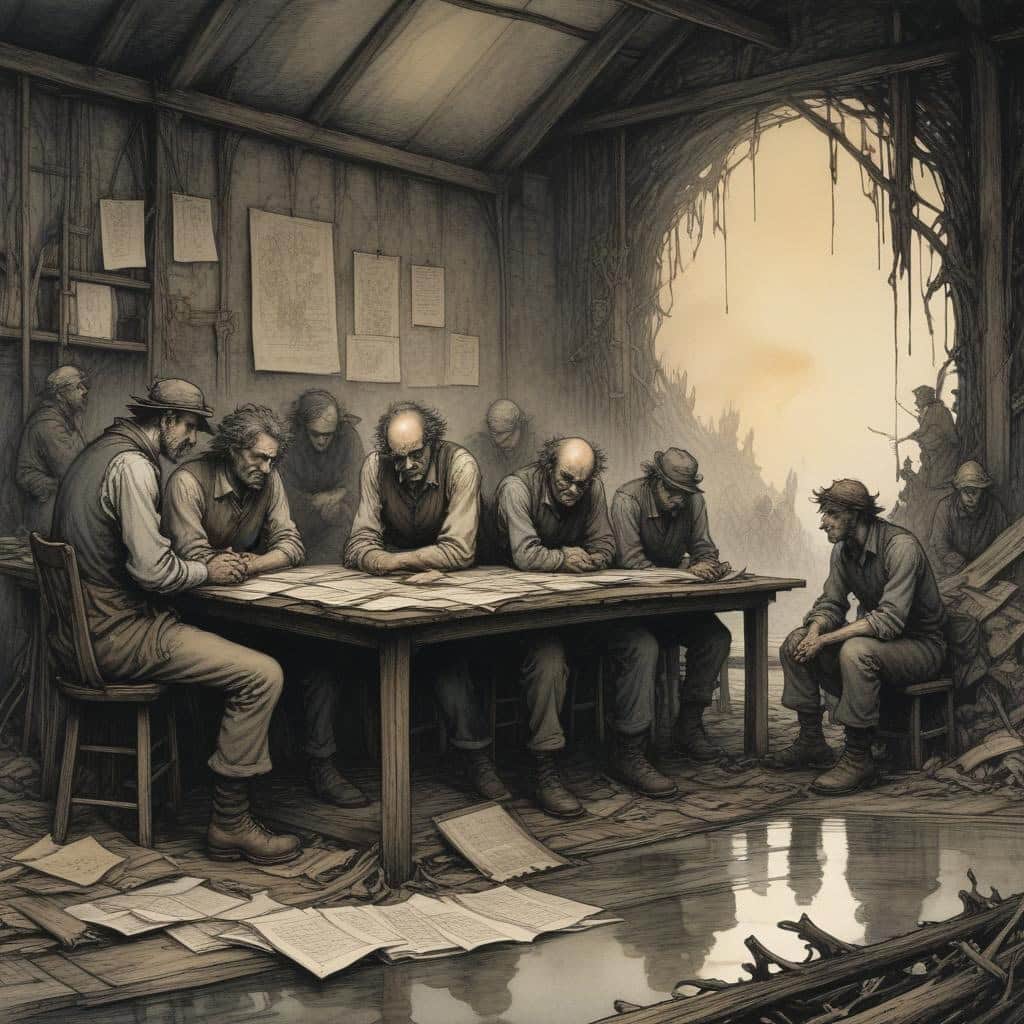

Tom

George

Jim

Lou

Maggie
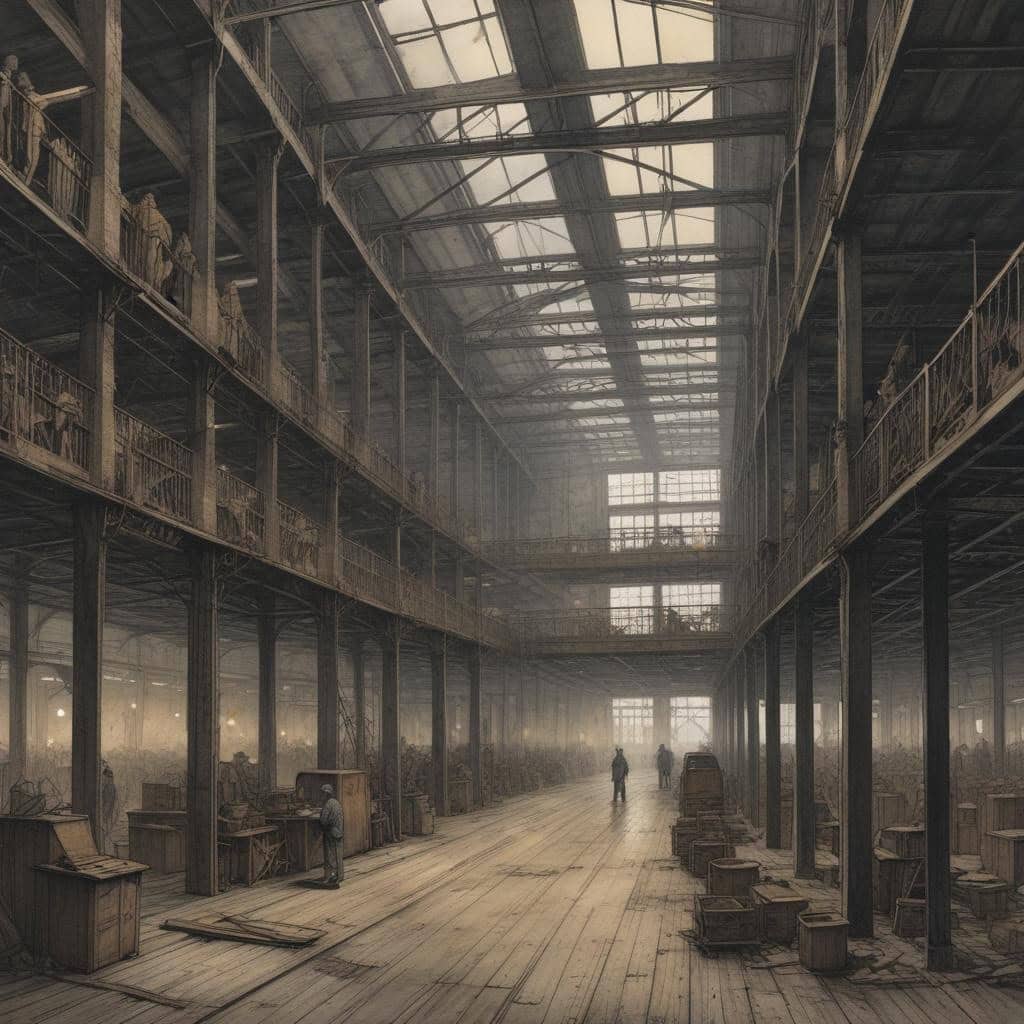
1. Setting the Scene
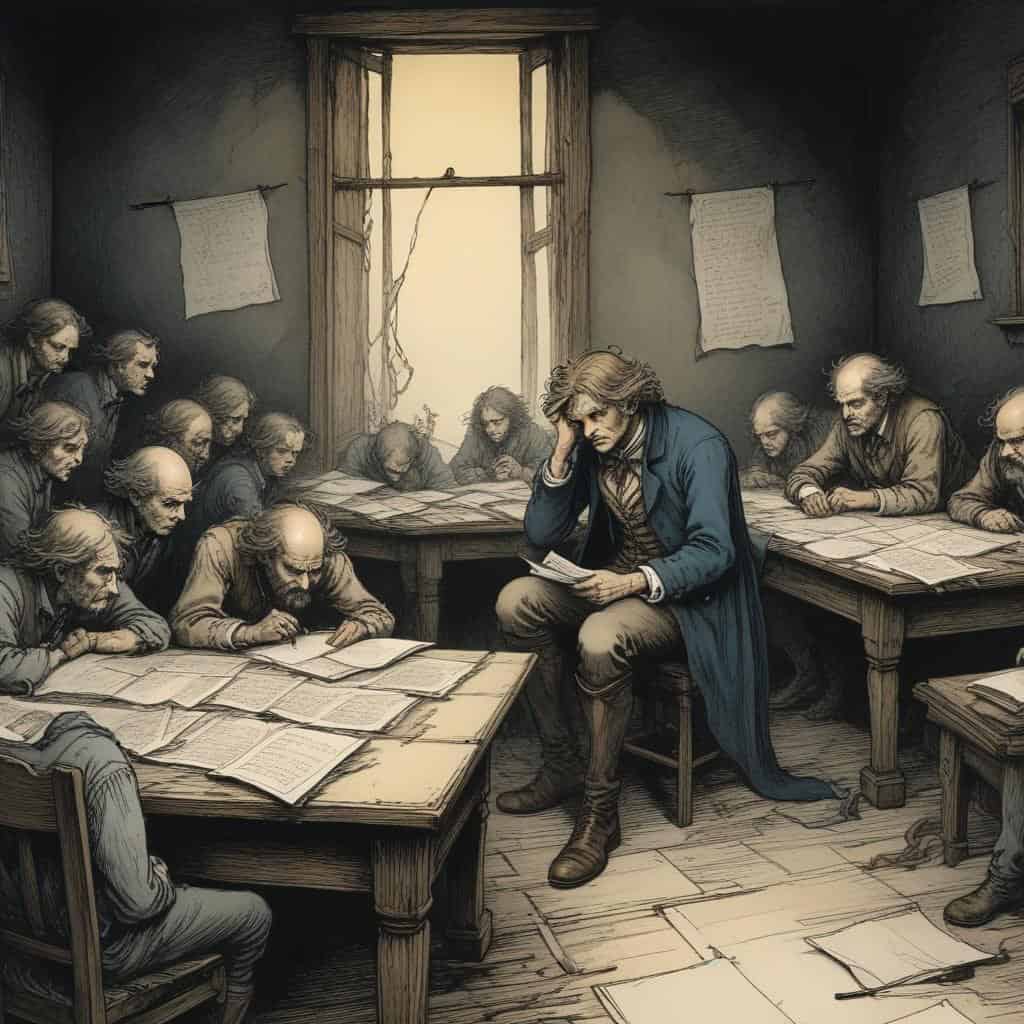
2. Joes Struggles
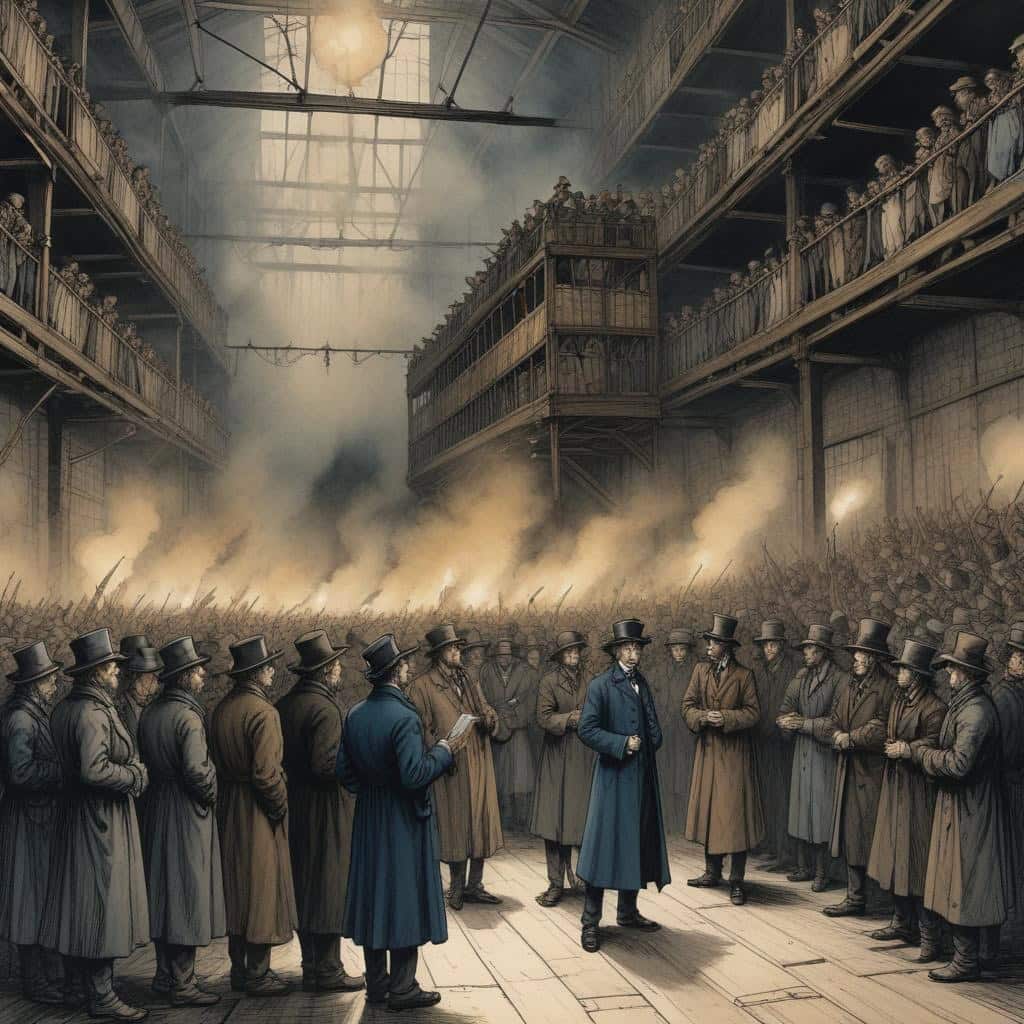
3. The Arrival of the Doctor
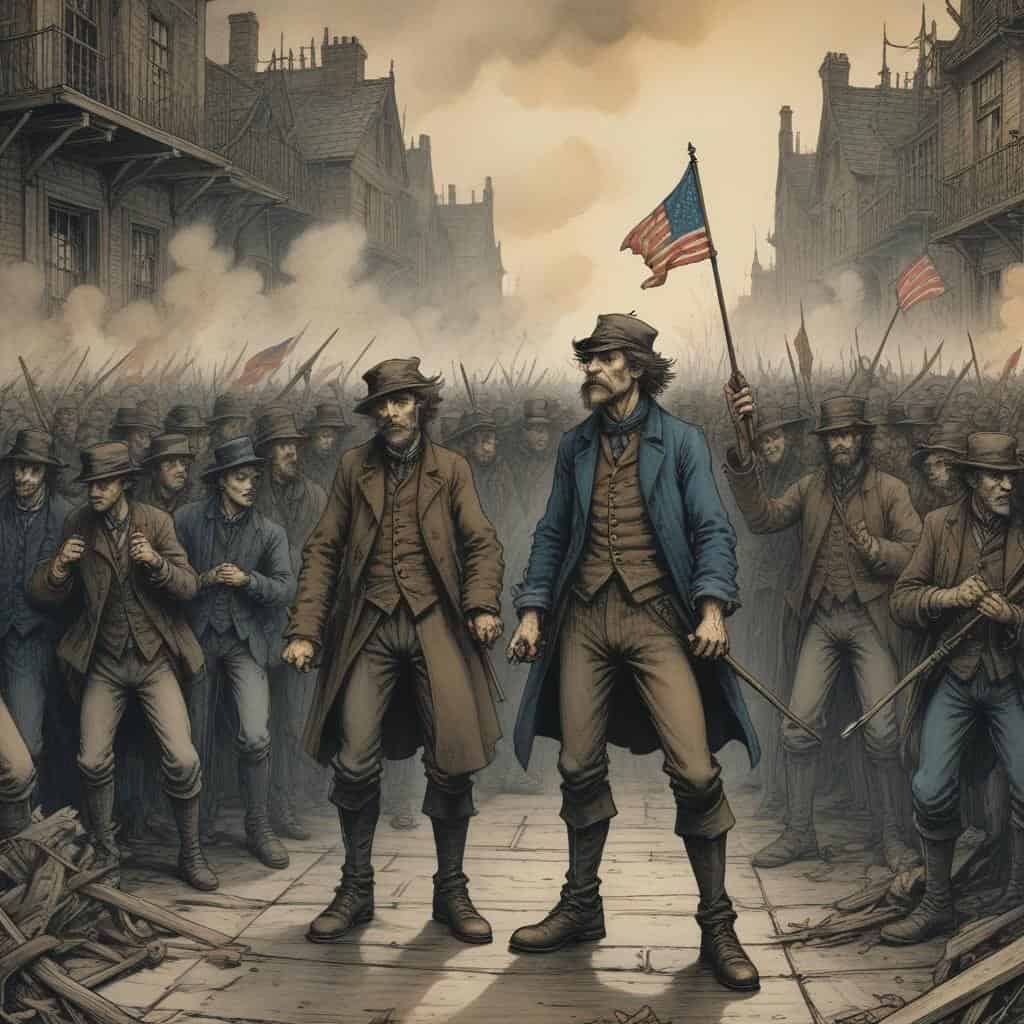
4. Joes Decision
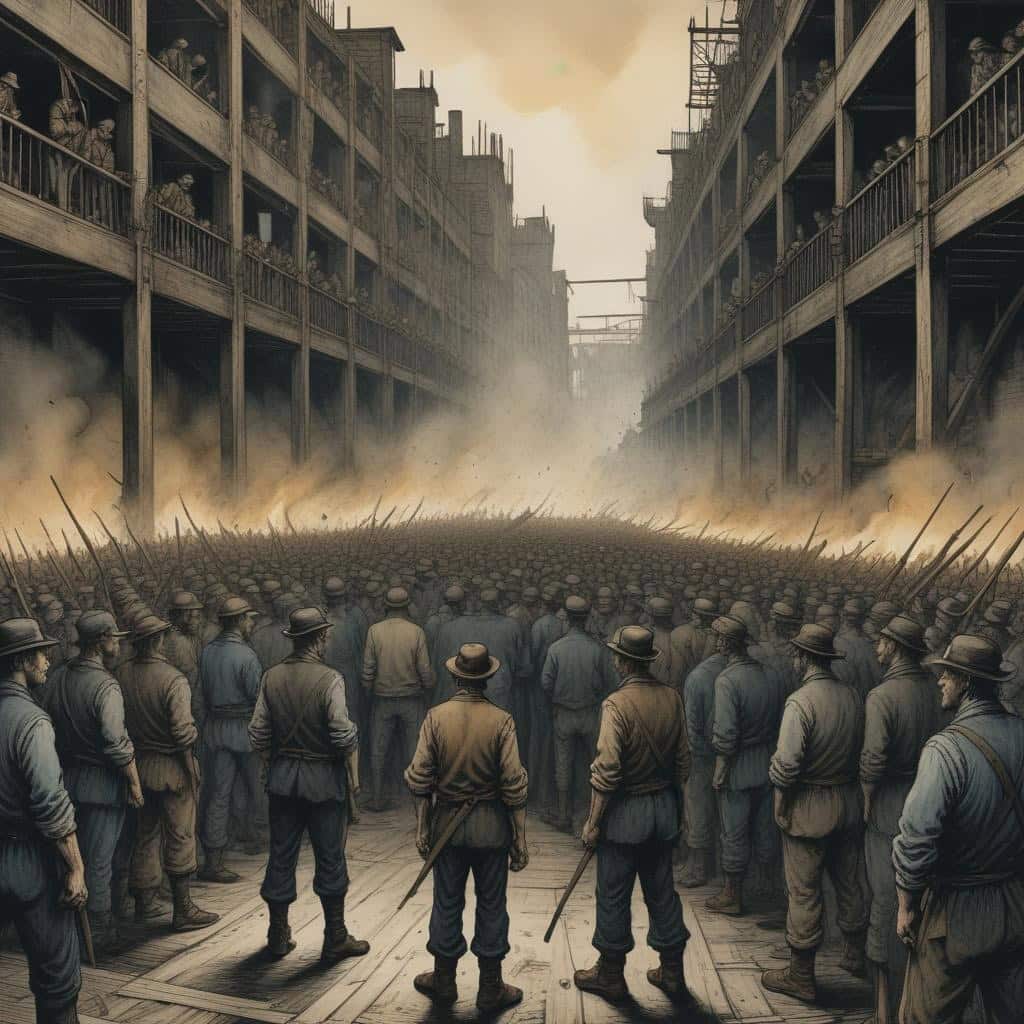
5. The Strike Begins
6. The Struggle Continues
7. The Aftermath of the Strike

8. Reflections on the Experience

9. Moving Forward
10. The Legacy of the Strike
Lesson Details & Resources
In a Nutshell
- What: A Memory of Two Mondays by Arthur Miller
- When: Written in the mid-20th century
- Who: Main characters: Tom, Elliott, and Kenneth
- Theme: The struggle of the working class during the Great Depression
List of Characters in A Memory of Two Mondays
-

Tom
Tom is the protagonist of the story, a young man working in a machine shop
-

Kenneth
Kenneth is Tom's coworker who is struggling with the monotony of their job
-

Miss Forsythe
Miss Forsythe is a woman who Tom meets at a bar and offers him a moment of escape
-
Patron
Patron is a customer at the bar who interacts with Tom and Miss Forsythe
Timeline of A Memory of Two Mondays
The play opens in a small office on the 21st floor of a building.
The workers arrive at the office on a Monday morning.
The workers engage in small talk and gossip about their weekend activities.
They discuss their plans for the upcoming weekend.
The workers start their work, with some operating machines and others doing paperwork.
The office manager, Tom, arrives and gives instructions to the workers.
The workers take a break and gather around a radio to listen to a baseball game.
The workers discuss their dreams and aspirations, expressing their dissatisfaction with their current jobs.
The workers resume their work, with some facing difficulties operating the machinery.
The workers take another break and talk about the monotony of their lives.
A worker, Bert, complains about his back pain and contemplates quitting.
The workers share their frustrations with the long hours and low pay.
The workers receive their paychecks and discuss their financial struggles.
They continue working, but their productivity decreases as they become distracted.
The workers engage in a heated discussion about the state of the world and politics.
Tom announces that there will be a mandatory overtime on Saturday.
The workers express their disappointment and frustration with the additional work.
The workday ends, and the workers prepare to leave the office.
The workers talk about their plans for the evening and express their desire for a better life.
The workers leave the office, looking forward to the next weekend.
Vocabulary List
- Factory
- The play is set in a factory where the main character works.
- Strike
- The workers at the factory are considering going on strike.
- Overtime
- The characters are discussing how much overtime they have to work.
- Lunch break
- The characters talk about their lunch break and what they will eat.
- Union
- The workers are part of a union that is negotiating with the factory management.
- Paycheck
- The characters are worried about not getting their paychecks on time.
- Foreman
- The foreman of the factory plays a significant role in the play.
- Sweatshop
- The factory is described as a sweatshop by some of the characters.
- Labor rights
- The play touches on themes of labor rights and worker exploitation.
- Time clock
- The characters punch in and out on a time clock at the factory.
Key Facts
This is the information used in the fact matching game
- - The story takes place in 1930s America during the Great Depression.
- - It revolves around a group of factory workers in a machine shop.
- - The protagonist, Victor, is a young man who dreams of becoming a writer.
- - The action unfolds over the course of two consecutive Mondays.
- - Victor's co-workers include Sid, Bert, Gus, and Tom.
- - The workers have a strong camaraderie and often engage in playful banter.
- - The factory is located in the Bronx, New York City.
- - The play explores themes of disillusionment, the American Dream, and the struggle for human connection.
- - The workers often reminisce about their past experiences and reflect on their present circumstances.
- - The Monday morning routine of clocking in at the factory serves as a recurring motif.
- - The workers find solace and escape from their bleak reality through humor and shared memories.
- - Victor's ambition to become a writer is met with skepticism and discouragement from his co-workers.
- - The play is semi-autobiographical, drawing on Arthur Miller's own experiences working in a factory during his youth.
- - The story highlights the monotonous and dehumanizing nature of industrial work.
- - The workers' interactions are occasionally interrupted by the arrival of a hobo seeking work.
- - The hobo's presence serves as a reminder of the desperation and poverty plaguing the era.
- - Victor's desire to pursue his dreams conflicts with the practicalities of his daily life.
- - The play is known for its realistic portrayal of working-class characters and their struggles.
- - A Memory of Two Mondays was first produced in 1955 as part of a double bill with Miller's play A View from the Bridge.
- - The story explores the fleeting nature of memory and the impact of past experiences on shaping one's identity.
Analysis & Significance
Impact on Literature
‘A Memory of Two Mondays’ by Arthur Miller has had a significant impact on literature, particularly in the realm of American drama. The play’s exploration of themes such as the struggles of the working class, the disillusionment of the American Dream, and the complexities of human relationships have influenced generations of playwrights and storytellers.
Enduring Themes
The timeless themes of ‘A Memory of Two Mondays’ continue to resonate with modern audiences. The play delves into the universal experiences of alienation, longing for purpose, and the search for connection in a world that can often feel isolating. These themes remain relevant and poignant, making the work a classic in the canon of American literature.
Cultural Significance Today
The legacy of ‘A Memory of Two Mondays’ lives on through its continued performances in theaters around the world. The play has also been adapted into various mediums, including radio broadcasts and television productions, further solidifying its cultural significance. Arthur Miller’s insightful exploration of the human condition continues to captivate audiences and spark important conversations about society and identity.
A Memory of Two Mondays Games


Take Your Learning Offline
Want a convenient, print-ready study guide for this lesson? Become a Memory Wizards Pro member to unlock the downloadable " Memory Scrolls" for this topic and our entire library!
- ✓ Complete Vocabulary Lists
- ✓ Key Facts & Timelines
- ✓ Beautifully Formatted for Print & Mobile