
How Do You Learn Best?
Learn by Listening
Start with the 3-minute audio summary to get the key facts and narrative highlights quickly.
Learn by Reading
Immerse yourself in the 10-minute visual lesson for a comprehensive understanding of the topic.
Learn by Reviewing
Jump directly to the key facts, timeline, and vocabulary lists to build a solid foundation of details.
Learn by Doing
Challenge yourself! Jump straight into the interactive games to learn by trial, error, and discovery.
Audio Library
As one of our featured lessons, this topic includes premium audio guides.
Unlock the Wizard's Cram Session
This powerful audio study guide is a Pro-exclusive feature. Upgrade to Memory Wizards Pro to access this and all of our premium learning tools.
Upgrade to ProThe American Clock in 10 Minutes
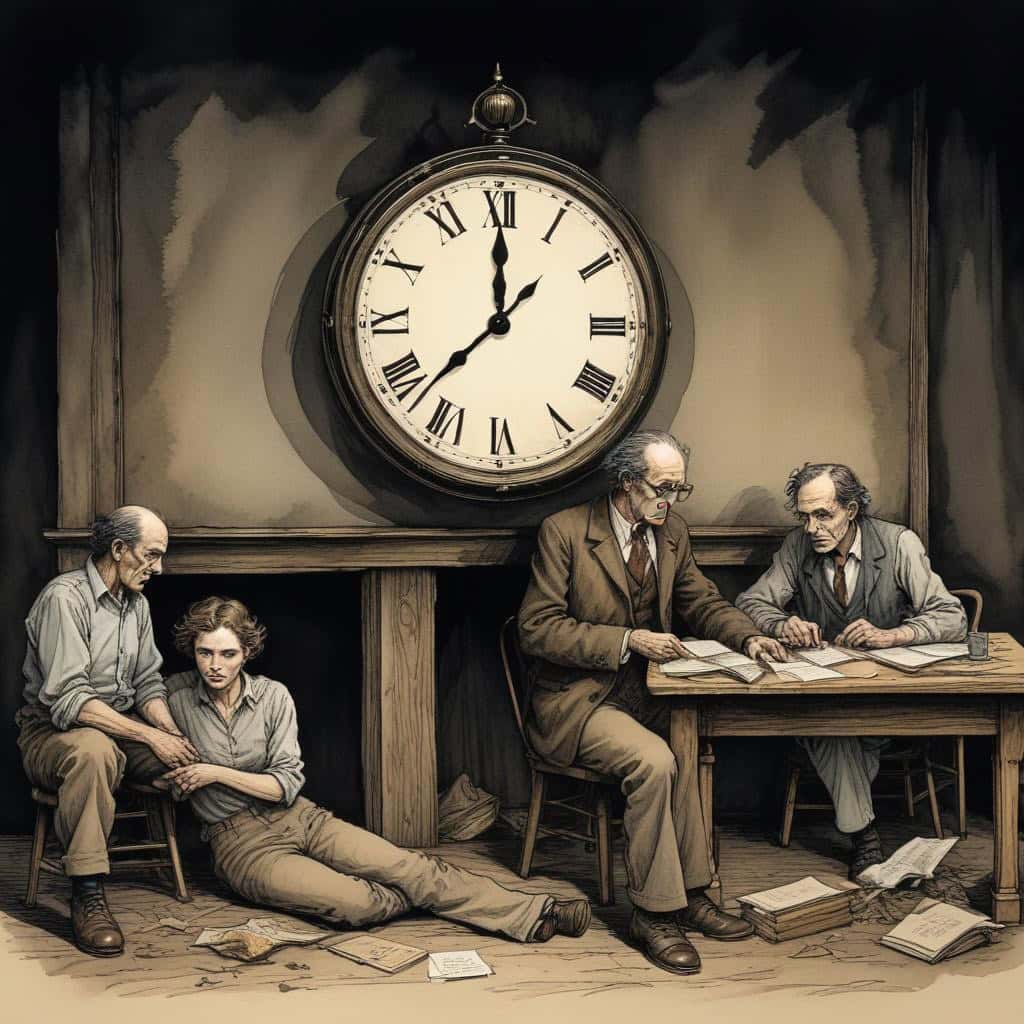
Introduction
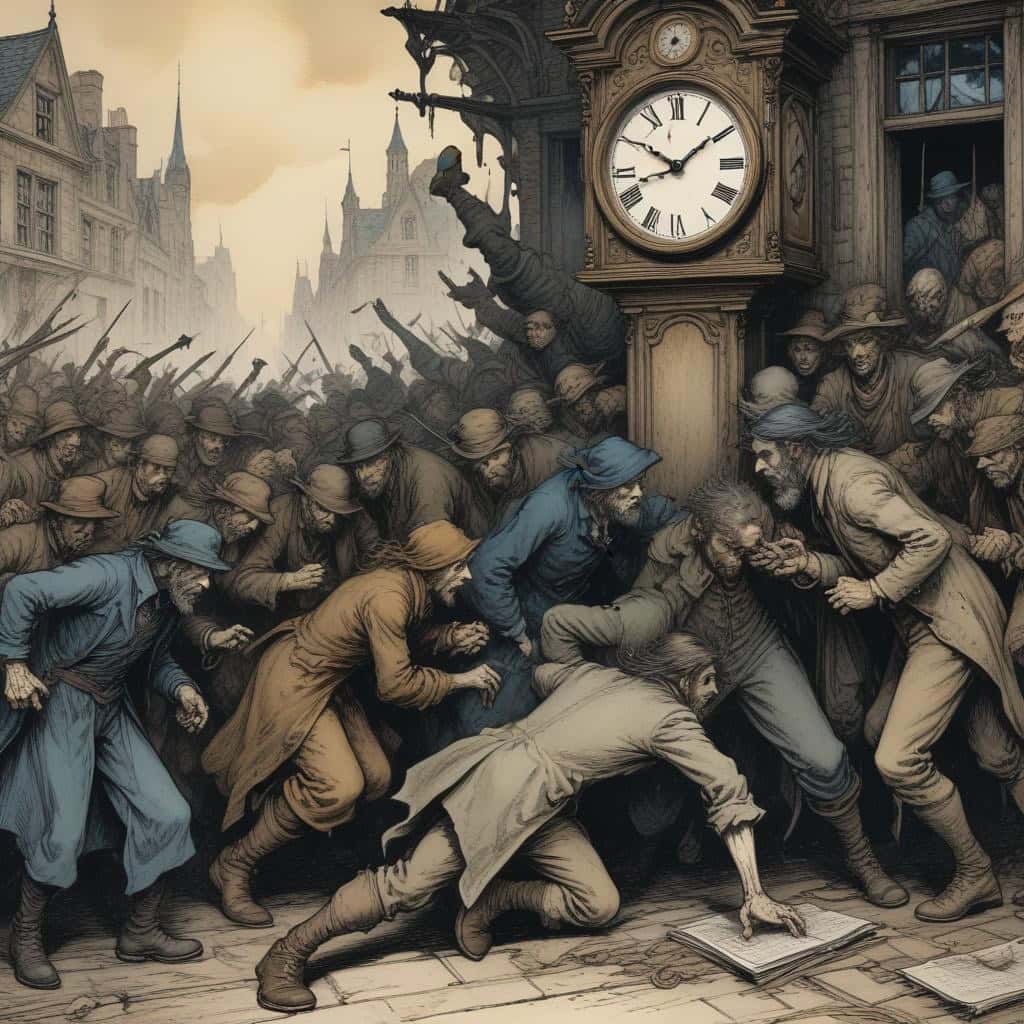
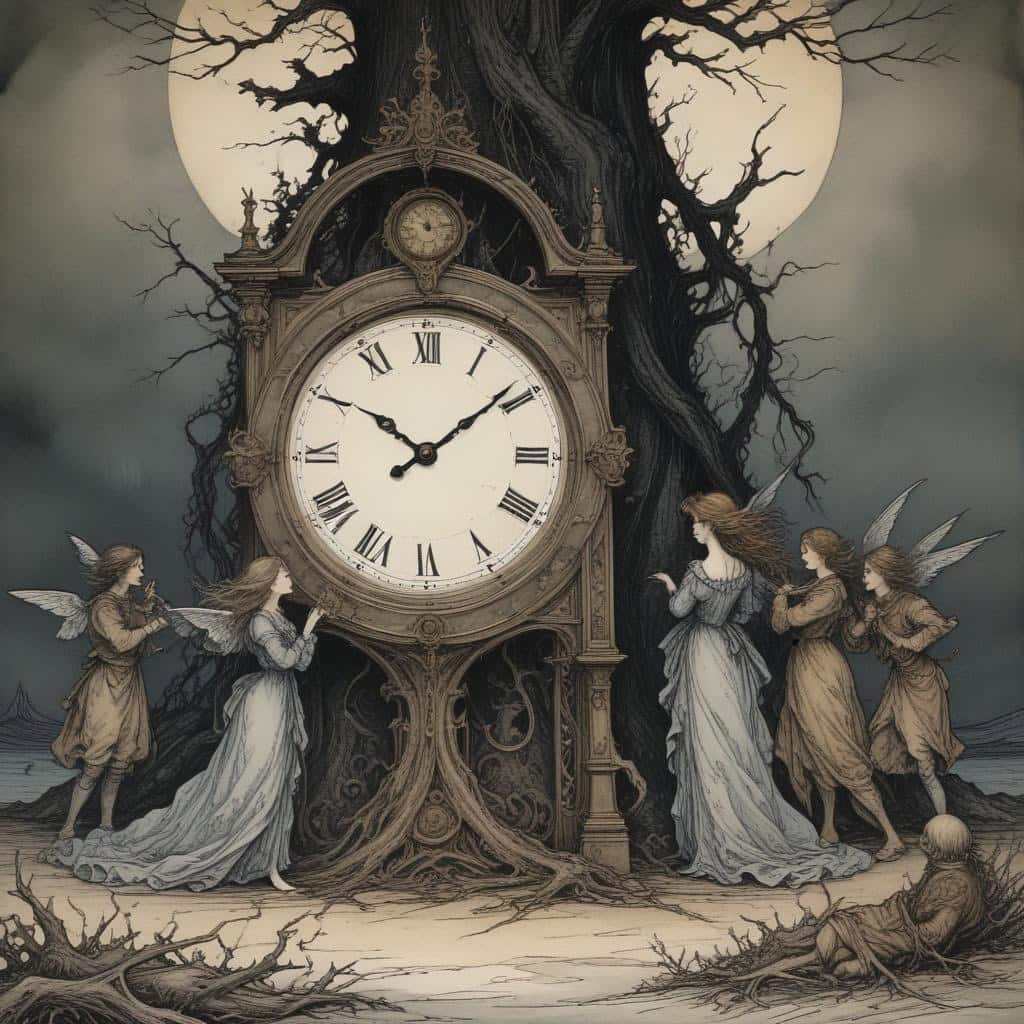

Arthur Miller

The Baum family

The Moe family

The Sonny Boy family

The McIlhenny family

The Great Depression Hits

The Baum Family Struggles

The Rise of the McFadden Family
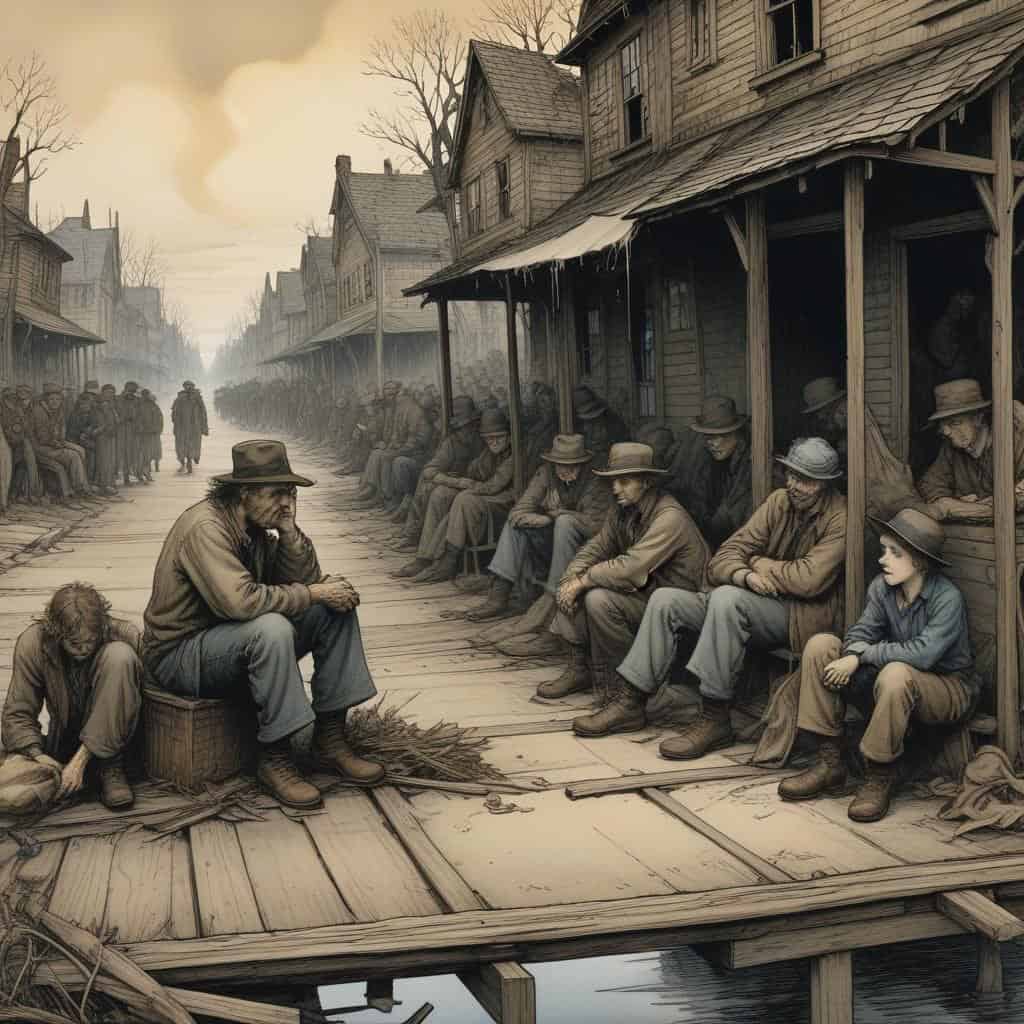
The Impact on American Society

The New Deal

The End of an Era

The Human Cost
The Search for Hope

The Legacy of the Great Depression
A Timeless Tale

Lesson Details & Resources
In a Nutshell
- What: Drama by Arthur Miller
- When: Written in the 1980s
- Who: The main characters include Moe Baum, Rose Baum, and Lee Baum
- Theme: The decline of the American Dream and the impact of the Great Depression on society
List of Characters in The American Clock
-

Moe Baum
Moe Baum is a successful businessman who loses everything in the stock market crash of 1929.
-

Rose Baum
Rose Baum is Moe's wife who struggles to keep the family together during tough times.
-

Lee Baum
Lee Baum is Moe and Rose's son who dreams of becoming a writer.
-

Bernie Baum
Bernie Baum is Moe's brother who also faces financial ruin.
-

Lee Baum Sr.
Lee Baum Sr. is Moe's father who tries to support his family in any way he can.
-

Margaret Hyman
Margaret Hyman is a wealthy socialite who befriends the Baums.
-

Jay Hyman
Jay Hyman is Margaret's husband who also suffers financial losses.
-

Rudy Hyman
Rudy Hyman is Margaret and Jay's son who struggles with his own identity.
-

Lee Baum Jr.
Lee Baum Jr. is the son of Lee Baum Sr. and Moe's nephew who also faces financial struggles.
-
Rudy Hyman Jr.
Rudy Hyman Jr. is the son of Rudy Hyman who is influenced by his father's actions.
-

Sam Baum
Sam Baum is Moe's father-in-law who tries to provide emotional support to his daughter and grandchildren.
-

Manny Hyman
Manny Hyman is Margaret and Jay's other son who deals with his own set of challenges.
Timeline of The American Clock
The story is set during the Great Depression in the United States.
The Baum family, consisting of Moe, Rose, and Lee, face financial hardships.
Moe loses his job and struggles to find employment.
Rose tries to maintain a sense of normalcy and hope for her family.
Lee attends college but is unsure about his future prospects.
The stock market crashes in 1929, leading to widespread economic collapse.
The Baum family's financial situation worsens, and they are forced to sell their belongings.
Rose becomes pregnant but faces difficulties in accessing proper healthcare.
The family faces eviction from their home due to unpaid rent.
The government initiates the New Deal, providing some relief to the unemployed.
The Baums participate in the government's Civilian Conservation Corps program.
Lee becomes involved in labor activism and protests against unfair working conditions.
The family learns about the death of President Franklin D. Roosevelt.
The story concludes with the family's resilience and determination to survive despite the challenges they face.
Vocabulary List
- Depression
- The play is set during the Great Depression in the United States.
- Stock market crash
- The plot revolves around the impact of the stock market crash of 1929 on American families.
- Unemployment
- Many characters in the play struggle with unemployment and financial hardship.
- Hope
- Despite the challenges they face, the characters in the play hold onto hope for a better future.
- Family
- The American Clock explores the dynamics of different families during the Great Depression.
- Social class
- The play delves into the effects of social class on individuals' experiences during the economic crisis.
- Resilience
- The characters demonstrate resilience in the face of adversity.
- American Dream
- The American Dream is a recurring theme in the play, as characters grapple with its meaning and attainability.
- Struggle
- The characters face various struggles, both personal and financial, throughout the play.
- Survival
- Survival becomes a central theme as characters strive to overcome the challenges of the Great Depression.
Key Facts
This is the information used in the fact matching game
- - The American Clock is a play written by Arthur Miller.
- - It was first performed in 1980.
- - The play is set during the Great Depression in the United States.
- - It explores the devastating impact of the stock market crash of 1929 on American society.
- - The story follows the Baum family, who experience financial ruin during the economic crisis.
- - The Baums symbolize the struggles faced by many American families during the Great Depression.
- - The play uses the metaphor of time and clocks to represent the passing of an era and the loss of hope.
- - It portrays the stark contrast between the wealthy elite and the working class during the 1930s.
- - The American Clock incorporates elements of vaudeville and musical theatre.
- - The play features a large ensemble cast, with multiple characters representing different aspects of American society.
- - It explores themes of resilience, family, and the pursuit of the American Dream.
- - The American Clock was inspired by Studs Terkel's book "Hard Times: An Oral History of the Great Depression."
- - Miller's own experiences growing up during the Great Depression influenced the play.
- - The American Clock received mixed reviews upon its initial production.
- - It was later adapted into a television film in 1993, directed by Bob Clark.
- - The play's structure is non-linear, jumping between different time periods and characters.
- - Miller incorporates historical figures, such as Franklin D. Roosevelt and Henry Ford, into the narrative.
- - The American Clock reflects Miller's critique of capitalism and the cyclical nature of economic crises.
- - It serves as a reminder of the resilience and determination of the American people during challenging times.
- - The play's title refers to the American dream being shattered and the ticking of the clock representing the passage of time.
Analysis & Significance
Impact on Literature
‘The American Clock’ by Arthur Miller has had a profound impact on literature by exploring the lives of Americans during the Great Depression. Through its portrayal of economic hardship, social inequality, and the collapse of the American dream, the play has influenced numerous works that address similar themes of resilience and hope in the face of adversity.
Enduring Themes
The timeless themes of ‘The American Clock’ still resonate with modern audiences, including the struggle for survival, the pursuit of happiness, and the impact of societal change on individuals and families. These universal themes continue to captivate readers and theatergoers, reminding us of the enduring human experience amidst challenging circumstances.
Cultural Significance Today
Arthur Miller’s ‘The American Clock’ remains culturally significant today for its poignant reflection on American history and the human cost of economic upheaval. The play’s legacy lives on through various adaptations, including stage productions and academic studies, highlighting its continued relevance in exploring the complexities of the American experience.
The American Clock Games


Take Your Learning Offline
Want a convenient, print-ready study guide for this lesson? Become a Memory Wizards Pro member to unlock the downloadable " Memory Scrolls" for this topic and our entire library!
- ✓ Complete Vocabulary Lists
- ✓ Key Facts & Timelines
- ✓ Beautifully Formatted for Print & Mobile