
How Do You Learn Best?
Learn by Listening
Start with the 3-minute audio summary to get the key facts and narrative highlights quickly.
Learn by Reading
Immerse yourself in the 10-minute visual lesson for a comprehensive understanding of the topic.
Learn by Reviewing
Jump directly to the key facts, timeline, and vocabulary lists to build a solid foundation of details.
Learn by Doing
Challenge yourself! Jump straight into the interactive games to learn by trial, error, and discovery.
Philippines in 10 Minutes
Introduction
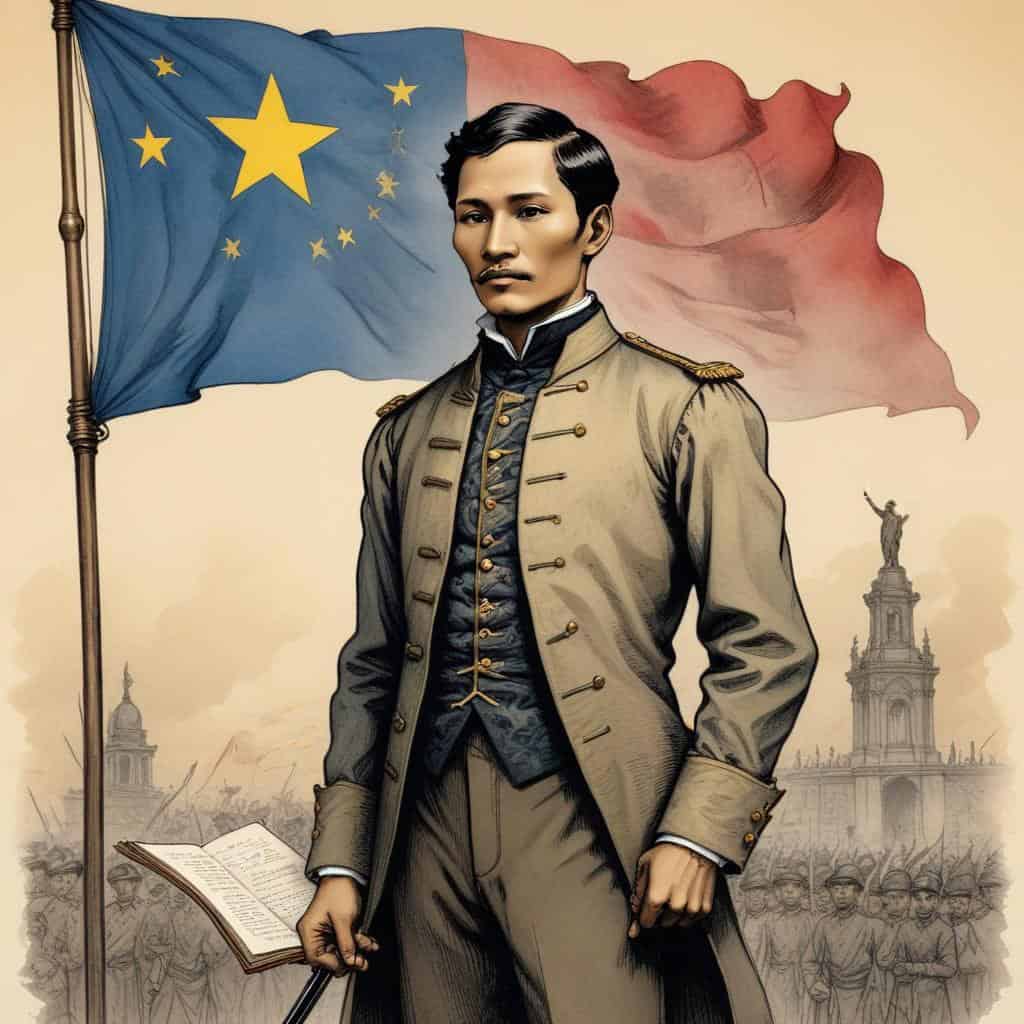
Jose Rizal

Imelda Marcos
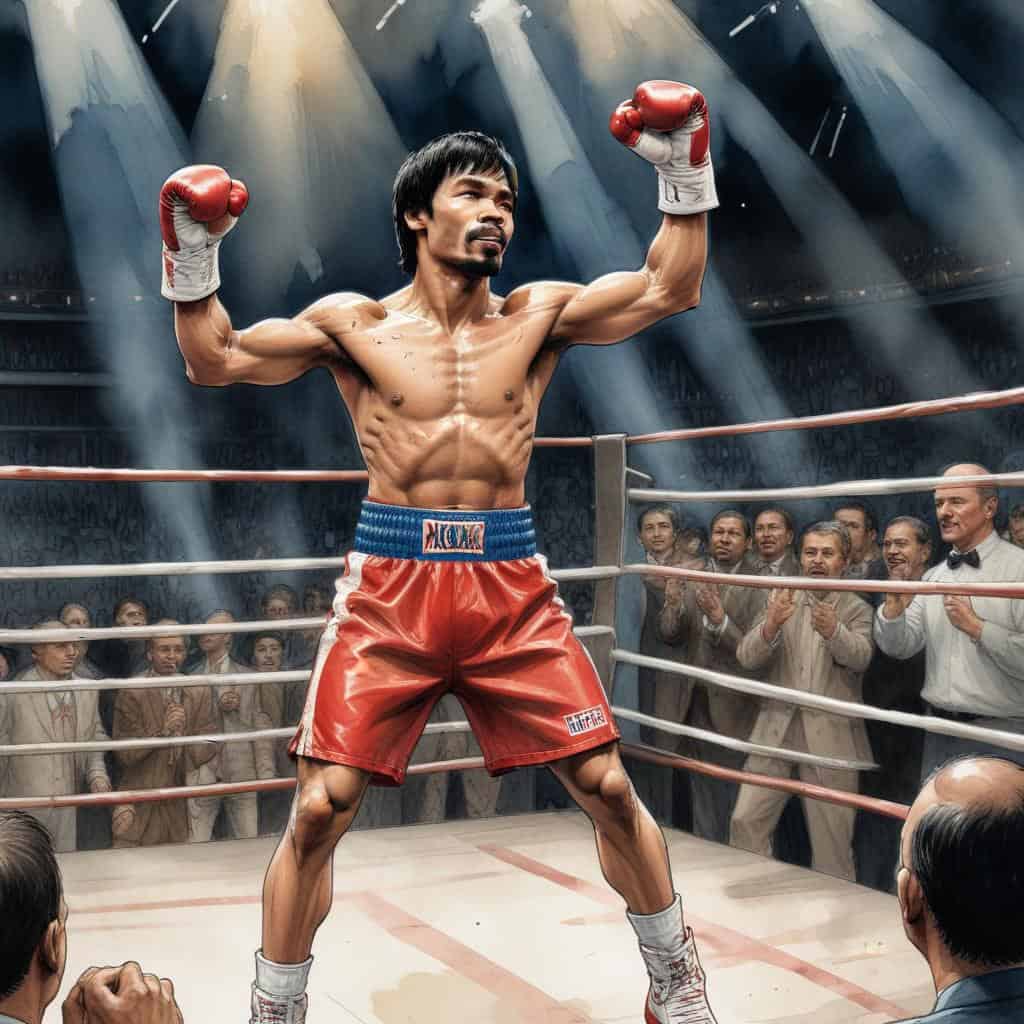
Manny Pacquiao
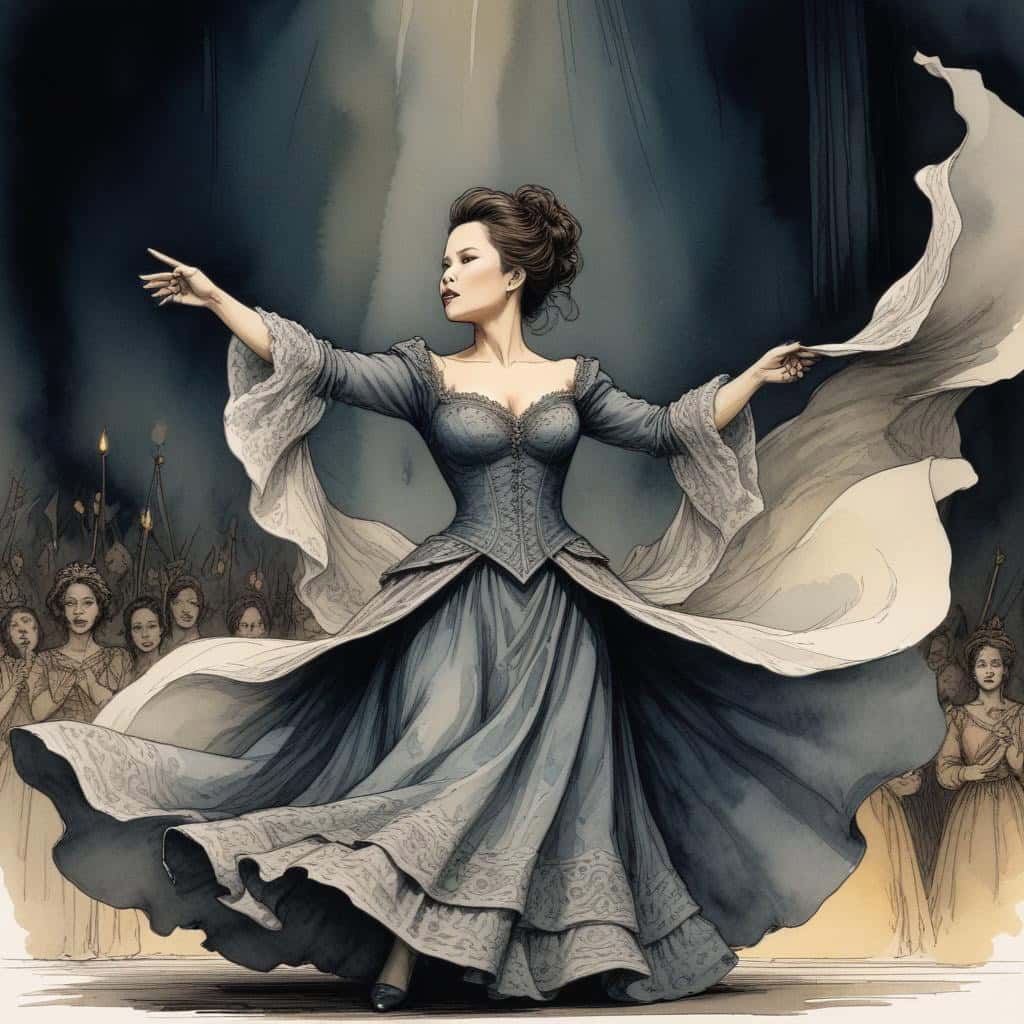
Lea Salonga
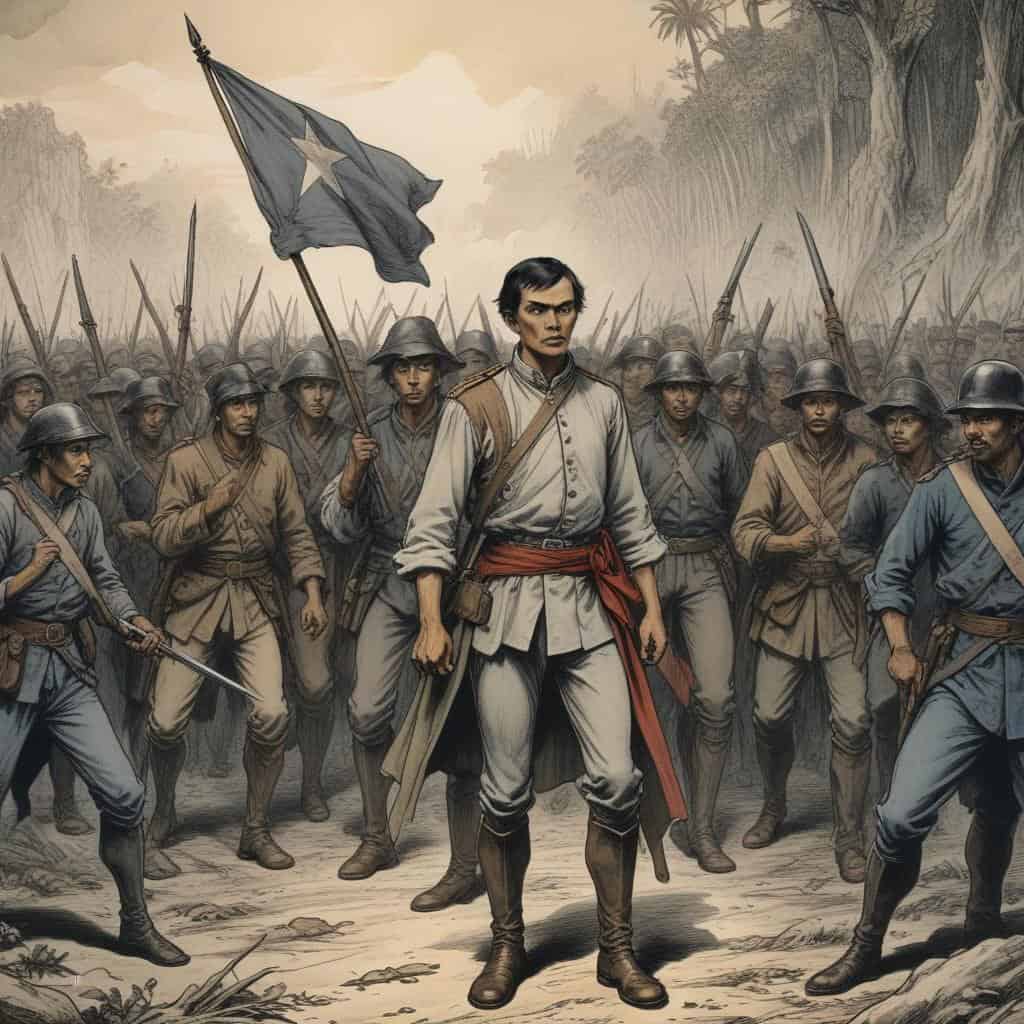
Andres Bonifacio
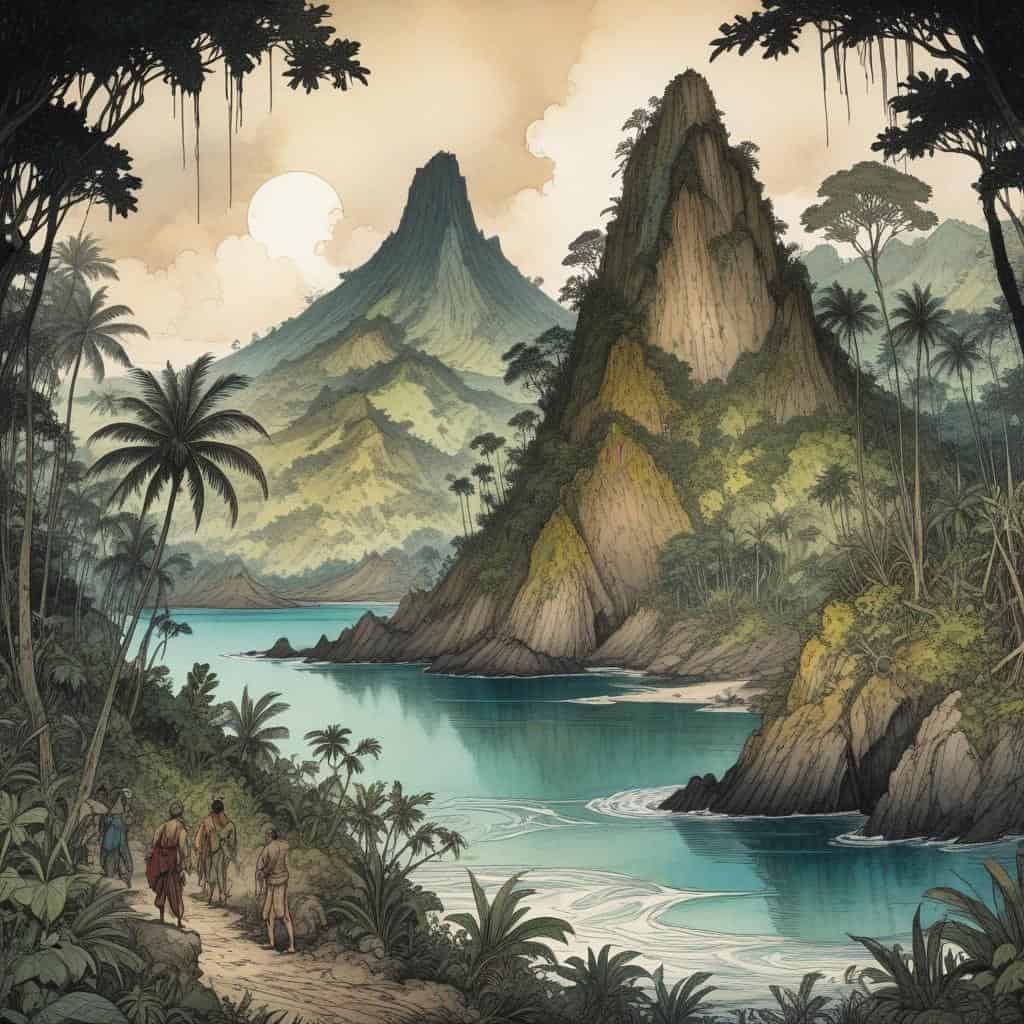
1. Geography and Climate
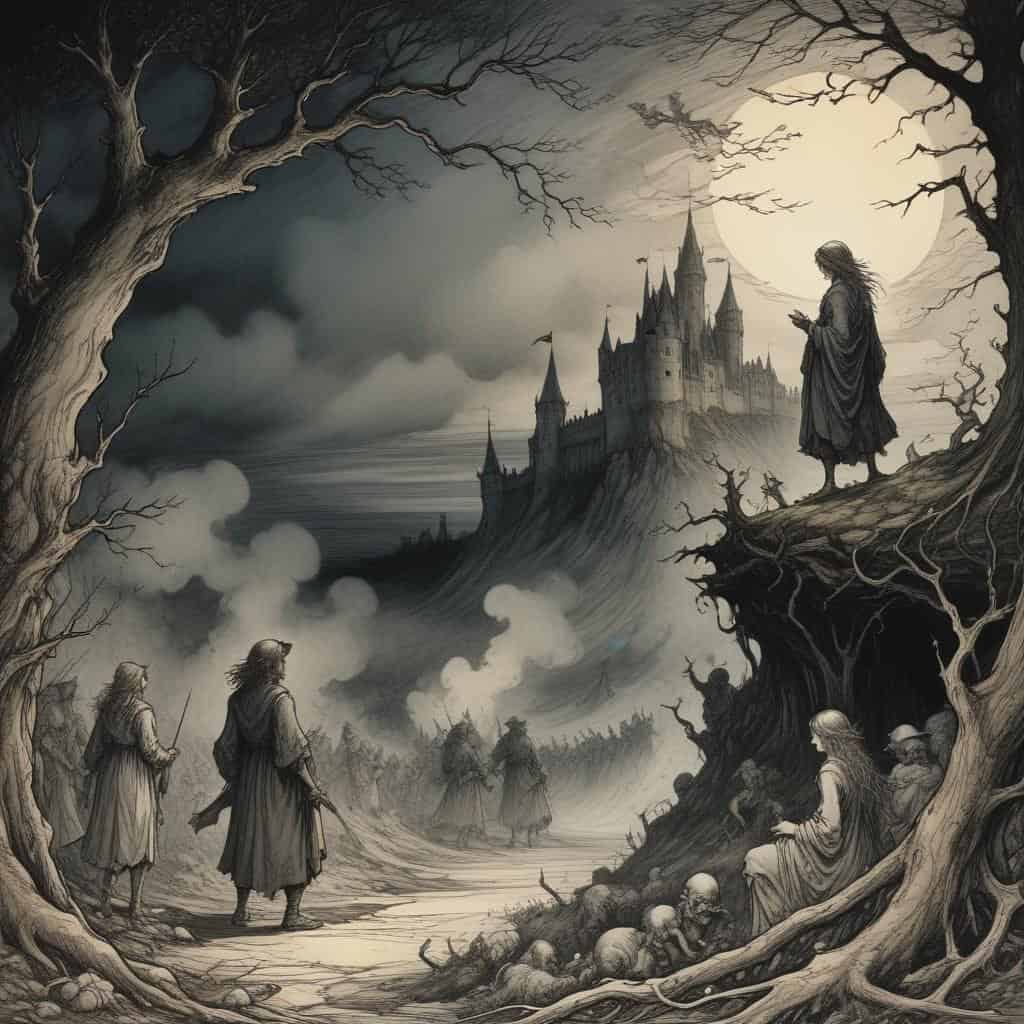
2. History and Culture
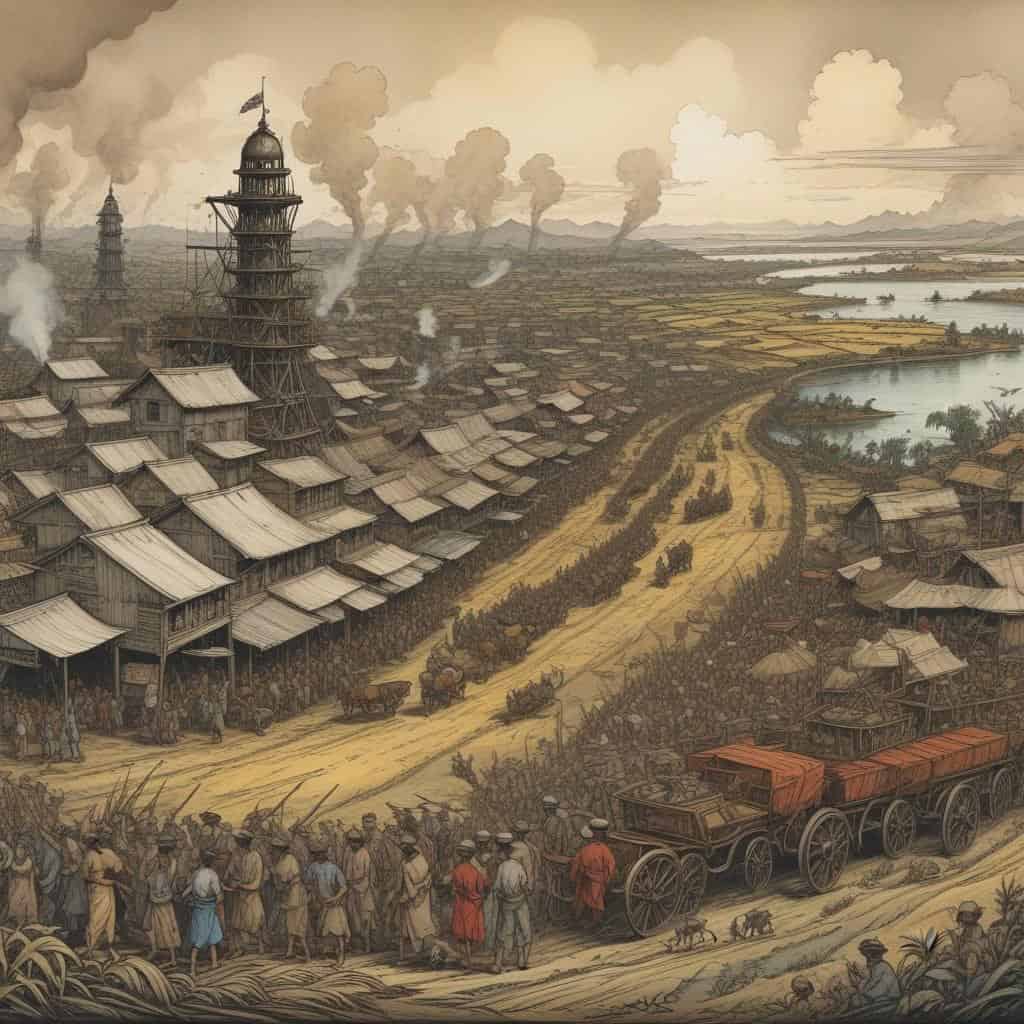
3. Economy and Industry
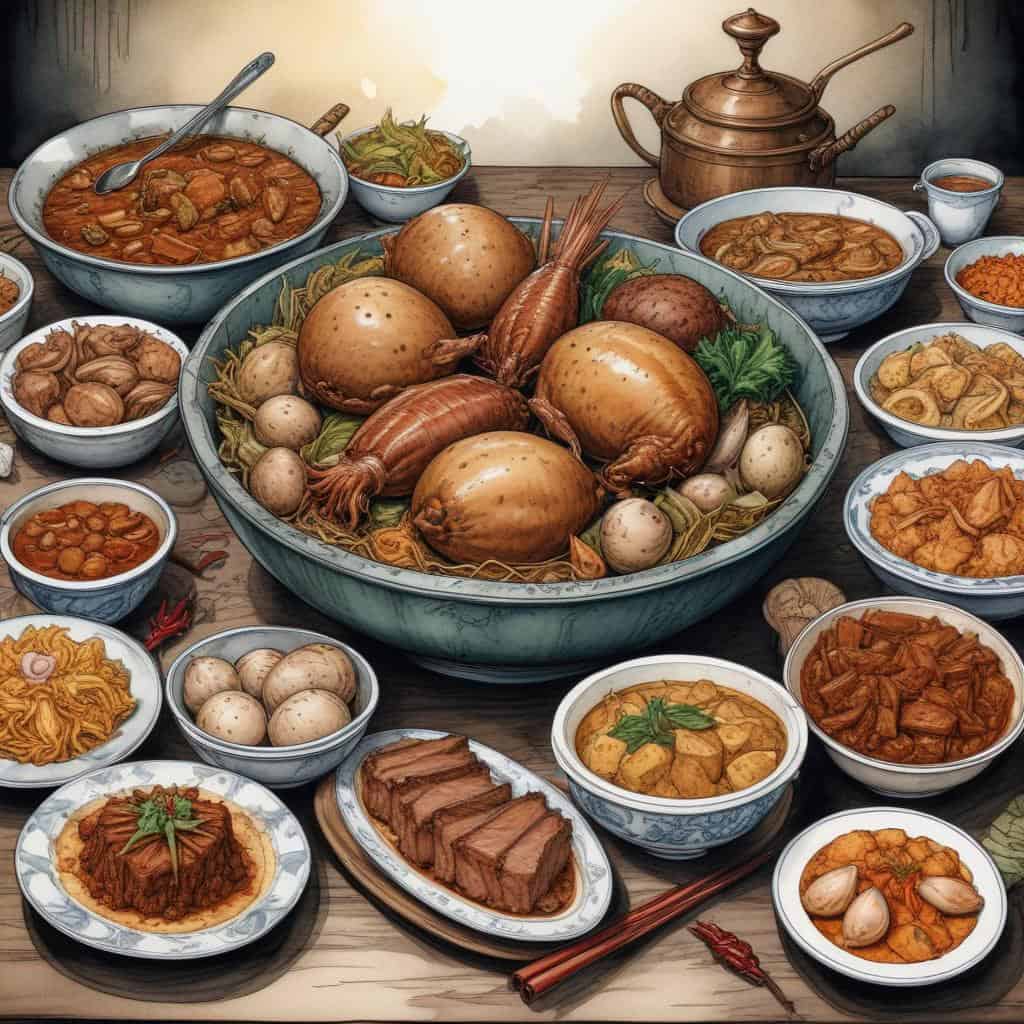
4. Cuisine
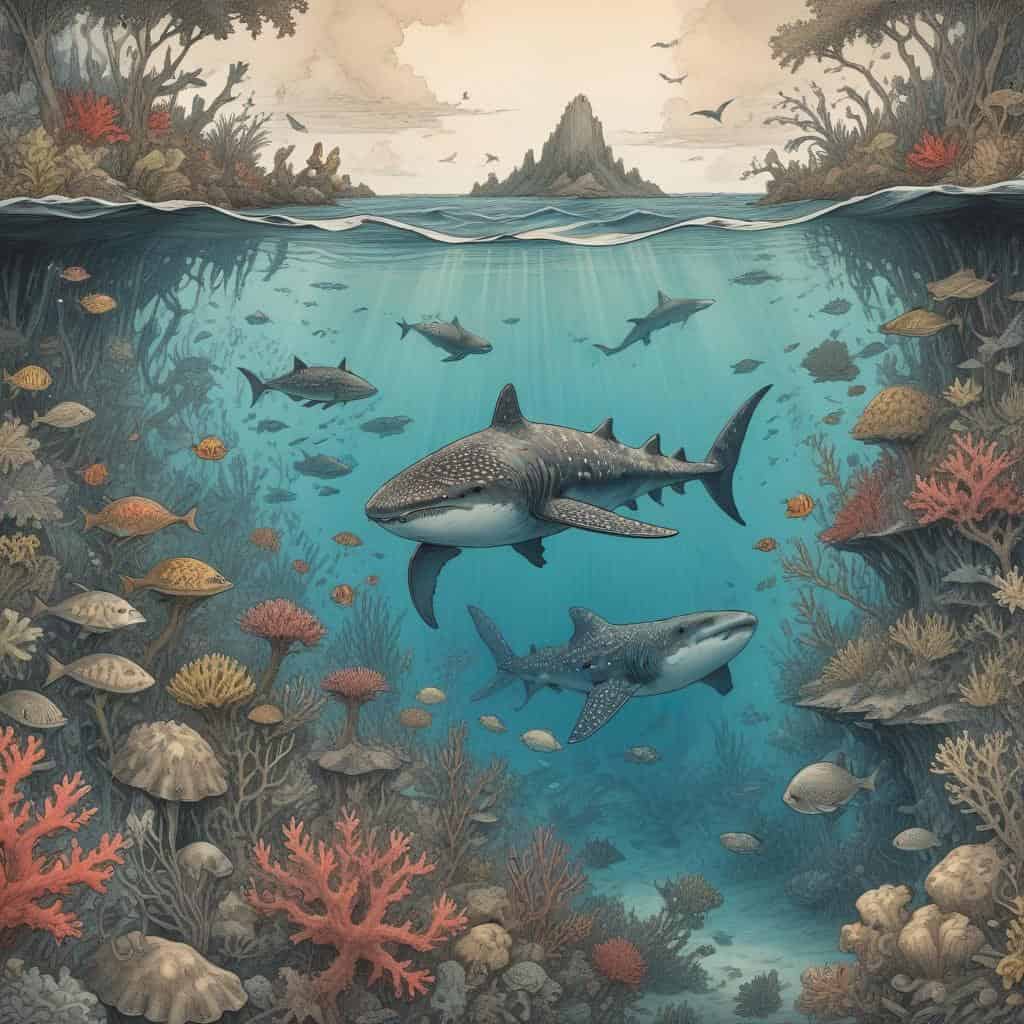
5. Biodiversity
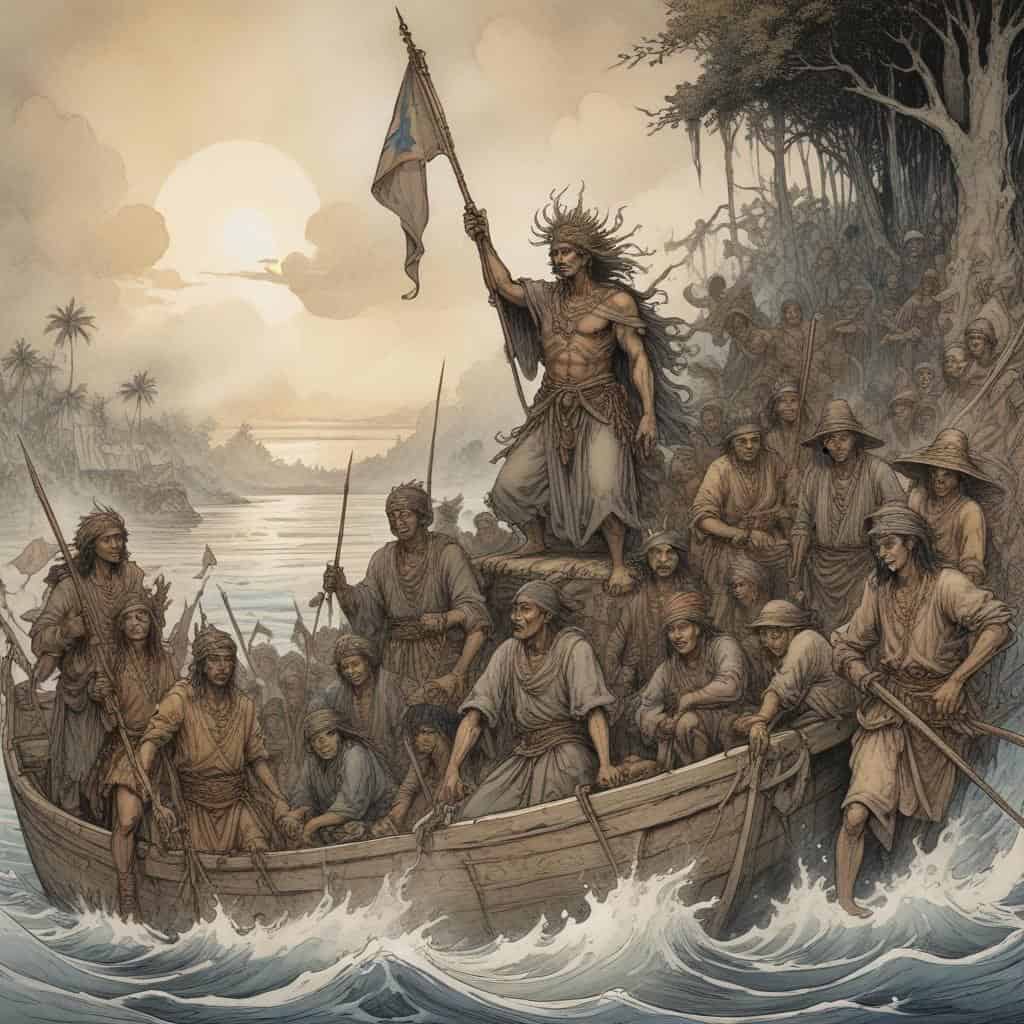
6. Language and Religion
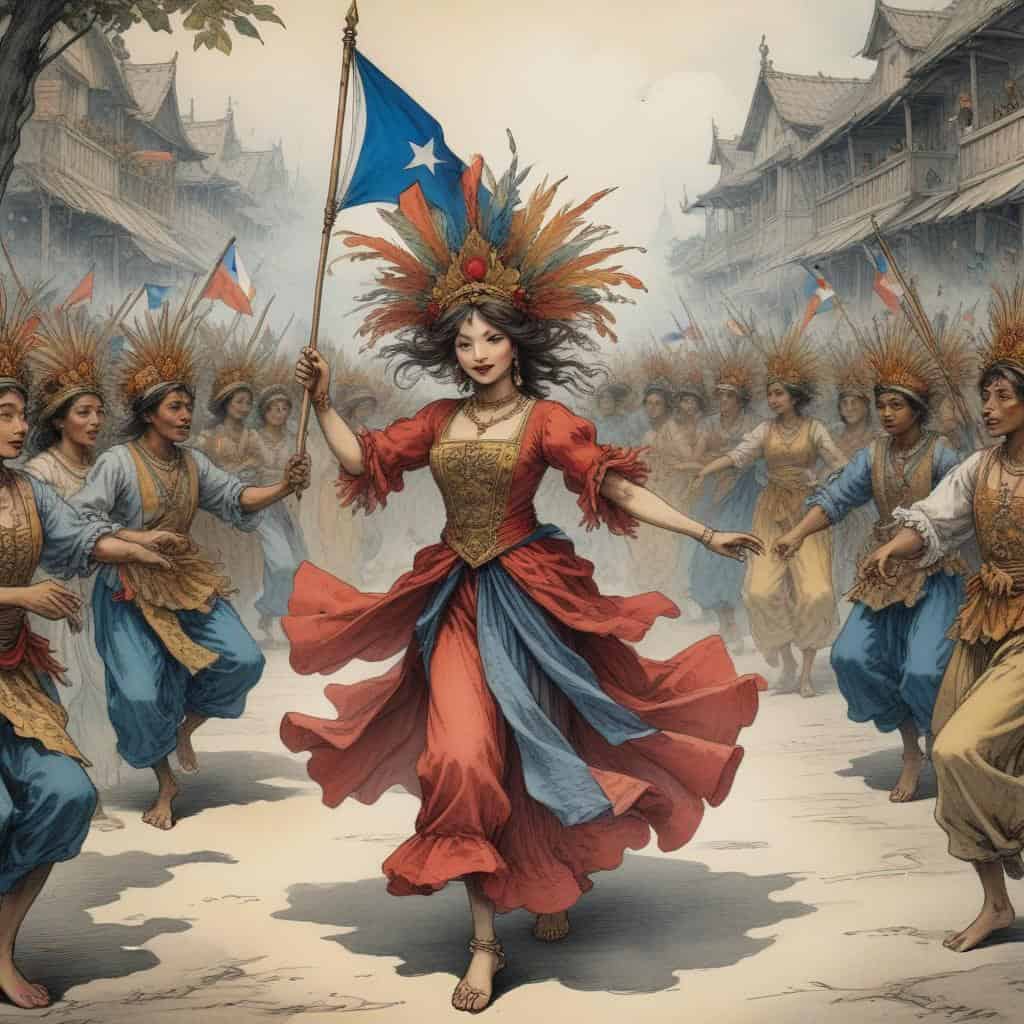
7. Festivals and Celebrations
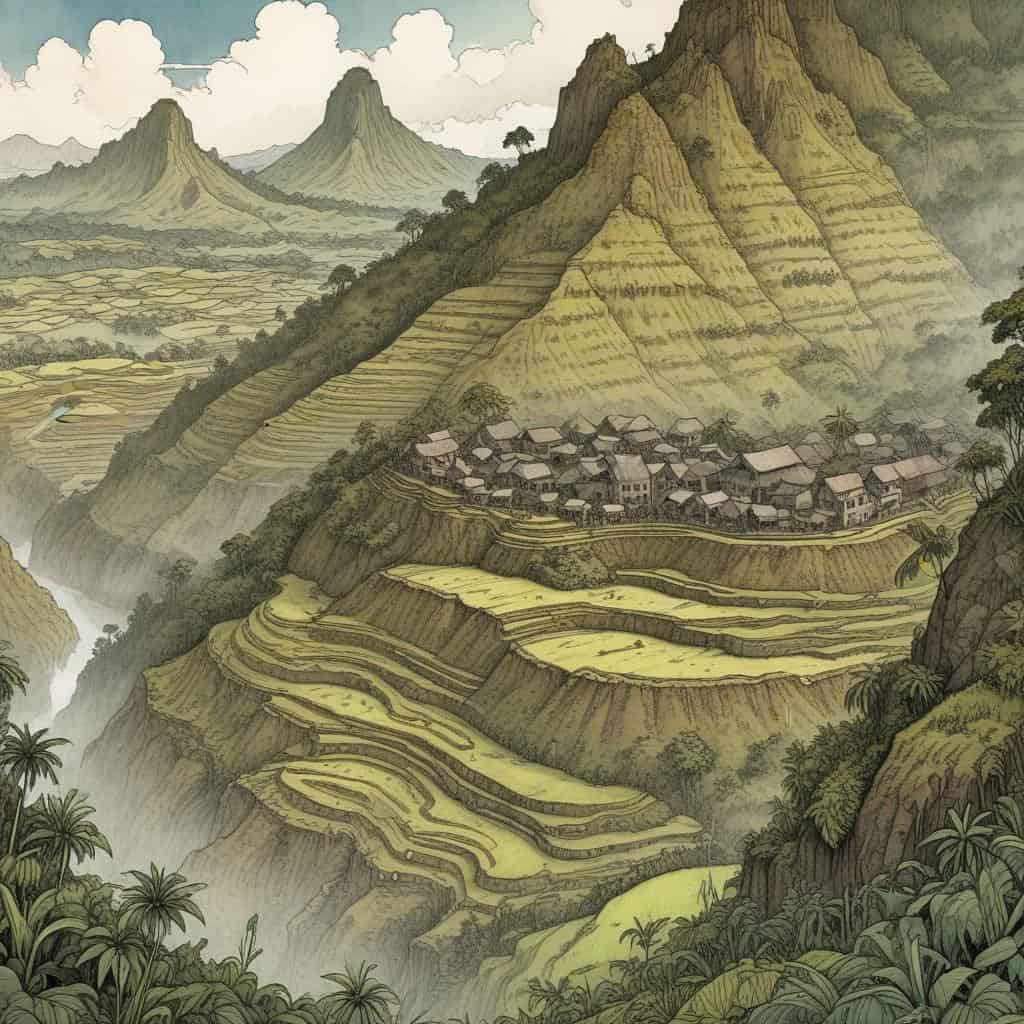
8. Famous Landmarks
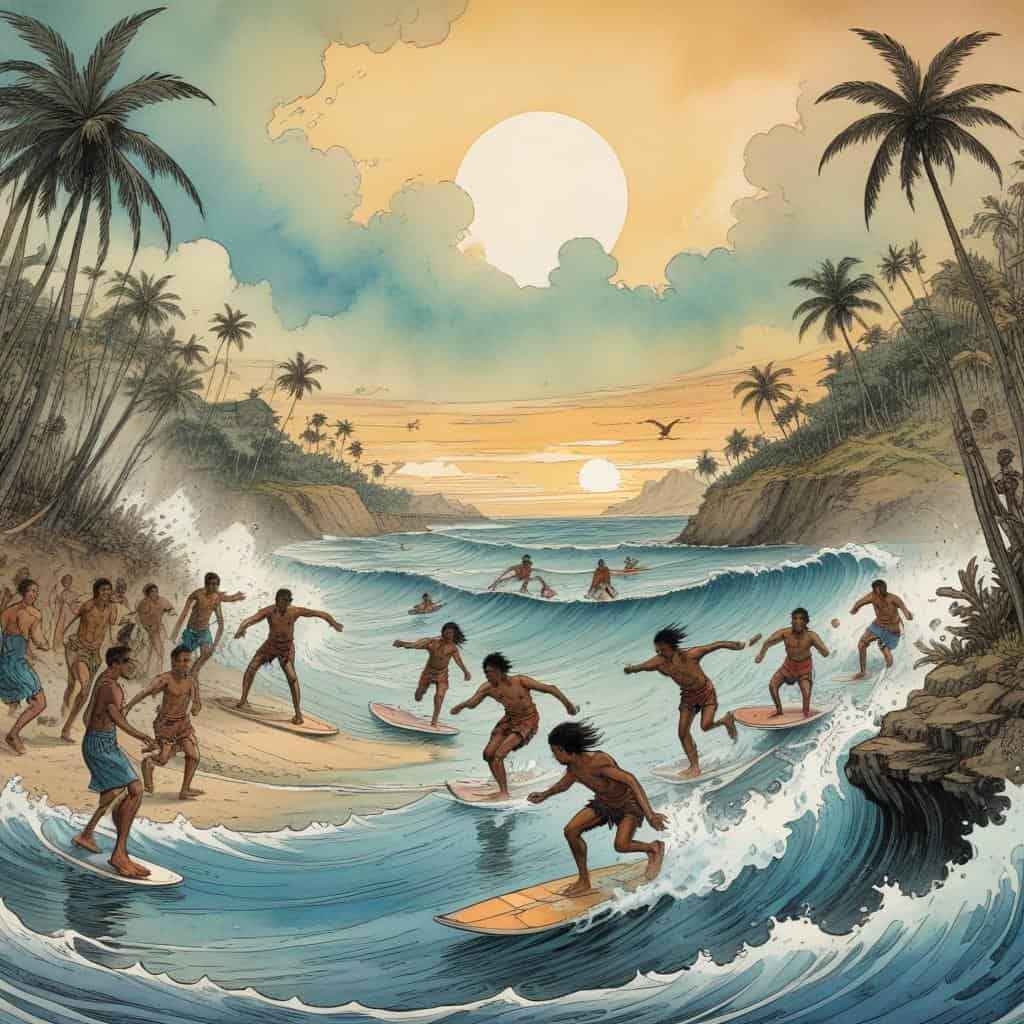
9. Sports and Recreation
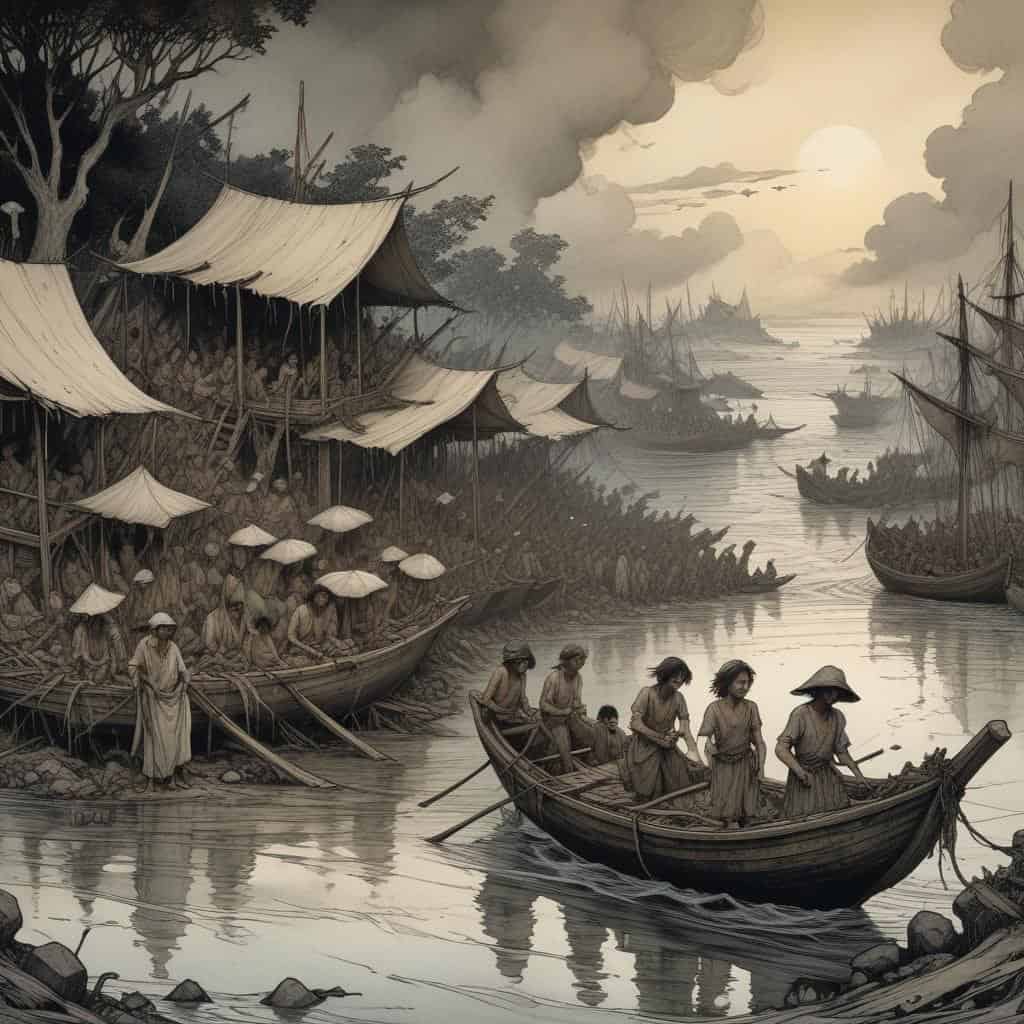
10. Challenges and Opportunities
Audio Library
As one of our featured lessons, this topic includes premium audio guides.
Unlock the Wizard's Cram Session
This powerful audio study guide is a Pro-exclusive feature. Upgrade to Memory Wizards Pro to access this and all of our premium learning tools.
Upgrade to ProIn a Nutshell
- Capital: Manila
- Population: Approx. 109 million (2021)
- Official Language: Filipino
- Currency: Philippine peso (PHP)
Breaking Down the Country
No composition analysis points available.
Timeline of Philippines
Arrival of Ferdinand Magellan in the Philippines
Battle of Mactan
Spanish colonization of the Philippines begins
Manila becomes the capital of the Spanish East Indies
British occupation of Manila during the Seven Years' War
Philippine Revolution against Spanish rule begins
Declaration of Philippine independence from Spain
Philippine-American War begins
Establishment of the Commonwealth of the Philippines
Japanese occupation of the Philippines during World War II
Philippine independence from the United States
Outbreak of the First Quarter Storm, a series of protests against the Marcos regime
Declaration of Martial Law by President Ferdinand Marcos
Assassination of Senator Benigno Aquino Jr.
People Power Revolution ousts President Ferdinand Marcos from power
Mount Pinatubo erupts, causing widespread destruction
Signing of the Comprehensive Agreement on the Bangsamoro, ending decades of conflict in Mindanao
Election of Rodrigo Duterte as President of the Philippines
Marawi Siege by ISIS-affiliated militants
Passage of the Anti-Terrorism Act of 2020
Vocabulary List
- Tagalog
- The national language of the Philippines.
- Barong Tagalog
- A traditional Filipino formal wear for men.
- Sinigang
- A popular Filipino sour soup dish.
- Jeepney
- A colorful and iconic mode of transportation in the Philippines.
- Tinikling
- A traditional Filipino folk dance involving bamboo poles.
- Mangga
- The Filipino word for mango, a popular fruit in the Philippines.
- Bahay kubo
- A traditional Filipino nipa hut made of bamboo and thatch.
- Adobo
- A popular Filipino dish of meat marinated in vinegar, soy sauce, and spices.
- Balikbayan box
- A package of goods sent by overseas Filipinos to their relatives in the Philippines.
- Ati-atihan
- A lively and colorful festival celebrated in the Philippines.
- Pandesal
- A popular Filipino bread roll usually eaten for breakfast.
- Sari-sari store
- A small convenience store commonly found in the Philippines.
- Halo-halo
- A popular Filipino dessert made with shaved ice, sweet beans, fruits, and more.
- Balut
- A fertilized duck egg delicacy commonly eaten in the Philippines.
- Sarong
- A piece of clothing worn as a skirt or dress in the Philippines.
- Kamayan
- A Filipino dining style where food is eaten with hands.
- Taho
- A Filipino snack made of fresh soft/silken tofu, arnibal (sweet syrup), and sago pearl (similar to tapioca pearls).
- Pahiyas
- A colorful harvest festival celebrated in the Philippines.
- Puto
- A steamed rice cake commonly eaten in the Philippines.
- Sampaguita
- The national flower of the Philippines.
- Lechon
- A popular Filipino dish of roasted pig.
- Filipiniana
- Traditional Filipino attire worn on special occasions.
- Boracay
- A popular tourist destination known for its white sand beaches in the Philippines.
Key Facts
This is the information used in the fact matching game
- The Philippines is an archipelago consisting of 7,107 islands.
- Filipino is the official language of the Philippines.
- The Philippines was a Spanish colony for over 300 years.
- The capital of the Philippines is Manila.
- The Philippines is home to the world's longest underground river, the Puerto Princesa River.
- The Philippines is one of the world's largest producers of coconuts.
- The national symbol of the Philippines is the Philippine eagle, which is one of the largest and most powerful eagles in the world.
- The Philippines is the world's leading producer of abaca, a type of banana plant used to make rope.
- The Philippines is one of the most disaster-prone countries in the world, experiencing frequent typhoons, earthquakes, and volcanic eruptions.
- The Philippines is the largest Catholic nation in Asia, with over 80% of the population identifying as Roman Catholic.
- The Philippines is known for its rich biodiversity, with thousands of plant and animal species found nowhere else in the world.
- The national dish of the Philippines is adobo, a savory stew made with meat, vinegar, soy sauce, and garlic.
- The Philippines gained independence from the United States in 1946.
- The Philippines has one of the longest Christmas seasons in the world, starting as early as September and lasting until January.
- The Philippines is the only predominantly Christian nation in Asia.
- The world's largest pearl, known as the Pearl of Lao Tzu, was discovered off the coast of the Philippines.
- The Philippines is the world's second-largest producer of geothermal energy, after the United States.
- The Philippines is the third-largest English-speaking country in the world, after the United States and India.
- The Philippines is known for its jeepneys, colorful public transportation vehicles that are a symbol of Filipino culture.
- The Philippines is home to the world's smallest fish, the dwarf goby, which grows to a maximum length of only 1.2 centimeters.
Why It Matters
Geopolitical Significance
The Philippines holds a key strategic position in Southeast Asia, with access to major sea lanes and proximity to important trade routes. Its location in the Pacific Ring of Fire also gives it significance in terms of natural disasters and regional security concerns.
Historical Importance
With a history shaped by colonization, revolution, and war, the Philippines has a unique cultural heritage that reflects its diverse influences. The country’s struggle for independence and its role in World War II have left a lasting impact on its national identity and global relationships.
Modern-Day Role
Today, the Philippines is a rapidly developing economy with a growing influence in Southeast Asia. It plays a crucial role in regional politics, particularly in maritime disputes and international relations. The country’s diaspora also contributes significantly to global labor markets and cultural exchanges.
Philippines Games


Take Your Learning Offline
Want a convenient, print-ready study guide for this lesson? Become a Memory Wizards Pro member to unlock the downloadable " Memory Scrolls" for this topic and our entire library!
- ✓ Complete Vocabulary Lists
- ✓ Key Facts & Timelines
- ✓ Beautifully Formatted for Print & Mobile