
How Do You Learn Best?
Learn by Listening
Start with the 3-minute audio summary to get the key facts and narrative highlights quickly.
Learn by Reading
Immerse yourself in the 10-minute visual lesson for a comprehensive understanding of the topic.
Learn by Reviewing
Jump directly to the key facts, timeline, and vocabulary lists to build a solid foundation of details.
Learn by Doing
Challenge yourself! Jump straight into the interactive games to learn by trial, error, and discovery.
Palestine in 10 Minutes
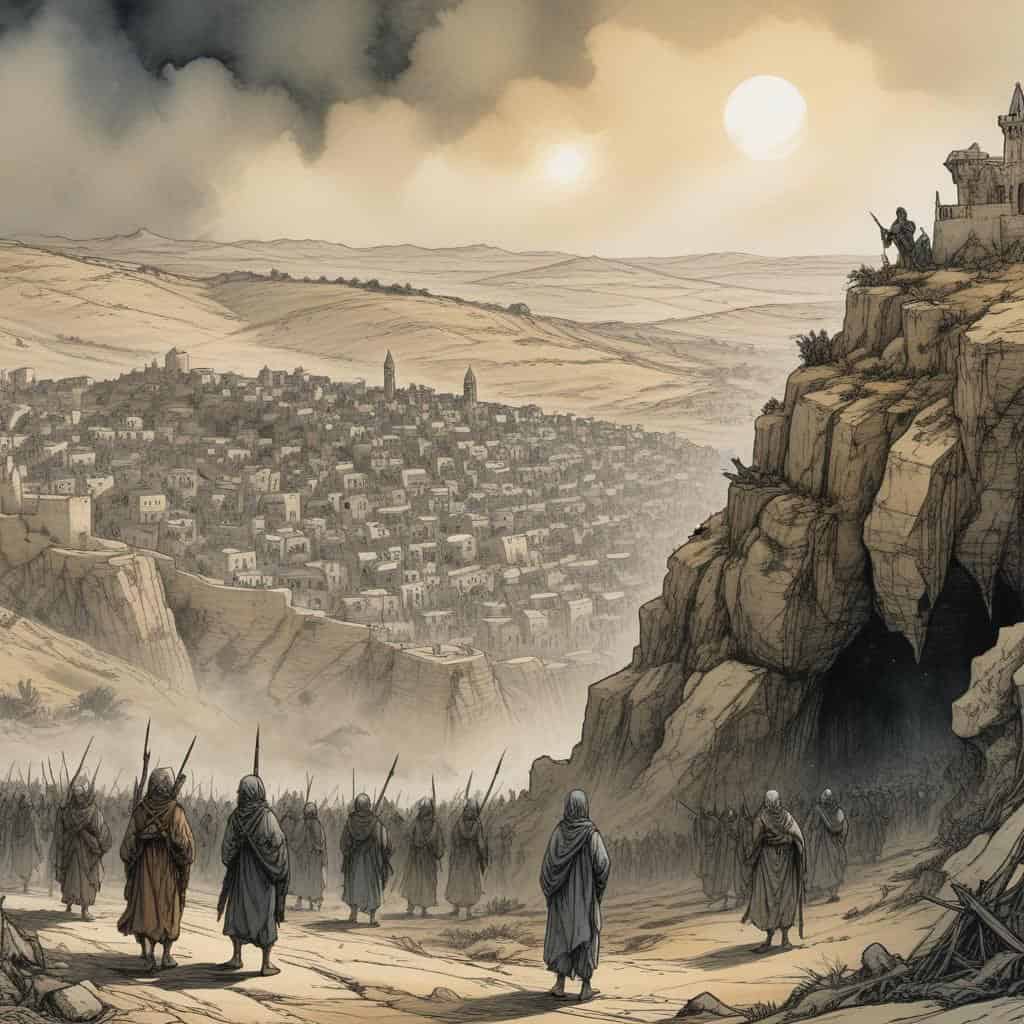
Introduction
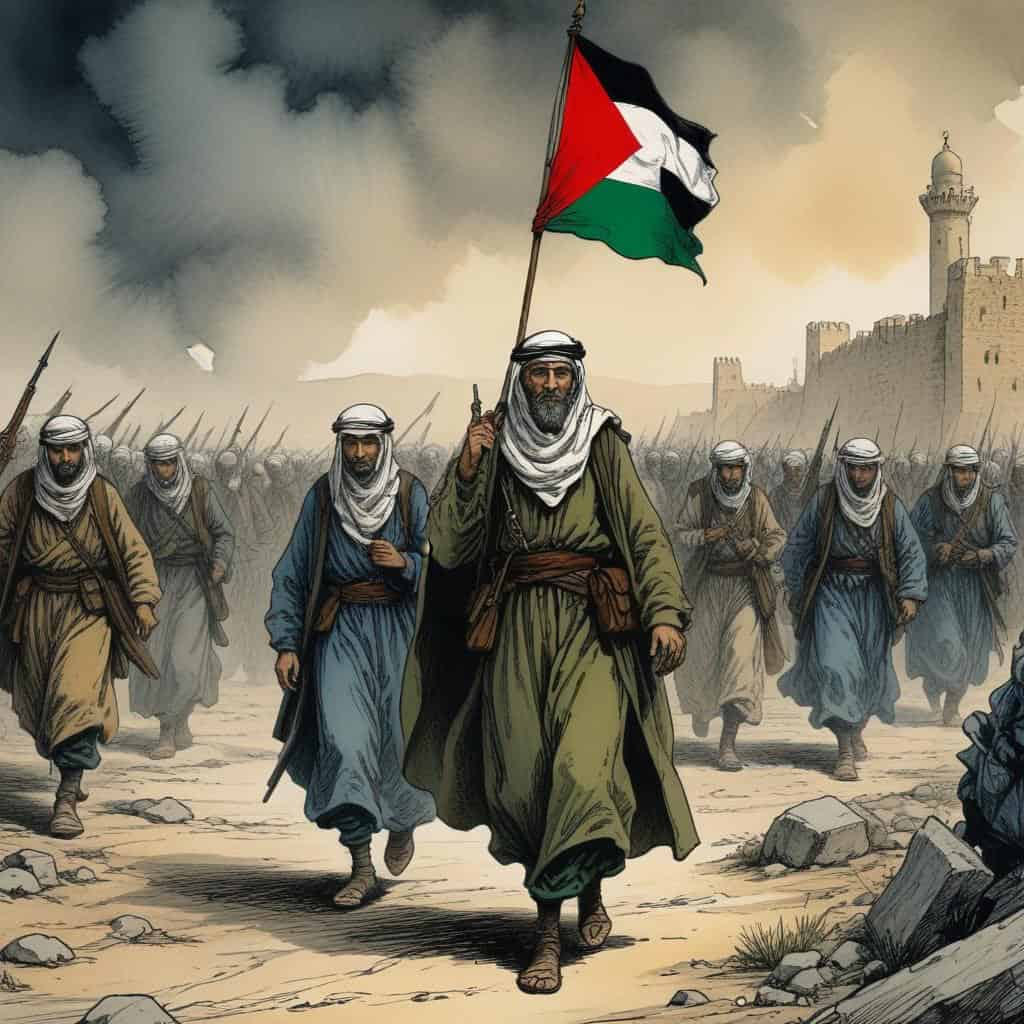
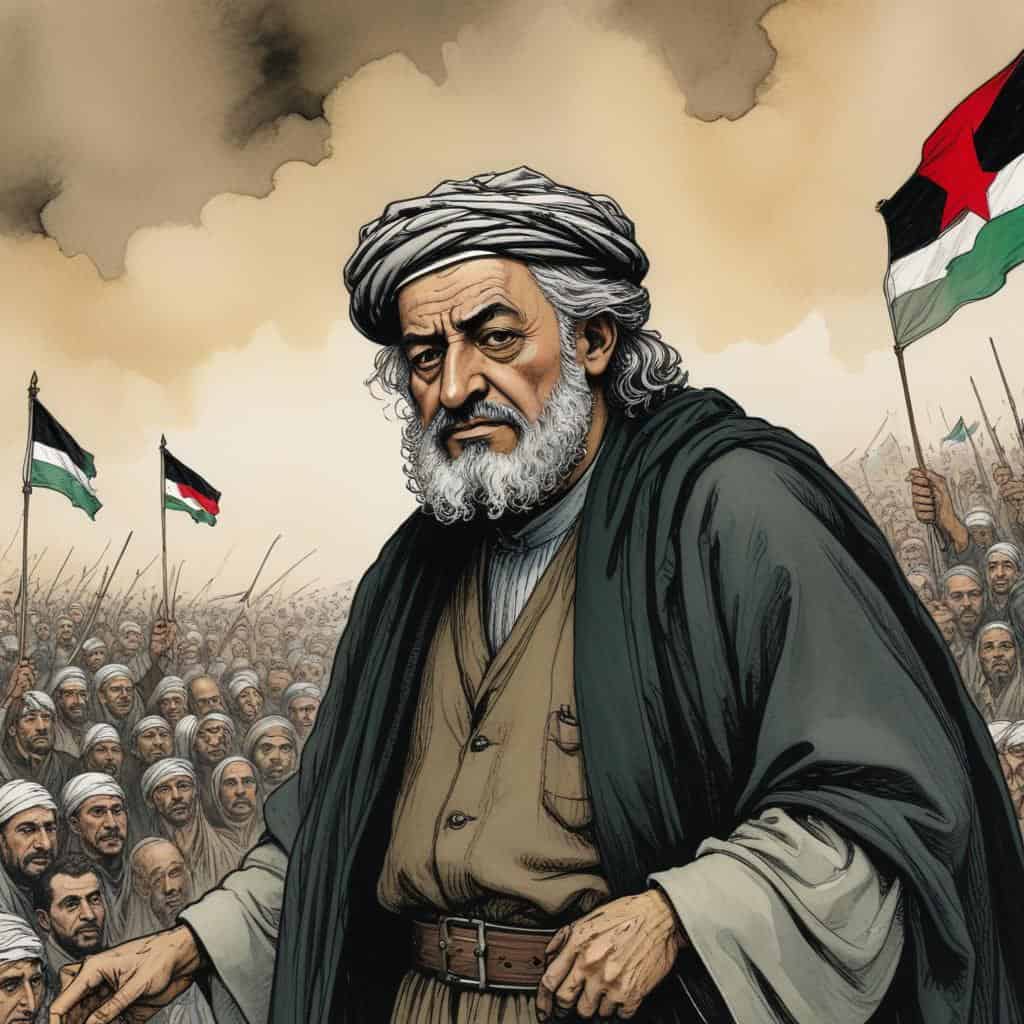
Yasser Arafat
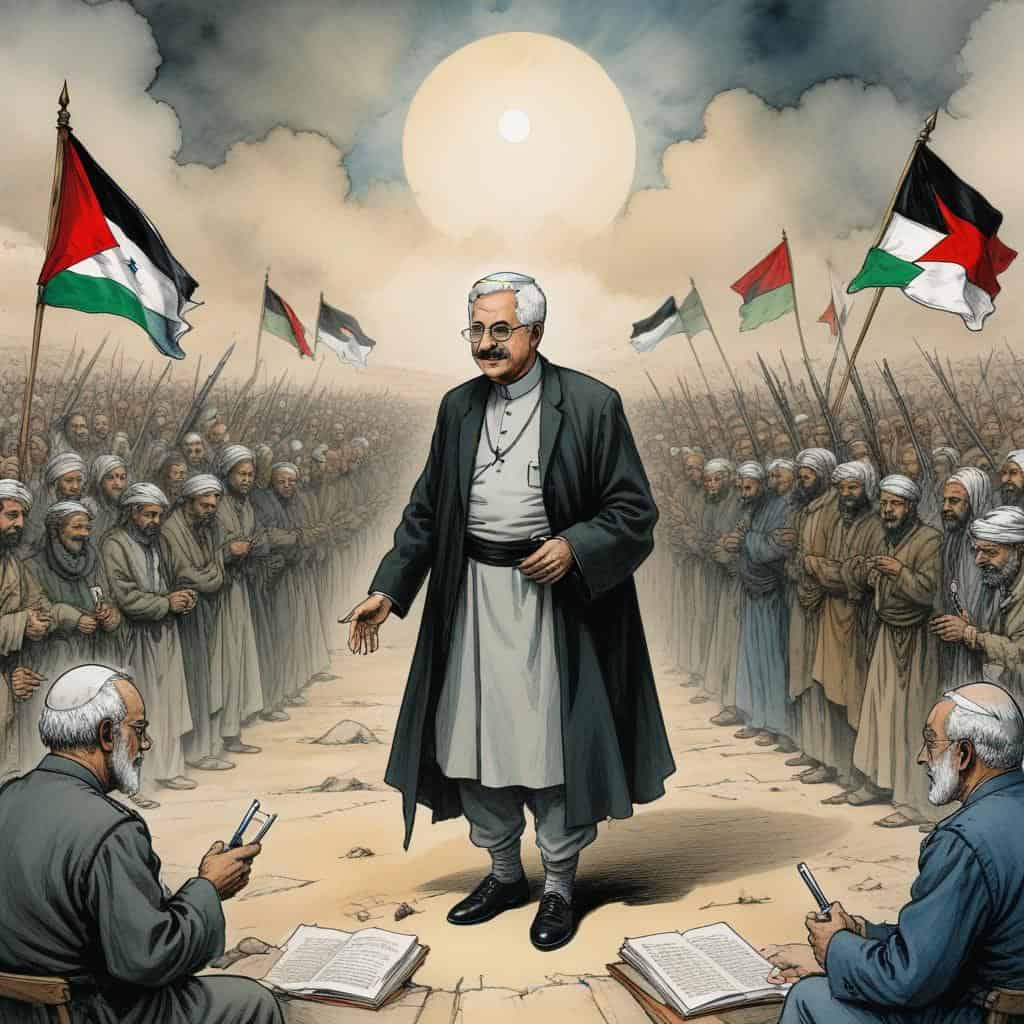
Mahmoud Abbas
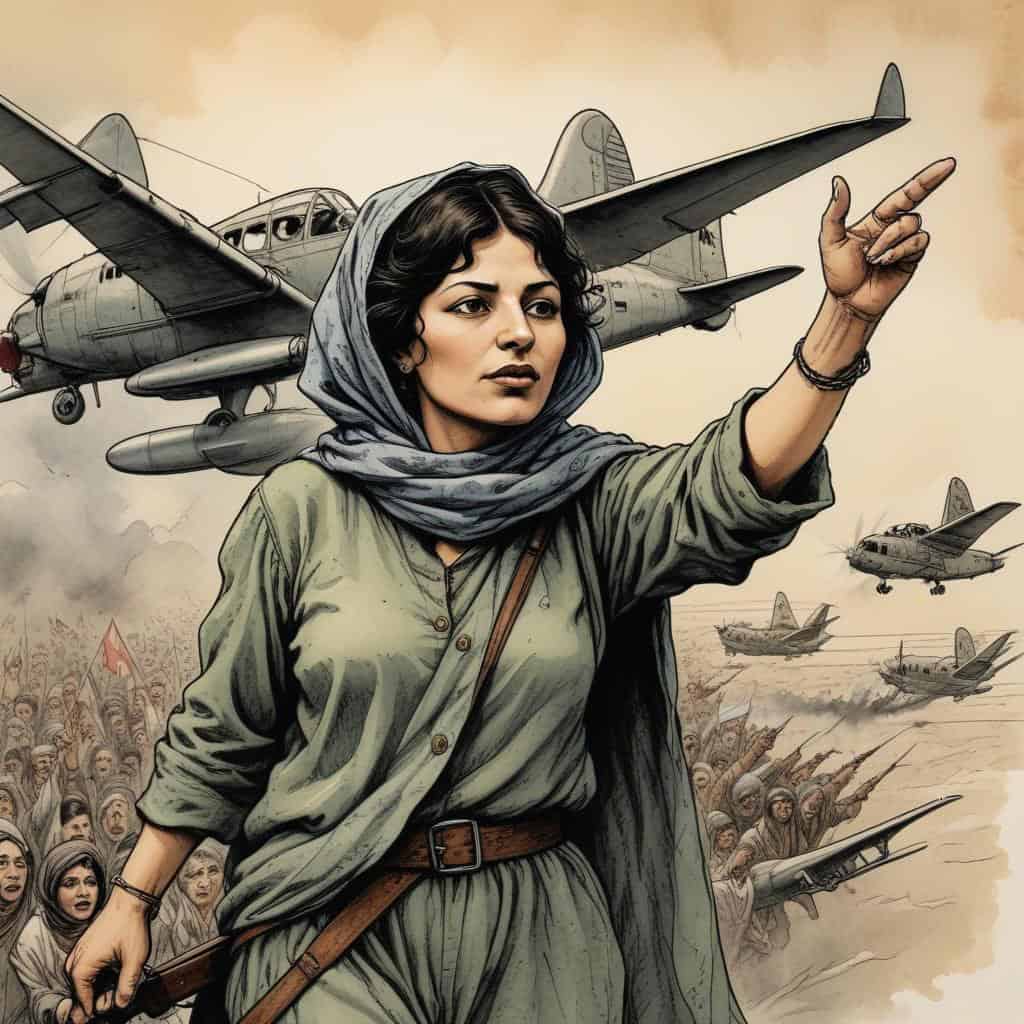
Leila Khaled
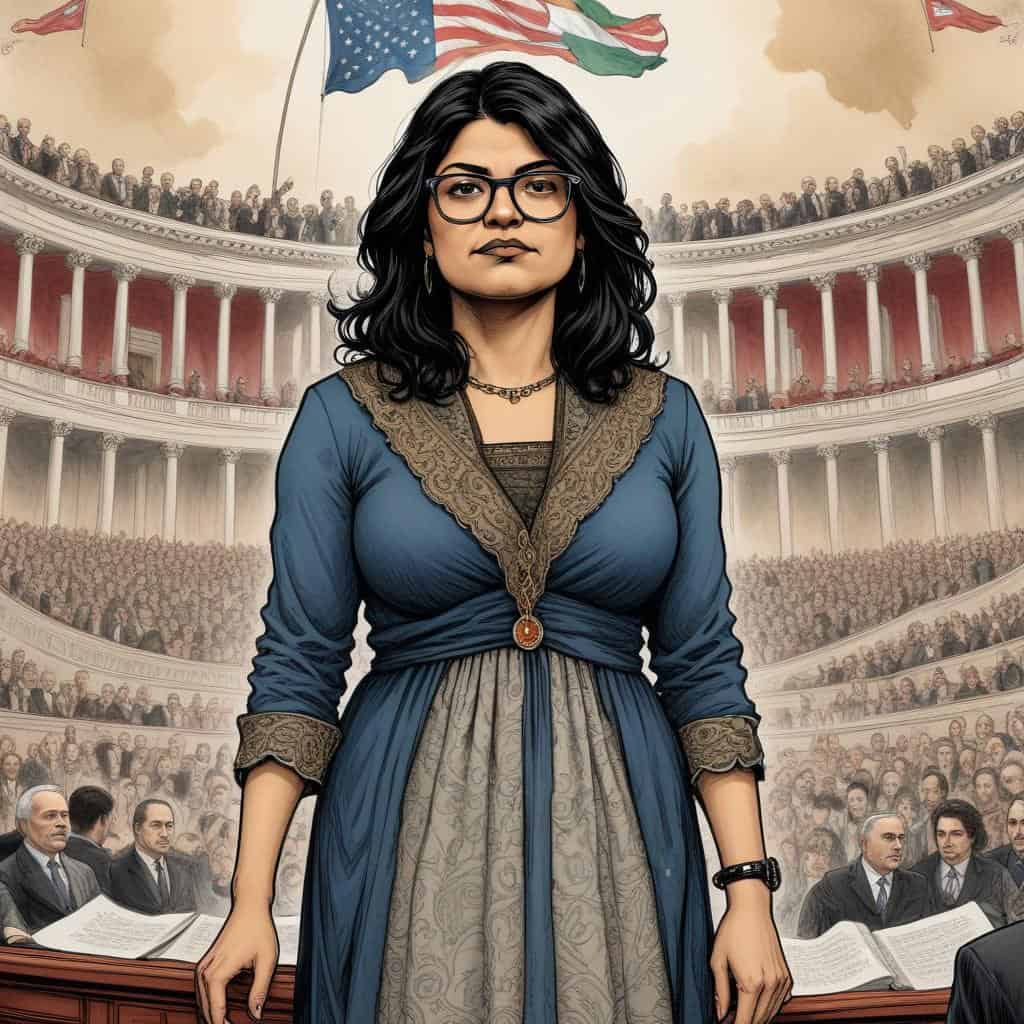
Rashida Tlaib
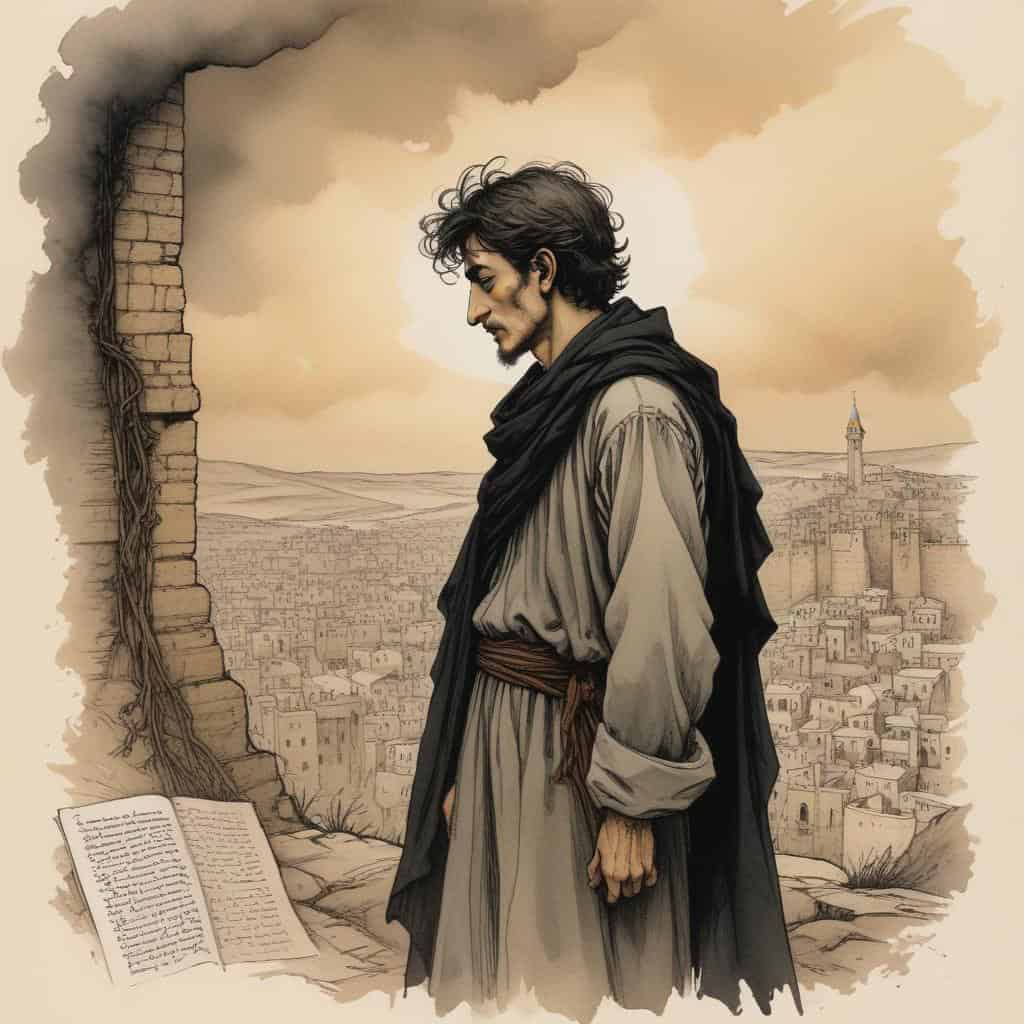
Mahmoud Darwish
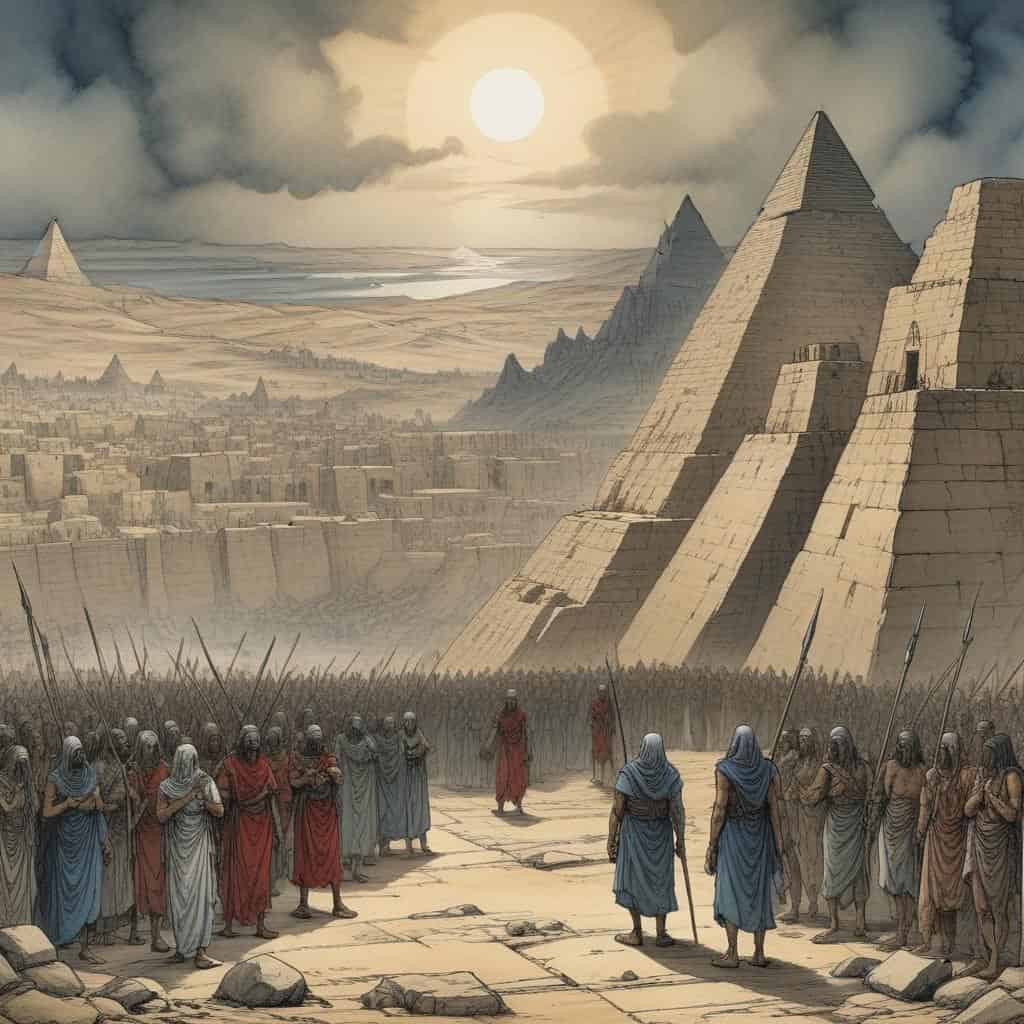
1. Early History
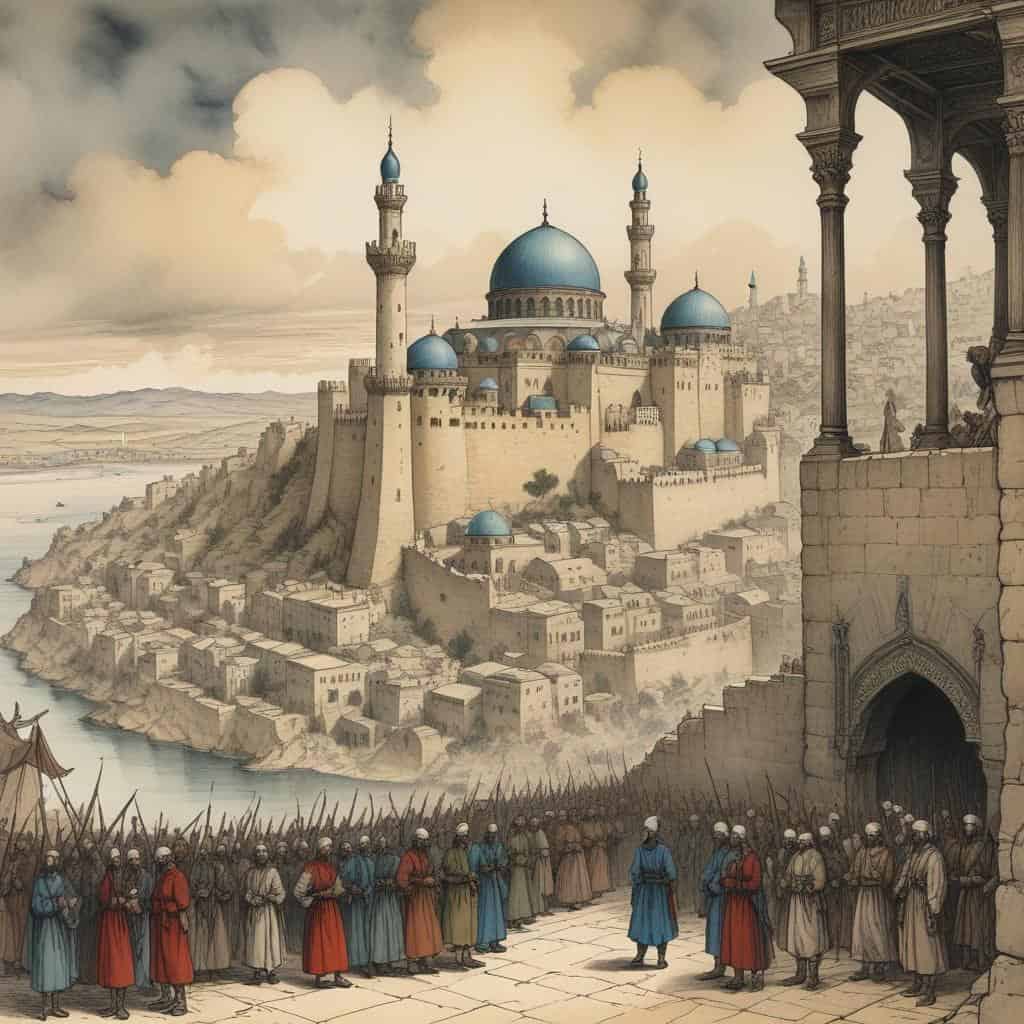
2. Ottoman Rule
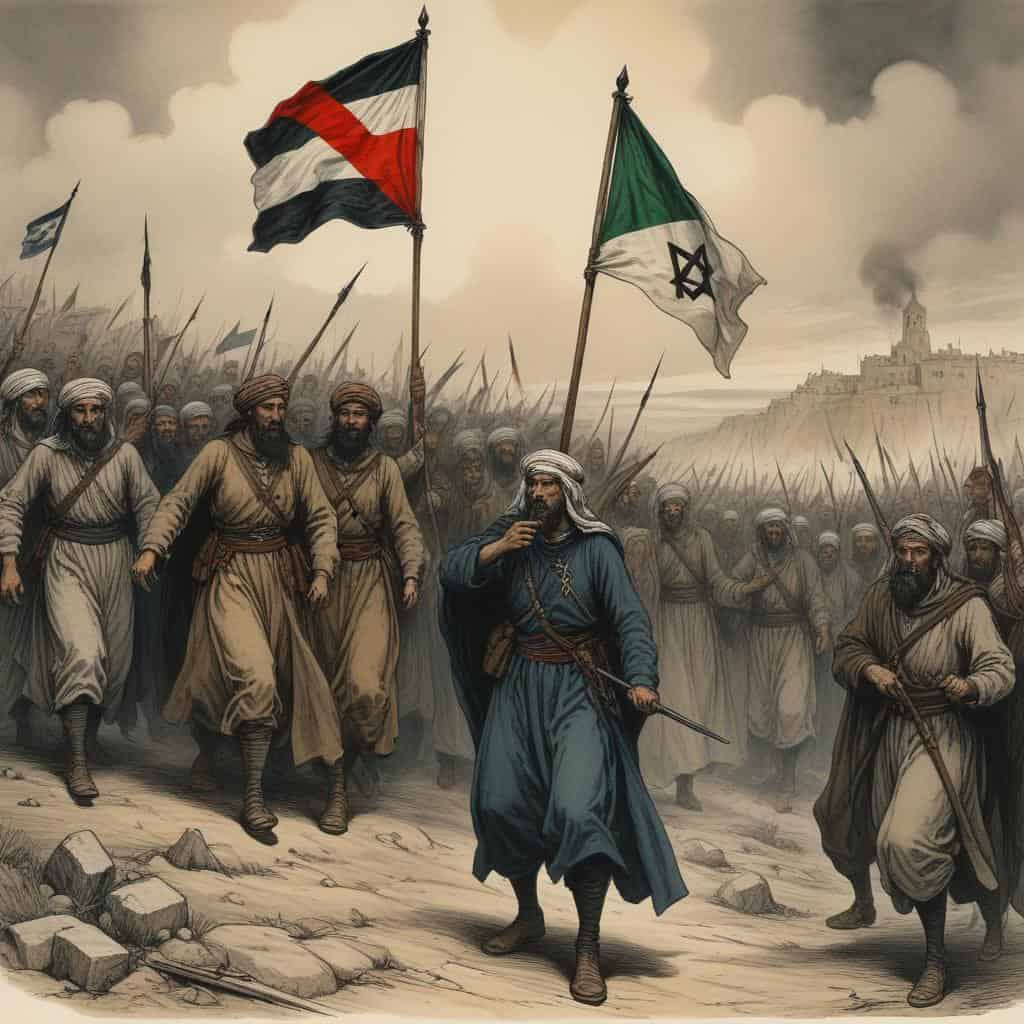
3. British Mandate
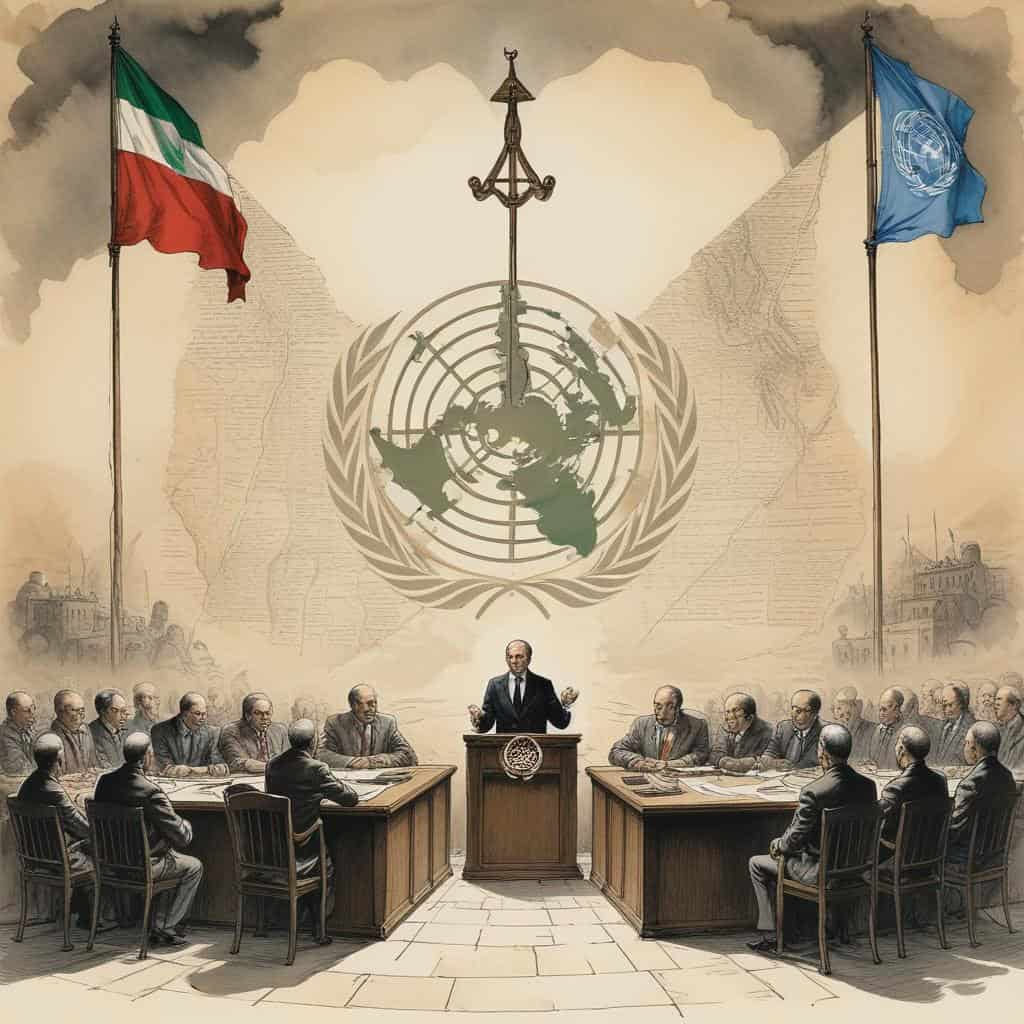
4. Partition Plan
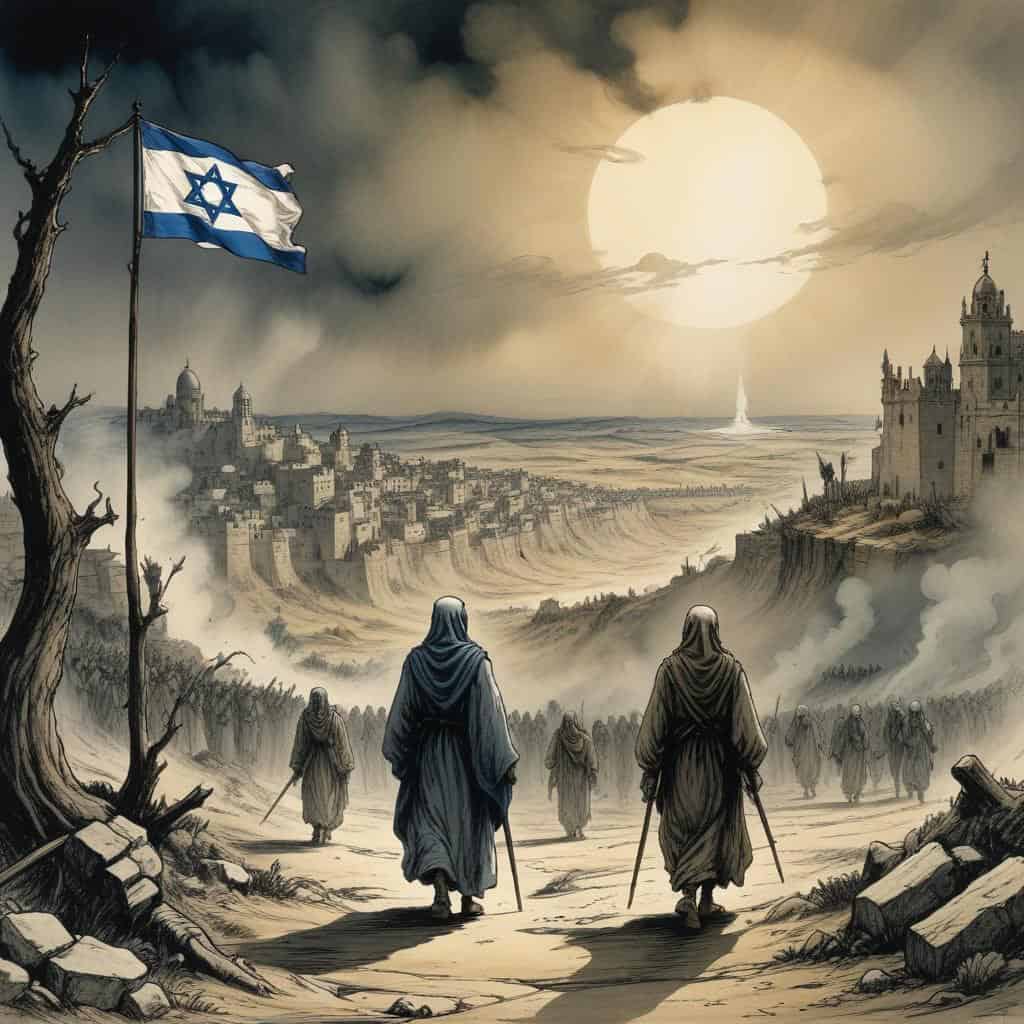
5. Creation of Israel
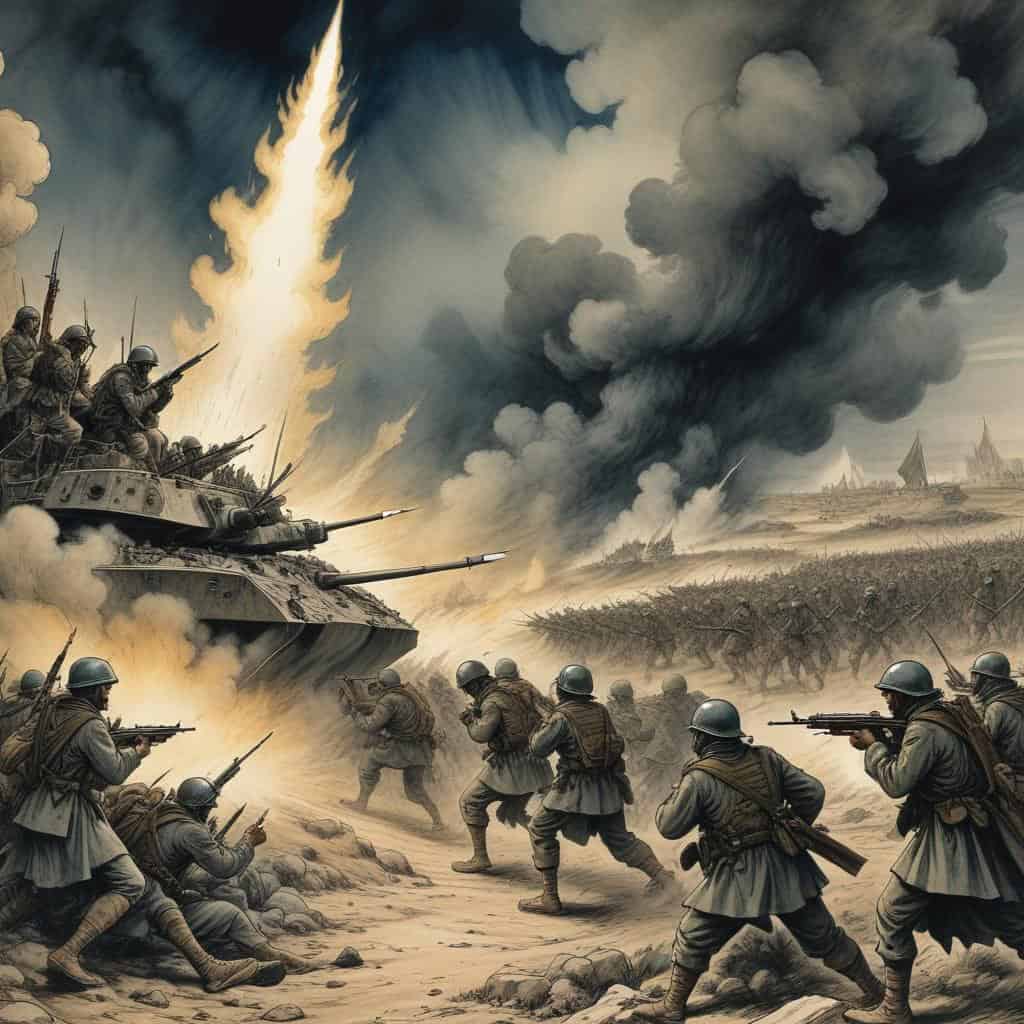
6. Six-Day War
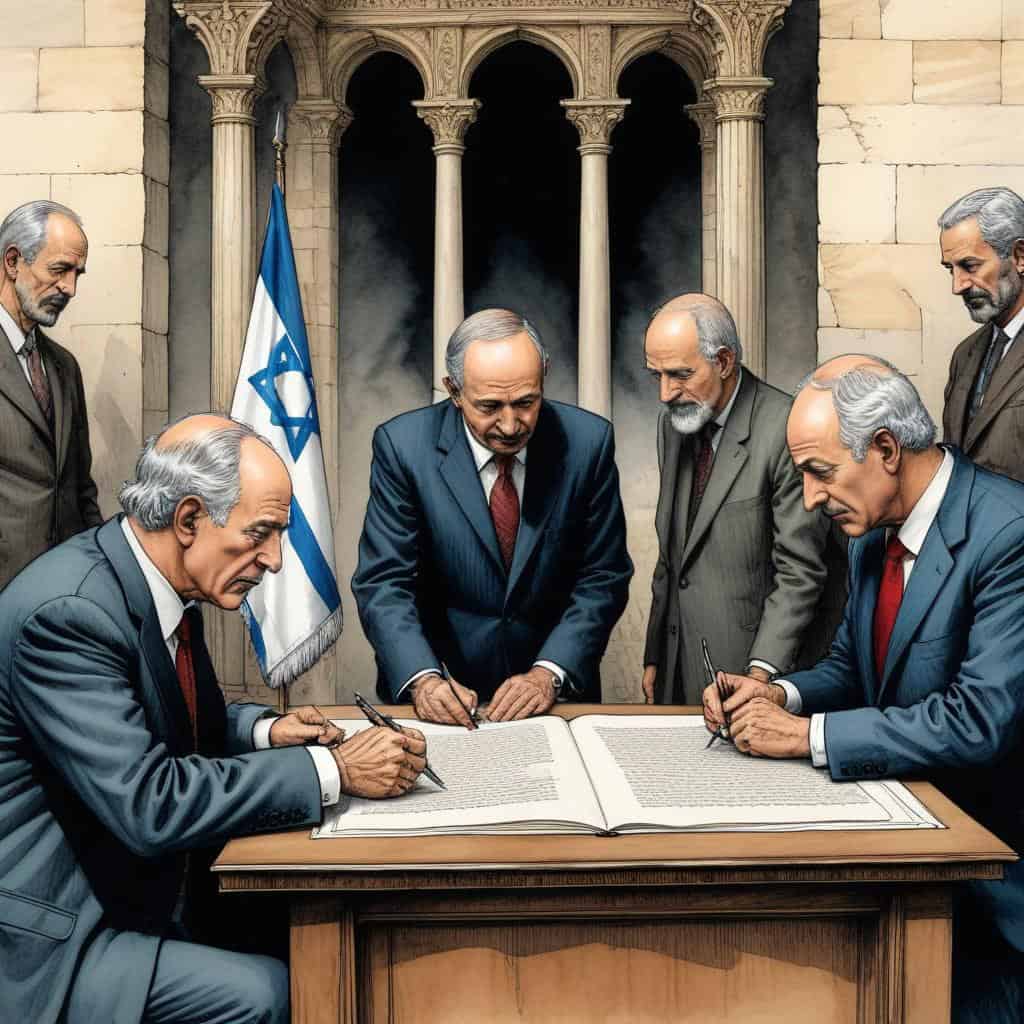
7. Oslo Accords
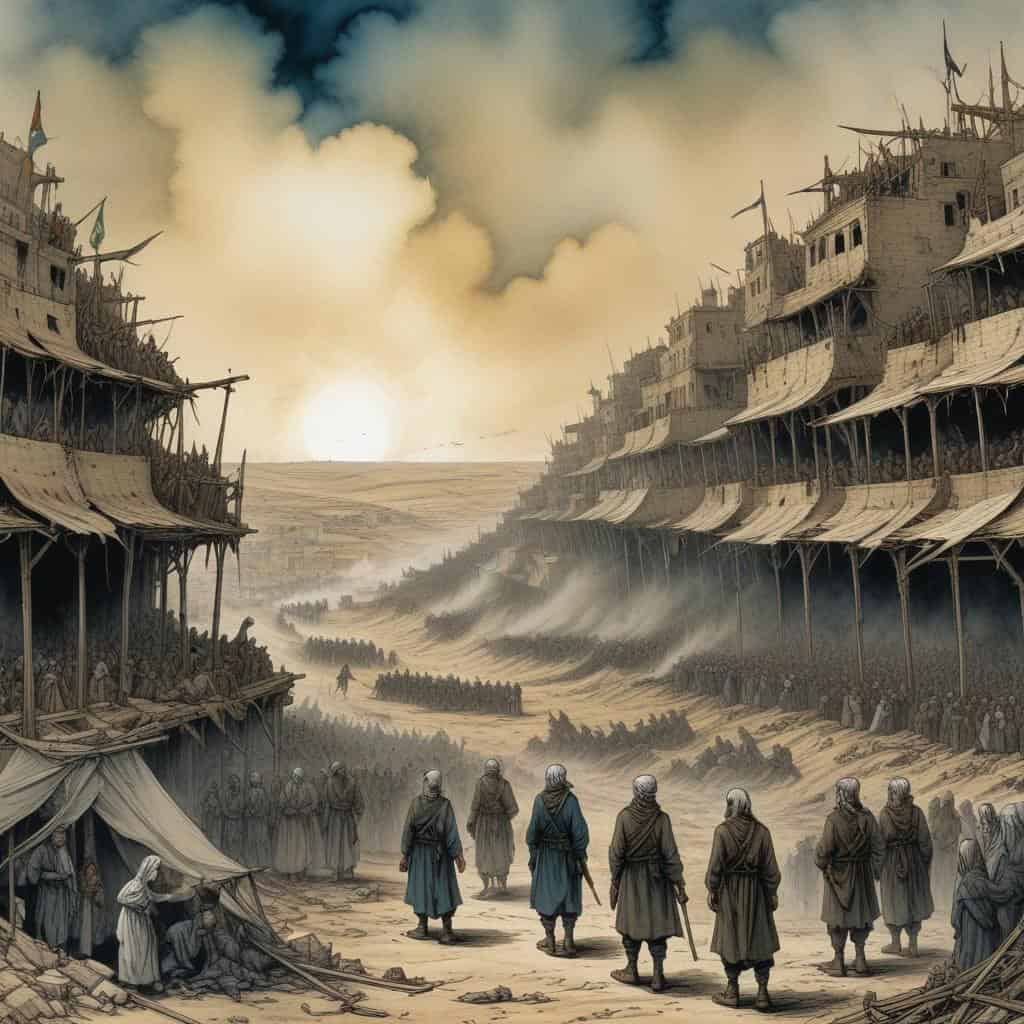
8. Gaza Disengagement
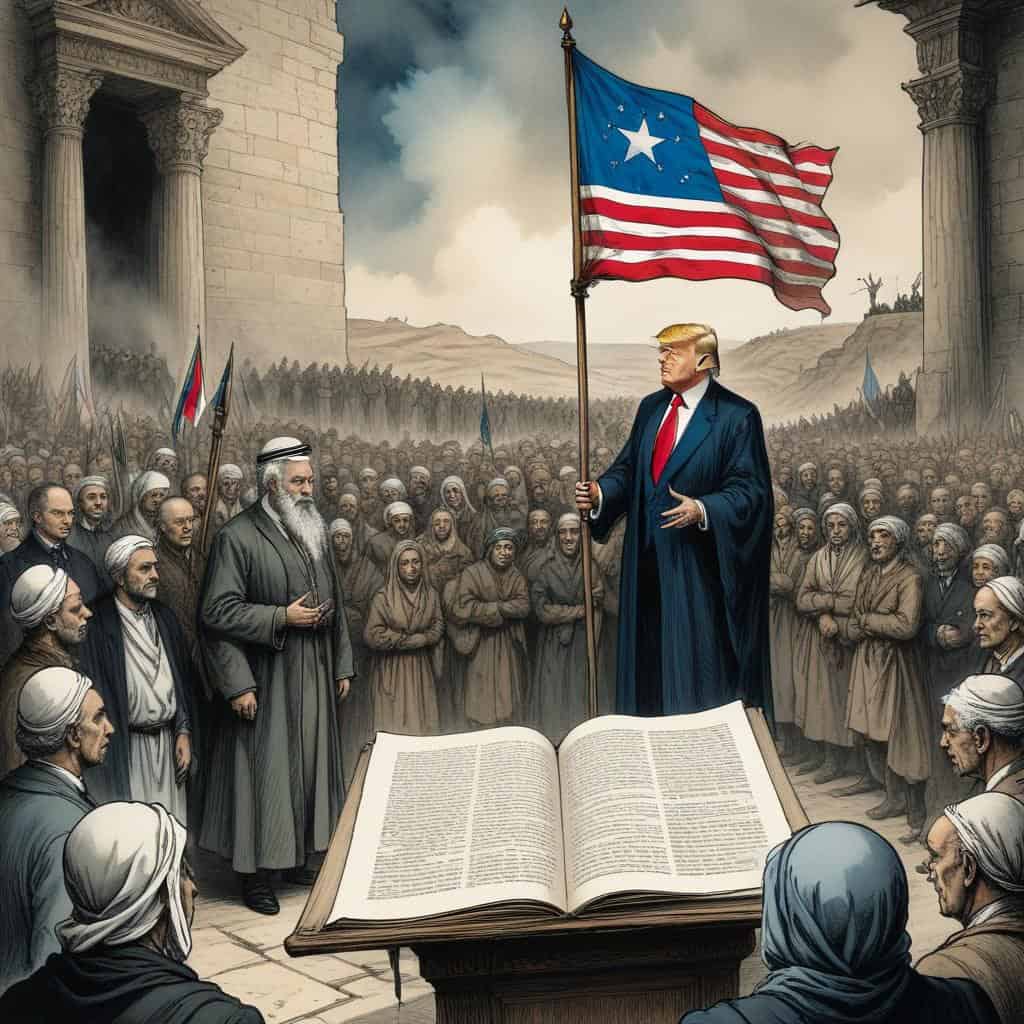
9. Trumps Peace Plan
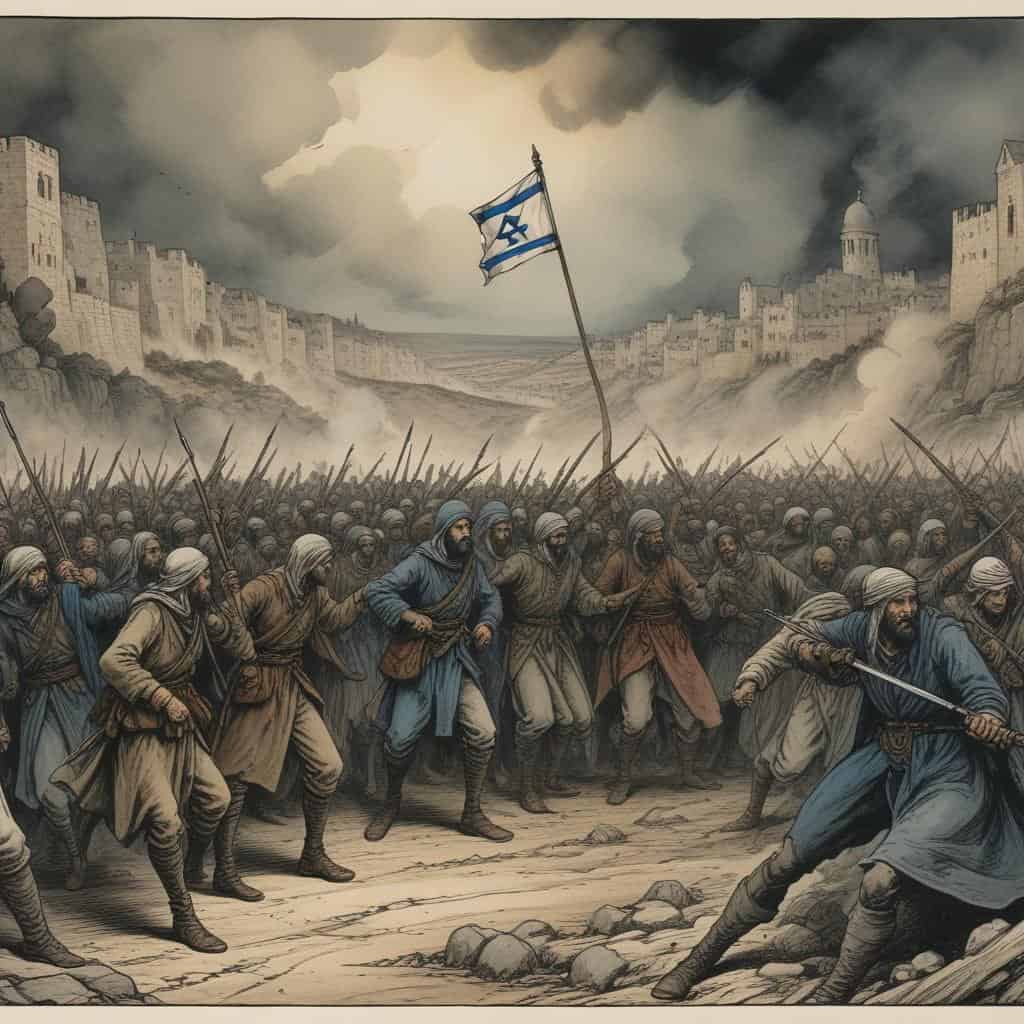
10. Current Situation
Audio Library
As one of our featured lessons, this topic includes premium audio guides.
Unlock the Wizard's Cram Session
This powerful audio study guide is a Pro-exclusive feature. Upgrade to Memory Wizards Pro to access this and all of our premium learning tools.
Upgrade to ProIn a Nutshell
- Capital: East Jerusalem
- Population: Approx. 5 million (2023)
- Official Language: Arabic
- Currency: Israeli new shekel (ILS)
Breaking Down the Country
No composition analysis points available.
Timeline of Palestine
Israel is established as a state, leading to the Palestinian exodus known as the Nakba
First Arab-Israeli War
Jerusalem is divided between Israel and Jordan
Six-Day War between Israel and Arab states
UN Security Council Resolution 242 calls for Israeli withdrawal from occupied territories
Yom Kippur War between Israel and Arab states
First Intifada, a Palestinian uprising against Israeli occupation
Oslo Accords signed between Israel and the PLO
Second Intifada, a Palestinian uprising against Israeli occupation
Israel disengages from Gaza Strip
Hamas takes control of Gaza Strip
Operation Cast Lead, Israeli military offensive in Gaza
Operation Pillar of Defense, Israeli military offensive in Gaza
Operation Protective Edge, Israeli military offensive in Gaza
UN General Assembly votes to recognize Palestine as a non-member observer state
US President Donald Trump recognizes Jerusalem as the capital of Israel
US Embassy in Israel moves to Jerusalem
Israel passes controversial Nation-State Law defining Israel as a Jewish state
Normalization agreements between Israel and several Arab countries, including UAE, Bahrain, and Sudan
Israeli-Palestinian conflict escalates with violence in Jerusalem and Gaza
Vocabulary List
- Gaza
- The Gaza Strip is a small Palestinian territory along the Mediterranean coast.
- West Bank
- The West Bank is a landlocked territory in the Middle East that is home to many Palestinian communities.
- Intifada
- The term intifada refers to uprisings or resistance movements by Palestinian people against Israeli occupation.
- Refugee
- Many Palestinians are considered refugees, having been displaced from their homes during conflicts with Israel.
- Settlement
- Israeli settlements in the West Bank are a point of contention in the Israeli-Palestinian conflict.
- Jerusalem
- Jerusalem is a city of great religious significance to both Jews and Muslims, and is often at the center of discussions about the Israeli-Palestinian conflict.
Key Facts
This is the information used in the fact matching game
- Palestine is a region located in the Eastern Mediterranean, bordered by Jordan to the east and Israel to the west.
- The Palestinian territories include the West Bank, Gaza Strip, and East Jerusalem.
- The conflict between Palestinians and Israelis over land and self-determination dates back to the early 20th century.
- Palestine is recognized as a non-member observer state by the United Nations.
- The city of Jerusalem is considered a holy site for Judaism, Christianity, and Islam, and is a central point of contention in the Israeli-Palestinian conflict.
- The Palestinian Authority governs parts of the West Bank, while Hamas controls the Gaza Strip.
- The majority of Palestinians are Muslims, but there is also a significant Christian minority.
- The Palestinian flag consists of three horizontal bands of black, white, and green with a red triangle at the hoist.
- The Palestinians have a rich cultural heritage, including traditional dances like the dabke and a diverse cuisine.
- The United Nations Relief and Works Agency for Palestine Refugees (UNRWA) provides assistance to millions of Palestinian refugees.
- The construction of Israeli settlements in the West Bank has been a major point of contention in the Israeli-Palestinian conflict.
- The separation barrier, also known as the Israeli West Bank barrier, was built by Israel to restrict the movement of Palestinians.
- Palestine has a high population density, particularly in the Gaza Strip, which is one of the most densely populated areas in the world.
- The olive tree is a symbol of peace and resilience for Palestinians, and olive oil production is a significant economic activity.
- The Palestinian economy heavily relies on international aid, as well as industries like agriculture, tourism, and handicrafts.
- The Palestinian liberation organization, the Palestine Liberation Organization (PLO), was founded in 1964 to represent Palestinian interests.
- The Oslo Accords, signed in the 1990s, aimed to establish a framework for peace negotiations between Israel and Palestine.
- The United States has traditionally been a key player in facilitating Israeli-Palestinian peace talks.
- The United Nations and various international organizations have condemned the Israeli occupation of Palestinian territories.
- The question of Palestinian statehood remains a central issue in the Israeli-Palestinian conflict, with calls for a two-state solution.
Why It Matters
Geopolitical Significance
Palestine holds immense geopolitical significance due to its location in the Middle East, at the crossroads of continents and civilizations. Its status as a key player in the Arab-Israeli conflict and its impact on regional stability make it a focal point for international diplomacy and peace efforts.
Historical Importance
Palestine is steeped in history, with a rich tapestry of ancient civilizations, including Canaanites, Israelites, Philistines, and others. It is the birthplace of major world religions like Judaism, Christianity, and Islam, making it a sacred land with deep spiritual significance for billions of people worldwide.
Modern-Day Role
In the modern era, Palestine continues to be a central player in the quest for peace and stability in the Middle East. Its ongoing conflict with Israel, struggle for statehood, and humanitarian challenges facing its people raise critical issues that resonate globally and shape international relations in the region.
Palestine Games


Take Your Learning Offline
Want a convenient, print-ready study guide for this lesson? Become a Memory Wizards Pro member to unlock the downloadable " Memory Scrolls" for this topic and our entire library!
- ✓ Complete Vocabulary Lists
- ✓ Key Facts & Timelines
- ✓ Beautifully Formatted for Print & Mobile