
How Do You Learn Best?
Learn by Listening
Start with the 3-minute audio summary to get the key facts and narrative highlights quickly.
Learn by Reading
Immerse yourself in the 10-minute visual lesson for a comprehensive understanding of the topic.
Learn by Reviewing
Jump directly to the key facts, timeline, and vocabulary lists to build a solid foundation of details.
Learn by Doing
Challenge yourself! Jump straight into the interactive games to learn by trial, error, and discovery.
North Korea in 10 Minutes
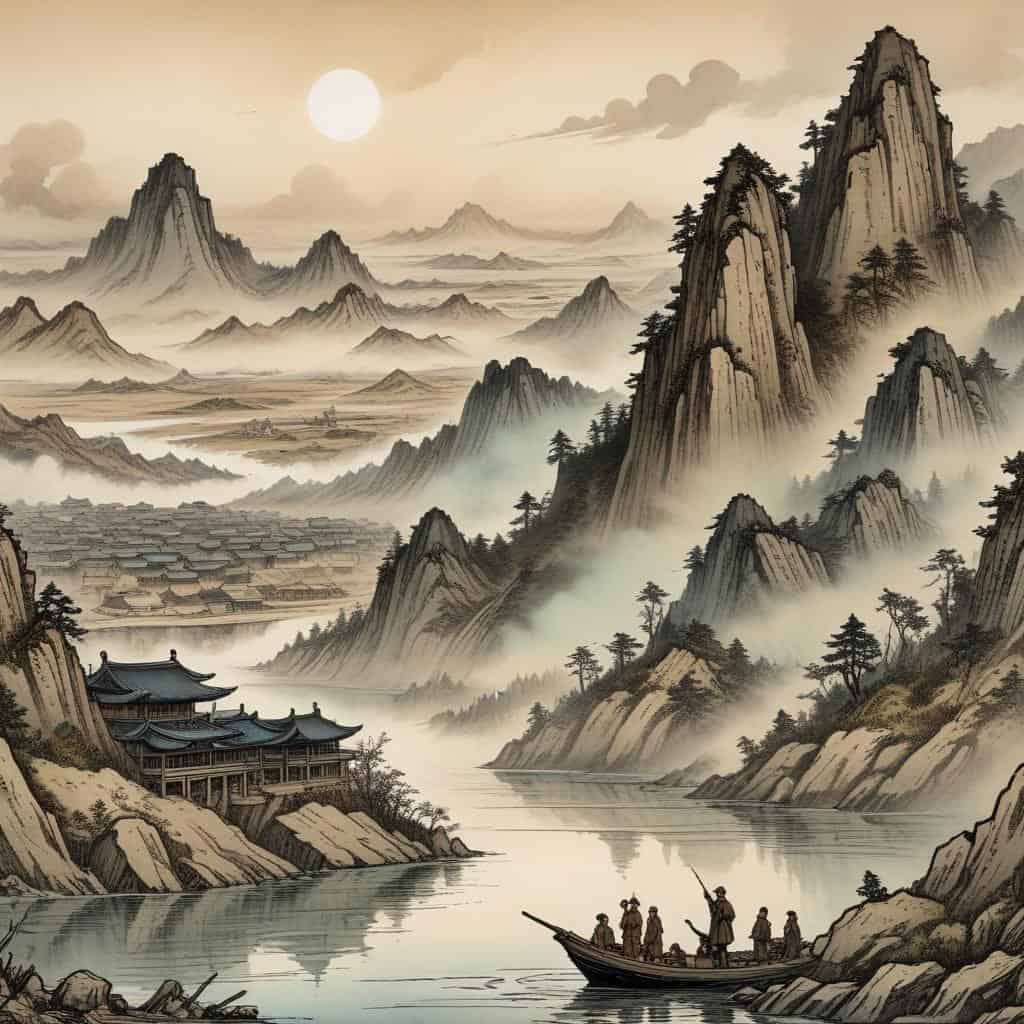
Introduction
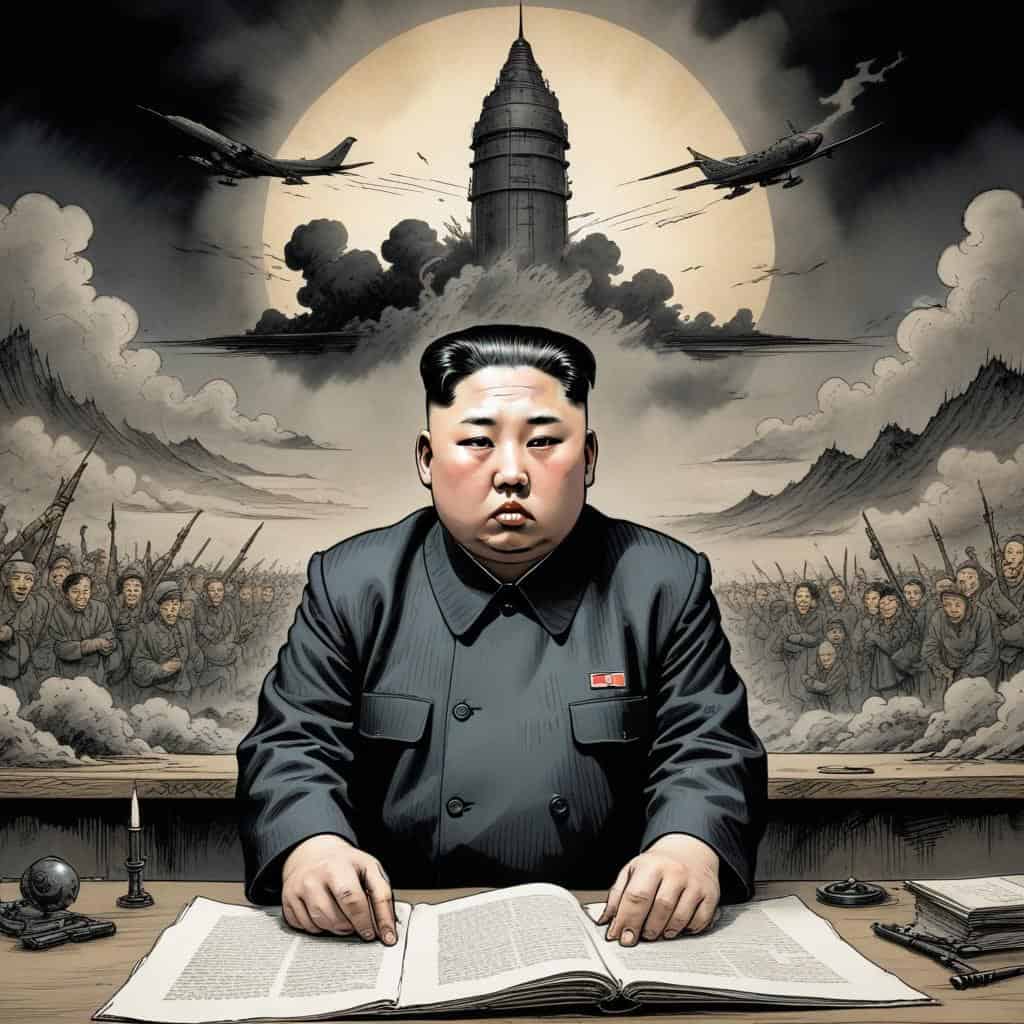
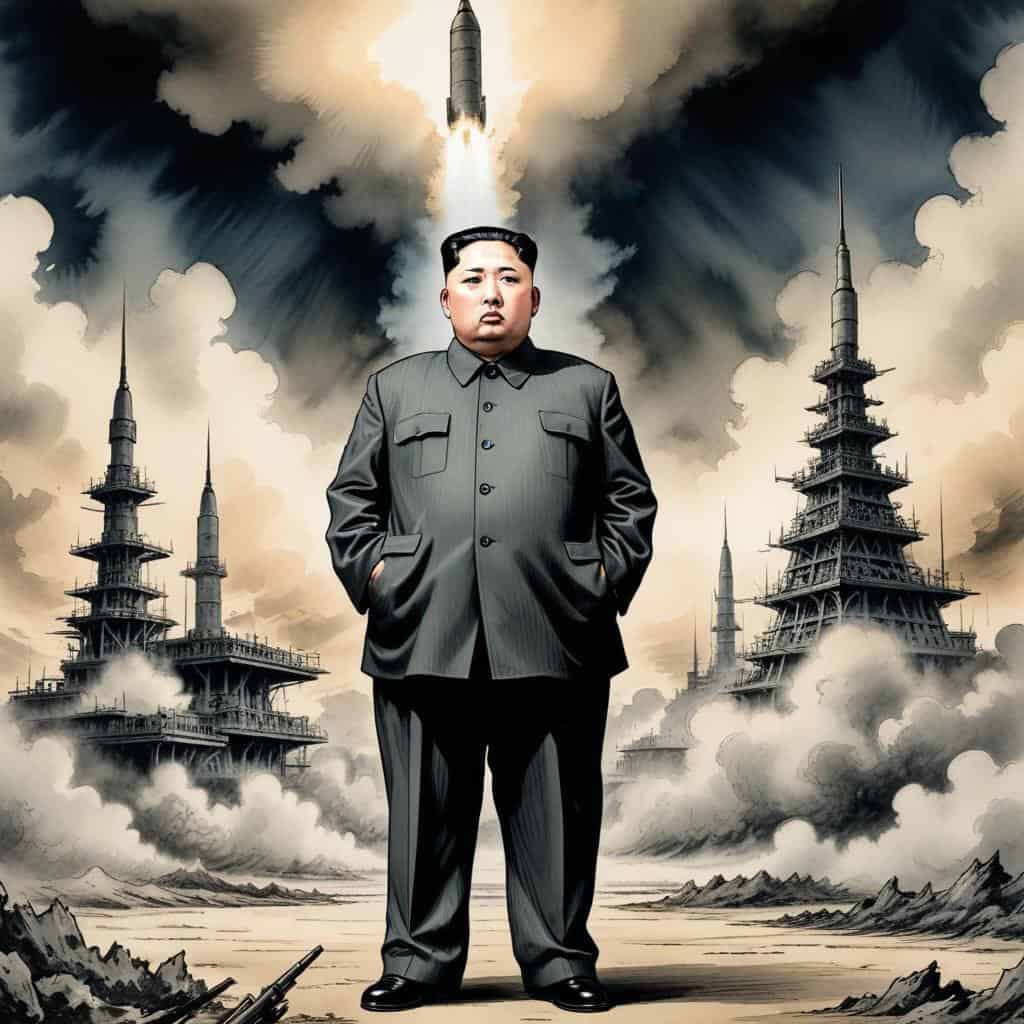
Kim Jong-un
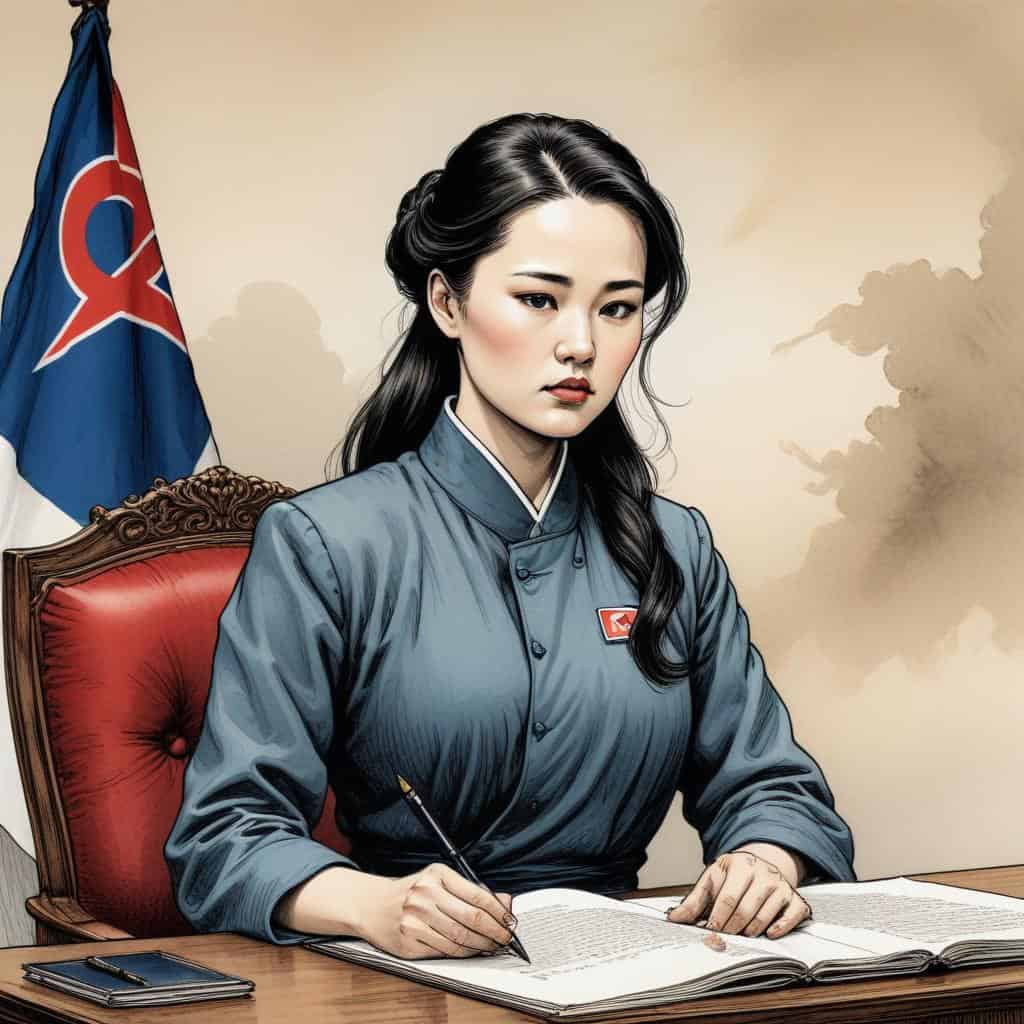
Kim Yo-jong
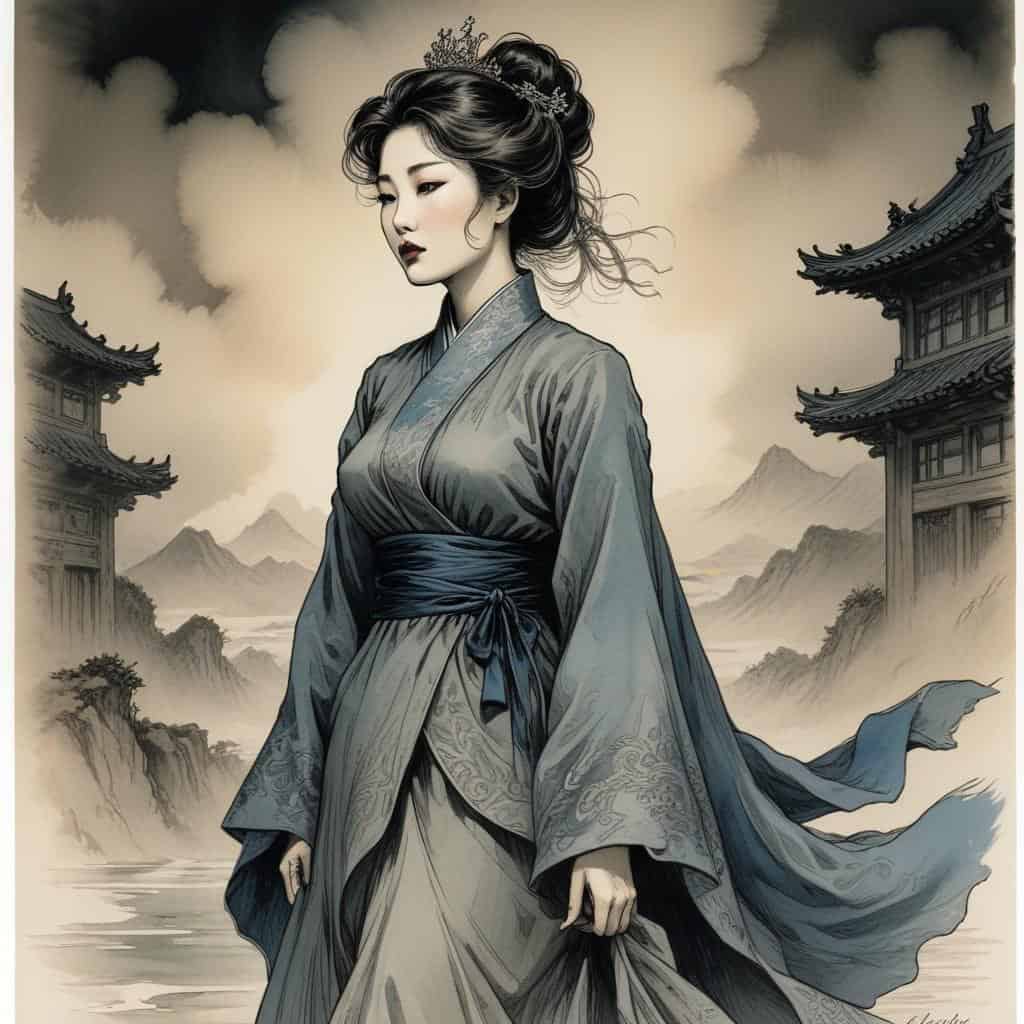
Ri Sol-ju
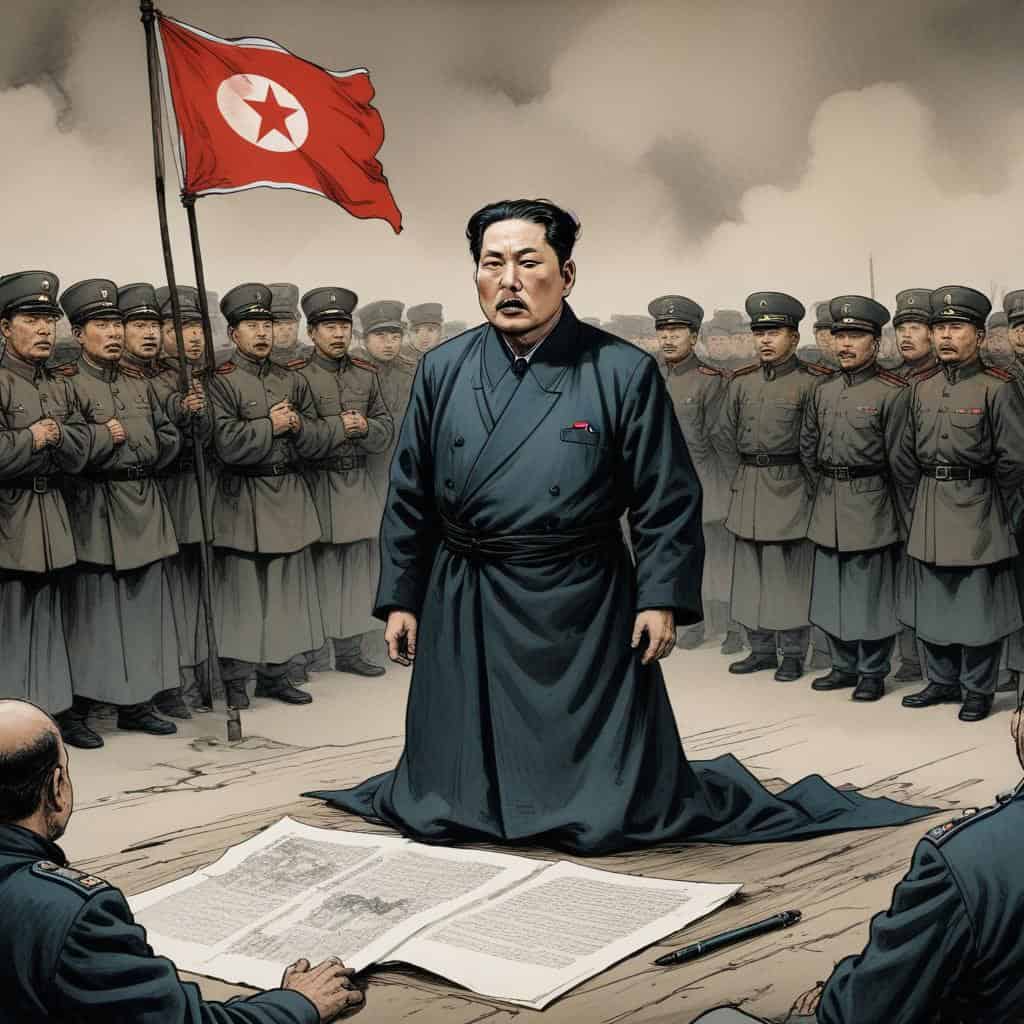
Jang Song-thaek
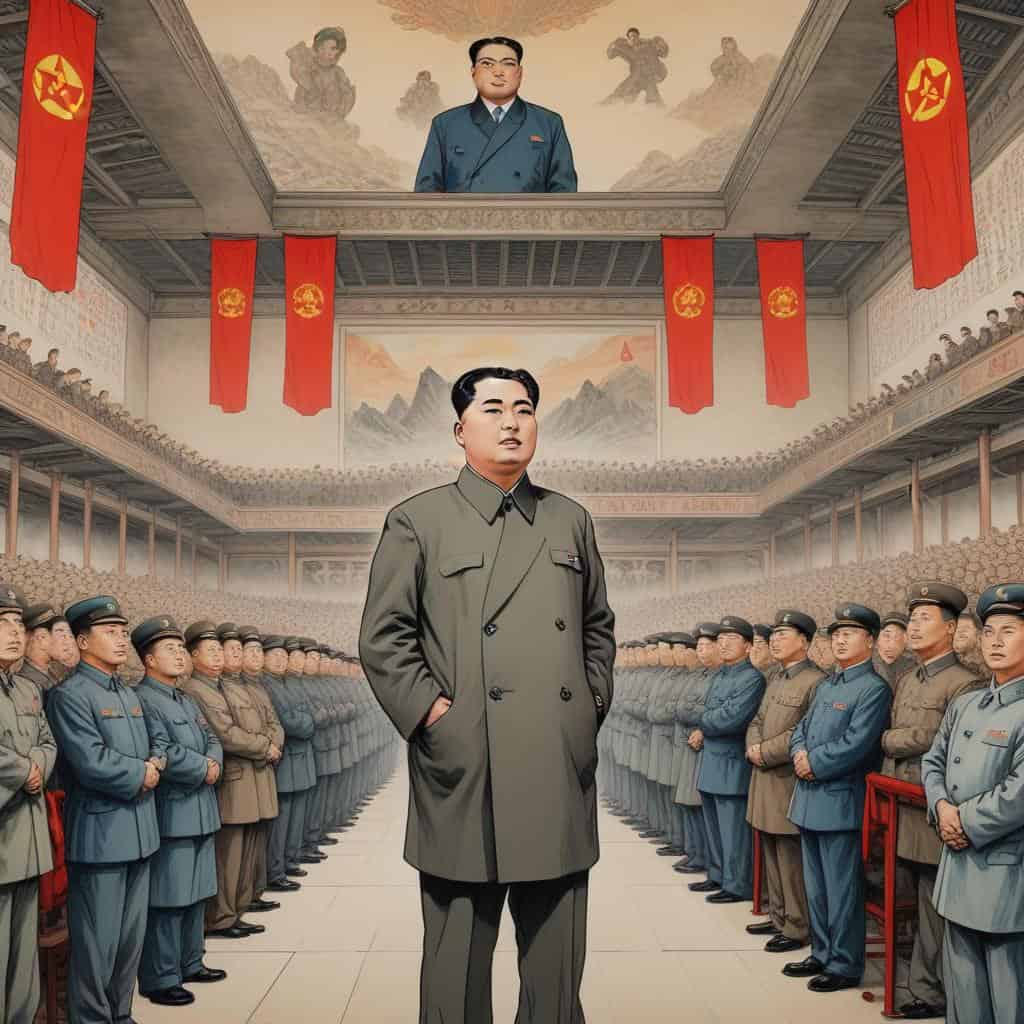
Kim Il-sung
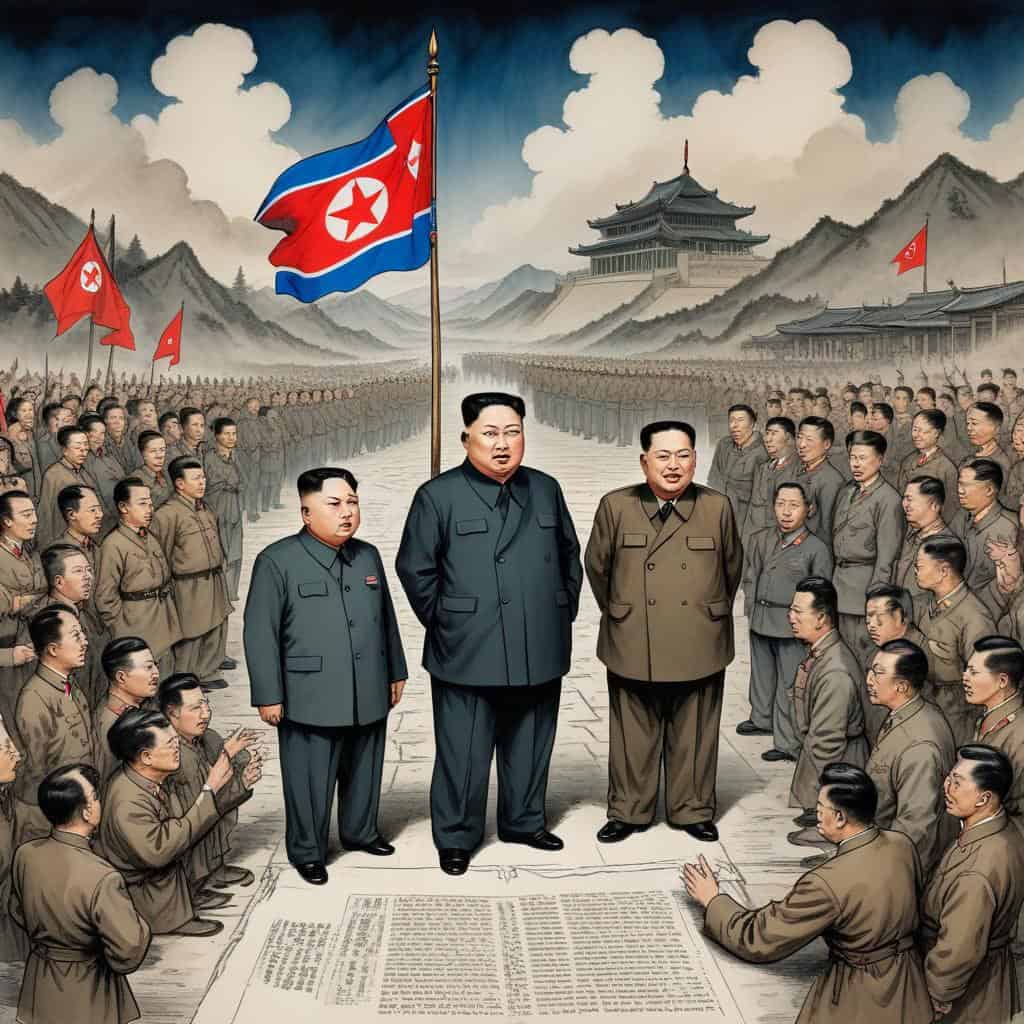
1. History of North Korea
2. Political Regime
3. Human Rights Violations
4. Nuclear Program
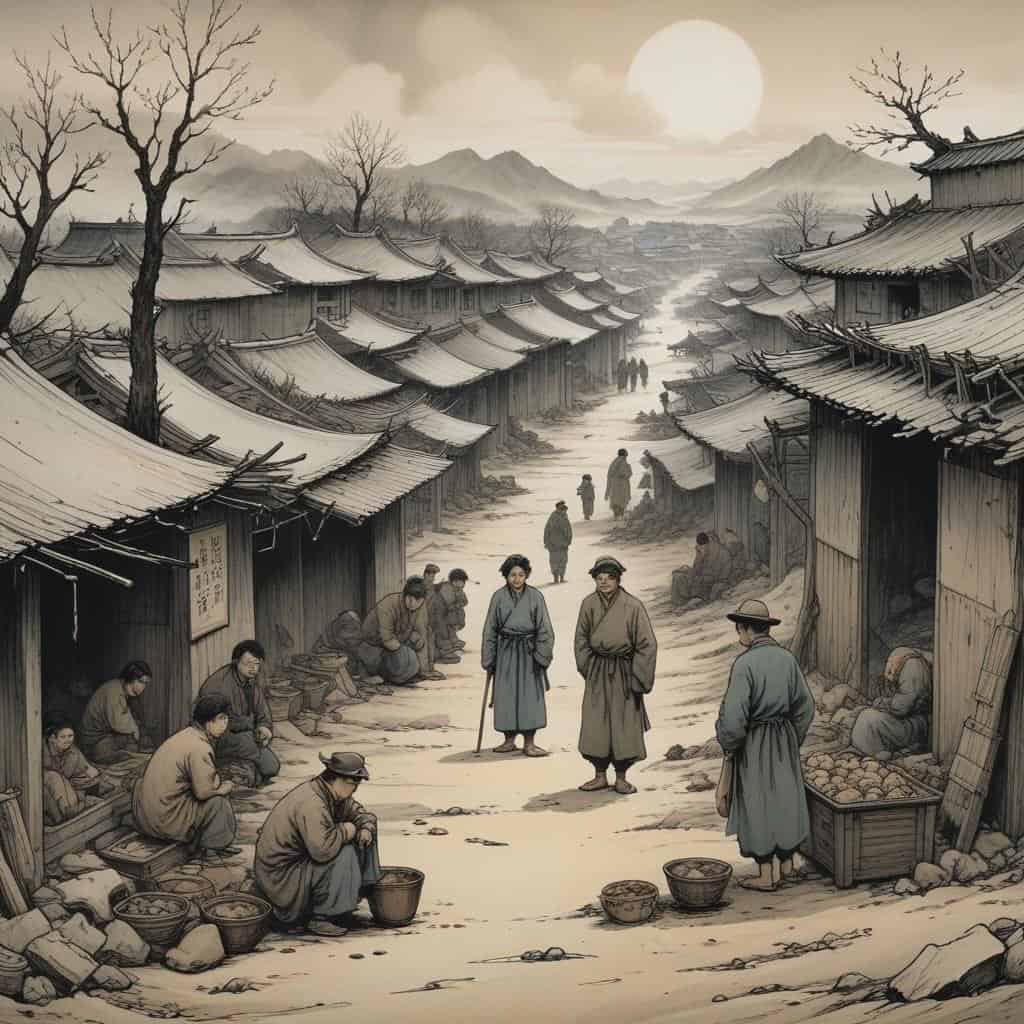
5. Economy and Poverty
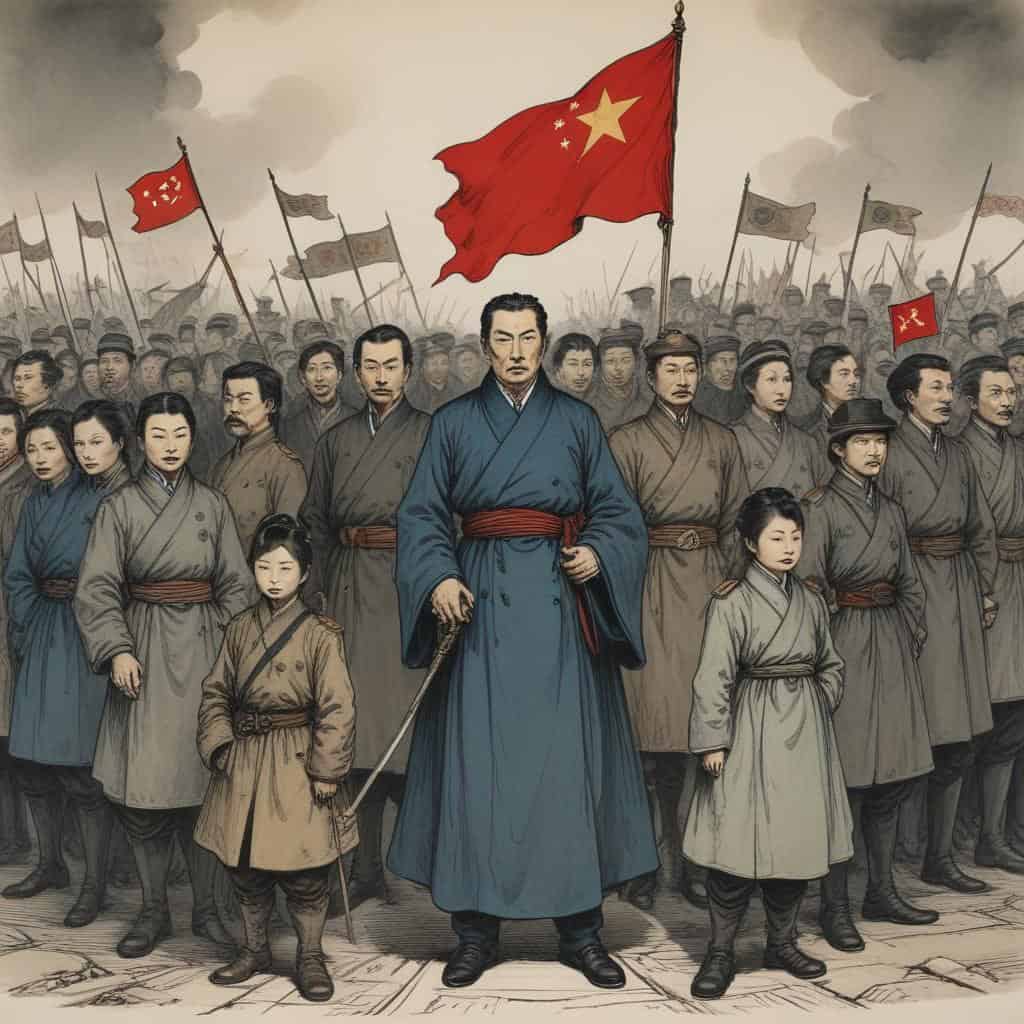
6. Propaganda and Cult of Personality
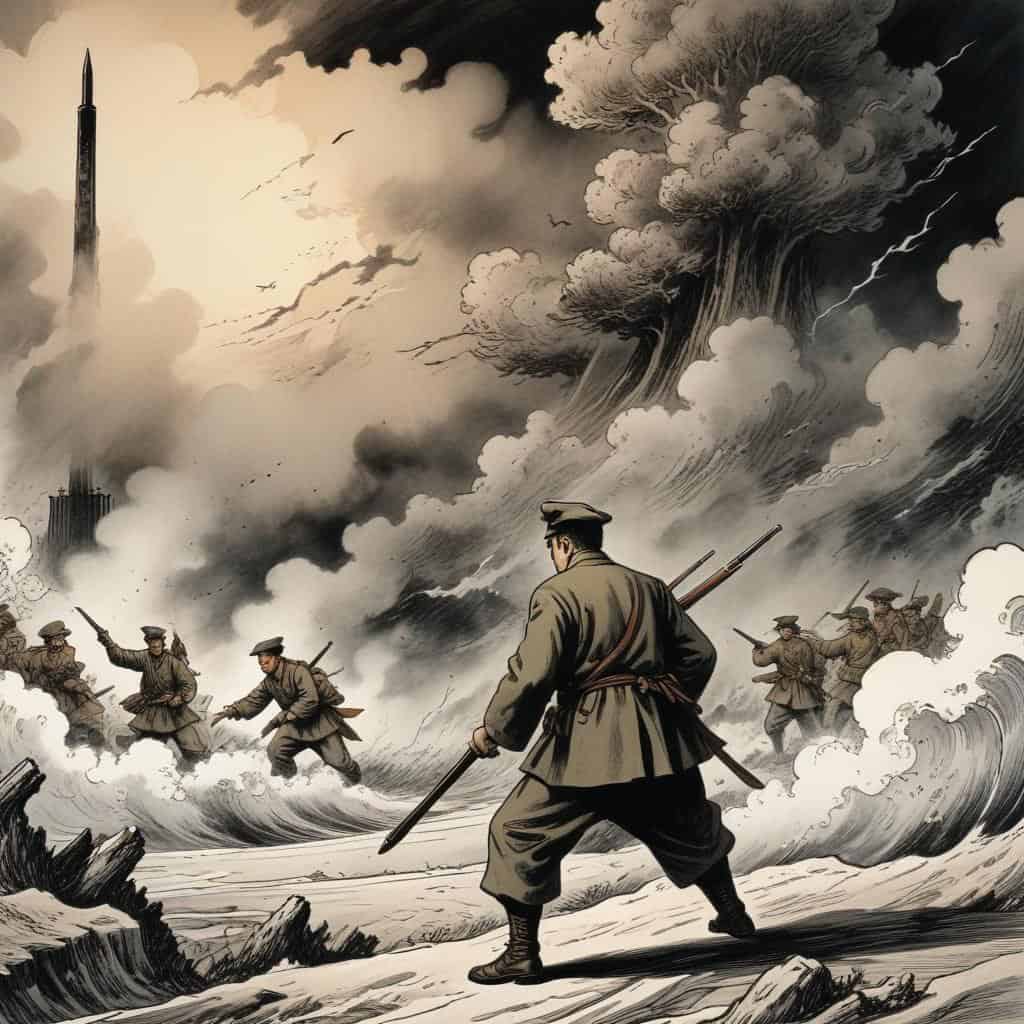
7. International Relations
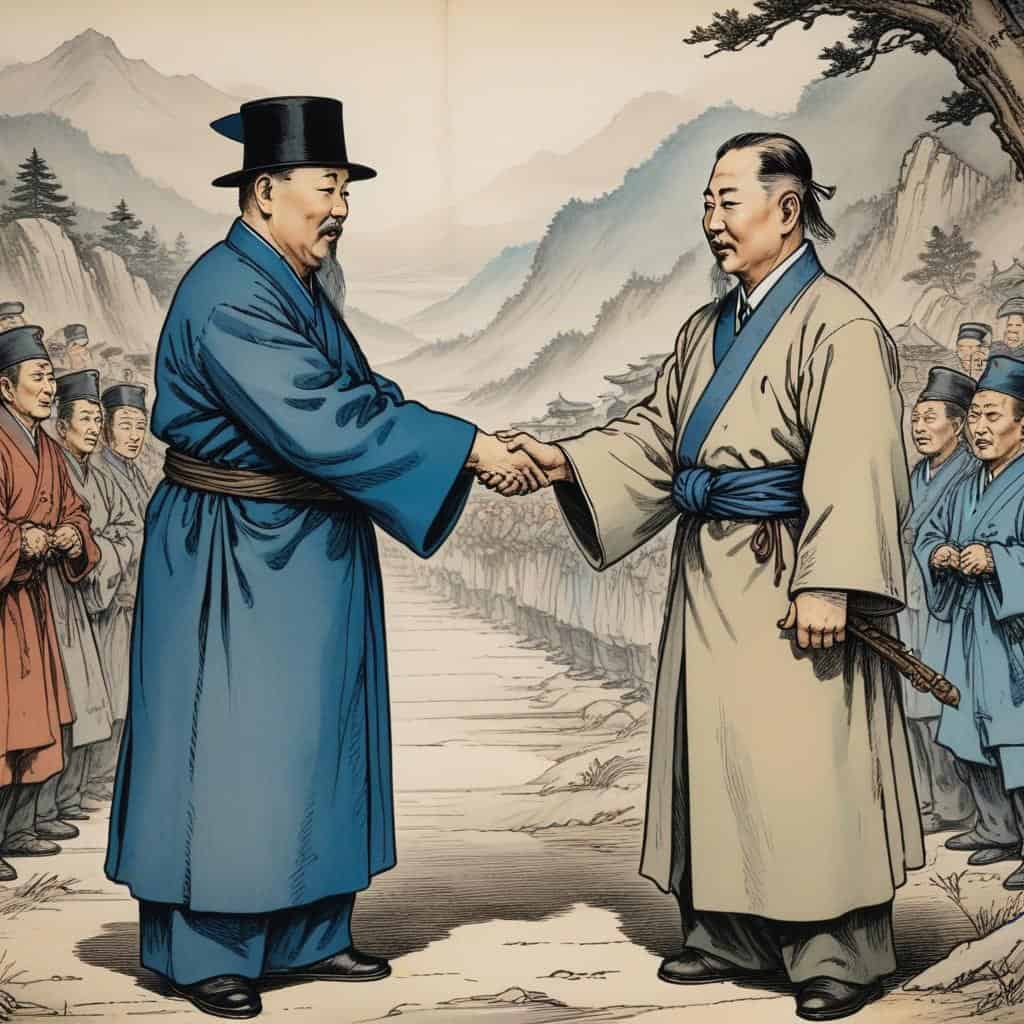
8. Inter-Korean Relations
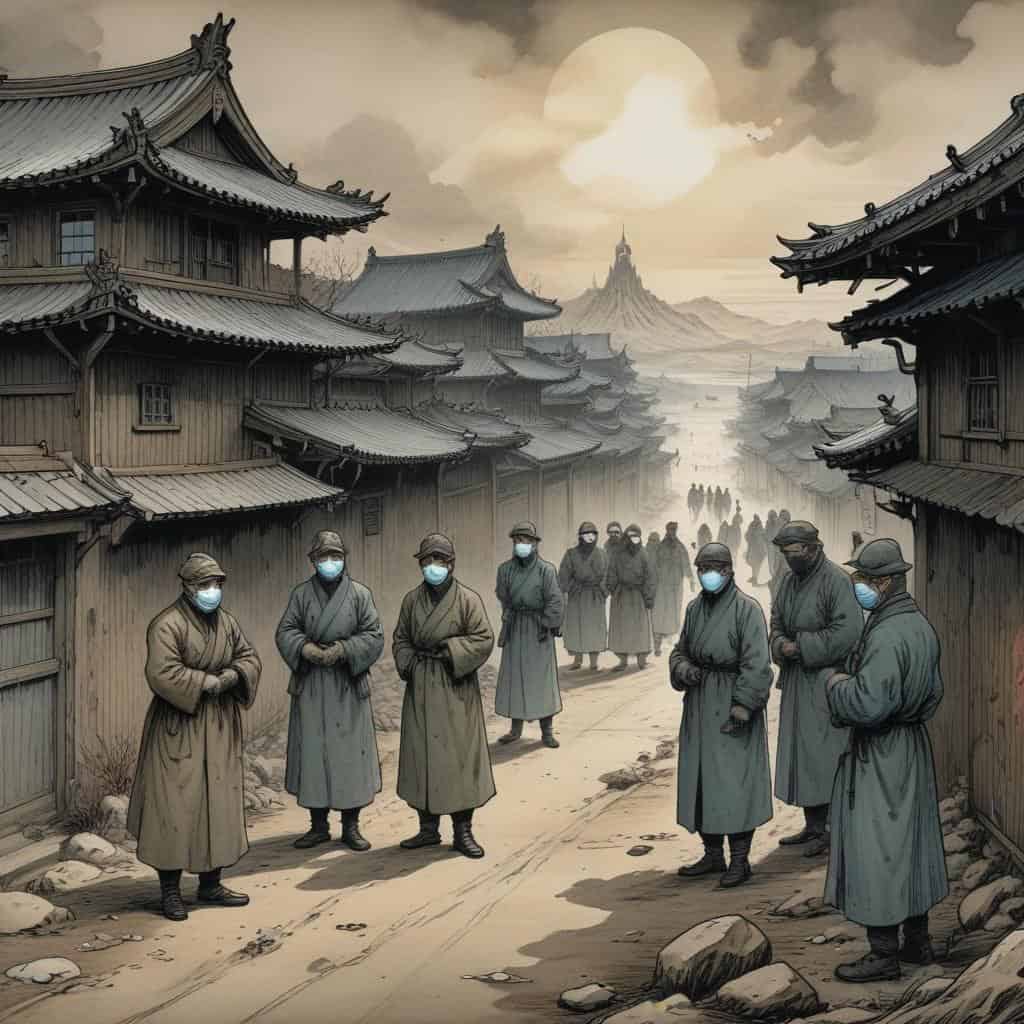
9. COVID-19 Pandemic
10. Future Outlook
Audio Library
As one of our featured lessons, this topic includes premium audio guides.
Unlock the Wizard's Cram Session
This powerful audio study guide is a Pro-exclusive feature. Upgrade to Memory Wizards Pro to access this and all of our premium learning tools.
Upgrade to ProIn a Nutshell
- Capital: Pyongyang
- Population: Approx. 25.8 million (2021)
- Official Language: Korean
- Currency: North Korean won (KPW)
Breaking Down the Country
No composition analysis points available.
Timeline of North Korea
1945: The Korean Peninsula is divided into North and South Korea after World War II.
1948: The Democratic People's Republic of Korea (DPRK), commonly known as North Korea, is established.
1950-1953: The Korean War takes place between North Korea (supported by China and the Soviet Union) and South Korea (supported by the United Nations, primarily the United States).
1966: North Korea severs diplomatic ties with the Soviet Union.
1968: The USS Pueblo, a U.S. Navy intelligence ship, is captured by North Korea, escalating tensions between the two countries.
1972: The North-South Joint Communiqué is signed, leading to limited cooperation and dialogue between North and South Korea.
1994: North Korean leader Kim Il-sung dies, and his son Kim Jong-il assumes power.
1998: North Korea launches its first long-range ballistic missile over Japan.
2002: North Korea admits to having a secret nuclear weapons program, violating international agreements.
2003: North Korea withdraws from the Nuclear Non-Proliferation Treaty (NPT).
2006: North Korea conducts its first nuclear test.
2009: North Korea conducts a second nuclear test.
2011: Kim Jong-il dies, and his son Kim Jong-un becomes the new Supreme Leader of North Korea.
2013: North Korea carries out its third nuclear test.
2016: North Korea conducts its fourth and fifth nuclear tests.
2017: North Korea successfully tests its first intercontinental ballistic missile (ICBM).
2018: North and South Korea hold the first inter-Korean summit in over a decade.
2019: The second U.S.-North Korea summit between President Donald Trump and Kim Jong-un takes place, but no agreement is reached.
2020: North Korea cuts off communication lines with South Korea and blows up the inter-Korean liaison office in Kaesong.
2021: North Korea faces economic challenges exacerbated by the COVID-19 pandemic and continues to develop its nuclear weapons program.
Vocabulary List
- Dictatorship
- A form of government where a single person or a small group holds absolute power
- Propaganda
- Information, especially biased or misleading, used to promote a particular political cause or point of view
- Totalitarianism
- A system of government that is centralized and dictatorial and requires complete subservience to the state
- Censorship
- The suppression or control of information or expression deemed harmful or sensitive by the government
- Nuclear proliferation
- The spread of nuclear weapons and technology to countries that do not currently possess them
- Juche
- An official ideology of North Korea emphasizing self-reliance, independence, and nationalism
- Korean War
- A war fought between North Korea (supported by China and the Soviet Union) and South Korea (supported by the United States and other UN countries) from 1950-1953
- Hermit kingdom
- A term used to describe North Korea due to its isolationist policies and limited interactions with the rest of the world
- Supreme leader
- The highest-ranking authority in North Korea, currently held by Kim Jong-un
- Demilitarized zone (DMZ)
- A buffer zone separating North and South Korea, established after the Korean War
- Human rights abuses
- Violations of basic rights and freedoms, such as freedom of speech, inhumane treatment, and forced labor, often reported in North Korea
- Nuclear weapons program
- North Korea's pursuit of nuclear weapons development for military purposes
- Cult of personality
- The excessive adoration and worship of a single figure, often a political leader, as seen in the case of the Kim dynasty in North Korea
- Sanctions
- Measures taken by countries or international organizations to exert political or economic pressure on a government, often in response to violations of international law or human rights
- Repression
- The act of suppressing or controlling a group, often through force or intimidation, to restrict their rights or freedom of expression
- Arirang Festival
- A mass gymnastics and artistic performance held in Pyongyang, featuring thousands of performers and showcasing North Korean culture
- Black market
- An illegal or unofficial market where goods or services are traded outside of government control or regulation
- Kim Il-sung
- The founding leader of North Korea and grandfather of the current supreme leader, Kim Jong-un
- Subversion
- The act of undermining or overthrowing a government or political system, often through covert activities or propaganda
- Famine
- A widespread shortage of food leading to starvation and malnutrition, which has affected North Korea in the past.
Key Facts
This is the information used in the fact matching game
- North Korea, officially known as the Democratic People's Republic of Korea (DPRK), is located on the Korean Peninsula in East Asia.
- It is bordered by China to the north and Russia to the northeast, while South Korea lies to the south.
- The capital and largest city of North Korea is Pyongyang.
- The country has a population of approximately 25 million people.
- North Korea operates under a unique political ideology called Juche, which emphasizes self-reliance and independence.
- It is one of the most isolated and secretive countries in the world.
- The ruling family, the Kim dynasty, has been in power since the country's establishment in 1948.
- North Korea's official language is Korean, and the majority of its population practices Korean Shamanism, Buddhism, or atheism.
- The country has a state-controlled economy and is highly dependent on agriculture, mining, and manufacturing industries.
- North Korea is known for its heavily militarized society, with one of the largest standing armies in the world.
- The country has conducted several nuclear weapons tests, leading to international condemnation and sanctions.
- North Korea is famous for its elaborate propaganda and censorship, tightly controlling information flow within the country.
- The government strictly controls all media outlets, and internet access is heavily restricted for most citizens.
- North Korea has a limited tourism industry, with strict regulations on where and how visitors can travel within the country.
- Mount Paektu, an active volcano and the highest peak in North Korea, holds significant cultural and historical importance in Korean folklore.
- The country has a state-controlled education system that heavily focuses on political indoctrination and loyalty to the regime.
- North Korea has a limited number of universities, with the most prestigious being Kim Il-sung University in Pyongyang.
- The country has a unique calendar system called the Juche calendar, which starts from the birth of its first leader, Kim Il-sung.
- North Korea's national sport is Taekwondo, which originated in Korea and is now practiced worldwide.
- Despite its international isolation, North Korea has developed a small film industry, producing propaganda films and some internationally recognized works.
Why It Matters
Geopolitical Significance
North Korea’s location on the Korean Peninsula, bordered by China, South Korea, and Russia, makes it a key player in East Asian politics. Its nuclear program and military posturing have international implications, affecting regional stability and global security.
Historical Importance
North Korea has a complex history, marked by Japanese occupation, division from South Korea, and the rule of the Kim dynasty. The Korean War and ongoing tensions with the US have shaped its identity and isolation from the rest of the world.
Modern-Day Role
Today, North Korea’s closed society, human rights abuses, and nuclear ambitions continue to draw international attention. Its interactions with South Korea, China, and the US have significant implications for global diplomacy and security.
North Korea Games


Take Your Learning Offline
Want a convenient, print-ready study guide for this lesson? Become a Memory Wizards Pro member to unlock the downloadable " Memory Scrolls" for this topic and our entire library!
- ✓ Complete Vocabulary Lists
- ✓ Key Facts & Timelines
- ✓ Beautifully Formatted for Print & Mobile