
How Do You Learn Best?
Learn by Listening
Start with the 3-minute audio summary to get the key facts and narrative highlights quickly.
Learn by Reading
Immerse yourself in the 10-minute visual lesson for a comprehensive understanding of the topic.
Learn by Reviewing
Jump directly to the key facts, timeline, and vocabulary lists to build a solid foundation of details.
Learn by Doing
Challenge yourself! Jump straight into the interactive games to learn by trial, error, and discovery.
Nepal in 10 Minutes
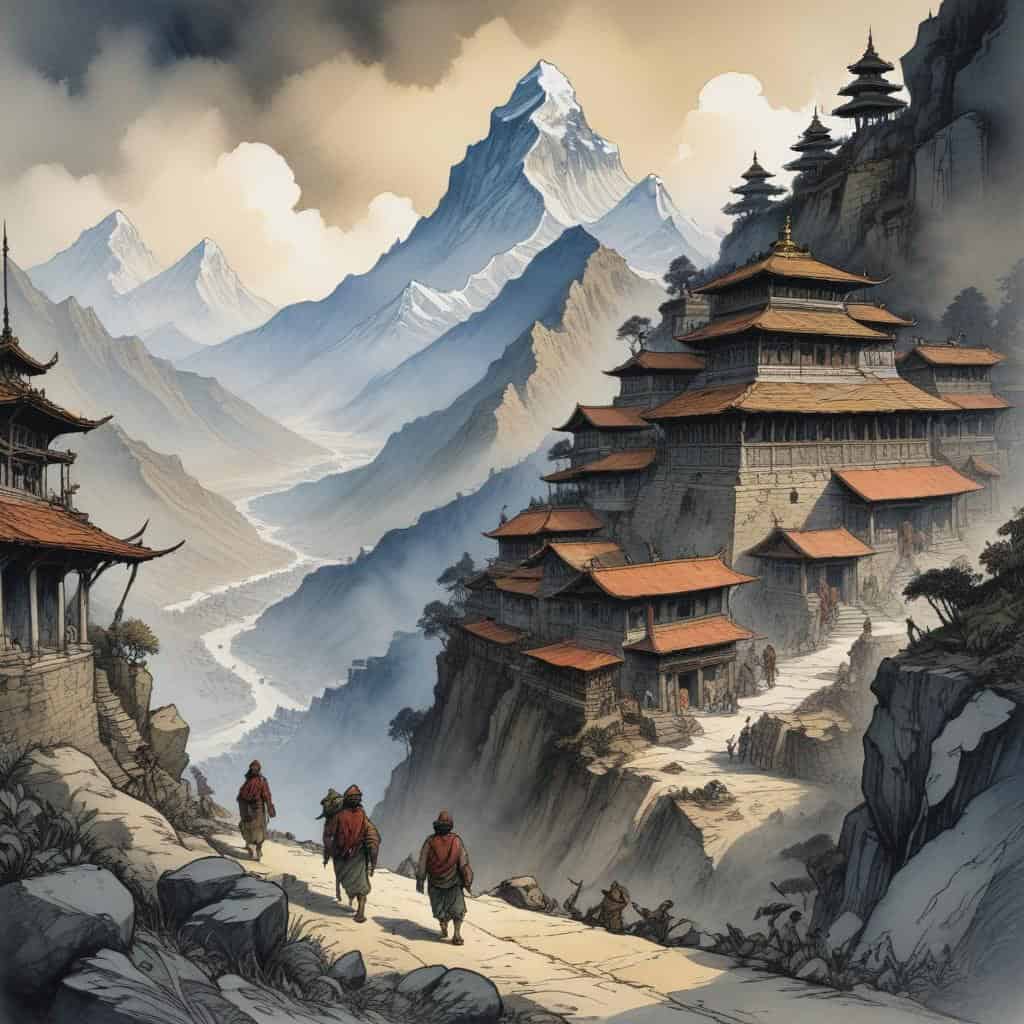
Introduction
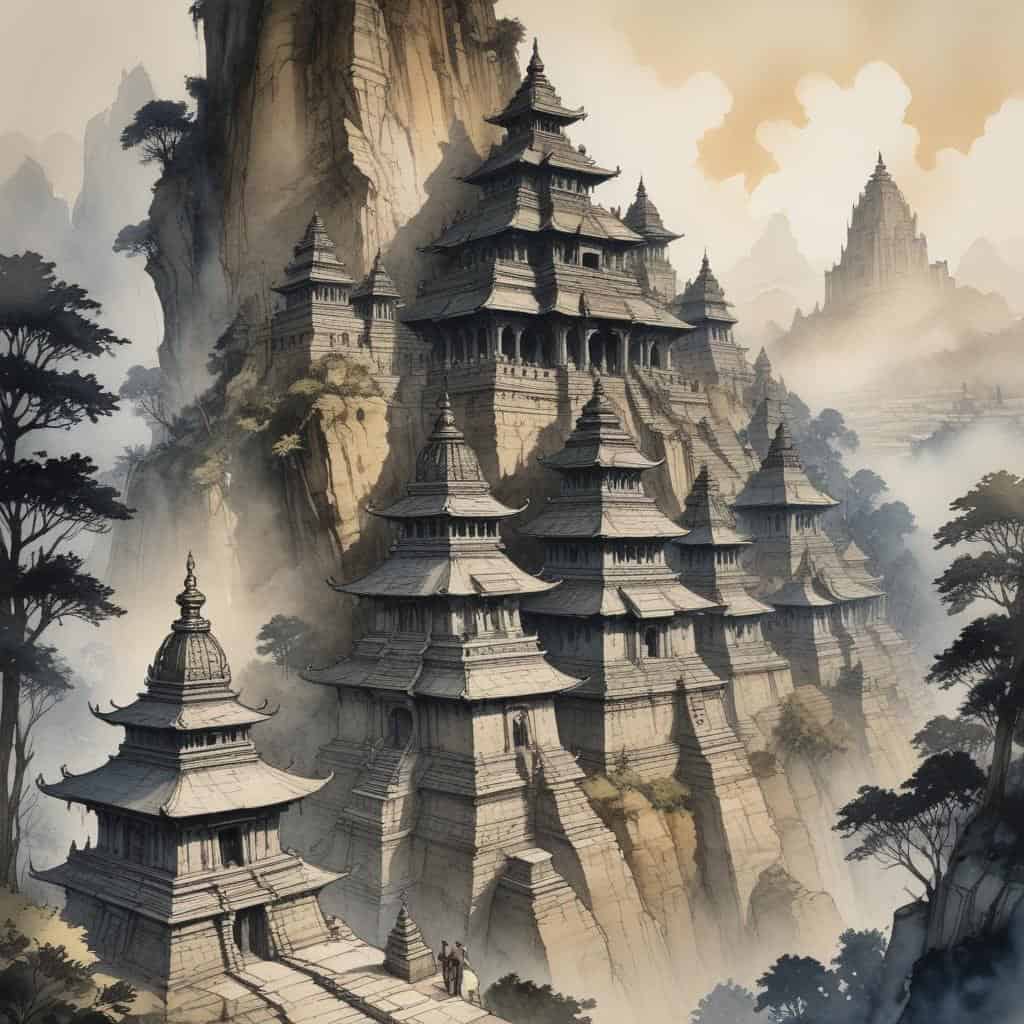
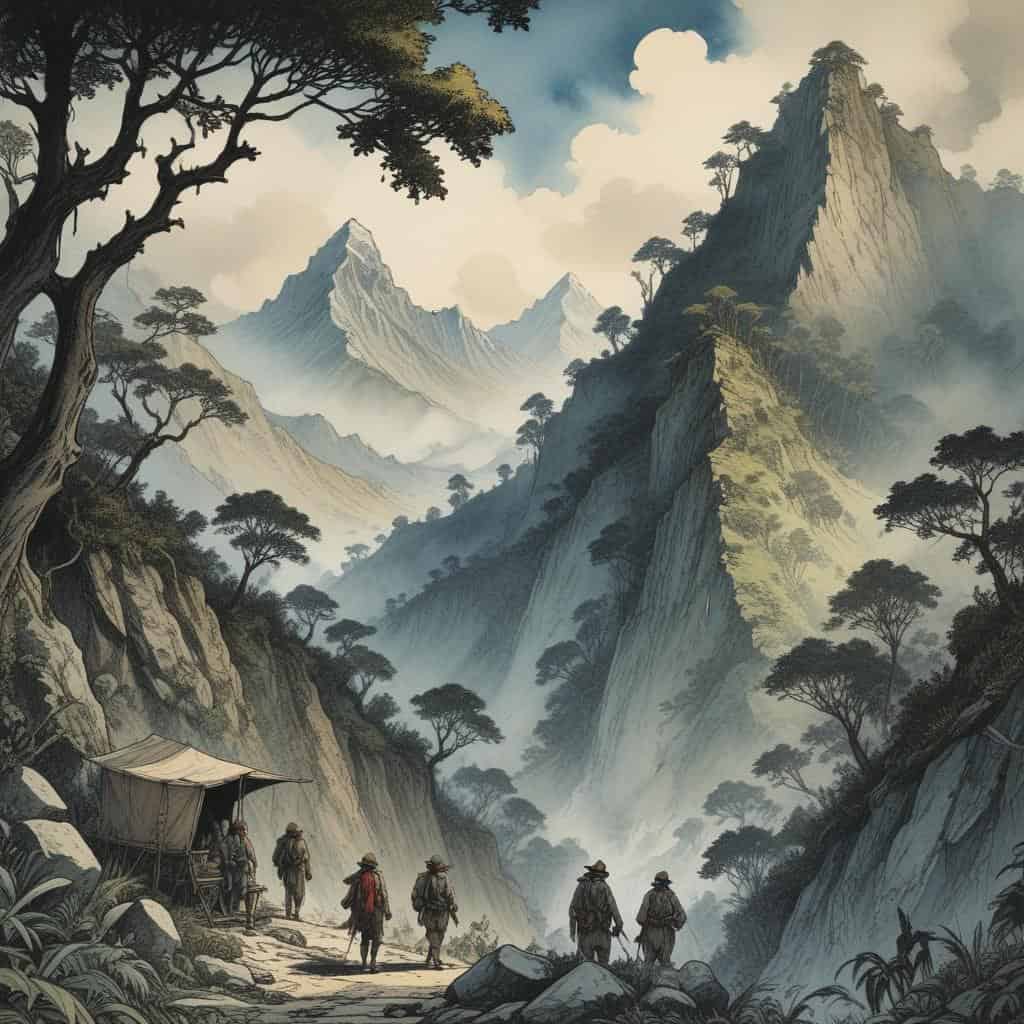
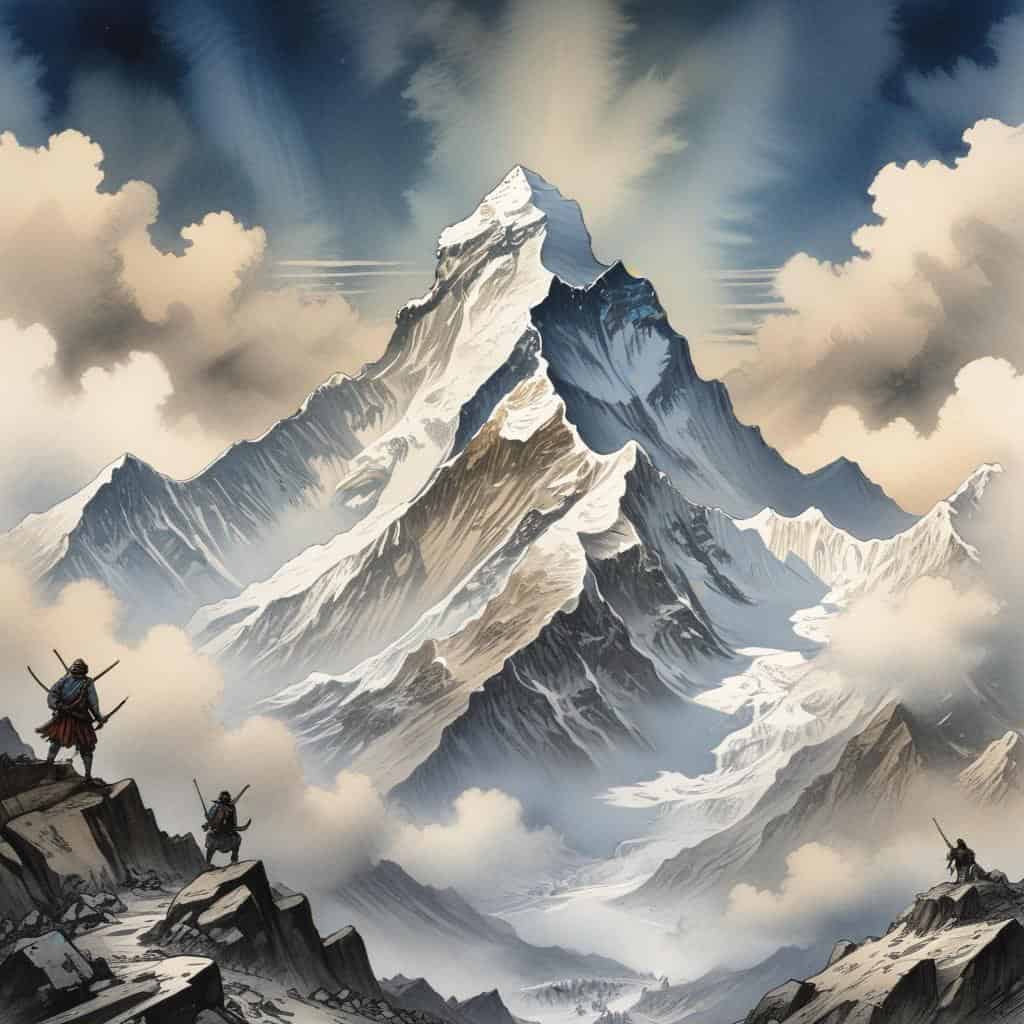
Mount Everest
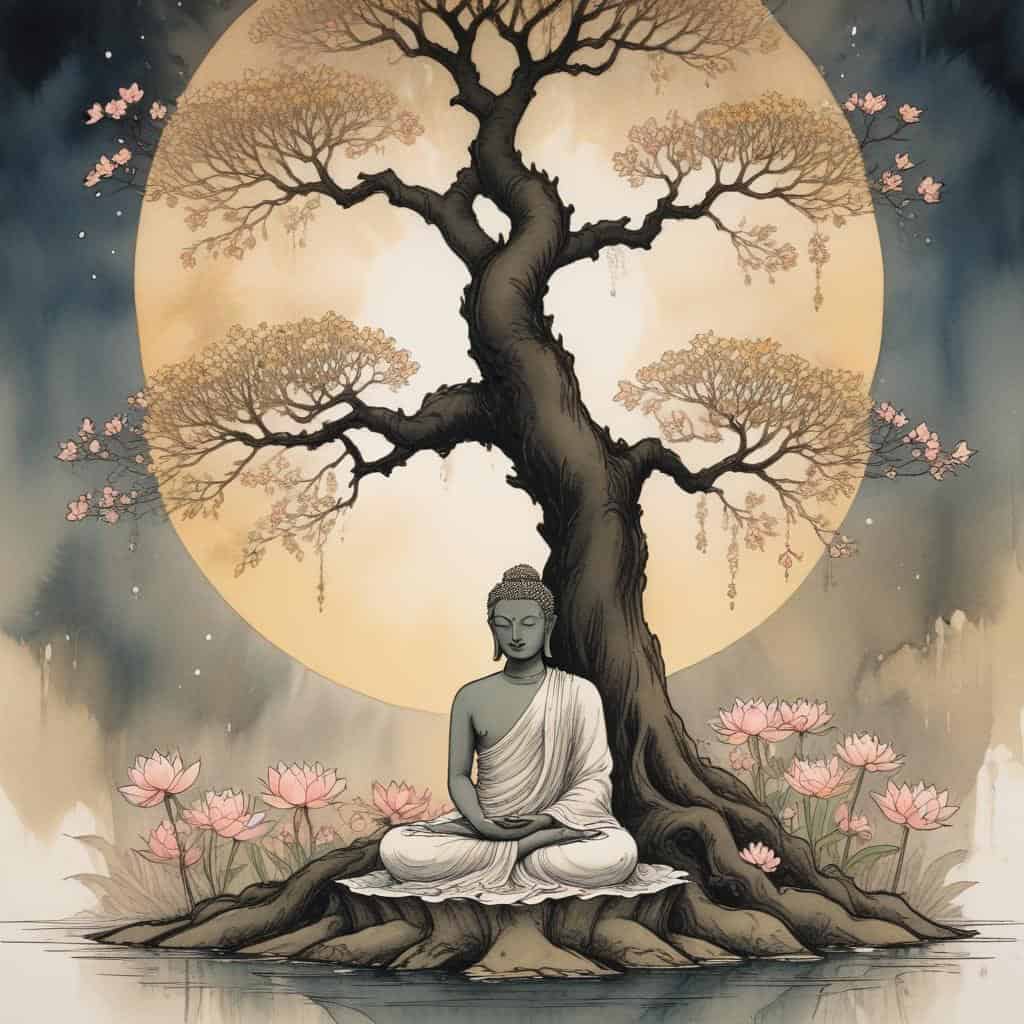
Siddhartha Gautama (Buddha)
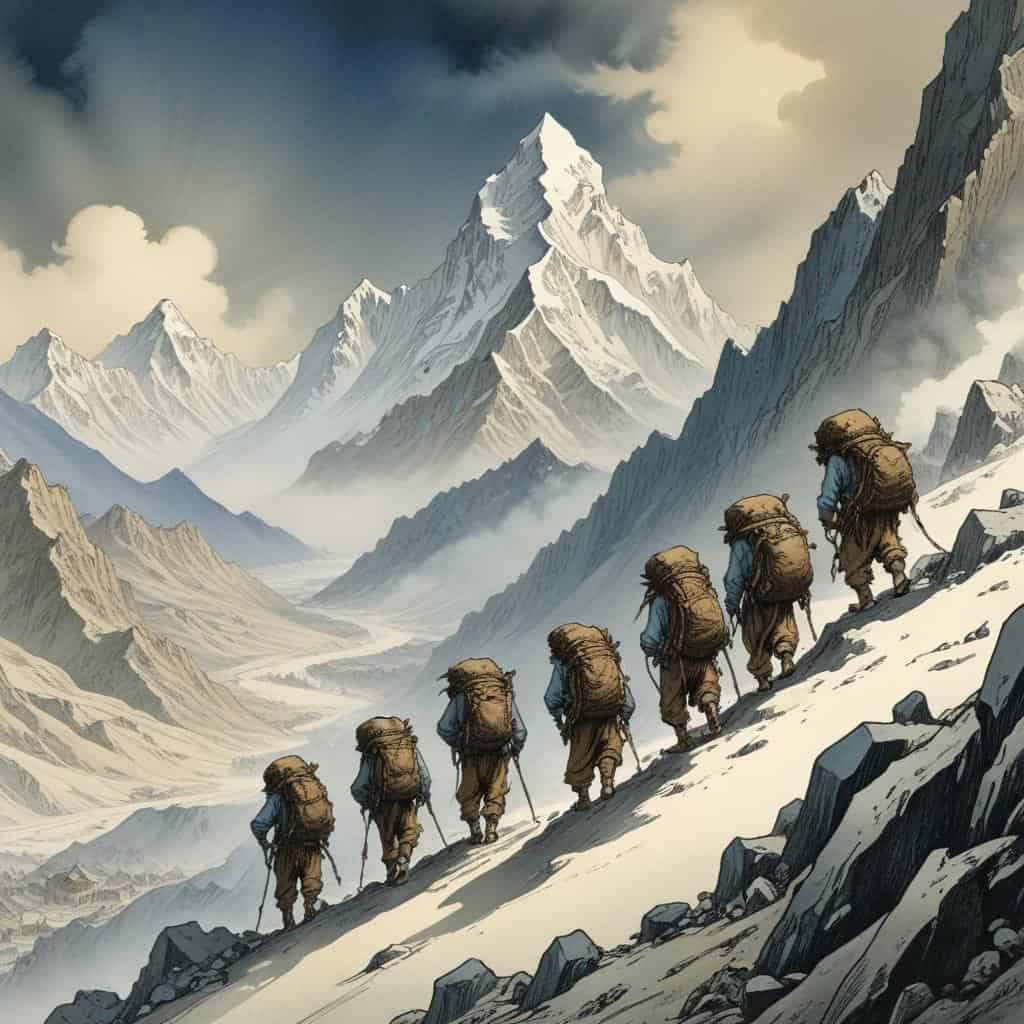
Sherpas
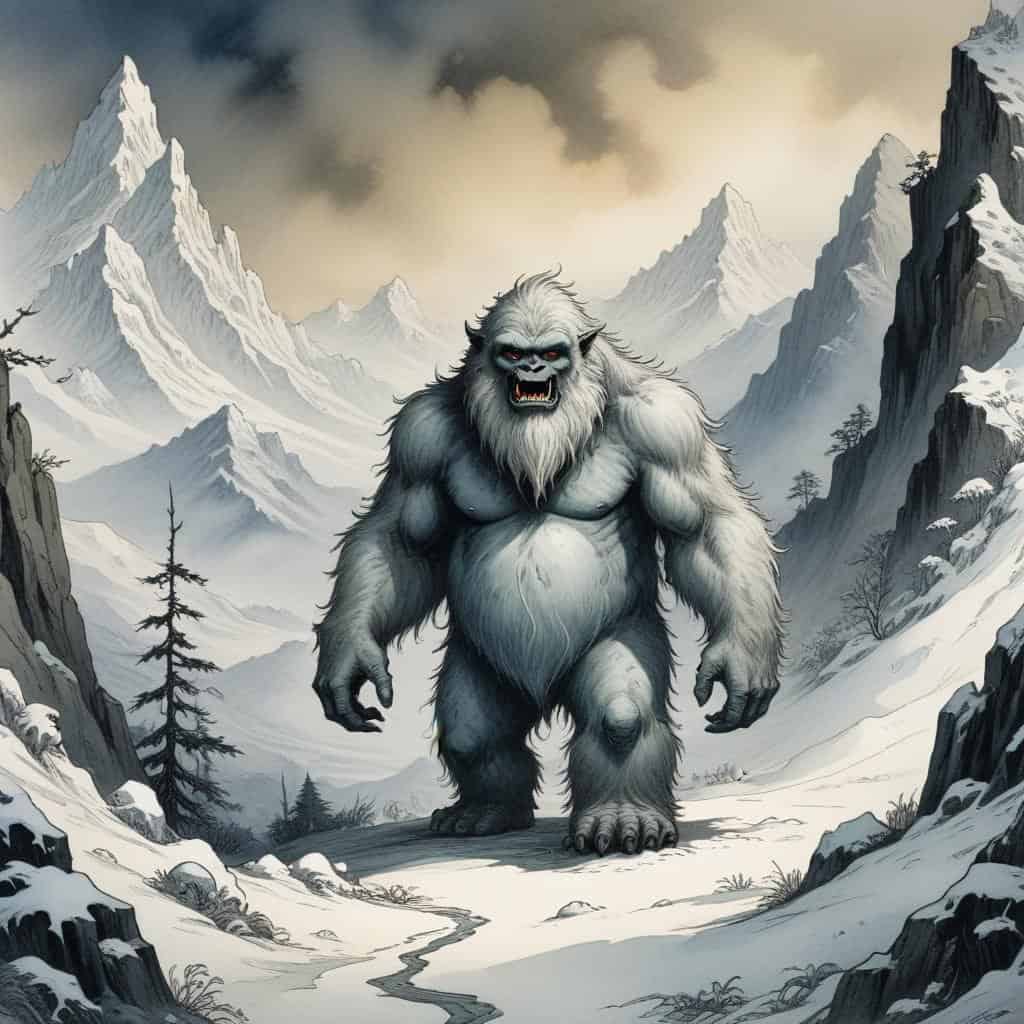
Yeti
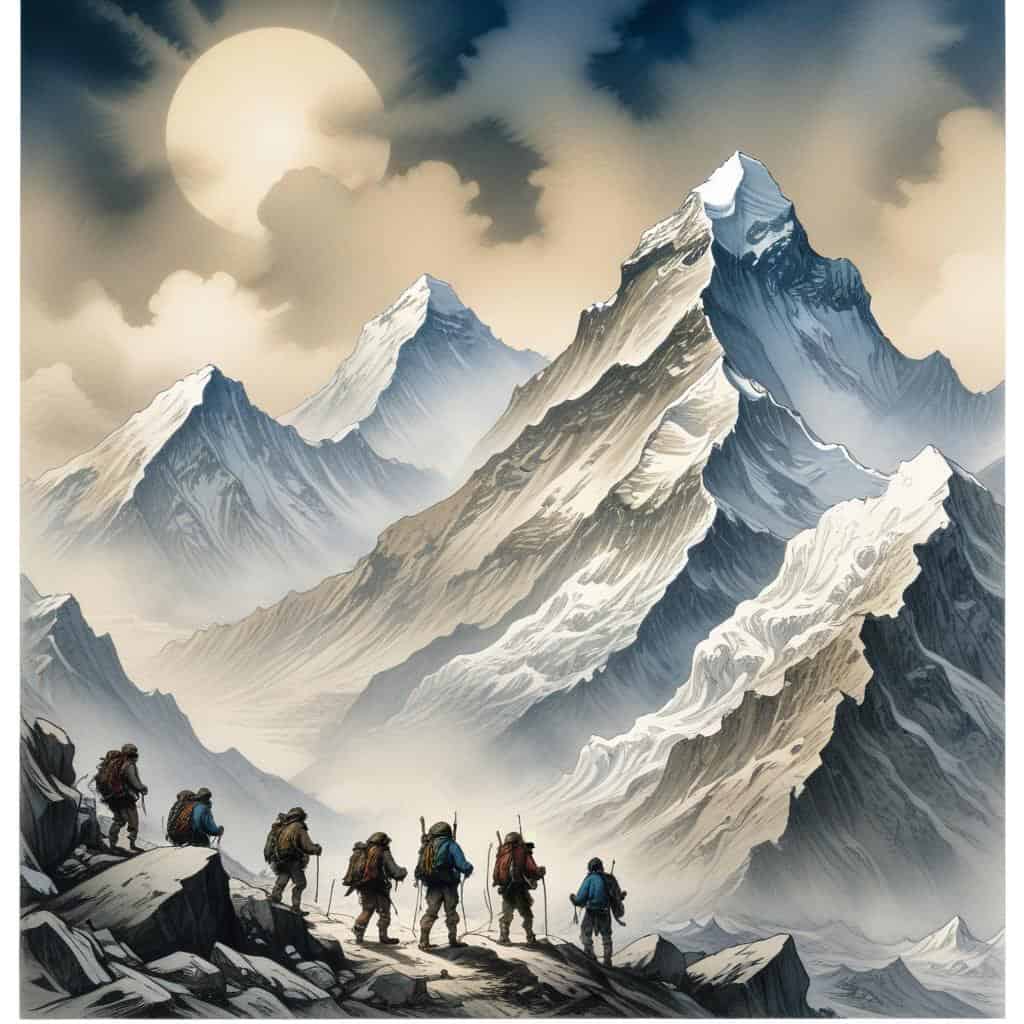
Mount Everest: The Highest Peak on Earth
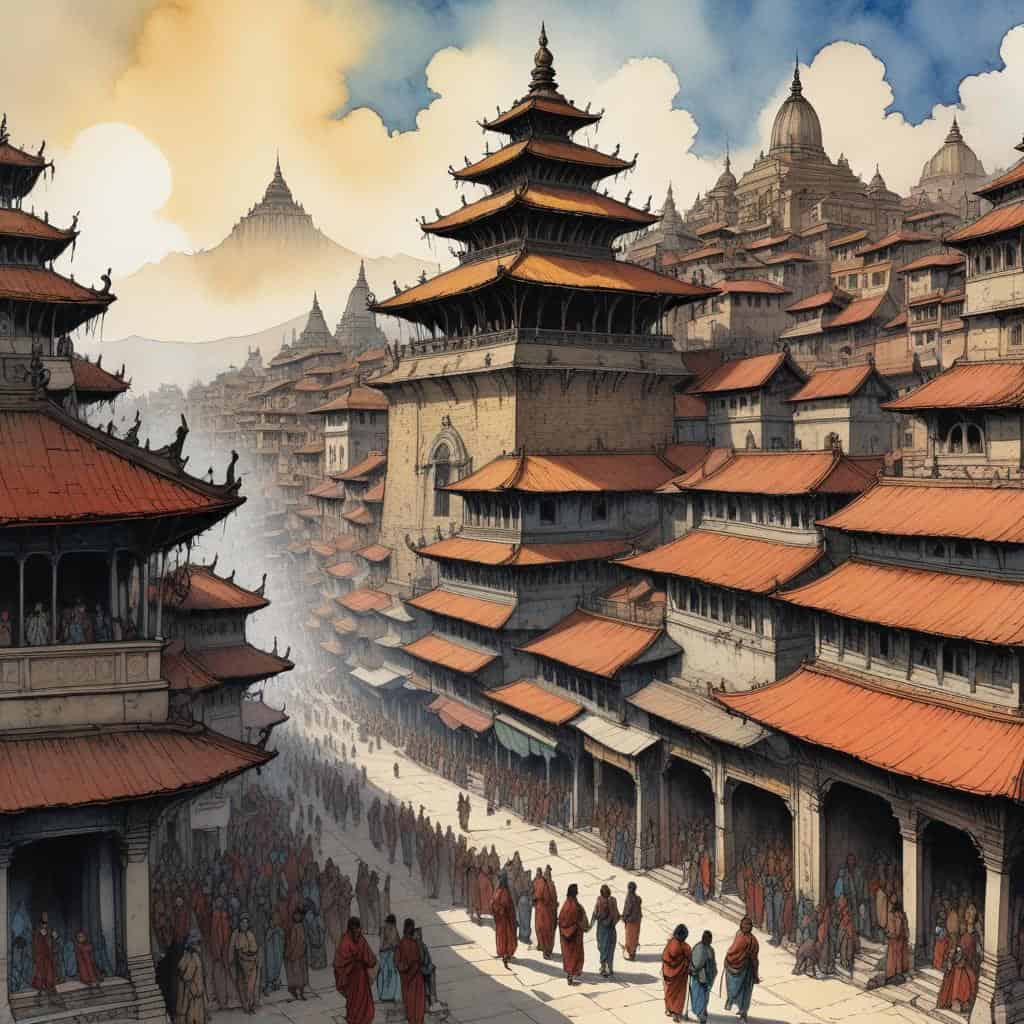
Kathmandu: The Vibrant Capital City
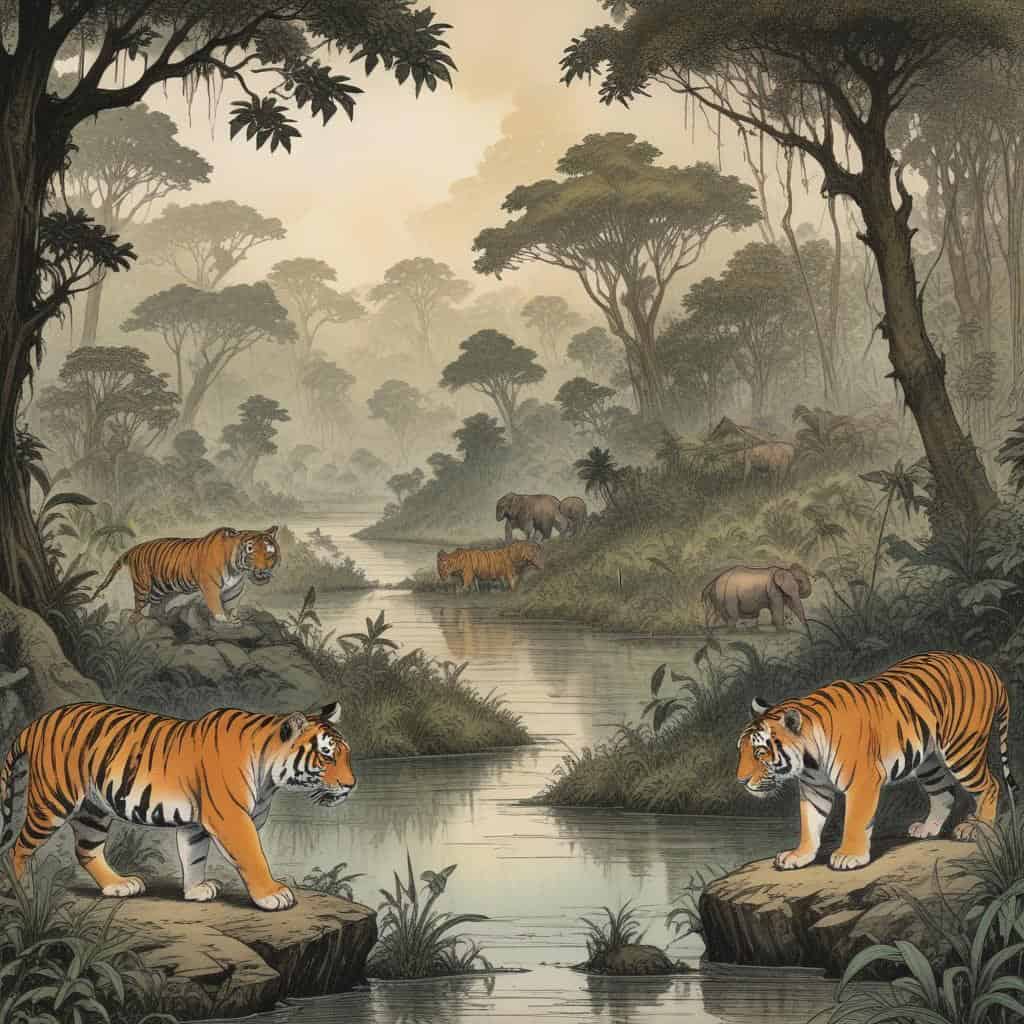
Chitwan National Park: A Paradise for Wildlife Enthusiasts
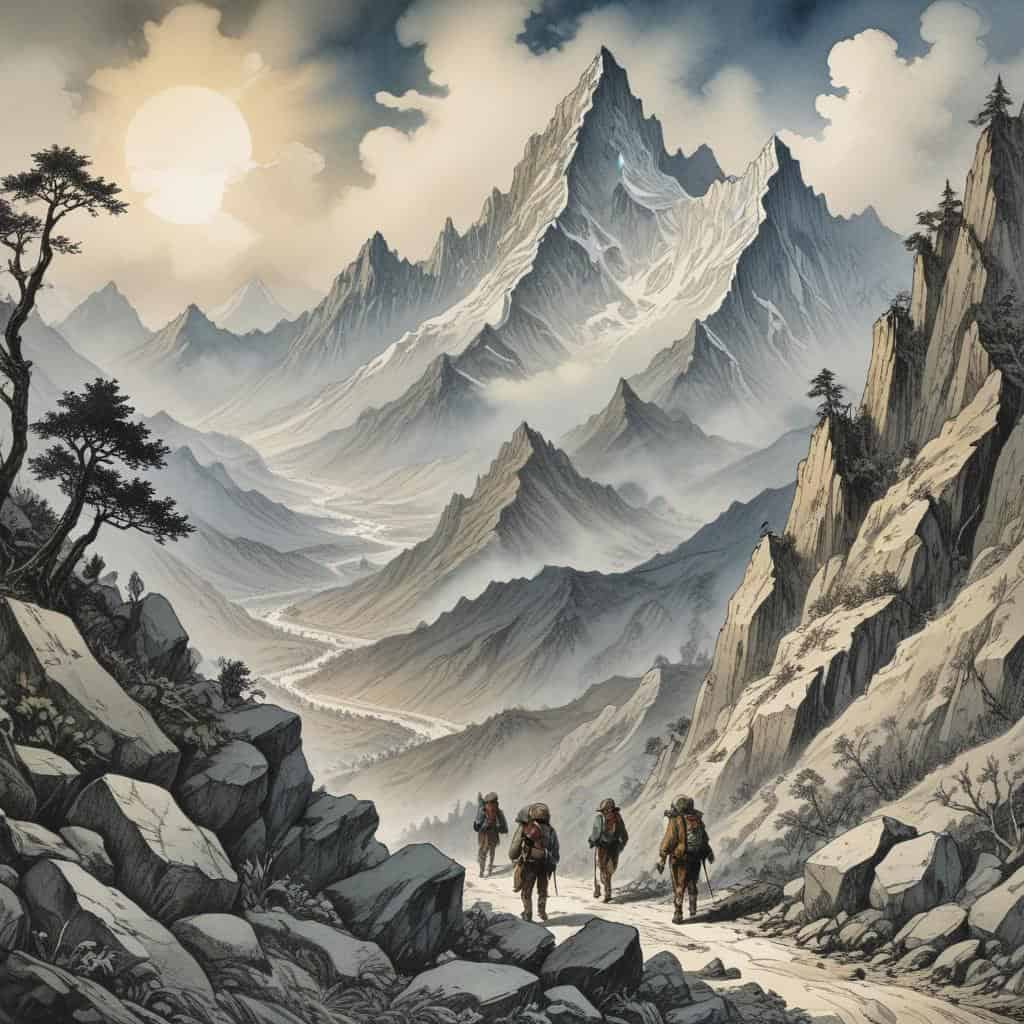
Trekking in the Himalayas: A Once-in-a-Lifetime Experience
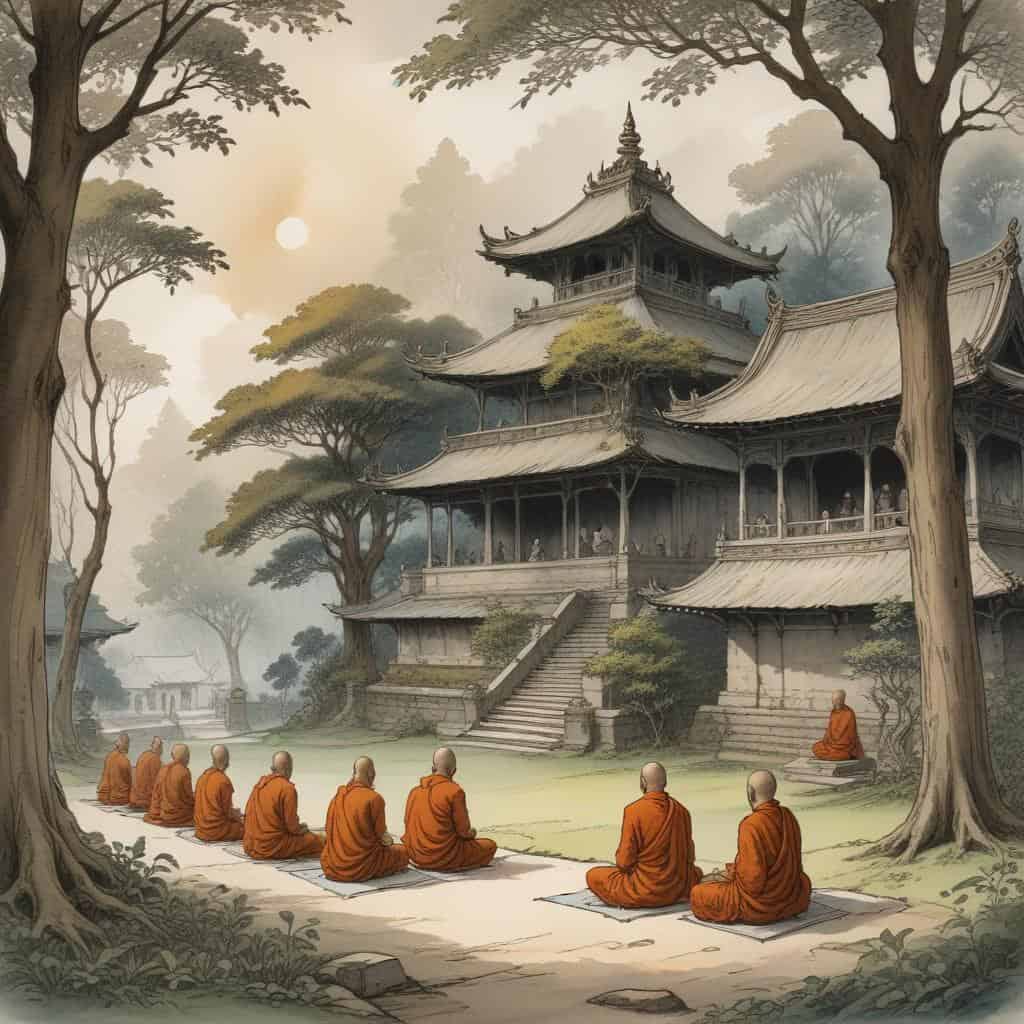
Buddhist Culture: Peaceful Monasteries and Temples
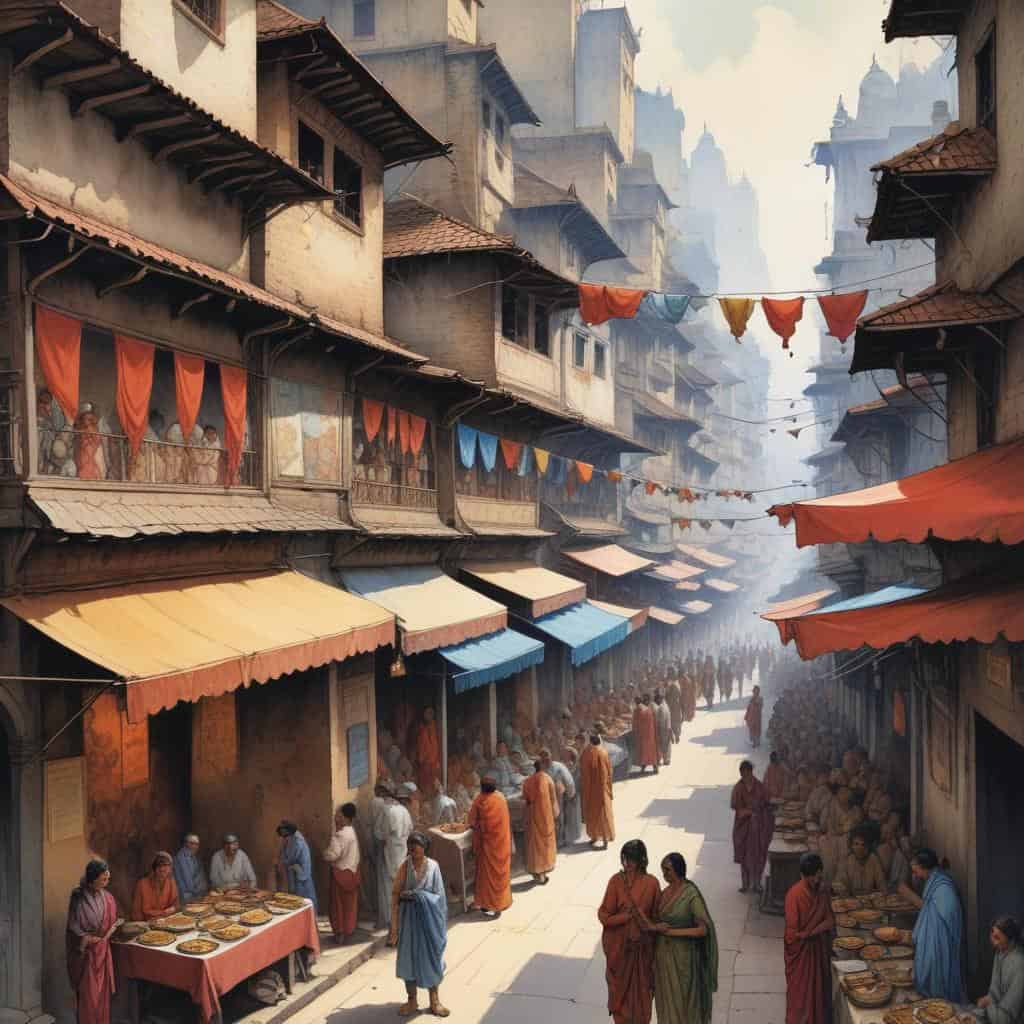
Traditional Cuisine: Mouthwatering Dal Bhat and Momos
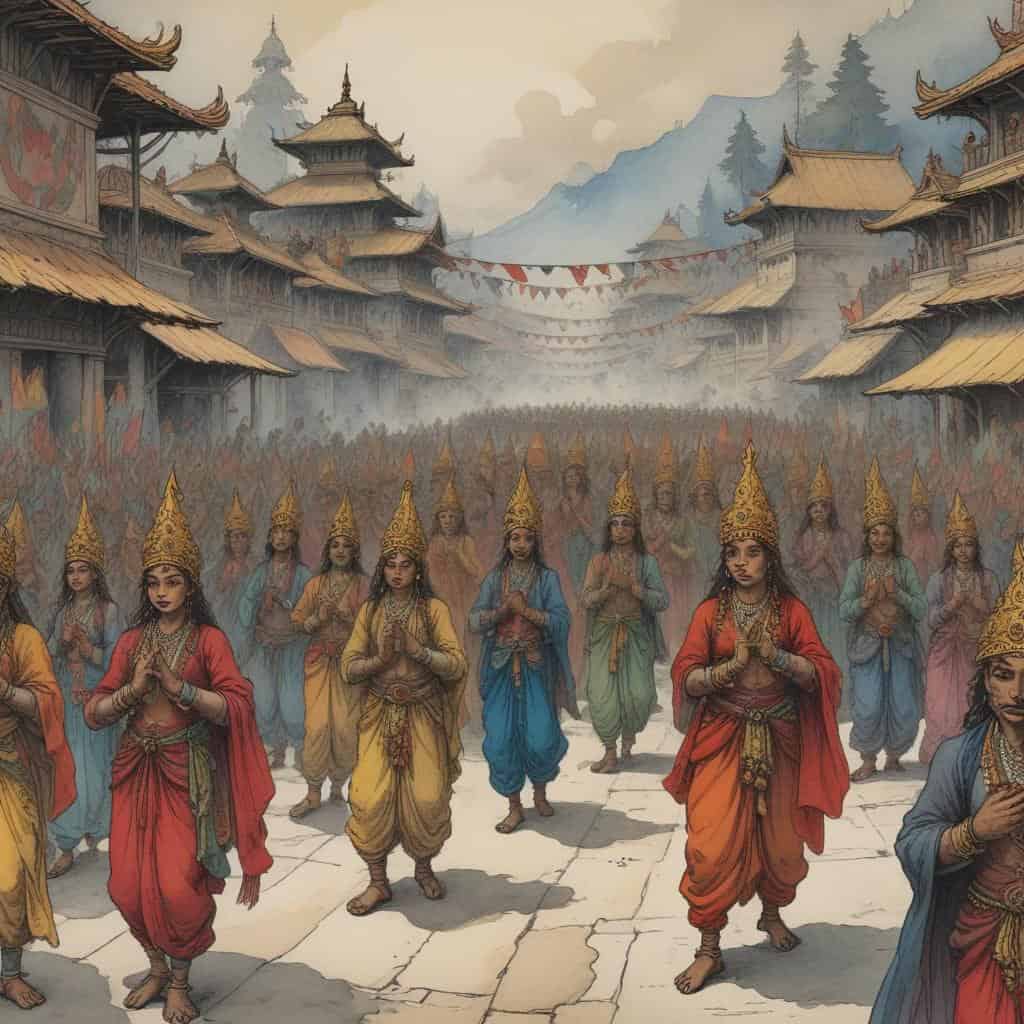
Colorful Festivals: Celebrating Nepalese Culture
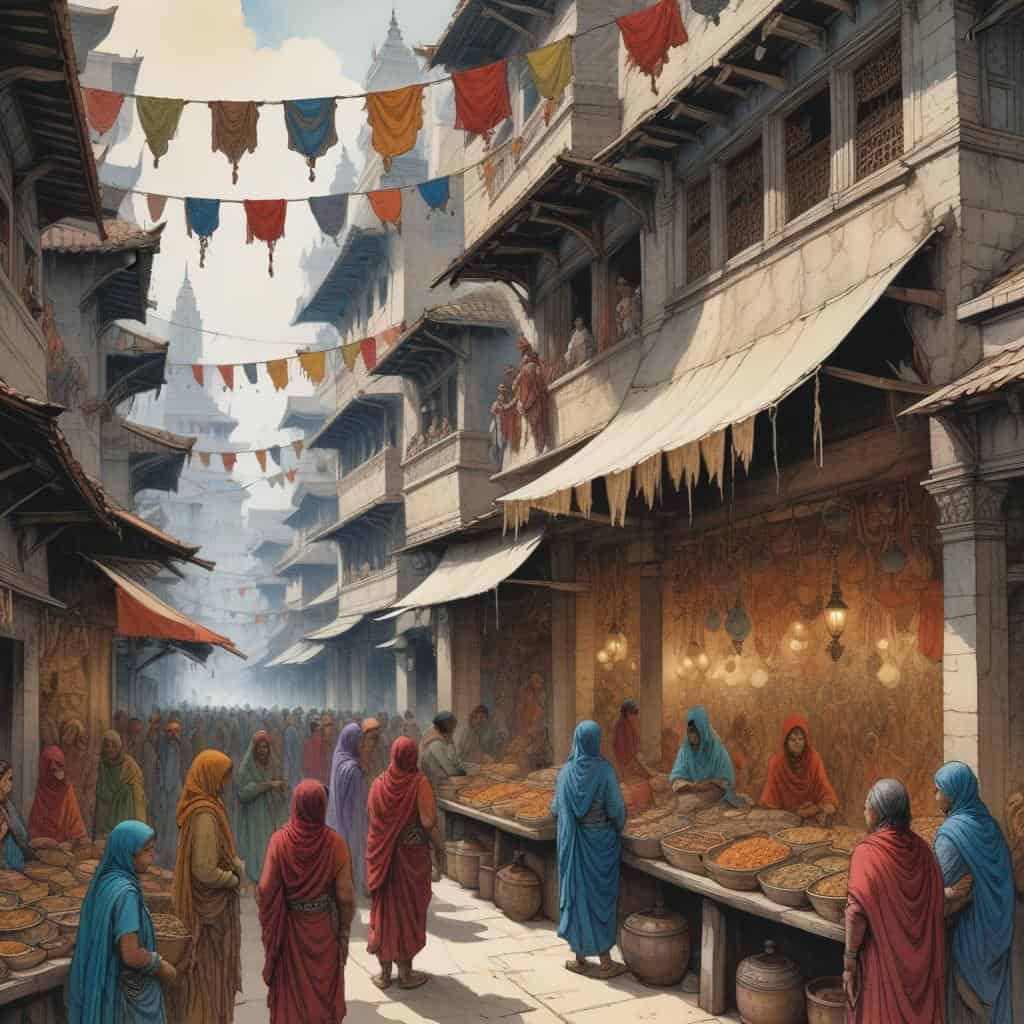
Handicrafts and Souvenirs: Shopping in Nepal
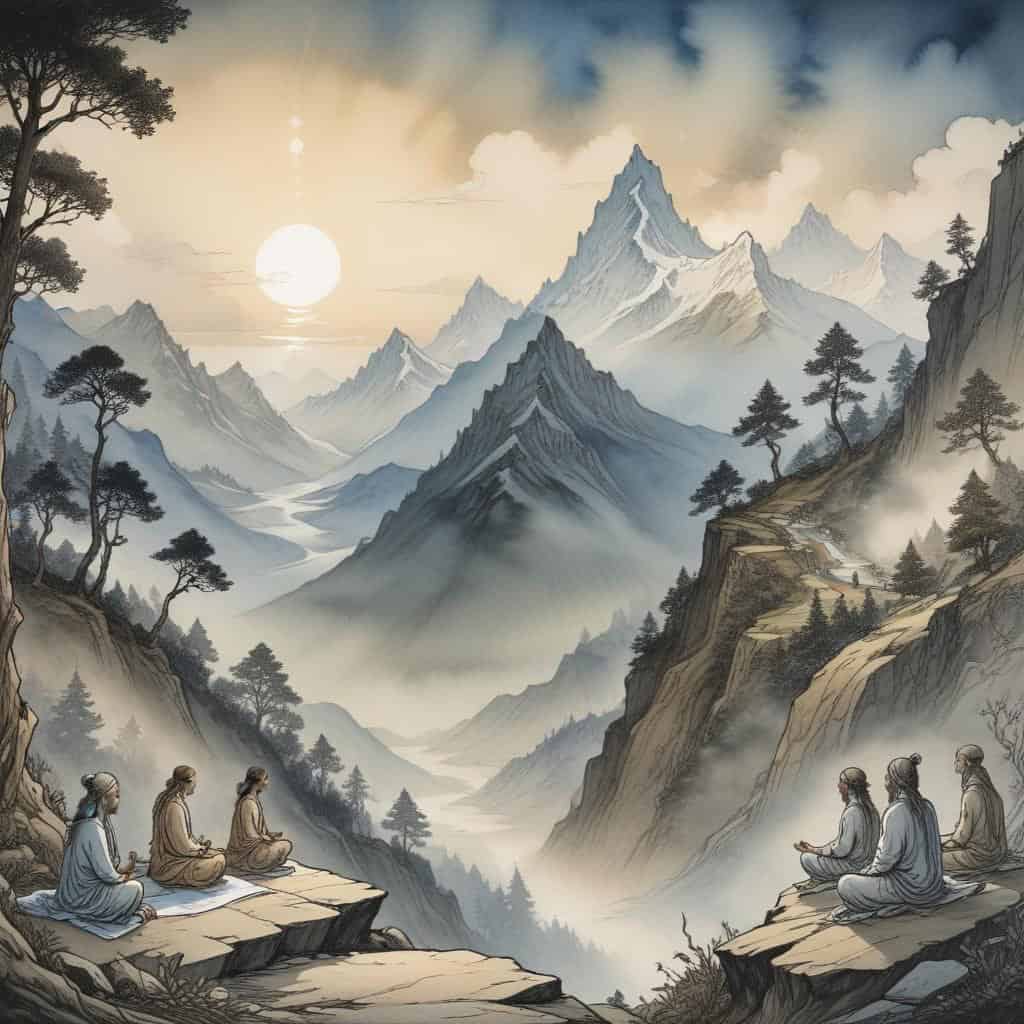
Meditation and Yoga Retreats: Finding Inner Peace
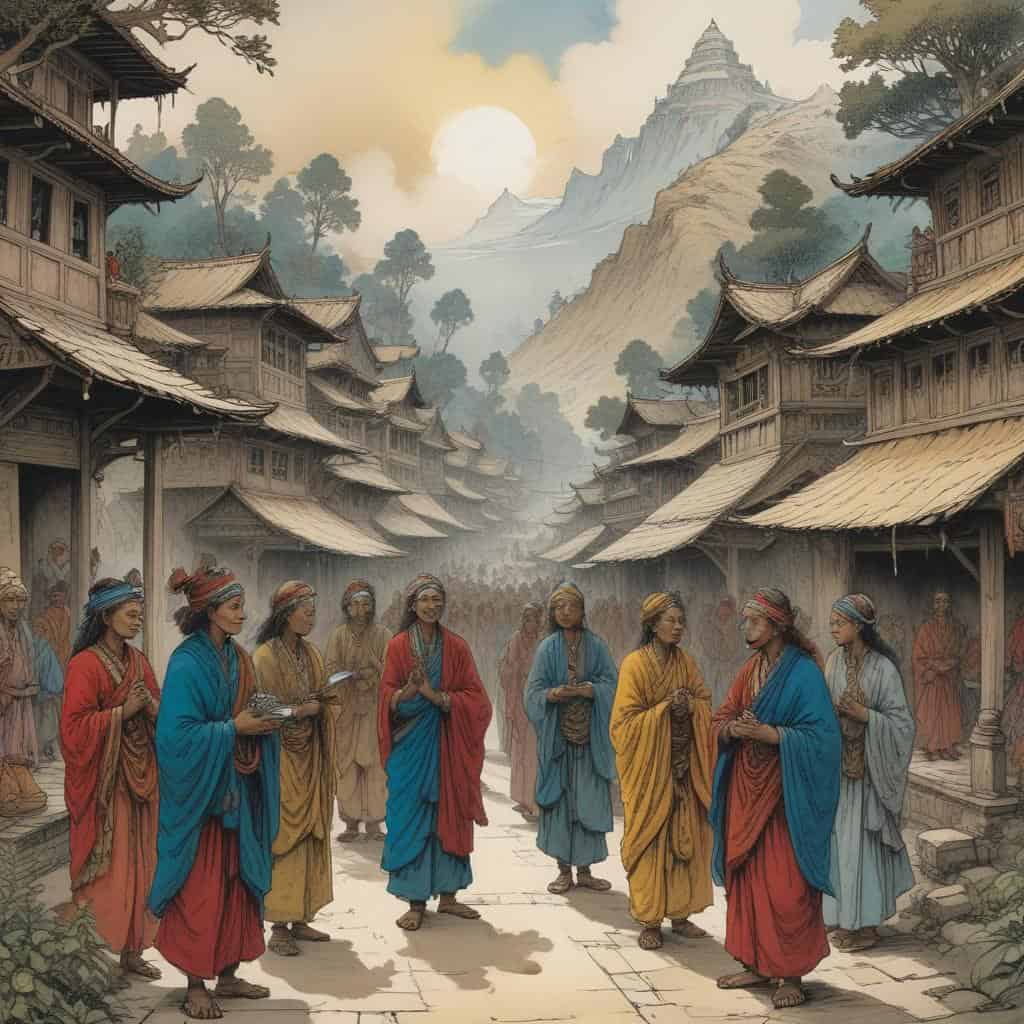
Warm Hospitality: Nepalese People and Culture
Audio Library
As one of our featured lessons, this topic includes premium audio guides.
Unlock the Wizard's Cram Session
This powerful audio study guide is a Pro-exclusive feature. Upgrade to Memory Wizards Pro to access this and all of our premium learning tools.
Upgrade to ProIn a Nutshell
- Capital: Kathmandu
- Population: Approx. 30 million (2021)
- Official Language: Nepali
- Currency: Nepalese rupee (NPR)
Breaking Down the Country
No composition analysis points available.
Timeline of Nepal
Nepal is first settled by various ethnic groups, including the Kirat people
The Licchavi dynasty is established in Nepal
The Malla dynasty comes to power in Nepal
The unification of Nepal under King Prithvi Narayan Shah
The Anglo-Nepalese War begins between the British East India Company and Nepal
Treaty of Sugauli is signed, resulting in Nepal losing a significant amount of territory to British India
Rana dynasty takes control of Nepal and establishes a hereditary autocracy
Nepal remains under Rana rule with limited political freedom
Nepal declares independence from the Rana dynasty and establishes a constitutional monarchy
King Mahendra suspends the constitution and takes control of the government
King Birendra introduces multiparty democracy in Nepal
Communist Party of Nepal (Maoist) launches a rebellion against the government
The Nepalese Civil War begins between the government and the Maoists
King Gyanendra dismisses the government and assumes direct power
The Nepalese Civil War ends with the signing of the Comprehensive Peace Accord
Nepal abolishes the monarchy and becomes a republic
The Constituent Assembly of Nepal is elected to draft a new constitution
The devastating earthquake strikes Nepal, causing widespread destruction and loss of life
The new constitution is adopted, transforming Nepal into a federal democratic republic
Nepal holds its first local elections in over 20 years
Vocabulary List
- Mountaineering
- The sport or activity of climbing mountains
- Monastery
- A building or complex of buildings where monks live and worship
- Trek
- A long, arduous journey, typically on foot, especially in mountainous areas
- Sherpa
- A member of a Himalayan people living on the borders of Nepal and Tibet, renowned for their skill in mountaineering
- Stupa
- A dome-shaped structure erected as a Buddhist shrine
- Yak
- A large domesticated wild ox with shaggy hair, humped shoulders, and large horns, used in Tibet as a pack animal and for its milk, meat, and hide
- Gurkha
- A member of a people living mainly in Nepal, renowned for their military prowess
- Kathmandu
- The capital city of Nepal, located in the Kathmandu Valley
- Himalayas
- A mountain range in Asia, separating the Indian subcontinent from the Tibetan Plateau
- Pagoda
- A Hindu or Buddhist temple or sacred building, typically a many-tiered tower, in East Asia
- Yoga
- A Hindu spiritual and ascetic discipline, a part of which, including breath control, simple meditation, and the adoption of specific bodily postures, is widely practiced for health and relaxation
- Sherwani
- A long coat-like garment worn in South Asia, typically by men
- Yeti
- An imaginary or mythical creature resembling a large, hairy, ape-like being, said to inhabit the Himalayas
- Mantra
- A word or sound repeated to aid concentration in meditation
- Chow mein
- A Chinese-style dish of steamed or stir-fried noodles, typically mixed with meat and vegetables
- Sari
- A garment consisting of a length of cotton or silk elaborately draped around the body, traditionally worn by women from South Asia
- Rickshaw
- A light two-wheeled hooded vehicle drawn by one or more people, used chiefly in Asian countries
- Dal bhat
- A traditional Nepali and Indian dish consisting of lentil soup (dal) and steamed rice (bhat), often served with vegetables, pickles, and yogurt
- Ghurka
- A member of the Nepalese Gurkha regiment, a unit of the British Army
- Mandala
- A geometric figure representing the universe in Hindu and Buddhist symbolism.
Key Facts
This is the information used in the fact matching game
- Nepal is a landlocked country located in South Asia.
- It is bordered by China to the north and India to the east, south, and west.
- Mount Everest, the highest peak in the world, is located in Nepal.
- Nepal is home to eight of the world's ten tallest mountains.
- The country has a diverse geography, ranging from lowland plains to the Himalayas.
- Kathmandu is the capital and largest city of Nepal.
- Nepal is renowned for its rich cultural heritage and is the birthplace of Lord Buddha.
- The official language of Nepal is Nepali.
- Hinduism is the major religion followed by the majority of the population.
- Nepal has a constitutional monarchy, with a president as the head of state.
- The national flag of Nepal is the only non-quadrilateral national flag in the world.
- Nepali cuisine is known for its unique flavors and dishes like dal bhat, momo, and sel roti.
- The country hosts several UNESCO World Heritage Sites, including the Kathmandu Valley.
- Nepal is famous for its vibrant festivals, such as Dashain, Tihar, and Holi.
- The Yeti, a mythical creature resembling a large ape, is associated with Nepal's folklore.
- Gurkha soldiers from Nepal serve in the British and Indian armies and are known for their bravery.
- The rhinoceros is one of the endangered species protected in Nepal's Chitwan National Park.
- The Nepalese rupee is the official currency of Nepal.
- The country has a diverse wildlife, including snow leopards, red pandas, and Bengal tigers.
- Tourism is a significant industry in Nepal, attracting visitors for trekking, mountaineering, and cultural experiences.
Why It Matters
Geopolitical Significance
Nepal’s strategic location between India and China gives it geopolitical importance as a buffer state between these two regional powers. Its position in the Himalayas also impacts regional water resources and environmental conservation efforts.
Historical Importance
Nepal has a rich history as the birthplace of Buddha and a center of ancient trade routes. The country’s unique culture and architecture, including the Kathmandu Valley’s UNESCO World Heritage sites, showcase its historical significance and influence in the region.
Modern-Day Role
Today, Nepal plays a crucial role in promoting peace and stability in South Asia. Its tourism industry, based on Mount Everest and other Himalayan peaks, contributes significantly to the economy. Nepal also faces challenges such as political instability and natural disasters, highlighting its contemporary relevance.
Nepal Games


Take Your Learning Offline
Want a convenient, print-ready study guide for this lesson? Become a Memory Wizards Pro member to unlock the downloadable " Memory Scrolls" for this topic and our entire library!
- ✓ Complete Vocabulary Lists
- ✓ Key Facts & Timelines
- ✓ Beautifully Formatted for Print & Mobile