
How Do You Learn Best?
Learn by Listening
Start with the 3-minute audio summary to get the key facts and narrative highlights quickly.
Learn by Reading
Immerse yourself in the 10-minute visual lesson for a comprehensive understanding of the topic.
Learn by Reviewing
Jump directly to the key facts, timeline, and vocabulary lists to build a solid foundation of details.
Learn by Doing
Challenge yourself! Jump straight into the interactive games to learn by trial, error, and discovery.
Myanmar in 10 Minutes
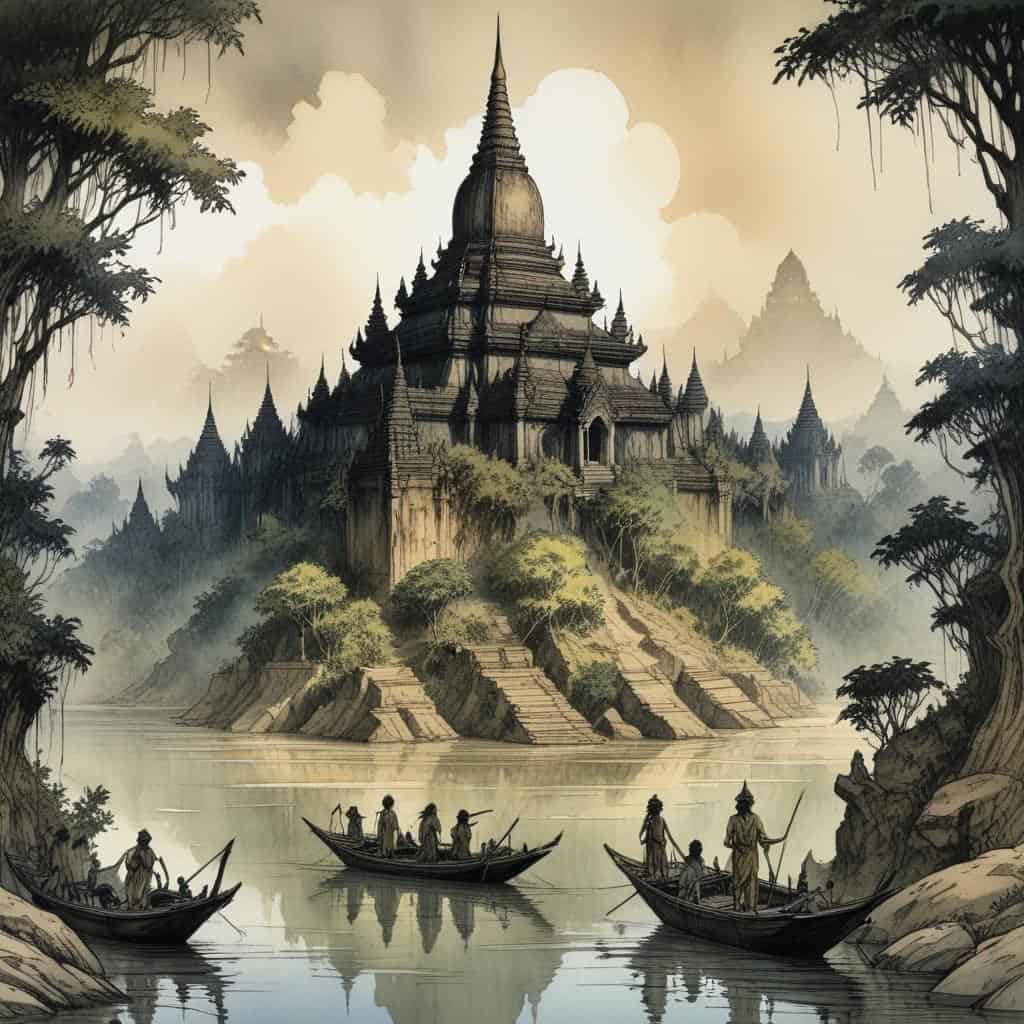
Introduction
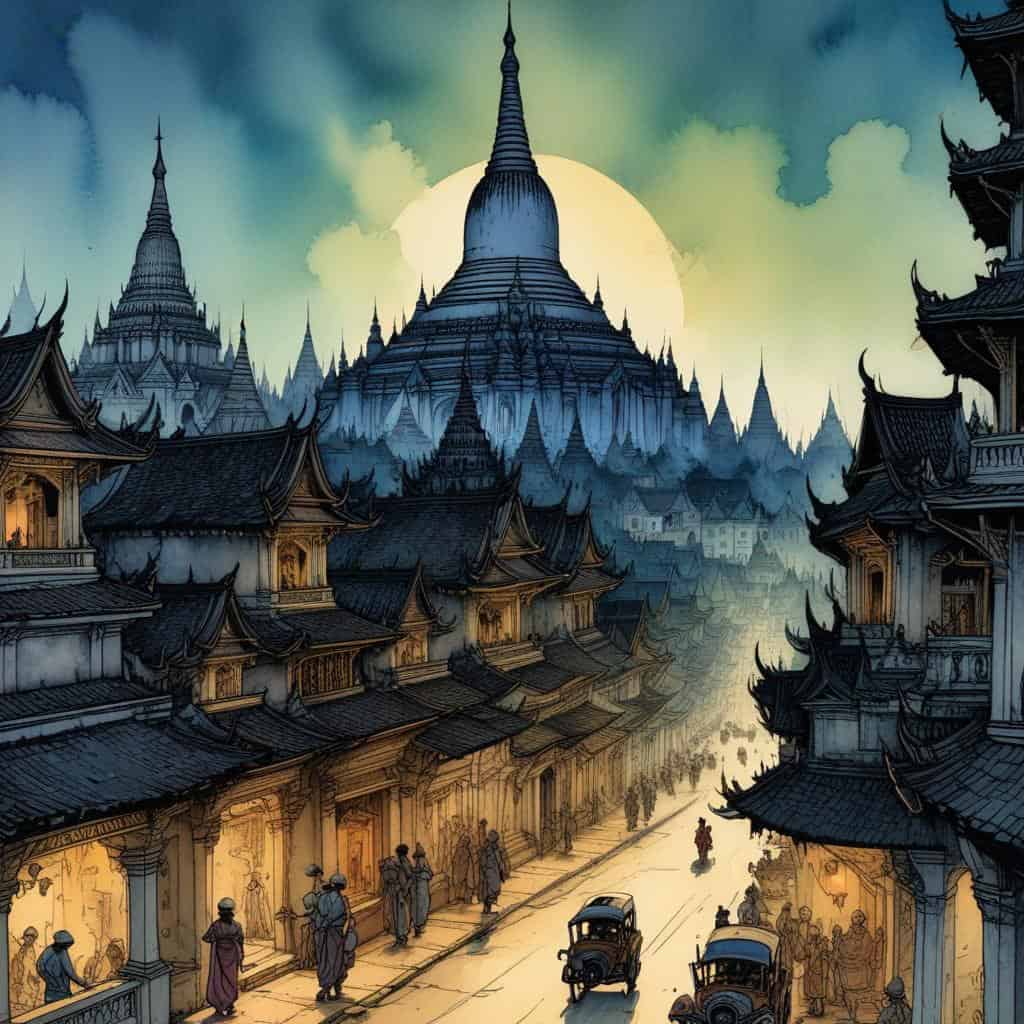
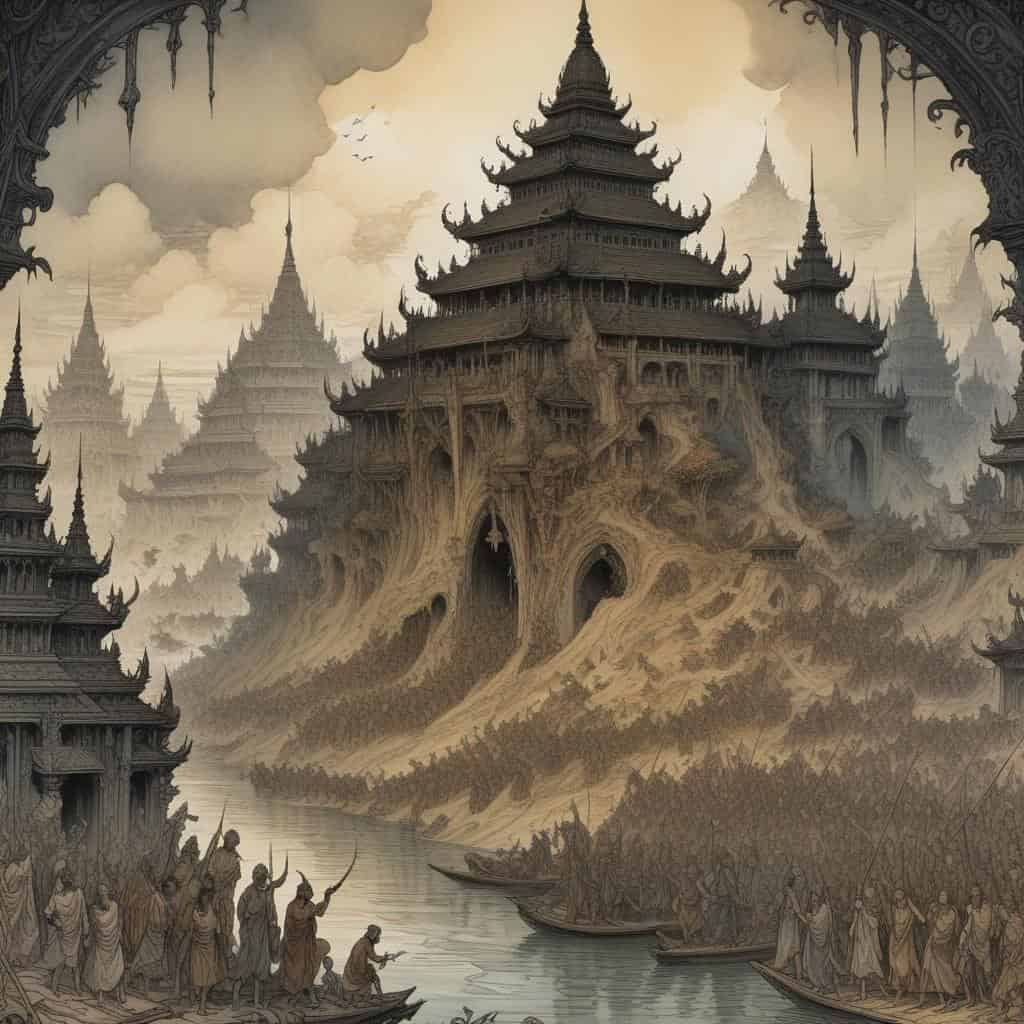
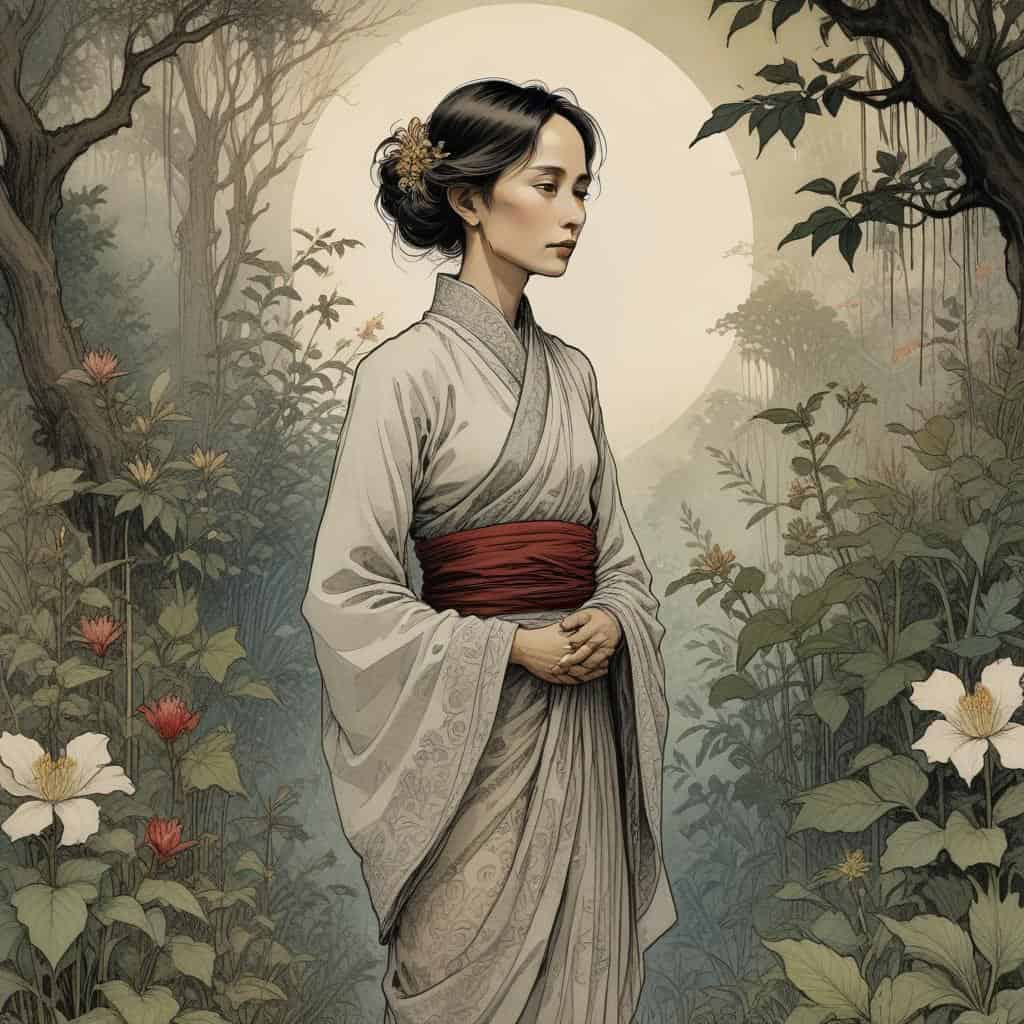
Aung San Suu Kyi
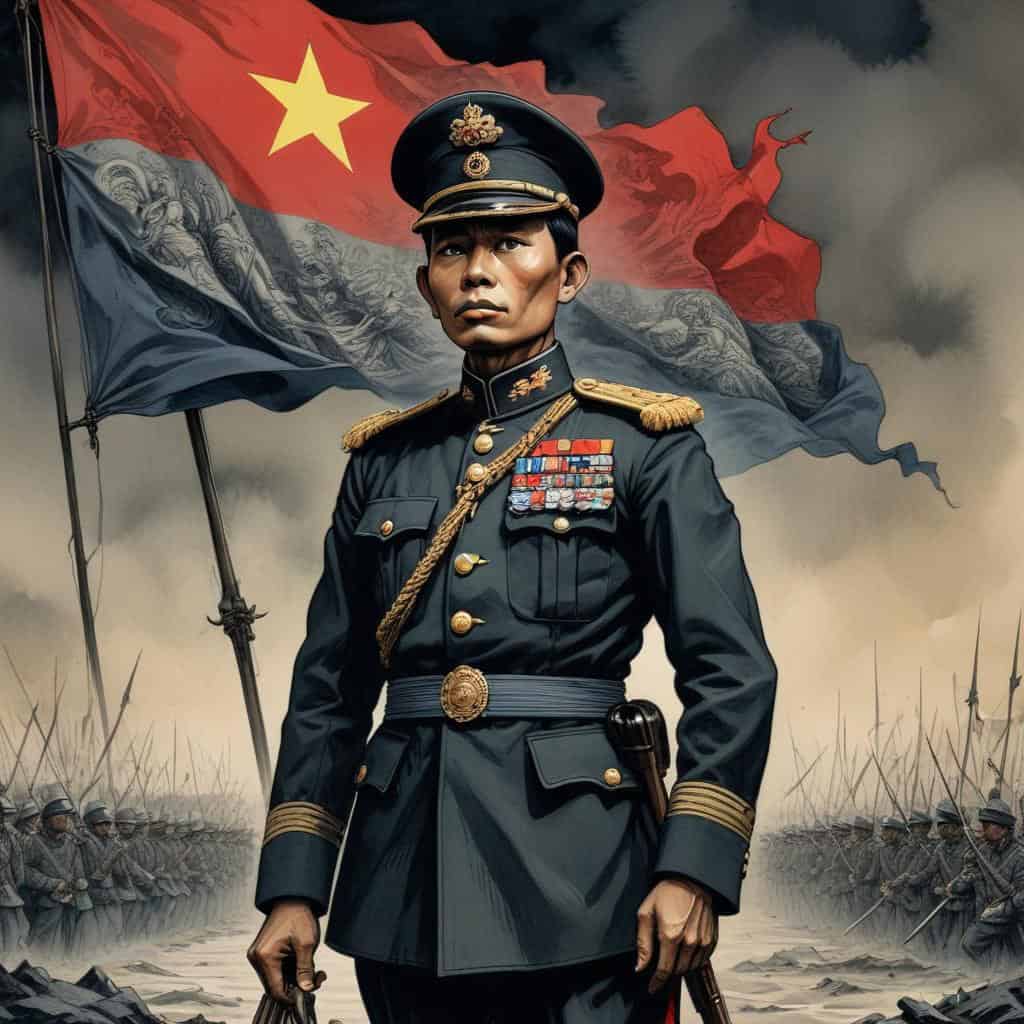
Min Aung Hlaing
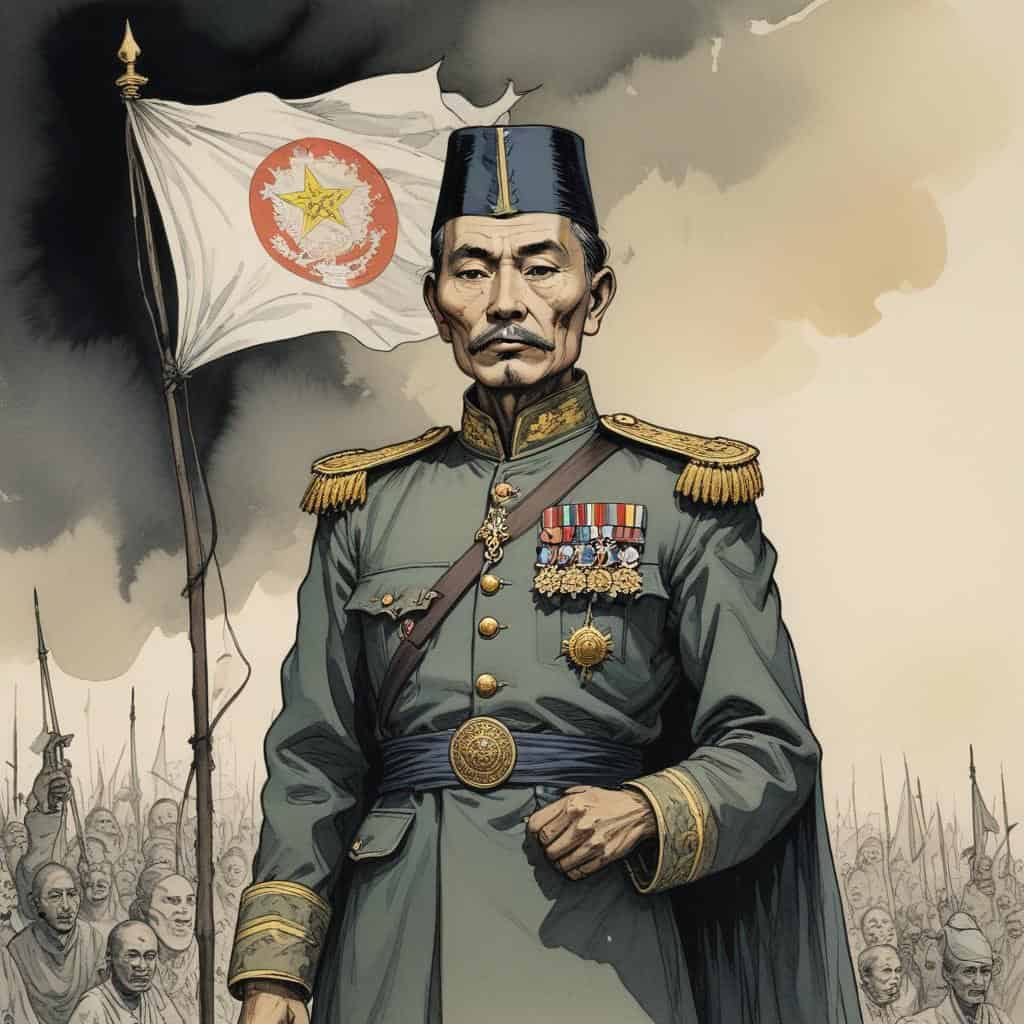
Than Shwe
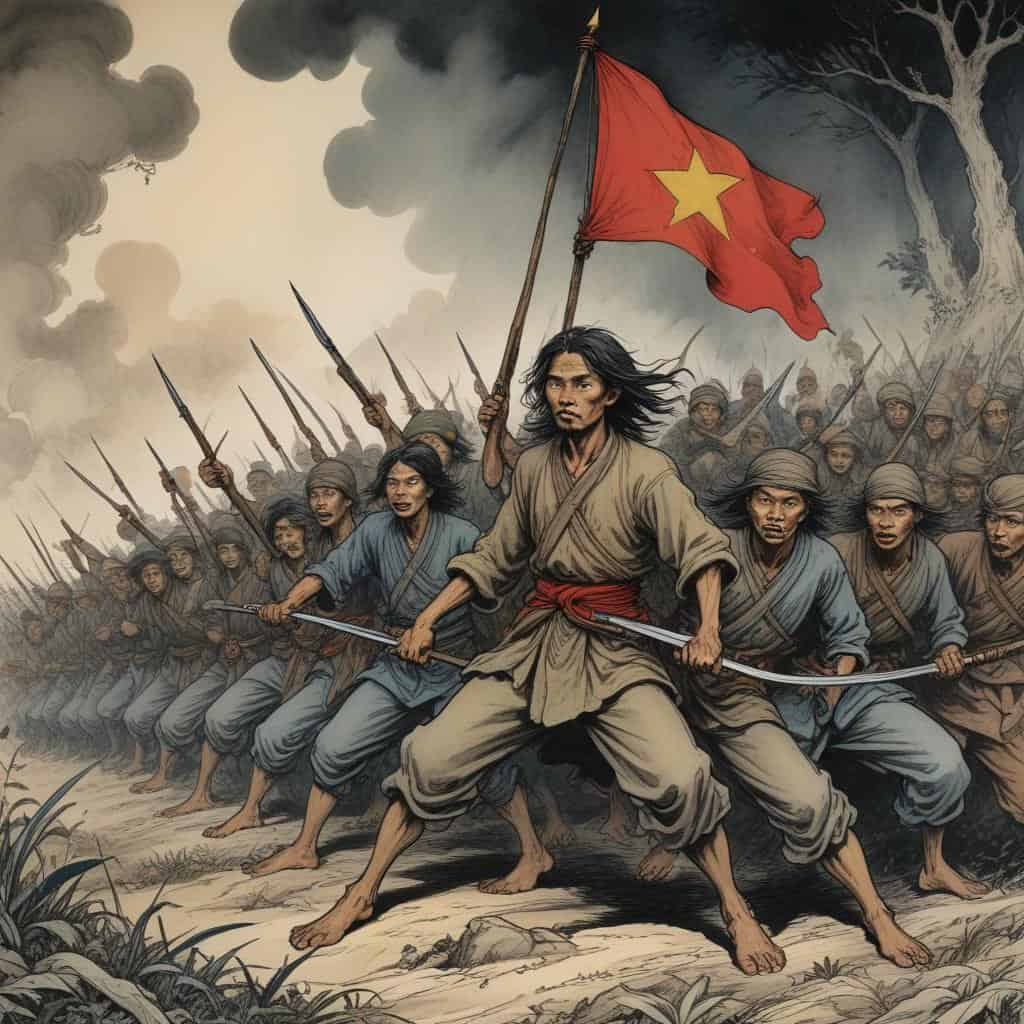
Aung San
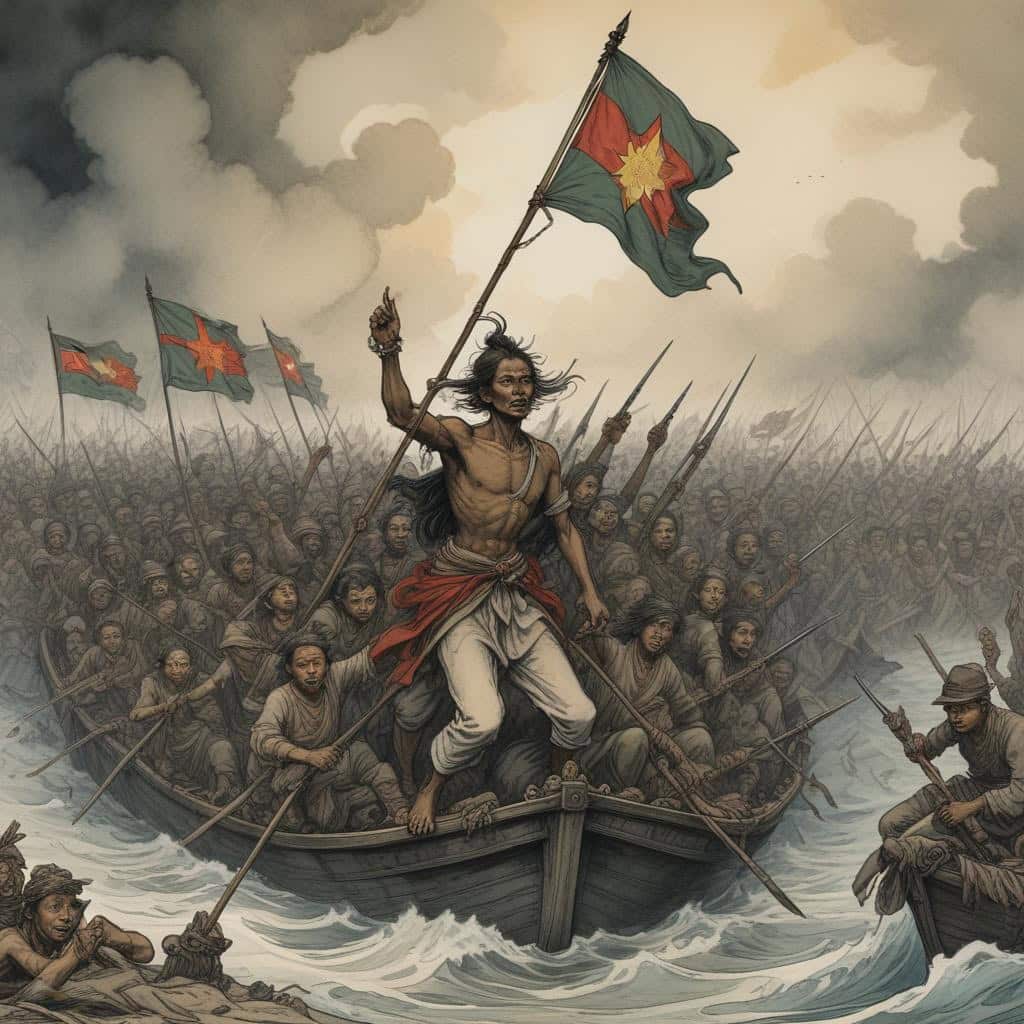
1. Colonial History
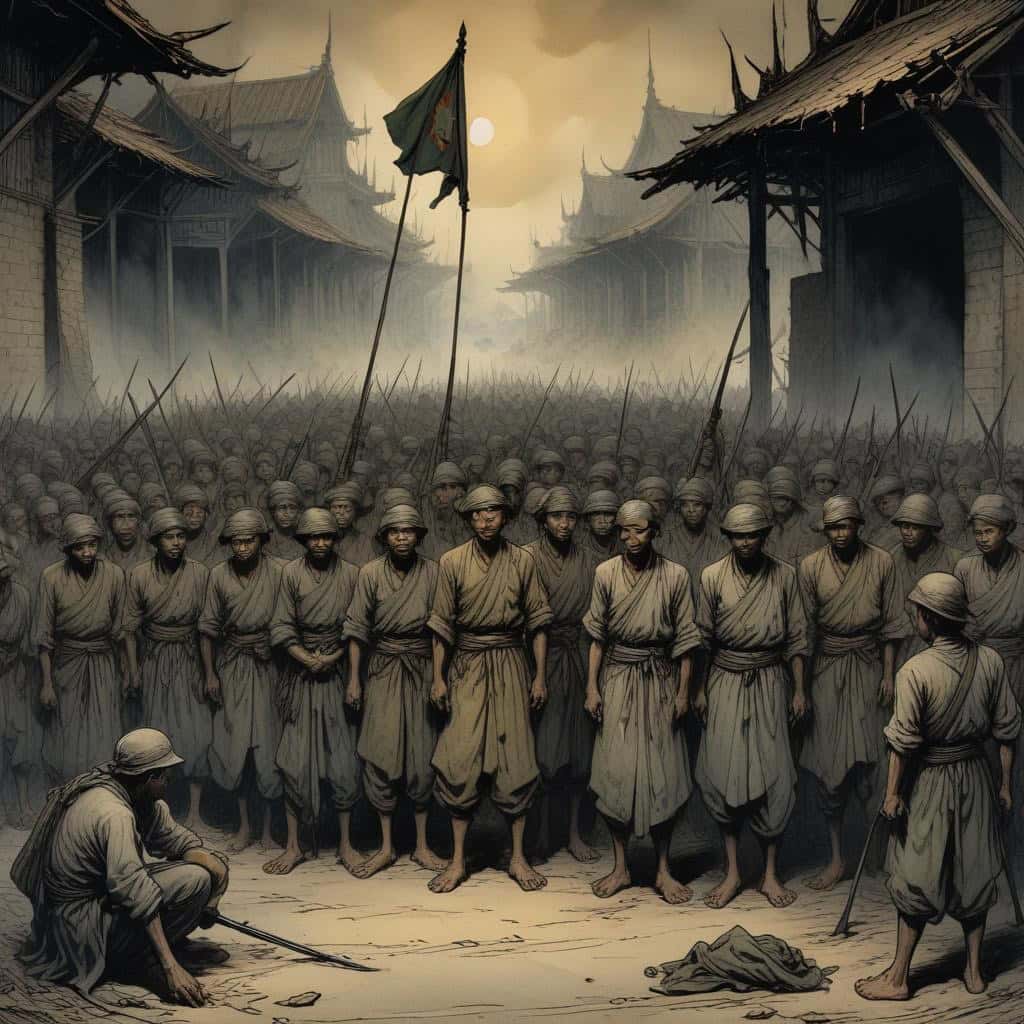
2. Military Rule
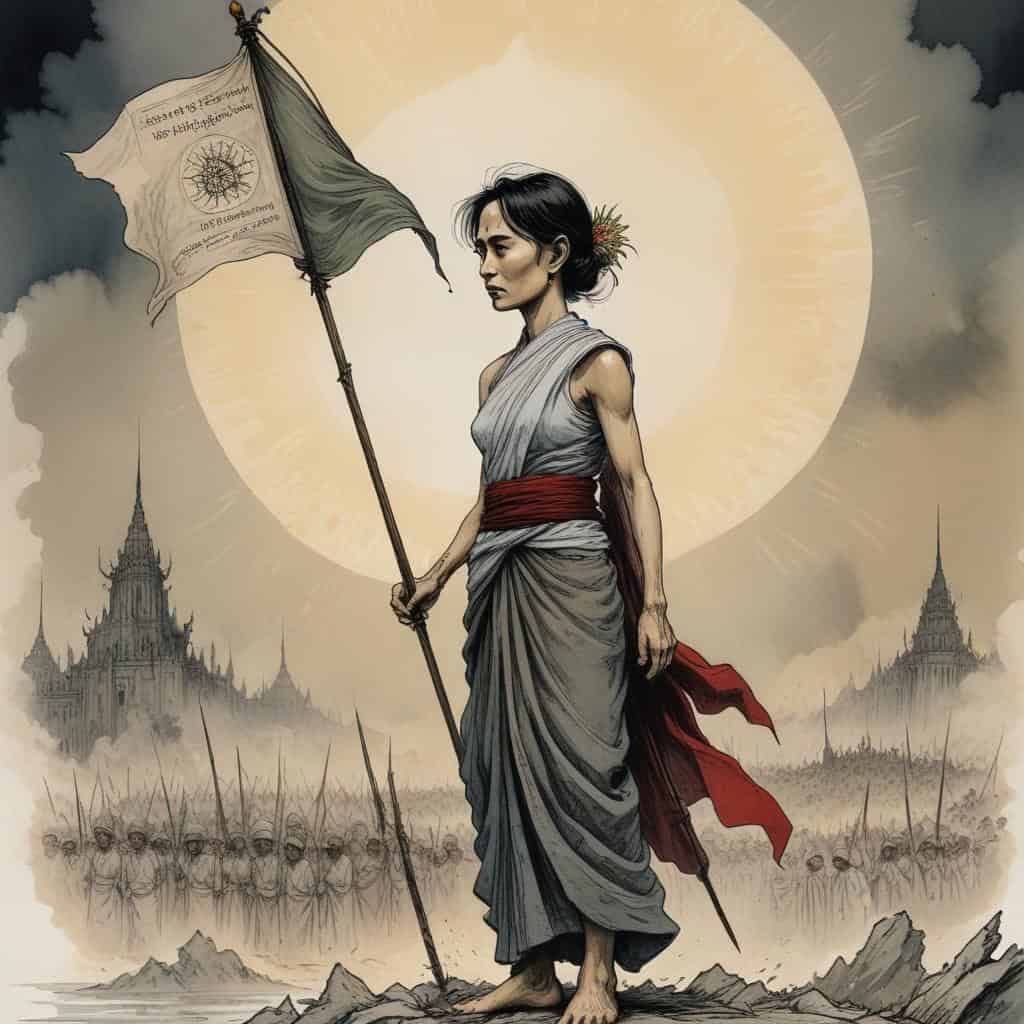
3. Aung San Suu Kyi
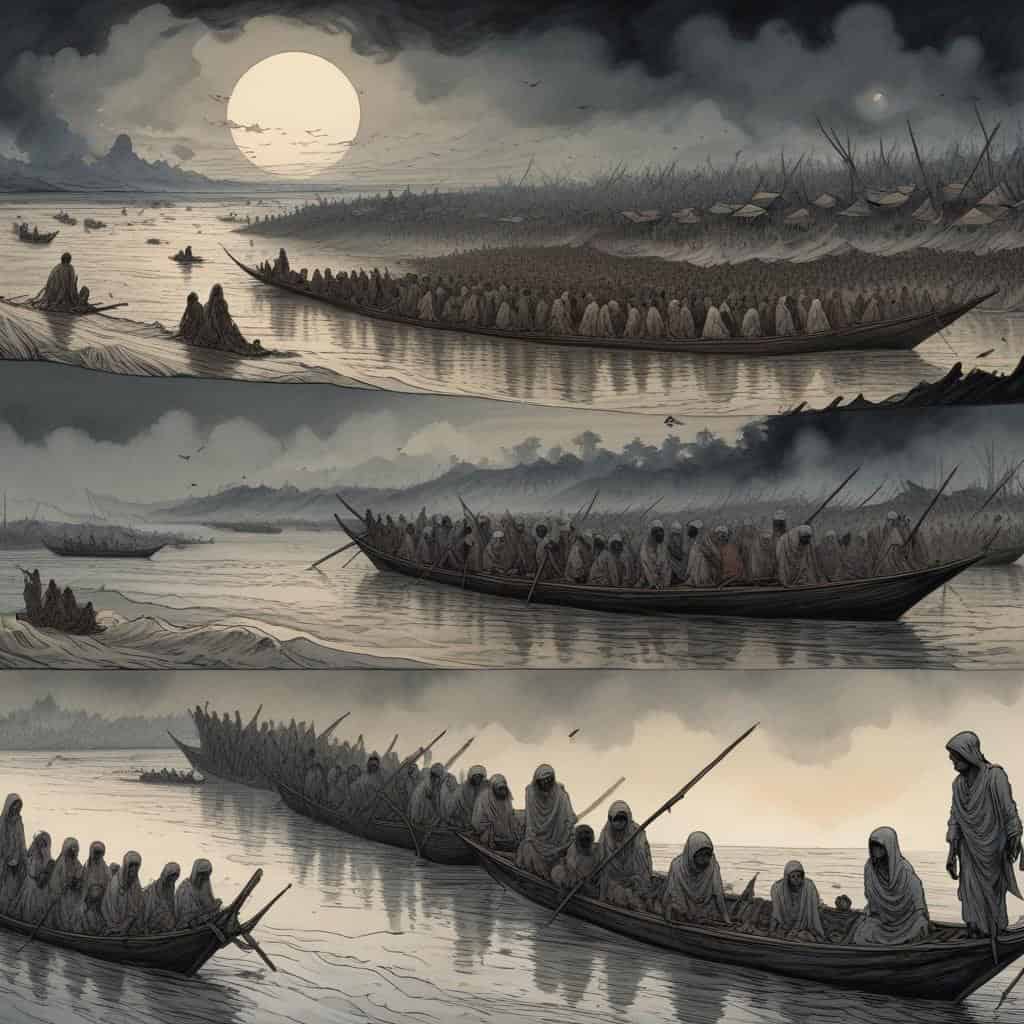
4. Rohingya Crisis
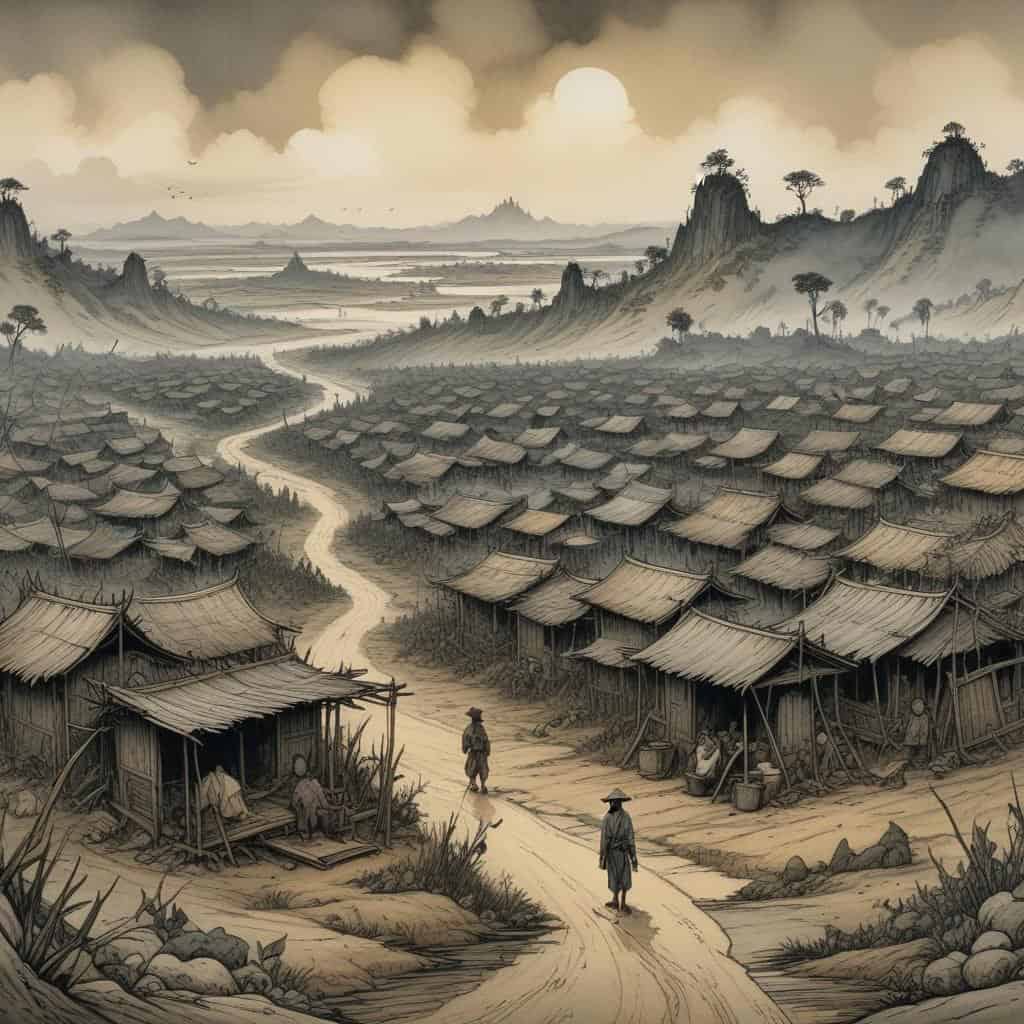
5. Economic Challenges
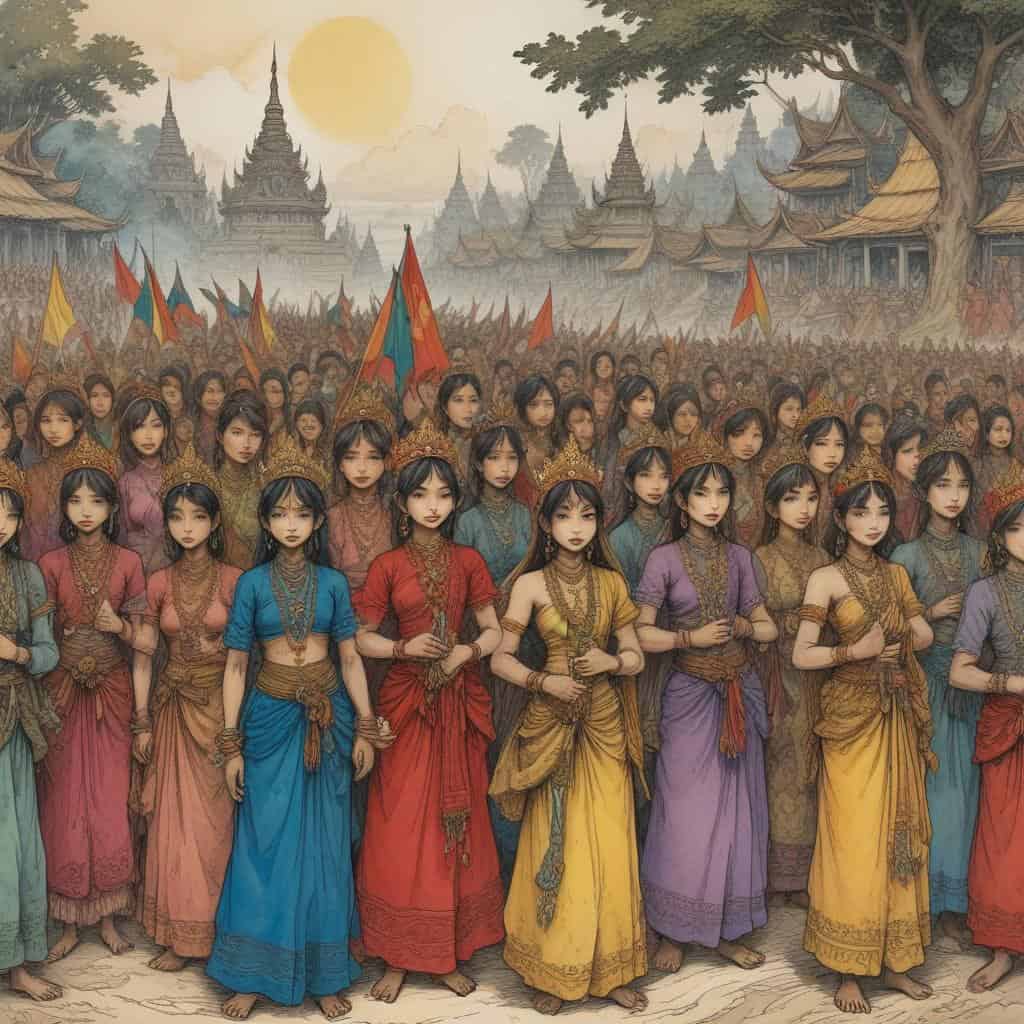
6. Cultural Diversity
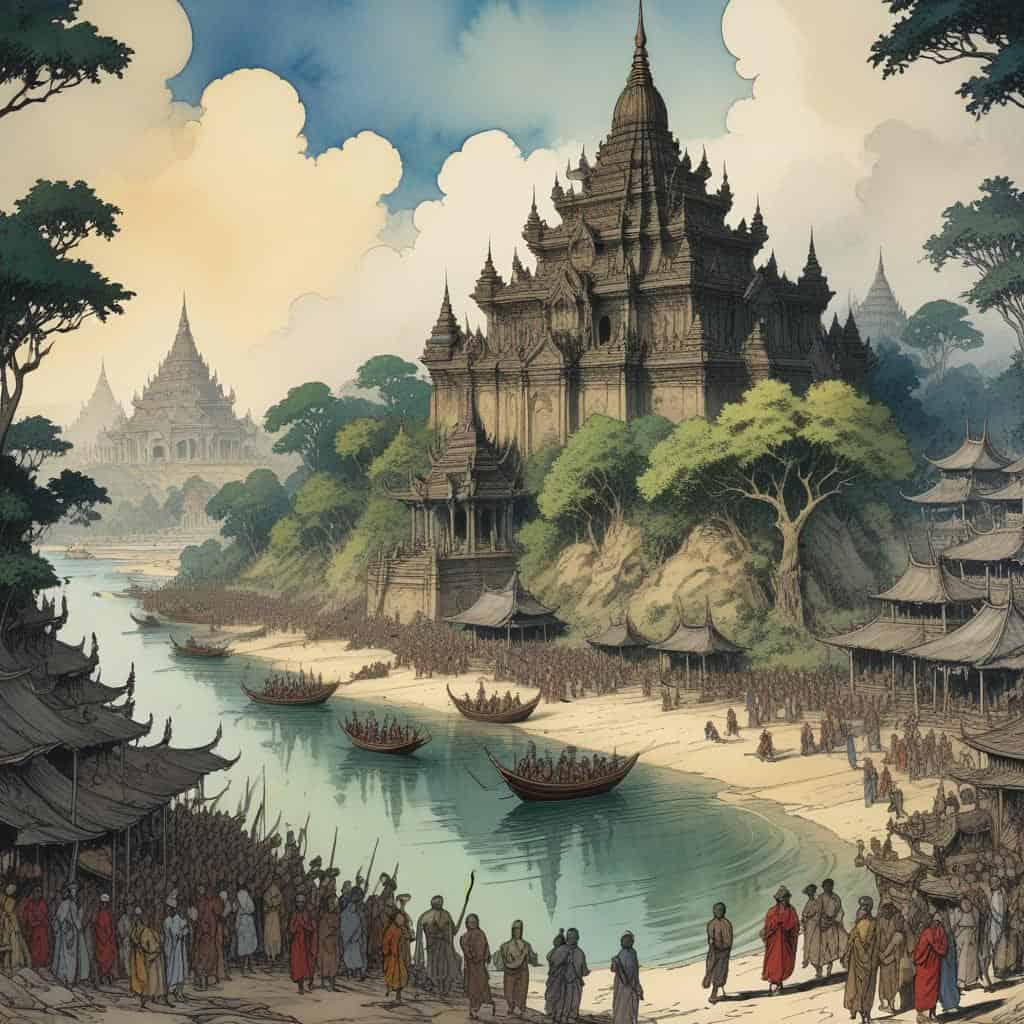
7. Tourism Boom
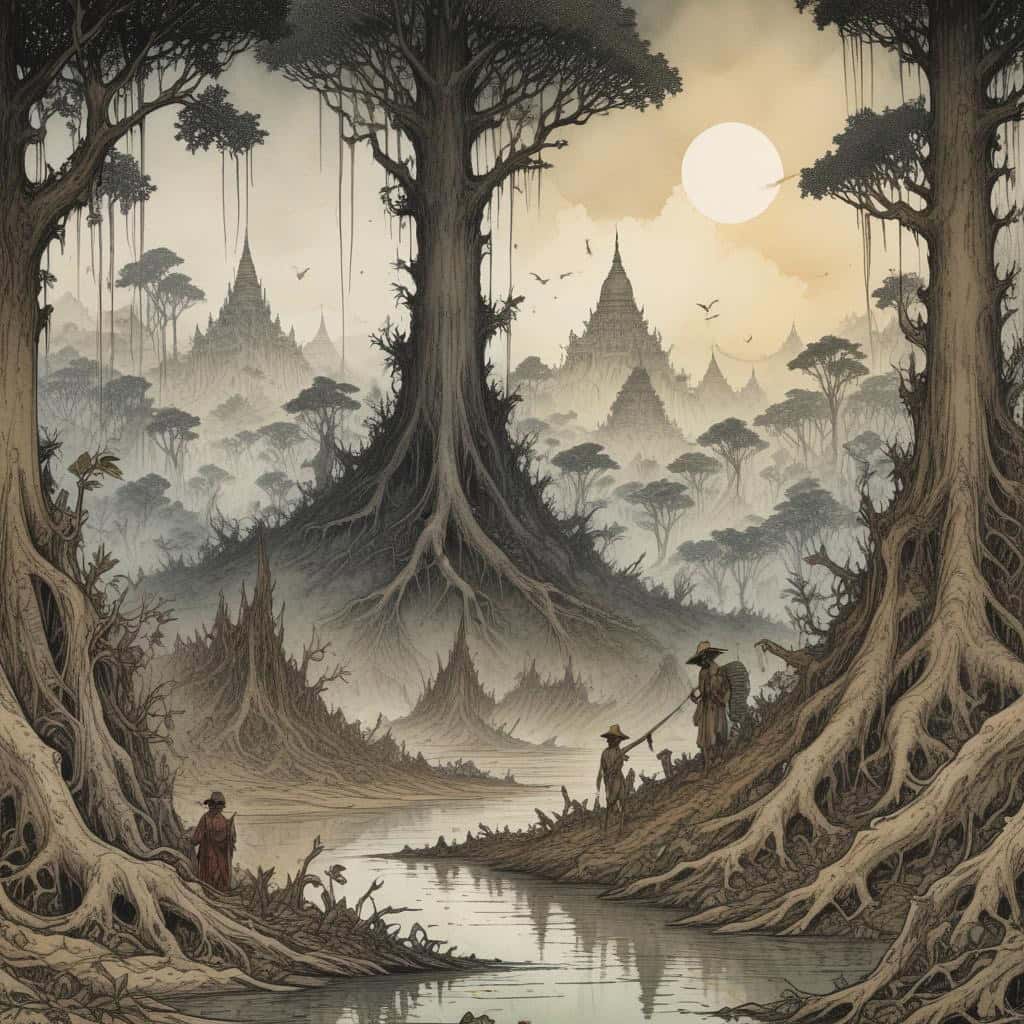
8. Environmental Challenges
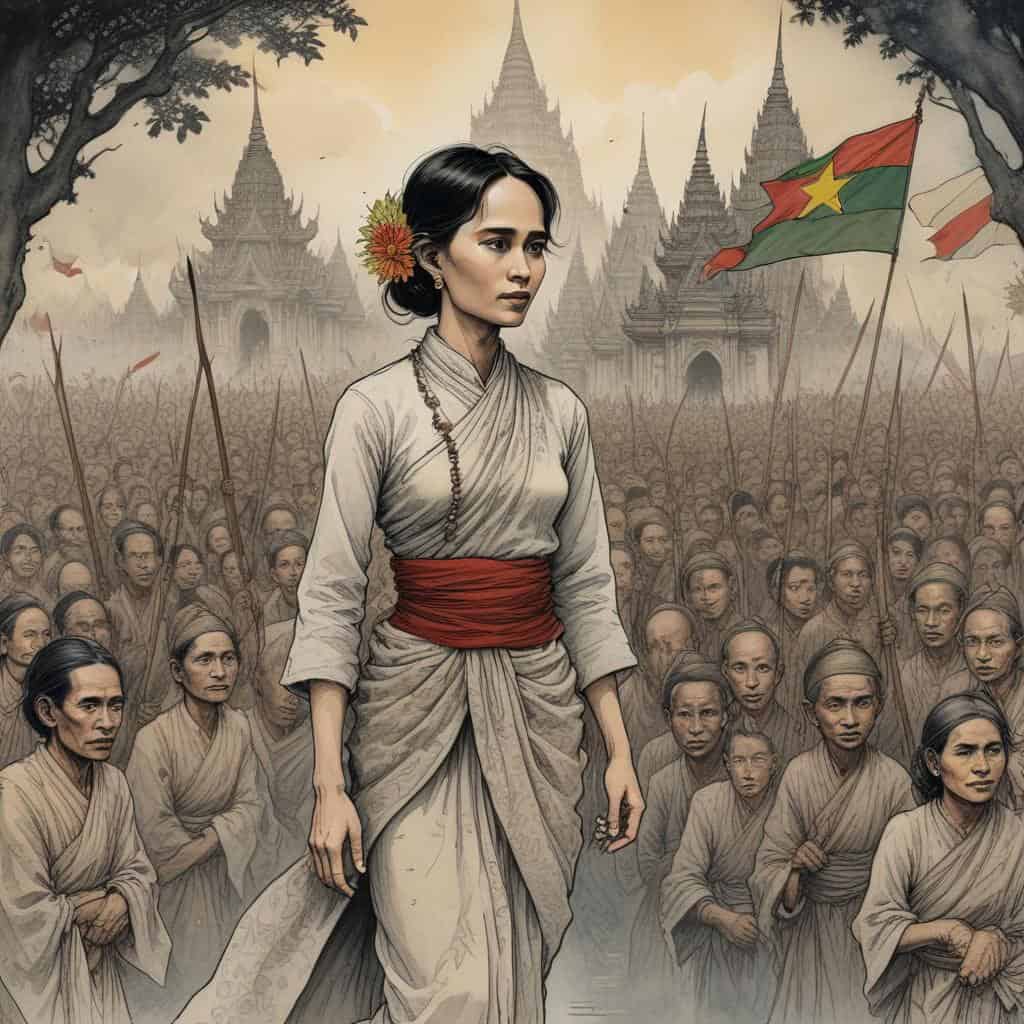
9. Political Transition
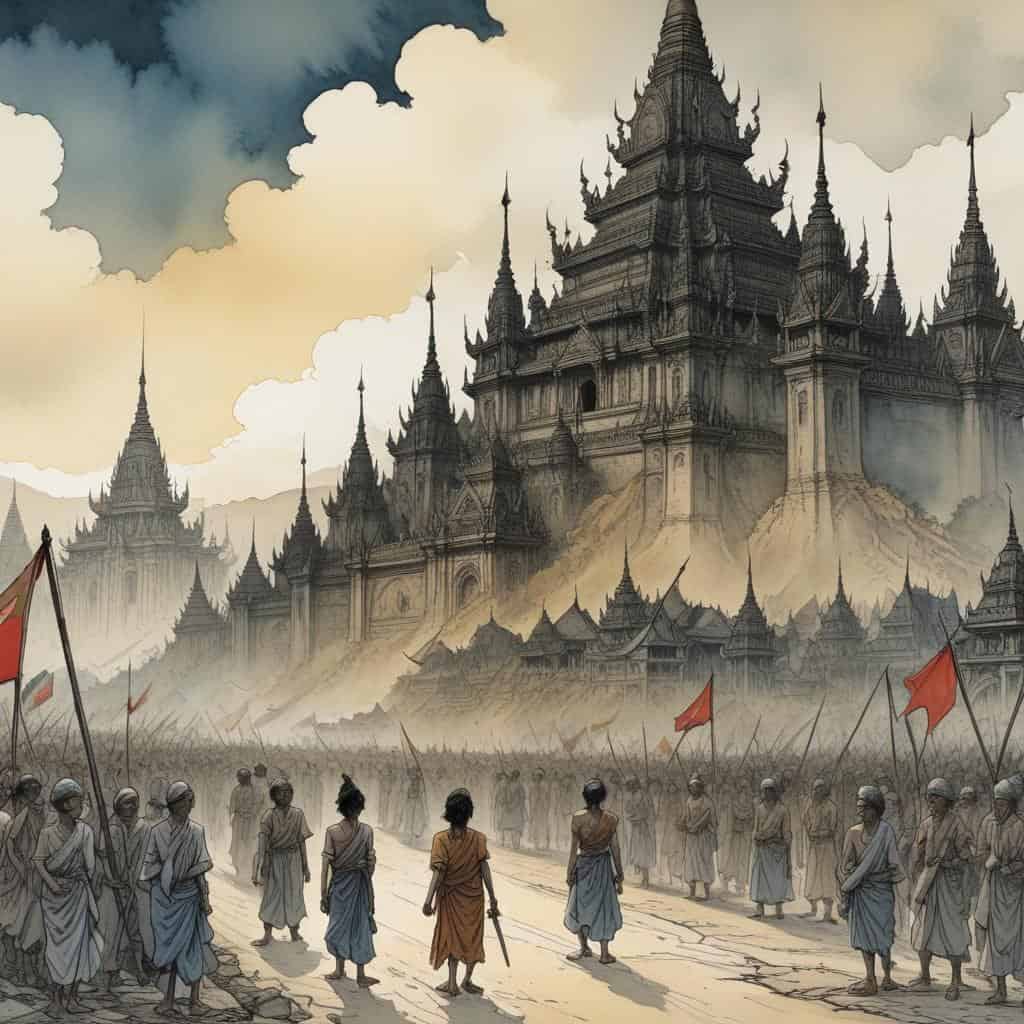
10. Future Prospects
Audio Library
As one of our featured lessons, this topic includes premium audio guides.
Unlock the Wizard's Cram Session
This powerful audio study guide is a Pro-exclusive feature. Upgrade to Memory Wizards Pro to access this and all of our premium learning tools.
Upgrade to ProIn a Nutshell
- Capital: Naypyidaw
- Population: Approx. 54 million (2021)
- Official Language: Burmese
- Currency: Burmese kyat (MMK)
Breaking Down the Country
No composition analysis points available.
Timeline of Myanmar
1044 - Founding of the city of Bagan
1287 - Mongol invasion leads to fall of Bagan
1364 - Founding of the Ava Kingdom
1531 - Portuguese establish first trading post in Myanmar
1752 - Konbaung Dynasty comes to power
1824-1826 - First Anglo-Burmese War
1852 - Second Anglo-Burmese War; British annex Lower Burma
1885 - Third Anglo-Burmese War; British annex Upper Burma
1937 - Burma separated from India and made a separate colony
1942-1945 - Japanese occupation during World War II
1947 - Burma gains independence from British rule
1962 - Military coup led by General Ne Win
1974 - Socialist government under Ne Win nationalizes economy
1988 - Mass pro-democracy protests; military cracks down
1990 - General elections won by opposition party, but military refuses to hand over power
1991 - Aung San Suu Kyi awarded Nobel Peace Prize
2008 - Cyclone Nargis devastates Myanmar
2011 - Thein Sein becomes president, beginning political reforms
2015 - Historic general elections won by Aung San Suu Kyi's party
2021 - Military coup, overthrowing civilian government
Vocabulary List
- Bamboo
- A type of plant that grows in tropical and subtropical regions and is used for various purposes, such as building materials and furniture
- Monastery
- A building or collection of buildings where monks or nuns live and practice their religious beliefs
- Pagoda
- A Buddhist temple, typically with multiple tiers and adorned with ornate decorations
- Paddy
- A flooded field used for the cultivation of rice
- Betel
- A leaf from a betel plant, often chewed with areca nut and other ingredients as a mild stimulant
- Thanaka
- A yellowish-white paste made from ground bark, used as a cosmetic and sunblock in Myanmar
- Longyi
- A traditional garment worn by both men and women in Myanmar, similar to a sarong
- Stupa
- A dome-shaped structure typically found in Buddhist architecture, containing relics or representing important Buddhist symbols
- Chinlone
- A traditional sport in Myanmar that involves a team of players keeping a woven rattan ball in the air using only their feet and knees
- Lacquerware
- Decorative objects made from layers of lacquer, often adorned with intricate designs, commonly produced in Myanmar
- Chant
- To repeat or sing a series of words or sounds in a rhythmic and melodic manner, often as part of a religious practice
- Elephant
- A large mammal with a long trunk, tusks, and a massive body, native to Myanmar and revered in its culture
- Saffron
- A spice derived from the flower of the saffron crocus, often used for flavoring and coloring in Myanmar cuisine
- Teak
- A type of hardwood tree commonly found in Myanmar, known for its durability and used in furniture and shipbuilding
- Buddha
- The founder of Buddhism, Siddhartha Gautama, who achieved enlightenment and is revered as a spiritual teacher and symbol of peace
- Marionette
- A puppet controlled by strings or wires, often used in traditional Myanmar puppetry shows
- Thanaka
- A yellowish-white paste made from ground bark, used as a cosmetic and sunblock in Myanmar
- Chinlon
- A traditional sport in Myanmar that involves a team of players keeping a woven rattan ball in the air using only their feet and knees
- Lacquerware
- Decorative objects made from layers of lacquer, often adorned with intricate designs, commonly produced in Myanmar
- Chant
- To repeat or sing a series of words or sounds in a rhythmic and melodic manner, often as part of a religious practice
Key Facts
This is the information used in the fact matching game
- Myanmar is a country located in Southeast Asia
- It is bordered by Bangladesh, India, China, Laos, and Thailand
- The official name of Myanmar is the Republic of the Union of Myanmar
- The country was formerly known as Burma
- Naypyidaw is the capital city of Myanmar
- The largest city in Myanmar is Yangon
- Myanmar has a population of over 54 million people
- The official language is Burmese
- Myanmar gained independence from the British Empire in 1948
- The country has a rich cultural heritage influenced by Buddhism
- Myanmar is home to numerous ethnic groups, including the Bamar, Shan, Karen, and Rakhine
- The currency of Myanmar is the Burmese kyat
- The country has a tropical monsoon climate
- Myanmar is known for its diverse landscapes, including mountains, rivers, and beaches
- The Shwedagon Pagoda in Yangon is one of the most sacred Buddhist sites in Myanmar
- The country has a significant archaeological site called Bagan, known for its ancient temples and pagodas
- Myanmar has faced political unrest and military rule in its recent history
- Aung San Suu Kyi, a Nobel Peace Prize laureate, played a crucial role in Myanmar's democratic transition
- The traditional cuisine of Myanmar is diverse and includes dishes like Mohinga, a popular fish noodle soup
- The country has a rich tradition of arts and crafts, including lacquerware and weaving
- Myanmar is a popular tourist destination known for its natural beauty and cultural heritage.
Why It Matters
Geopolitical Significance
Myanmar holds a crucial position in Southeast Asia, sharing borders with India, China, Thailand, and Bangladesh. Its location along key shipping routes in the Indian Ocean and Strait of Malacca gives it strategic importance in regional trade and security.
Historical Importance
Myanmar has a rich history dating back to ancient civilizations like the Pyu and Bagan kingdoms. It was an important center of Buddhist culture and learning, with iconic landmarks like the Shwedagon Pagoda. The country’s colonial past and struggle for independence have shaped its identity.
Modern-Day Role
Today, Myanmar is transitioning to democracy after decades of military rule. It faces challenges related to ethnic conflicts, human rights abuses, and economic development. Its political decisions and international relations have global implications, particularly in terms of human rights and regional stability.
Myanmar Games


Take Your Learning Offline
Want a convenient, print-ready study guide for this lesson? Become a Memory Wizards Pro member to unlock the downloadable " Memory Scrolls" for this topic and our entire library!
- ✓ Complete Vocabulary Lists
- ✓ Key Facts & Timelines
- ✓ Beautifully Formatted for Print & Mobile