
How Do You Learn Best?
Learn by Listening
Start with the 3-minute audio summary to get the key facts and narrative highlights quickly.
Learn by Reading
Immerse yourself in the 10-minute visual lesson for a comprehensive understanding of the topic.
Learn by Reviewing
Jump directly to the key facts, timeline, and vocabulary lists to build a solid foundation of details.
Learn by Doing
Challenge yourself! Jump straight into the interactive games to learn by trial, error, and discovery.
Iraq in 10 Minutes
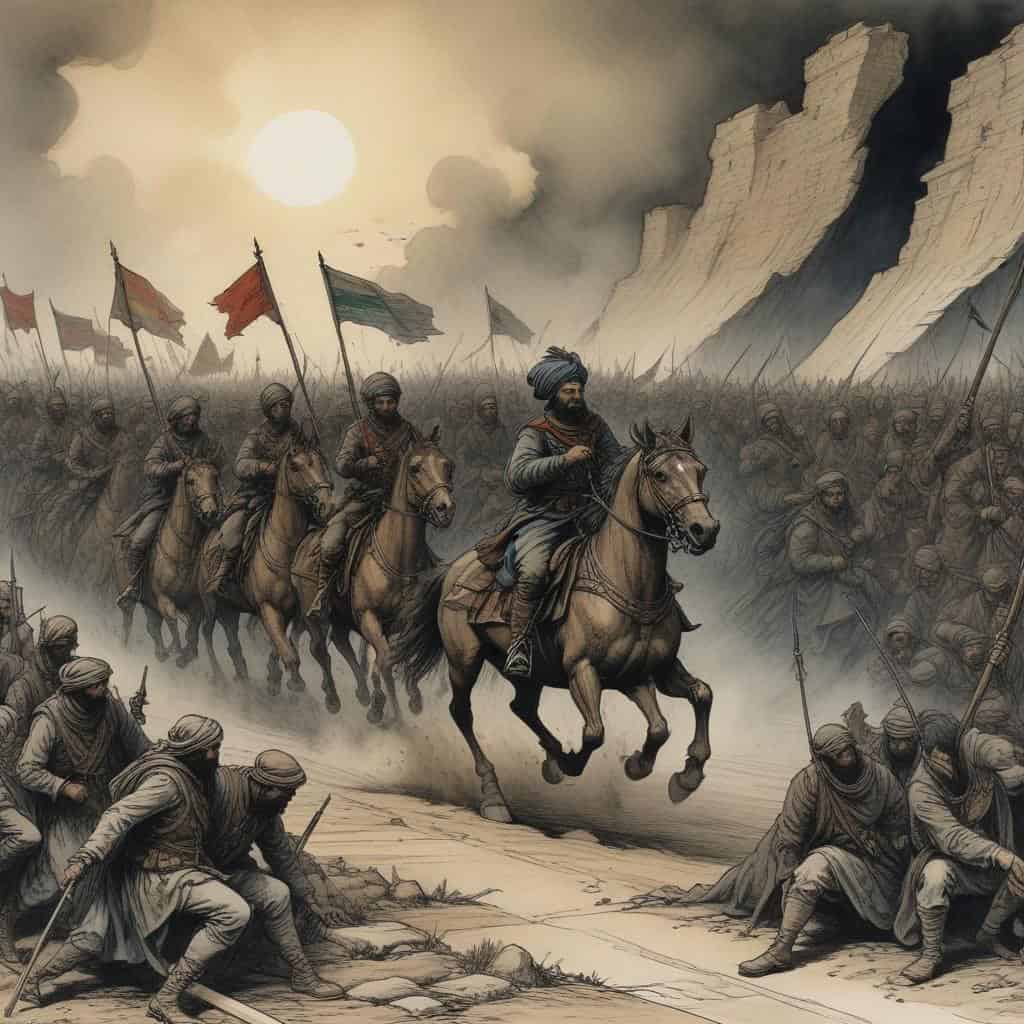
Introduction
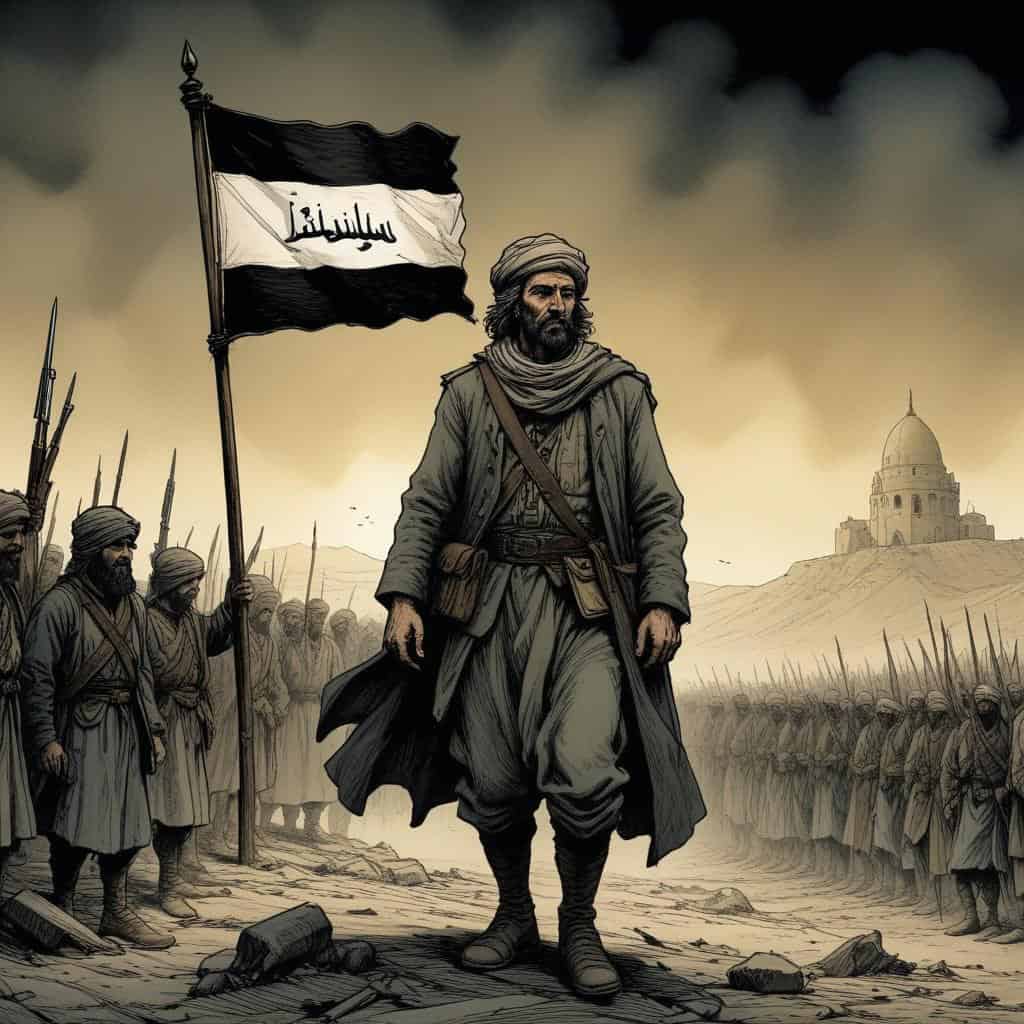
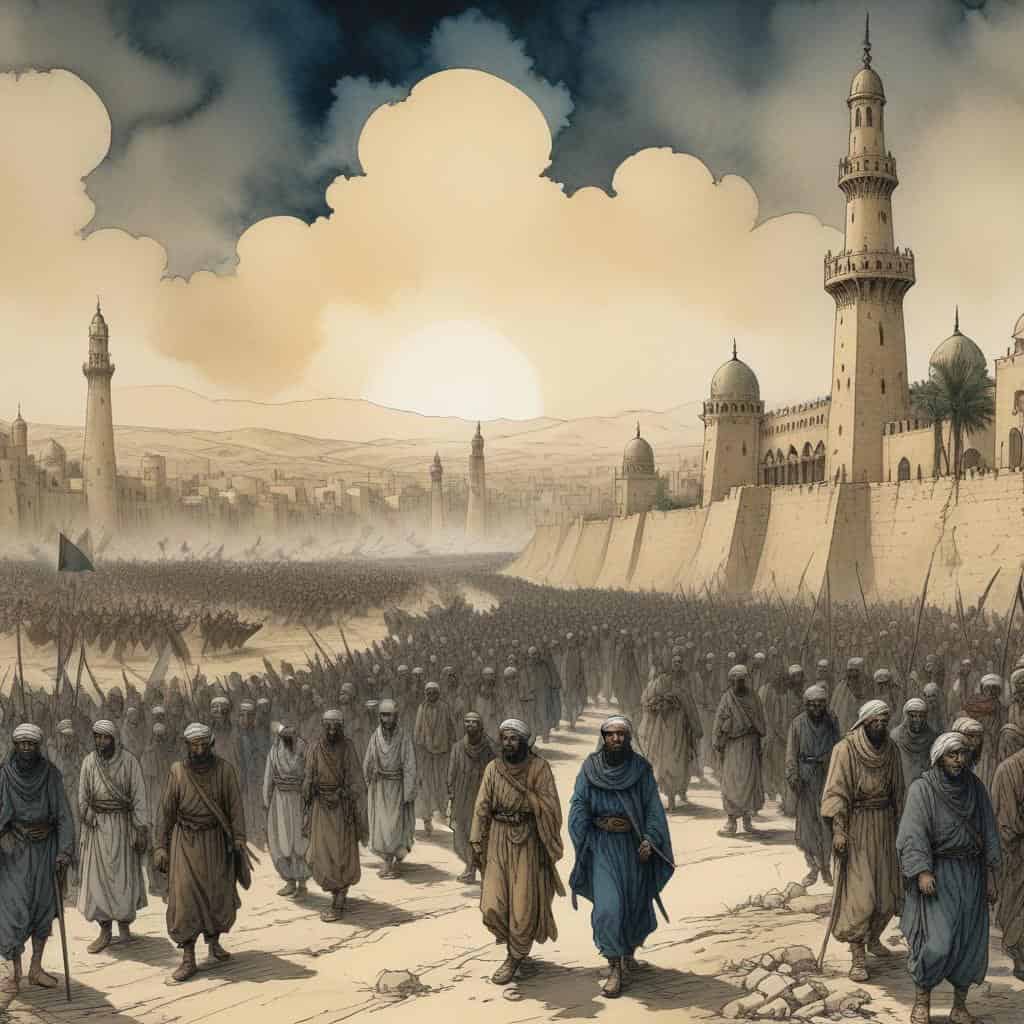
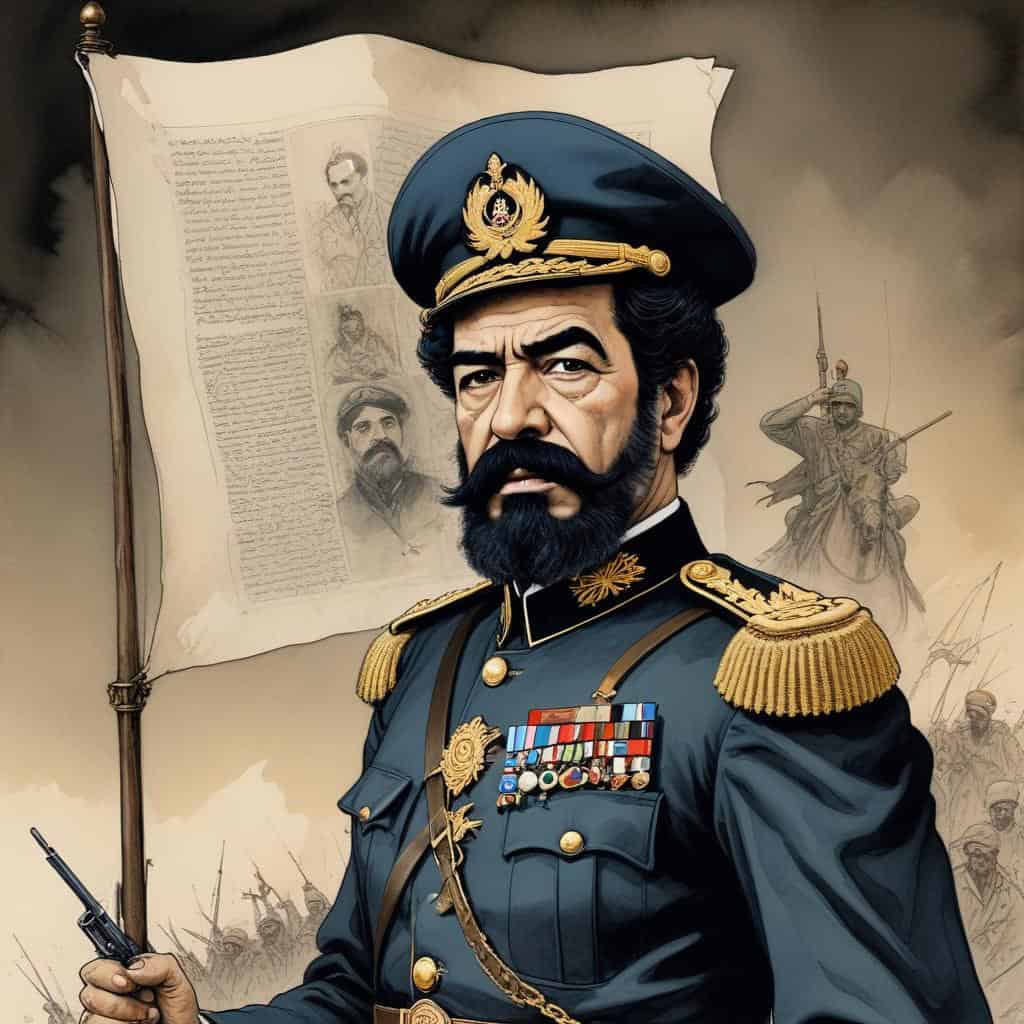
Saddam Hussein
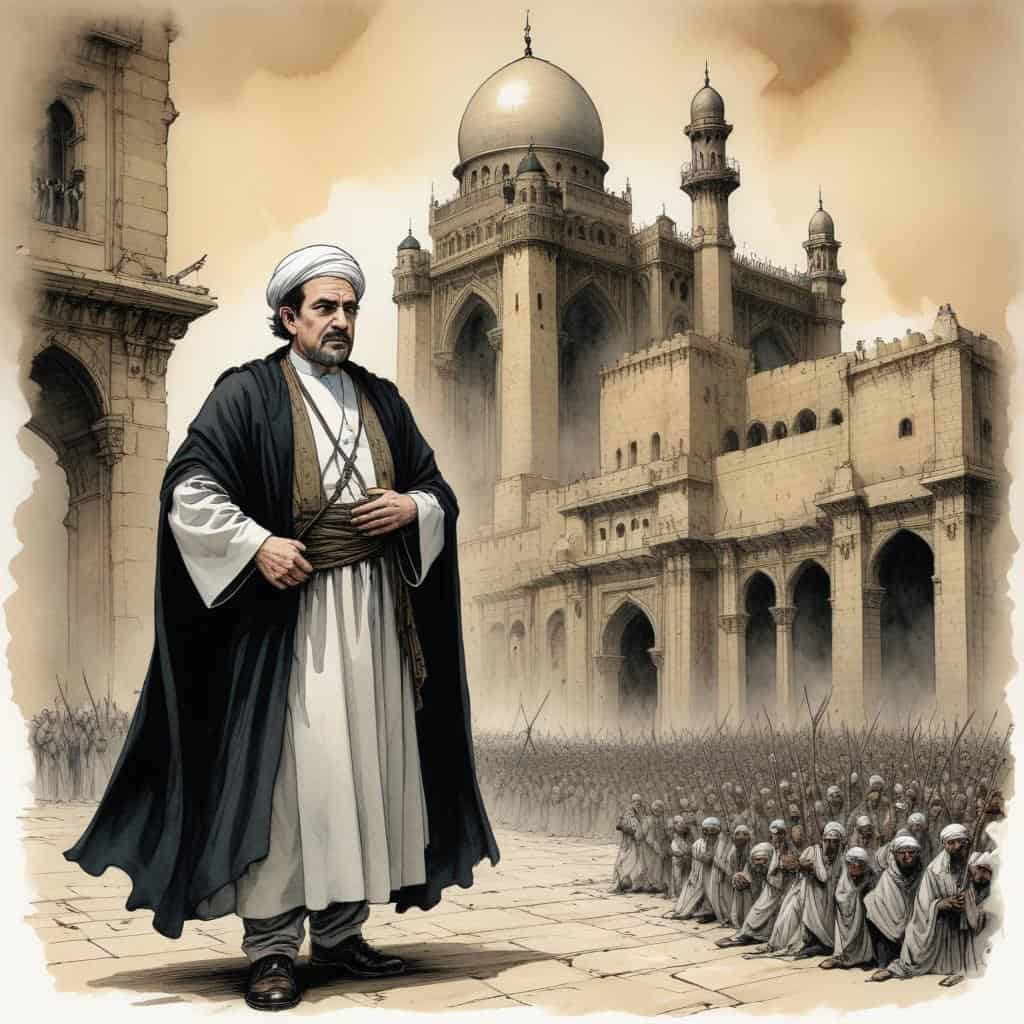
Nouri al-Maliki
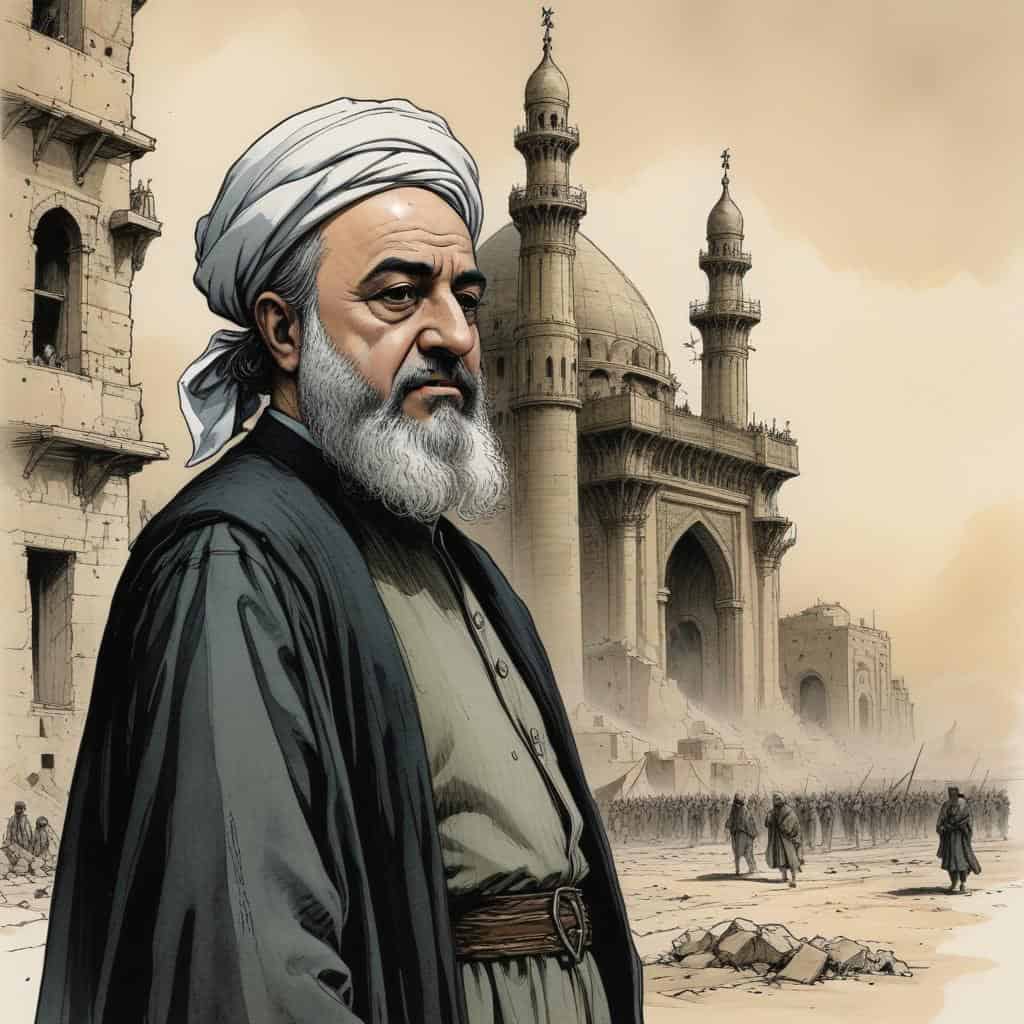
Haider al-Abadi
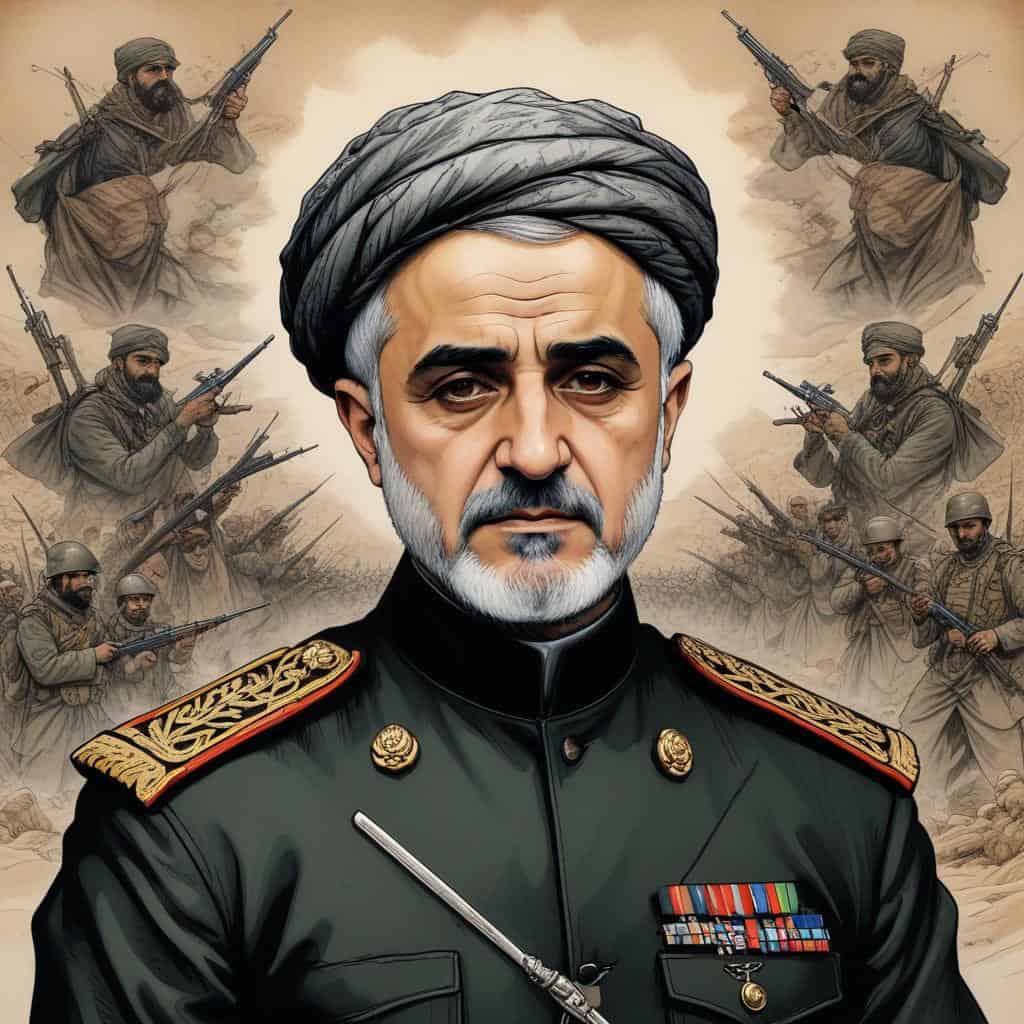
Qasem Soleimani
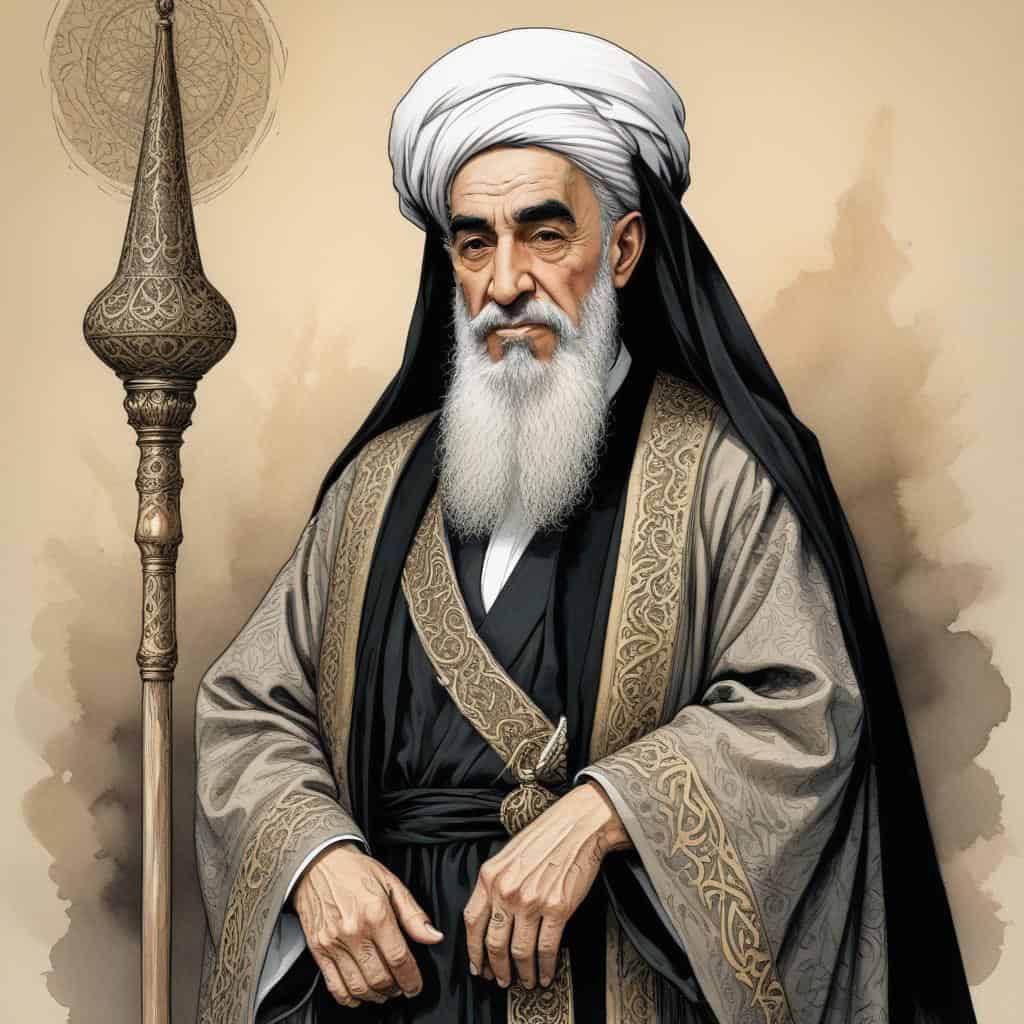
Grand Ayatollah Ali al-Sistani
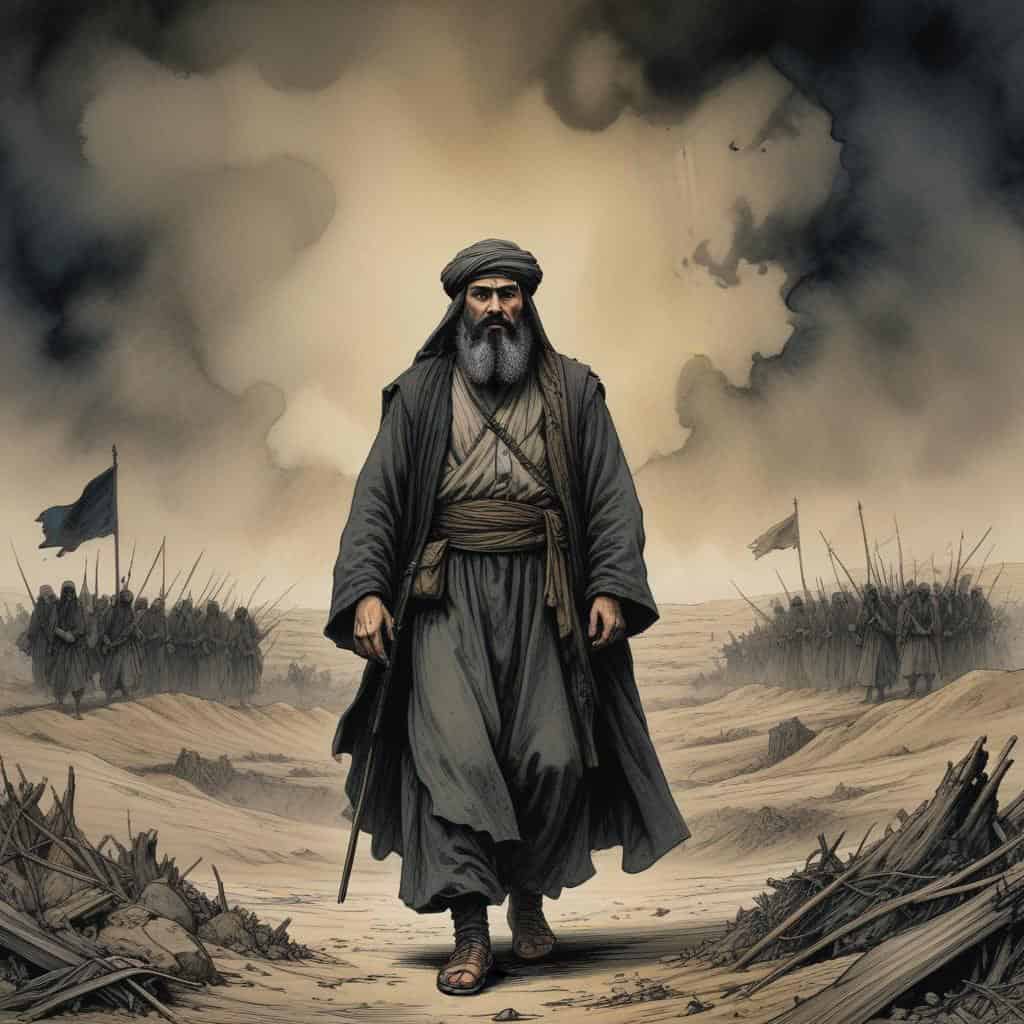
Abu Bakr al-Baghdadi
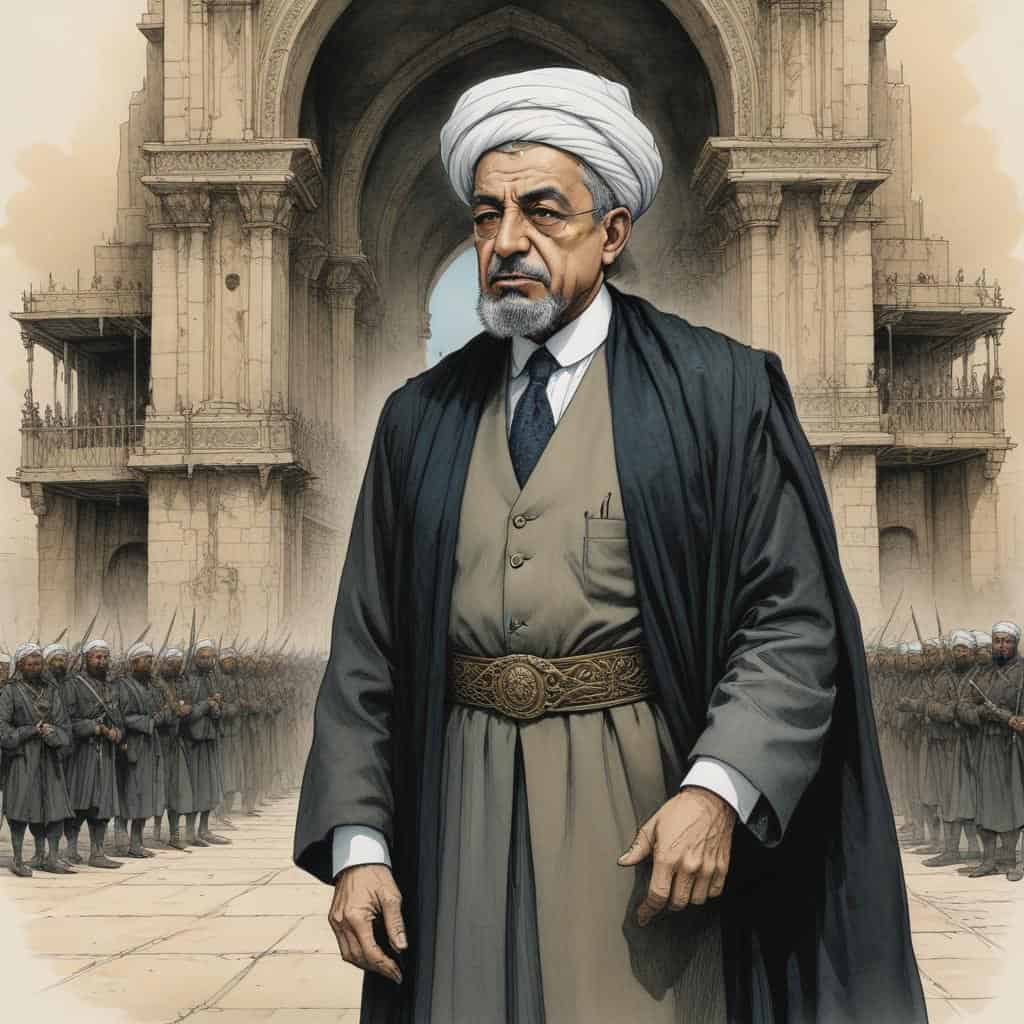
Mustafa al-Kadhimi
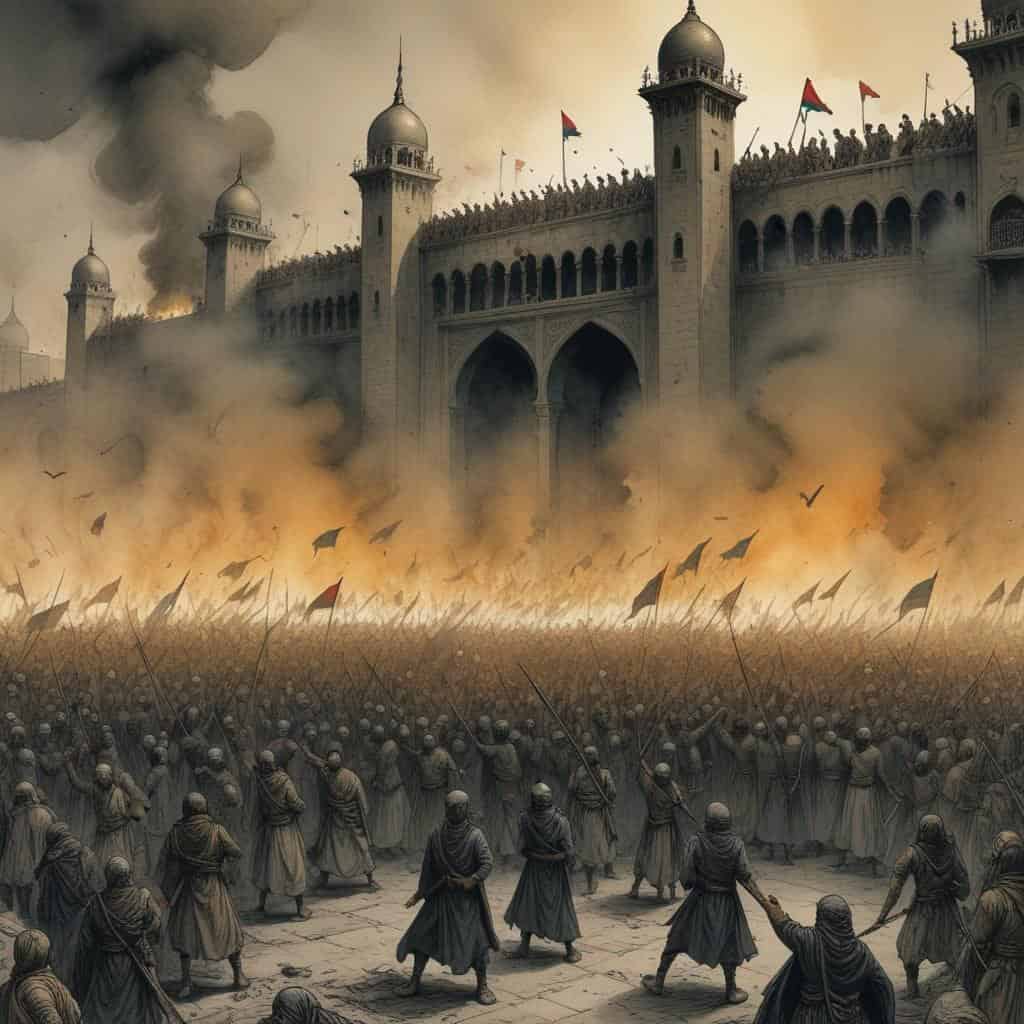
1. Protests Erupt in Baghdad
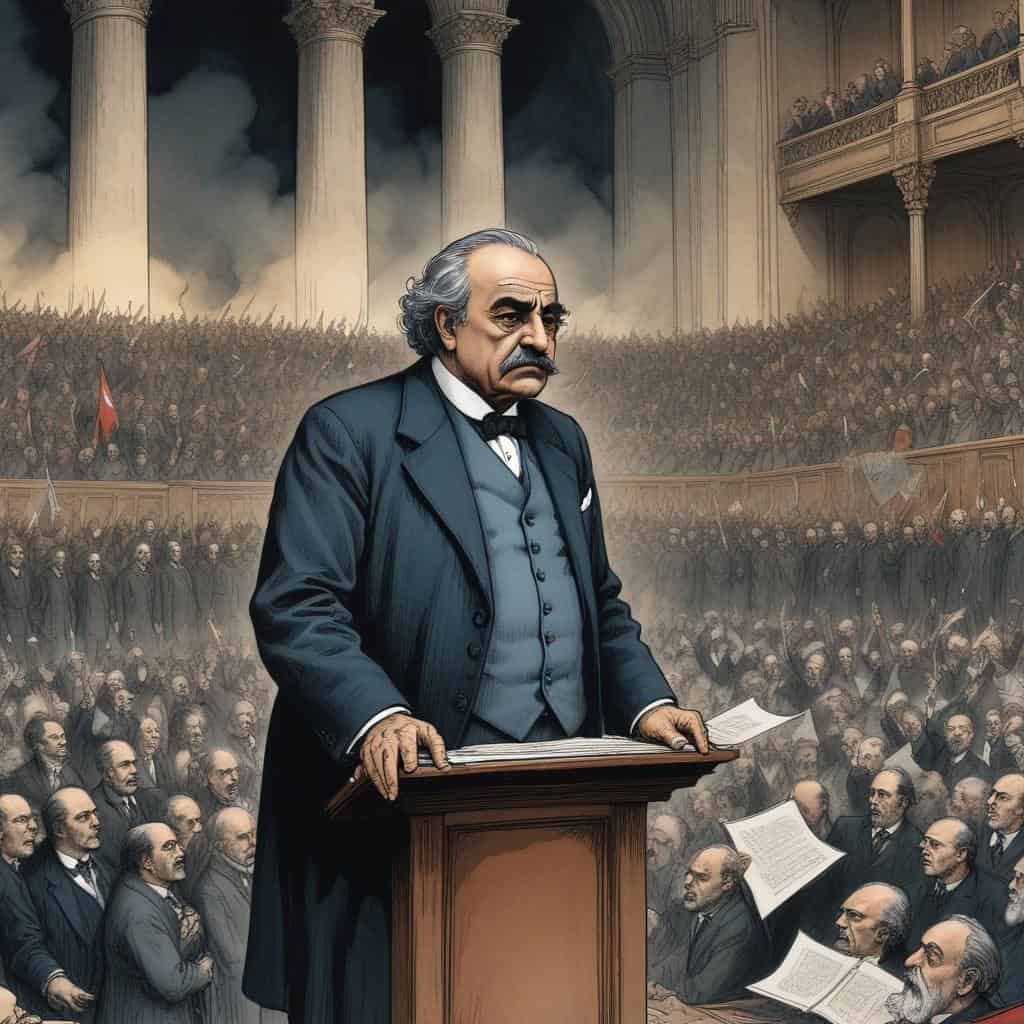
2. Prime Minister Adel Abdul Mahdi Resigns
3. New Prime Minister Mustafa al-Kadhimi Takes Office
4. Iraq Battles COVID-19 Pandemic
5. US-Iran Tensions Escalate in Iraq
6. ISIS Resurgence in Iraq
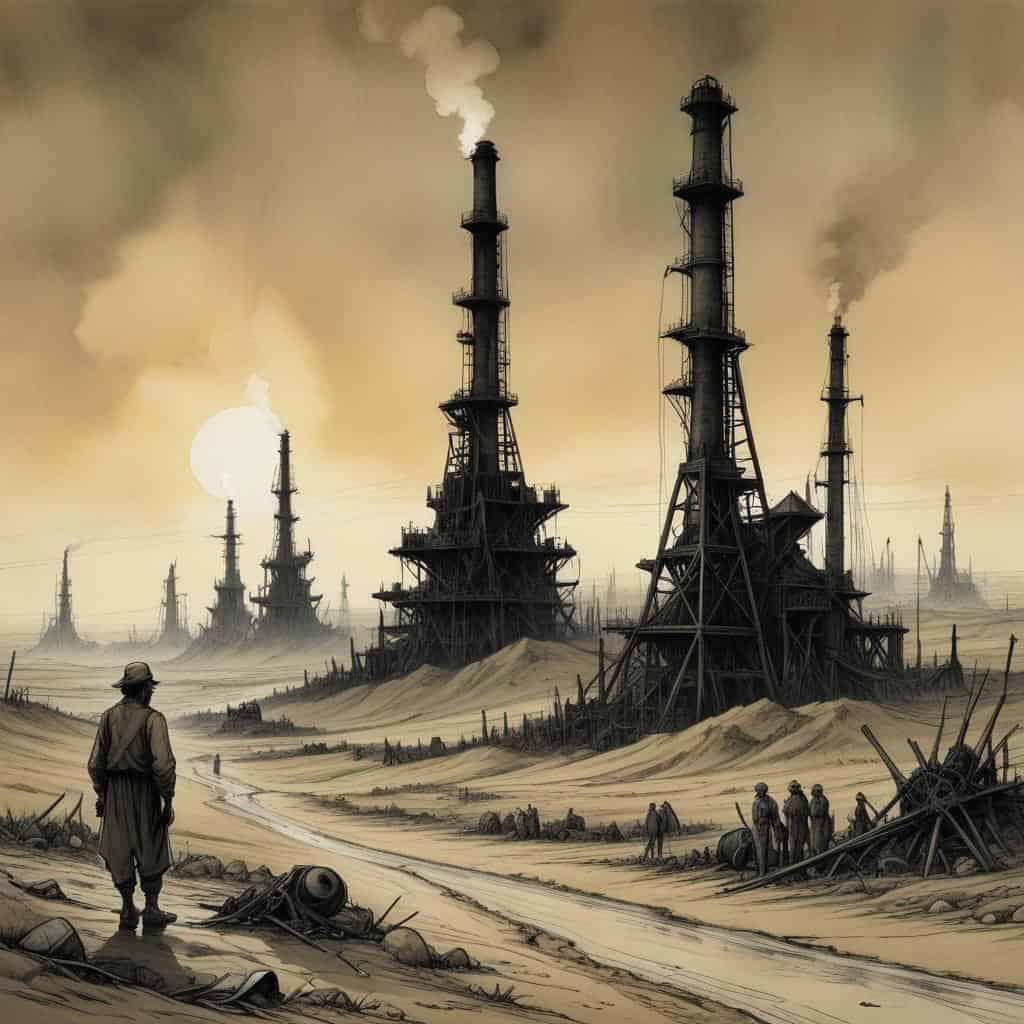
7. Economic Challenges in Iraq
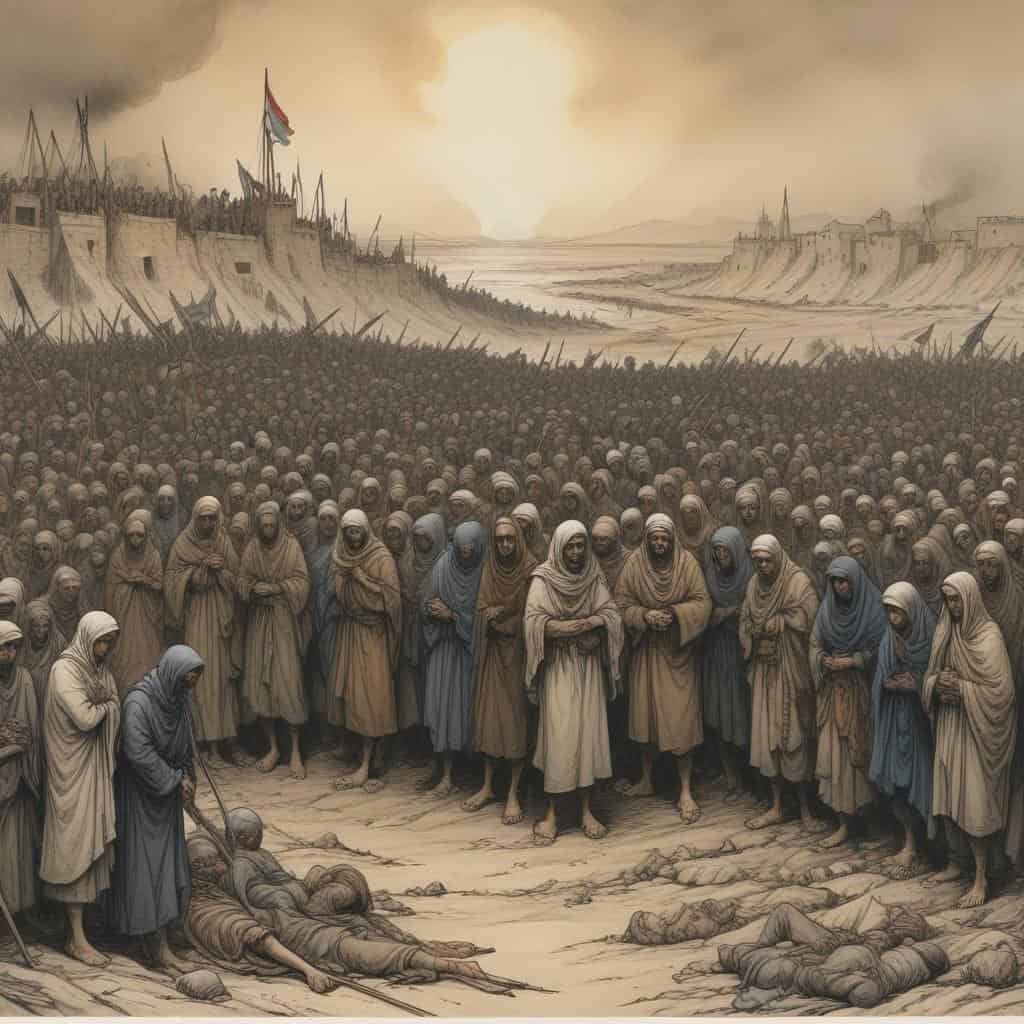
8. Humanitarian Crisis in Iraq
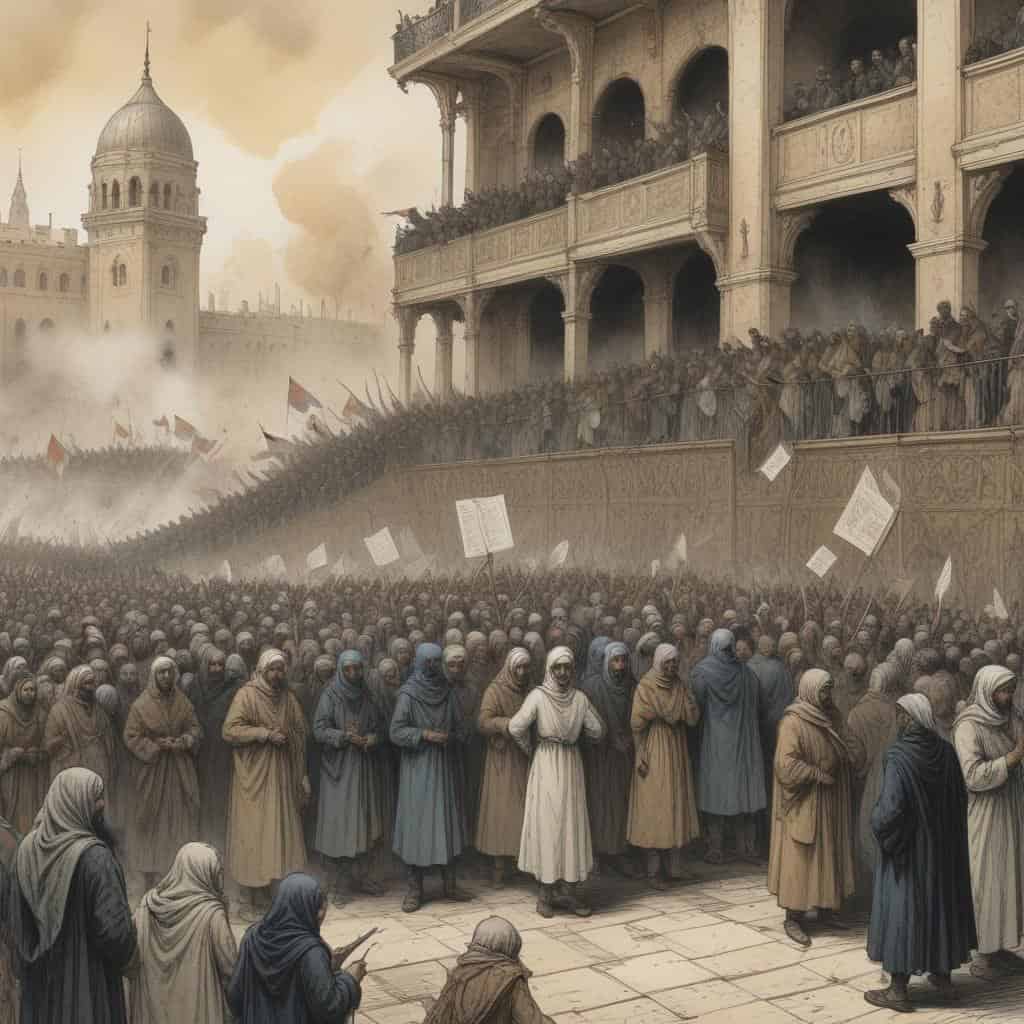
9. Parliamentary Elections in Iraq
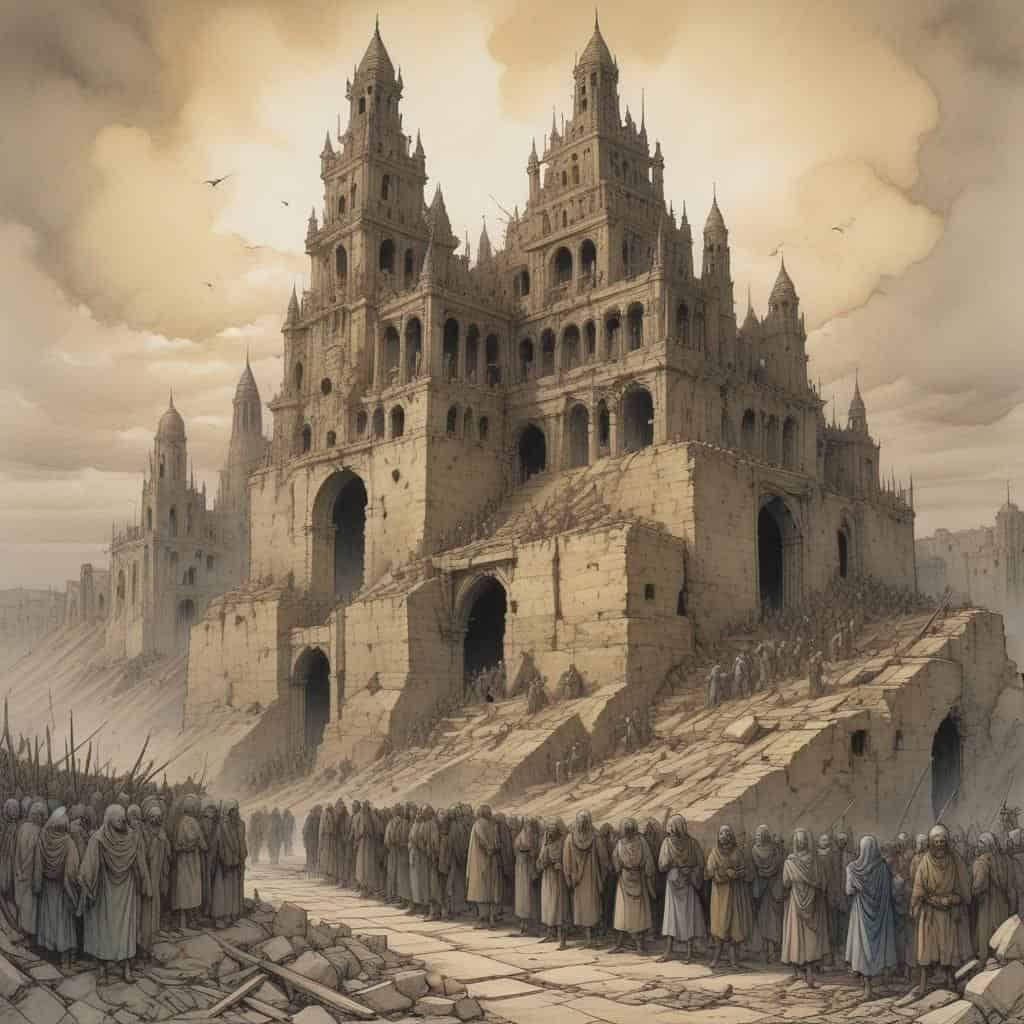
10. Challenges and Hopes for the Future of Iraq
Audio Library
As one of our featured lessons, this topic includes premium audio guides.
Unlock the Wizard's Cram Session
This powerful audio study guide is a Pro-exclusive feature. Upgrade to Memory Wizards Pro to access this and all of our premium learning tools.
Upgrade to ProIn a Nutshell
- Capital: Baghdad
- Population: Approx. 40 million (2021)
- Official Language: Arabic
- Currency: Iraqi Dinar (IQD)
Breaking Down the Country
No composition analysis points available.
Timeline of Iraq
Sumerians settle in Mesopotamia
Babylonian Empire is established
Assyrian Empire rises to power
Persian Empire conquers Mesopotamia
Alexander the Great captures Babylon
Parthian Empire gains control of Mesopotamia
Sasanian Empire becomes dominant
Arab Muslim conquest of Mesopotamia
Abbasid Caliphate moves capital to Baghdad
Mongol invasion and destruction of Baghdad
Ottoman Empire conquers Baghdad
British rule established in Iraq
Kingdom of Iraq gains independence
Ba'ath Party takes control and Saddam Hussein becomes president
Iran-Iraq War begins
First Gulf War (Operation Desert Storm)
Saddam Hussein ousted from power
US-led invasion of Iraq
Formation of ISIS
Battle of Mosul leads to ISIS defeat
Vocabulary List
- Saddam Hussein
- Former president of Iraq who ruled with an iron fist
- Baghdad
- Capital city of Iraq
- Mosul
- Second-largest city in Iraq
- Kurdistan
- Autonomous region in northern Iraq
- Sunni
- One of the two main branches of Islam practiced by the majority of Iraqis
- Shia
- One of the two main branches of Islam practiced by the minority of Iraqis
- Baath Party
- Former ruling political party in Iraq
- Gulf War
- Conflict between Iraq and a coalition of 35 nations led by the United States in 1990-1991
- ISIS
- Acronym for the Islamic State of Iraq and Syria, a terrorist group that emerged in Iraq in 2013
- Oil
- Iraq possesses significant oil reserves and is one of the world's largest oil producers
- Tigris River
- One of the two main rivers in Iraq, flowing through Baghdad
- Euphrates River
- One of the two main rivers in Iraq, flowing through southern Iraq
- Mesopotamia
- Historical region located in present-day Iraq, also known as the "cradle of civilization"
- Kuwait
- Country to the southeast of Iraq, invaded by Iraq in 1990
- Chemical Weapons
- Weapons that use chemicals to inflict harm, Iraq was accused of possessing and using them in the past
- Sectarian
- Relating to or involving different religious or political groups within a country, often used to describe conflicts in Iraq
- Insurgency
- An active revolt or uprising against an established government or authority, Iraq experienced waves of insurgency after the 2003 invasion
- Dictatorship
- A form of government in which absolute power is concentrated in a single leader, often characterized by oppression and lack of political freedom, Iraq was under a dictatorship during Saddam Hussein's regime
- Democracy
- A system of government in which power is vested in the people, Iraq transitioned to a democratic form of government after the fall of Saddam Hussein
- War-torn
- Describing a region or country that has been severely damaged by the effects of war, Iraq has been war-torn for many years.
Key Facts
This is the information used in the fact matching game
- 1. Iraq is located in the Middle East, bordered by six countries: Turkey, Iran, Kuwait, Saudi Arabia, Jordan, and Syria.
- 2. The capital city of Iraq is Baghdad, which is also its largest city.
- 3. Iraq has a rich history, being known as Mesopotamia, the "cradle of civilization," where the ancient Sumerian, Babylonian, and Assyrian empires thrived.
- 4. The official language of Iraq is Arabic, and Kurdish is also recognized as a regional language.
- 5. Islam is the predominant religion in Iraq, with the majority of the population being Muslim.
- 6. Iraq has a diverse ethnic makeup, with Arabs comprising the majority, followed by Kurds, Turkmen, Assyrians, and other smaller ethnic groups.
- 7. The Iraqi flag consists of three horizontal stripes of red, white, and black, with the Arabic words "Allahu Akbar" (God is the greatest) inscribed in green.
- 8. Oil is the primary natural resource in Iraq, and it holds the world's fifth-largest proven oil reserves.
- 9. The Tigris and Euphrates rivers flow through Iraq, providing vital water resources for irrigation and agriculture.
- 10. Iraq has a desert climate, characterized by hot summers and mild winters, with significant variations between different regions.
- 11. Saddam Hussein ruled Iraq as a dictator from 1979 to 2003 until he was overthrown by a US-led invasion.
- 12. The Iraq War, initiated in 2003, led to a period of instability and conflict, resulting in the eventual withdrawal of US troops in 2011.
- 13. The ancient city of Babylon, located in present-day Iraq, was one of the most important cultural and economic centers of the ancient world.
- 14. Iraq is home to several UNESCO World Heritage Sites, including the archaeological sites of Hatra, Samarra, and Ashur.
- 15. The Marsh Arabs, also known as the Ma'dan, have a unique way of life in the marshlands of southern Iraq, relying on the natural ecosystem for their livelihood.
- 16. Football (soccer) is the most popular sport in Iraq, and the national team has had success at the Asian Cup, winning in 2007.
- 17. The currency of Iraq is the Iraqi dinar (IQD).
- 18. The invasion of Iraq in 2003 led to the destruction of many cultural heritage sites and artifacts, including the looting of the National Museum of Iraq in Baghdad.
- 19. Iraq has faced significant challenges in recent years, including political instability, sectarian conflicts, and the rise of ISIS.
- 20. Despite its challenges, Iraq has a rich cultural heritage, with ancient archaeological sites, vibrant traditions, and a resilient population striving for stability and development.
Why It Matters
Geopolitical Significance
Located in the heart of the Middle East, Iraq’s strategic position has made it a key player in regional politics and conflicts. With borders touching Turkey, Iran, and Syria, Iraq’s stability and relationships with neighboring countries have significant implications for the balance of power in the region.
Historical Importance
Home to ancient civilizations like Mesopotamia, Iraq is considered the cradle of civilization. Its history includes the rise and fall of empires, the Islamic Golden Age, and the modern conflicts that have shaped the country. Understanding Iraq’s past is crucial to understanding the development of human society.
Modern-Day Role
As a major exporter of oil and a key player in the fight against terrorism, Iraq plays a critical role in global politics. Its efforts to rebuild after years of conflict and instability, as well as its relationship with neighboring Iran and the international community, have far-reaching implications for the Middle East and beyond.
Iraq Games


Take Your Learning Offline
Want a convenient, print-ready study guide for this lesson? Become a Memory Wizards Pro member to unlock the downloadable " Memory Scrolls" for this topic and our entire library!
- ✓ Complete Vocabulary Lists
- ✓ Key Facts & Timelines
- ✓ Beautifully Formatted for Print & Mobile