
How Do You Learn Best?
Learn by Listening
Start with the 3-minute audio summary to get the key facts and narrative highlights quickly.
Learn by Reading
Immerse yourself in the 10-minute visual lesson for a comprehensive understanding of the topic.
Learn by Reviewing
Jump directly to the key facts, timeline, and vocabulary lists to build a solid foundation of details.
Learn by Doing
Challenge yourself! Jump straight into the interactive games to learn by trial, error, and discovery.
Liberia in 10 Minutes
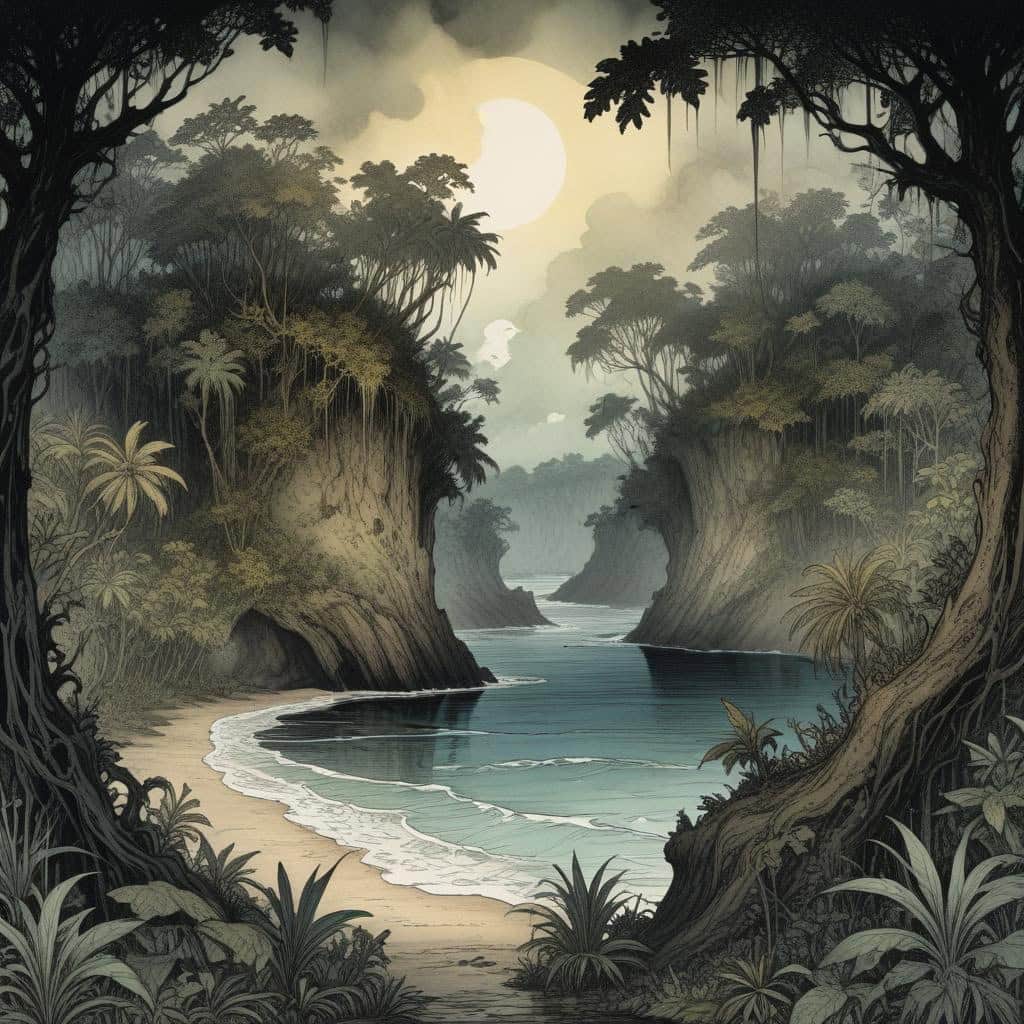
Introduction
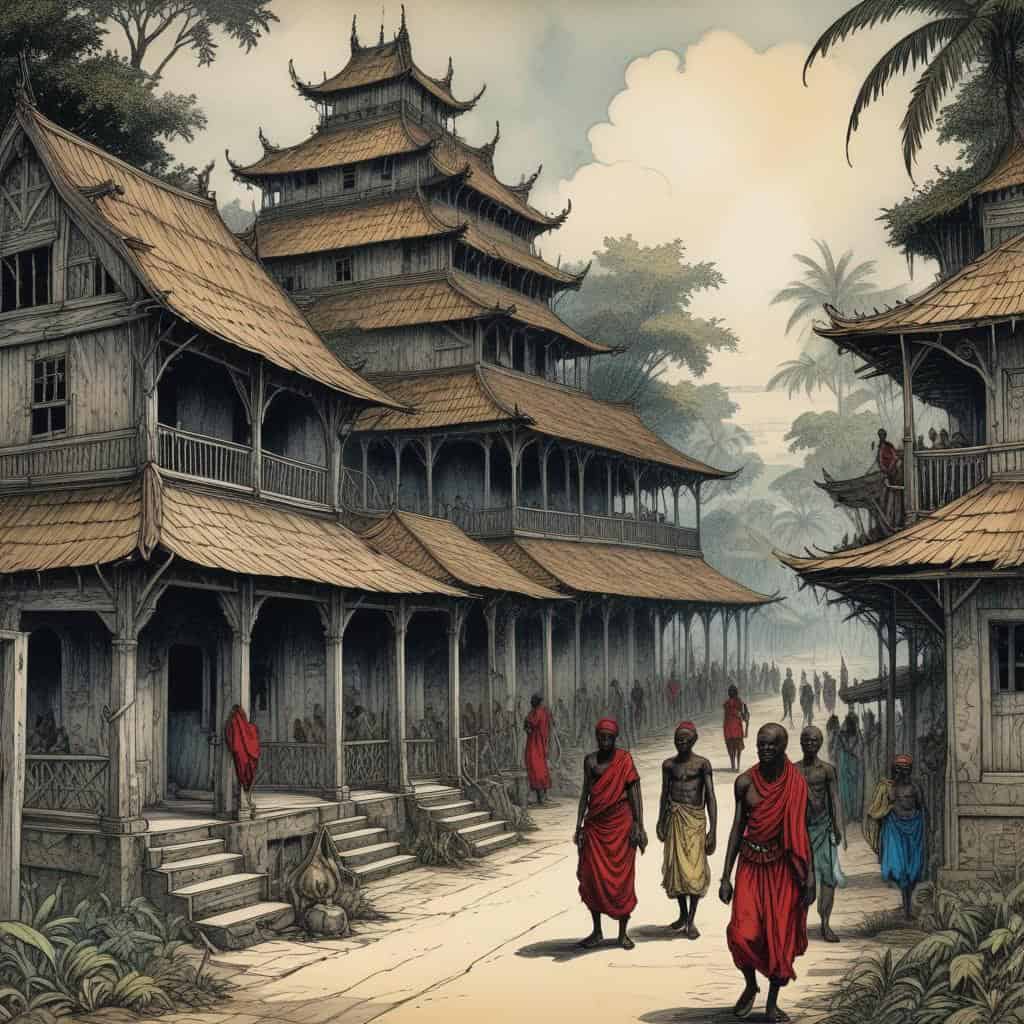


1. Ellen Johnson Sirleaf
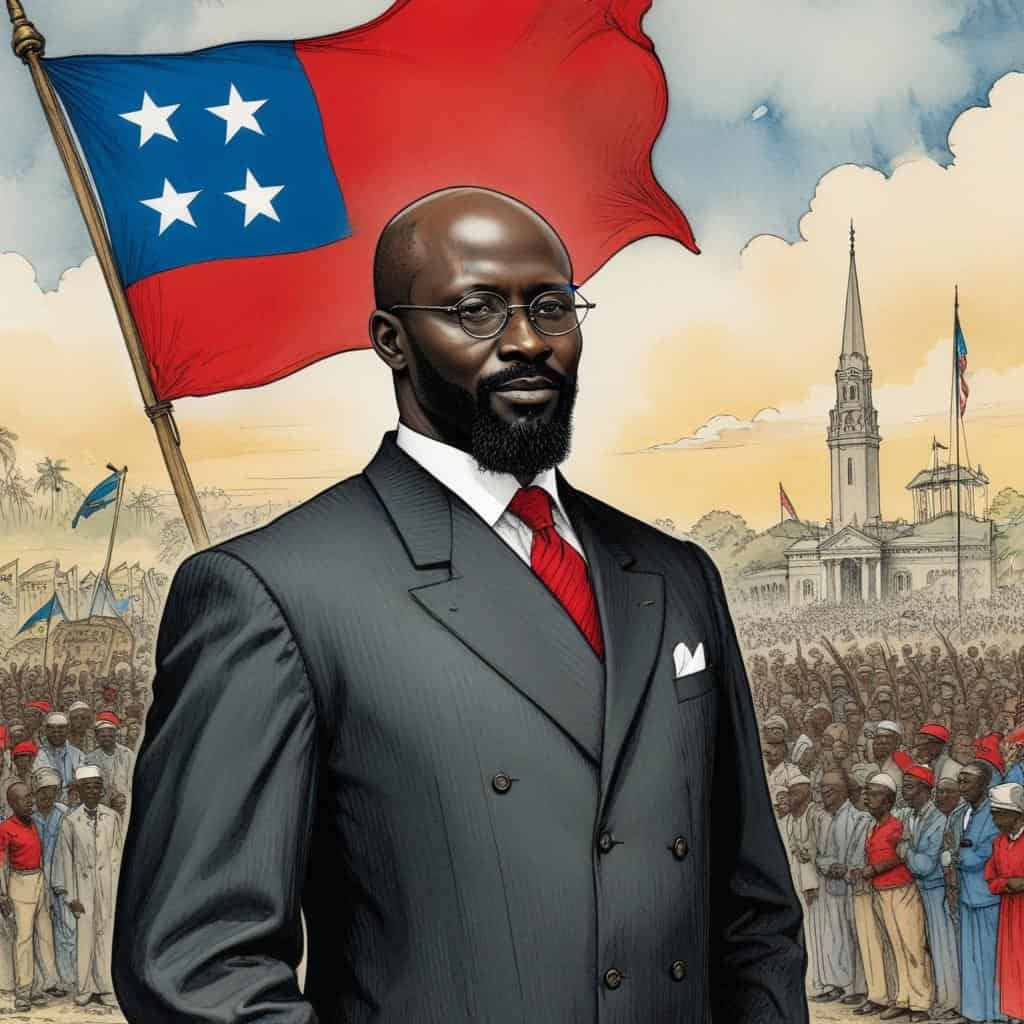
2. George Weah
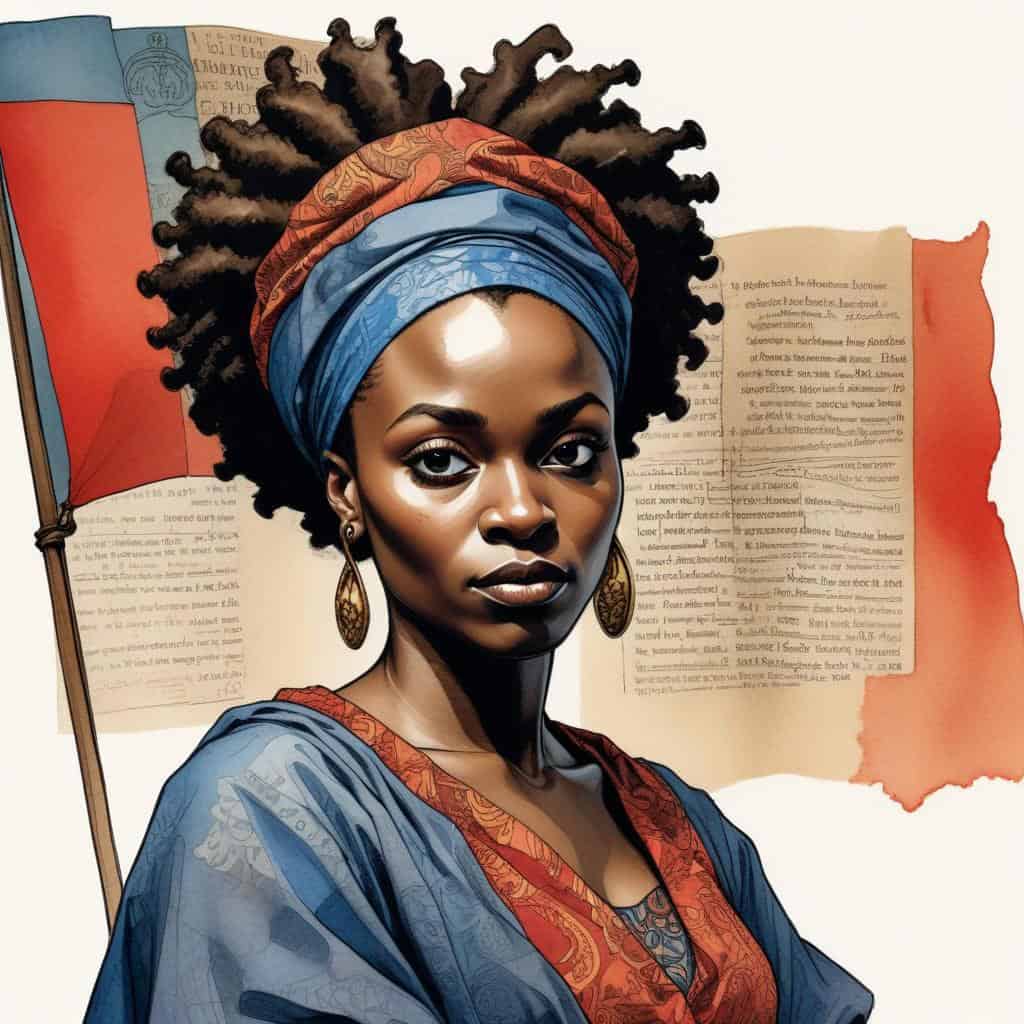
3. Chimamanda Ngozi Adichie
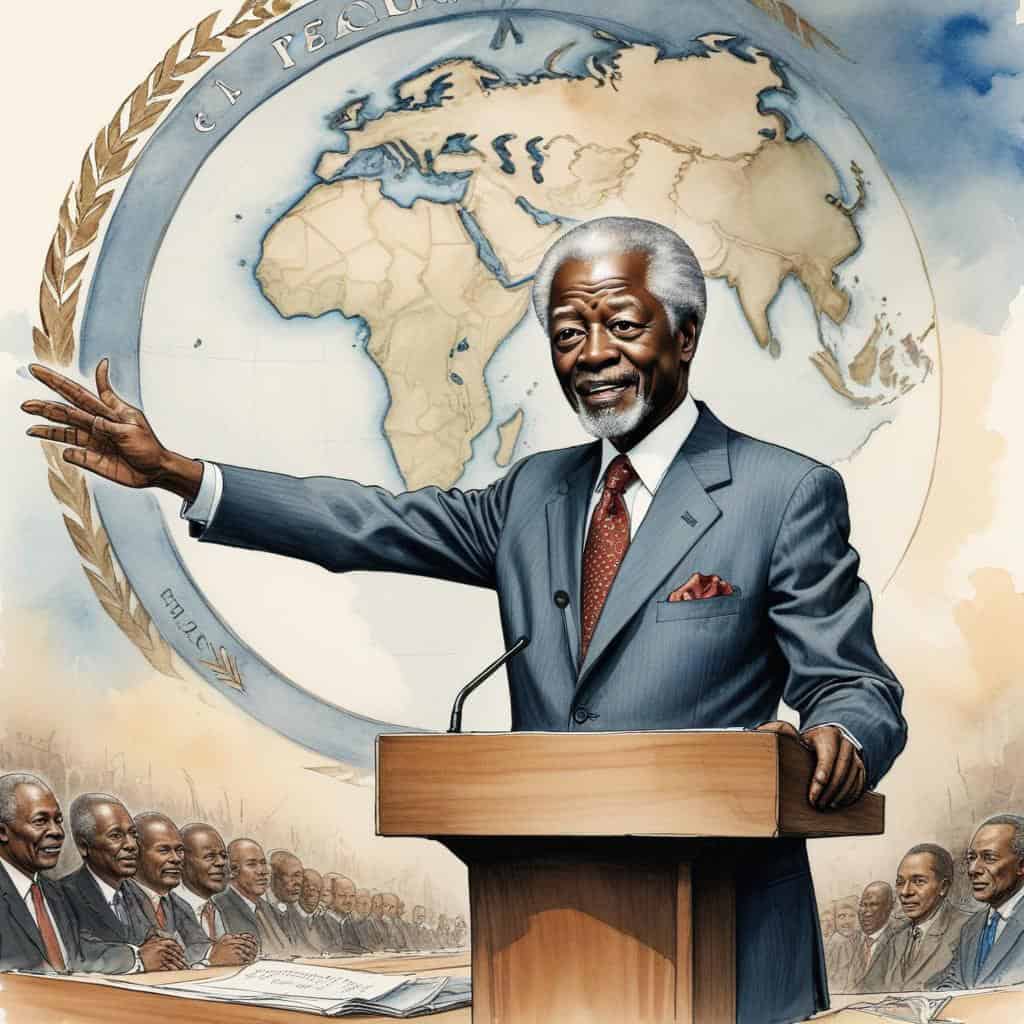
4. Kofi Annan
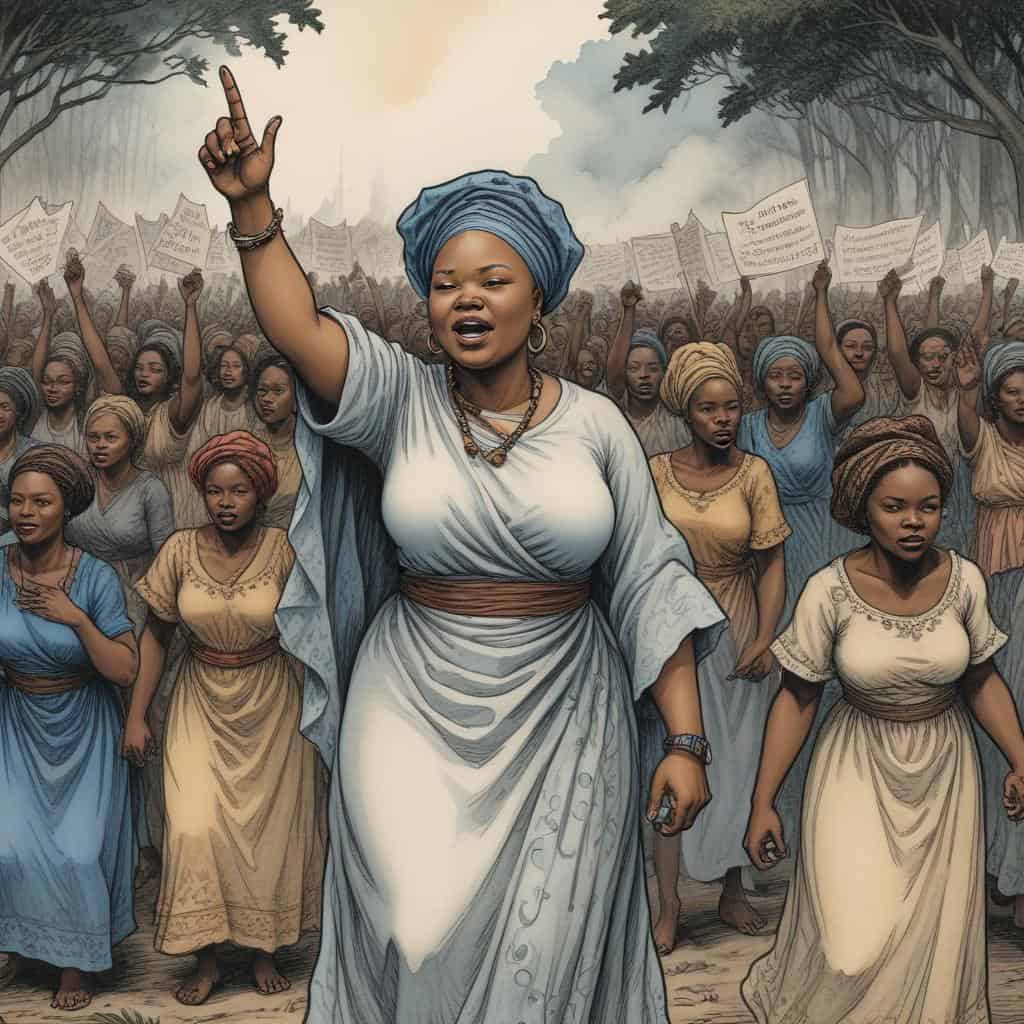
5. Leymah Gbowee
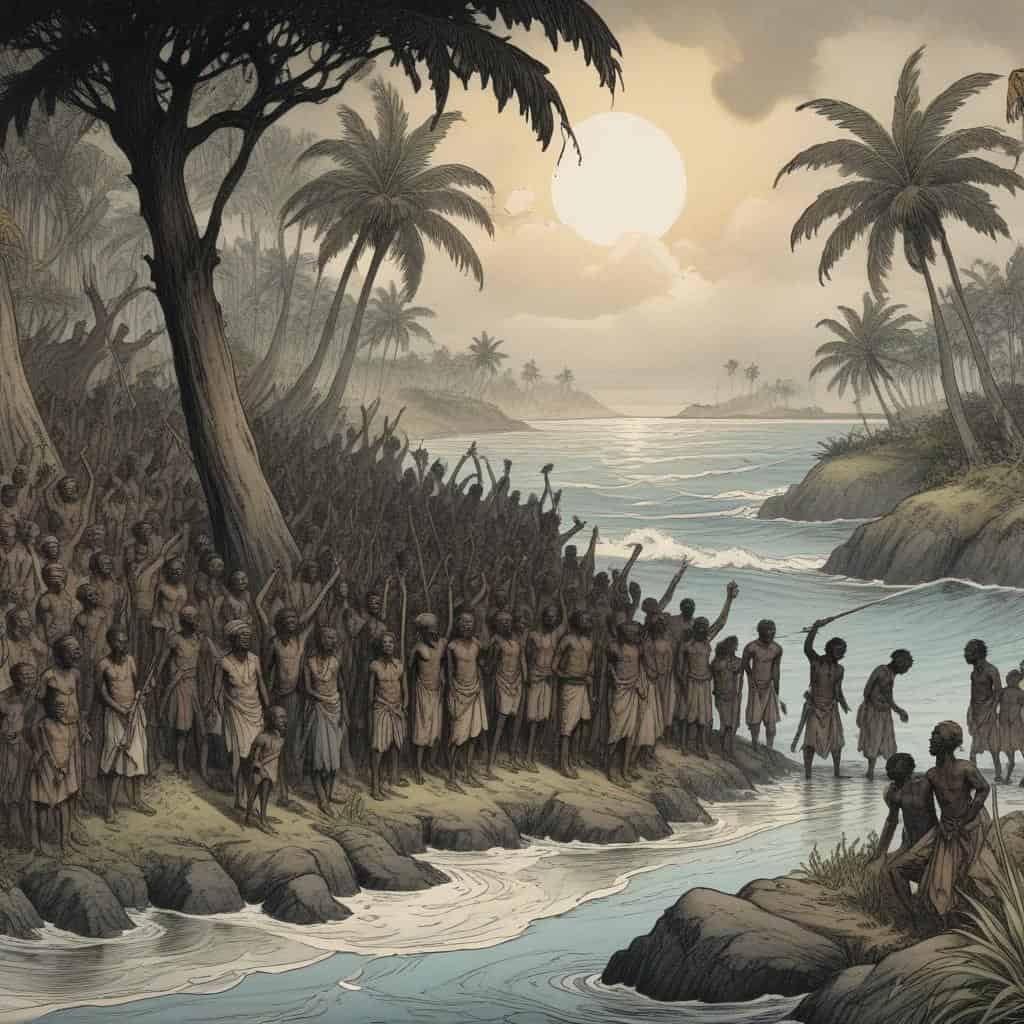
1. A Rich History
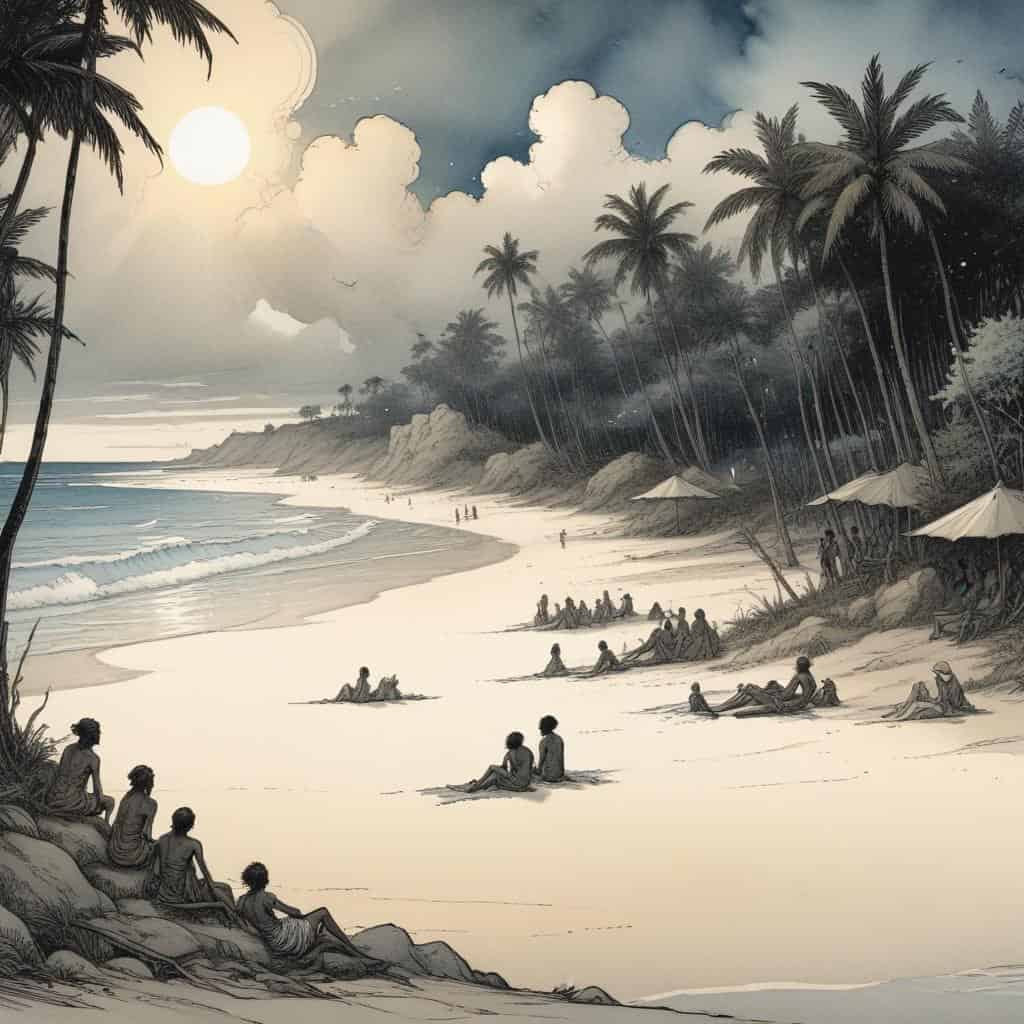
2. Beautiful Beaches
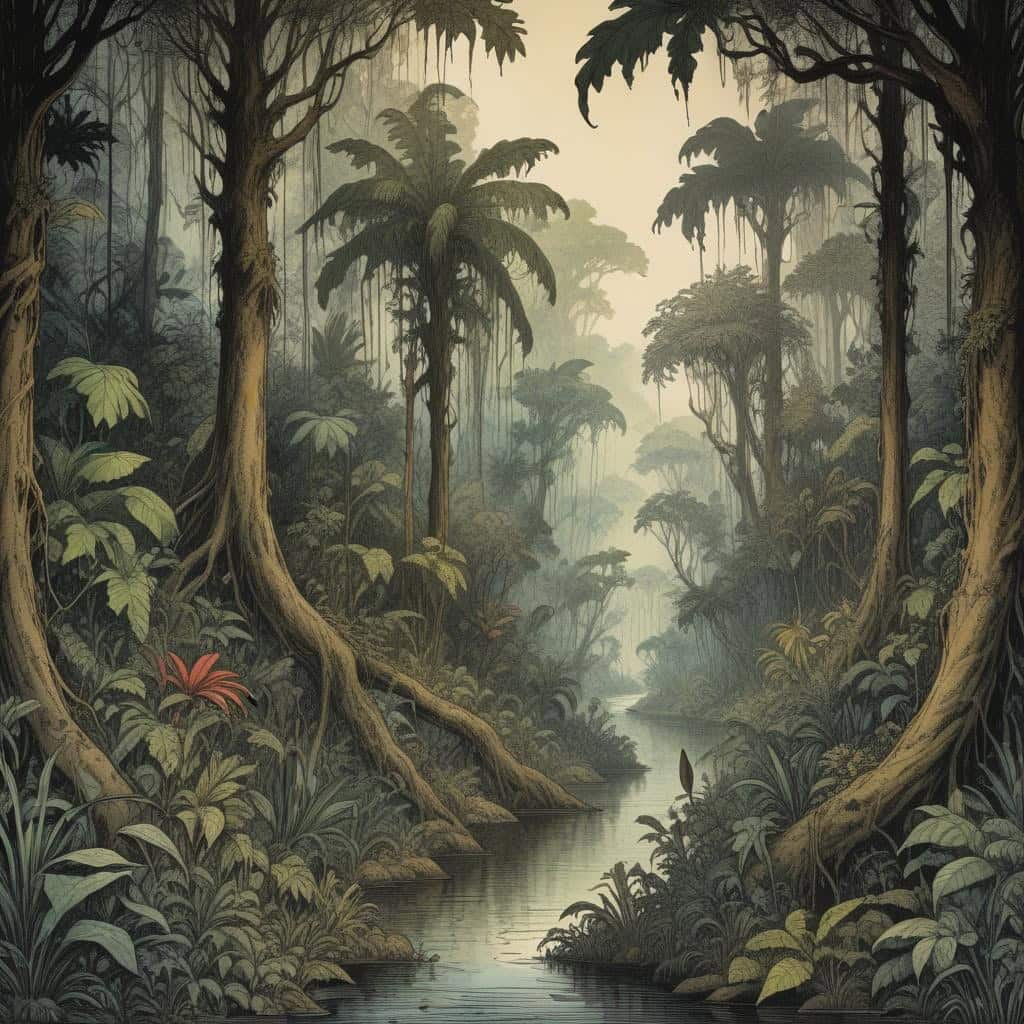
3. Lush Rainforests
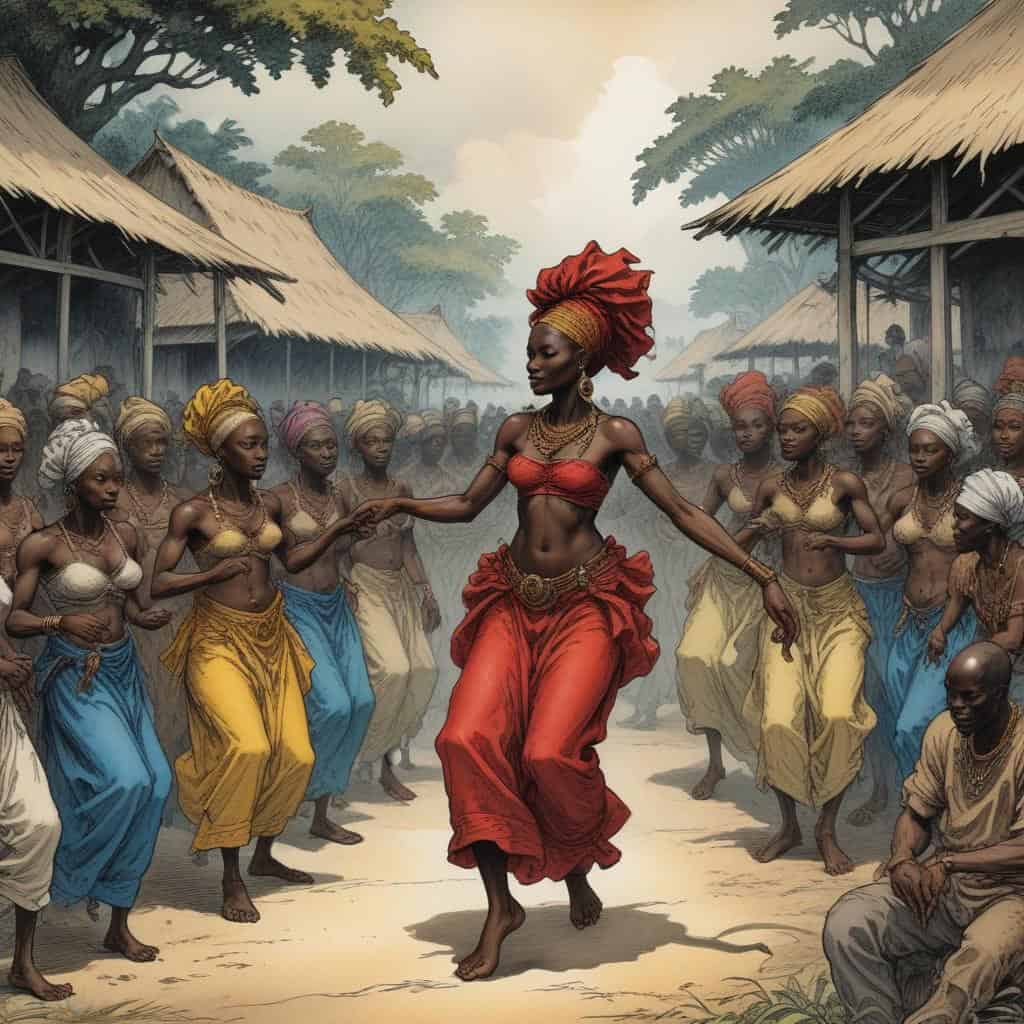
4. Vibrant Culture

5. Friendly Locals
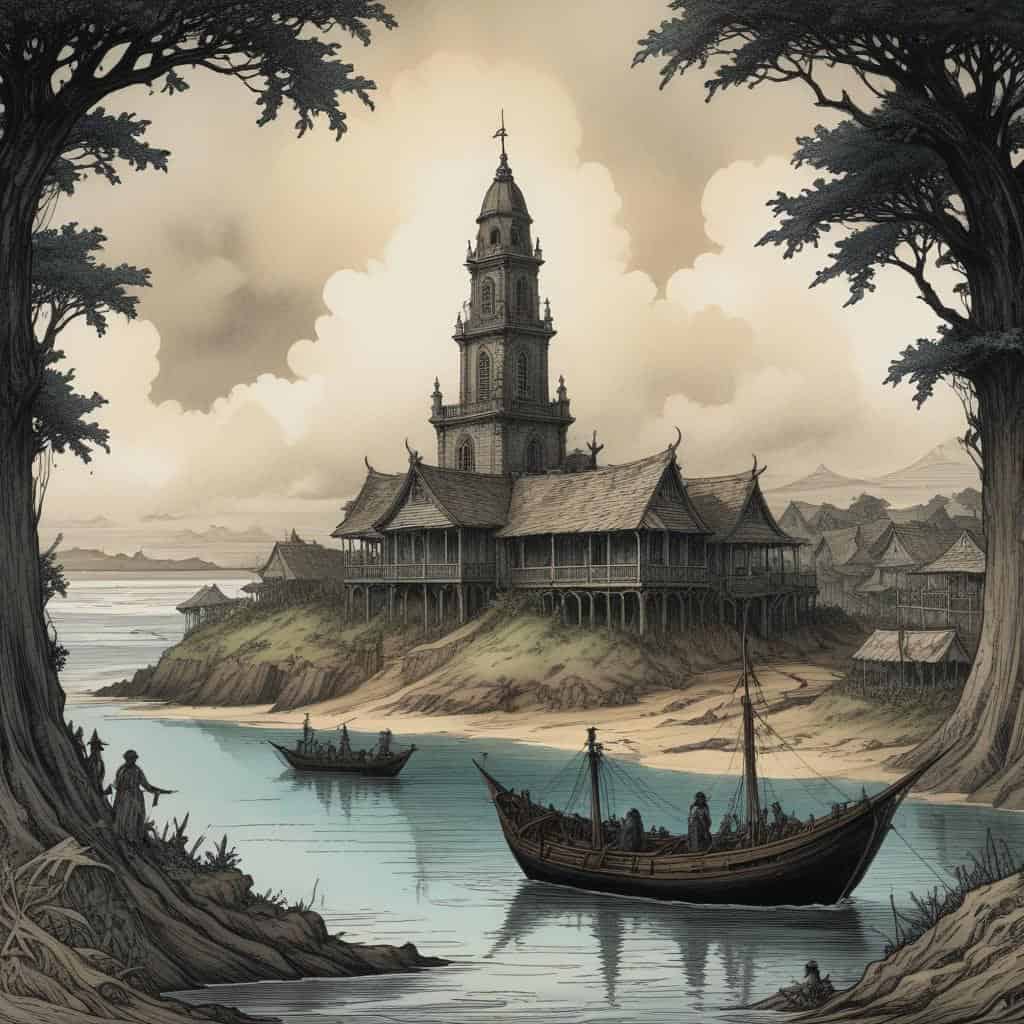
6. Historical Landmarks
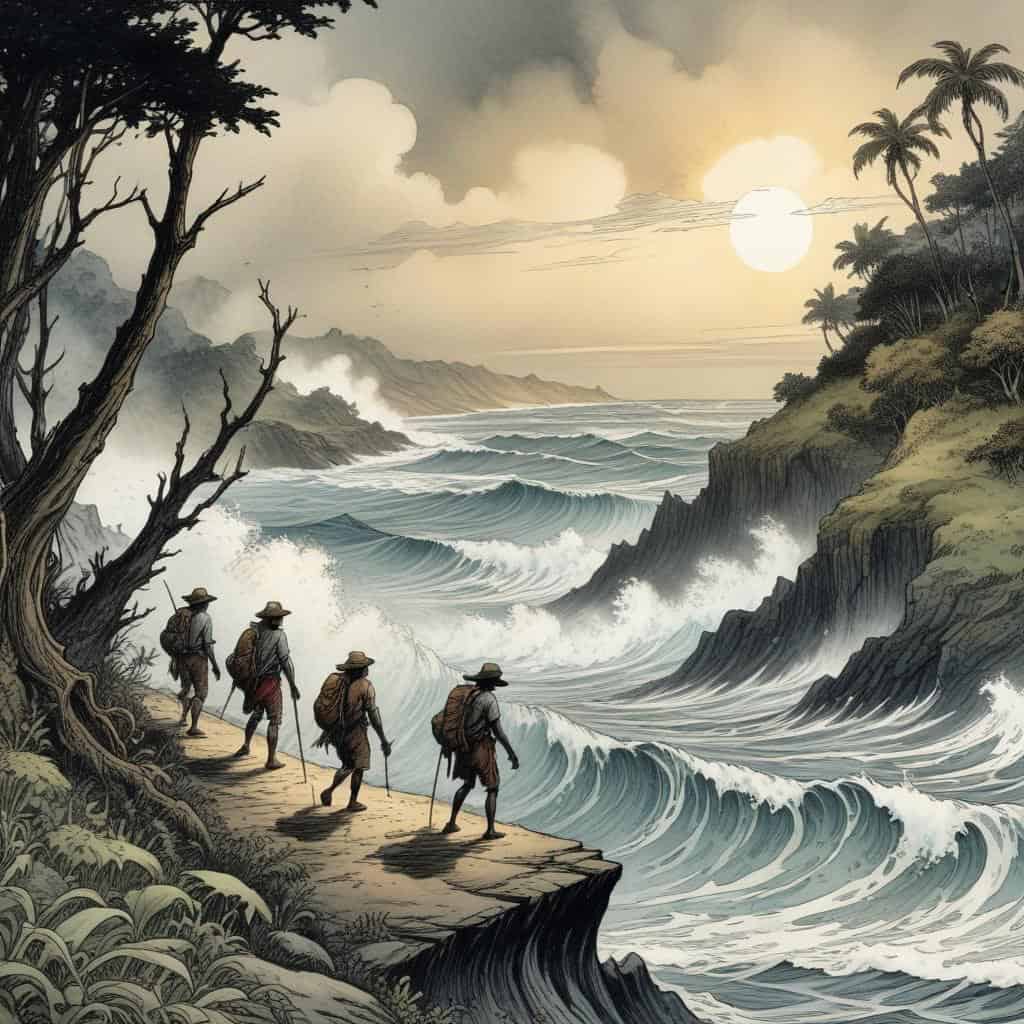
7. Outdoor Adventures
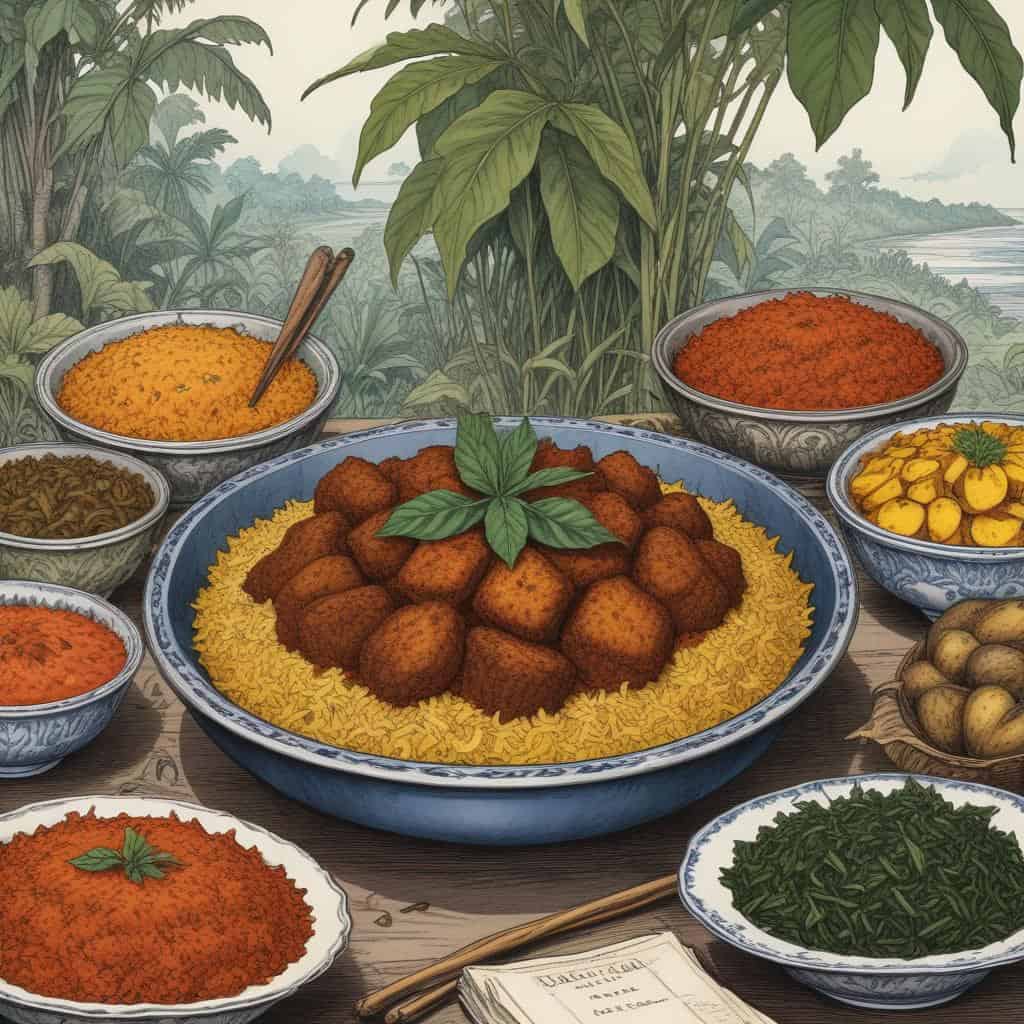
8. Delicious Cuisine
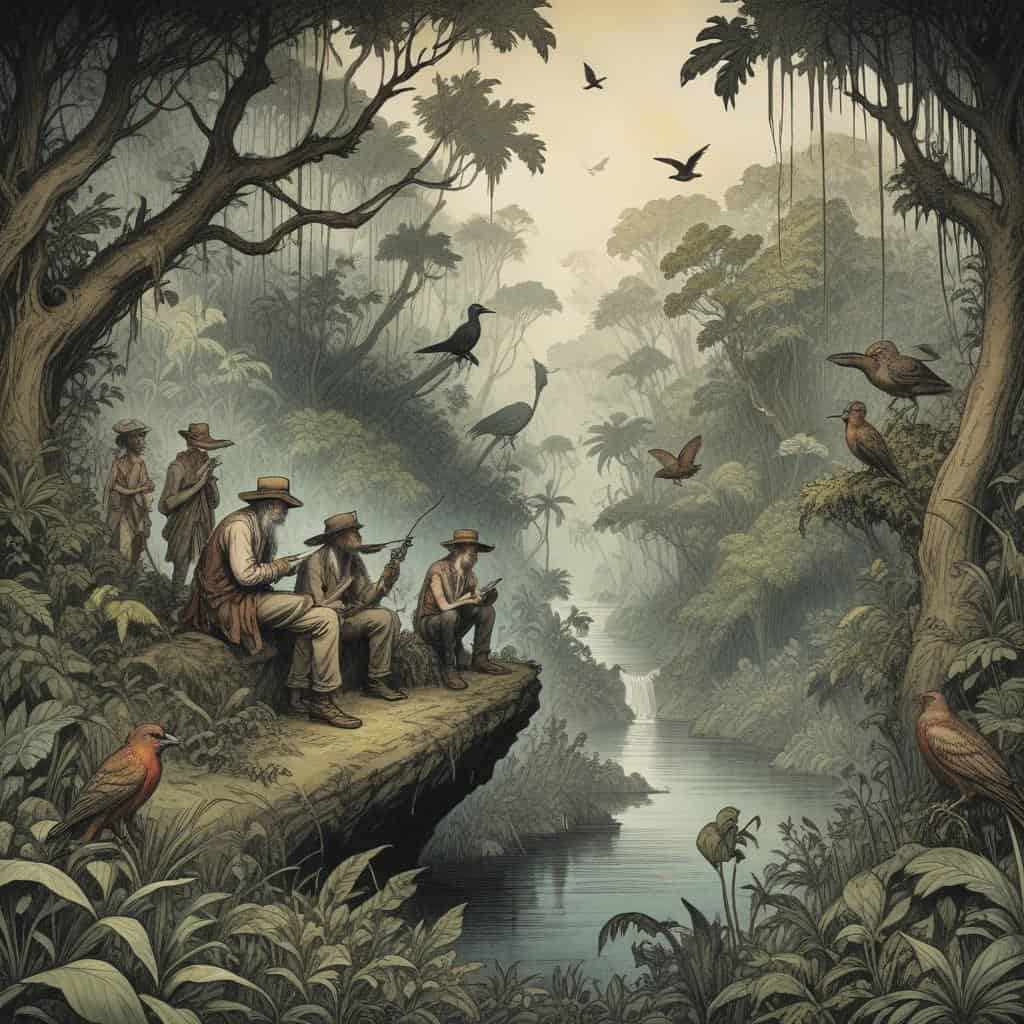
9. Ecotourism Opportunities
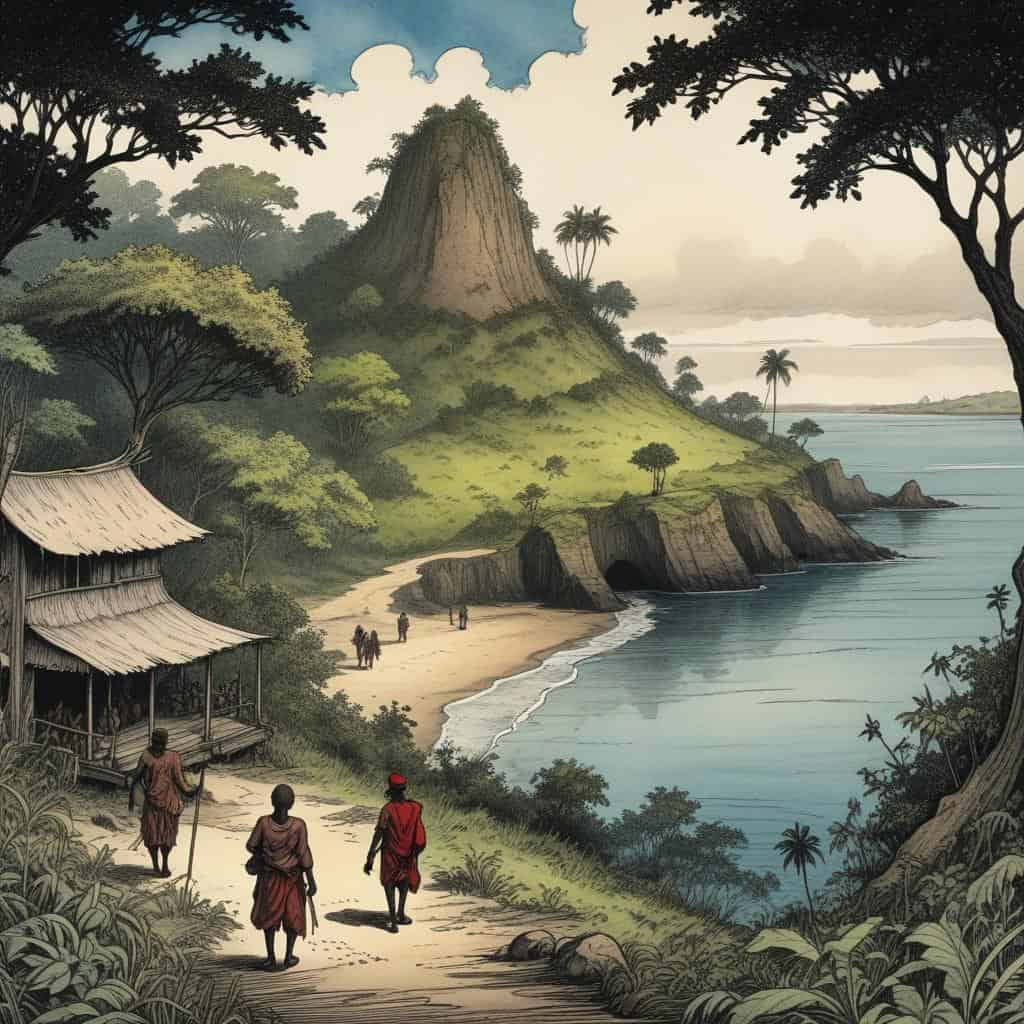
10. Untapped Potential
Audio Library
As one of our featured lessons, this topic includes premium audio guides.
Unlock the Wizard's Cram Session
This powerful audio study guide is a Pro-exclusive feature. Upgrade to Memory Wizards Pro to access this and all of our premium learning tools.
Upgrade to ProIn a Nutshell
- Capital: Monrovia
- Population: Approx. 5 million (2021)
- Official Language: English
- Currency: Liberian dollar (LRD)
Breaking Down the Country
Historical Significance
Liberia, founded by freed American slaves, holds the distinction of being Africa's oldest republic and a beacon of hope for freedom and equality.
Natural Beauty
From lush rainforests to pristine beaches, Liberia's diverse landscapes offer a paradise for nature lovers and outdoor enthusiasts to explore.
Cultural Diversity
With over 16 ethnic groups, Liberia's vibrant culture is a tapestry of traditions, music, dance, and cuisine that showcases the country's rich heritage.
Timeline of Liberia
Liberia is founded by freed American slaves
Declaration of independence from the American Colonization Society
First civil war breaks out in Liberia
Peace agreement signed to end the civil war
Second civil war begins in Liberia
Charles Taylor resigns as president and goes into exile
Ellen Johnson Sirleaf becomes the first female president of Liberia
Ebola outbreak in Liberia
George Weah elected as president of Liberia
Liberia celebrates its 200th anniversary
COVID-19 pandemic hits Liberia
Protests erupt in Liberia over government corruption
Liberia signs agreement with IMF for economic reform program
Liberia hosts ECOWAS summit
Liberia declared free of Ebola by WHO
Liberia's Truth and Reconciliation Commission releases report
Liberian civil war ends with the Accra Comprehensive Peace Agreement
Liberia becomes a founding member of the United Nations
Liberian flag designed and adopted
Liberia gains independence from the American Colonization Society
Vocabulary List
- Rainforest
- Liberia is home to lush rainforests that are teeming with biodiversity.
- Savanna
- The landscape of Liberia includes vast savanna grasslands that provide grazing grounds for wildlife.
- River
- The many rivers in Liberia, such as the St. Paul River, are vital sources of water for both people and wildlife.
- Mountain
- Liberia has several mountain ranges, including the Nimba Mountains, that offer stunning views of the surrounding landscape.
- Coastline
- Liberia's coastline along the Atlantic Ocean is dotted with beautiful beaches and fishing villages.
- Estuary
- The Mesurado River forms an estuary in Monrovia, the capital city of Liberia, providing a natural harbor for ships.
- Mangrove
- Mangrove forests are found along the coastal regions of Liberia, providing important habitats for various species of marine life.
- Plateau
- The landscape of Liberia includes vast plateaus that are covered in grasslands and support agriculture.
- Volcano
- There are no active volcanoes in Liberia, but the country is located in a region with volcanic activity.
- Waterfall
- Liberia is home to several stunning waterfalls, such as Kpatawee Waterfall, that attract visitors and provide recreational opportunities.
Key Facts
This is the information used in the fact matching game
- Liberia is home to dense tropical rainforests with a variety of flora and fauna.
- The country has a coastline along the Atlantic Ocean with sandy beaches and rocky cliffs.
- There are several rivers in Liberia, including the St. Paul, St. John, and Cestos Rivers.
- Liberia has a mountainous interior with peaks reaching over 4,000 feet above sea level.
- The country experiences a tropical climate with distinct wet and dry seasons.
- Liberia has savannah grasslands in the northern regions of the country.
- The country is known for its diverse bird species, including parrots, hornbills, and turacos.
- Liberia is home to several species of primates, such as chimpanzees, colobus monkeys, and mangabeys.
- The landscape of Liberia includes mangrove swamps along the coast, providing important habitats for marine life.
- The country has a rich diversity of plant species, including mahogany, rubber trees, and oil palms.
- Liberia has a number of national parks and protected areas, such as Sapo National Park and Grebo-Krahn National Park.
- The country has a variety of ecosystems, from lowland rainforests to montane forests to coastal wetlands.
- Liberia's landscape is shaped by volcanic activity, with evidence of past eruptions in the form of volcanic plugs and craters.
- The country has a network of dirt roads and trails that traverse its diverse landscape, making it accessible for hiking and wildlife viewing.
- Liberia's coastal areas are prone to erosion and flooding, leading to challenges for coastal communities.
- The country's rivers are important for transportation and trade, serving as key arteries for moving goods and people.
- Liberia's landscape has been impacted by deforestation and logging, leading to loss of biodiversity and degradation of ecosystems.
- The country is vulnerable to climate change, with rising temperatures and changing rainfall patterns affecting its landscape and natural resources.
- Liberia has a history of mining activities, including iron ore and gold extraction, which have had environmental impacts on the landscape.
- The country is home to several indigenous tribes and ethnic groups, each with their own cultural connections to the landscape and natural world.
Why It Matters
Geopolitical Significance
Liberia holds strategic importance as one of the few African countries founded by freed American slaves. Its history as a settlement for African Americans has shaped its relationship with the United States and its position as a gateway to West Africa.
Historical Importance
Liberia’s history of colonization, independence, and civil war reflects the complexities of post-colonial Africa. The country’s unique blend of American and African cultures, along with the legacy of its founding fathers, continues to influence its identity and development.
Modern-Day Role
Today, Liberia faces challenges of rebuilding after years of conflict and instability. Its efforts to strengthen democracy, promote economic growth, and address social issues are closely watched by the international community. Liberia’s success or struggles have implications for the future of African nations striving for stability and prosperity.
Liberia Games


Take Your Learning Offline
Want a convenient, print-ready study guide for this lesson? Become a Memory Wizards Pro member to unlock the downloadable " Memory Scrolls" for this topic and our entire library!
- ✓ Complete Vocabulary Lists
- ✓ Key Facts & Timelines
- ✓ Beautifully Formatted for Print & Mobile