
How Do You Learn Best?
Learn by Listening
Start with the 3-minute audio summary to get the key facts and narrative highlights quickly.
Learn by Reading
Immerse yourself in the 10-minute visual lesson for a comprehensive understanding of the topic.
Learn by Reviewing
Jump directly to the key facts, timeline, and vocabulary lists to build a solid foundation of details.
Learn by Doing
Challenge yourself! Jump straight into the interactive games to learn by trial, error, and discovery.
Egypt in 10 Minutes
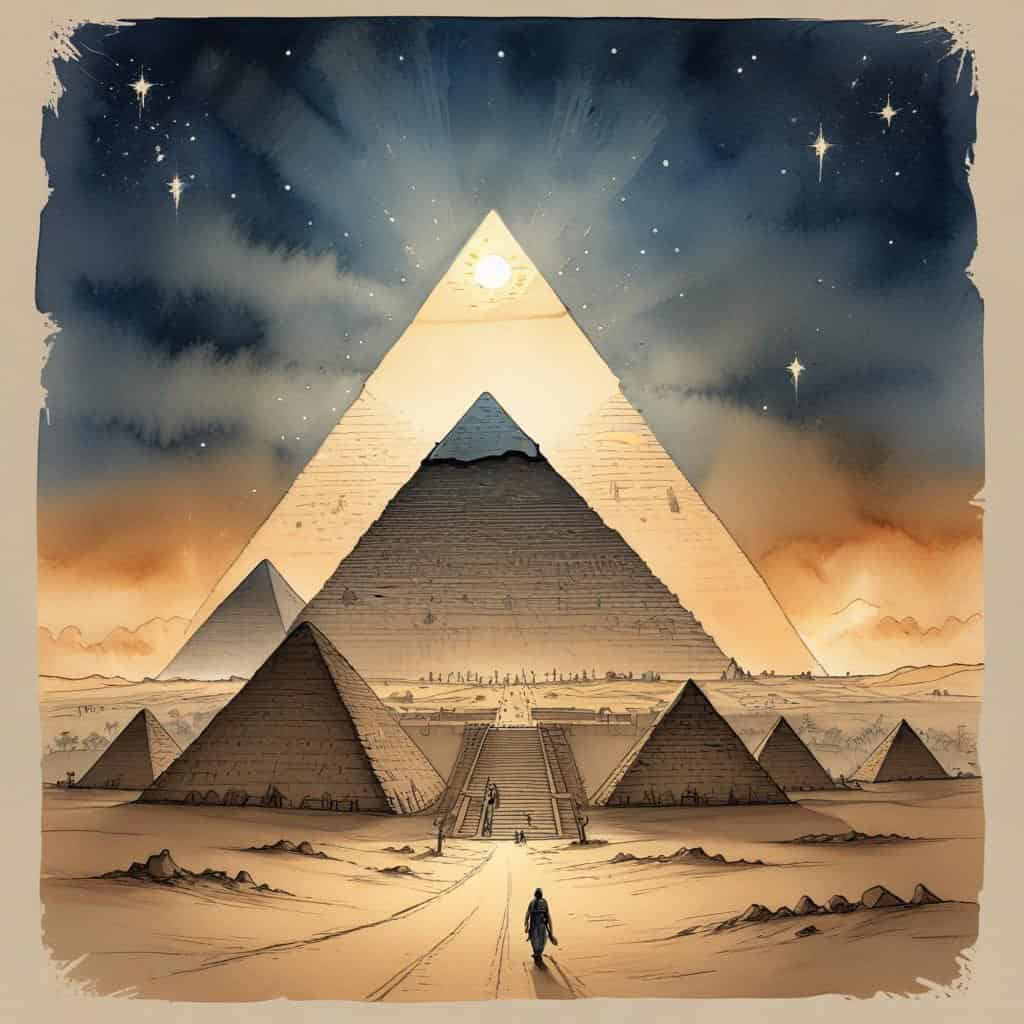
Introduction
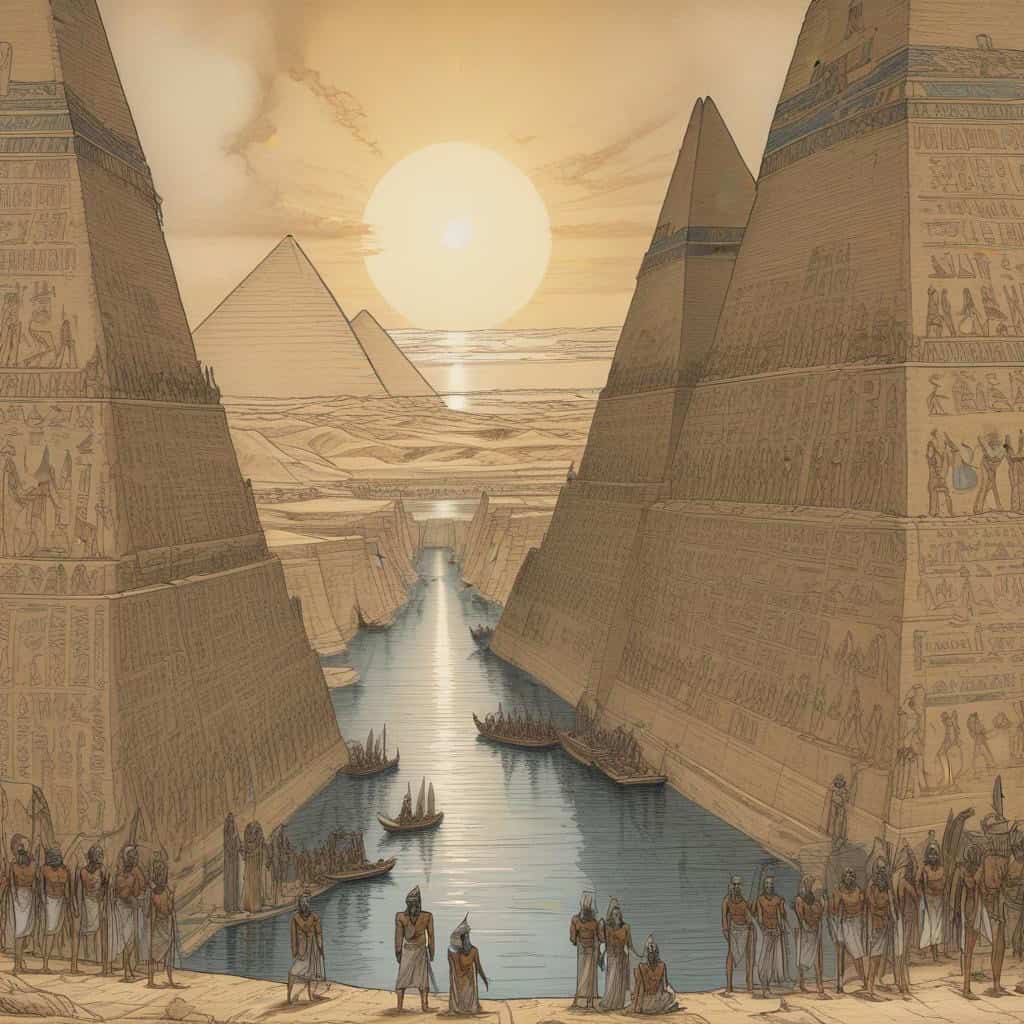
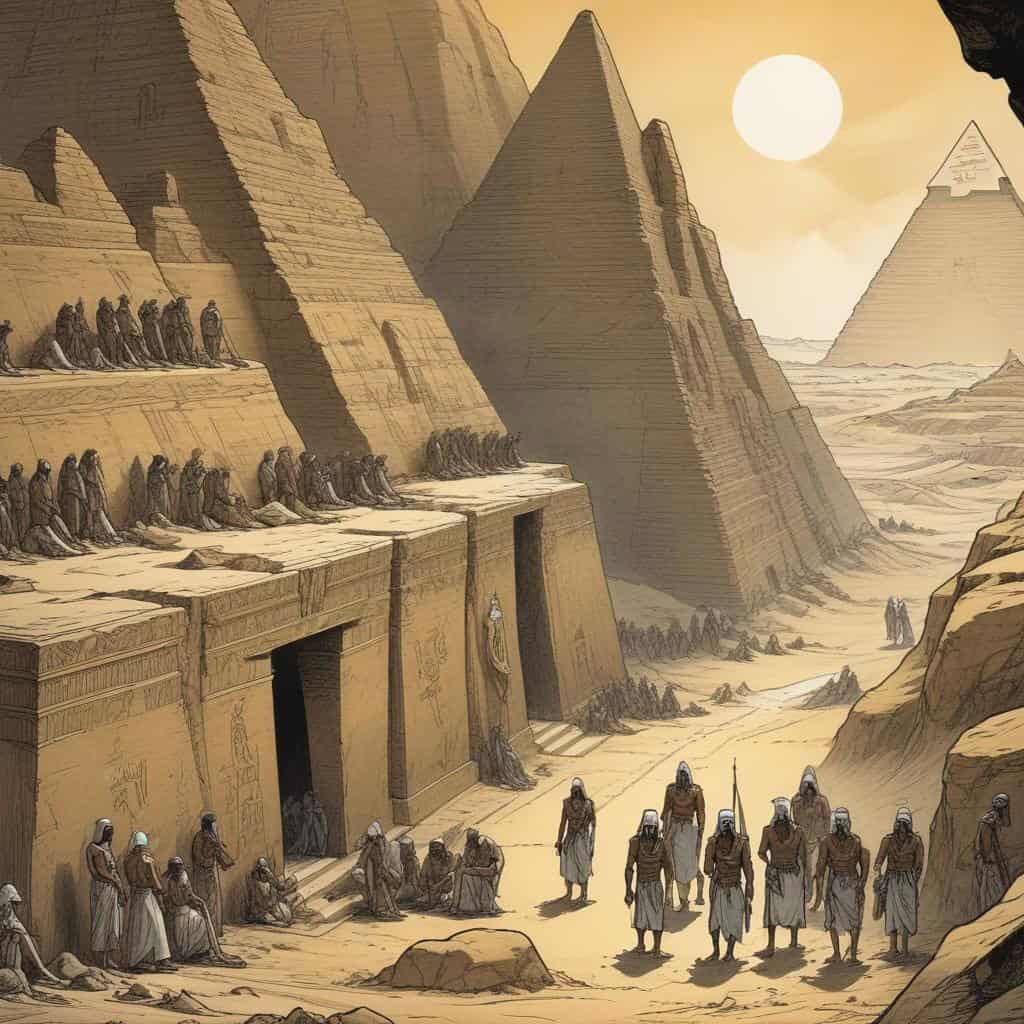
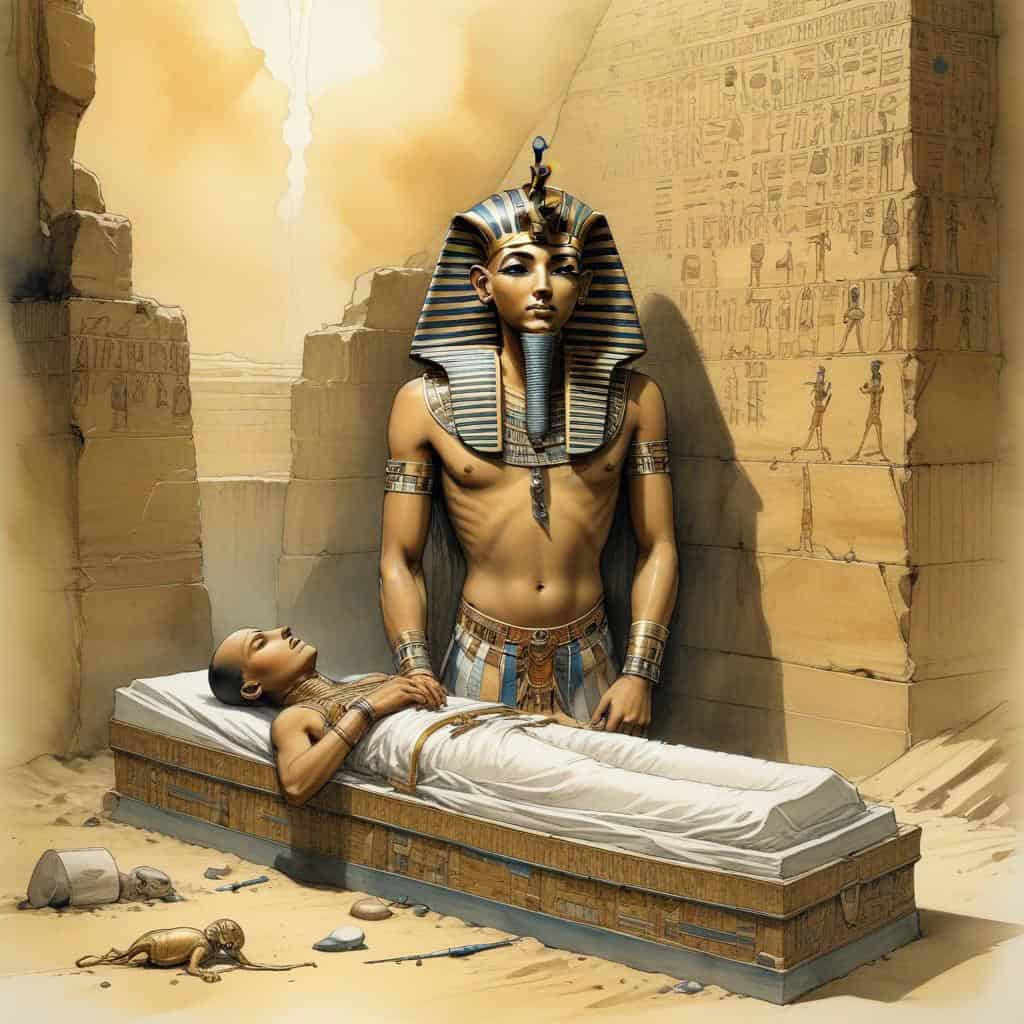
King Tutankhamun
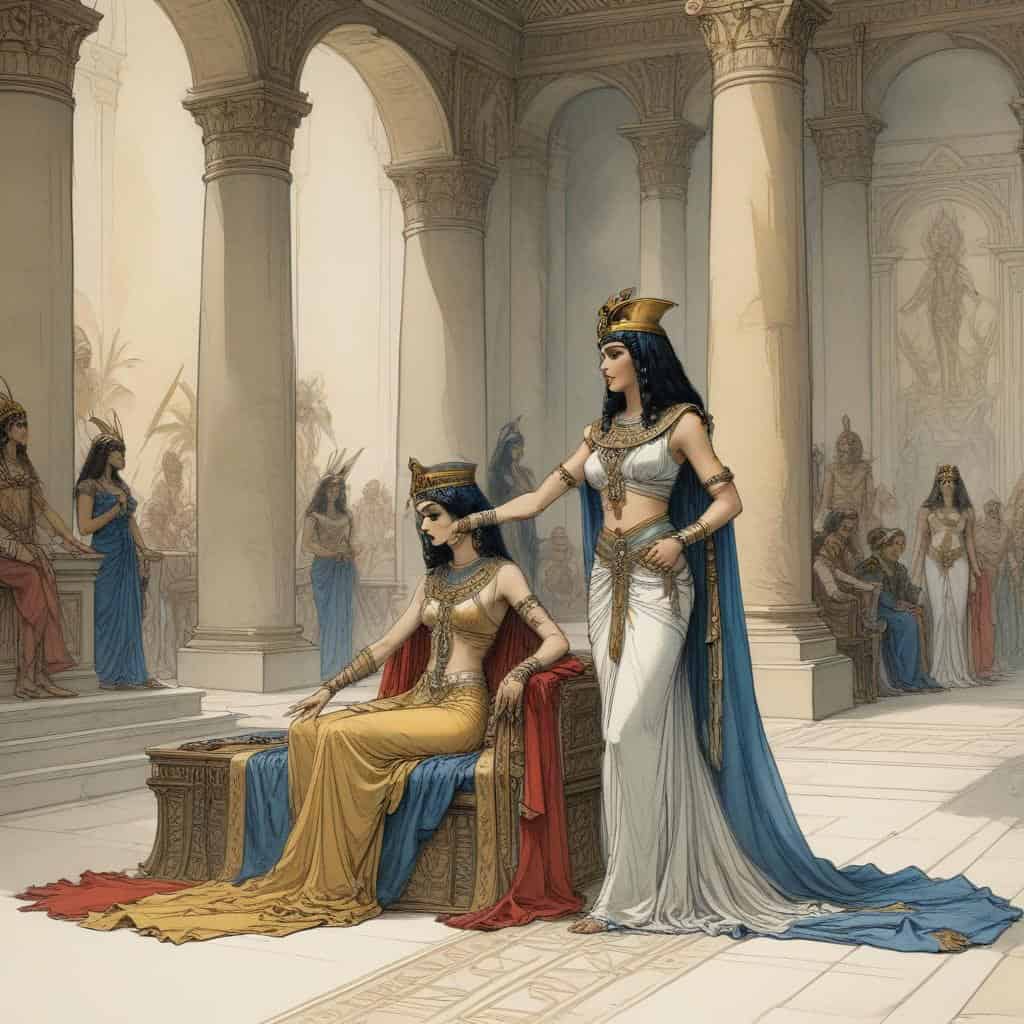
Cleopatra VII
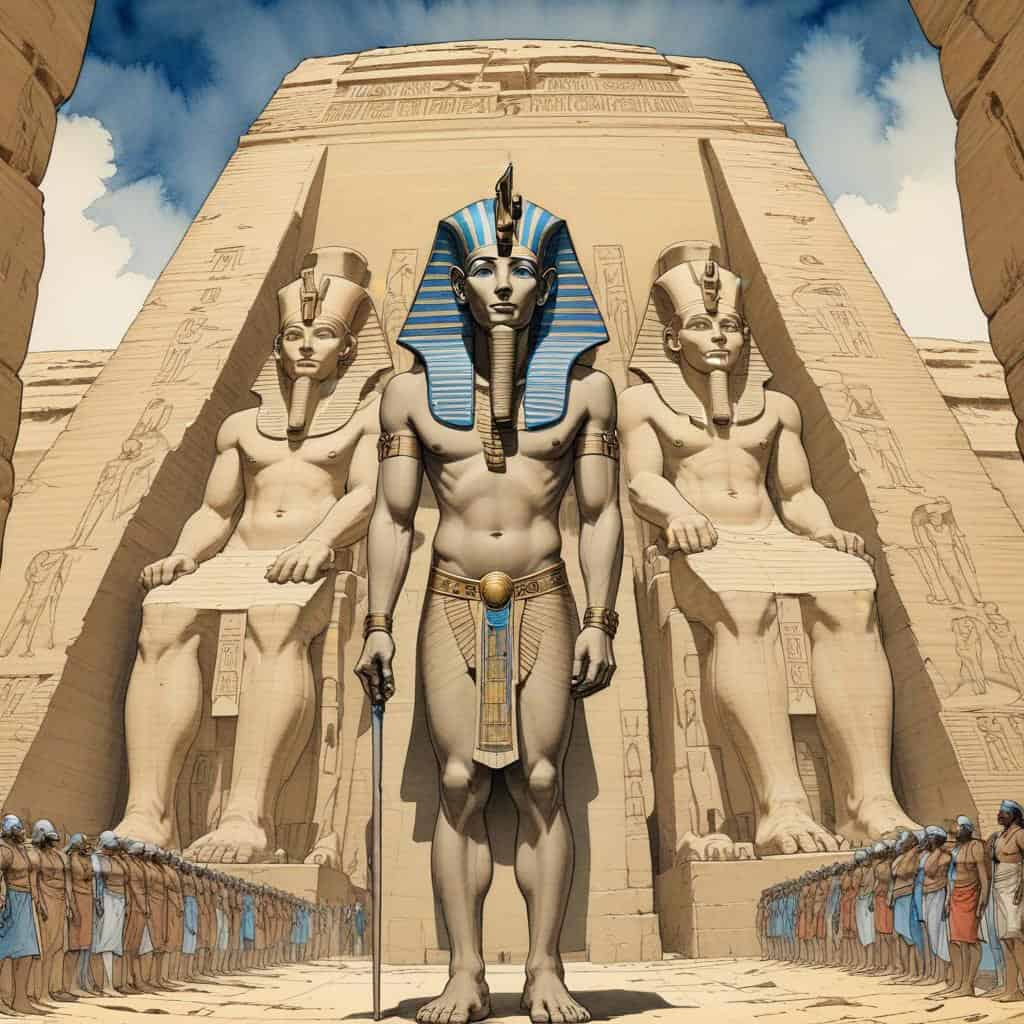
Ramses II
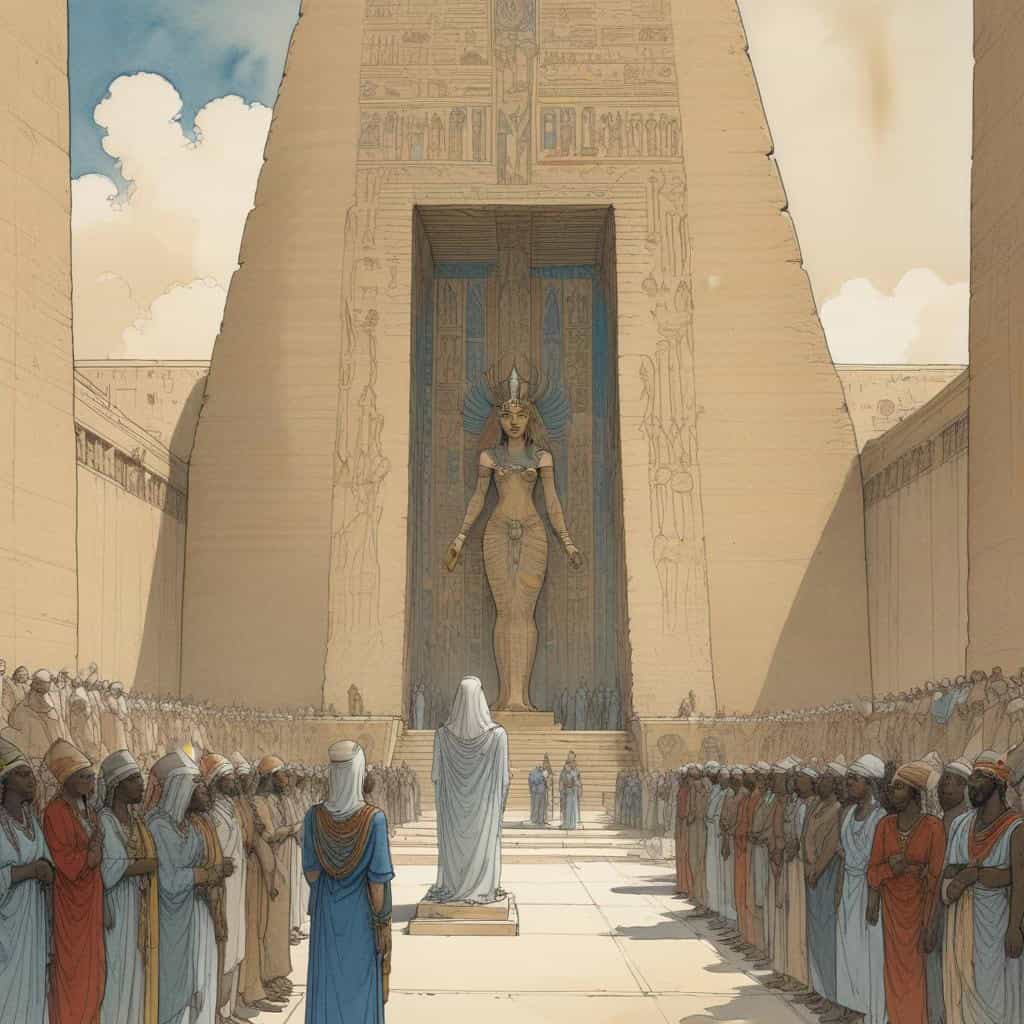
Hatshepsut
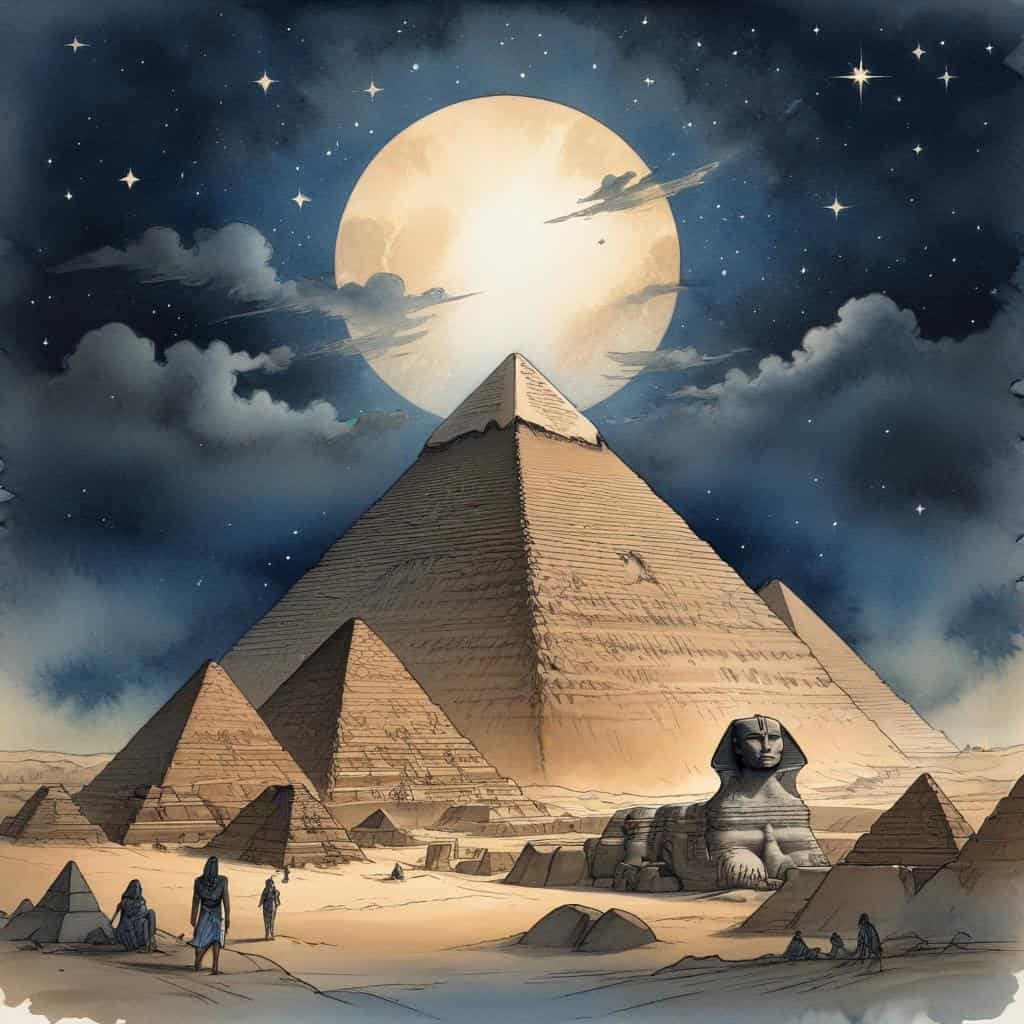
The Land of Pharaohs
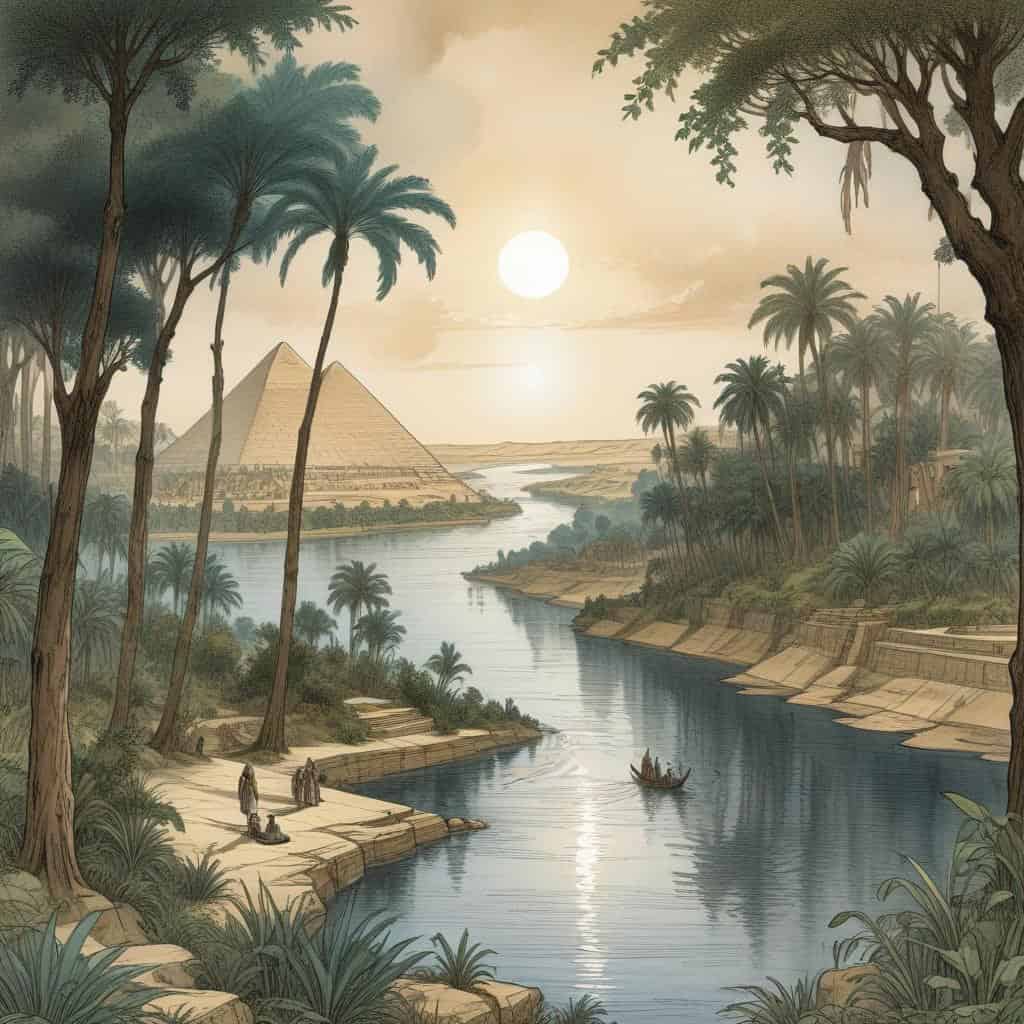
The Nile River
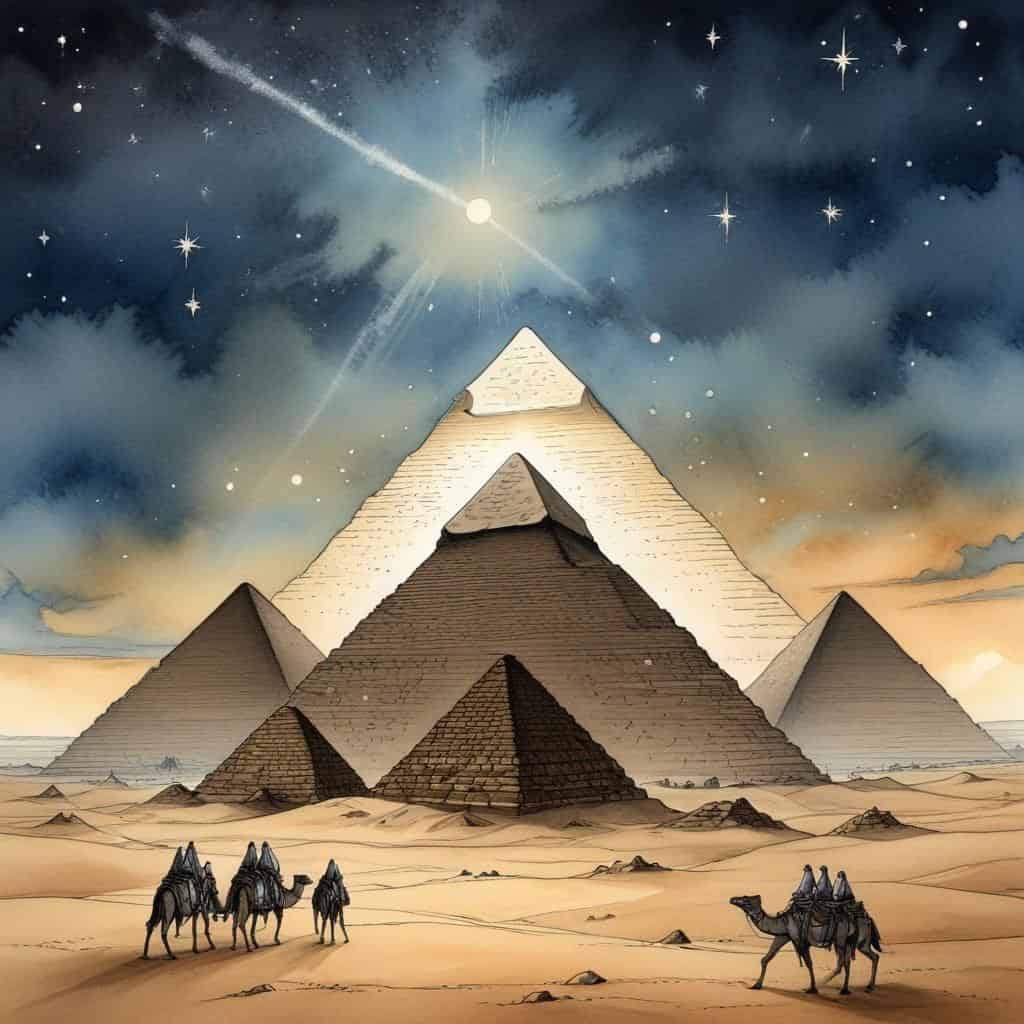
The Great Pyramids of Giza
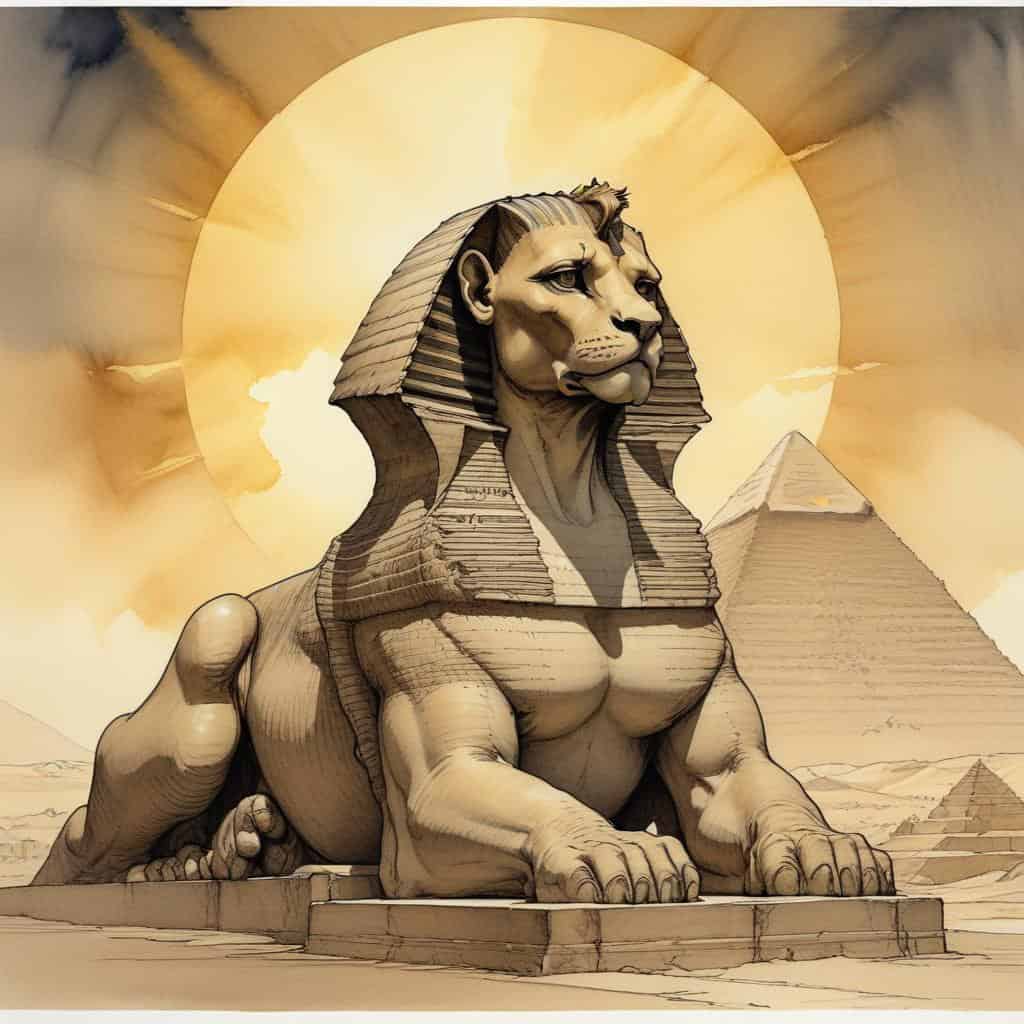
The Sphinx
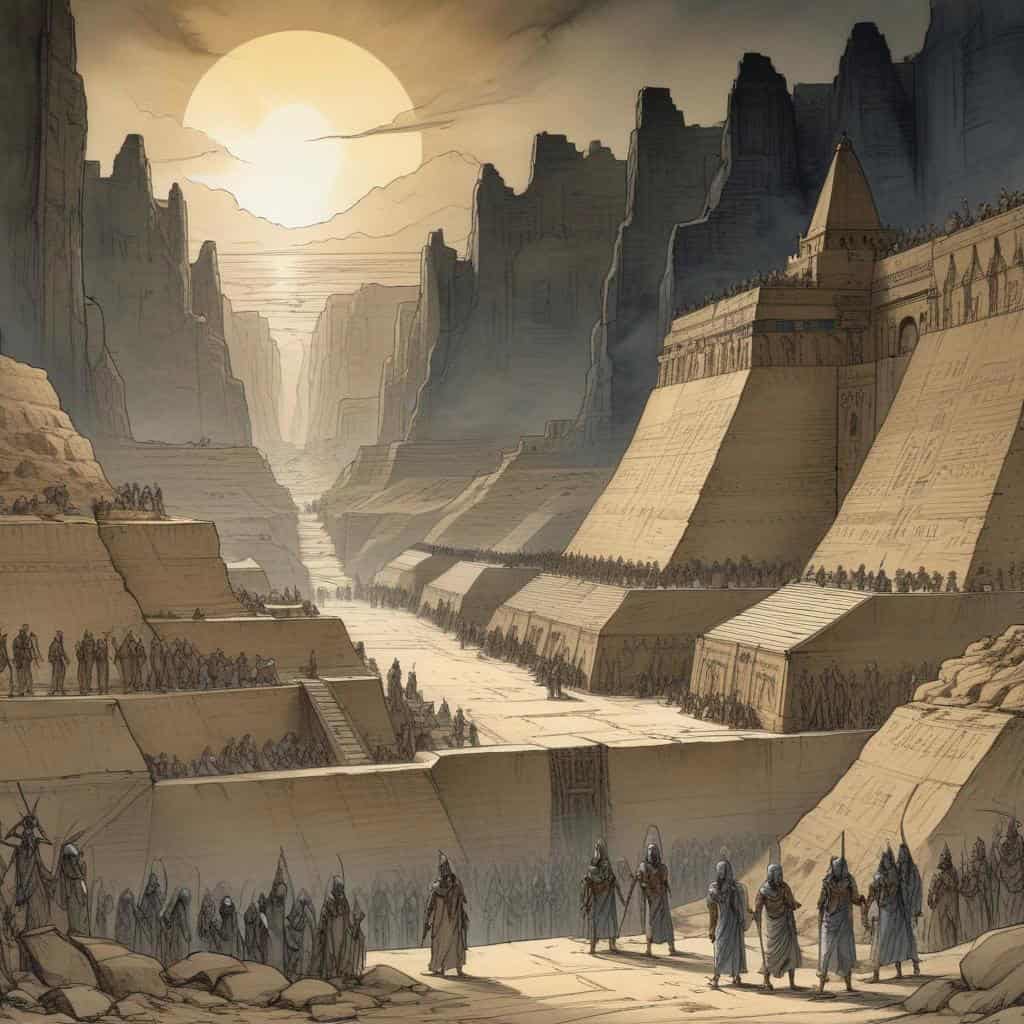
The Valley of the Kings
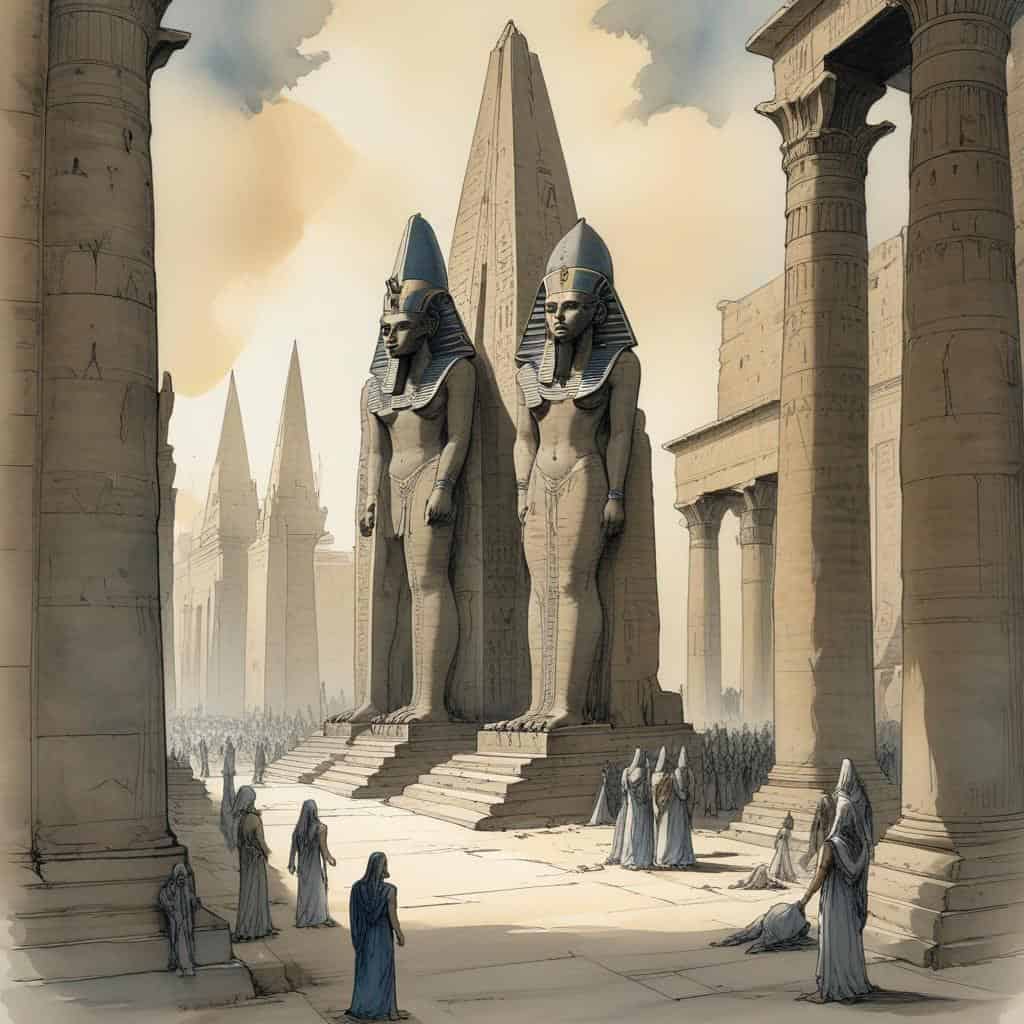
The Temples of Luxor
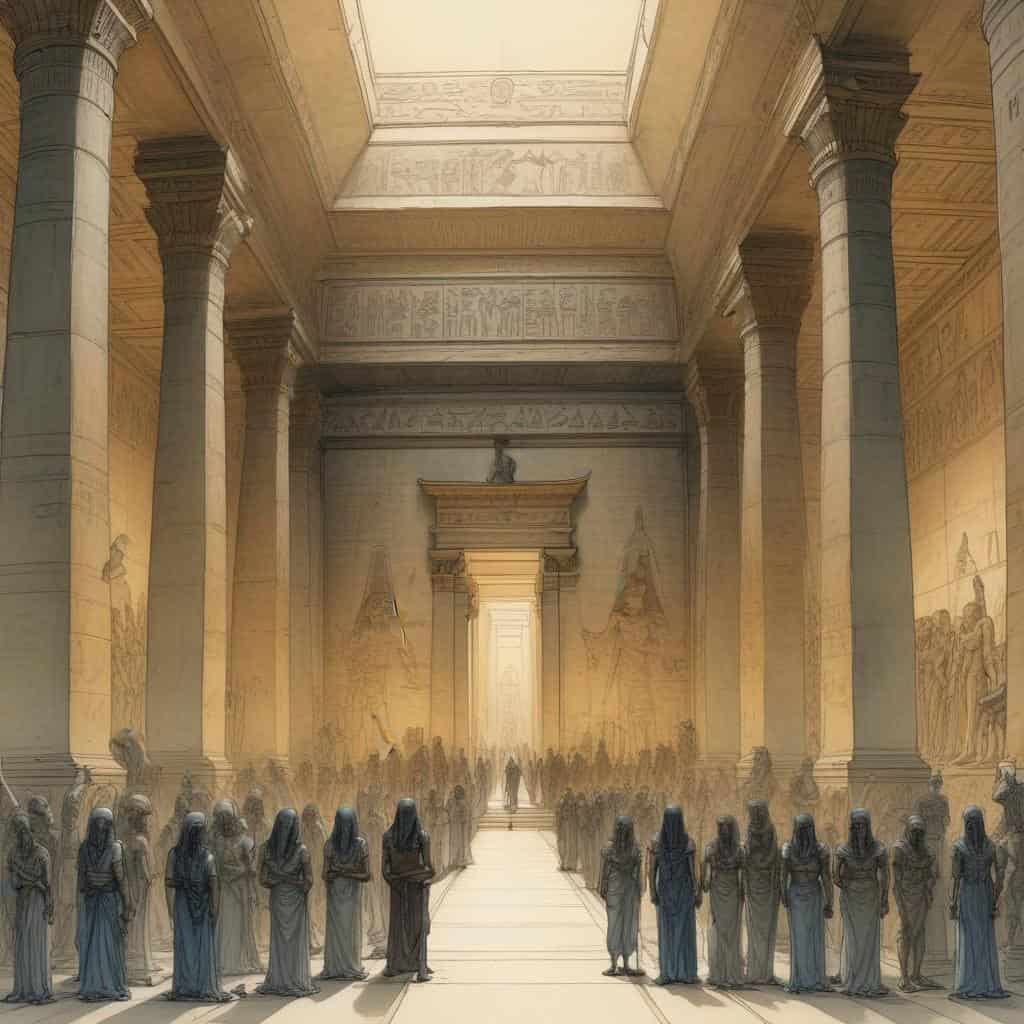
The Egyptian Museum
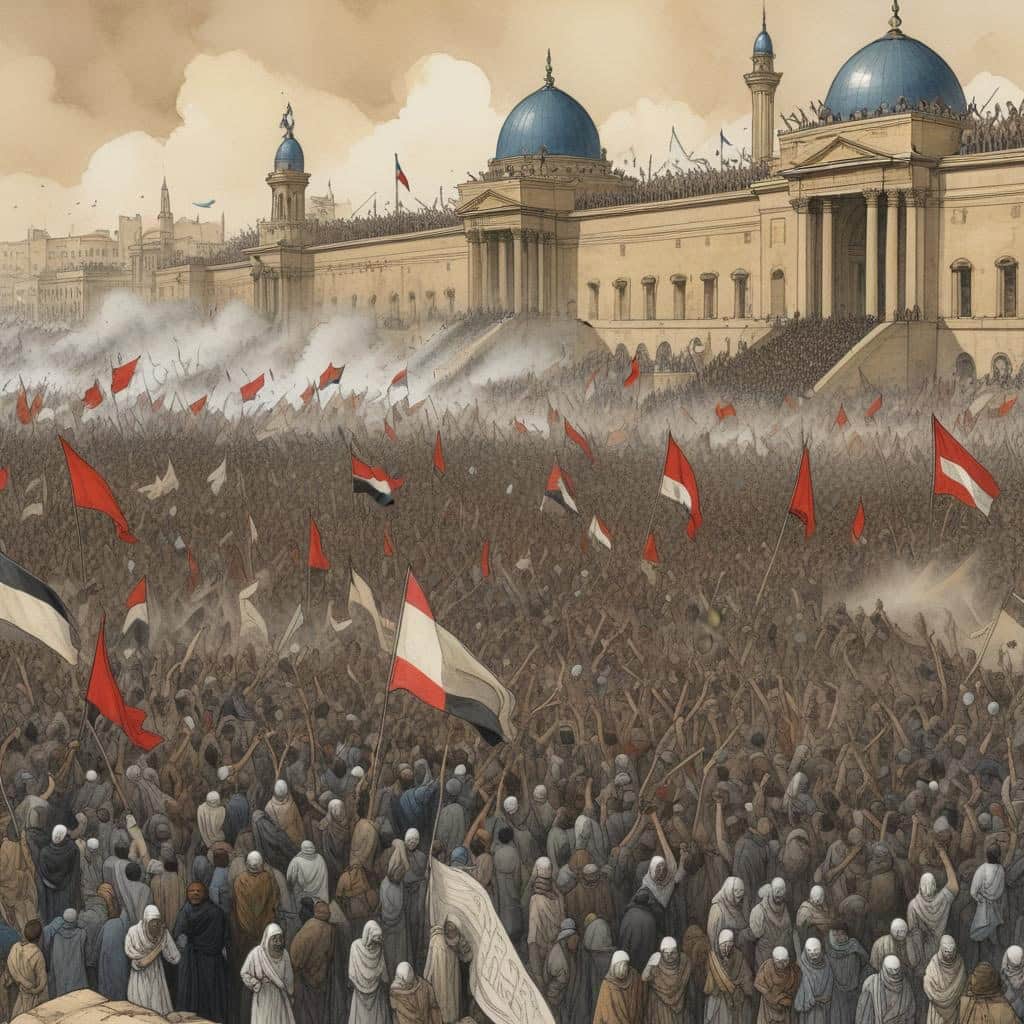
The Arab Spring
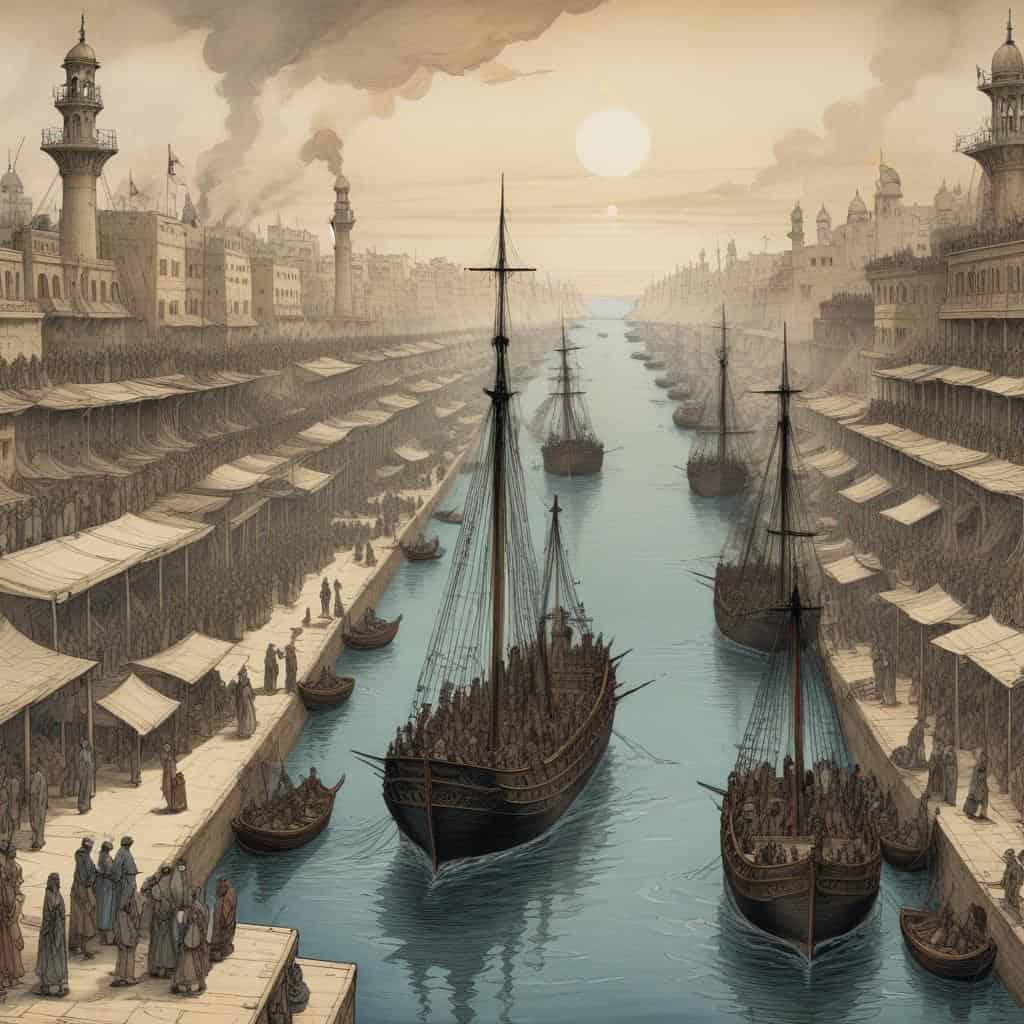
The Suez Canal

The Future of Egypt
Audio Library
As one of our featured lessons, this topic includes premium audio guides.
Unlock the Wizard's Cram Session
This powerful audio study guide is a Pro-exclusive feature. Upgrade to Memory Wizards Pro to access this and all of our premium learning tools.
Upgrade to ProIn a Nutshell
- Capital: Cairo
- Population: Approx. 104 million (2021)
- Official Language: Arabic
- Currency: Egyptian pound (EGP)
Breaking Down the Country
Ancient Wonders
Explore the iconic pyramids, temples, and tombs that showcase Egypt's rich history and the legacy of the pharaohs.
Nile River
Discover the lifeblood of Egypt, the Nile River, and how it has shaped the country's agriculture, culture, and history.
Modern Marvels
From bustling Cairo to the serene Red Sea resorts, experience the vibrant blend of ancient traditions and modern developments in Egypt.
Timeline of Egypt
Narmer unites Upper and Lower Egypt
Construction of the Great Pyramid of Giza
Reign of King Tutankhamun
Egypt conquered by the Persian Empire
Construction of the Library of Alexandria
Cleopatra VII becomes queen of Egypt
Egypt becomes a Roman province
Construction of the Temple of Karnak
The Rosetta Stone is discovered
Napoleon Bonaparte's campaign in Egypt
Muhammad Ali Pasha becomes ruler of Egypt
Construction of the Suez Canal begins
Egypt gains independence from British rule
Formation of the United Arab Republic with Syria
Construction of the Aswan High Dam
Peace treaty between Egypt and Israel signed at Camp David
Assassination of Egyptian president Anwar Sadat
Hosni Mubarak becomes president of Egypt
Egyptian Revolution ousts President Mubarak
Abdel Fattah el-Sisi becomes president of Egypt
Vocabulary List
- Pyramids
- The pyramids of Giza are one of the most iconic landmarks in Egypt.
- Pharaoh
- The pharaoh was considered a god-king in ancient Egypt.
- Nile
- The Nile River is the longest river in the world and flows through Egypt.
- Hieroglyphics
- Ancient Egyptians used hieroglyphics as their writing system.
- Sphinx
- The Great Sphinx of Giza is a famous statue in Egypt.
- Mummy
- Mummies were created as part of the burial process in ancient Egypt.
- Obelisk
- Cleopatra's Needle is an ancient Egyptian obelisk that now stands in London.
- Scarab
- Scarab beetles were considered a symbol of protection and good luck in ancient Egypt.
- Pharaohs
- The Valley of the Kings is where many pharaohs were buried in elaborate tombs.
- Hieroglyphs
- Deciphering hieroglyphs has helped archaeologists learn more about ancient Egyptian culture.
Key Facts
This is the information used in the fact matching game
- The Great Pyramid of Giza is the oldest of the Seven Wonders of the Ancient World.
- The official language of Egypt is Arabic.
- Egypt has a population of over 100 million people.
- The Nile River is the longest river in the world, stretching over 4,100 miles.
- Cairo, the capital city of Egypt, is the largest city in Africa.
- Egypt is home to the famous Valley of the Kings, where many pharaohs were buried.
- The Great Sphinx of Giza is believed to have been built over 4,500 years ago.
- The currency of Egypt is the Egyptian pound.
- Egypt is known for its ancient civilization, with a history that dates back thousands of years.
- The Suez Canal in Egypt is one of the world's most important waterways.
- The Egyptian flag features three horizontal stripes of red, white, and black, with the golden eagle of Saladin in the center.
- The Sinai Peninsula is a popular tourist destination in Egypt, known for its beaches and resorts.
- Egypt is famous for its ancient temples, such as Karnak and Luxor.
- The Egyptian Museum in Cairo houses a vast collection of artifacts from ancient Egypt, including the treasures of King Tutankhamun.
- Egyptian cuisine is known for dishes like koshari, ful medames, and mahshi.
- The Aswan High Dam was built in the 1960s to control the flooding of the Nile River and provide hydroelectric power.
- The Rosetta Stone, a key to deciphering ancient Egyptian hieroglyphics, was discovered in Egypt in 1799.
- Egypt is a predominantly Muslim country, with Islam being the state religion.
- The city of Alexandria in Egypt was founded by Alexander the Great in 331 BC.
- Egypt is a popular filming location for movies, with famous films like 'The Mummy' and 'Lawrence of Arabia' being shot there.
Why It Matters
Geopolitical Significance
Egypt’s location at the crossroads of Africa, Asia, and Europe has made it a key player in regional politics and trade for centuries. Its control over the Suez Canal, a vital waterway connecting the Mediterranean and Red Seas, gives it strategic importance in global maritime commerce.
Historical Importance
Egypt is home to one of the world’s oldest civilizations, with a rich history that includes the Pharaohs, the pyramids, and the iconic Nile River. Its ancient wonders continue to inspire awe and fascination, attracting tourists from around the globe.
Modern-Day Role
Today, Egypt is a major player in the Arab world, with a growing economy driven by industries such as tourism, agriculture, and natural gas production. Its political stability and cultural heritage make it an influential force in the Middle East and beyond.
Egypt Games


Take Your Learning Offline
Want a convenient, print-ready study guide for this lesson? Become a Memory Wizards Pro member to unlock the downloadable " Memory Scrolls" for this topic and our entire library!
- ✓ Complete Vocabulary Lists
- ✓ Key Facts & Timelines
- ✓ Beautifully Formatted for Print & Mobile