
How Do You Learn Best?
Learn by Reading
Immerse yourself in the 10-minute visual lesson for a comprehensive understanding of the topic.
Learn by Reviewing
Jump directly to the key facts, timeline, and vocabulary lists to build a solid foundation of details.
Learn by Doing
Challenge yourself! Jump straight into the interactive games to learn by trial, error, and discovery.
The Fall of the House of Usher in 10 Minutes
Introduction

Roderick Usher

Madeline Usher

Narrator
The Arrival at the House of Usher
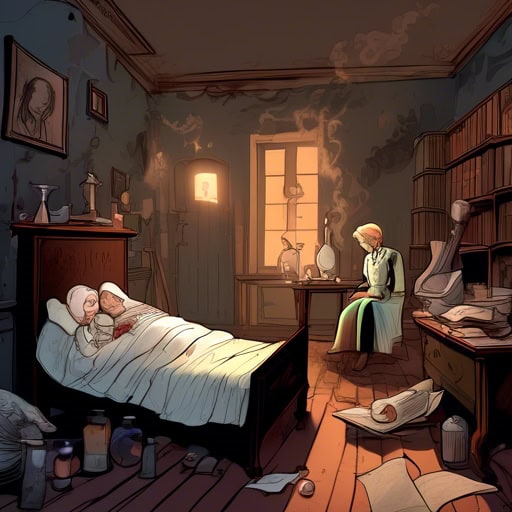
The Strange Illness of Madeline Usher
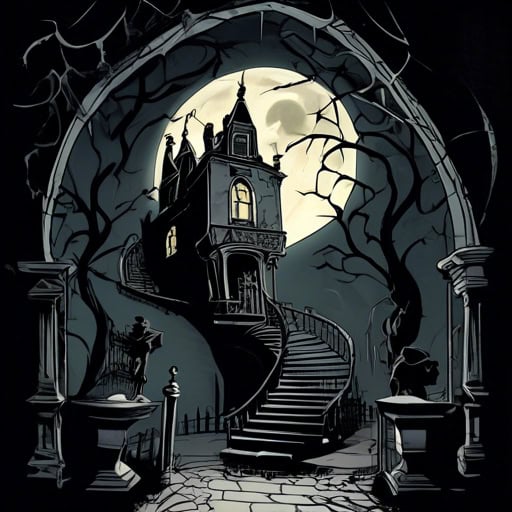
The Demise of Madeline Usher
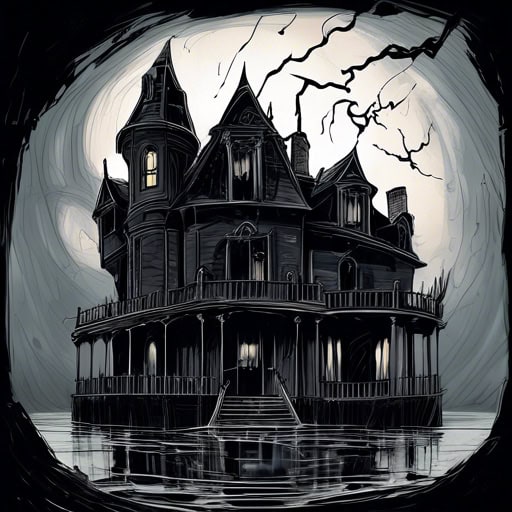
The Fall of the House of Usher
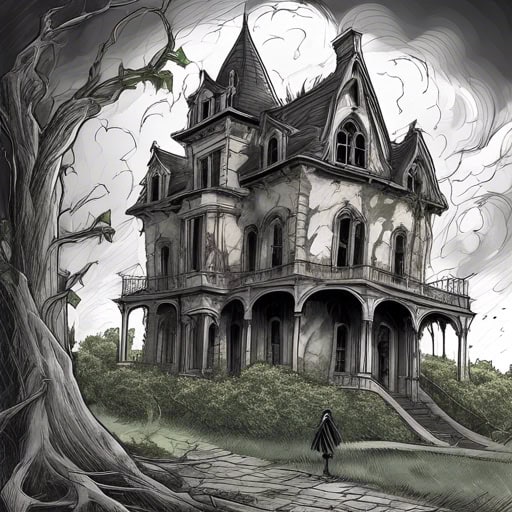
The Unraveling of the Usher Family Curse
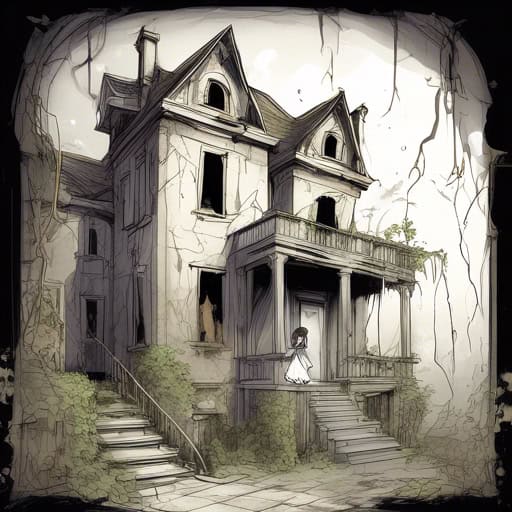
The Symbolism of the House
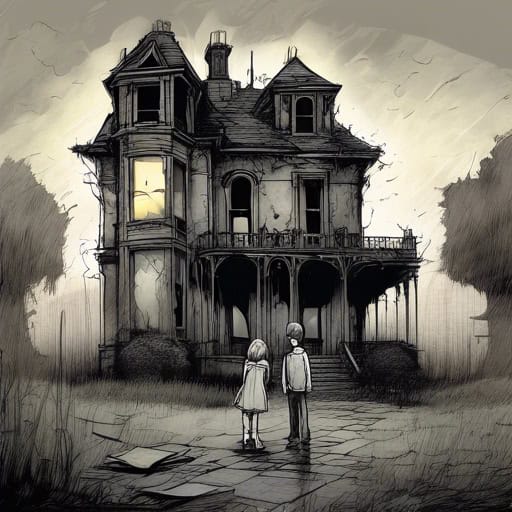
The Theme of Isolation and Madness
The Influence of Gothic Literature
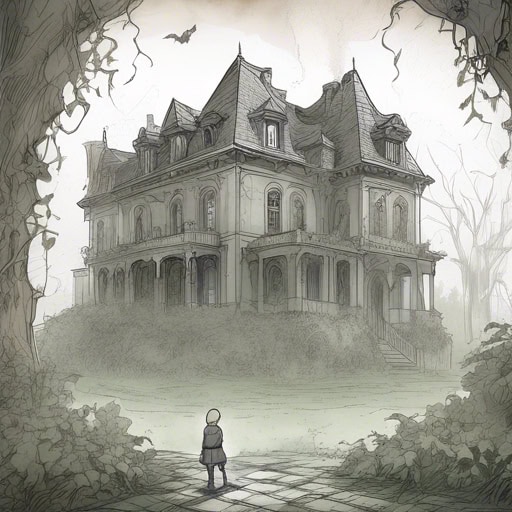
The Legacy of The Fall of the House of Usher
Lesson Details & Resources
In a Nutshell
- What: Short story by Edgar Allan Poe
- When: Written in the Romantic era
- Who: Main characters: Roderick Usher, Madeline Usher, and the narrator
- Theme: Isolation, madness, and the supernatural
List of Characters in The Fall of the House of Usher
-

Roderick Usher
Roderick Usher - The last male in the Usher line, he is described as being physically and mentally fragile.
-

Madeline Usher
Madeline Usher - Roderick's twin sister who suffers from a mysterious illness.
-

Narrator
Narrator - The unnamed friend of Roderick who comes to visit the Usher house.
Timeline of The Fall of the House of Usher
The narrator arrives at the House of Usher
The narrator observes the deteriorating state of the house and its surroundings
The narrator meets Roderick Usher, the last remaining member of the Usher family
Roderick reveals his deteriorating mental and physical health
The narrator spends time with Roderick, discussing various topics
Roderick plays the guitar and sings a song
The narrator reads to Roderick from a book
Roderick expresses his fear of being buried alive
Roderick's twin sister, Madeline, dies and is temporarily placed in a vault
Strange events occur in the house, including eerie sounds and visions
Roderick becomes increasingly agitated and fearful
Madeline suddenly reappears, bloodied and seemingly resurrected
Madeline attacks Roderick, causing him to die of fear
The narrator flees from the house as it collapses into a tarn
The House of Usher is destroyed, symbolizing the fall of the Usher family
Vocabulary List
- Decayed
- The house itself appeared to be in a state of advanced decay.
- Melancholy
- The atmosphere of the house was filled with a sense of melancholy.
- Desolate
- The surrounding landscape was desolate and barren.
- Haunting
- The sound of the wind whistling through the trees was haunting.
- Ominous
- There was an ominous feeling that something terrible was about to happen.
- Gloomy
- The interior of the house was dark and gloomy.
- Dismal
- The weather outside was dismal and overcast.
- Forsaken
- The house seemed forsaken and abandoned by all.
- Sorrowful
- The characters in the story were filled with sorrowful emotions.
- Mournful
- The sound of the funeral march played in the background was mournful.
- Sullen
- The mood of the characters was sullen and withdrawn.
- Macabre
- The events that unfolded in the story had a macabre and eerie quality.
- Fateful
- The fateful events of that night would change the characters' lives forever.
- Tragic
- The story had a tragic ending that left the reader feeling unsettled.
Key Facts
This is the information used in the fact matching game
- - The Fall of the House of Usher is a short story written by Edgar Allan Poe in 1839.
- - The story revolves around the narrator, who visits his childhood friend Roderick Usher at his decaying ancestral home.
- - Roderick Usher is suffering from a mysterious illness that affects his mental and physical well-being.
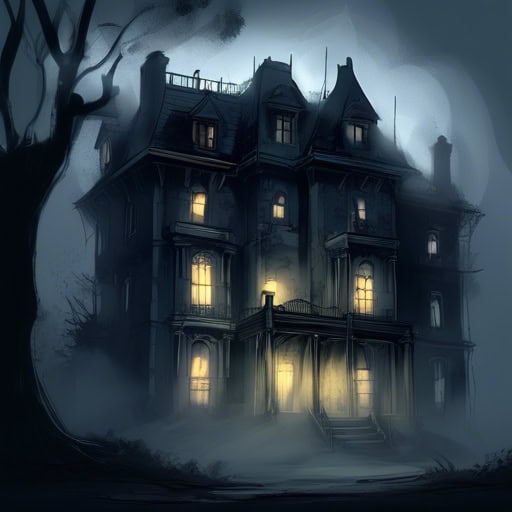
- - The narrator describes the house as having a gloomy atmosphere, with cracks and fissures running through its walls.
- - Roderick's sister, Madeline, also suffers from a similar illness and spends most of her time in bed.
- - The narrator tries to comfort Roderick by reading him stories and engaging in conversation.
- - Roderick reveals that he believes the Usher family is cursed and that the house itself is alive.
- - As the story progresses, strange events occur, including a storm that intensifies the eerie atmosphere.
- - Madeline suddenly dies, and her body is placed in a vault in the house temporarily.
- - The narrator and Roderick decide to bury Madeline prematurely due to fears of her returning as a vampire.
- - Roderick's mental state deteriorates further, and he becomes increasingly paranoid and fearful.
- - The narrator starts hearing strange sounds and seeing ghostly apparitions within the house.
- - One night, Roderick confesses to the narrator that he buried Madeline alive.
- - Madeline, seemingly risen from the dead, storms into the room, causing Roderick to die of terror.
- - The narrator flees the house as it crumbles, symbolizing the destruction of the Usher family.
- - The collapse of the house mirrors the fall of the Usher lineage and the end of a cursed bloodline.
- - The story explores themes of madness, decay, and the power of the mind.
- - Poe's writing style in this story is characterized by intense psychological tension and gothic elements.
- - The Fall of the House of Usher is considered one of Poe's most famous and influential works.
- - The story has been adapted into various forms of media, including films, operas, and television adaptations.
Analysis & Significance
Impact on Literature
Edgar Allan Poe’s “The Fall of the House of Usher” is a seminal work of Gothic fiction that has had a lasting impact on the horror genre. Its exploration of psychological terror, decay, and madness set a precedent for future writers, influencing the development of dark and atmospheric storytelling.
Enduring Themes
The themes of isolation, decay, and the power of the mind in “The Fall of the House of Usher” continue to resonate with modern audiences. The story delves into the fragility of the human psyche and the haunting effects of family legacies, making it a timeless exploration of inner turmoil and existential dread.
Cultural Significance Today
“The Fall of the House of Usher” remains a classic work of literature that has been adapted into various forms of media, including film, theater, and music. Its influence can be seen in the works of contemporary horror writers and filmmakers, solidifying its place as a cultural touchstone for exploring the darker aspects of human nature.
The Fall of the House of Usher Games


Take Your Learning Offline
Want a convenient, print-ready study guide for this lesson? Become a Memory Wizards Pro member to unlock the downloadable " Memory Scrolls" for this topic and our entire library!
- ✓ Complete Vocabulary Lists
- ✓ Key Facts & Timelines
- ✓ Beautifully Formatted for Print & Mobile
Dive Deeper
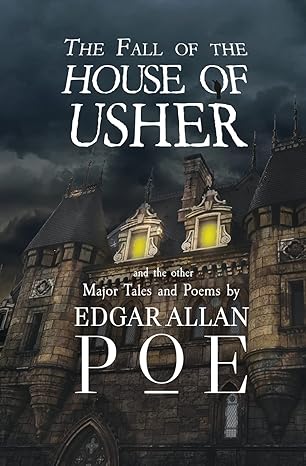
The Fall of the House of Usher and the Other Major Tales
This comprehensive collection includes 'The Fall of the House of Usher' along with other iconic works by Edgar Allan Poe, providing a deep dive into his dark and haunting literary world.
View on Amazon
A Quiet Madness: A Biographical Novel of Edgar Allan Poe
This captivating biographical novel delves into the enigmatic life of Edgar Allan Poe, offering a deep and immersive exploration of the man behind the haunting tales and poems.
View on AmazonTo help us keep Memory Wizards running and create more magical learning content, we are a participant in the Amazon Associates Program. If you make a purchase through the links on this page, we may earn a small commission at no extra cost to you. We only recommend resources we believe in.