
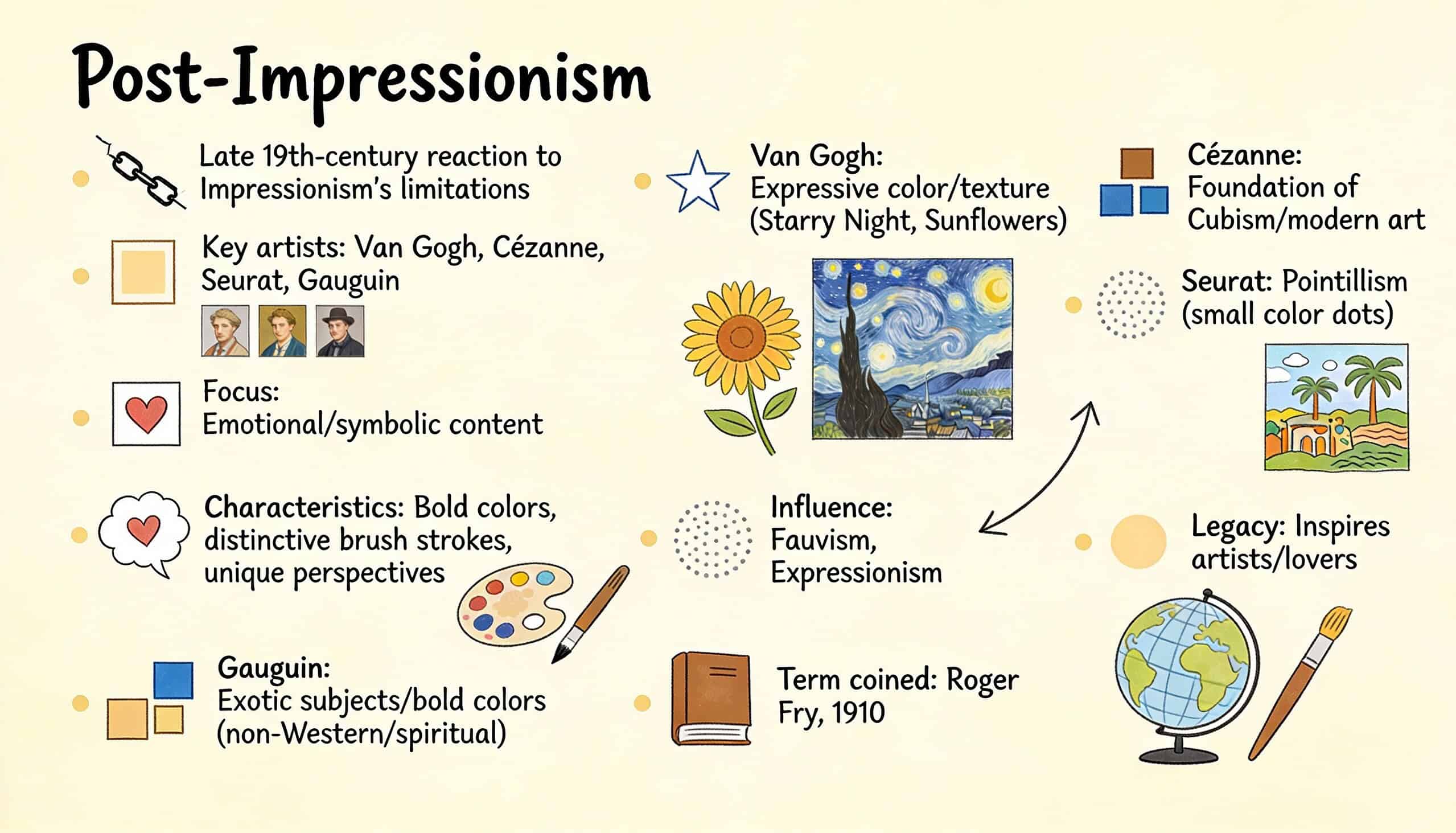
At a Glance - Infographic
How Do You Learn Best?
Learn by Listening
Start with the 3-minute audio summary to get the key facts and narrative highlights quickly.
Learn by Reading
Immerse yourself in the 10-minute visual lesson for a comprehensive understanding of the topic.
Learn by Reviewing
Jump directly to the key facts, timeline, and vocabulary lists to build a solid foundation of details.
Learn by Doing
Challenge yourself! Jump straight into the interactive games to learn by trial, error, and discovery.
Example of Post Impressionism: Card Players - Paul Cézanne

Deconstructing Post Impressionism
Vivid Colors
Bold and vibrant hues are used to express emotion and create a heightened sense of reality.
Symbolic Imagery
Objects and figures are imbued with symbolic meaning, adding layers of depth and personal expression to the artwork.
Distinct Brushwork
Artists use visible brushstrokes and unique techniques to convey their individual style and subjective interpretation of the world.
Spatial Distortion
Perspective is manipulated to create a more subjective and emotional representation of space, challenging traditional notions of realism.
Audio Library
As one of our featured lessons, this topic includes premium audio guides.
Unlock the Wizard's Cram Session
This powerful audio study guide is a Pro-exclusive feature. Upgrade to Memory Wizards Pro to access this and all of our premium learning tools.
Upgrade to ProIntroduction to Post-Impressionism in 10 Minutes
Introduction
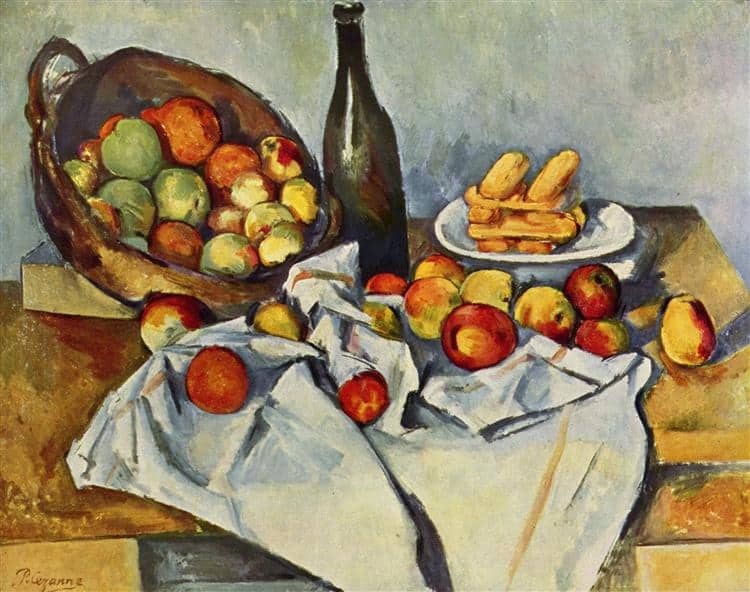
Paul Cézanne

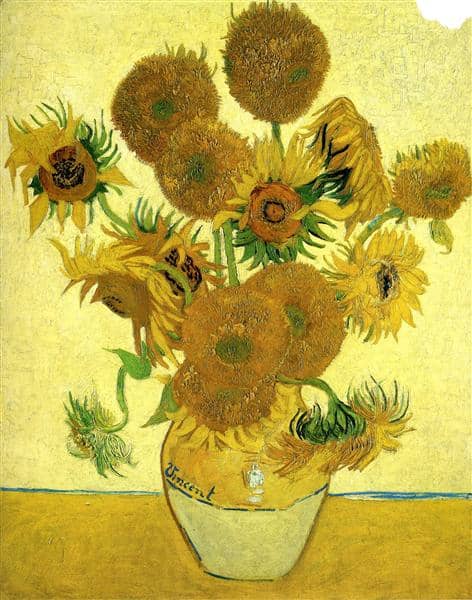
Vincent van Gogh
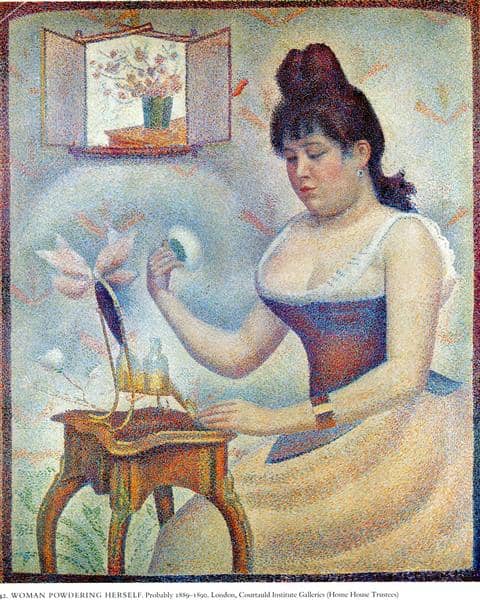
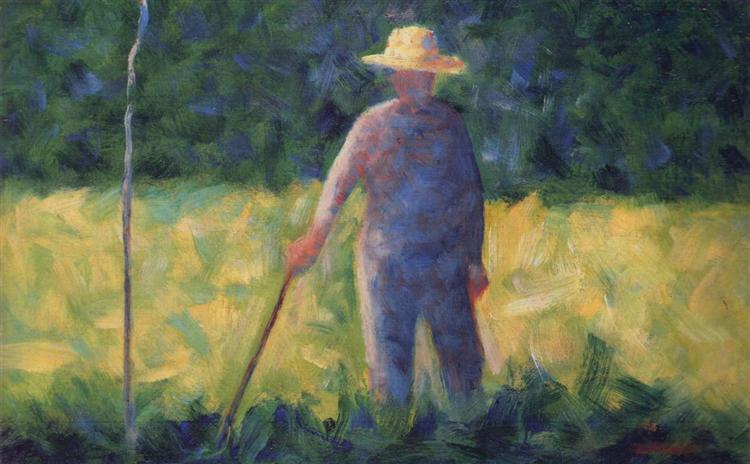
Georges Seurat
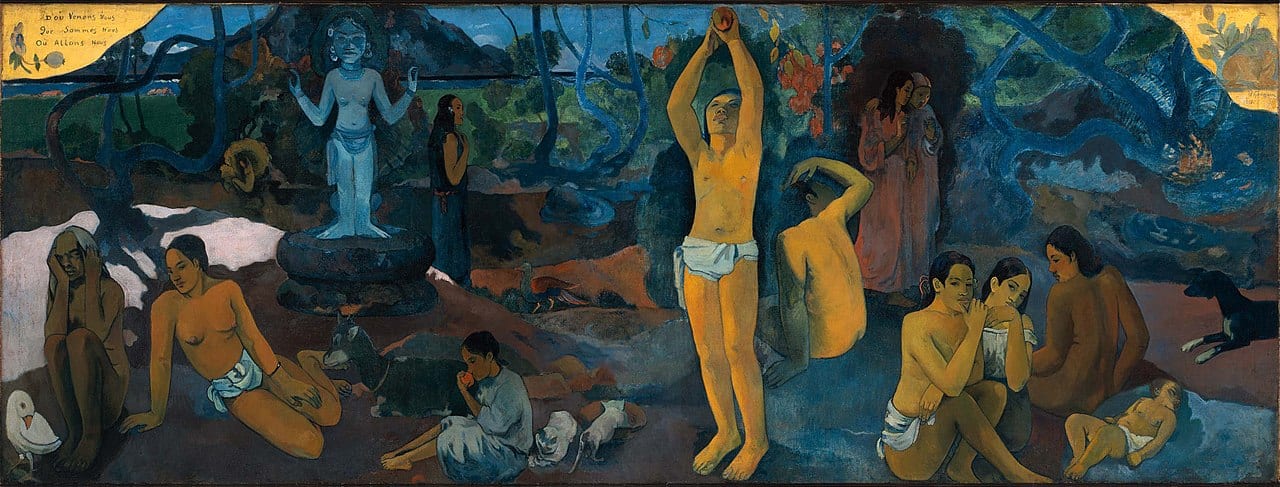
Paul Gauguin
1. The Beginnings of Post-Impressionism
2. The Influence of Paul Cézanne
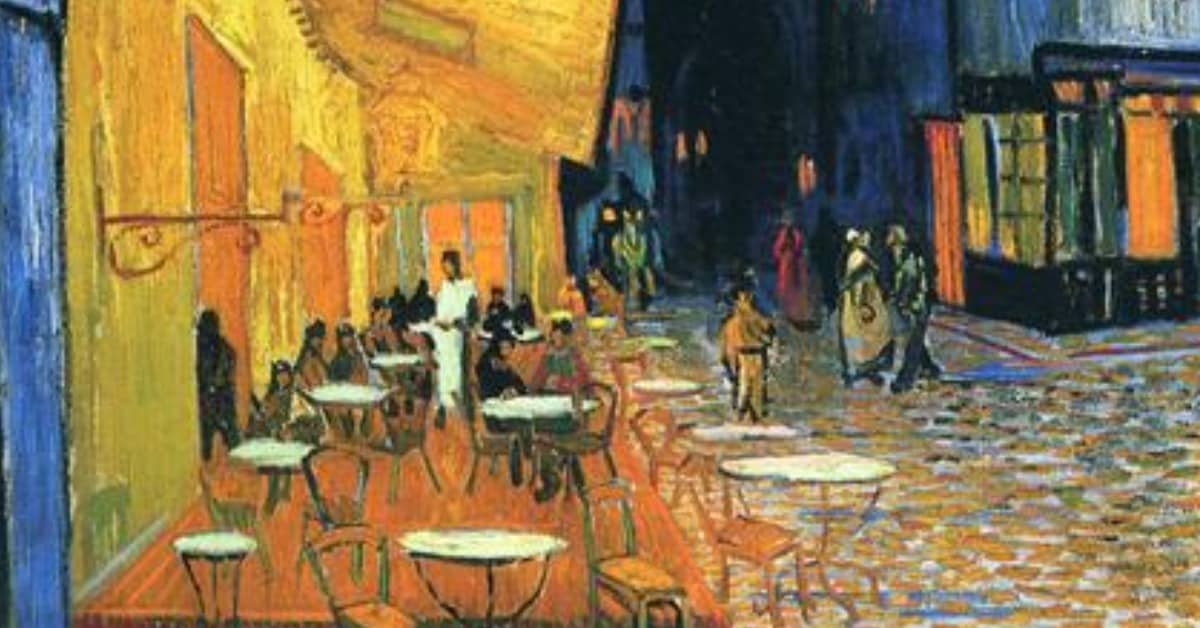
3. The Vibrant Colors of Vincent van Gogh
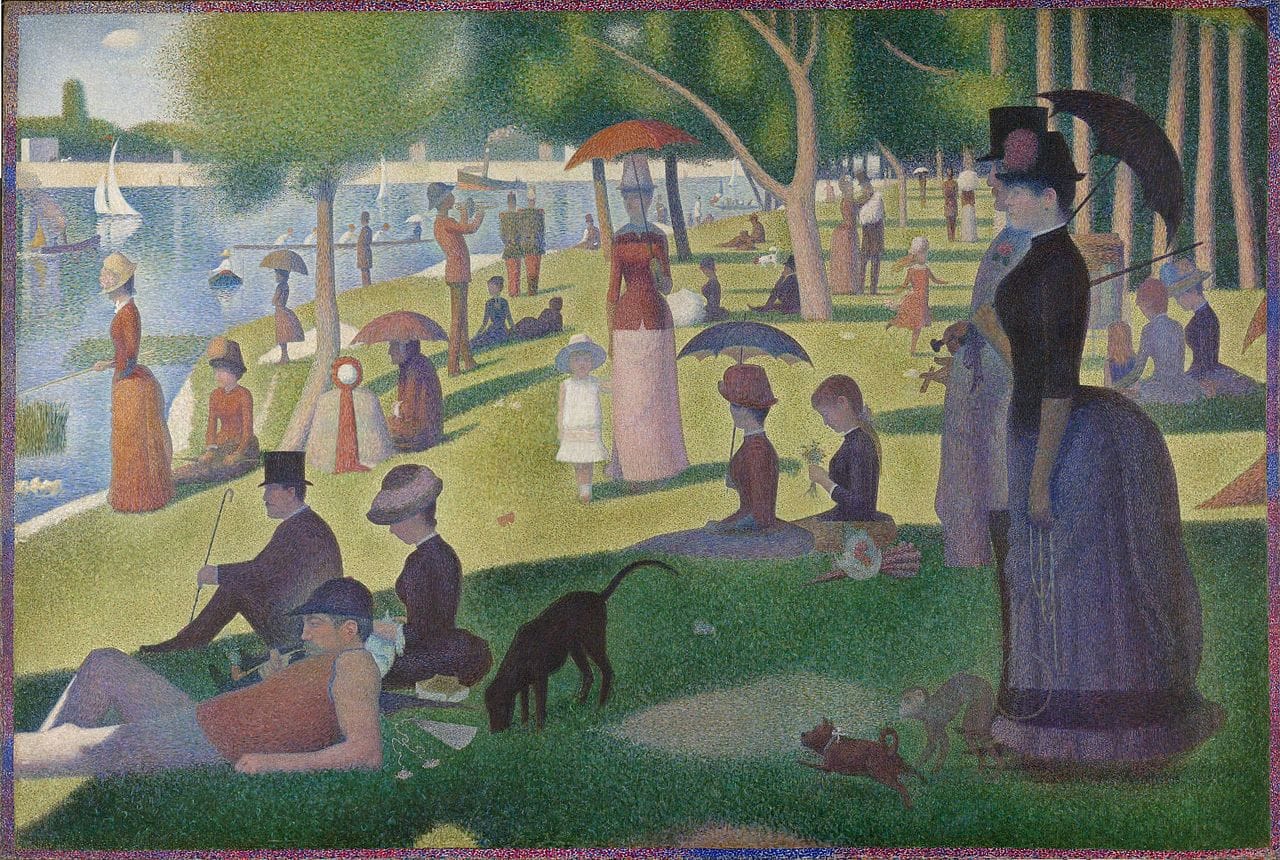
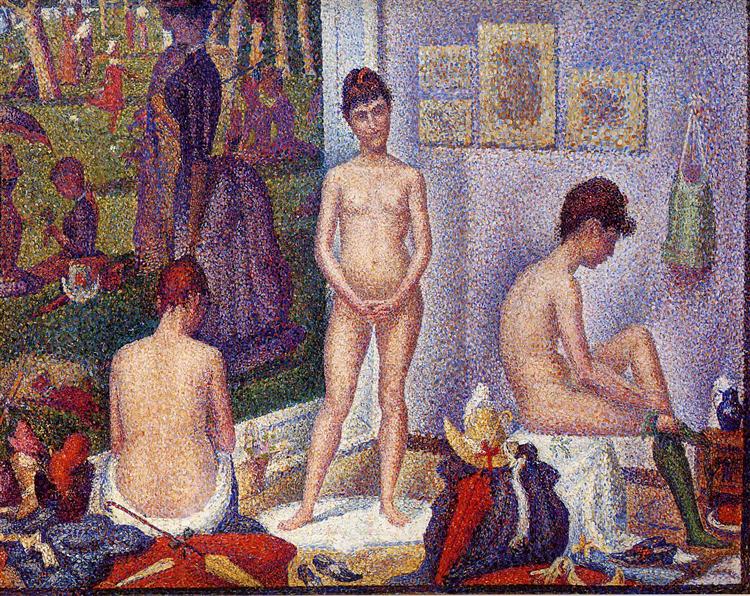
4. The Pointillism of Georges Seurat

5. The Symbolism of Post-Impressionism
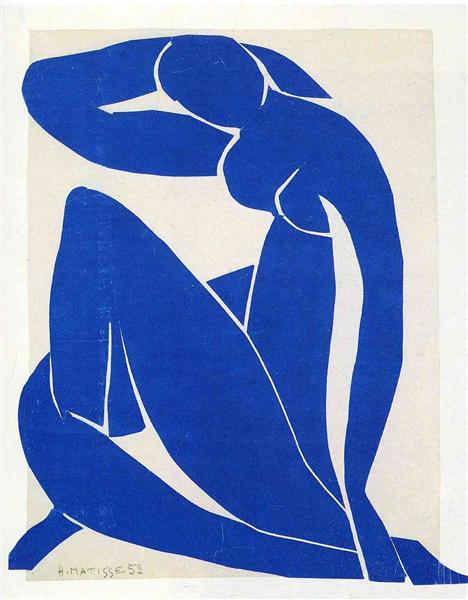
6. The Legacy of Post-Impressionism
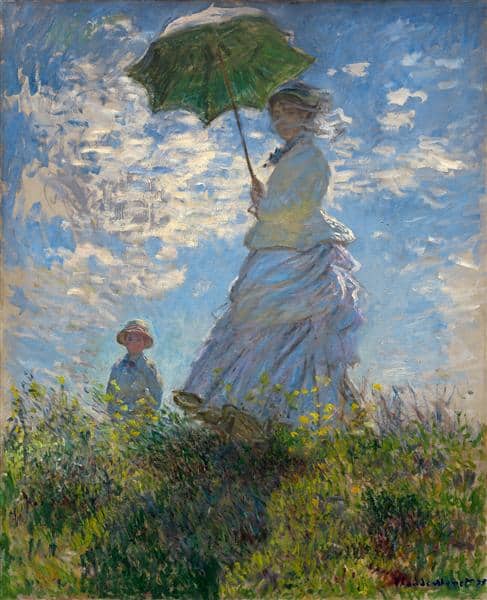
7. The Importance of Individual Expression

8. The Rejection of Realism
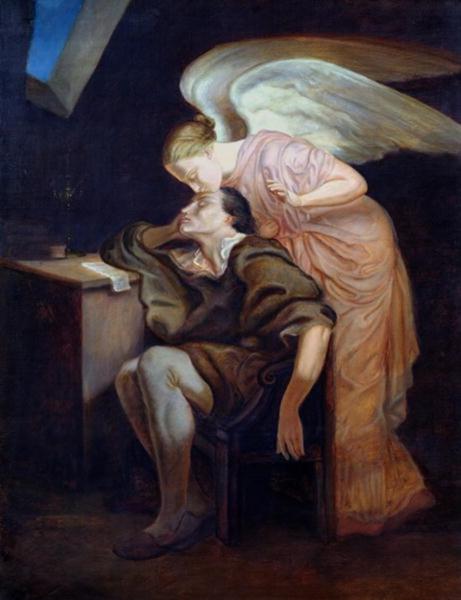
9. The Evolution of Technique
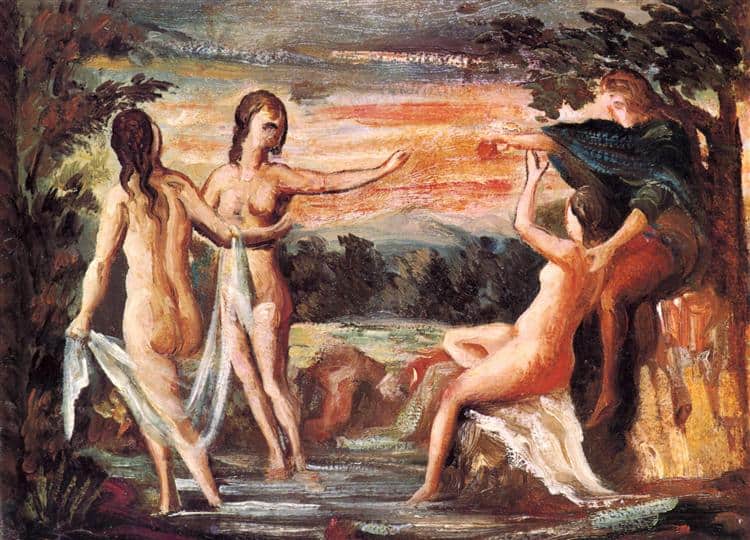
10. The Enduring Influence of Post-Impressionism
Lesson Details & Resources
In a Nutshell
- When: Late 19th century
- Characteristics: Color, form, emotion
- Key Artists: Vincent van Gogh, Paul Cézanne, Georges Seurat
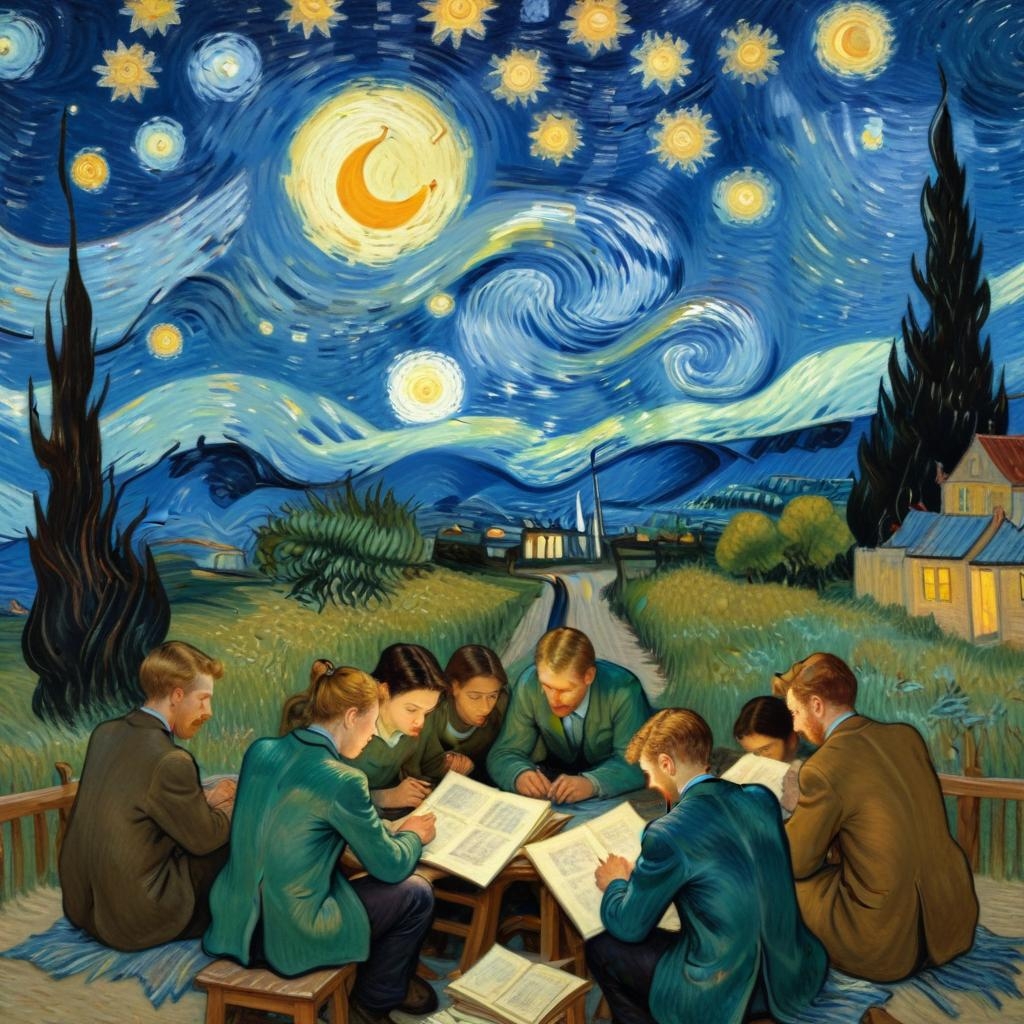
- Major Work: “Starry Night” by Vincent van Gogh
Vocabulary List
- Impressionism
- The art movement that preceded Post-Impressionism, characterized by the use of visible brush strokes and emphasis on light and color.
- Pointillism
- A technique in which small, distinct dots of color are applied in patterns to form an image, commonly used by Post-Impressionist artists.
- Symbolism
- The use of symbols to represent ideas or qualities in art, often seen in the works of Post-Impressionist painters.
- Divisionism
- A technique in which colors are separated into individual dots or strokes to create the illusion of form and depth, used by Post-Impressionist artists like Georges Seurat.
- Juxtaposition
- The act of placing two or more things side by side to create contrast or comparison, a technique often used in Post-Impressionist art.
- Avant-garde
- A term used to describe artists or works that are innovative, experimental, or ahead of their time, often associated with Post-Impressionism.
- Cubism
- An art movement that emerged in the early 20th century, characterized by geometric shapes and abstract forms, influenced by Post-Impressionist artists like Paul Cezanne.
- Expressionism
- An art movement that emphasizes the emotional and psychological aspects of the artist's experience, seen in the works of Post-Impressionist painters like Vincent van Gogh.
- Surrealism
- An art movement that seeks to combine reality with dreamlike or unconscious elements, influenced by Post-Impressionist artists like Henri Rousseau.
- Fauvism
- An art movement characterized by bold colors and exaggerated forms, a precursor to Post-Impressionism.
- Composition
- The arrangement of elements within a work of art, a key consideration for Post-Impressionist painters.
- Texture
- The tactile quality of a surface, often emphasized in Post-Impressionist art through the use of thick brushstrokes or impasto techniques.
- Perspective
- The technique of creating an illusion of depth on a flat surface, an important consideration for Post-Impressionist artists like Paul Cezanne.
- Harmony
- The combination of elements in a work of art to create a sense of unity and balance, a goal for many Post-Impressionist painters.
- Contrast
- The arrangement of opposite elements to create visual interest and emphasis, a common technique in Post-Impressionist art.
- Color theory
- The study of how colors interact with each other and how they can be used to create certain effects, a key consideration for Post-Impressionist painters like Georges Seurat.
- Light and shadow
- The use of light and dark areas to create the illusion of form and volume, a technique often employed by Post-Impressionist artists.
- Subjectivity
- The artist's personal perspective or interpretation of a subject, a key characteristic of Post-Impressionist art.
- Abstraction
- The simplification or distortion of forms to create a more subjective or expressive representation, a common approach in Post-Impressionist art.
- Geometric shapes
- Simple, mathematical shapes like squares, circles, and triangles, often used by Post-Impressionist painters to create structure and form in their compositions.
Timeline of Introduction to Post-Impressionism
Exhibition of works by Georges Seurat, Camille Pissarro, and Paul Cézanne at the 8th Impressionist exhibition in Paris
Vincent van Gogh moves to Paris and begins experimenting with Pointillism and Divisionism techniques
Paul Gauguin travels to Pont-Aven in Brittany and begins developing his Synthetist style
Vincent van Gogh cuts off his ear and is hospitalized in Arles
Paul Cézanne's solo exhibition at Galerie Vollard in Paris
Paul Gauguin travels to Tahiti and begins incorporating Polynesian motifs in his paintings
Henri de Toulouse-Lautrec's first exhibition at the gallery owned by Maurice Joyant
Paul Gauguin's first solo exhibition at Galerie Durand-Ruel in Paris
Vincent van Gogh's suicide in Auvers-sur-Oise
Henri de Toulouse-Lautrec creates iconic posters for the Moulin Rouge cabaret in Paris
Paul Cézanne's posthumous retrospective exhibition at the Salon d'Automne in Paris
Georges Seurat's death at the age of 31
Paul Gauguin's return to France from Tahiti and settling in Arles
Vincent van Gogh's posthumous exhibition at Galerie Bernheim-Jeune in Paris
Paul Cézanne's exhibition at the Salon des Indépendants in Paris
Henri de Toulouse-Lautrec's death from complications of alcoholism and syphilis
Paul Gauguin's final years spent in the Marquesas Islands, where he continued to paint
Post-Impressionism recognized as a distinct art movement in art history
Legacy of Post-Impressionism influences future art movements such as Fauvism and Cubism
Key Facts
This is the information used in the fact matching game
- Post-Impressionism was a term coined in 1910 by art critic Roger Fry.
- Post-Impressionist artists sought to move beyond the naturalism of Impressionism and explore new ways of representing reality.
- Post-Impressionism encompasses a wide range of styles, including the works of artists like Vincent van Gogh, Paul Cézanne, and Georges Seurat.
- Vincent van Gogh's work is characterized by bold colors, expressive brushwork, and emotional intensity.
- Paul Cézanne is known for his explorations of form and structure in his landscapes and still lifes.
- Georges Seurat developed the technique of Pointillism, using small dots of color to create a sense of luminosity and form.
- Post-Impressionist artists were influenced by a variety of sources, including Japanese prints, African art, and the work of earlier masters like Delacroix and Courbet.
- Many Post-Impressionist artists were interested in exploring the emotional and symbolic potential of color.
- Some Post-Impressionist artists, like Paul Gauguin, sought to create art that was more spiritual and symbolic in nature.
- Post-Impressionist artists often worked in small groups, sharing ideas and techniques.
- The term Post-Impressionism is used to describe a diverse range of styles and approaches to art-making.
- Post-Impressionism had a significant impact on the development of modern art, influencing movements like Fauvism, Cubism, and Surrealism.
- Post-Impressionist artists often sought to evoke a sense of timelessness and universality in their work.
- The Post-Impressionist movement was not a unified or cohesive group, but rather a loose collection of artists working in different styles and approaches.
- Many Post-Impressionist artists were interested in depicting the world as they experienced it, rather than as it appeared in reality.
- Post-Impressionist artists often experimented with composition, perspective, and subject matter, pushing the boundaries of traditional art-making.
- Post-Impressionist artists were influenced by the changing social and political landscape of their time, including the rise of industrialization and urbanization.
- Post-Impressionist artists were interested in exploring the inner worlds of their subjects, delving into psychology and emotion.
- Some Post-Impressionist artists, like Henri Rousseau, were self-taught and worked outside of traditional art institutions.
- Post-Impressionist artists often used bold, expressive brushwork and unconventional color palettes to convey their emotional responses to the world around them.
Analysis & Significance
Historical Context
The movement of Introduction to Post-Impressionism emerged in the late 19th century as a response to the limitations of Impressionism. Artists of this movement were influenced by the industrialization and urbanization of society, as well as advancements in science and technology. They sought to move beyond the fleeting effects of light and atmosphere captured by Impressionists and instead focus on form, color, and expression.
Defining Characteristics
Key visual and thematic elements of Introduction to Post-Impressionism include bold use of color, distorted forms, and a focus on emotional expression. Artists like Paul Cézanne, Vincent van Gogh, and Georges Seurat experimented with new techniques and styles to convey their inner emotions and subjective experiences.
Lasting Influence
Introduction to Post-Impressionism had a significant impact on the development of modern art. Its emphasis on form, color, and emotion laid the groundwork for movements like Fauvism, Cubism, and Expressionism. Artists like Pablo Picasso and Wassily Kandinsky were inspired by the innovations of Post-Impressionist painters and continued to push the boundaries of artistic expression in the 20th century.
Introduction to Post-Impressionism Games


Take Your Learning Offline
Want a convenient, print-ready study guide for this lesson? Become a Memory Wizards Pro member to unlock the downloadable " Memory Scrolls" for this topic and our entire library!
- ✓ Complete Vocabulary Lists
- ✓ Key Facts & Timelines
- ✓ Beautifully Formatted for Print & Mobile