
At a Glance - Infographic
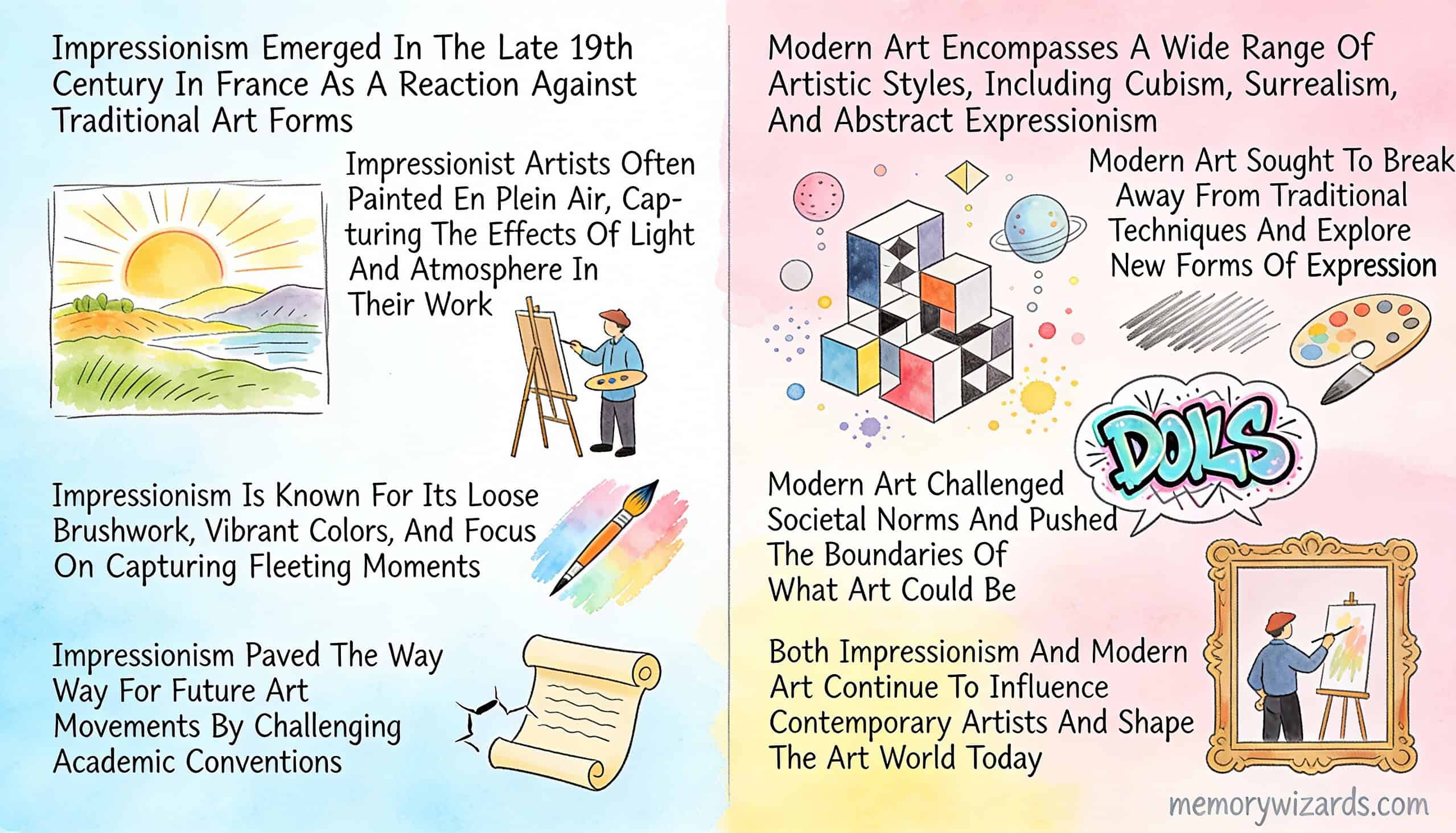
How Do You Learn Best?
Learn by Listening
Start with the 3-minute audio summary to get the key facts and narrative highlights quickly.
Learn by Reading
Immerse yourself in the 10-minute visual lesson for a comprehensive understanding of the topic.
Learn by Reviewing
Jump directly to the key facts, timeline, and vocabulary lists to build a solid foundation of details.
Learn by Doing
Challenge yourself! Jump straight into the interactive games to learn by trial, error, and discovery.
Example of Post Impressionism & Modernism: Ballet dancer at the barre

Deconstructing Post Impressionism & Modernism
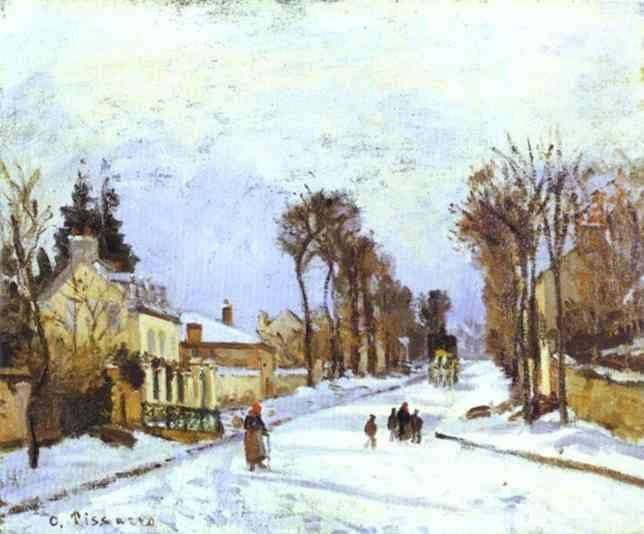
Impressionistic Brushstrokes
Visible and expressive brushwork captures the artist's immediate impressions of a scene, emphasizing spontaneity and movement.
Play of Light and Color
Bold use of vibrant colors and light effects create a sense of atmosphere and evoke a mood or feeling.
Subjective Perception
Focus on capturing fleeting moments and personal interpretations of reality, rather than precise representation.
Outdoor Scenes
Preference for painting en plein air, capturing the effects of natural light and atmosphere in everyday settings.
Audio Library
As one of our featured lessons, this topic includes premium audio guides.
Unlock the Wizard's Cram Session
This powerful audio study guide is a Pro-exclusive feature. Upgrade to Memory Wizards Pro to access this and all of our premium learning tools.
Upgrade to ProImpressionism & Modern Art: An Analysis in 10 Minutes
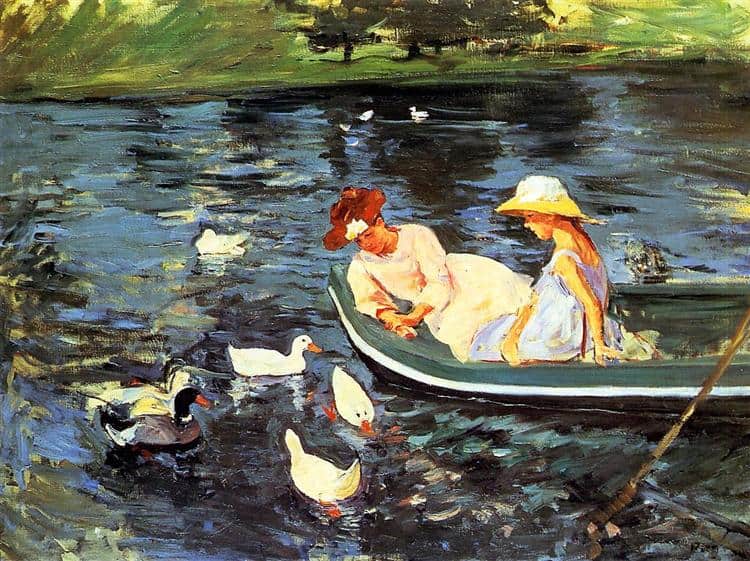
The Birth of Impressionism
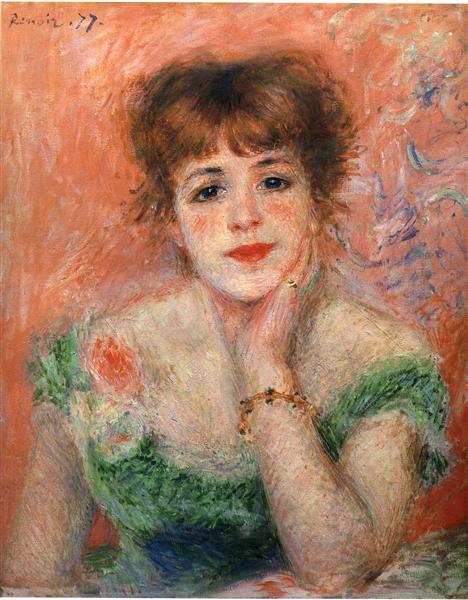
The First Impressionist Exhibition
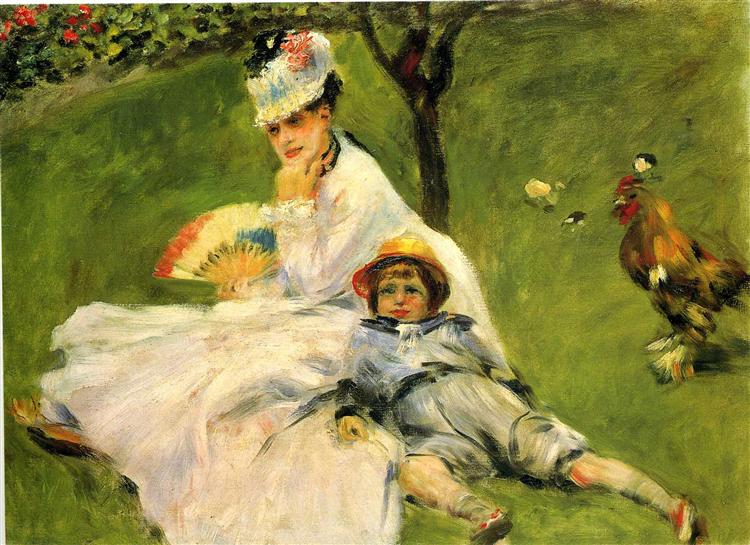
The Impressionist Style
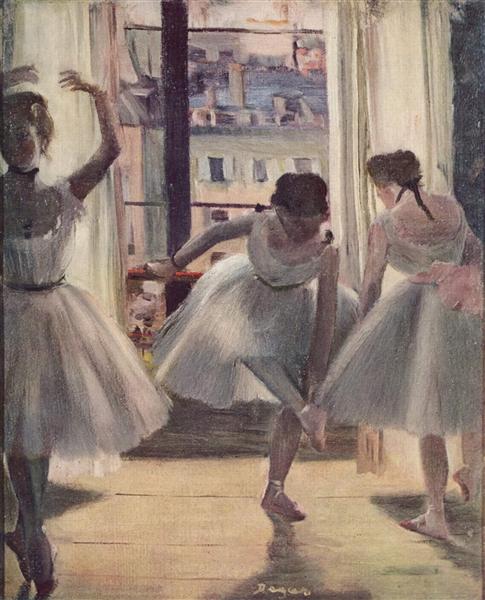
Impressionism Goes Global

The Legacy of Impressionism
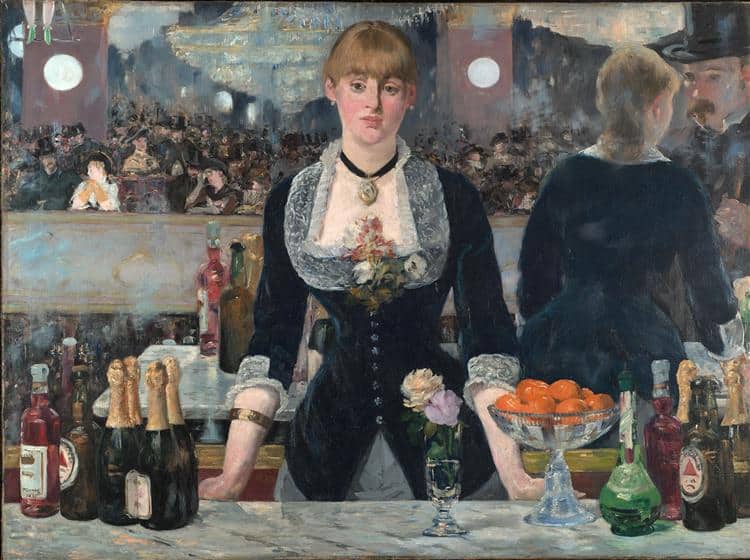
Impact on Society
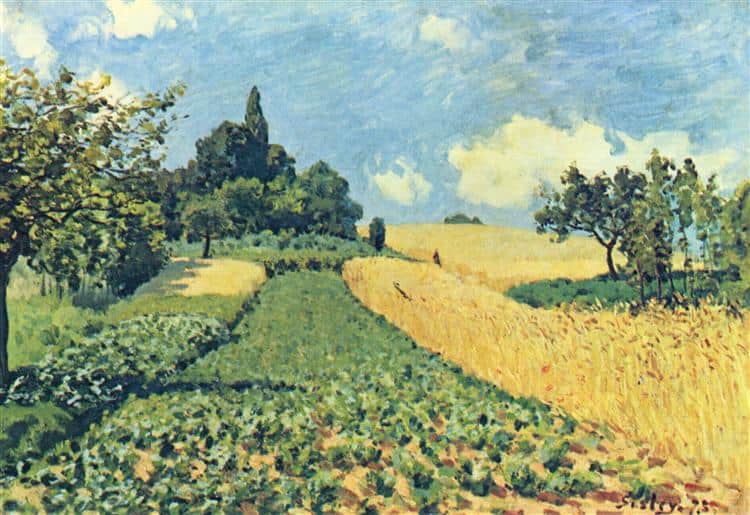
Revolutionizing Art Criticism
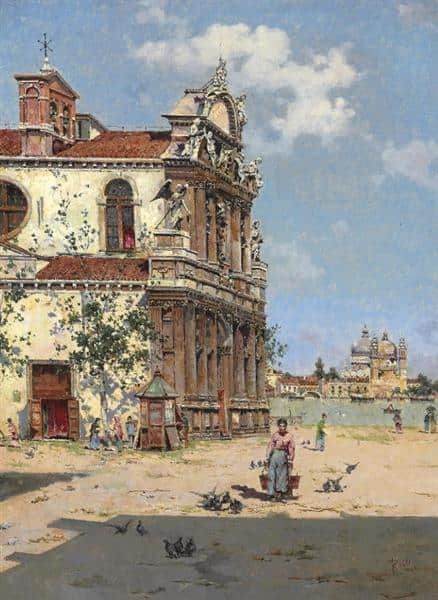
Breaking Barriers
Continued Influence
Lesson Details & Resources
In a Nutshell
Impressionism
- When: 19th century
- Characteristics: Impression, light, color
- Key Artists: Claude Monet, Edgar Degas, Pierre-Auguste Renoir
- Major Work: “Impression, Sunrise” by Claude Monet
Modern Art
- When: 19th and 20th centuries
- Characteristics: Abstract, unconventional
- Key Artists: Pablo Picasso, Jackson Pollock, Andy Warhol
- Major Work: “Guernica” by Pablo Picasso
Vocabulary List
- Impressionism
- The art movement that originated in France in the late 19th century and is characterized by capturing the impression of a scene or subject
- Modern Art
- Artistic works produced during the late 19th and 20th centuries, often characterized by a departure from traditional styles and techniques
- Brushstrokes
- The marks made by a brush on a surface, often used to convey movement or emotion in Impressionist paintings
- Color theory
- A set of principles that explain how colors interact with each other and how they can be used to create harmony or contrast in a painting
- En plein air
- The practice of painting outdoors, popularized by Impressionist artists who sought to capture the effects of natural light
- Light and shadow
- The contrast between light and dark areas in a painting, often used by Impressionist artists to create depth and atmosphere
- Palette
- The range of colors used by an artist in a painting, often reflecting their personal style or artistic vision
- Texture
- The surface quality of a painting, created through the use of different brushstrokes, techniques, and materials
- Composition
- The arrangement of elements within a painting, including the placement of objects, colors, and shapes
- Optical mixing
- The technique used by Impressionist artists to create new colors by placing small, distinct strokes of different colors next to each other
- Subjectivity
- The idea that art is a reflection of the artist's personal experiences, emotions, and perceptions
- Impasto
- The technique of applying thick layers of paint to a canvas, creating a textured and three-dimensional effect
- Atmosphere
- The overall feeling or mood conveyed by a painting, often achieved through the use of color, light, and composition
- Juxtaposition
- The placement of two or more elements next to each other in a painting, often used to create contrast or highlight a particular feature
- Avant-garde
- A group of artists who are at the forefront of artistic innovation and experimentation, often challenging traditional norms and conventions
- Harmony
- The pleasing arrangement of elements within a painting, creating a sense of balance and unity
- Landscape
- A genre of painting that depicts natural scenery, often featuring outdoor scenes and elements of the natural world
- Enchantment
- The feeling of wonder or delight inspired by a painting, often achieved through the artist's skillful use of color, light, and composition
- Impression
- A fleeting or subjective visual experience, often captured by Impressionist artists in their paintings
- Innovation
- The introduction of new ideas, techniques, or styles in art, often associated with the Impressionist movement and the rise of modern art
Timeline of Impressionism & Modern Art: An Analysis
Edouard Manet's 'Le Dejeuner sur l'Herbe' is exhibited at the Salon des Refuses
Claude Monet paints 'Impression, Sunrise', giving name to the Impressionist movement
The first Impressionist exhibition is held in Paris, featuring works by Monet, Renoir, Degas, and others
Paul Cezanne exhibits with the Impressionists for the first time
Berthe Morisot becomes the first woman to exhibit with the Impressionists
Edgar Degas' 'L'Absinthe' causes controversy at the Impressionist exhibition
Mary Cassatt joins the Impressionist circle and exhibits with them in Paris
Georges Seurat unveils 'A Sunday Afternoon on the Island of La Grande Jatte', a precursor to Pointillism
Vincent van Gogh moves to Paris and is influenced by the Impressionists
Paul Gauguin joins the Impressionist group and exhibits with them in Paris
The last Impressionist exhibition is held in Paris, signaling the end of the movement
Henri de Toulouse-Lautrec's posters revolutionize the art world and are influenced by Impressionism
The Post-Impressionist exhibition is held in Paris, featuring works by artists such as van Gogh, Gauguin, and Seurat
Pablo Picasso's 'Les Demoiselles d'Avignon' marks the beginning of Cubism and the shift away from Impressionism
The Armory Show in New York introduces American audiences to European modern art, including Impressionism
World War I disrupts the art world and leads to the rise of new movements such as Dada and Surrealism
The Museum of Modern Art (MoMA) is founded in New York, showcasing modern art including Impressionist works
The popularity of Impressionism grows in the 20th century, influencing artists such as Andy Warhol and David Hockney
Impressionist masterpieces continue to fetch record prices at auctions and remain highly sought after by collectors
Key Facts
This is the information used in the fact matching game
- Impressionism originated in France in the 1860s and 1870s.
- The term 'Impressionism' was coined from a critical review of Claude Monet's painting 'Impression, Sunrise'.
- Impressionist artists aimed to capture the fleeting effects of light and atmosphere in their paintings.
- Impressionists often painted en plein air (outdoors) to accurately capture the effects of natural light.
- Edouard Manet is considered a precursor to Impressionism with his loose brushwork and interest in everyday subjects.
- Impressionist artists rejected the traditional studio painting techniques and often used rapid, visible brushstrokes.
- Impressionist paintings often showcased modern life, including urban scenes, leisure activities, and industrialization.
- Impressionism was initially met with harsh criticism by the art establishment.
- Prominent Impressionist artists include Claude Monet, Pierre-Auguste Renoir, Edgar Degas, and Berthe Morisot.
- Impressionism influenced later art movements such as Post-Impressionism, Fauvism, and Cubism.
- Impressionist paintings often feature vibrant colors, loose brushwork, and a focus on capturing the mood or impression of a scene.
- Impressionist artists were interested in capturing the effects of light on different surfaces, such as water, foliage, and skin.
- Impressionism was influenced by the development of photography, which allowed artists to experiment with new ways of seeing and representing reality.
- Impressionist exhibitions were often held independently of the official Salon exhibitions, allowing artists to showcase their work to a wider audience.
- Impressionism is characterized by its emphasis on capturing the transient effects of light and movement in nature.
- Impressionism is known for its focus on the visual experience of the moment, rather than detailed representation.
- Impressionist artists often painted scenes of modern life, including cafes, theaters, and dance halls.
- Impressionism challenged traditional notions of art by emphasizing the artist's perception and interpretation of a scene.
- Impressionism was not a unified movement, but rather a loose association of artists who shared similar interests and techniques.
- Impressionism had a significant impact on the development of modern art, influencing later movements such as Abstract Expressionism and Pop Art.
Analysis & Significance
Artistic Innovation
Impressionism revolutionized the art world by focusing on capturing fleeting moments of light, color, and atmosphere in a loose, spontaneous style. Artists like Monet and Renoir rejected traditional techniques, opting for visible brushstrokes and unconventional compositions that conveyed emotion and movement.
Influence on Art History
The Impressionist movement paved the way for modern art by challenging academic conventions and embracing innovation. It inspired artists like Van Gogh and Matisse to experiment with color and form, leading to the birth of Post-Impressionism, Fauvism, and Cubism. Impressionism’s emphasis on subjective interpretation and individual expression also marked a shift towards artistic freedom.
Cultural Significance Today
Impressionism remains a beloved and influential movement, with its timeless beauty and vibrant energy continuing to captivate audiences worldwide. The works of Impressionist masters are celebrated for their ability to evoke mood and atmosphere, showcasing the power of art to capture the essence of a moment and transcend time.
Impressionism & Modern Art: An Analysis Games


Take Your Learning Offline
Want a convenient, print-ready study guide for this lesson? Become a Memory Wizards Pro member to unlock the downloadable " Memory Scrolls" for this topic and our entire library!
- ✓ Complete Vocabulary Lists
- ✓ Key Facts & Timelines
- ✓ Beautifully Formatted for Print & Mobile