
How Do You Learn Best?
Learn by Listening
Start with the 3-minute audio summary to get the key facts and narrative highlights quickly.
Learn by Reading
Immerse yourself in the 10-minute visual lesson for a comprehensive understanding of the topic.
Learn by Reviewing
Jump directly to the key facts, timeline, and vocabulary lists to build a solid foundation of details.
Learn by Doing
Challenge yourself! Jump straight into the interactive games to learn by trial, error, and discovery.
Example of Impressionism : Edgar Degas: The Ballet Class

Deconstructing Impressionism
Loose Brushwork
Quick, spontaneous brushstrokes capture the fleeting essence of city scenes, emphasizing movement and atmosphere.
Play of Light
Varied light effects, such as dappled sunlight and reflections, create a sense of vibrancy and transient beauty in urban landscapes.
Unique Perspectives
Unconventional viewpoints, such as high angles or cropped compositions, offer fresh interpretations of familiar city settings.
Audio Library
As one of our featured lessons, this topic includes premium audio guides.
Unlock the Wizard's Cram Session
This powerful audio study guide is a Pro-exclusive feature. Upgrade to Memory Wizards Pro to access this and all of our premium learning tools.
Upgrade to ProImpressionism and the Urban Landscape: An Analysis in 10 Minutes
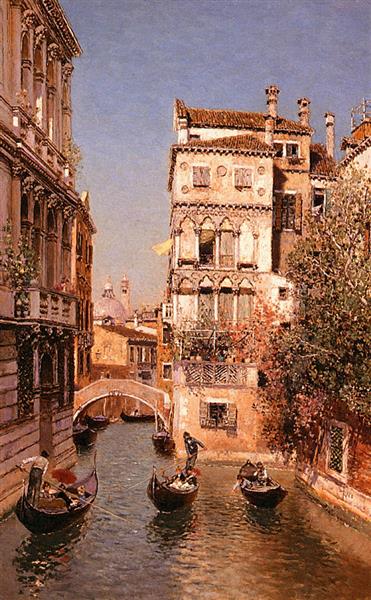
Introduction
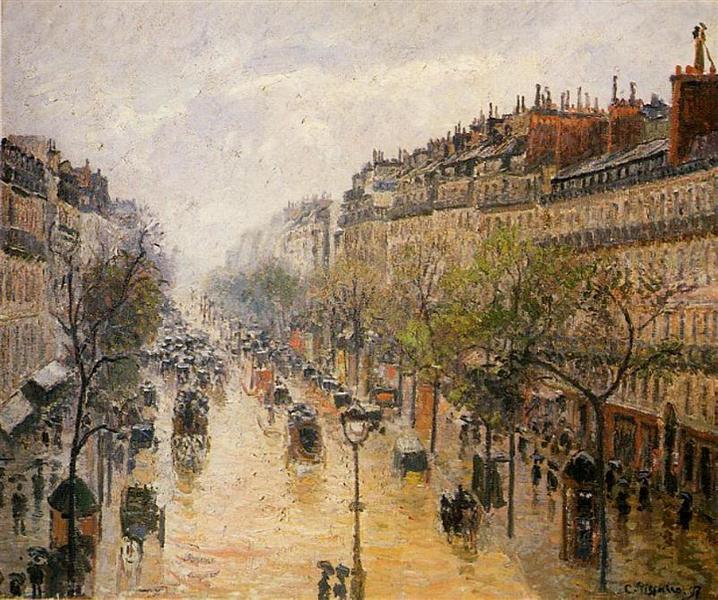
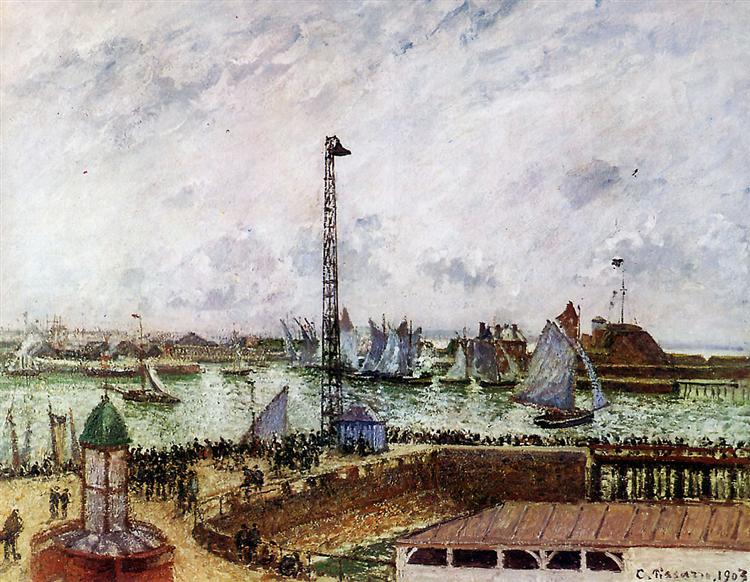

Monet

Renoir
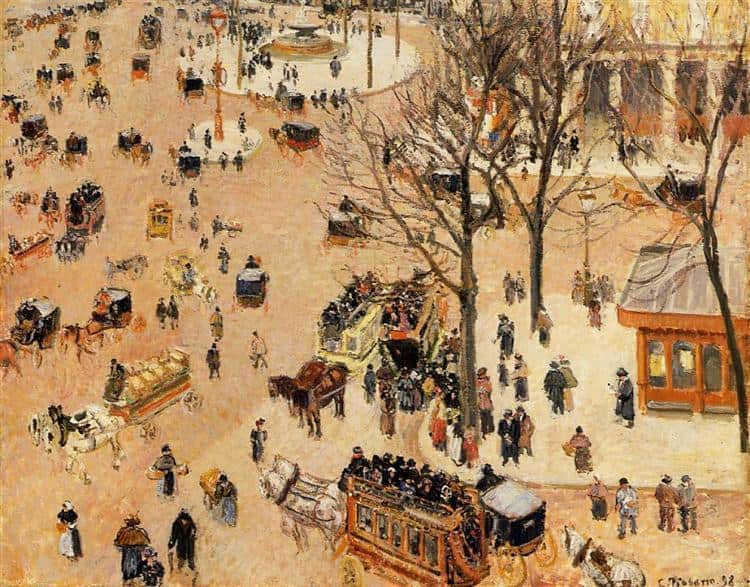
Pissarro
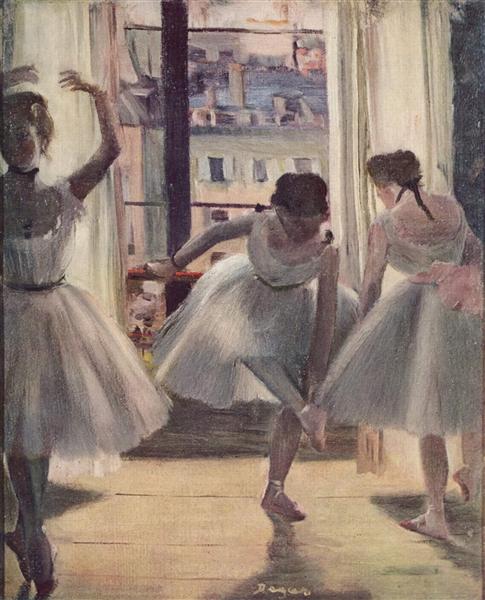
Degas
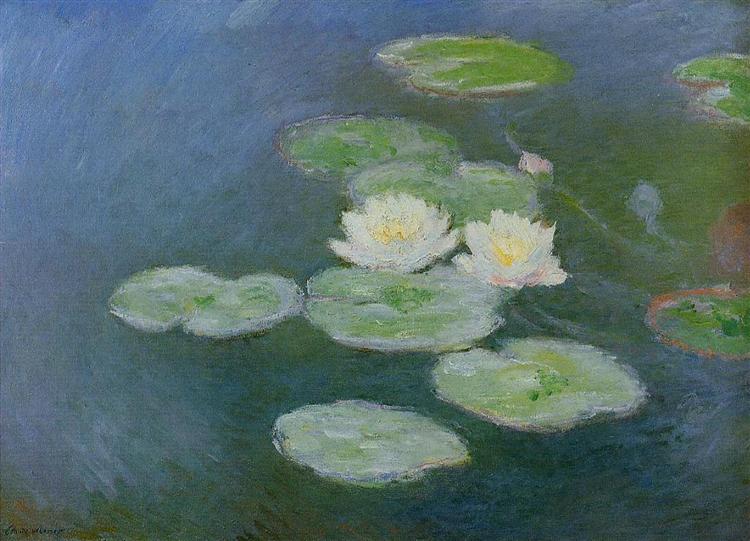
1. The Birth of Impressionism
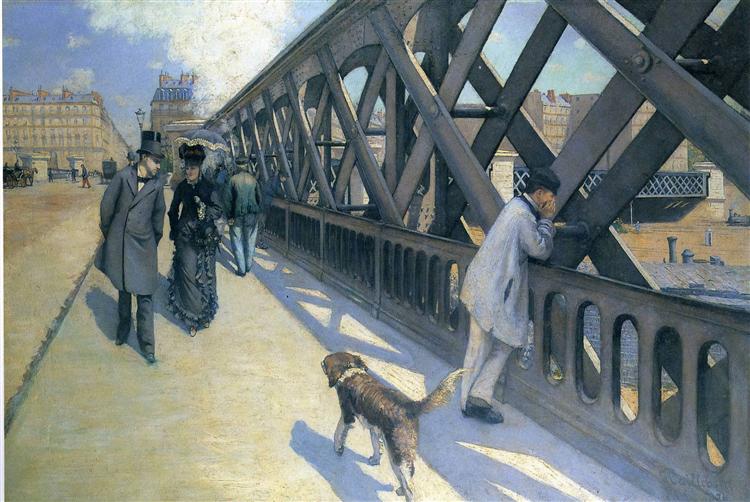
2. Urban Landscapes as Inspiration
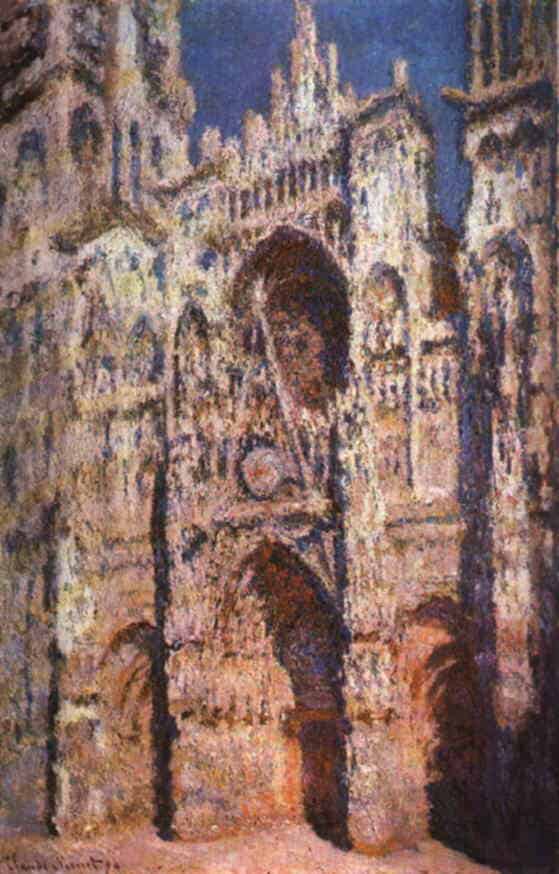
3. Monets Cityscapes
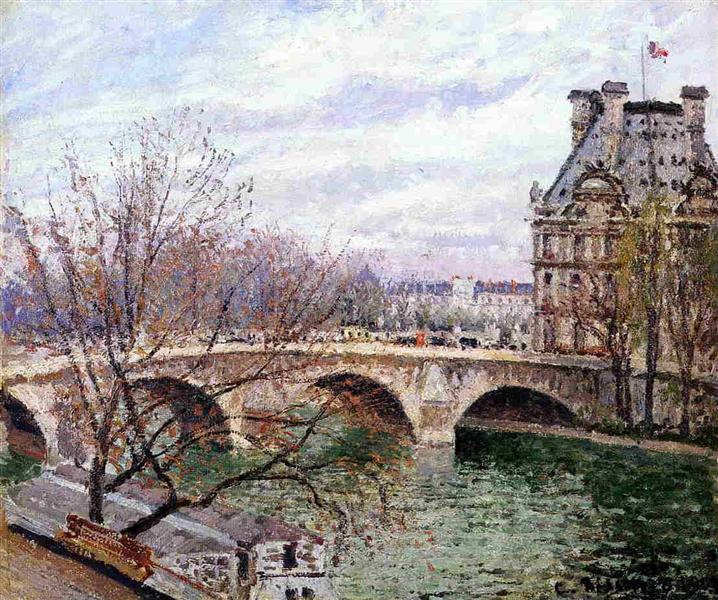
4. Pissarros Urban Scenes
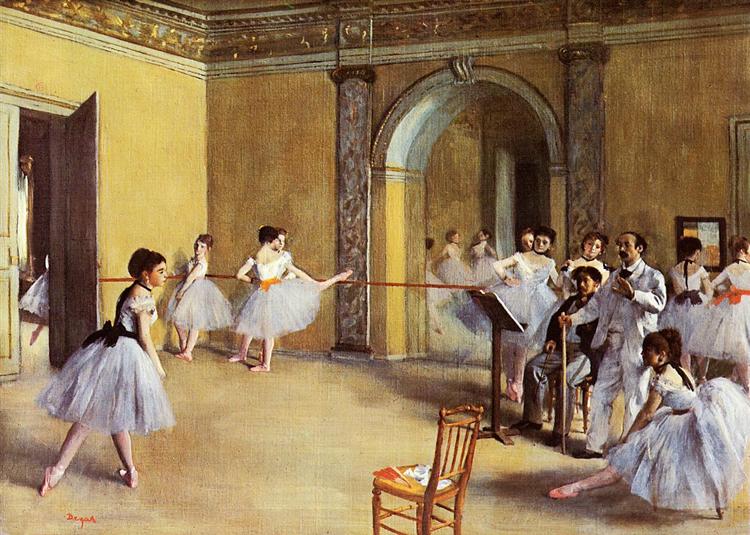
5. Degas Urban Dancers
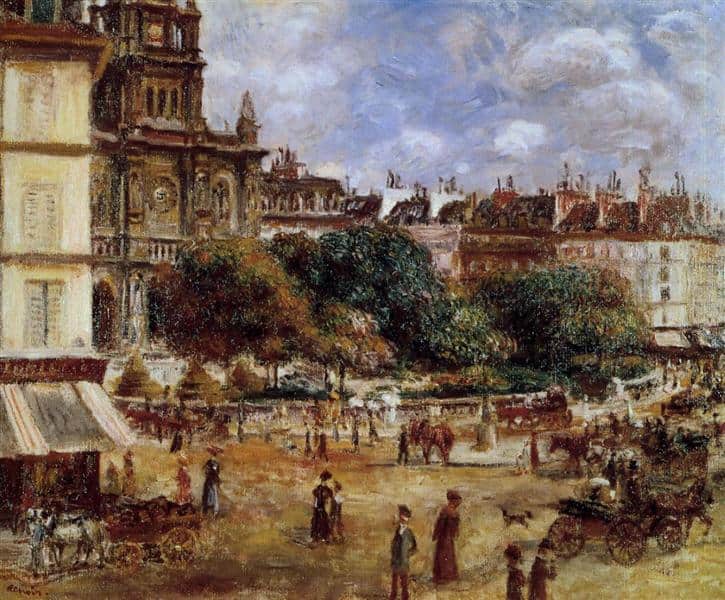
6. Renoirs Street Scenes
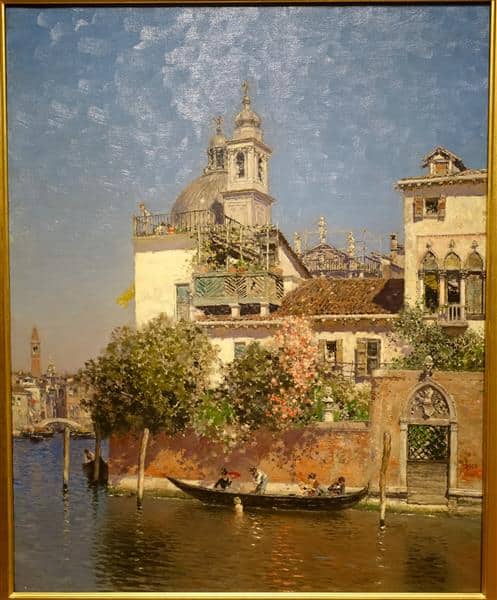
7. Urban Impressionism Today
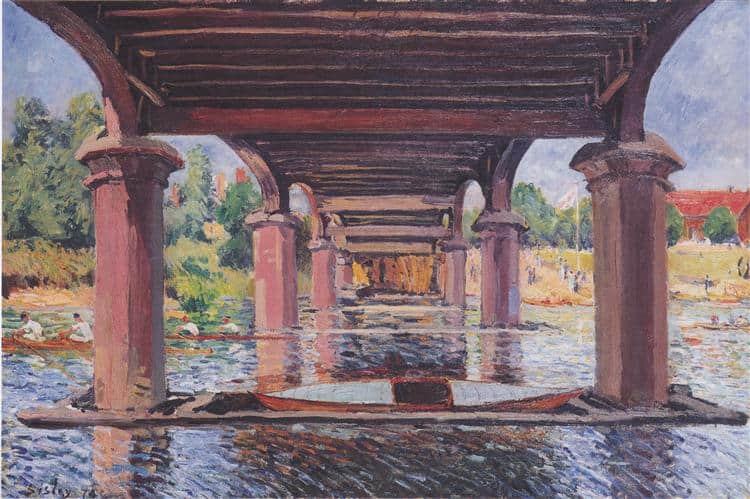
8. Legacy of Impressionism
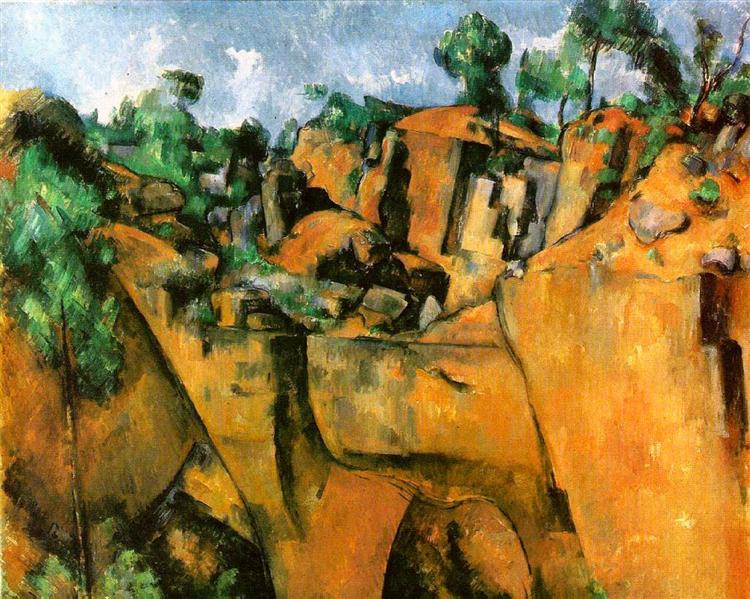
9. Impact on Modern Art
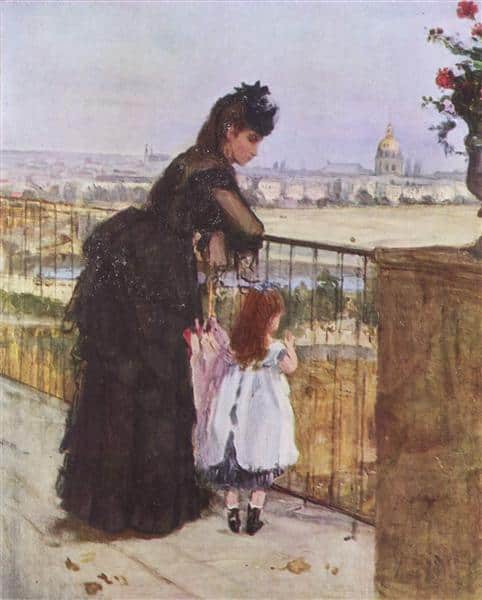
10. Capturing the City
Lesson Details & Resources
In a Nutshell
- When: Late 19th century
- Characteristics: Light, brush strokes, everyday scenes
- Key Artists: Claude Monet, Camille Pissarro, Edgar Degas
- Major Work: “Impression, Sunrise” by Claude Monet
Vocabulary List
- Impressionism
- Impressionism is an art movement that originated in France in the 19th century.
- Urban landscape
- Urban landscape refers to the depiction of cities and urban areas in art.
- Brushstrokes
- Impressionist artists used loose and visible brushstrokes in their paintings.
- Light
- Light is a key element in Impressionist art, with artists capturing the effects of light on their subjects.
- Color palette
- Impressionist painters often used bright and vibrant colors in their work.
- Atmosphere
- Impressionist paintings often evoke a sense of atmosphere and mood.
- En plein air
- En plein air is a French term meaning 'in the open air', and refers to painting outdoors.
- Composition
- Composition is the arrangement of elements in a painting, such as shapes, colors, and lines.
- Urbanization
- Urbanization is the process of cities growing and expanding.
- Street scenes
- Impressionist artists often painted lively street scenes in urban areas.
- Cityscape
- A cityscape is a painting of a city or urban area.
- Impasto
- Impasto is a painting technique where paint is applied thickly and with visible texture.
- Reflections
- Impressionist artists often depicted reflections in water, such as rivers and ponds.
- Industrialization
- Industrialization is the process of industries growing and becoming more prominent in a society.
- Modernity
- Impressionist art often reflects the modernity and changing landscape of cities in the 19th century.
- Urban planning
- Urban planning is the design and organization of cities and urban areas.
- Skyscrapers
- Skyscrapers are tall buildings commonly found in urban landscapes.
- Spectatorship
- Impressionist art often invites the viewer to engage with the painting and become a spectator of the scene.
- City life
- Impressionist paintings often capture the hustle and bustle of city life.
- Streetscapes
- Streetscapes are paintings that depict the streets and buildings of a city or urban area.
Timeline of Impressionism and the Urban Landscape: An Analysis
The term 'Impressionism' is coined by art critic Louis Leroy in response to Claude Monet's painting 'Impression, Sunrise'
First Impressionist exhibition held in Paris, featuring works by artists such as Monet, Renoir, Degas, and Pissarro
Camille Pissarro paints 'Boulevard Montmartre, Afternoon Sunlight', one of the first urban landscape paintings of the Impressionist movement
Edouard Manet's painting 'Music in the Tuileries Gardens' is exhibited, showcasing urban scenes with a modern twist
Claude Monet paints 'The Rue Montorgueil, Paris, Festival of June 30, 1878', capturing the bustling city life of Paris
Mary Cassatt becomes the only American artist to exhibit with the Impressionists, focusing on urban scenes and domestic life
Gustave Caillebotte's 'Paris Street; Rainy Day' is exhibited, depicting a modern Parisian street scene with a focus on perspective
Berthe Morisot's 'Summer's Day' is exhibited, showcasing the artist's unique perspective on urban landscapes and leisure activities
Pierre-Auguste Renoir paints 'The Pont Neuf, Paris', highlighting the iconic Parisian bridge in a vibrant and colorful style
Edgar Degas' 'Place de la Concorde' is exhibited, featuring a unique perspective on the urban landscape and modern life in Paris
Vincent van Gogh's 'Starry Night Over the Rhone' is painted, showcasing the artist's unique interpretation of urban landscapes and city lights
Alfred Sisley's 'Boulevard Heloise, Argenteuil' is exhibited, capturing the changing urban landscape of suburban Paris
Paul Cezanne's 'Mont Sainte-Victoire Seen from Bellevue' is painted, showcasing the artist's unique approach to capturing urban and natural landscapes
Georges Seurat's 'A Sunday Afternoon on the Island of La Grande Jatte' is exhibited, showcasing the artist's innovative pointillist technique in capturing urban leisure activities
Henri de Toulouse-Lautrec's 'Moulin Rouge: La Goulue' is painted, capturing the vibrant nightlife of urban Paris in the late 19th century
Camille Pissarro's 'The Boulevard Montmartre at Night' is exhibited, showcasing the artist's unique approach to capturing urban scenes at night
Paul Gauguin's 'Vision after the Sermon (Jacob Wrestling with the Angel)' is painted, showcasing the artist's unique approach to urban landscapes and religious themes
Edouard Manet's 'The Balcony' is exhibited, showcasing the artist's unique approach to capturing urban scenes and modern life in Paris
Berthe Morisot's 'The Cradle' is exhibited, showcasing the artist's unique perspective on urban landscapes and domestic life
Claude Monet's 'The Gare Saint-Lazare' is exhibited, showcasing the artist's unique approach to capturing urban scenes and modern transportation
Key Facts
This is the information used in the fact matching game
- Impressionism originated in France in the 19th century and is known for its focus on capturing the transient effects of light and atmosphere.
- Urban landscapes became a popular subject for Impressionist artists as cities underwent rapid industrialization and modernization in the 19th century.
- Impressionist artists often painted en plein air, or outdoors, to capture the fleeting effects of light and color in urban settings.
- Impressionist paintings of urban landscapes often feature bustling streets, city squares, and industrial scenes.
- Impressionist artists such as Claude Monet, Camille Pissarro, and Edgar Degas were known for their depictions of urban life.
- The use of loose brushwork and vibrant colors is a hallmark of Impressionist urban landscapes.
- Impressionist paintings often depict everyday scenes of city life, such as people walking in parks, sitting in cafes, or strolling along boulevards.
- Impressionist artists were influenced by the changing urban environment and the emergence of new technologies such as the railroad and gas lighting.
- Impressionist urban landscapes often convey a sense of movement and dynamism through the use of diagonal lines and dynamic compositions.
- The depiction of light and shadow in urban landscapes was a central concern for Impressionist artists, who sought to capture the effects of natural light in their paintings.
- Impressionist artists were interested in capturing the fleeting moments of modern urban life, such as the play of light on water or the movement of crowds in a busy street.
- Impressionist urban landscapes often feature a sense of immediacy and spontaneity, with artists working quickly to capture the essence of a scene before it changed.
- The Impressionist focus on urban life reflected broader social changes in 19th-century France, including the rise of the middle class and the expansion of cities.
- Impressionist artists sought to convey the sensory experience of being in a modern city, with its sights, sounds, and smells, in their paintings.
- The urban landscape provided Impressionist artists with a rich source of inspiration, offering a diverse range of subjects and settings to explore in their work.
- Impressionist urban landscapes often feature a sense of nostalgia for a vanishing way of life, as artists documented the changing face of the city in their paintings.
- Impressionist artists were drawn to the beauty of everyday scenes in the city, finding inspiration in the ordinary moments of urban life.
- The Impressionist focus on urban landscapes helped to redefine the boundaries of art and challenged traditional notions of subject matter and technique.
- Impressionist urban landscapes continue to captivate viewers today with their vibrant colors, evocative brushwork, and lively depictions of city life.
- Impressionist artists paved the way for modern art movements by pushing the boundaries of traditional painting techniques and exploring new ways of representing the world around them.
Analysis & Significance
Historical Context
Impressionism and the Urban Landscape emerged in the late 19th century in France, a time of rapid industrialization and urbanization. The movement was a response to the changing cityscape, as artists sought to capture the fleeting moments and changing light of modern urban life.
Defining Characteristics
Key visual elements of Impressionism and the Urban Landscape include loose brushwork, vibrant colors, and an emphasis on capturing the atmosphere and mood of the city. Artists often painted en plein air, or outdoors, to capture the effects of natural light on the urban landscape. Thematic elements include scenes of bustling streets, parks, cafes, and other urban spaces.
Lasting Influence
Impressionism and the Urban Landscape had a significant impact on subsequent art movements, such as Post-Impressionism and Fauvism. The focus on capturing the fleeting moments of daily life and the effects of light on the landscape influenced artists for generations to come. The movement also helped to shift the focus of art from traditional subjects to more contemporary and everyday scenes.
Impressionism and the Urban Landscape: An Analysis Games


Take Your Learning Offline
Want a convenient, print-ready study guide for this lesson? Become a Memory Wizards Pro member to unlock the downloadable " Memory Scrolls" for this topic and our entire library!
- ✓ Complete Vocabulary Lists
- ✓ Key Facts & Timelines
- ✓ Beautifully Formatted for Print & Mobile