
How Do You Learn Best?
Learn by Reading
Immerse yourself in the 10-minute visual lesson for a comprehensive understanding of the topic.
Learn by Reviewing
Jump directly to the key facts, timeline, and vocabulary lists to build a solid foundation of details.
Learn by Doing
Challenge yourself! Jump straight into the interactive games to learn by trial, error, and discovery.
Phaedrus in 10 Minutes
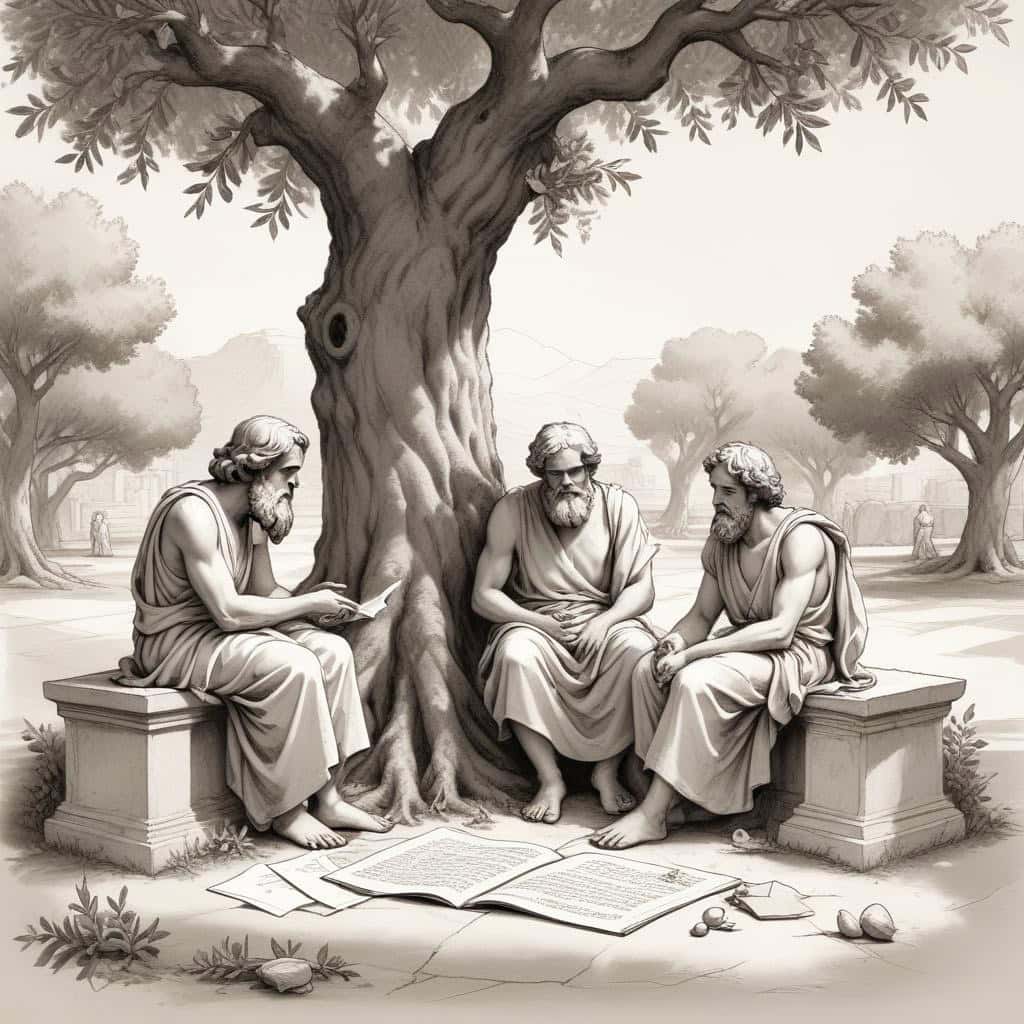
Introduction
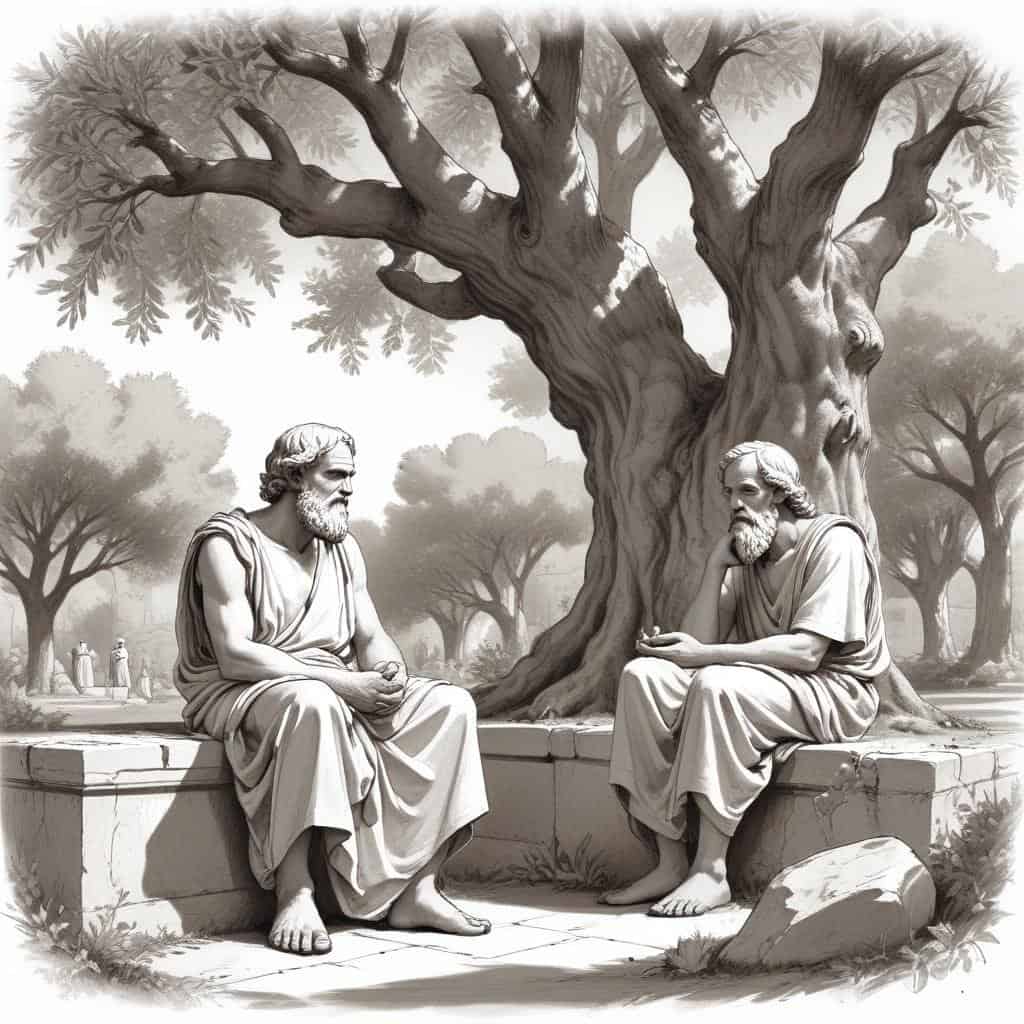


Socrates

Phaedrus

Lysias
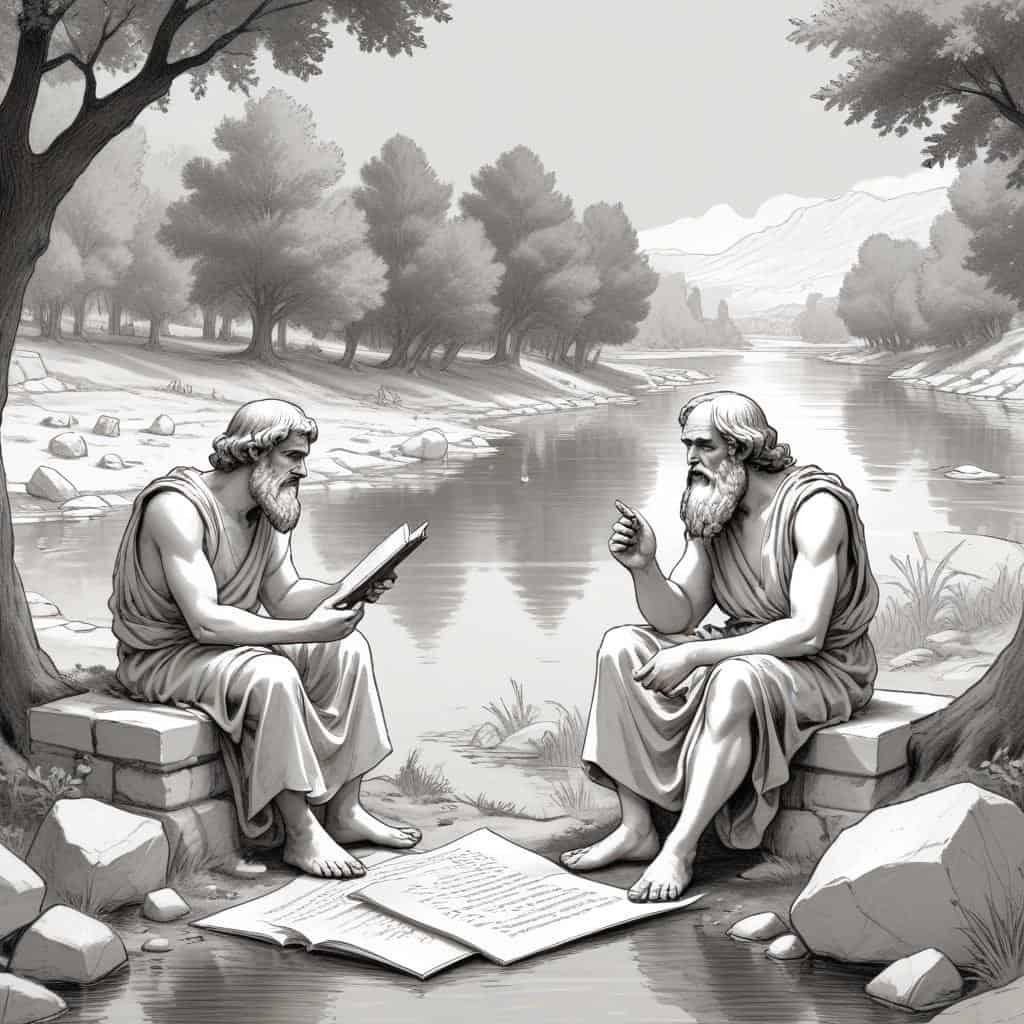
The Encounter at the Riverside
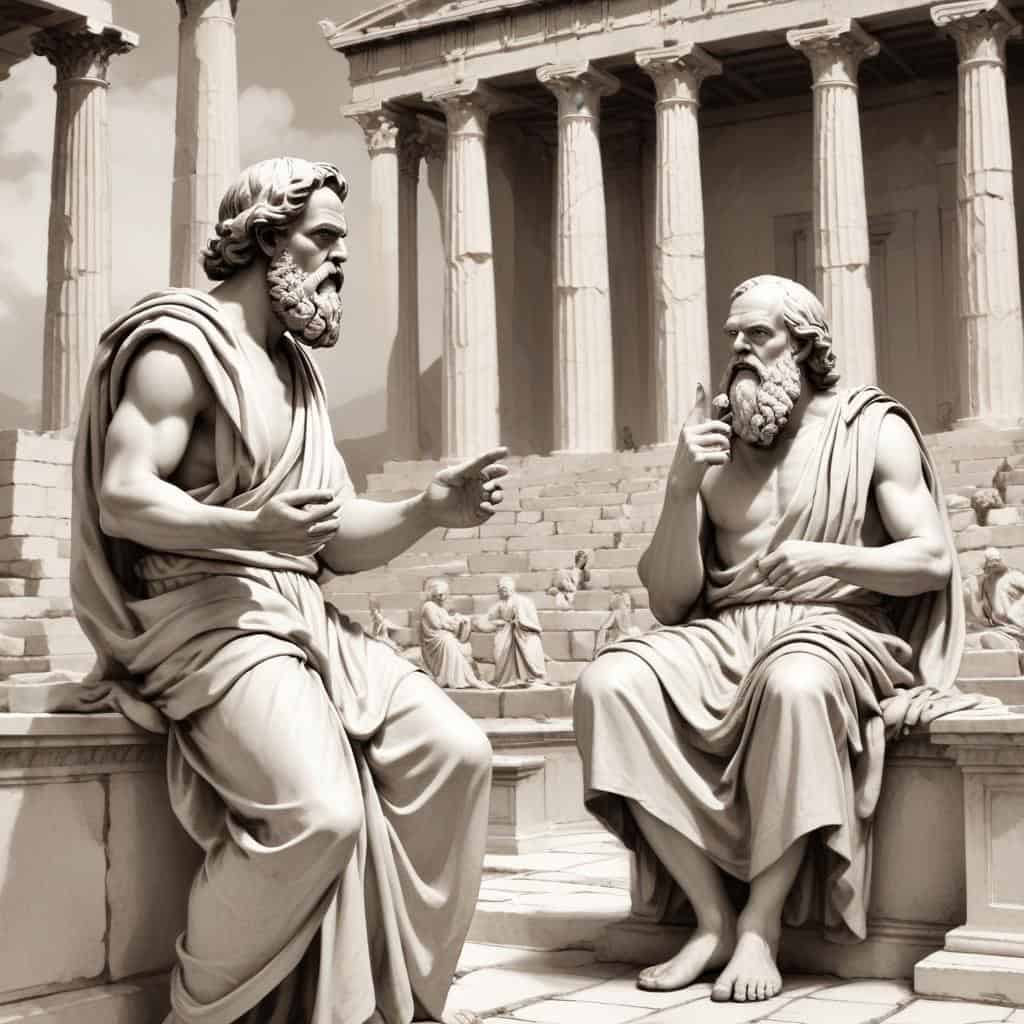
Socrates Critique of Lysias Speech
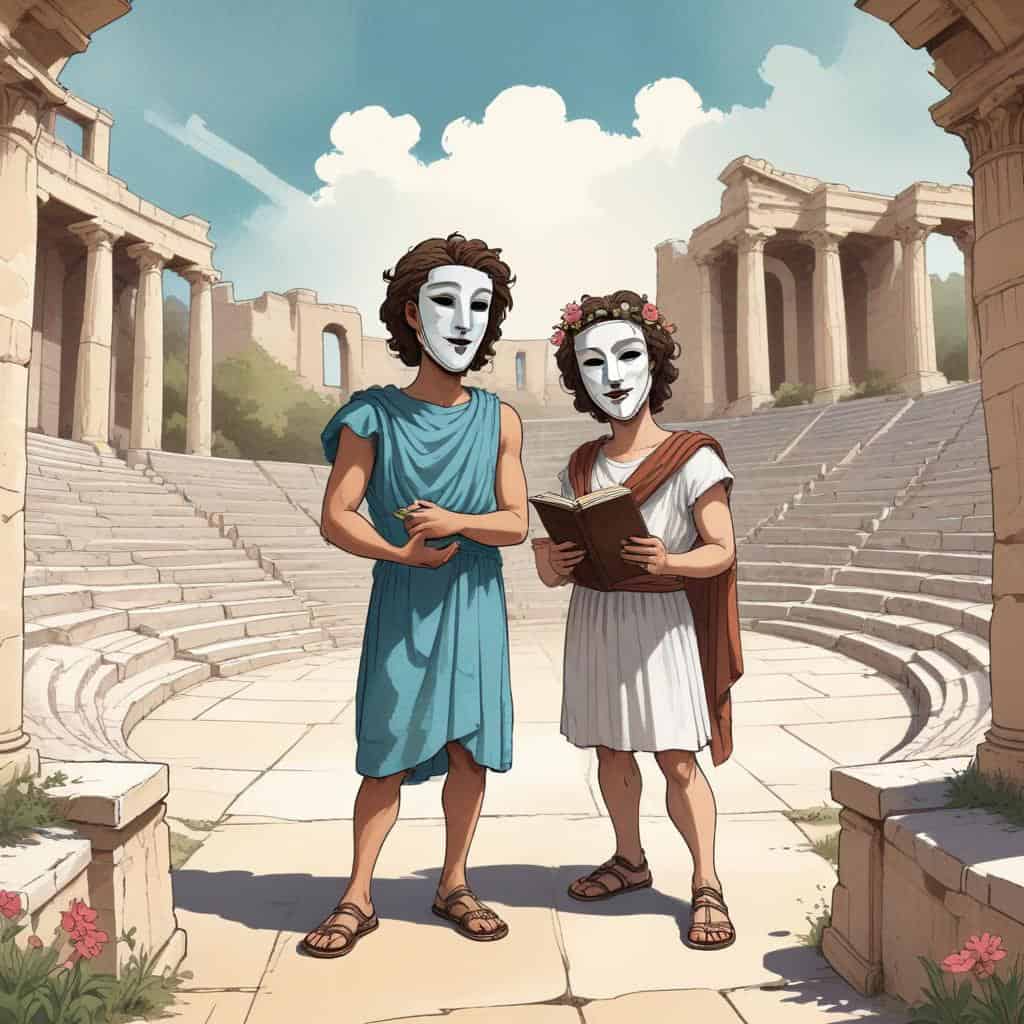
The Speeches of Love
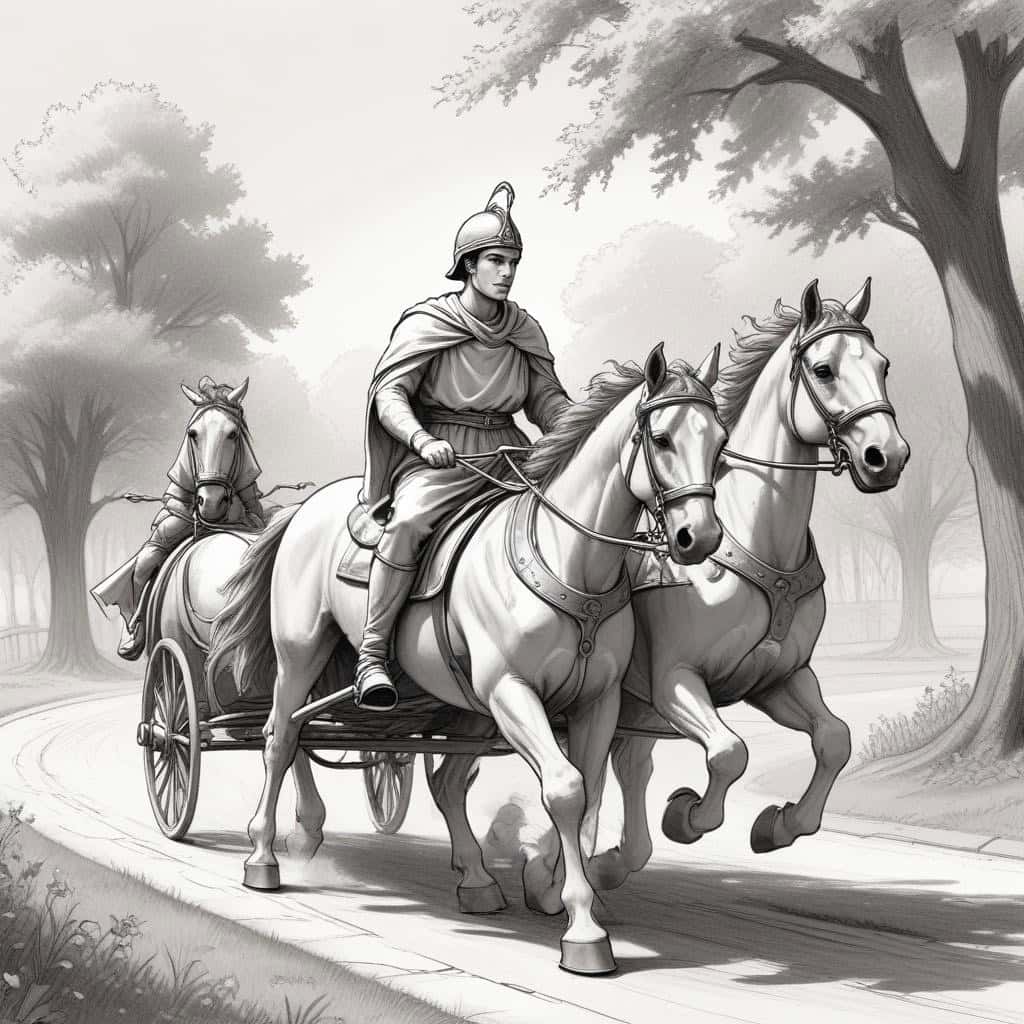
The Myth of The Charioteer
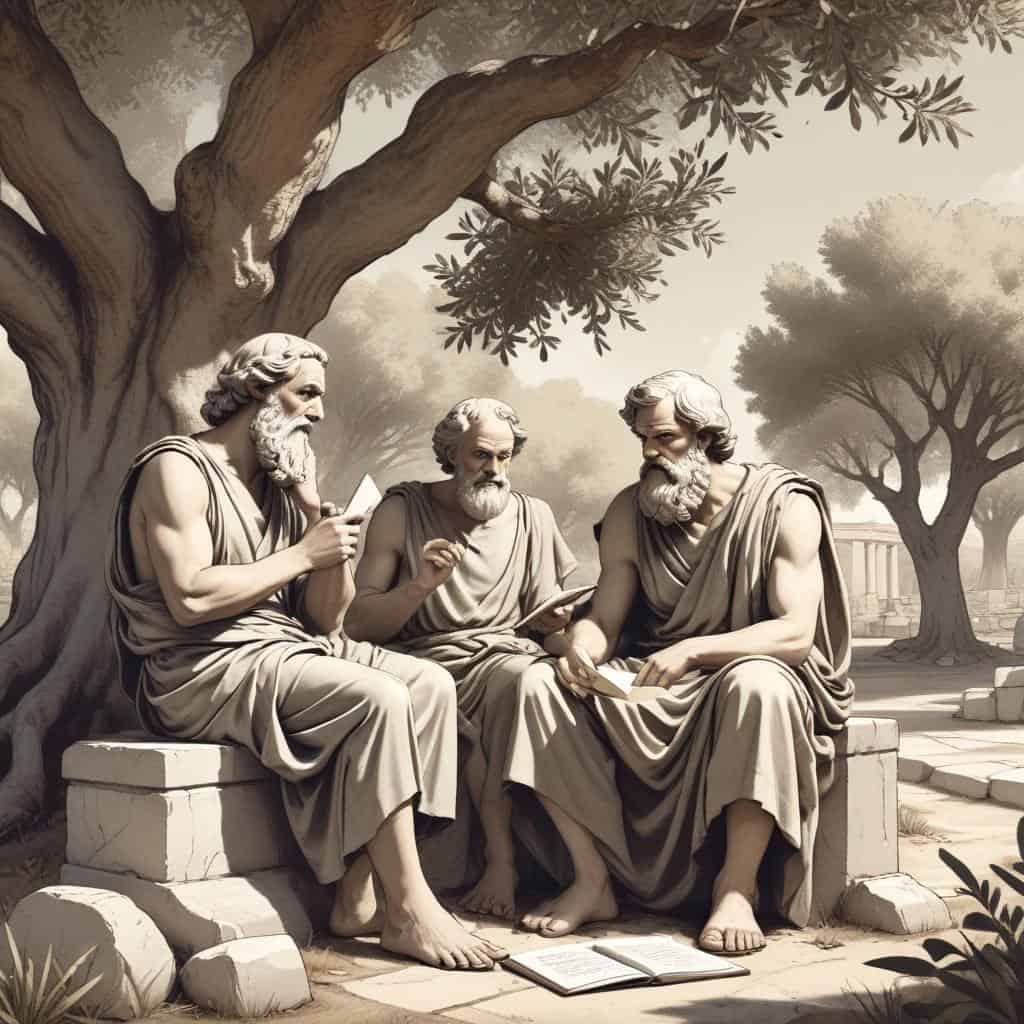
The Nature of Rhetoric
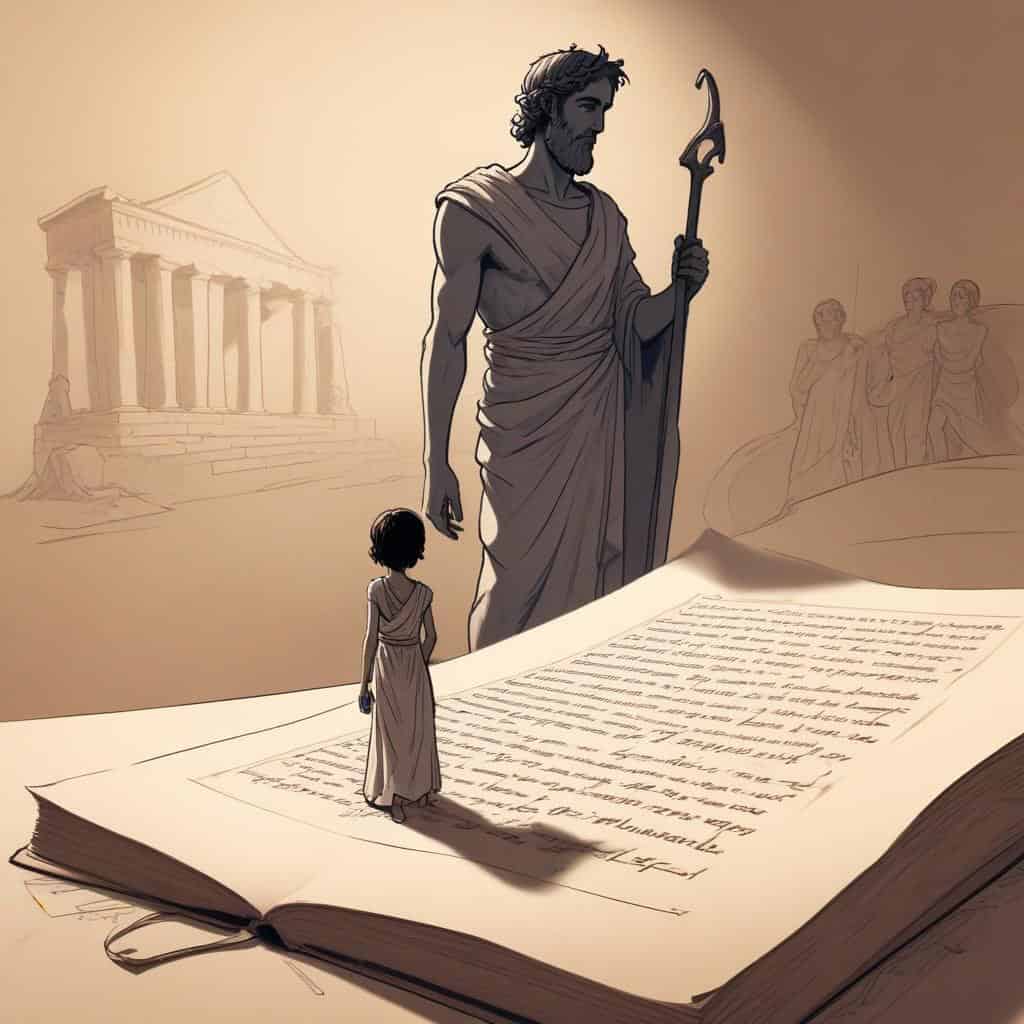
The Importance of Writing
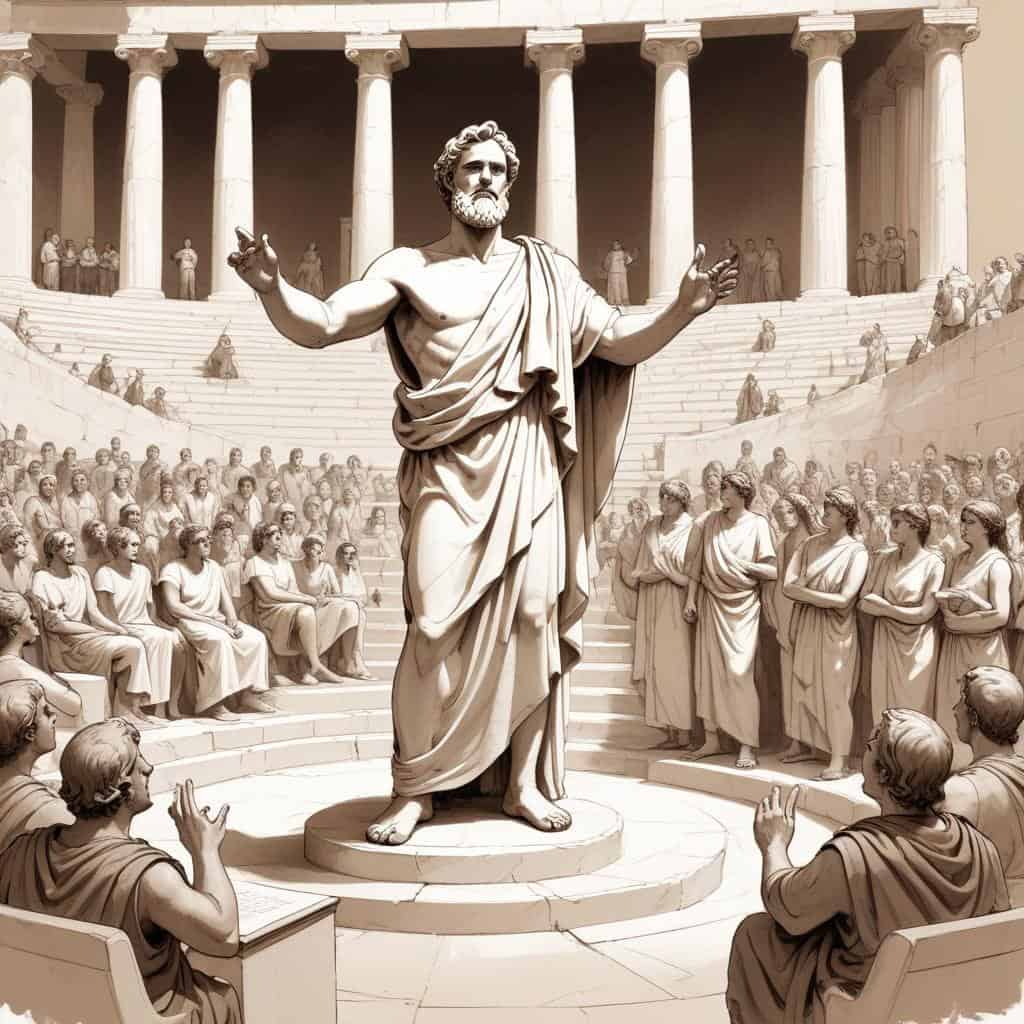
The Role of the Orator
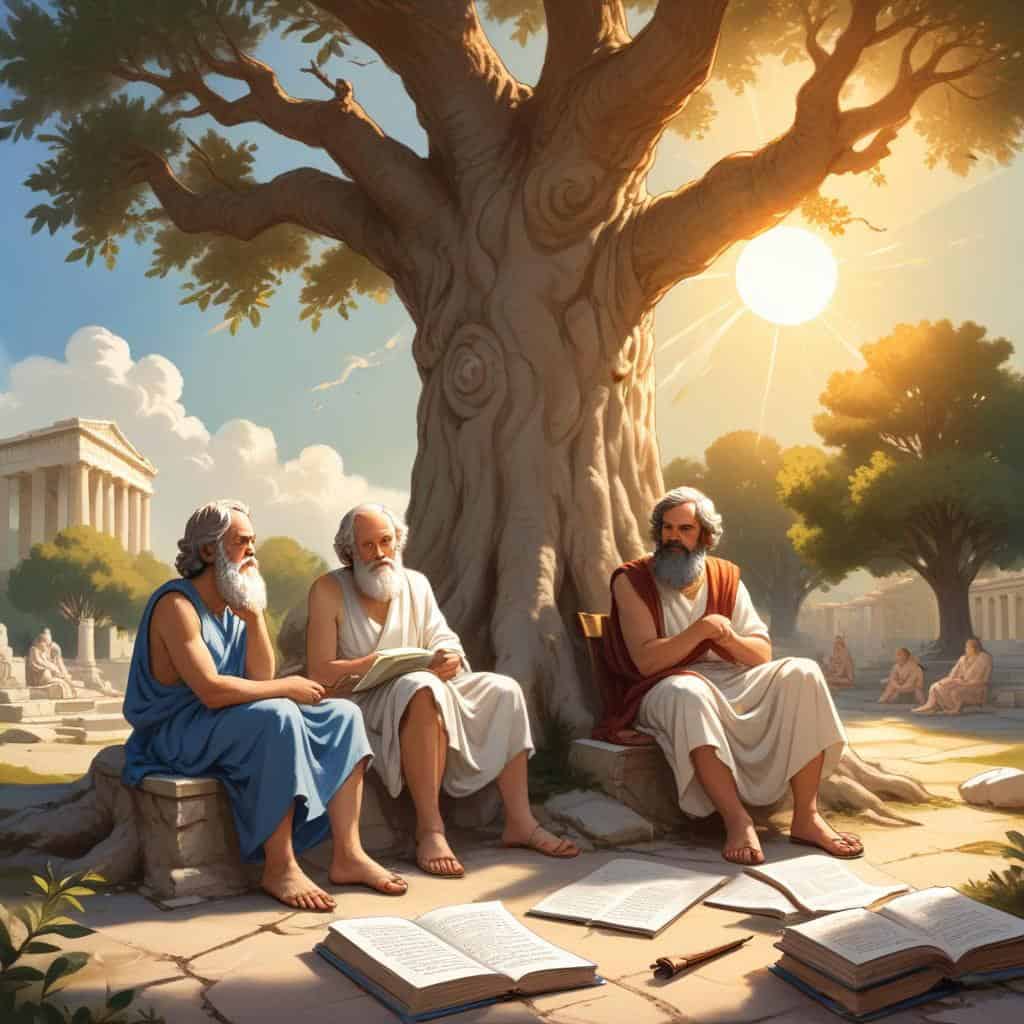
The Search for Truth

The Power of Love
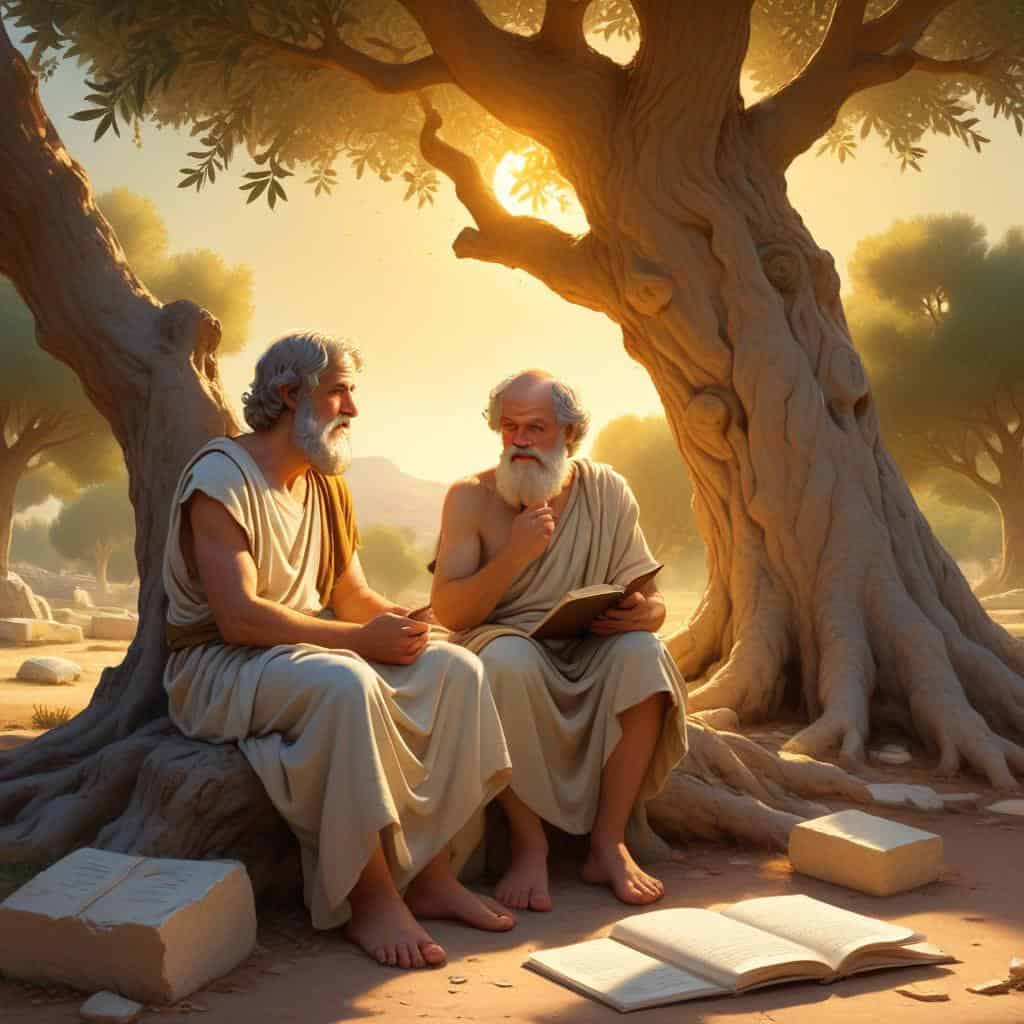
The Legacy of Phaedrus
Lesson Details & Resources
In a Nutshell
- What: A philosophical dialogue by Plato
- When: Written around 370 BC
- Who: Socrates, Phaedrus, Lysias
- Theme: The nature of love, rhetoric, and philosophy
List of Characters in Phaedrus
-
Socrates
Socrates is a philosopher who engages in a dialogue with Phaedrus about the nature of love and rhetoric.
-
Phaedrus
Phaedrus is a young man who is eager to learn about the art of persuasion and rhetoric.
-
Lysias
Lysias is a famous speechwriter whose work on love and relationships is critiqued by Socrates and Phaedrus.
-
Theuth
Theuth is a mythical figure who is credited with the invention of writing and other arts, discussed in the dialogue between Socrates and Phaedrus.
Timeline of Phaedrus
Phaedrus meets Socrates by the Ilissus River outside of Athens and they discuss the nature of love and rhetoric.
Phaedrus reads a speech by Lysias on love to Socrates, who responds with his own speech on the subject.
Socrates delivers a second speech on love, focusing on the nature of the soul and the importance of divine madness.
The two continue to discuss the nature of love and rhetoric, as well as the role of the gods in inspiring speech.
Socrates and Phaedrus discuss the importance of self-control and temperance in the pursuit of wisdom.
Phaedrus and Socrates debate the merits of different types of love and the role of beauty in the soul.
Socrates delivers a final speech on love, emphasizing the importance of self-knowledge and virtue in achieving true wisdom.
Phaedrus leaves Socrates, inspired by their discussions and eager to continue exploring the nature of love and rhetoric.
Vocabulary List
- Dialectic
- Socrates engages in dialectic discussions with Phaedrus about the nature of love and rhetoric.
- Rhetoric
- Phaedrus and Socrates discuss the art of rhetoric and its role in persuasion and communication.
- Dialogue
- Phaedrus is a dialogue written by Plato, featuring conversations between Socrates and Phaedrus.
- Truth
- Socrates talks about the importance of seeking truth and knowledge in the pursuit of wisdom.
- Knowledge
- The characters in Phaedrus discuss the nature of knowledge and how it can be acquired.
- Wisdom
- Socrates and Phaedrus contemplate the role of wisdom in leading a virtuous life.
- Love
- Phaedrus explores the concept of love and its relationship to beauty and virtue.
- Virtue
- Socrates discusses the importance of virtue in achieving a good and fulfilling life.
- Soul
- The characters in Phaedrus debate the nature of the soul and its immortality.
- Beauty
- Phaedrus and Socrates discuss the nature of beauty and its role in inspiring love and admiration.
Key Facts
This is the information used in the fact matching game
- Phaedrus is one of Plato's dialogues, written around 370 BC.
- The dialogue takes place in a shady grove on the banks of the Ilissus River outside of Athens.
- Phaedrus is a young man who meets Socrates and engages in a philosophical discussion about love and rhetoric.
- Socrates argues that the art of rhetoric should be used for the pursuit of truth, rather than the manipulation of others.
- The dialogue explores the nature of love, beauty, and the soul.
- Phaedrus tells the myth of the charioteer, which describes the soul's journey towards truth and beauty.
- Socrates critiques the written word, arguing that it is inferior to spoken dialogue because it cannot respond to questions.
- Plato uses the character of Phaedrus to explore the role of persuasion in philosophy and politics.
- The dialogue is divided into two main parts: the speech of Lysias and Socrates' response.
- Phaedrus is considered one of Plato's shorter dialogues, but it contains complex ideas about love and rhetoric.
- The dialogue ends with Socrates delivering a second speech on love, known as the palinode.
- Phaedrus is often studied in the context of ancient Greek philosophy and literature.
- The dialogue raises questions about the nature of truth, knowledge, and the power of language.
- Plato uses the character of Socrates to challenge traditional ideas about love and rhetoric.
- Phaedrus is considered a key text in the study of ancient Greek philosophy and literature.
- The dialogue has been interpreted in various ways by scholars, with some seeing it as a critique of Athenian society.
- Phaedrus is one of the dialogues that are traditionally grouped together as the 'early' or 'Socratic' dialogues.
- Plato's dialogues, including Phaedrus, continue to be studied and debated by philosophers and scholars to this day.
- Phaedrus is considered a work of political philosophy, as it addresses the power dynamics of persuasion and rhetoric.
- The dialogue explores the tension between reason and emotion in human decision-making and communication.
Analysis & Significance
Impact on Literature
Phaedrus, written by Plato, is a foundational work in Western literature that explores the nature of love, rhetoric, and philosophy. Its innovative structure, incorporating dialogues between characters, has influenced countless writers and thinkers throughout history, shaping the development of dialogue-driven narratives in literature.
Enduring Themes
The enduring themes of love, truth, and the pursuit of knowledge in Phaedrus continue to resonate with modern audiences. Plato’s exploration of the complexities of human relationships and the power of persuasion still hold relevance in today’s society, making this work a timeless classic.
Cultural Significance Today
Phaedrus remains culturally significant today for its impact on philosophy, rhetoric, and literature. Its ideas have been adapted and reimagined in various forms, influencing works of art, music, and film. The legacy of Phaedrus lives on in the ongoing discussions surrounding love, truth, and the art of communication in contemporary culture.
Phaedrus Games


Take Your Learning Offline
Want a convenient, print-ready study guide for this lesson? Become a Memory Wizards Pro member to unlock the downloadable " Memory Scrolls" for this topic and our entire library!
- ✓ Complete Vocabulary Lists
- ✓ Key Facts & Timelines
- ✓ Beautifully Formatted for Print & Mobile