
Summary of Siege of Haojing (651 BCE)
Unveiling the mysterious siege that shaped ancient Chinese history forever.
How Do You Learn Best?
Learn by Reading
Immerse yourself in the 10-minute visual lesson for a comprehensive understanding of the topic.
Learn by Reviewing
Jump directly to the key facts, timeline, and vocabulary lists to build a solid foundation of details.
Learn by Doing
Challenge yourself! Jump straight into the interactive games to learn by trial, error, and discovery.
Siege of Haojing in 10 Minutes
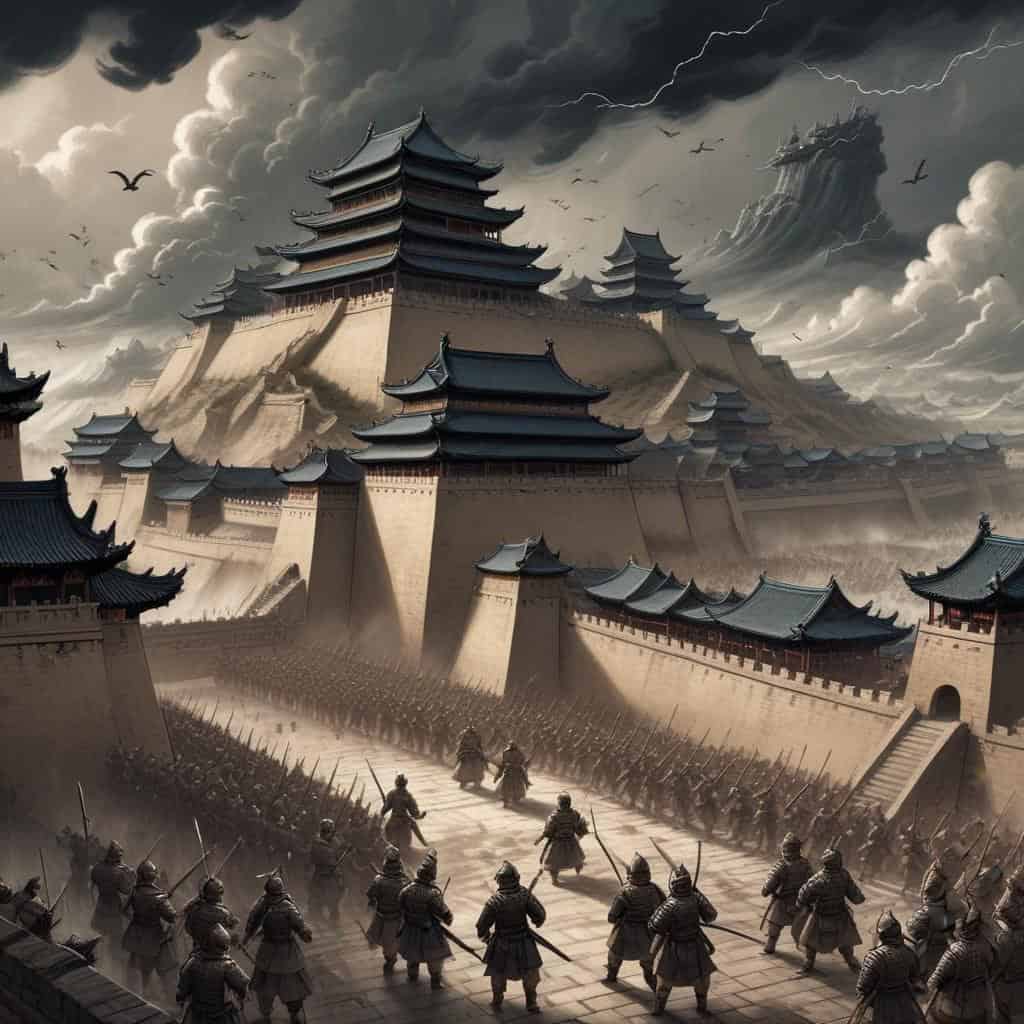
Introduction
King Xiang of Zhou
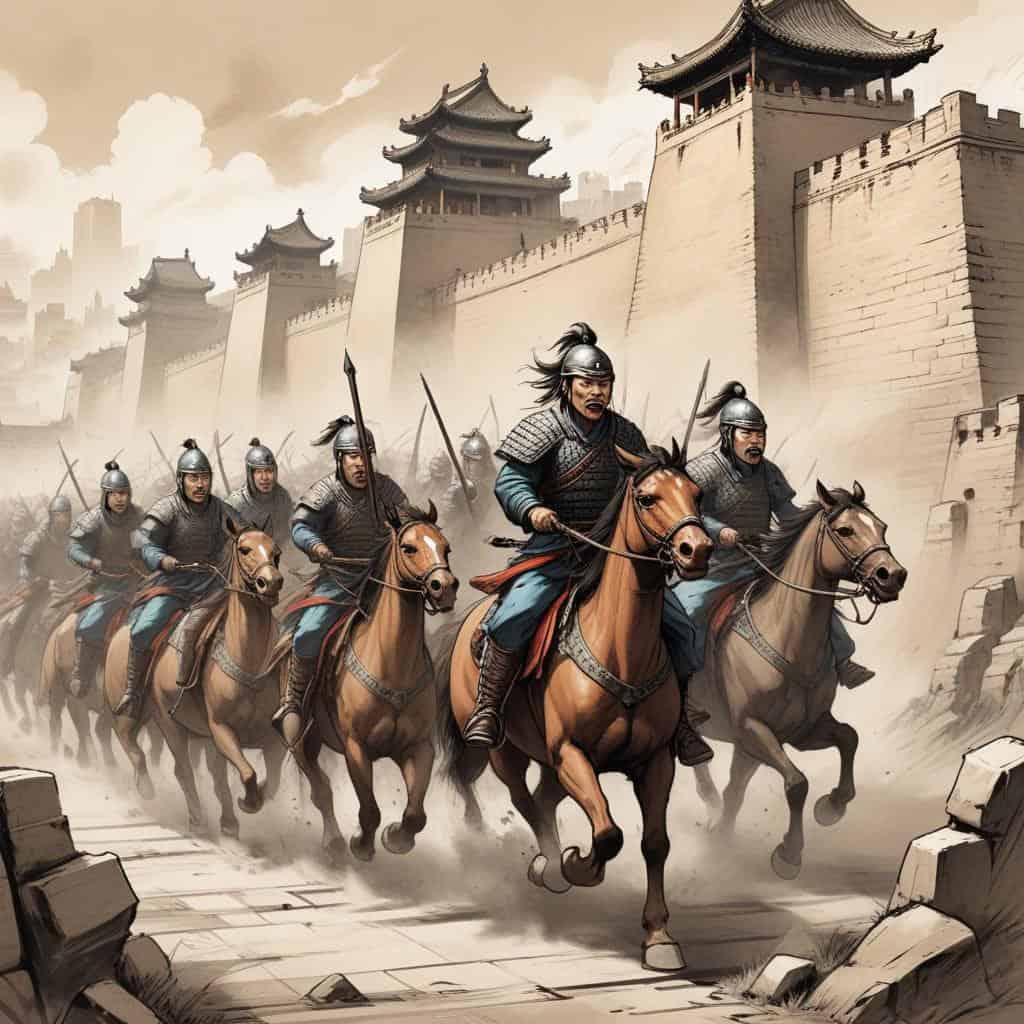
Quanrong tribe
General Wu Zixu
Lady Fu Hao
Minister Guan Zhong
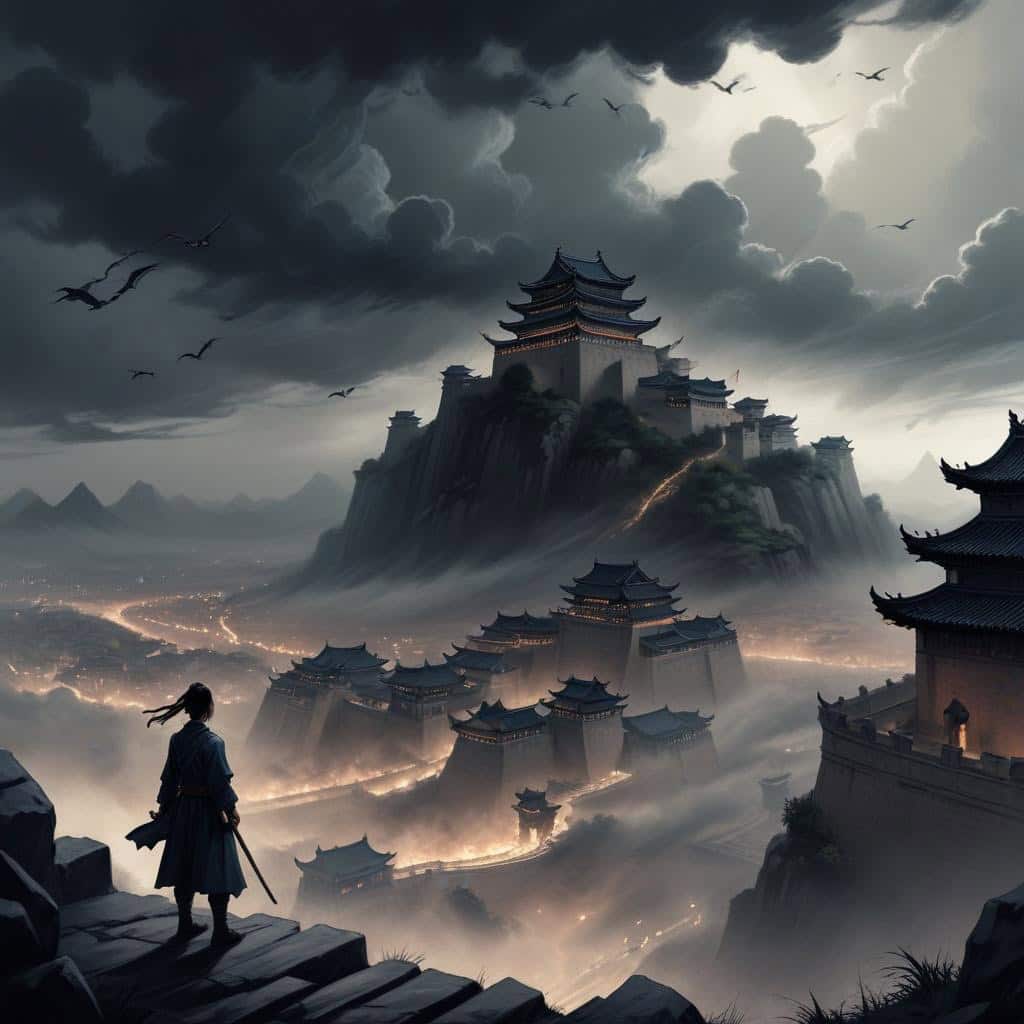
The Gathering Storm

The Walls of Haojing

The Siege Begins
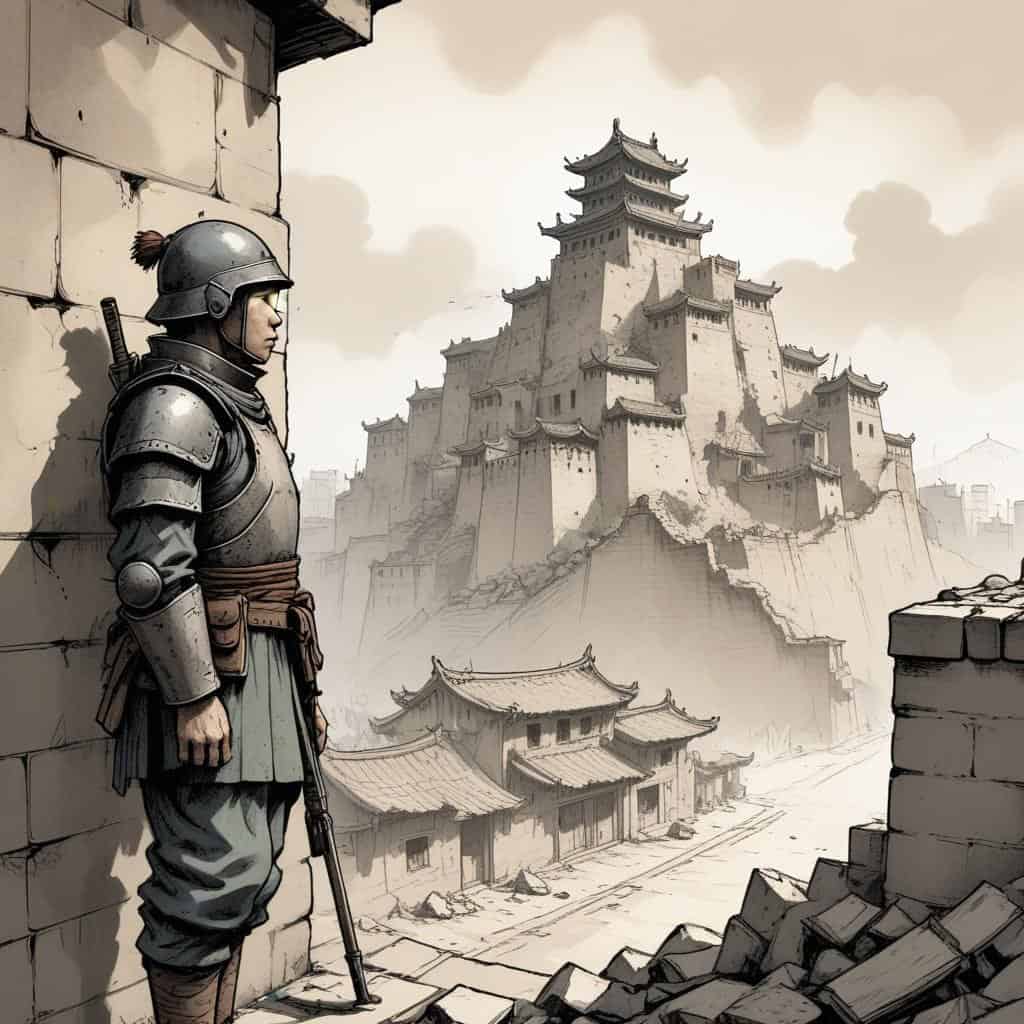
A Battle of Attrition

The Turning Point
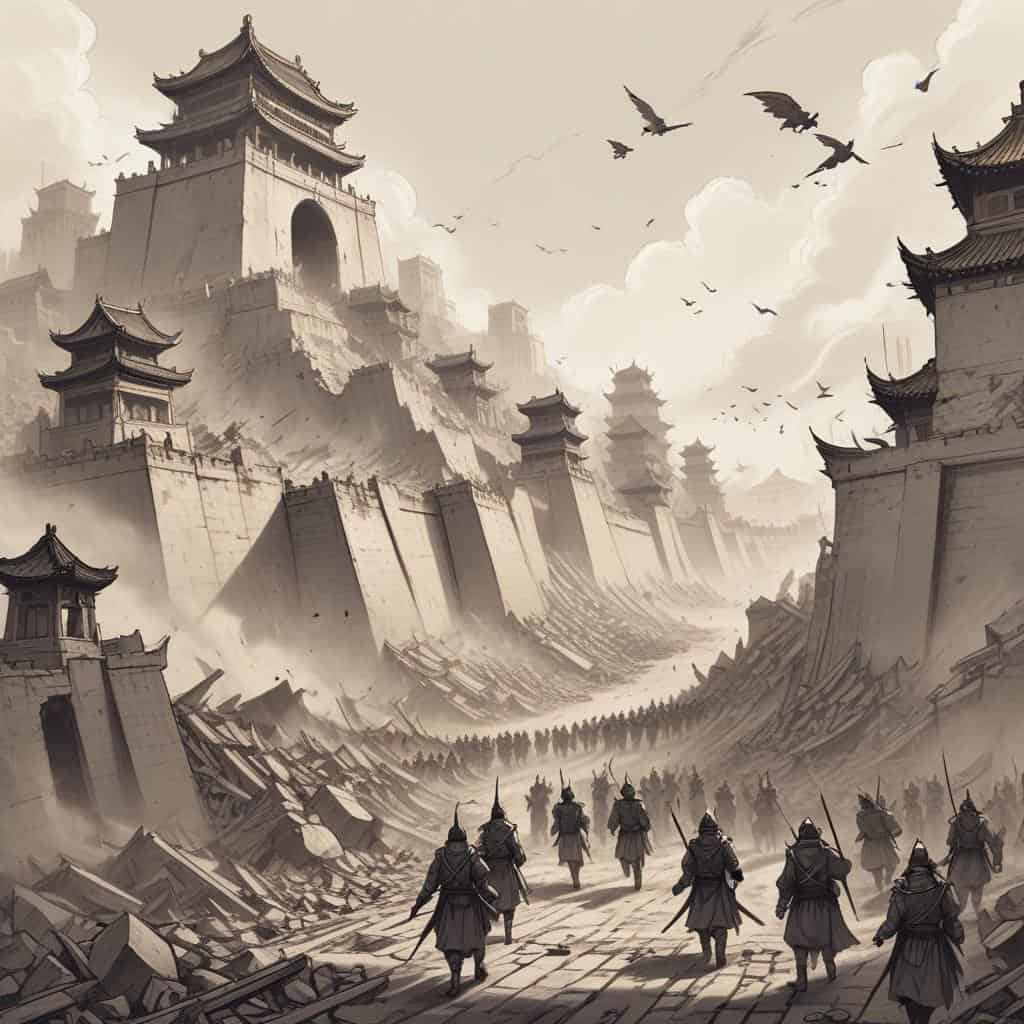
The Fall of Haojing

The Aftermath

The Legacy of Haojing

Remembering the Siege
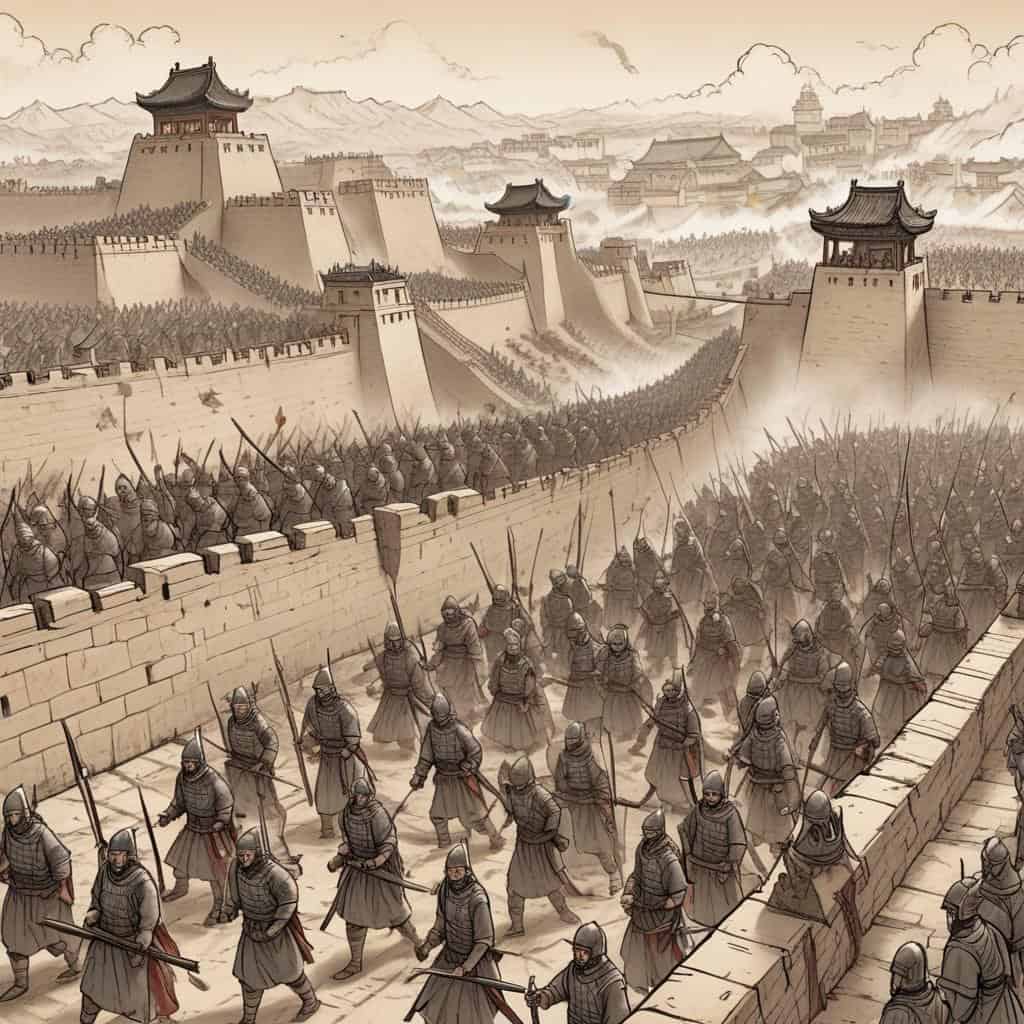
Lesson Details & Resources
In a Nutshell
- What: The Siege of Haojing in 651 BCE
- When: 651 BCE
- Who: Zhou forces led by King Xiang of Zhou vs. the Zheng state
- Outcome: The city of Haojing was captured, leading to the end of the Western Zhou dynasty
Famous Figures in the Siege of Haojing
-
Duke Xian of Jin
Duke Xian of Jin led the Jin army in the Siege of Haojing in 651 BCE.
-
Duke Wen of Jin
Duke Wen of Jin was a key figure in the political landscape during the Siege of Haojing.
-
King Xiang of Zhou
King Xiang of Zhou was the ruler of the Zhou dynasty during the Siege of Haojing.
-
King Huan of Zhou
King Huan of Zhou was another influential ruler during the Siege of Haojing.
Timeline of Siege of Haojing
Duke Mu of Qin conquers the Zhou capital of Haojing
Duke Mu of Qin declares himself the King of Qin
End of the Western Zhou Dynasty
Beginning of the Eastern Zhou Dynasty
Establishment of the State of Qin as a major power in China
Siege of Haojing marks the decline of the Western Zhou Dynasty
Rise of the State of Qin as a dominant force in the region
Duke Mu of Qin consolidates his power in the region
Qin becomes a major player in the power struggles of the Spring and Autumn Period
Duke Mu of Qin implements reforms to strengthen his rule
Qin expands its territory and influence in the aftermath of the Siege of Haojing
Qin becomes a threat to the other states in the region
Duke Mu of Qin establishes a centralized government in Qin
Qin's rise to power sets the stage for the eventual unification of China under the Qin Dynasty
Legacy of the Siege of Haojing as a turning point in Chinese history
Vocabulary List
- Siege
- The Siege of Haojing was a military operation in which the city of Haojing was surrounded and attacked by enemy forces.
- Haojing
- Haojing was the capital city of the state of Jin during the Spring and Autumn period in ancient China.
- Battle
- The Siege of Haojing culminated in a fierce battle between the defenders of the city and the attacking forces.
- Military
- The Siege of Haojing was a significant military event in ancient Chinese history.
- Defenders
- The defenders of Haojing fought bravely to protect their city during the siege.
- Attack
- The attacking forces used various tactics to try to breach the defenses of Haojing.
- Struggle
- The Siege of Haojing was a long and bloody struggle between the two opposing forces.
- Victory
- The Siege of Haojing ultimately ended in victory for the attacking forces.
- Surrender
- After a prolonged siege, the defenders of Haojing were forced to surrender to the enemy.
- Ancient China
- The Siege of Haojing took place in ancient China during the Spring and Autumn period.
Key Facts
This is the information used in the fact matching game
- The Siege of Haojing was a military campaign that took place in 651 BCE during the Spring and Autumn period of ancient China.
- The state of Chu, led by King Hui of Chu, launched the siege against the state of Jin, which was ruled by Duke Wen of Jin.
- The siege lasted for three years, making it one of the longest sieges in Chinese history.
- The siege was a result of the power struggle between the states of Chu and Jin for control over the region.
- During the siege, the city of Haojing, the capital of Jin, was heavily fortified and well-defended.
- The Chu army used various siege tactics, including building siege towers and digging tunnels to undermine the city walls.
- Despite the prolonged siege, the defenders of Haojing were able to hold out and resist the Chu army's attacks.
- The siege finally ended when Duke Wen of Jin negotiated a peace treaty with King Hui of Chu, agreeing to cede some territory in exchange for lifting the siege.
- The Siege of Haojing had significant political and military consequences, as it weakened the state of Jin and strengthened the state of Chu in the region.
- The siege marked a turning point in the power dynamics of the Spring and Autumn period, leading to the rise of Chu as a dominant state in the region.
- The siege also had a lasting impact on the history of China, influencing subsequent wars and conflicts between the states of Chu and Jin.
- The Siege of Haojing is often cited as an example of the importance of fortifications and defensive strategies in ancient warfare.
- The siege is also studied for its diplomatic aspects, as Duke Wen of Jin was able to negotiate a peaceful resolution to the conflict despite being outnumbered and besieged.
- The Siege of Haojing is mentioned in various historical texts and chronicles from ancient China, including the Zuo Zhuan and the Spring and Autumn Annals.
- The siege is considered a significant event in Chinese military history, showcasing the strategic importance of siege warfare and defensive tactics.
- The Siege of Haojing is sometimes referred to as the Battle of Haojing, reflecting the intense fighting that took place during the siege.
- The outcome of the siege had a lasting impact on the balance of power among the various states of ancient China, shaping the course of history in the region.
- The Siege of Haojing is considered a key event in the history of the Spring and Autumn period, highlighting the political and military complexities of the era.
- The siege is often studied by historians and military strategists for its lessons on siege warfare, diplomacy, and statecraft in ancient China.
- The Siege of Haojing is a subject of ongoing research and debate among scholars of Chinese history, who continue to explore its significance and implications for the period.
Analysis & Significance
Immediate Consequences
The Siege of Haojing in 651 BCE resulted in the fall of the Western Zhou Dynasty and the establishment of the Eastern Zhou Dynasty. The immediate consequences included political instability, power struggles, and a period of chaos as the new rulers tried to consolidate their control over the region.
Long-Term Impact
The long-term impact of the Siege of Haojing was the beginning of the Eastern Zhou Dynasty, which lasted for over 500 years. This period saw significant developments in art, philosophy, and technology, shaping the culture and society of ancient China. The events of 651 BCE marked a turning point in Chinese history and set the stage for future dynasties to come.
Cultural Significance Today
The Siege of Haojing is remembered as a pivotal moment in Chinese history that marked the transition from the Western Zhou to the Eastern Zhou Dynasty. The legacy of this event can still be seen in Chinese culture, literature, and philosophy. It serves as a reminder of the importance of political stability and the impact of power struggles on a society’s development.
Siege of Haojing Games


Take Your Learning Offline
Want a convenient, print-ready study guide for this lesson? Become a Memory Wizards Pro member to unlock the downloadable " Memory Scrolls" for this topic and our entire library!
- ✓ Complete Vocabulary Lists
- ✓ Key Facts & Timelines
- ✓ Beautifully Formatted for Print & Mobile