
Summary of the Plymouth Colony (1620)
Embark on a journey to the founding of Plymouth Colony.
How Do You Learn Best?
Learn by Listening
Start with the 3-minute audio summary to get the key facts and narrative highlights quickly.
Learn by Reading
Immerse yourself in the 10-minute visual lesson for a comprehensive understanding of the topic.
Learn by Reviewing
Jump directly to the key facts, timeline, and vocabulary lists to build a solid foundation of details.
Learn by Doing
Challenge yourself! Jump straight into the interactive games to learn by trial, error, and discovery.
Audio Library
As one of our featured lessons, this topic includes premium audio guides.
Unlock the Wizard's Cram Session
This powerful audio study guide is a Pro-exclusive feature. Upgrade to Memory Wizards Pro to access this and all of our premium learning tools.
Upgrade to Prothe Plymouth Colony in 10 Minutes
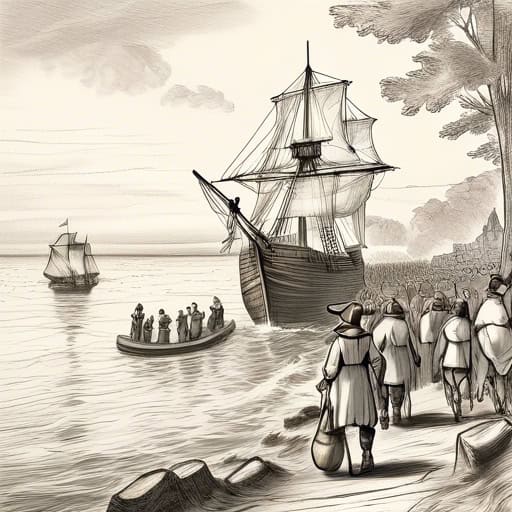
Introduction
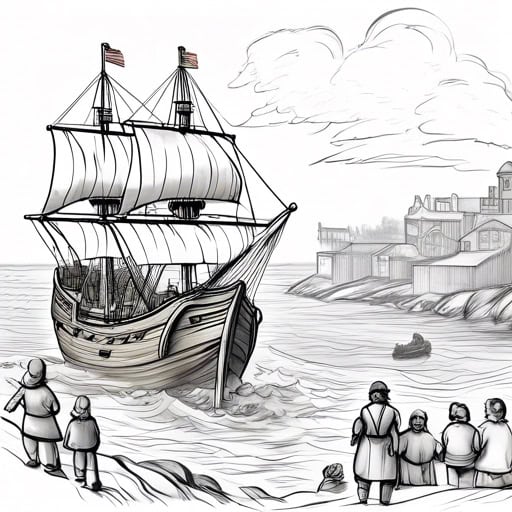
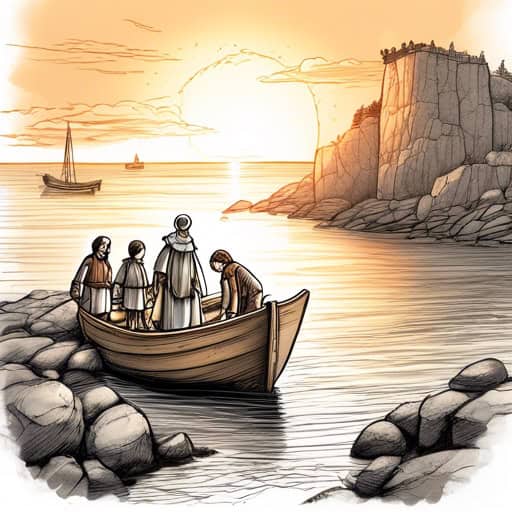

William Bradford
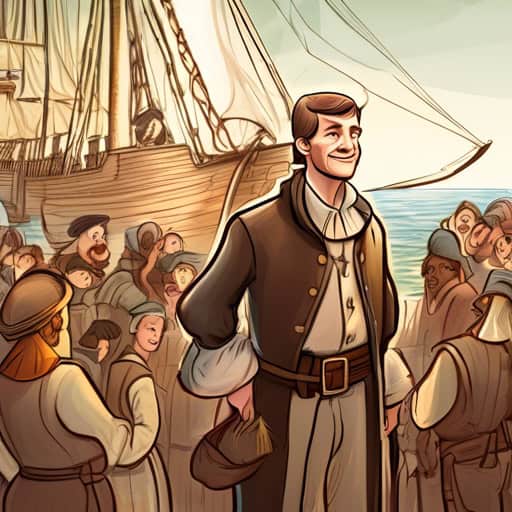
John Carver

Myles Standish
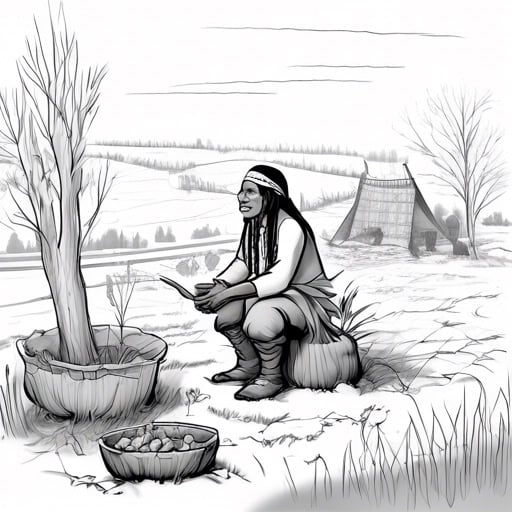
Squanto
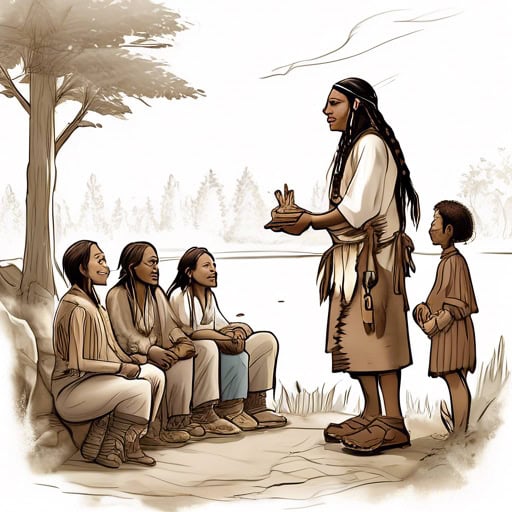
Samoset

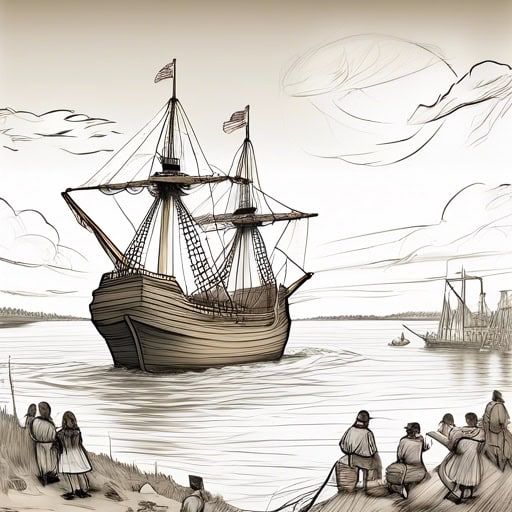
The Mayflower Sets Sail for the New World

The Voyage Across the Atlantic

The Landing at Plymouth Rock

The Signing of the Mayflower Compact

The First Winter in Plymouth

The First Thanksgiving

The Growth of Plymouth Colony

The Impact of Plymouth Colony

The Legacy of Plymouth Colony
Lesson Details & Resources
In a Nutshell
- What: The establishment of the Plymouth Colony
- When: 1620
- Who: Pilgrims, Native Americans (Wampanoag tribe)
- Outcome: The Pilgrims established a successful colony in America, laying the foundation for future European settlements.
Famous Figures in the the Plymouth Colony
-
William Bradford
William Bradford was a Puritan leader and the second Governor of Plymouth Colony.
-
John Carver
John Carver was one of the Mayflower Pilgrims and the first Governor of Plymouth Colony.
-
Myles Standish
Myles Standish was an English military officer who played a significant role in the defense of Plymouth Colony.
-
Edward Winslow
Edward Winslow was a prominent Pilgrim leader and served as the Governor of Plymouth Colony multiple times.
-
John Alden
John Alden was a crew member of the Mayflower and one of the founding settlers of Plymouth Colony.
-
Samuel Fuller
Samuel Fuller was a physician and one of the passengers on the Mayflower who became a major figure in Plymouth Colony.
-
William Brewster
William Brewster was a religious leader and one of the senior leaders of the Pilgrims who founded Plymouth Colony.
-
John Howland
John Howland was a Mayflower passenger who played a crucial role in the establishment of Plymouth Colony.
-
Stephen Hopkins
Stephen Hopkins was a Mayflower passenger who became an important figure in the early years of Plymouth Colony.
-
Isaac Allerton
Isaac Allerton was a merchant and one of the founders of Plymouth Colony.
Timeline of the Plymouth Colony
Pilgrims leave England
Mayflower departs from Plymouth, England
Mayflower Compact is signed
Land sighted, Cape Cod
Pilgrims decide to settle in Cape Cod area
First encounter with Native Americans (Wampanoag tribe)
Plymouth Colony is established
First winter in Plymouth Colony
Samoset, an Abenaki sagamore, visits Plymouth Colony
Squanto, a Patuxet Native American, helps the Pilgrims
First meeting between Pilgrims and Massasoit, Wampanoag sachem
First Thanksgiving celebrated
Arrival of additional settlers (Fortune)
Arrival of additional settlers (Anne and Little James)
First marriage in Plymouth Colony
First Parliament-like meeting (General Court)
Pilgrims purchase Plymouth from Native Americans
Arrival of additional settlers (Anne)
Arrival of additional settlers (Little James)
Plymouth Colony becomes part of the Massachusetts Bay Colony
Vocabulary List
- Pilgrims
- The Pilgrims were English Separatists who founded the Plymouth Colony in 1620.
- Mayflower
- The Mayflower was the ship that transported the Pilgrims to the New World in 1620.
- Plymouth Rock
- Plymouth Rock is the legendary site where the Pilgrims first set foot in Plymouth Colony.
- Squanto
- Squanto, a Native American, played a key role in helping the Pilgrims survive by teaching them farming techniques.
- Mayflower Compact
- The Mayflower Compact was a document signed by the Pilgrims aboard the Mayflower, establishing a basic form of self-government.
- Massasoit
- Massasoit was the leader of the Wampanoag tribe who formed a peace treaty with the Pilgrims.
- First Thanksgiving
- The First Thanksgiving is a celebration held by the Pilgrims and Native Americans in 1621 to commemorate a successful harvest.
- Plymouth Colony
- Plymouth Colony was the first permanent European settlement in New England, established by the Pilgrims.
- Separatists
- The Separatists were a group of English Protestants who wanted to separate from the Church of England.
- New World
- The New World refers to the Americas, which were unknown to Europeans before Christopher Columbus's voyage in 1492.
Key Facts
This is the information used in the fact matching game
- The Plymouth Colony was established by the Pilgrims in 1620.
- The Pilgrims aboard the Mayflower landed at Plymouth Rock in present-day Massachusetts.
- The Pilgrims signed the Mayflower Compact, a governing document, before disembarking at Plymouth.
- The Plymouth Colony was the first permanent European settlement in New England.
- The Pilgrims established friendly relations with the Wampanoag tribe, particularly with Squanto.
- The first Thanksgiving feast in 1621 was a celebration of the harvest and friendship between the Pilgrims and Wampanoag.
- The Plymouth Colony faced hardships such as harsh winters, disease, and food shortages.
- The Pilgrims received help from the Wampanoag tribe in farming and survival techniques.
- The Plymouth Colony eventually merged with the Massachusetts Bay Colony in 1691.
- The Plymouth Colony was governed by self-rule based on the Mayflower Compact.
- The Pilgrims sought religious freedom and landed in Plymouth after facing persecution in England and the Netherlands.
- The Pilgrims faced a harsh winter in 1620-21, known as the Starving Time.
- The Plymouth Colony established trade relationships with Native American tribes for resources such as furs and food.
- The Plymouth Colony was named after the port city of Plymouth in England, where the Mayflower departed from.
- The Pilgrims initially intended to settle in Virginia but ended up in present-day Massachusetts due to rough seas and storms.
- The Pilgrims established a democratic form of government in the Plymouth Colony.
- The Plymouth Colony faced conflicts with other European settlers and Native American tribes over land and resources.
- The Plymouth Colony celebrated Forefather's Day on December 22, commemorating the Pilgrims' arrival in Plymouth.
- The Pilgrims' voyage on the Mayflower was funded by the Virginia Company.
- The Plymouth Colony established trading posts and fishing villages along the coast for economic activities.
Analysis & Significance
Immediate Consequences
The establishment of the Plymouth Colony in 1620 led to the immediate challenge of surviving in a harsh and unfamiliar environment for the Pilgrims who arrived on the Mayflower. They faced disease, harsh weather conditions, and food shortages, resulting in the death of nearly half of the settlers during the first winter.
Long-Term Impact
The Plymouth Colony laid the foundation for future European settlements in North America, setting a precedent for religious freedom and self-governance. The Mayflower Compact, signed by the Pilgrims upon arrival, established a form of self-rule and democratic principles that would influence the development of the United States as a nation.
Cultural Significance Today
The story of the Plymouth Colony and the first Thanksgiving celebration has become a symbol of American resilience, cooperation, and the coming together of different cultures. It continues to be celebrated annually as a national holiday, reminding us of the importance of gratitude, community, and the pursuit of religious freedom. The legacy of the Plymouth Colony lives on in the values and traditions of the United States.
the Plymouth Colony Games


Take Your Learning Offline
Want a convenient, print-ready study guide for this lesson? Become a Memory Wizards Pro member to unlock the downloadable " Memory Scrolls" for this topic and our entire library!
- ✓ Complete Vocabulary Lists
- ✓ Key Facts & Timelines
- ✓ Beautifully Formatted for Print & Mobile