
Summary of Kingdom of Benin
Unlock the secrets of the ancient Kingdom of Benin.
How Do You Learn Best?
Learn by Listening
Start with the 3-minute audio summary to get the key facts and narrative highlights quickly.
Learn by Reading
Immerse yourself in the 10-minute visual lesson for a comprehensive understanding of the topic.
Learn by Reviewing
Jump directly to the key facts, timeline, and vocabulary lists to build a solid foundation of details.
Learn by Doing
Challenge yourself! Jump straight into the interactive games to learn by trial, error, and discovery.
Audio Library
As one of our featured lessons, this topic includes premium audio guides.
Unlock the Wizard's Cram Session
This powerful audio study guide is a Pro-exclusive feature. Upgrade to Memory Wizards Pro to access this and all of our premium learning tools.
Upgrade to ProKingdom of Benin in 10 Minutes
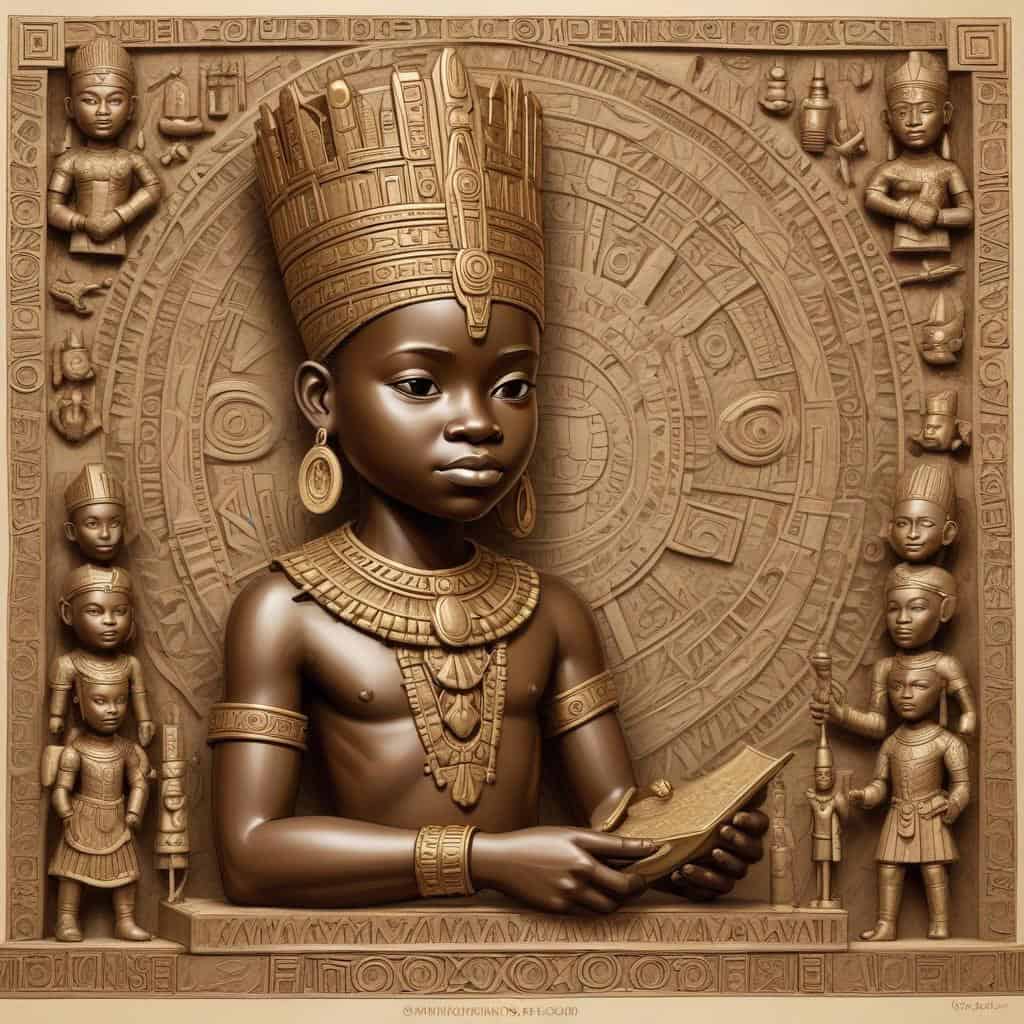
Introduction
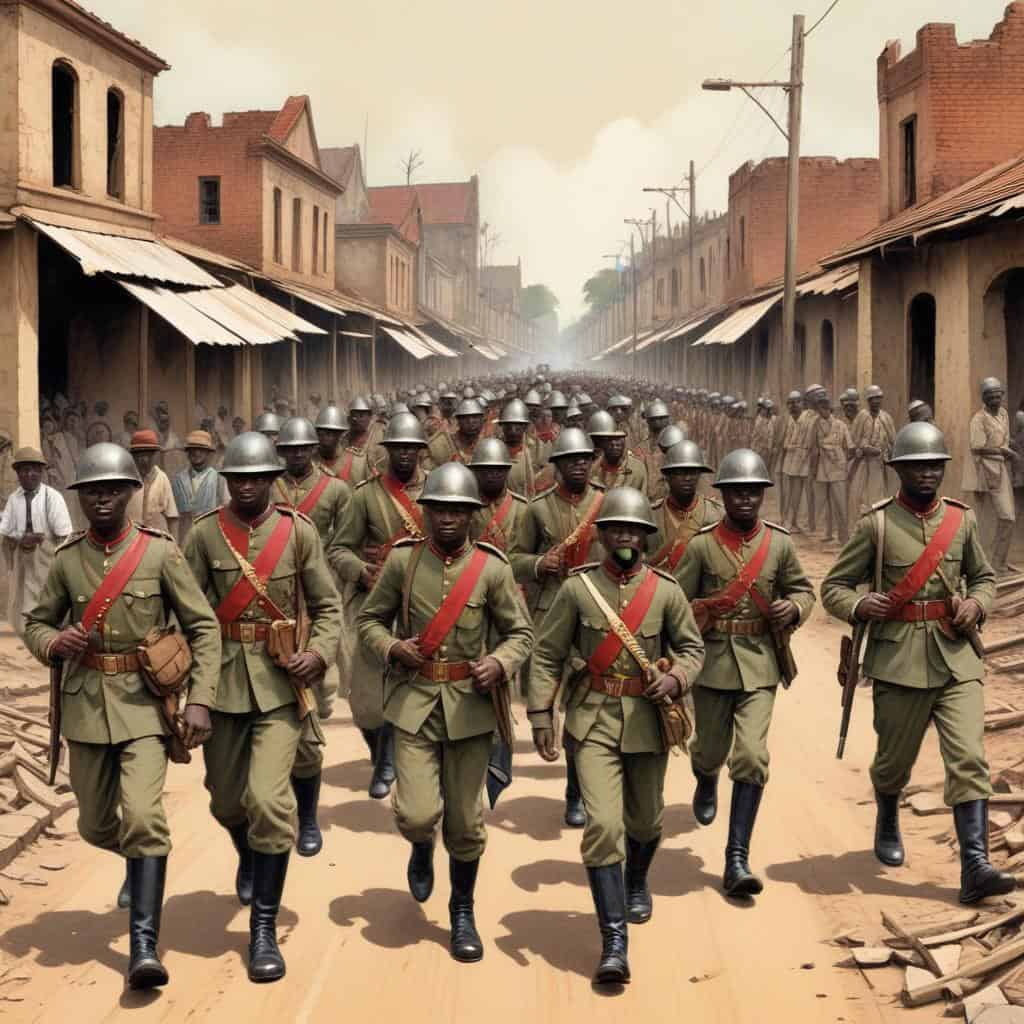
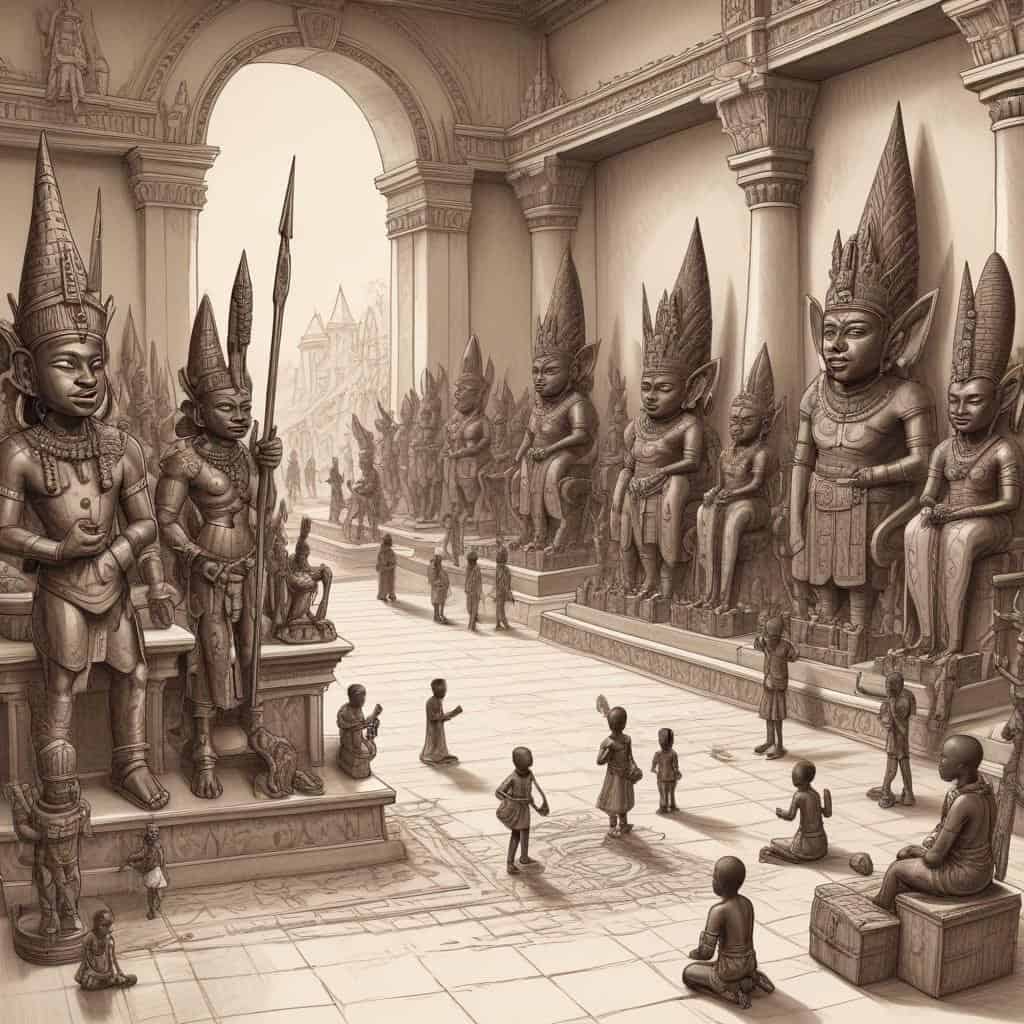
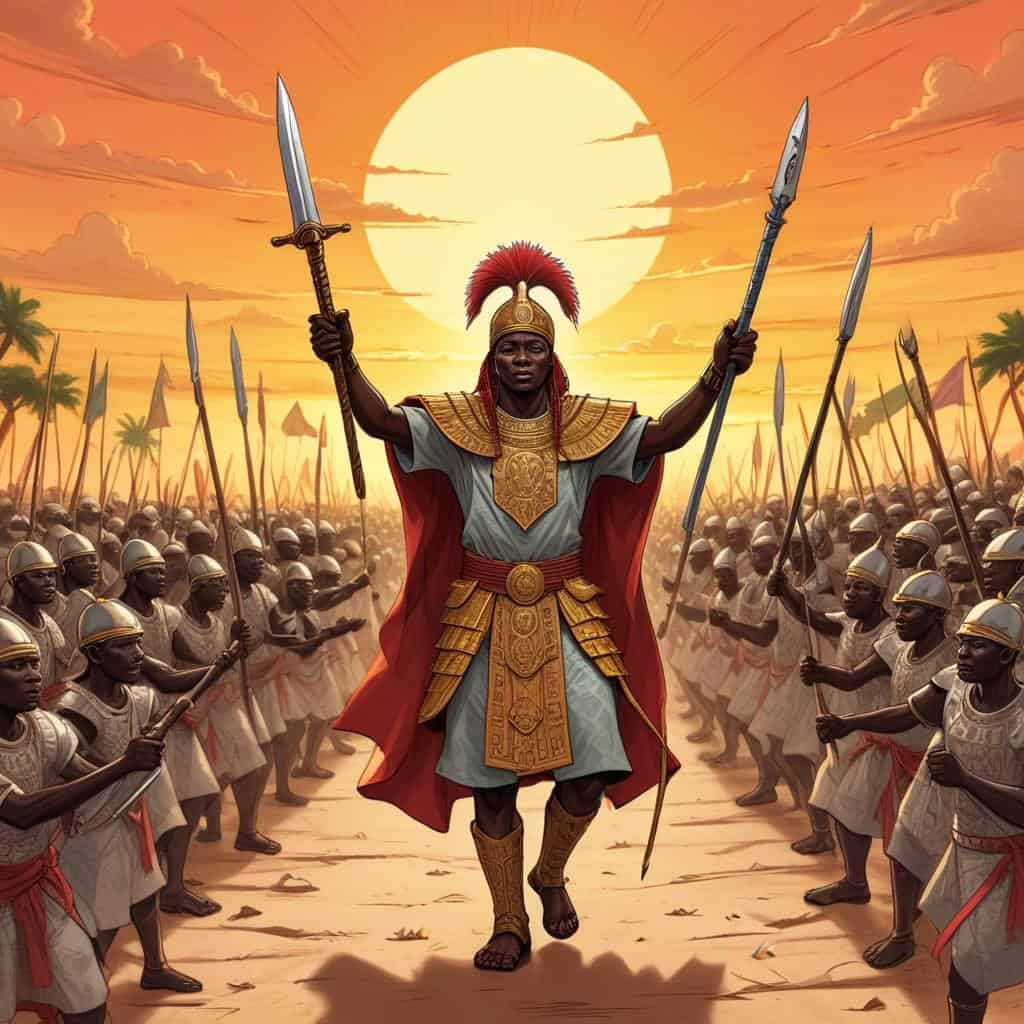
Oba Ewuare the Great
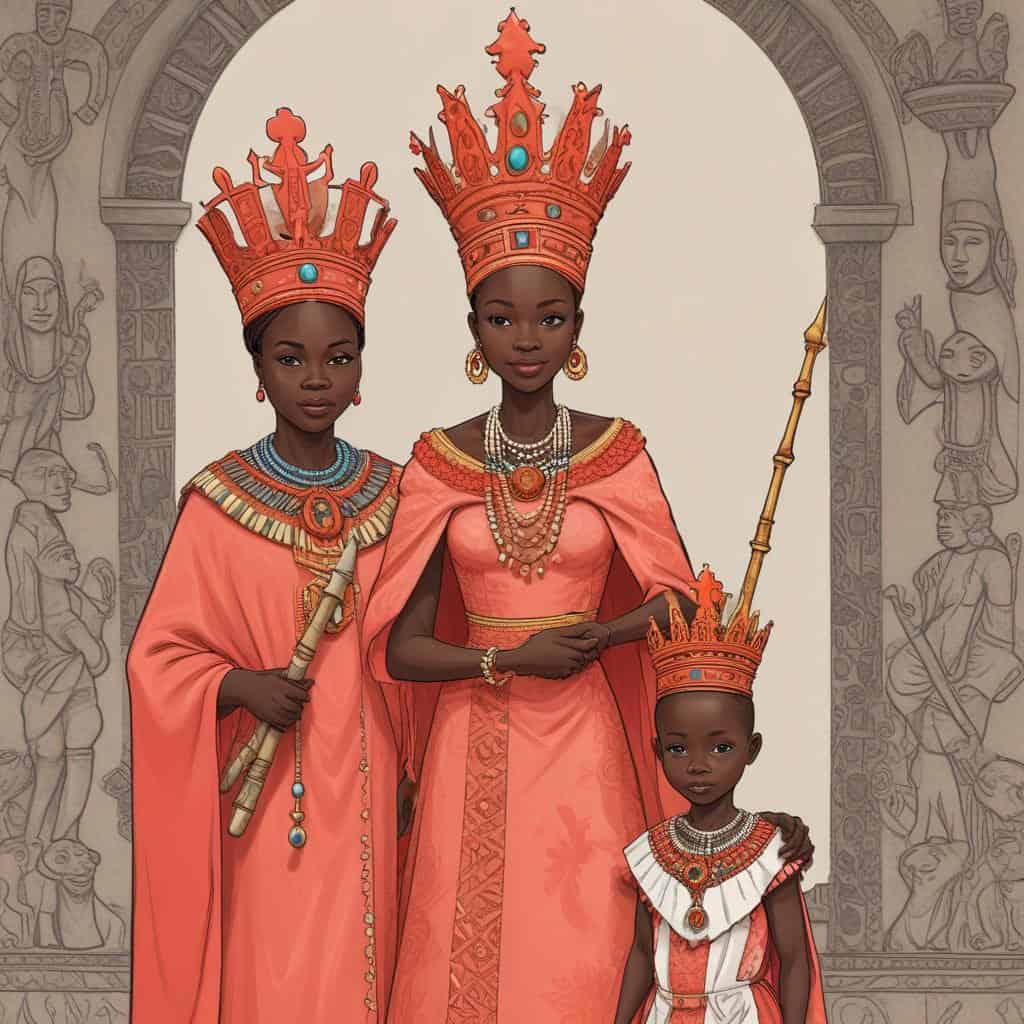
Queen Mother Idia
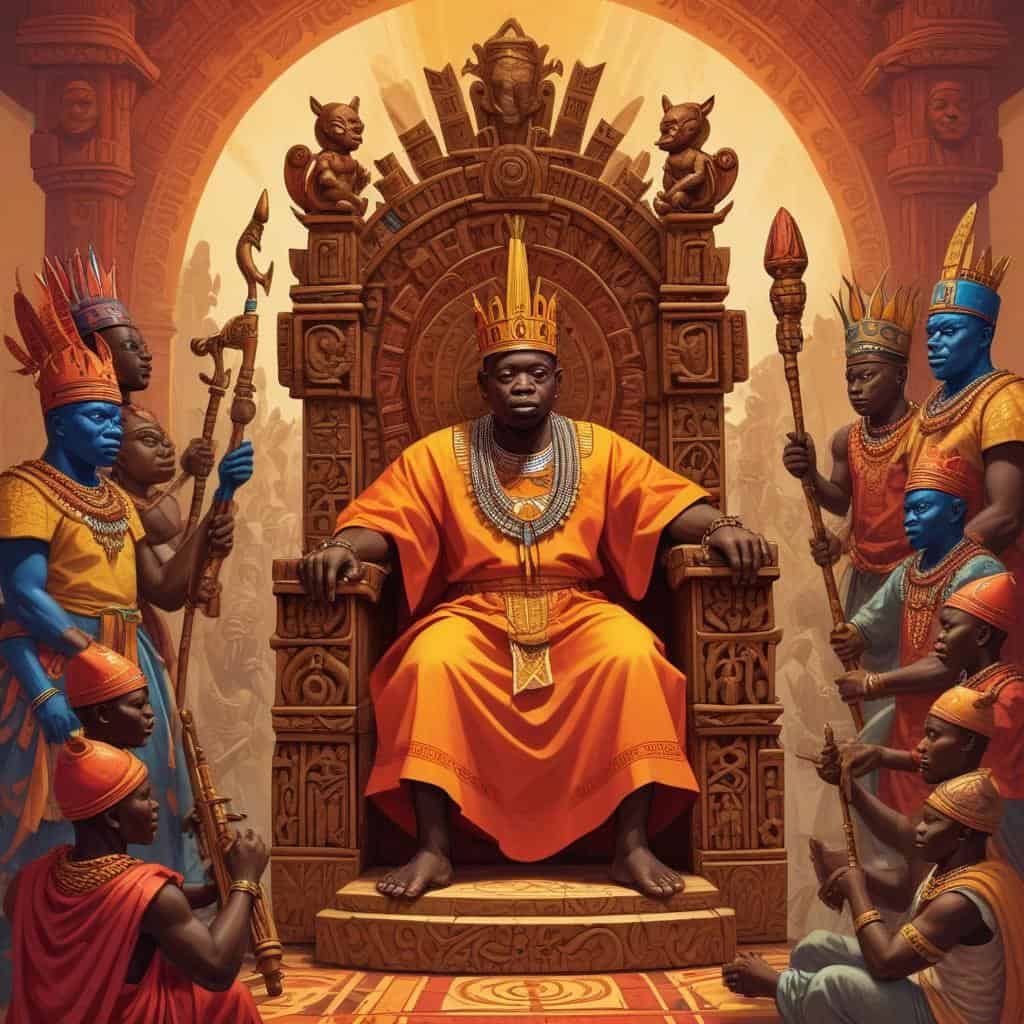
Oba Esigie
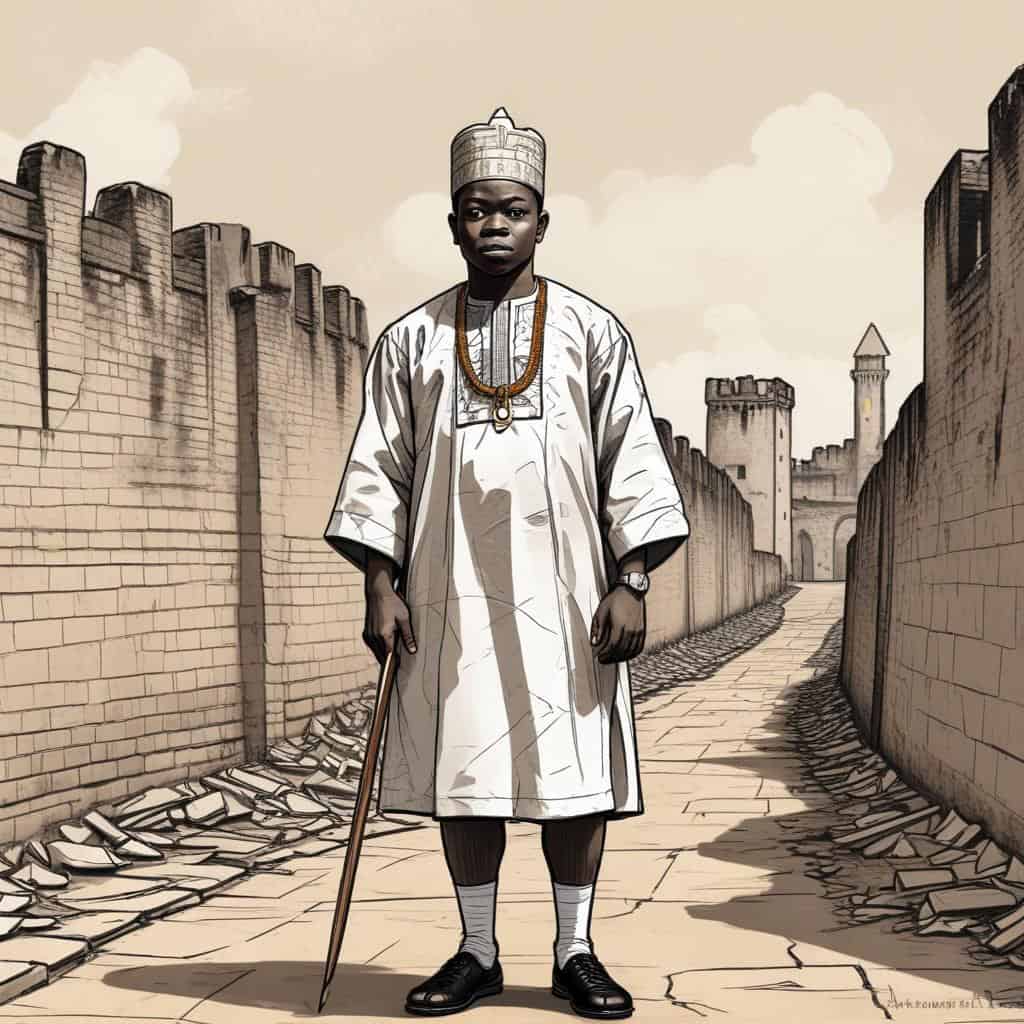
Oba Ovonramwen

The Rise of the Kingdom of Benin

Development of Modern Day Inventions

Trade and Commerce

European Contact
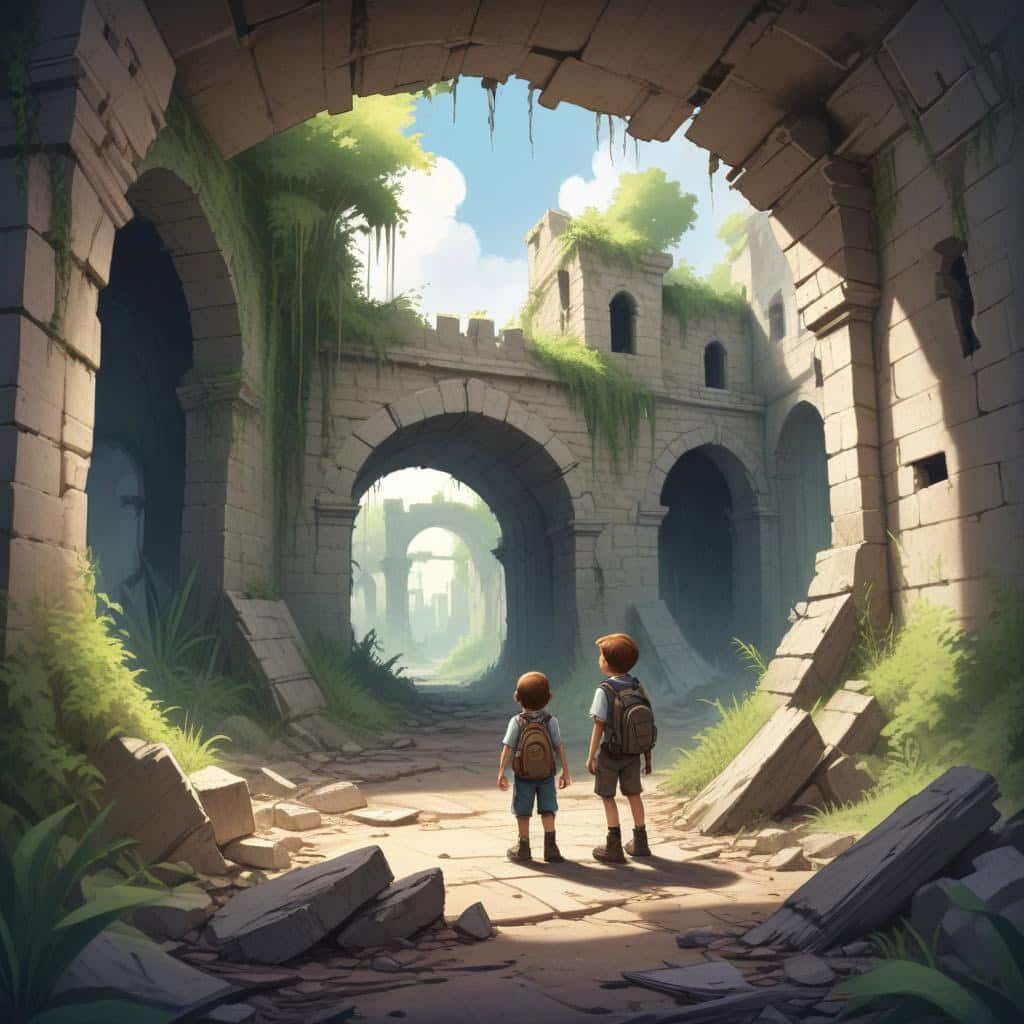
Decline of the Kingdom
Legacy of the Kingdom
Lesson Details & Resources
In a Nutshell
- What: A powerful kingdom in West Africa known for its art, culture, and military strength.
- When: 13th to 19th centuries
- Who: Oba (King) of Benin, Portuguese explorers, British Empire
- Outcome: Known for its bronze and ivory sculptures, advanced metallurgy, and strong military.
Famous Figures in the Kingdom of Benin
-
Ewuare the Great
Ewuare the Great was a powerful and respected Oba of the Kingdom of Benin in the 15th century.
-
Oba Ewuare II
Oba Ewuare II is the current Oba of Benin, who has worked to preserve and promote the cultural heritage of the kingdom.
-
Queen Idia
Queen Idia was a legendary queen mother of the Kingdom of Benin, known for her strategic skills and wisdom.
-
Chief Osadebe
Chief Osadebe was a renowned Nigerian highlife musician who was born in the Kingdom of Benin.
-
Dr. Jacob U. Egharevba
Dr. Jacob U. Egharevba was a historian and author who extensively researched and documented the history of the Kingdom of Benin.
Timeline of Kingdom of Benin
Foundation of the Kingdom of Benin
Expansion of the Kingdom of Benin
Establishment of trade relations with Portuguese explorers
Construction of the walls of Benin City
Height of the Kingdom of Benin's power and influence
First contact with Europeans
Benin City becomes a major center of trade and commerce
Benin City becomes one of the largest and most prosperous cities in West Africa
Introduction of Christianity to the Kingdom of Benin
Decline of the Kingdom of Benin due to internal conflicts and external pressures
British attack on Benin City
British colonization of the Kingdom of Benin
Destruction of the Benin City walls by the British
Benin City becomes part of the British Empire
Restoration of the Benin Bronzes looted by the British
Return of the Benin Bronzes to Nigeria
Recognition of the Kingdom of Benin's cultural heritage by UNESCO
Reconstruction of the Benin City walls
Establishment of a Benin Kingdom museum
Celebration of the Kingdom of Benin's cultural heritage
Vocabulary List
- Oba
- The title of the ruler of the Kingdom of Benin.
- Bronze casting
- A traditional art form practiced by the people of Benin, known for its intricate and detailed sculptures.
- Ife
- A neighboring city-state that had a significant influence on the art and culture of the Kingdom of Benin.
- Edo
- The ethnic group that founded and ruled the Kingdom of Benin.
- Terracotta
- A type of clay sculpture commonly found in the archaeological sites of the Kingdom of Benin.
- Benin City
- The capital city of the Kingdom of Benin, known for its impressive city walls and royal palace.
Key Facts
This is the information used in the fact matching game
- The Kingdom of Benin was located in present-day Nigeria.
- Benin City was the capital of the Kingdom of Benin.
- The Kingdom of Benin was known for its impressive bronze artwork.
- The kingdom was established around the 11th century.
- The Oba, or king, of Benin was considered a divine ruler.
- Benin City was surrounded by defensive walls that were several miles long.
- The Kingdom of Benin was a major trading power in West Africa.
- The people of Benin were skilled artisans and craftsmen.
- The kingdom had a complex political system with various titles and offices.
- Benin City was known for its elaborate royal palaces.
- The kingdom had a highly organized military with specialized units.
- The Portuguese were the first Europeans to make contact with the Kingdom of Benin.
- The kingdom had a prosperous economy based on agriculture, trade, and craftsmanship.
- The Benin Bronzes are a collection of artworks looted by the British in 1897.
- The Kingdom of Benin had a strong cultural and religious identity.
- The kingdom declined in power and influence after the 16th century due to internal strife and external pressures.
- Benin City was sacked by British forces in 1897, leading to the end of the kingdom.
- The Kingdom of Benin was known for its skilled ivory carvers.
- The walls of Benin City were considered one of the largest earthworks in the world.
- The kingdom had a hierarchical society with a strict social order.
Analysis & Significance
Immediate Consequences
The Kingdom of Benin was a powerful and wealthy civilization in West Africa that flourished between the 13th and 19th centuries. Its immediate consequences include the establishment of a sophisticated political system, intricate bronze artwork, and a thriving trade network with European powers.
Long-Term Impact
The lasting impact of the Kingdom of Benin can be seen in the cultural and artistic legacy it left behind. The intricate bronze sculptures and plaques created by Benin artisans continue to be admired for their craftsmanship and detail, showcasing the artistic prowess of the kingdom for generations to come.
Cultural Significance Today
Today, the Kingdom of Benin remains a symbol of African resilience and creativity. Its cultural significance is evident in the continued recognition of its art and artifacts in museums around the world, highlighting the rich heritage of the Benin people and their contributions to global art history.
Kingdom of Benin Games


Take Your Learning Offline
Want a convenient, print-ready study guide for this lesson? Become a Memory Wizards Pro member to unlock the downloadable " Memory Scrolls" for this topic and our entire library!
- ✓ Complete Vocabulary Lists
- ✓ Key Facts & Timelines
- ✓ Beautifully Formatted for Print & Mobile