
Summary of Kingdom of Mali
Uncover the riches and mysteries of the legendary Kingdom of Mali.
How Do You Learn Best?
Learn by Listening
Start with the 3-minute audio summary to get the key facts and narrative highlights quickly.
Learn by Reading
Immerse yourself in the 10-minute visual lesson for a comprehensive understanding of the topic.
Learn by Reviewing
Jump directly to the key facts, timeline, and vocabulary lists to build a solid foundation of details.
Learn by Doing
Challenge yourself! Jump straight into the interactive games to learn by trial, error, and discovery.
Audio Library
As one of our featured lessons, this topic includes premium audio guides.
Unlock the Wizard's Cram Session
This powerful audio study guide is a Pro-exclusive feature. Upgrade to Memory Wizards Pro to access this and all of our premium learning tools.
Upgrade to ProKingdom of Mali in 10 Minutes
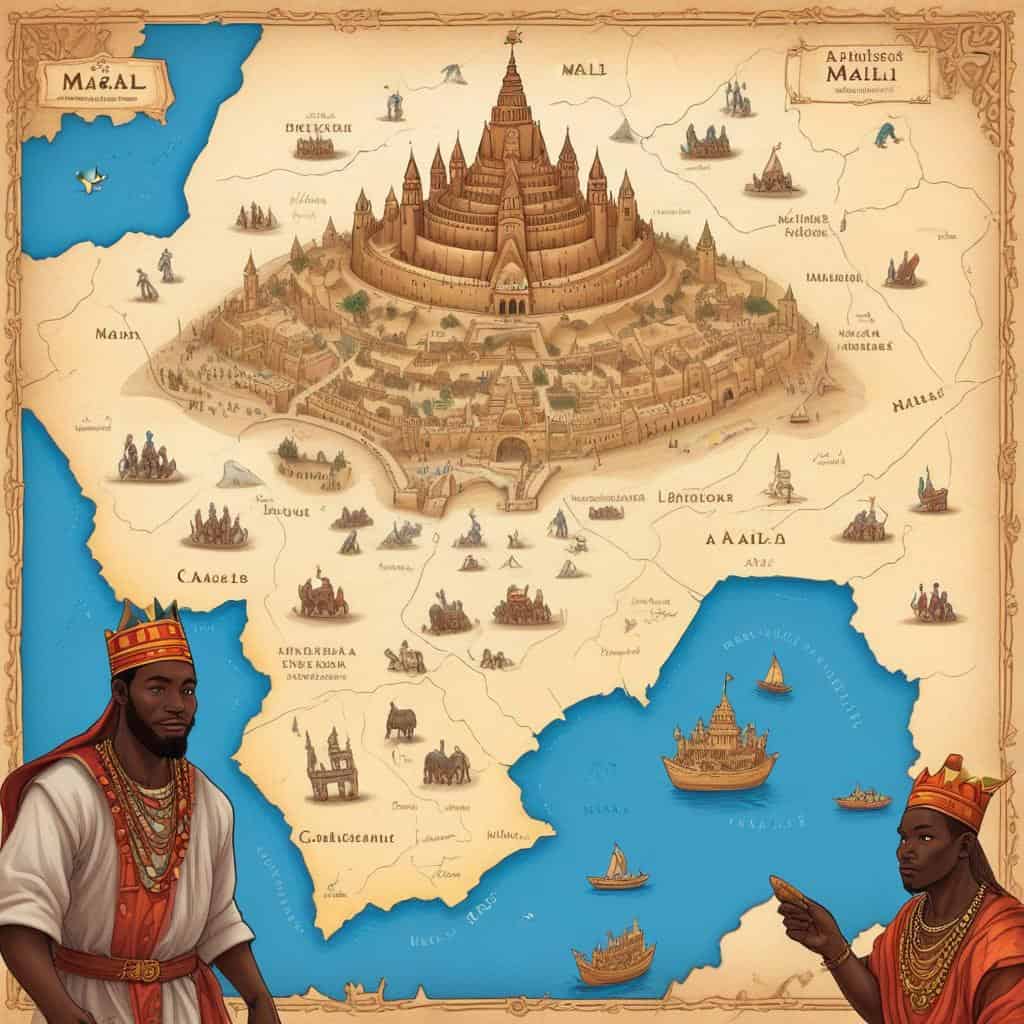
Introduction
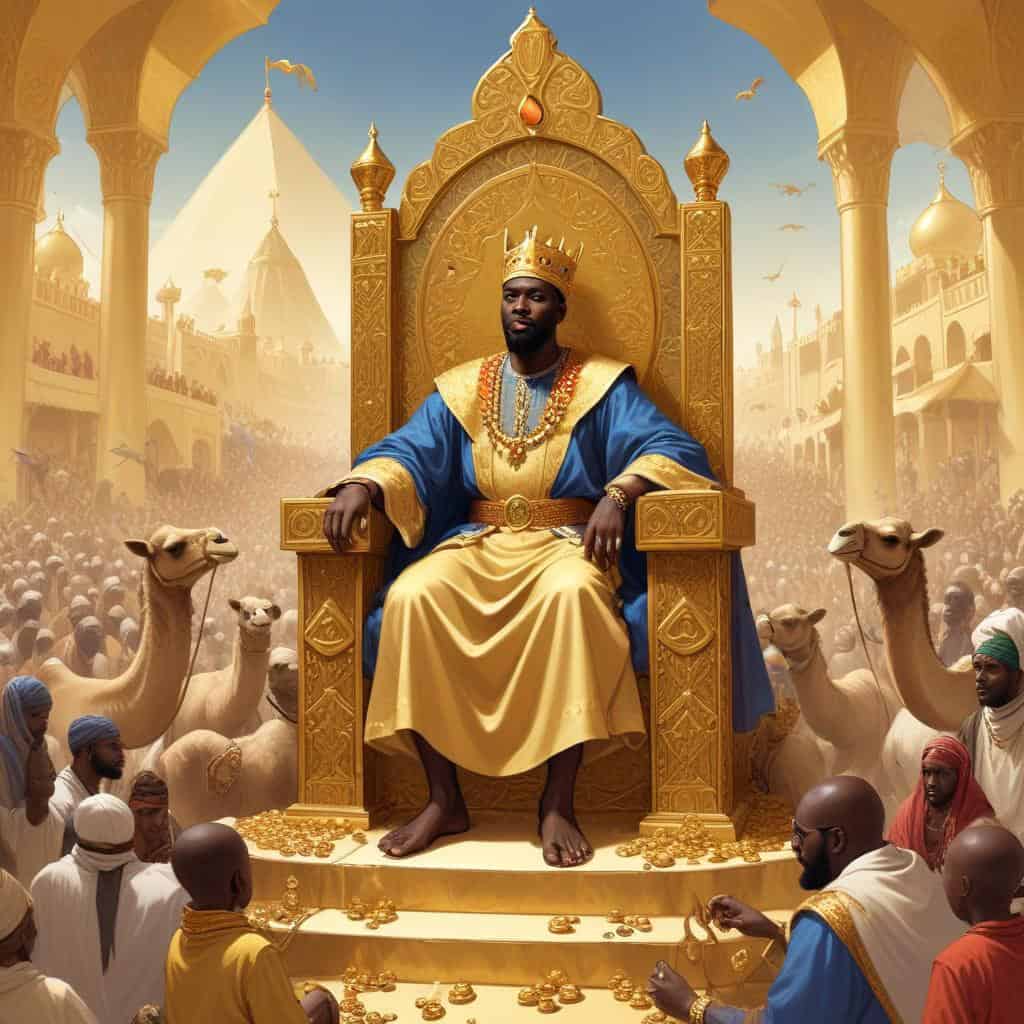
Mansa Musa
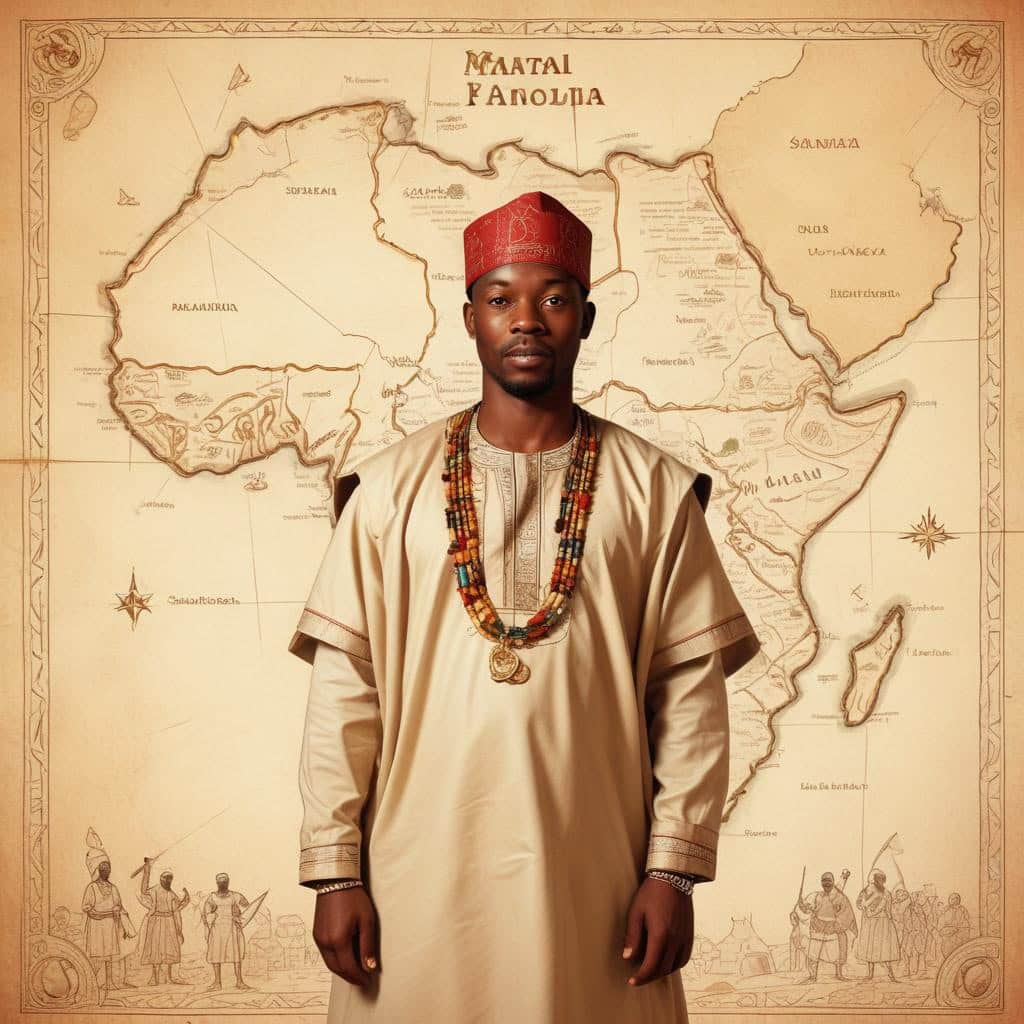
Sundiata Keita

Abubakari II
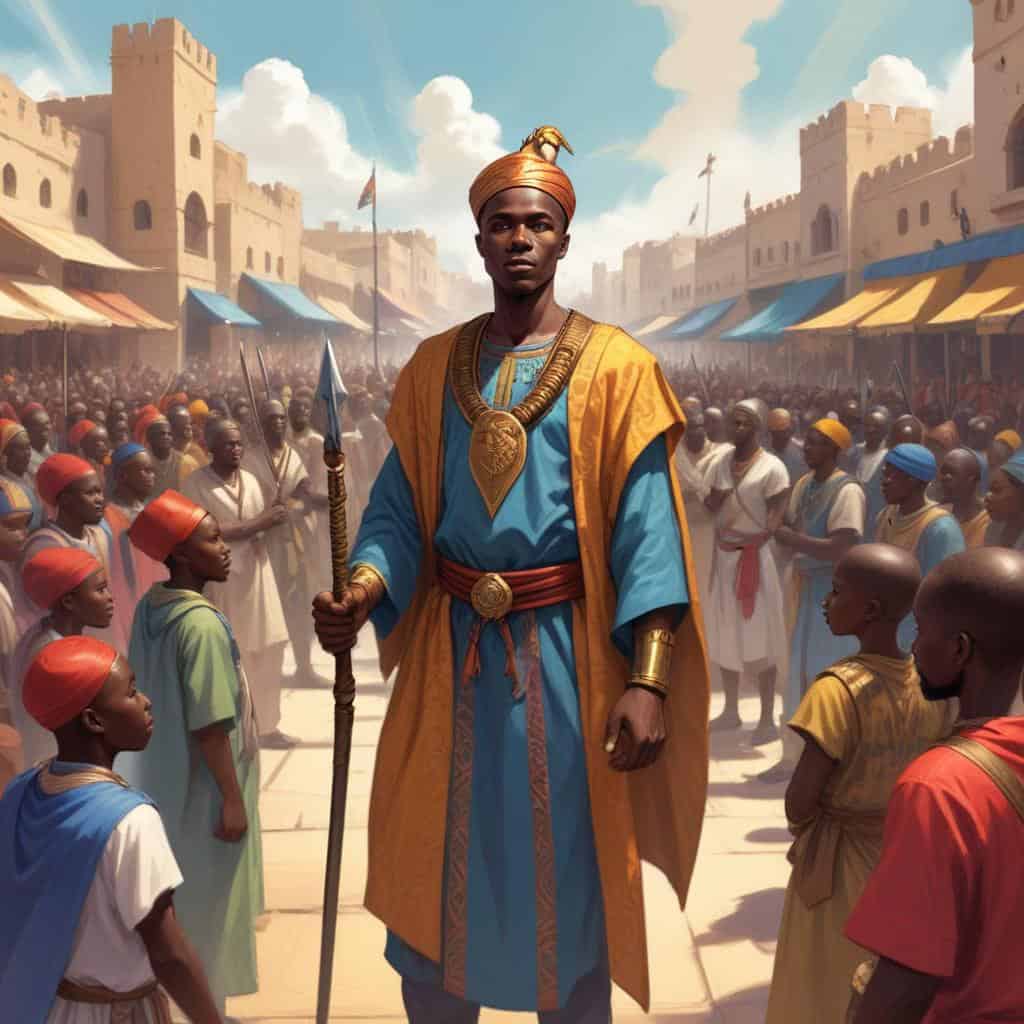
Askia the Great
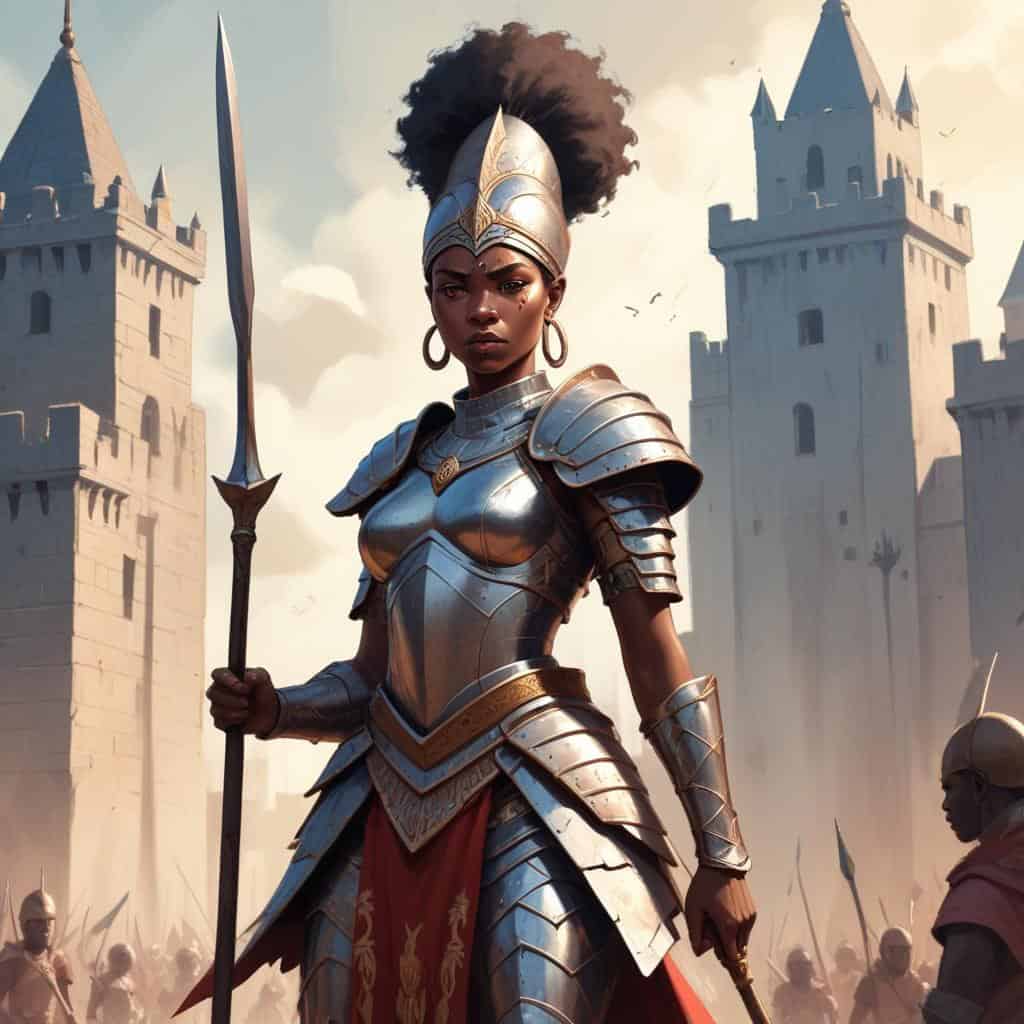
Queen Amina

1. The Rise of Mali
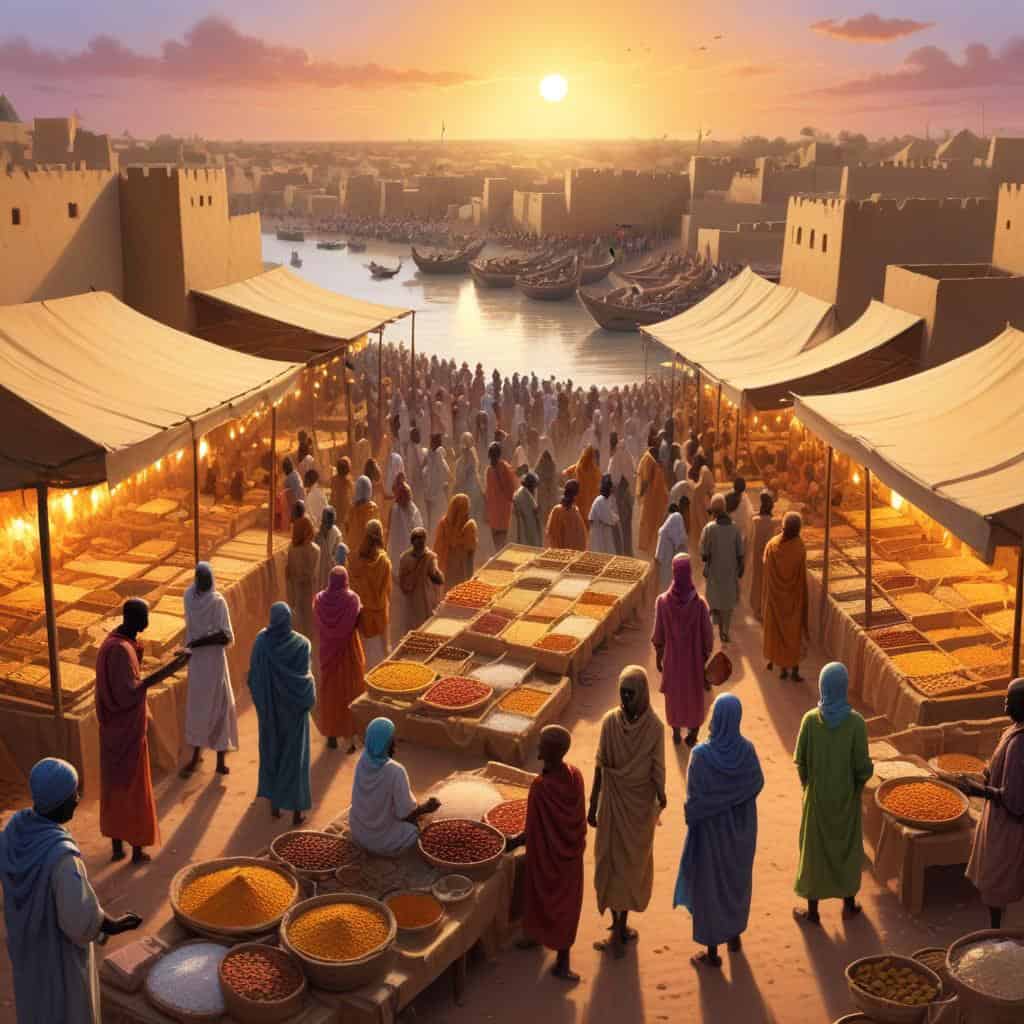
2. Wealth and Trade
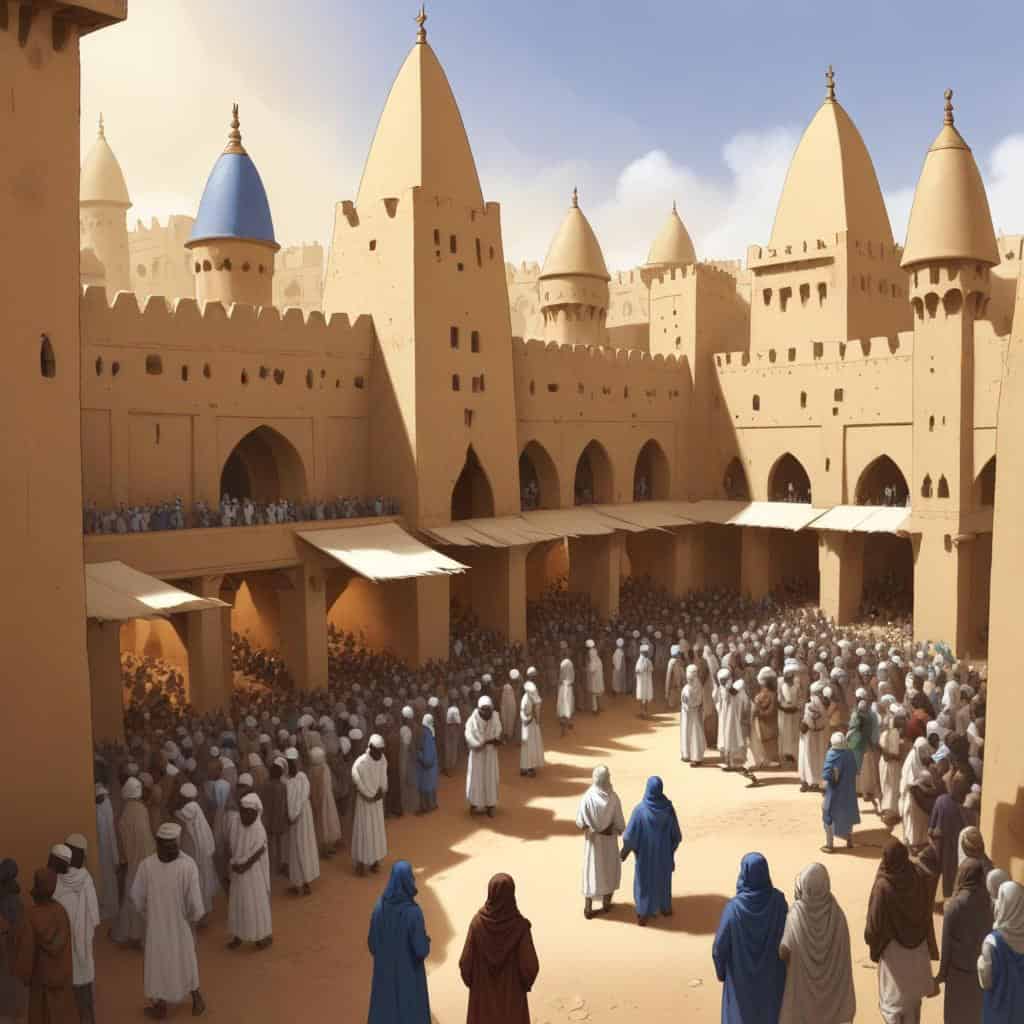
3. Timbuktu and Learning

4. Mansa Musa and Pilgrimage

5. Decline and Fall

6. Legacy of Mali

7. Influence on the Transatlantic Slave Trade

8. Modern Mali

9. Preserving Malis Heritage
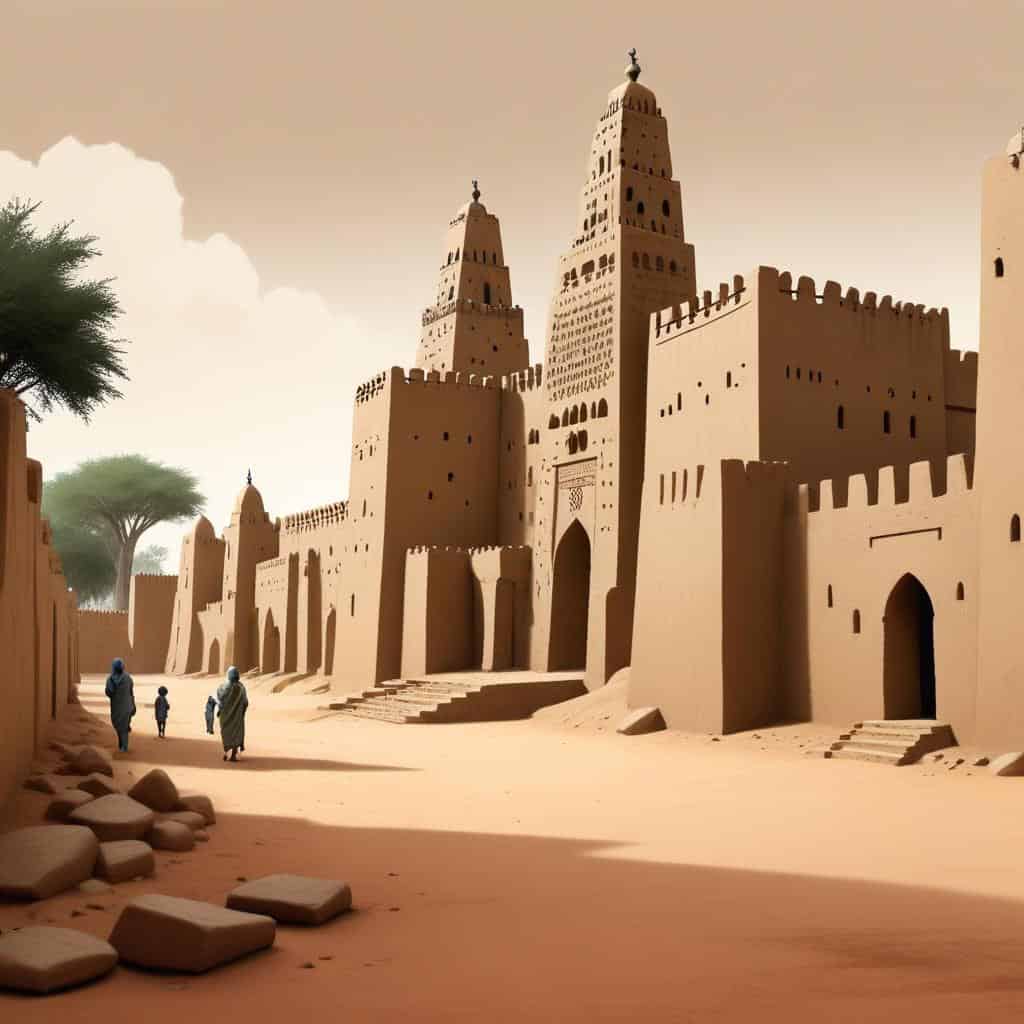
10. The Majesty of Mali
Lesson Details & Resources
In a Nutshell
- What: An empire in West Africa known for its wealth, power, and trade.
- When: 1235-1600 AD
- Who: Sundiata Keita, Mansa Musa, traders from North Africa and Europe
- Outcome: Mali became one of the largest and wealthiest empires in Africa, known for its gold production and trading networks.
Famous Figures in the Kingdom of Mali
-
Sundiata Keita
Sundiata Keita was the founder of the Mali Empire and is considered a national hero in Mali.
-
Mansa Musa
Mansa Musa was one of the richest individuals in history and is known for his extravagant pilgrimage to Mecca.
-
Askia Mohammad I
Askia Mohammad I was a powerful ruler of the Songhai Empire and expanded its territory during his reign.
Timeline of Kingdom of Mali
Mali Empire founded by Sundiata Keita
Mansa Musa becomes ruler of Mali Empire
Mansa Musa makes famous pilgrimage to Mecca
Timbuktu becomes a major cultural and trading center in Mali Empire
Mali Empire reaches its peak under Mansa Musa
Mansa Musa's death leads to decline of Mali Empire
Mali Empire loses control of important trade routes
Songhai Empire emerges as a powerful rival to Mali Empire
Fall of Mali Empire to Songhai Empire
Mali Empire regains independence from Songhai Empire
Mali Empire faces internal struggles and conflicts
Moroccan invasion of Mali Empire
Mali Empire officially ends as a political entity
French colonization of Mali begins
Mali becomes part of French West Africa
Mali gains independence from France
Military coup in Mali leads to establishment of military rule
Transition to civilian rule in Mali
Mali experiences political instability and conflict
Malian government signs peace agreement with rebel groups
Vocabulary List
- Mansa
- The title given to the ruler of the Mali Empire.
- Timbuktu
- A major city in the Mali Empire known for its wealth and scholarship.
- Sundiata
- The founder of the Mali Empire and its first ruler.
- Trans-Saharan trade
- The trade route that connected West Africa to North Africa and Europe, allowing the Mali Empire to become wealthy.
- Gold
- A valuable resource that was abundant in the Mali Empire and contributed to its prosperity.
- Islam
- The dominant religion in the Mali Empire, brought by traders and scholars from North Africa.
- Djenne
- A city in the Mali Empire known for its mud-brick architecture and as a center of Islamic learning.
- Salt
- Another valuable resource that was traded in the Mali Empire, often in exchange for gold.
- Tribute
- Goods or money paid by smaller kingdoms to the Mali Empire as a sign of allegiance.
- Mali Empire
- A powerful empire in West Africa that reached its height in the 14th century.
Key Facts
This is the information used in the fact matching game
- The Kingdom of Mali was a medieval empire in West Africa that lasted from the 13th to the 16th century.
- Mansa Musa, one of Mali's most famous rulers, was known for his immense wealth and extravagant pilgrimage to Mecca in 1324.
- The capital of the Kingdom of Mali was Niani, located near the present-day city of Kangaba in Mali.
- Mali was a major center of trade, particularly in gold, salt, and other commodities, which were exchanged with North African and European merchants.
- The empire of Mali was known for its wealth and prosperity, with cities like Timbuktu and Gao becoming important cultural and intellectual centers.
- The Kingdom of Mali was known for its system of government, which included a council of ministers and provincial governors appointed by the king.
- Mali was a Muslim-majority empire, with Islam playing a significant role in its culture, politics, and trade networks.
- The Mali Empire reached its peak under Mansa Musa, who expanded its borders and influence through military conquest and diplomacy.
- The economy of Mali was based on agriculture, mining, and trade, with gold and salt being particularly important commodities.
- Mali was known for its impressive architecture, including the Great Mosque of Djenne and the University of Sankore in Timbuktu.
- The decline of the Kingdom of Mali began in the late 15th century, due to internal rebellions, external invasions, and the rise of new trading routes that bypassed its territory.
- The fall of the Mali Empire paved the way for the rise of other West African powers, such as the Songhai Empire and the Jolof Empire.
- Mali's cultural legacy includes the epic of Sundiata, a traditional oral history that recounts the founding of the empire by its legendary first ruler.
- The Kingdom of Mali had a hierarchical society, with the king at the top, followed by noble families, merchants, and commoners.
- Mali had a well-developed system of education, with scholars and students from around the Islamic world coming to study at its universities and libraries.
- The Mali Empire was known for its strong military, which included cavalry, infantry, and archers, as well as a navy for controlling the Niger River.
- Mali's rulers supported the arts and literature, with musicians, poets, and storytellers playing important roles in the empire's cultural life.
- The flag of Mali, adopted in 1959, is based on the colors of the Mali Empire's flag: green, yellow, and red.
- The legacy of the Kingdom of Mali continues to influence modern West African societies, particularly in terms of culture, religion, and political organization.
- Mali is home to many UNESCO World Heritage sites that reflect the rich history and cultural heritage of the ancient kingdom.
Analysis & Significance
Immediate Consequences
The establishment of the Kingdom of Mali brought about immediate economic prosperity and political stability to the region. Trade routes flourished, bringing wealth and cultural exchange to the kingdom. The leadership of Mansa Musa further solidified Mali’s power and influence in the region.
Long-Term Impact
The Kingdom of Mali had a lasting impact on the history of West Africa. It set the stage for future empires in the region and influenced the development of trade networks that connected Africa to the rest of the world. The legacy of Mali’s wealth and power continued to shape the region for centuries to come.
Cultural Significance Today
The Kingdom of Mali remains a significant cultural and historical touchstone in West Africa. Its legendary wealth and the achievements of rulers like Mansa Musa are still celebrated today. The kingdom’s influence can be seen in the art, architecture, and traditions of modern West African societies, highlighting the enduring legacy of this powerful empire.
Kingdom of Mali Games


Take Your Learning Offline
Want a convenient, print-ready study guide for this lesson? Become a Memory Wizards Pro member to unlock the downloadable " Memory Scrolls" for this topic and our entire library!
- ✓ Complete Vocabulary Lists
- ✓ Key Facts & Timelines
- ✓ Beautifully Formatted for Print & Mobile