
Summary of Kingdom of Kush
Uncover the mysteries of the ancient Kingdom of Kush.
How Do You Learn Best?
Learn by Listening
Start with the 3-minute audio summary to get the key facts and narrative highlights quickly.
Learn by Reading
Immerse yourself in the 10-minute visual lesson for a comprehensive understanding of the topic.
Learn by Reviewing
Jump directly to the key facts, timeline, and vocabulary lists to build a solid foundation of details.
Learn by Doing
Challenge yourself! Jump straight into the interactive games to learn by trial, error, and discovery.
Audio Library
As one of our featured lessons, this topic includes premium audio guides.
Unlock the Wizard's Cram Session
This powerful audio study guide is a Pro-exclusive feature. Upgrade to Memory Wizards Pro to access this and all of our premium learning tools.
Upgrade to ProKingdom of Kush in 10 Minutes
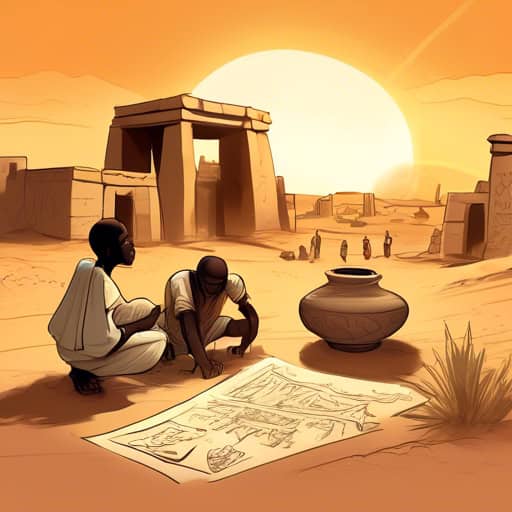
Introduction
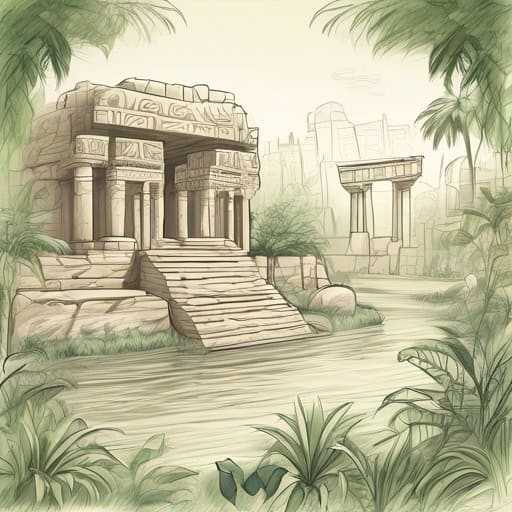
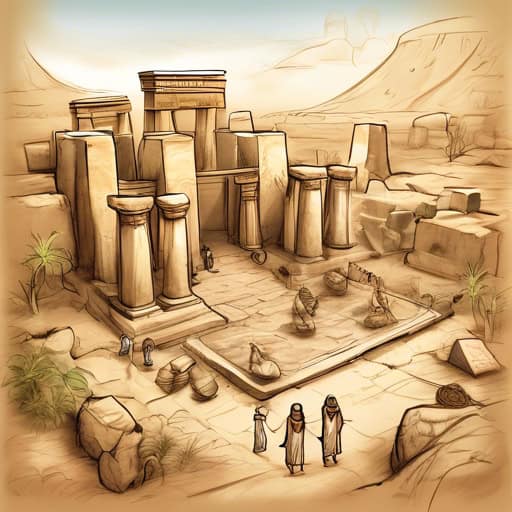

King Kashta
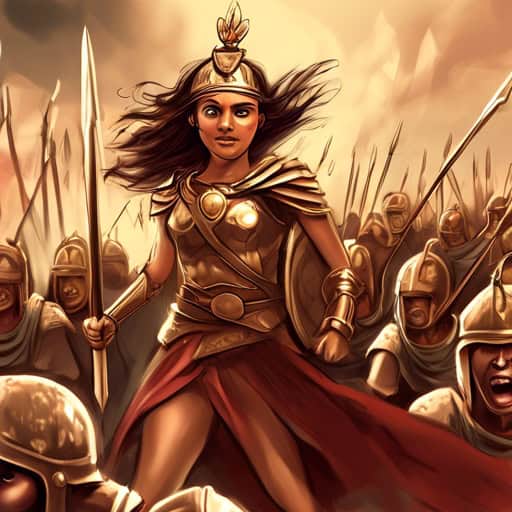
Queen Amanirenas
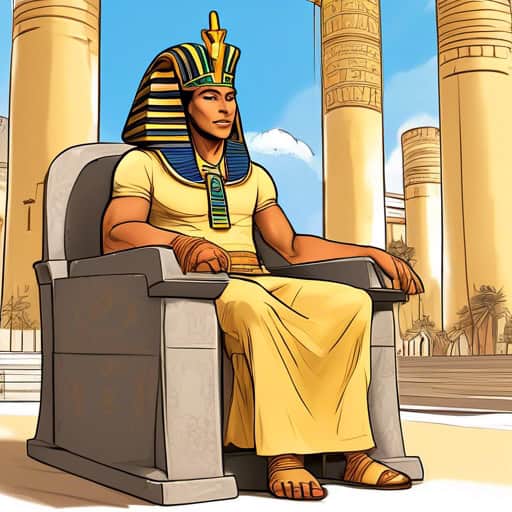
King Taharqa
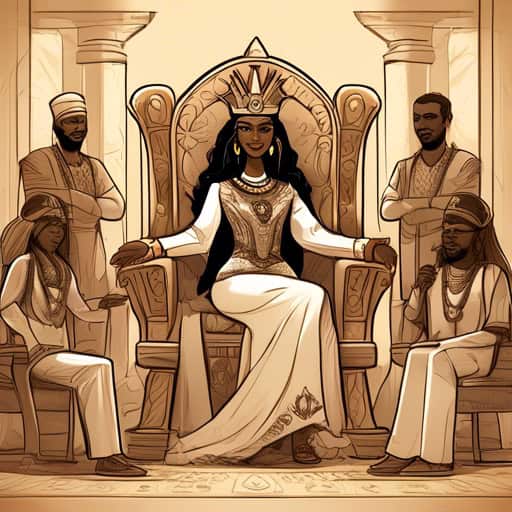
Queen Shanakdakhete
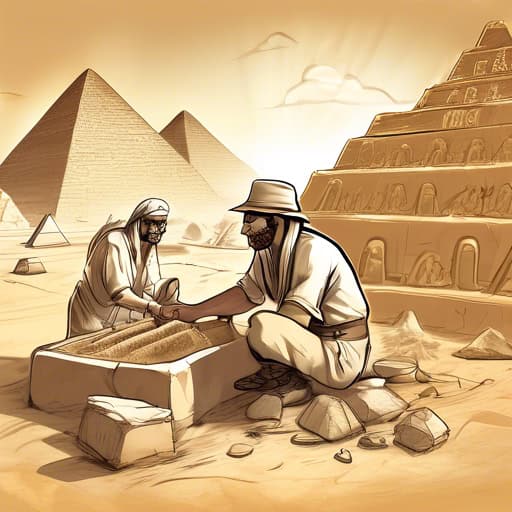
Archaeologist George Reisner
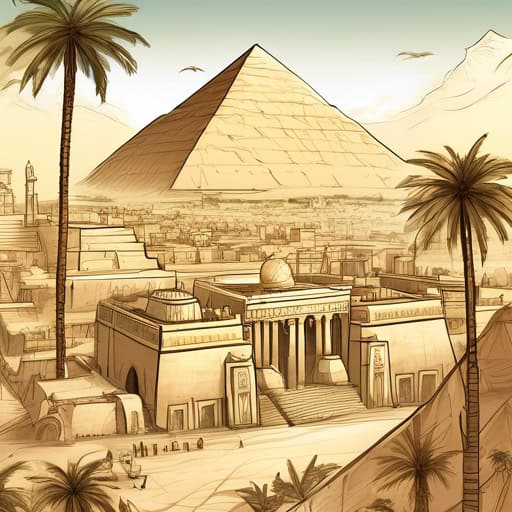
1. The Rise of the Kingdom of Kush
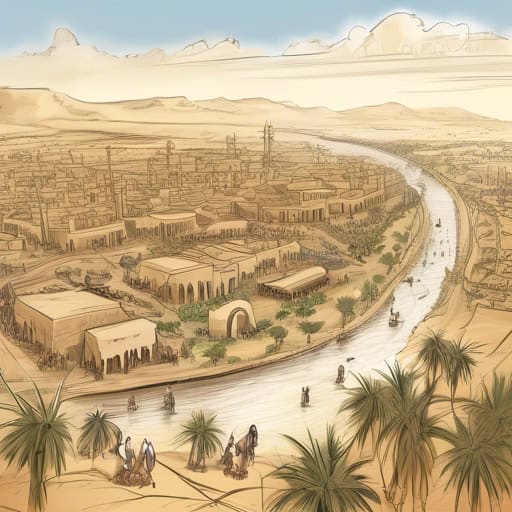
2. Location and Geography

3. Cultural Influence

4. Military Expansion

5. Trade and Economy
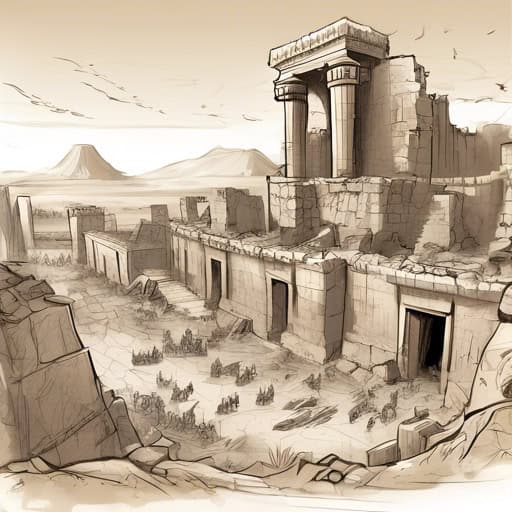
6. Decline and Conquest

7. Rediscovery of Kush
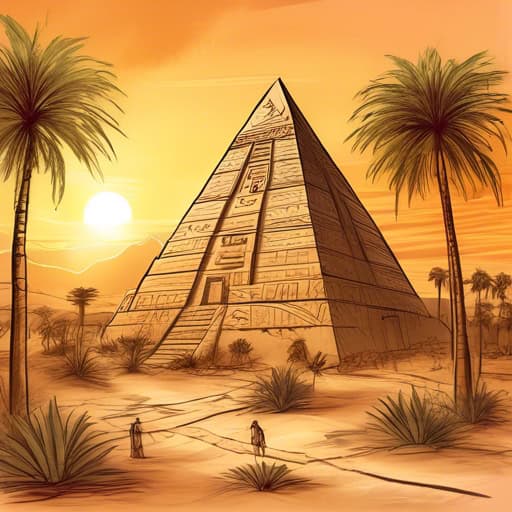
8. Legacy of Kush
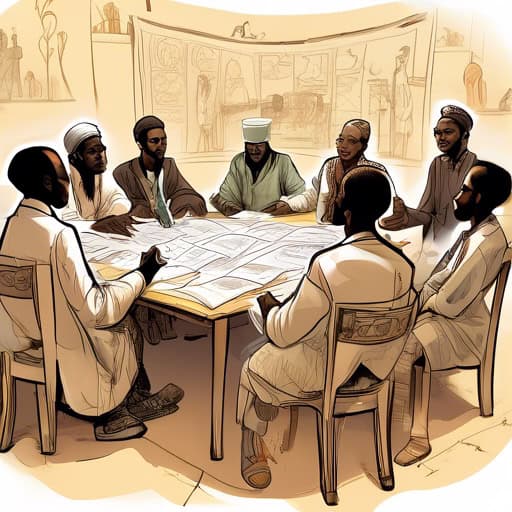
9. Modern Perspectives
10. Conclusion
Lesson Details & Resources
In a Nutshell
- What: An ancient African kingdom located in present-day Sudan.
- When: 1070 BC – 350 AD
- Who: The Kingdom of Kush, Egyptian Pharaohs, Nubian people.
- Outcome: A powerful civilization known for its trade, ironworking, and pyramid construction.
Famous Figures in the Kingdom of Kush
-
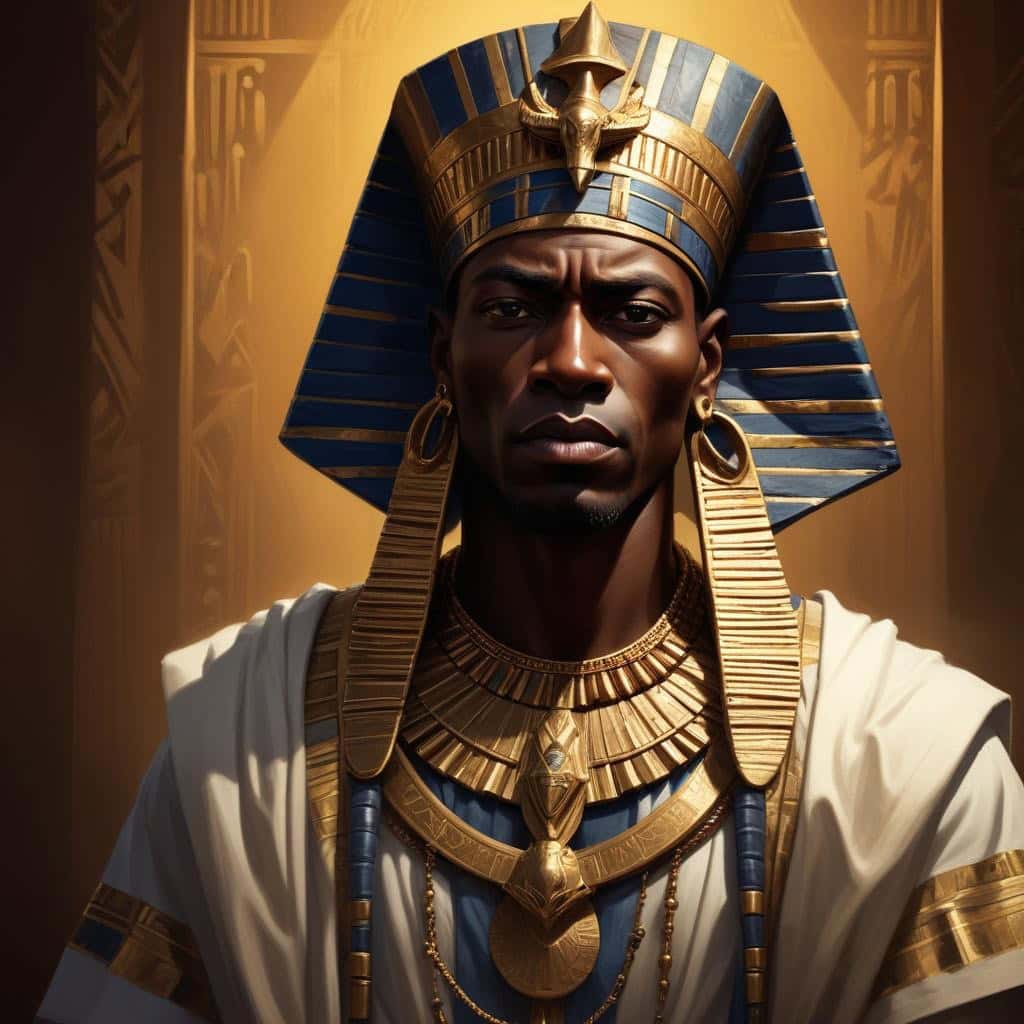
Taharqa
Taharqa was a pharaoh of the 25th Dynasty of Egypt and ruled over the Kingdom of Kush.
-
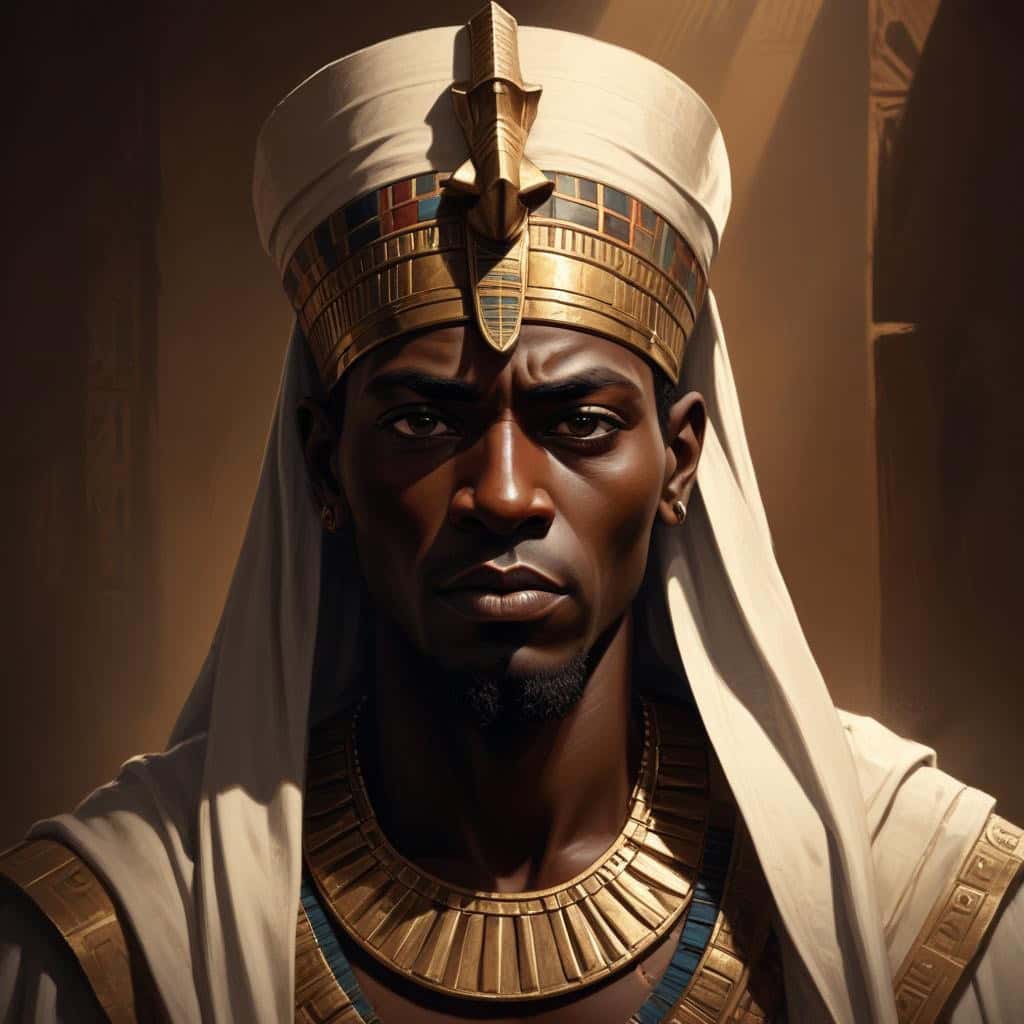
Piye
Piye was the founder of the 25th Dynasty of Egypt and conquered Egypt, establishing Kushite rule.
-

Amanirenas
Amanirenas was a queen of the Kingdom of Kush who led military campaigns against the Roman Empire.
-
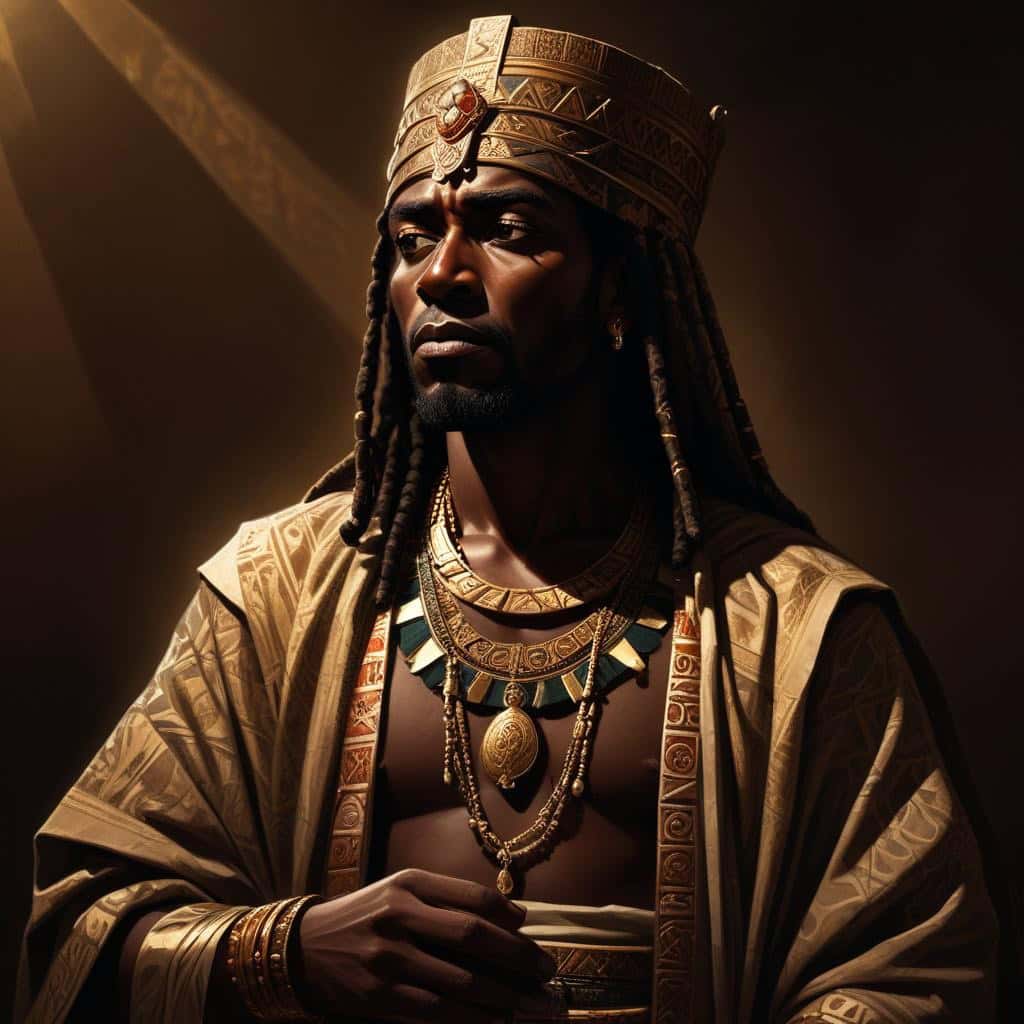
Natakamani
Natakamani was a king of the Kingdom of Kush who expanded its territory and built monumental structures.
Timeline of Kingdom of Kush
Formation of the Kingdom of Kush
Kushite conquest of Egypt
Peak of Kushite power in Egypt
Assyrian invasion of Egypt, leading to decline of Kushite rule
Fall of the Kushite dynasty in Egypt
Establishment of the Kingdom of Kush as an independent state
Kushite expansion into Nubia and beyond
Construction of the city of Meroe as the new capital of Kush
Peak of Meroitic civilization in Kush
Roman conquest of Egypt and decline of Kushite trade
Incorporation of Kush into the Roman Empire as a client state
Decline of Kushite power and influence
Decline of Meroitic civilization and rise of the Kingdom of Nobatia
Conversion of Kush to Christianity
Decline of the Kingdom of Kush and invasion by the Kingdom of Axum
End of the Kingdom of Kush and absorption into the Kingdom of Axum
Legacy of the Kingdom of Kush in Nubian culture and history
Vocabulary List
- Nubia
- Nubia was the region to the south of Egypt, where the Kingdom of Kush was located.
- Pharaoh
- The pharaohs of Egypt often had interactions with the rulers of the Kingdom of Kush.
- Pyramids
- The Kingdom of Kush had its own pyramids, similar to those found in Egypt.
- Meroe
- The city of Meroe was the capital of the Kingdom of Kush.
- Trade
- The Kingdom of Kush was known for its trade routes that connected it to other regions in Africa and beyond.
- Hieroglyphics
- The Kingdom of Kush used a form of writing based on Egyptian hieroglyphics.
- Conquest
- The Kingdom of Kush was known for its military conquests in both Africa and the Near East.
- Kandake
- The title given to the queen of the Kingdom of Kush, who often held significant power.
- Makuria
- Makuria was a Christian kingdom that emerged in the Kingdom of Kush in the 6th century AD.
Key Facts
This is the information used in the fact matching game
- The Kingdom of Kush was an ancient African kingdom located in what is now Sudan.
- The Kingdom of Kush was known for its wealth and power, particularly during the 8th century BCE.
- Kushite rulers often adopted Egyptian customs and religion, such as worshipping the god Amun.
- The Kushites were skilled warriors and often clashed with the Egyptians over control of territory in Nubia.
- The capital city of the Kingdom of Kush was Kerma, which was later replaced by Napata and then Meroe.
- The Kingdom of Kush was known for its ironworking and agriculture, particularly the cultivation of crops like wheat and barley.
- Kushite society was hierarchical, with a ruling class of nobles and priests overseeing the common people.
- The Kushites built impressive pyramids at sites like Nuri and Meroe, similar to those found in Egypt.
- The Kingdom of Kush was eventually conquered by the Kingdom of Axum in the 4th century CE.
- The Kushites were known for their skill in archery and chariot warfare, which they learned from the Egyptians.
- Kushite art and architecture were heavily influenced by Egyptian styles, but also showed unique Kushite elements.
- The Kingdom of Kush controlled valuable trade routes that connected Africa with the Mediterranean world, bringing wealth to the kingdom.
- Kushite queens played important roles in ruling the kingdom, with some even acting as regents for young kings.
- The Kingdom of Kush was a major center of gold production and trade, which helped to fund the kingdom's wealth and power.
- Kushite religion included the worship of a variety of gods and goddesses, as well as ancestor veneration.
- The Kushites were known for their use of the bow and arrow in warfare, as well as their skilled horseback riding.
- The Kingdom of Kush maintained diplomatic and trade relations with other ancient civilizations, such as Rome and Greece.
- Kushite rulers often took on multiple titles and names to emphasize their power and divine right to rule.
- The decline of the Kingdom of Kush is often attributed to a combination of factors, including climate change, invasions, and internal conflicts.
- Kushite culture had a lasting impact on the region, influencing later civilizations such as the Kingdom of Axum and the Christian kingdoms of Nubia.
Analysis & Significance
Immediate Consequences
The Kingdom of Kush’s conquest of Egypt in the 8th century BCE led to a period of prosperity and cultural exchange between the two civilizations. Kushite rulers adopted Egyptian customs and religion, building temples and monuments reminiscent of those in Egypt.
Long-Term Impact
The Kingdom of Kush played a significant role in shaping the politics and culture of ancient Africa. Its influence extended beyond its borders, with Kushite rulers establishing trade networks with neighboring regions and contributing to the development of the ancient world.
Cultural Significance Today
The legacy of the Kingdom of Kush can still be seen in modern-day Sudan, where archaeological sites and artifacts serve as a reminder of its rich history. The kingdom’s influence on African art, architecture, and religion continues to be studied and appreciated by scholars and enthusiasts worldwide.
Kingdom of Kush Games


Take Your Learning Offline
Want a convenient, print-ready study guide for this lesson? Become a Memory Wizards Pro member to unlock the downloadable " Memory Scrolls" for this topic and our entire library!
- ✓ Complete Vocabulary Lists
- ✓ Key Facts & Timelines
- ✓ Beautifully Formatted for Print & Mobile