
Summary of Surrender of Oxford (1646)
The captivating tale of Oxford's historic surrender in 1646.
How Do You Learn Best?
Learn by Reading
Immerse yourself in the 10-minute visual lesson for a comprehensive understanding of the topic.
Learn by Reviewing
Jump directly to the key facts, timeline, and vocabulary lists to build a solid foundation of details.
Learn by Doing
Challenge yourself! Jump straight into the interactive games to learn by trial, error, and discovery.
Surrender of Oxford in 10 Minutes
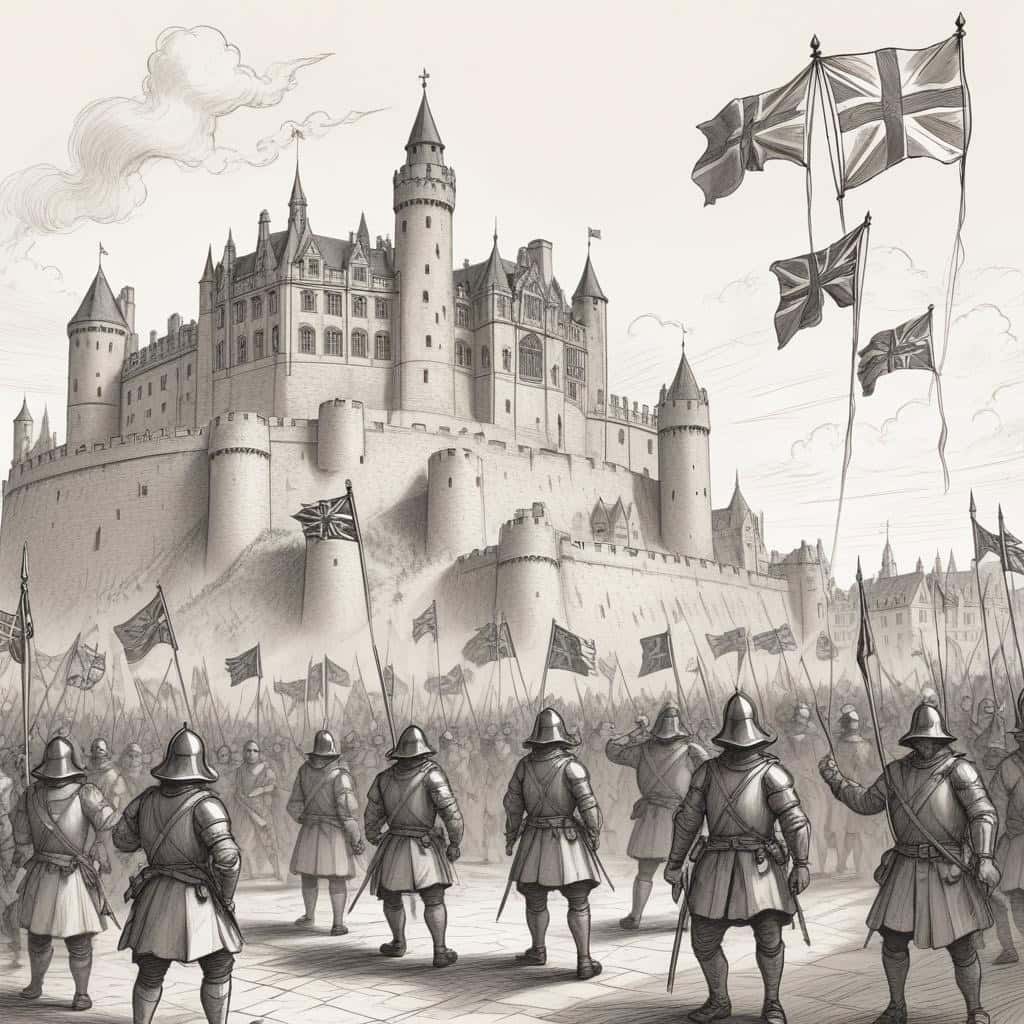
Introduction
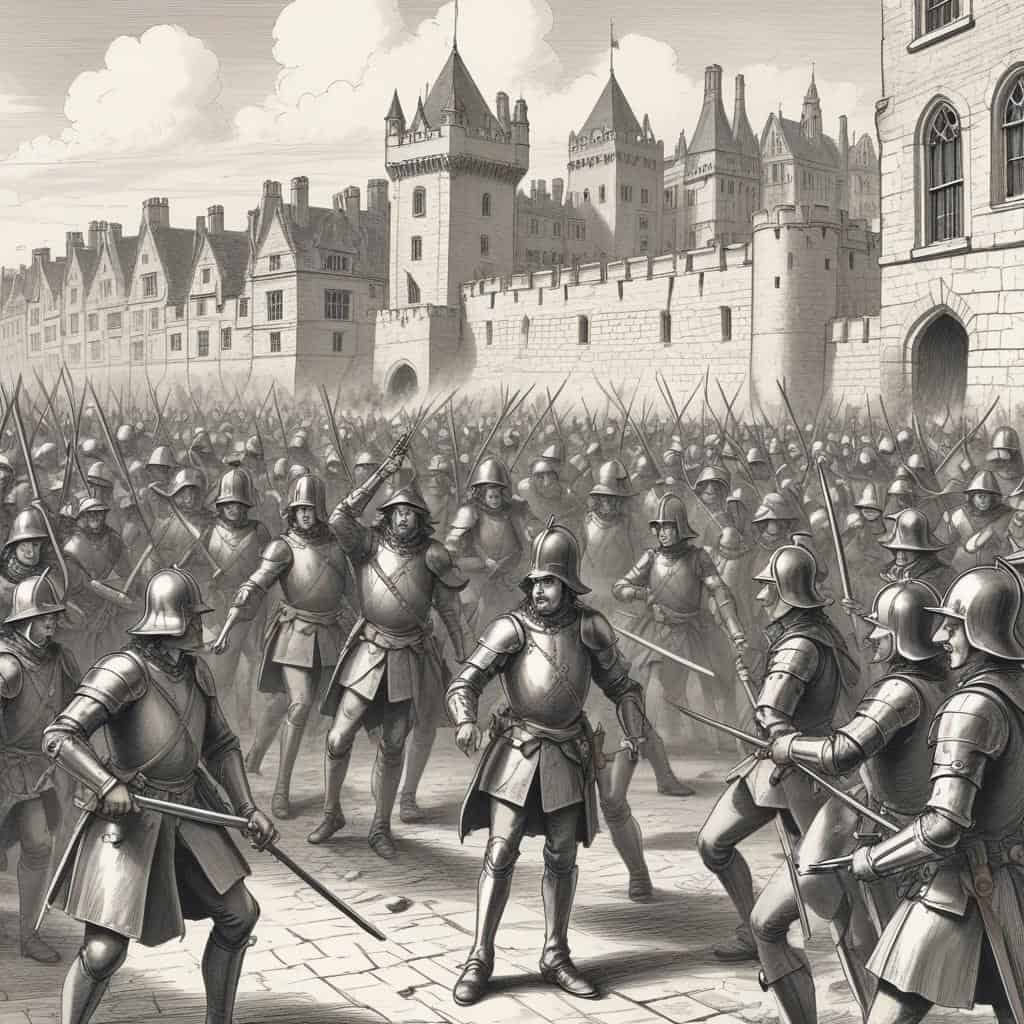
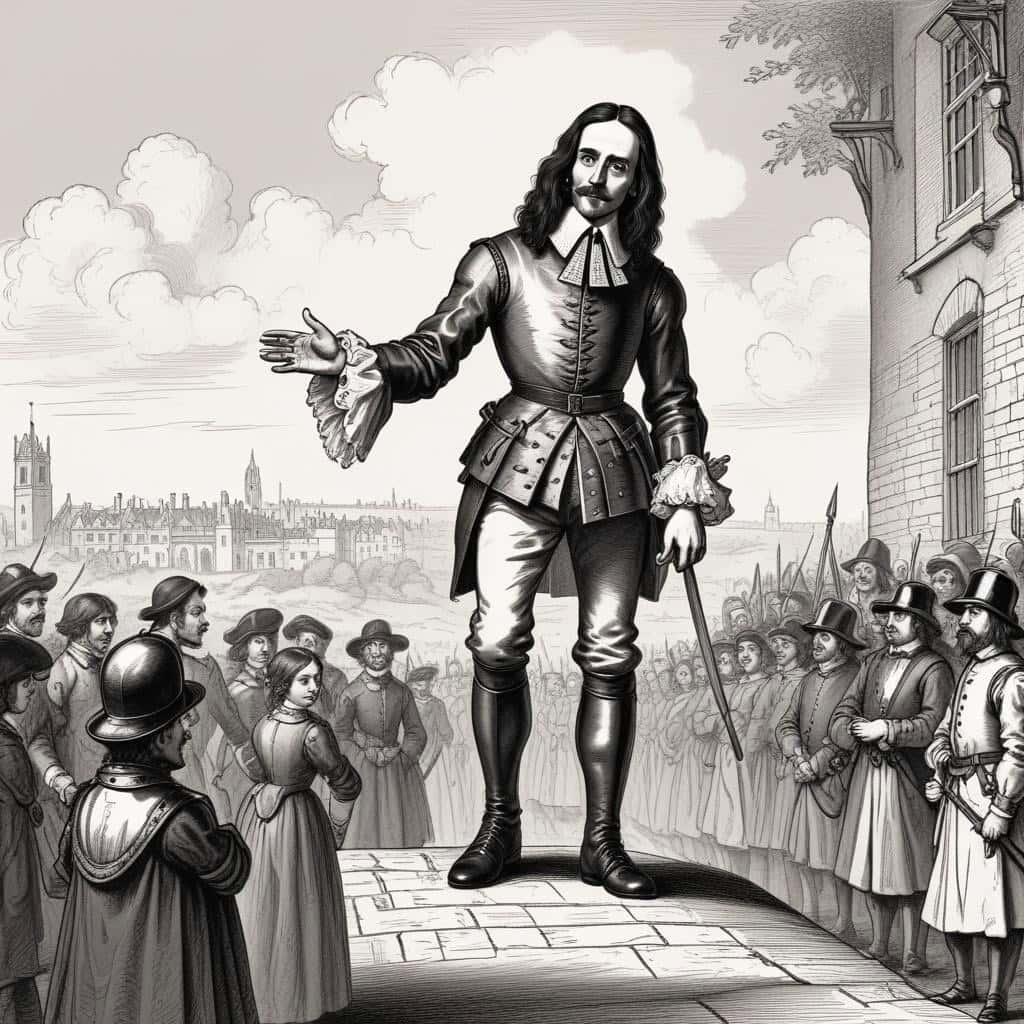
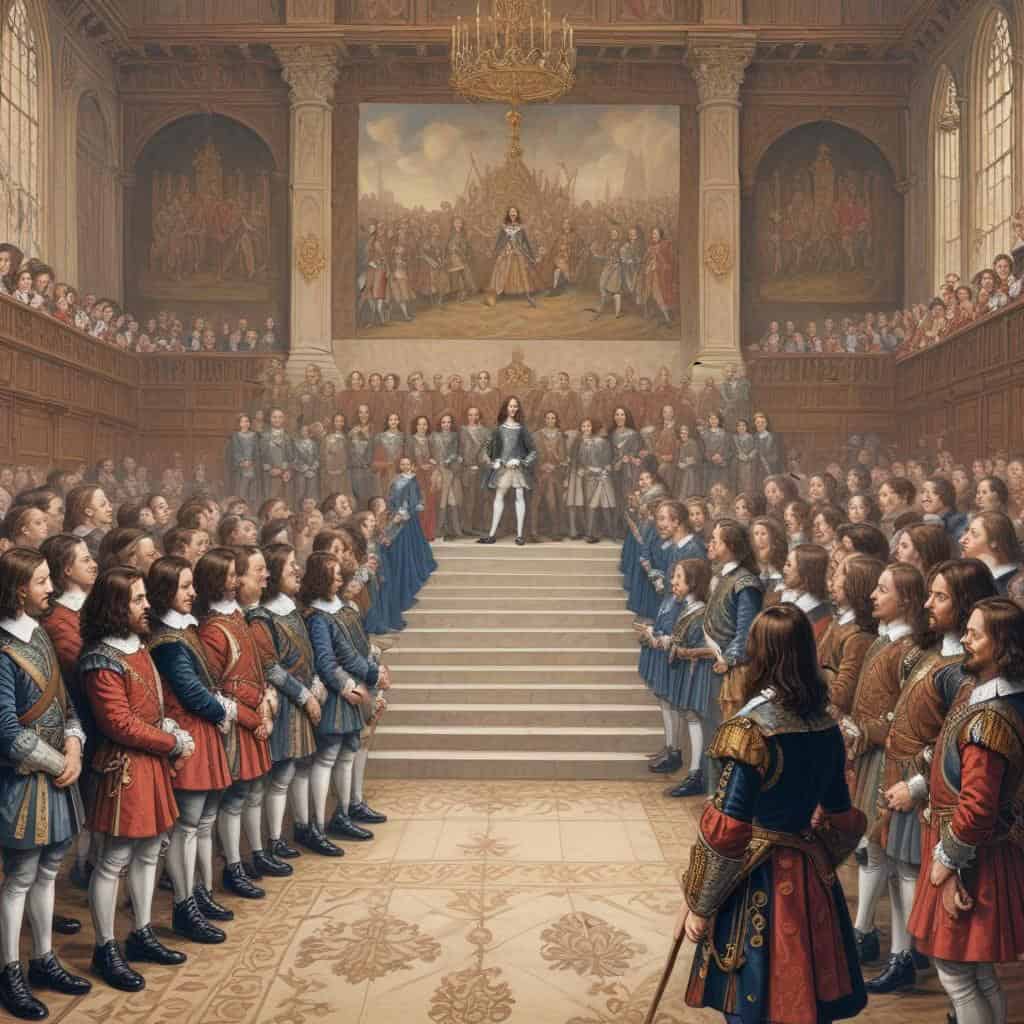
King Charles I
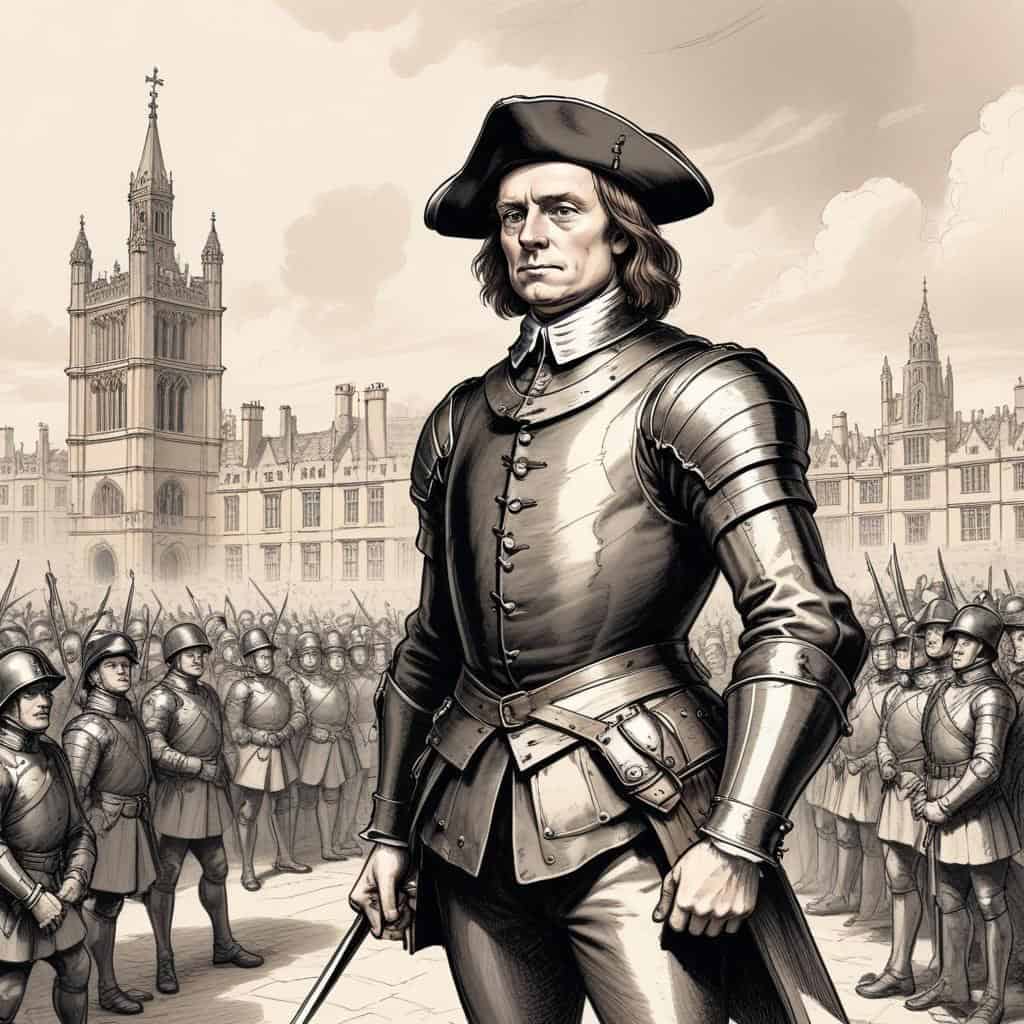
Oliver Cromwell
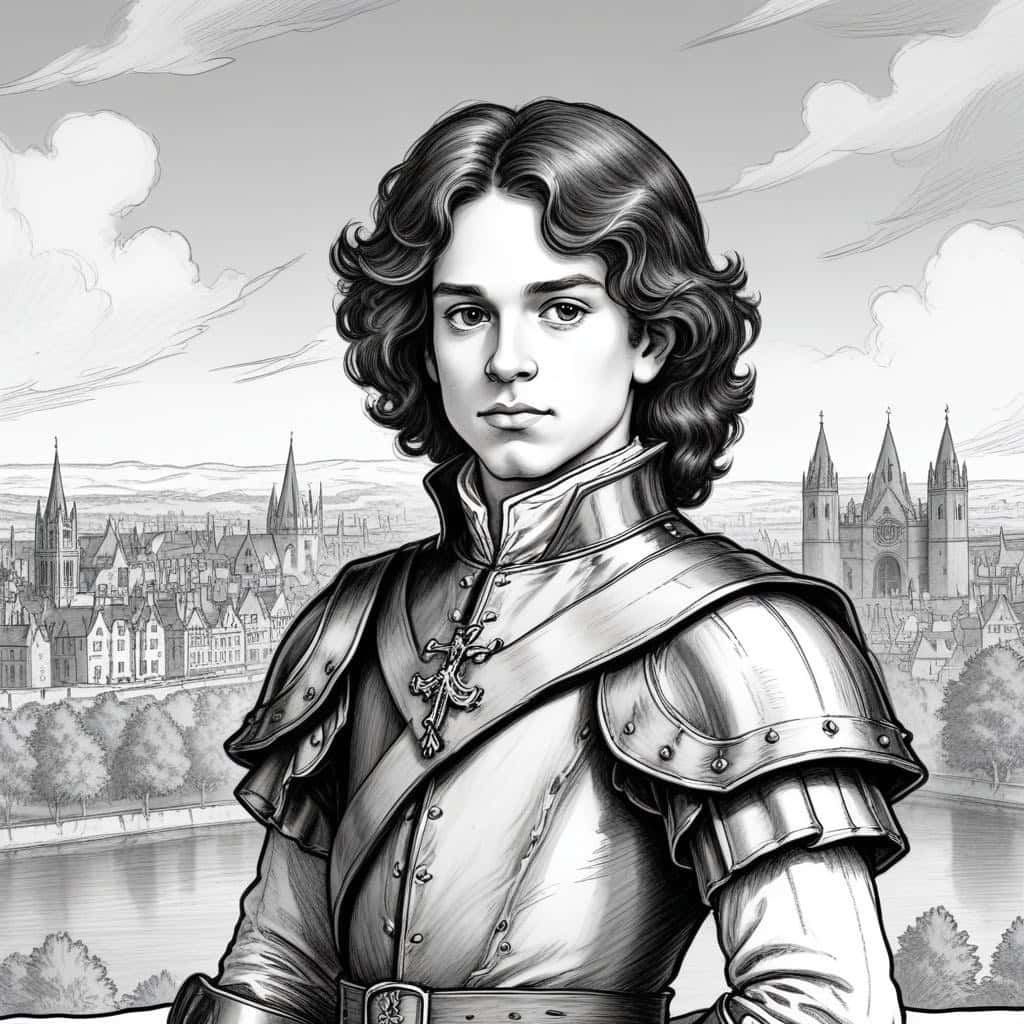
Prince Rupert of the Rhine
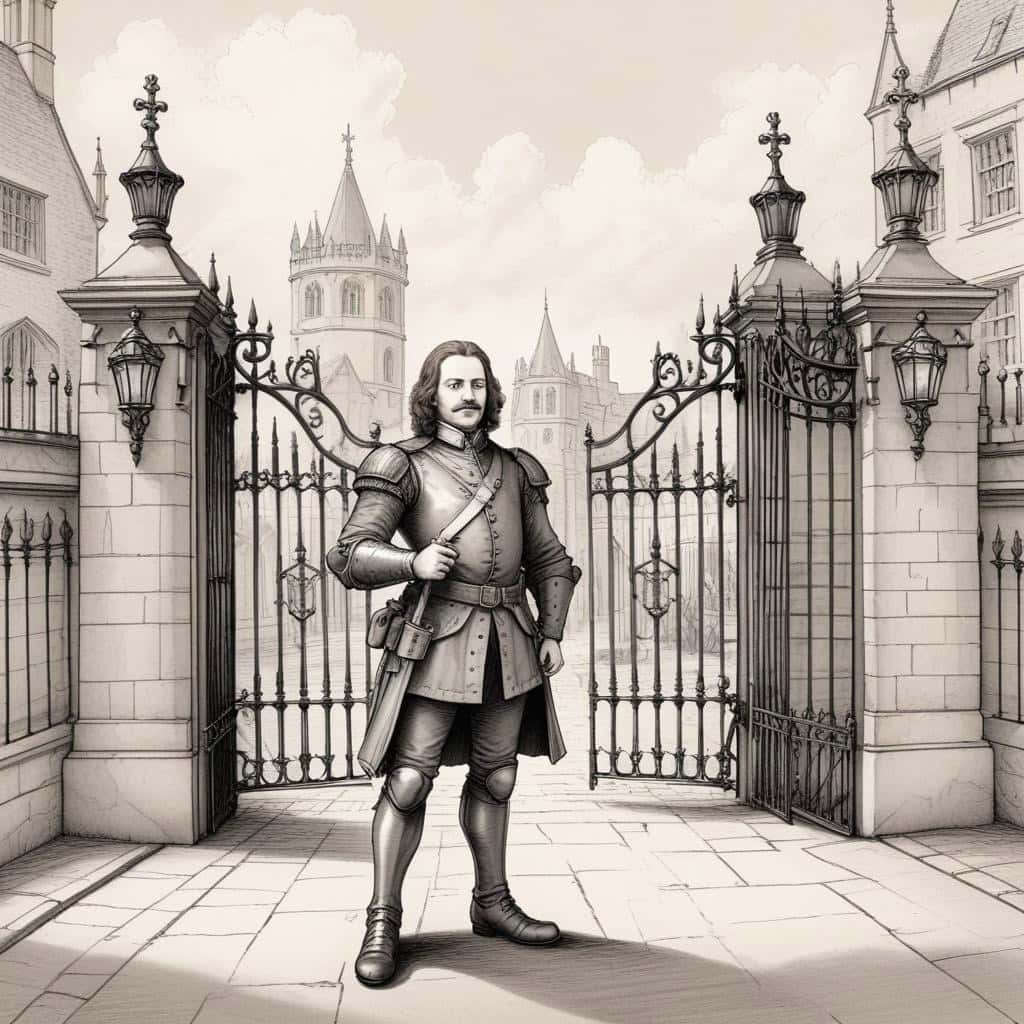
Sir Thomas Fairfax
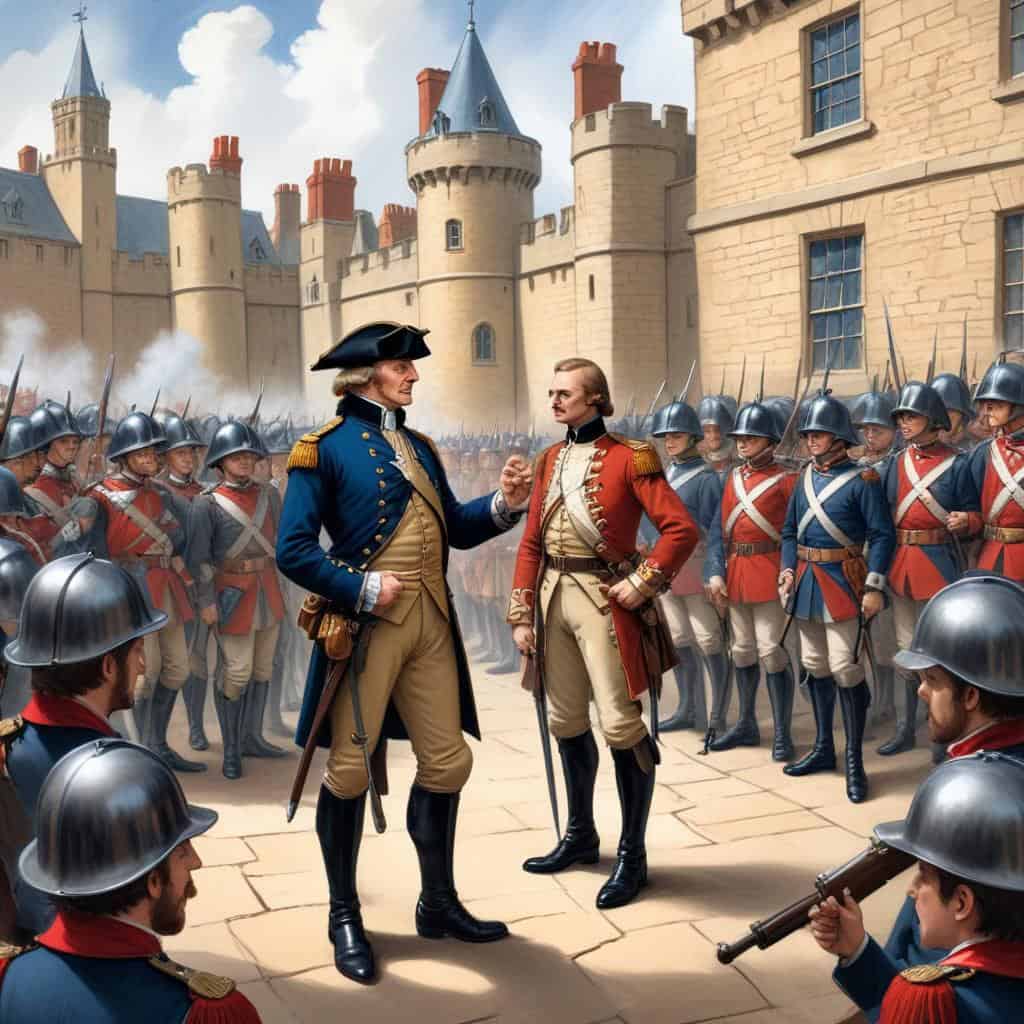
Colonel Henry Hammond
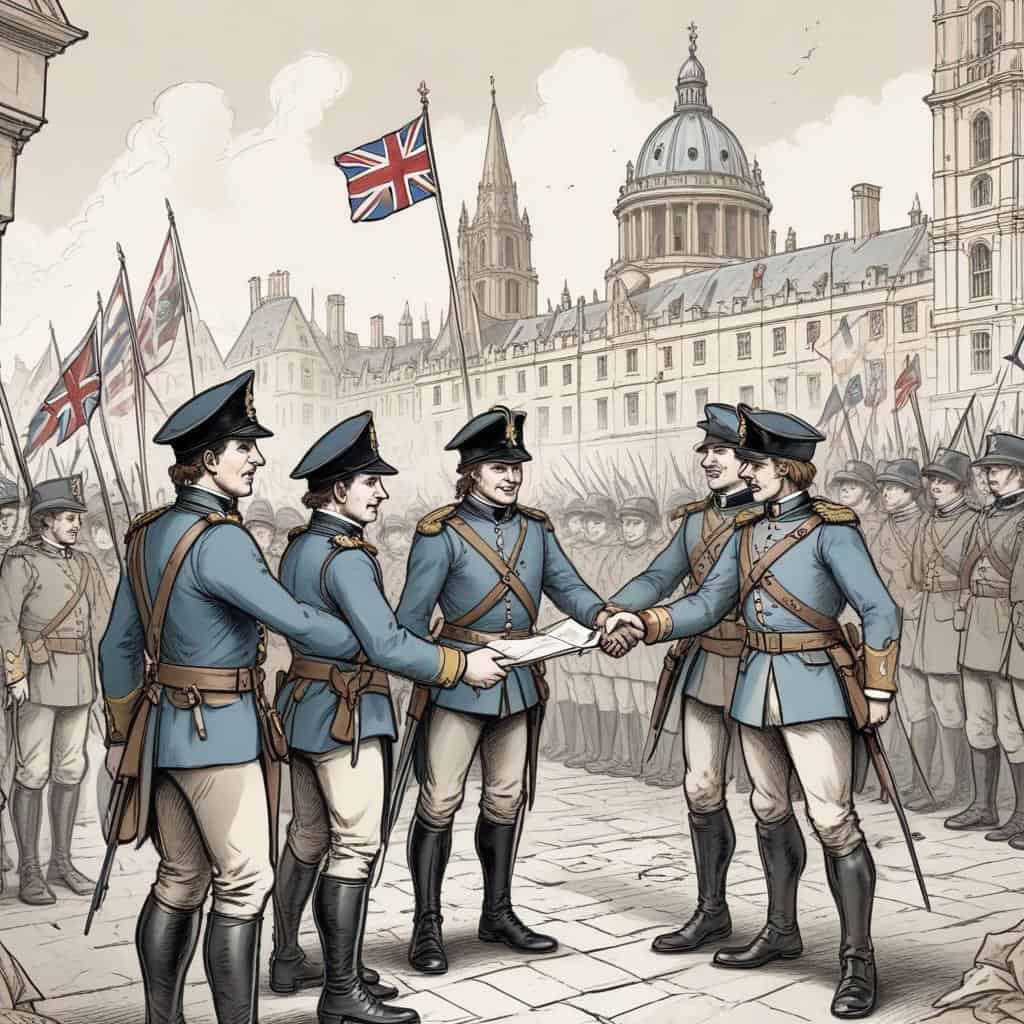
Surrender of Oxford

Charles I

Negotiations

Terms of Surrender

Parliamentarian Entry

End of the Civil War

Impact

Historical Significance

Legacy

Lesson Details & Resources
In a Nutshell
- What: Surrender of Oxford marked the end of the First English Civil War.
- When: June 24, 1646
- Who: Parliamentarian forces led by Sir Thomas Fairfax, Royalist forces led by King Charles I
- Outcome: Parliamentarians took control of Oxford, weakening the Royalist position and paving the way for the eventual defeat of the Royalists.
Famous Figures in the Surrender of Oxford
-
King Charles I
King Charles I: The King of England, Scotland, and Ireland, who was defeated in the English Civil War and later executed in 1649.
-
Sir Thomas Fairfax
Sir Thomas Fairfax: A prominent Parliamentarian general who led the New Model Army and played a significant role in the Surrender of Oxford.
-
Oliver Cromwell
Oliver Cromwell: A prominent Parliamentarian military and political leader who later became Lord Protector of England, Scotland, and Ireland.
-
General Sir Thomas Morgan
General Sir Thomas Morgan: A Parliamentarian commander who played a key role in the Siege and Surrender of Oxford.
-
Colonel John Lambert
Colonel John Lambert: A Parliamentarian officer who played a significant role in the Surrender of Oxford and later became a key figure in the Protectorate.
-
Colonel John Desborough
Colonel John Desborough: A Parliamentarian officer who played a role in the Surrender of Oxford and later served as a member of the Council of State.
Timeline of Surrender of Oxford
Battle of Naseby
King Charles I escapes to Oxford
Surrender of Oxford to Parliamentarian forces
Charles I surrenders to Scottish forces
Second Siege of Worcester begins
Parliamentarian forces capture Hereford
Siege of Oxford begins
Charles I surrenders to the Scottish army at Newark
Parliamentarian forces capture Bristol
Battle of Rowton Heath
Charles I surrenders to the English Parliament at Newcastle
Siege of Worcester ends with Royalist victory
Parliamentarian forces capture Banbury
Battle of Marston Moor
Charles I raises his standard at Nottingham
First Battle of Newbury
Battle of Edgehill
Siege of Basing House
Surrender of Wallingford to Parliamentarian forces
Execution of Charles I
Vocabulary List
- Surrender
- The Surrender of Oxford was the negotiation and agreement by which the city of Oxford, England, surrendered to the Parliamentarians during the English Civil War.
- Oxford
- The Surrender of Oxford refers to the surrender of the city of Oxford, which was a Royalist stronghold during the English Civil War.
- Negotiation
- The Surrender of Oxford involved a series of negotiations between the Royalists and the Parliamentarians to agree upon the terms of surrender.
- Agreement
- The Surrender of Oxford was finalized through an agreement between the Royalists and the Parliamentarians, specifying the conditions of surrender.
- Parliamentarians
- The Parliamentarians were the supporters of the English Parliament during the English Civil War, and they were the ones who accepted the surrender of Oxford.
- Royalists
- The Royalists were the supporters of King Charles I during the English Civil War, and they were the ones who surrendered Oxford to the Parliamentarians.
- English Civil War
- The Surrender of Oxford took place during the English Civil War, which was a series of armed conflicts fought between the Parliamentarians and the Royalists.
Key Facts
This is the information used in the fact matching game
- The Surrender of Oxford took place on 24 June 1646, during the First English Civil War.
- The surrender marked the end of the Royalist stronghold in Oxford and effectively ended the First English Civil War.
- The surrender was negotiated by Sir Thomas Fairfax, the commander of the Parliamentarian forces, and the Royalist commander, Lord Astley.
- The terms of surrender allowed the Royalist garrison to march out of Oxford with their colors flying and their weapons.
- The surrender of Oxford was a significant blow to the Royalist cause and marked a turning point in the conflict.
- The surrender of Oxford effectively ended King Charles I's hopes of continuing the war and led to his eventual capture and execution.
- The surrender of Oxford paved the way for the eventual establishment of the Commonwealth of England under Oliver Cromwell.
- The surrender of Oxford was one of the last major military actions of the First English Civil War.
- The surrender of Oxford was followed by the disbanding of the Royalist army and the confiscation of their property.
- The surrender of Oxford was a humiliating defeat for the Royalists, who had held out in the city for over three years.
- The surrender of Oxford was seen as a vindication of the Parliamentarian cause and their commitment to the rule of law.
- The surrender of Oxford was met with celebrations in London and other Parliamentarian strongholds across England.
- The surrender of Oxford is commemorated in the city with a plaque marking the spot where the surrender took place.
- The surrender of Oxford led to the dismantling of the city's fortifications and the end of its status as a military stronghold.
- The surrender of Oxford was a turning point in the Civil War and helped pave the way for the eventual restoration of the monarchy under Charles II.
- The surrender of Oxford was followed by the trial and execution of several leading Royalists, including Lord Astley.
- The surrender of Oxford was a key moment in the history of England and had lasting repercussions for the country's political development.
- The surrender of Oxford is considered one of the most significant events of the First English Civil War and is studied by historians to this day.
- The surrender of Oxford is often seen as a symbol of the triumph of Parliamentarian forces and the establishment of parliamentary democracy in England.
- The surrender of Oxford is remembered as a key moment in the history of the English Civil War and the establishment of the modern British state.
Analysis & Significance
Immediate Consequences
After the Surrender of Oxford in 1646, the English Civil War took a decisive turn as the Royalist stronghold fell to Parliamentarian forces. This event marked the beginning of the end for King Charles I’s royalist cause, leading to his eventual capture and execution.
Long-Term Impact
The Surrender of Oxford had profound effects on English history, leading to the establishment of the Commonwealth under Oliver Cromwell and the eventual restoration of the monarchy. It also set the stage for the Glorious Revolution of 1688, which limited the powers of the monarchy and laid the foundations for modern constitutional monarchy in England.
Cultural Significance Today
The Surrender of Oxford remains a pivotal moment in English history, symbolizing the shift from absolute monarchy to parliamentary democracy. It serves as a reminder of the importance of checks and balances in government and the enduring legacy of the struggle for political rights and freedoms. Today, it continues to influence discussions on governance and the balance of power in society.
Surrender of Oxford Games


Take Your Learning Offline
Want a convenient, print-ready study guide for this lesson? Become a Memory Wizards Pro member to unlock the downloadable " Memory Scrolls" for this topic and our entire library!
- ✓ Complete Vocabulary Lists
- ✓ Key Facts & Timelines
- ✓ Beautifully Formatted for Print & Mobile