
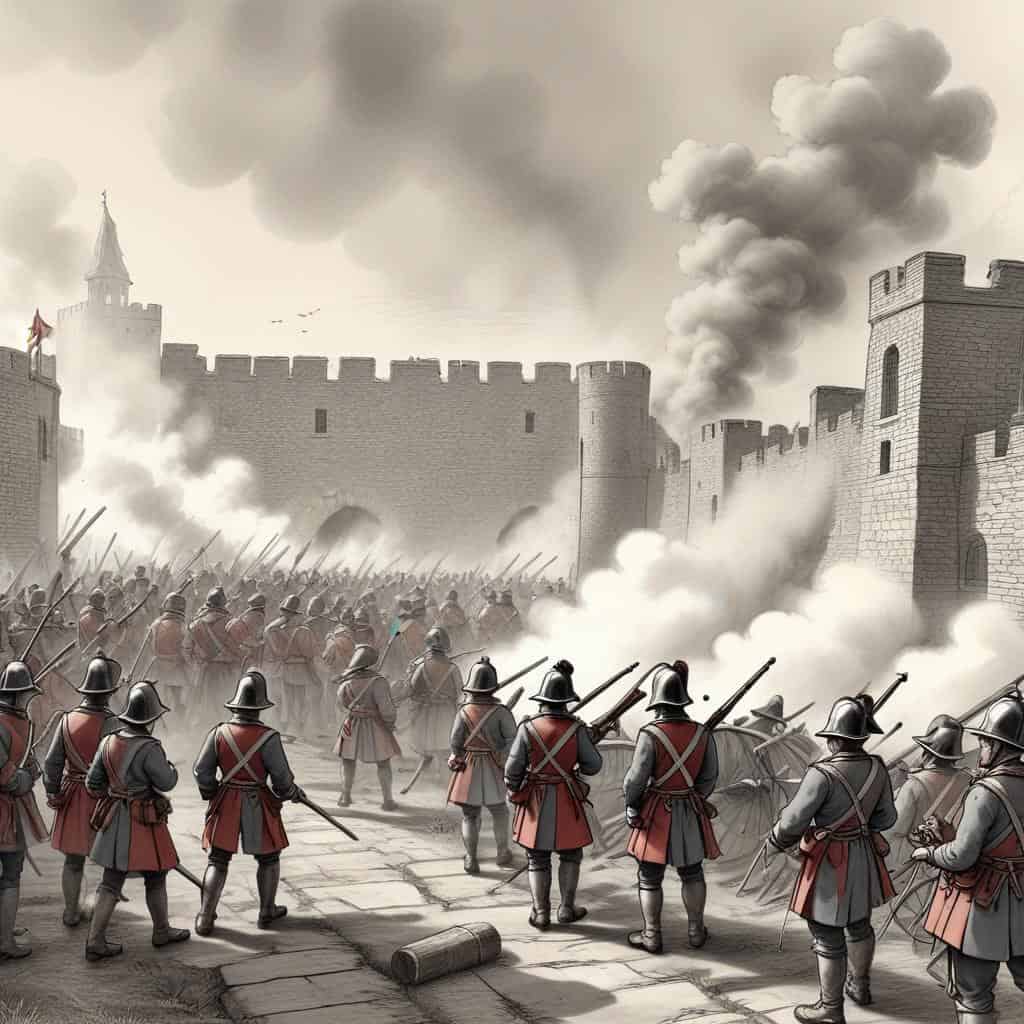
Summary of Siege of Gloucester (1643)
Uncover the secrets of the dramatic Siege of Gloucester in 1643.
How Do You Learn Best?
Learn by Reading
Immerse yourself in the 10-minute visual lesson for a comprehensive understanding of the topic.
Learn by Reviewing
Jump directly to the key facts, timeline, and vocabulary lists to build a solid foundation of details.
Learn by Doing
Challenge yourself! Jump straight into the interactive games to learn by trial, error, and discovery.
Siege of Gloucester in 10 Minutes
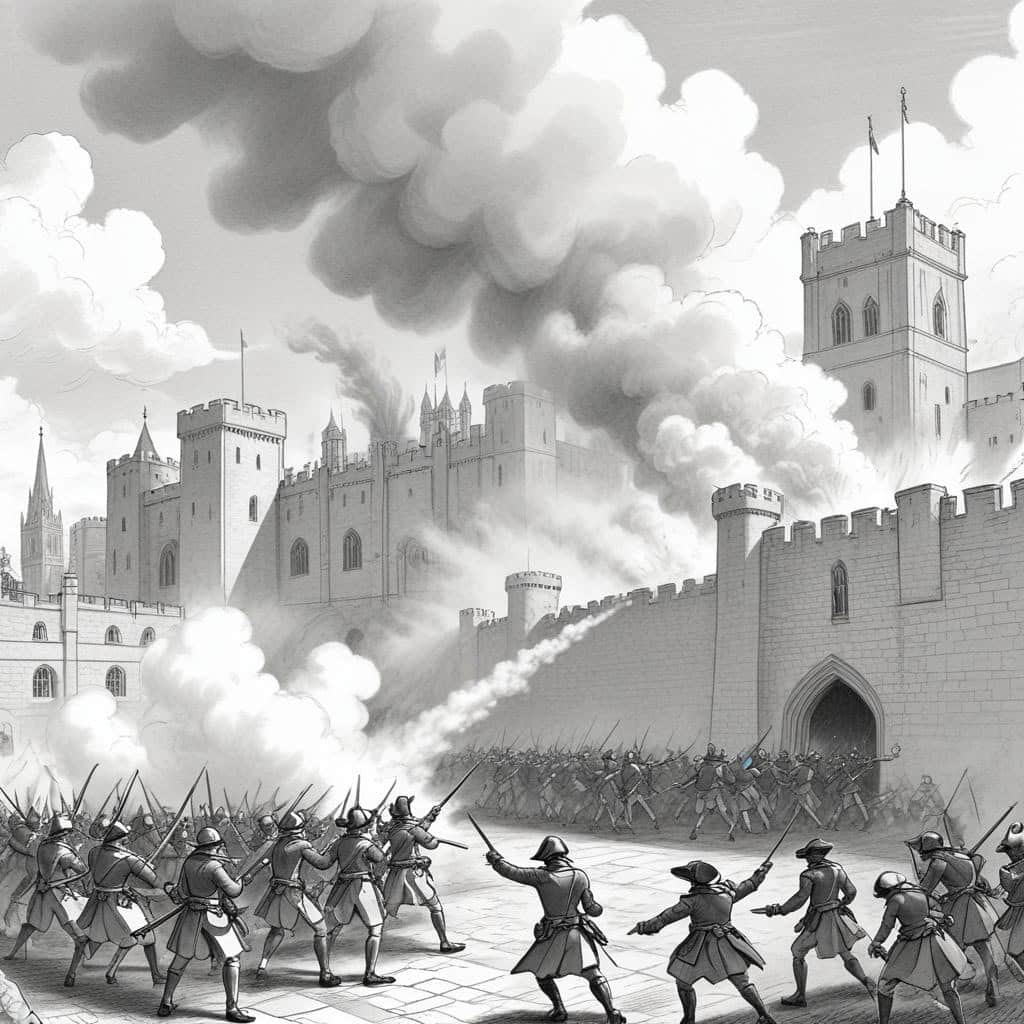
Introduction
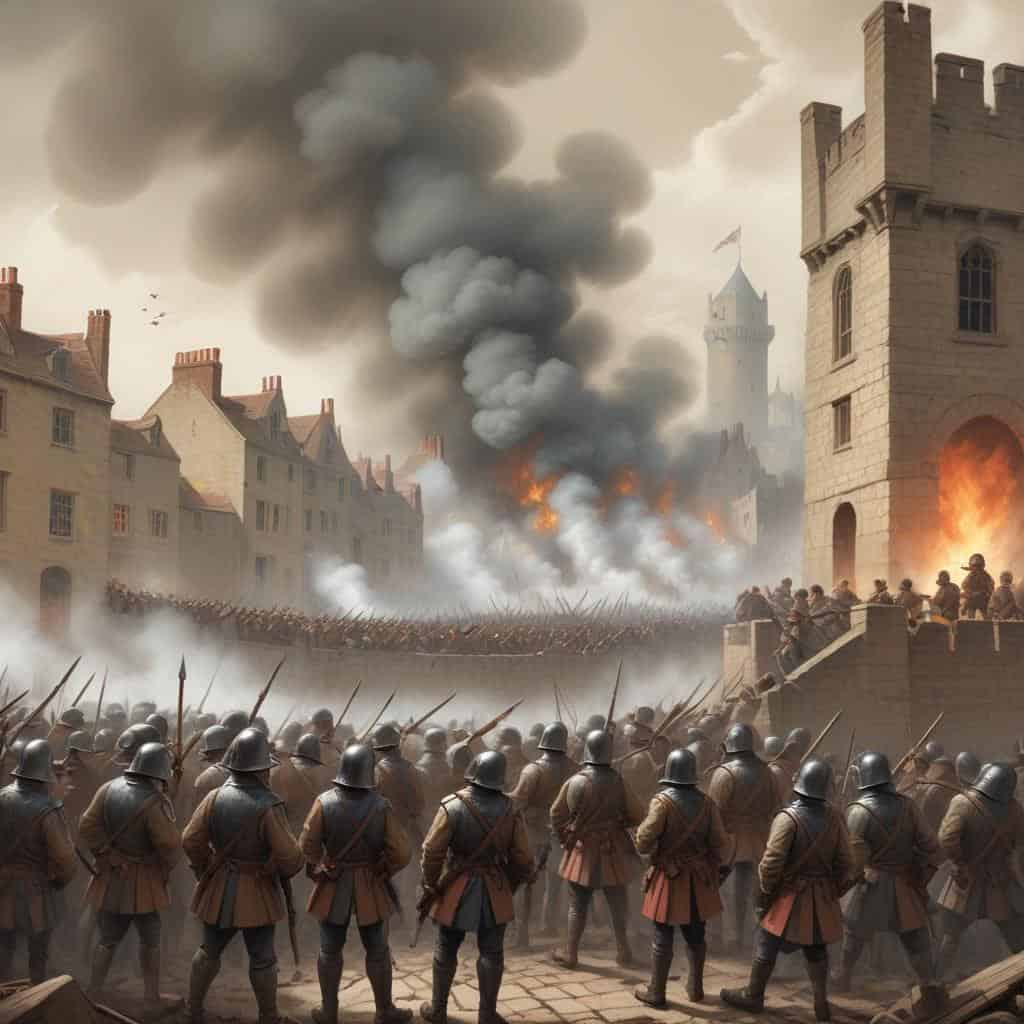
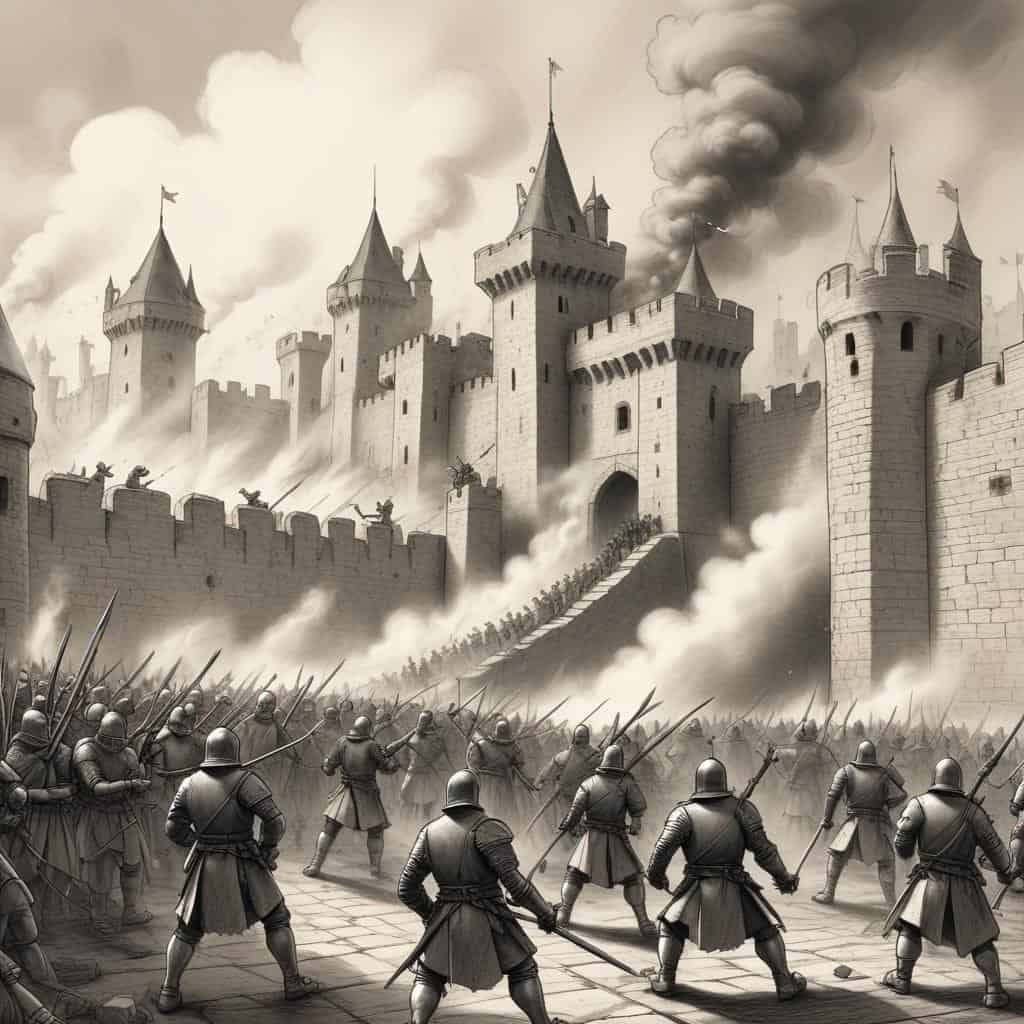
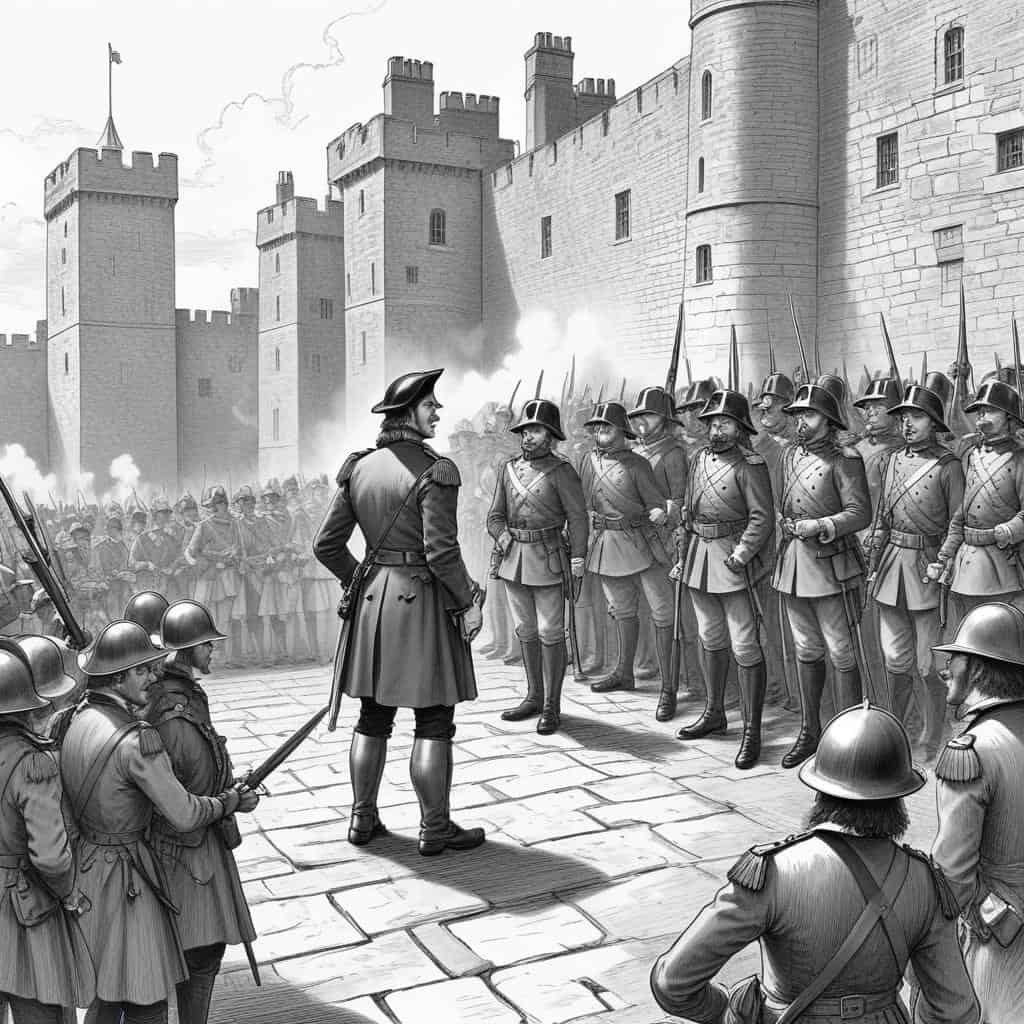
Colonel Edward Massey
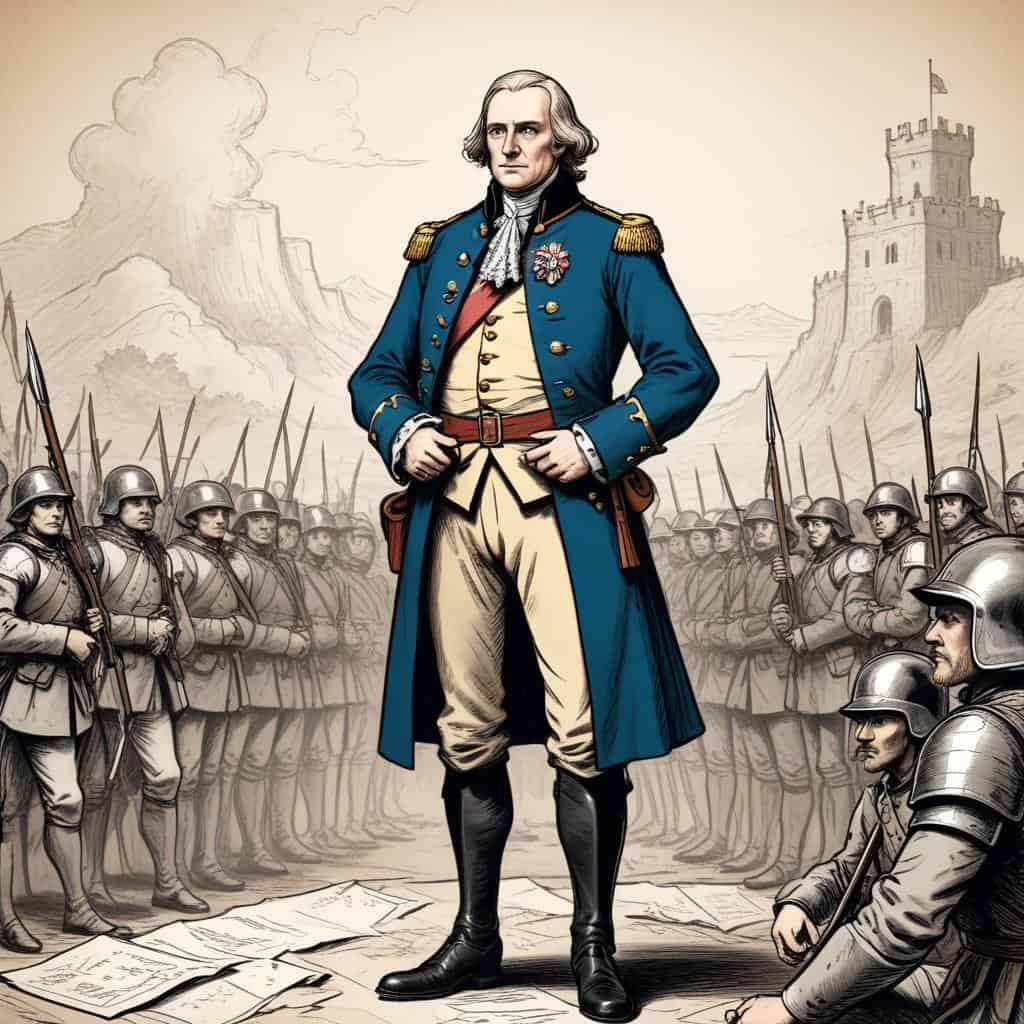
Sir William Waller
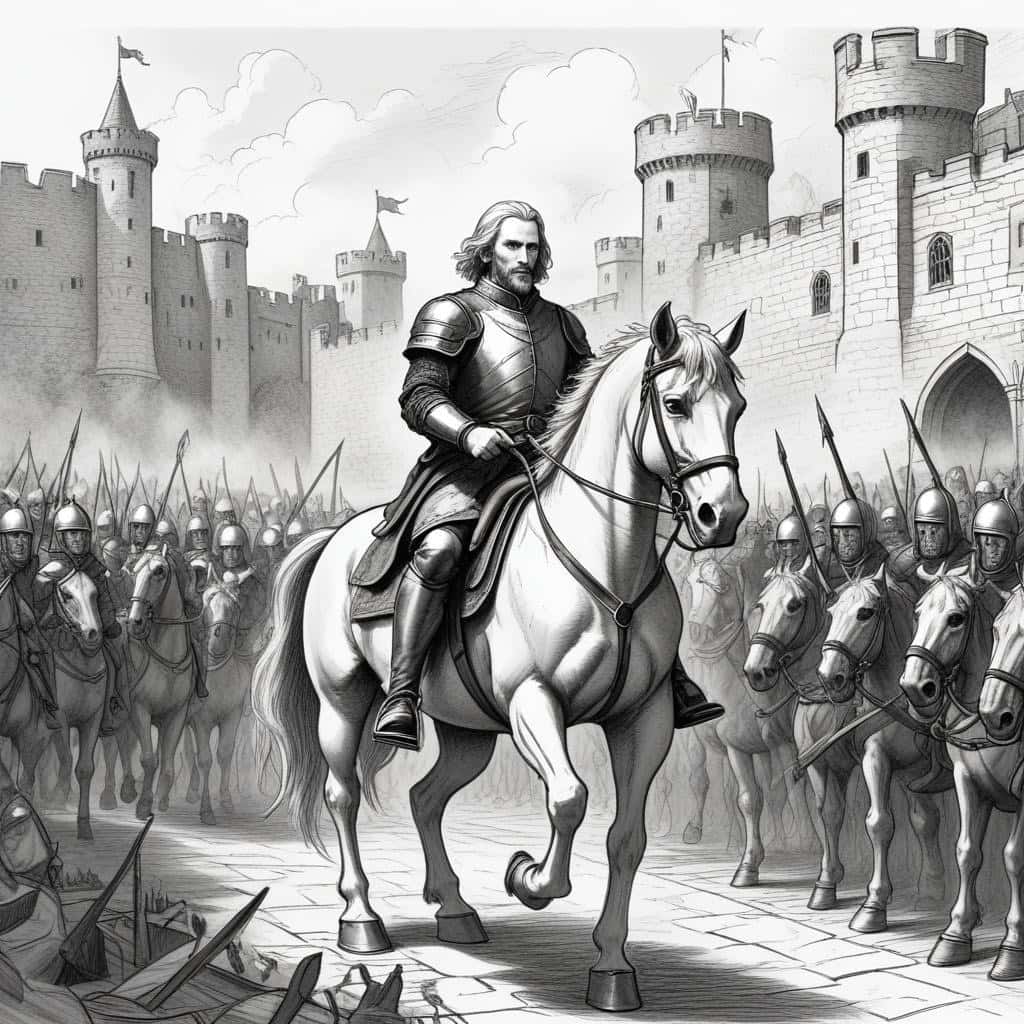
Sir Henry Bard
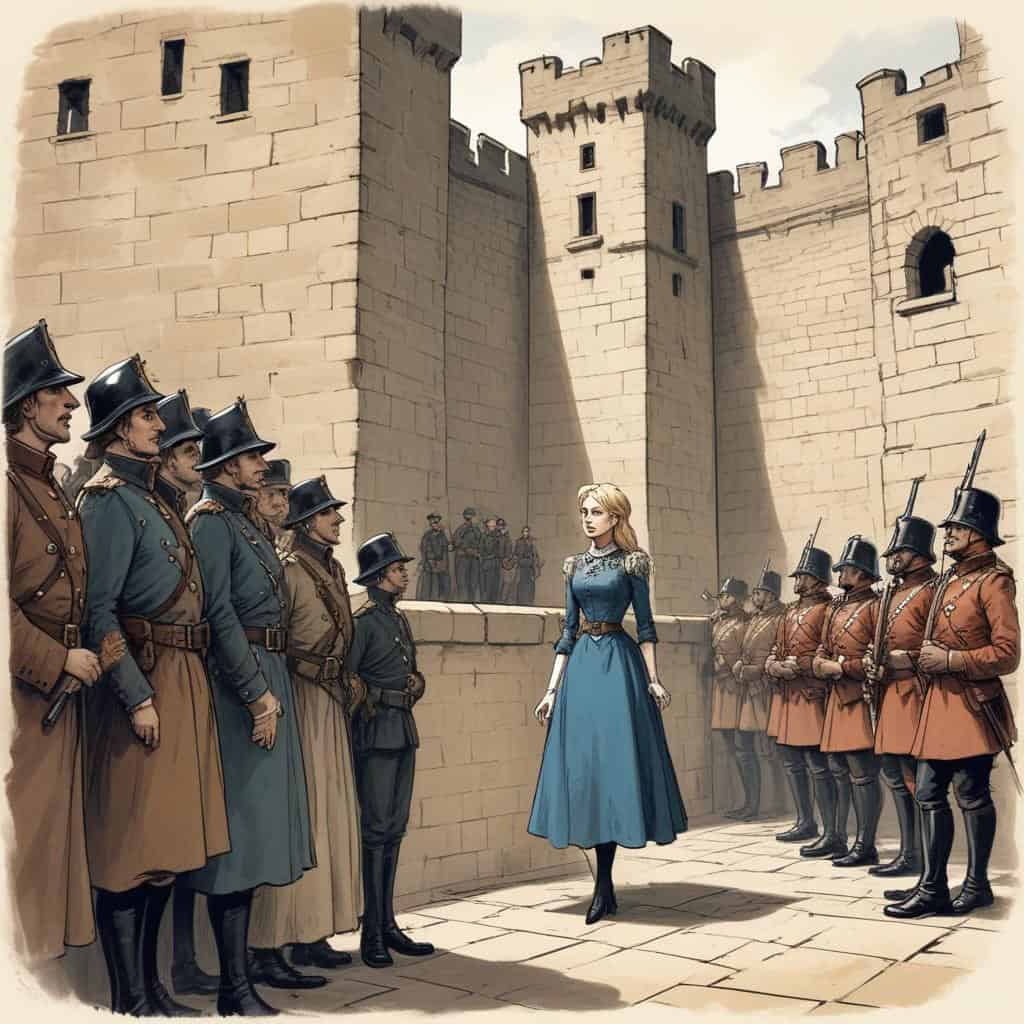
Lady Brilliana Harley

The Siege Begins
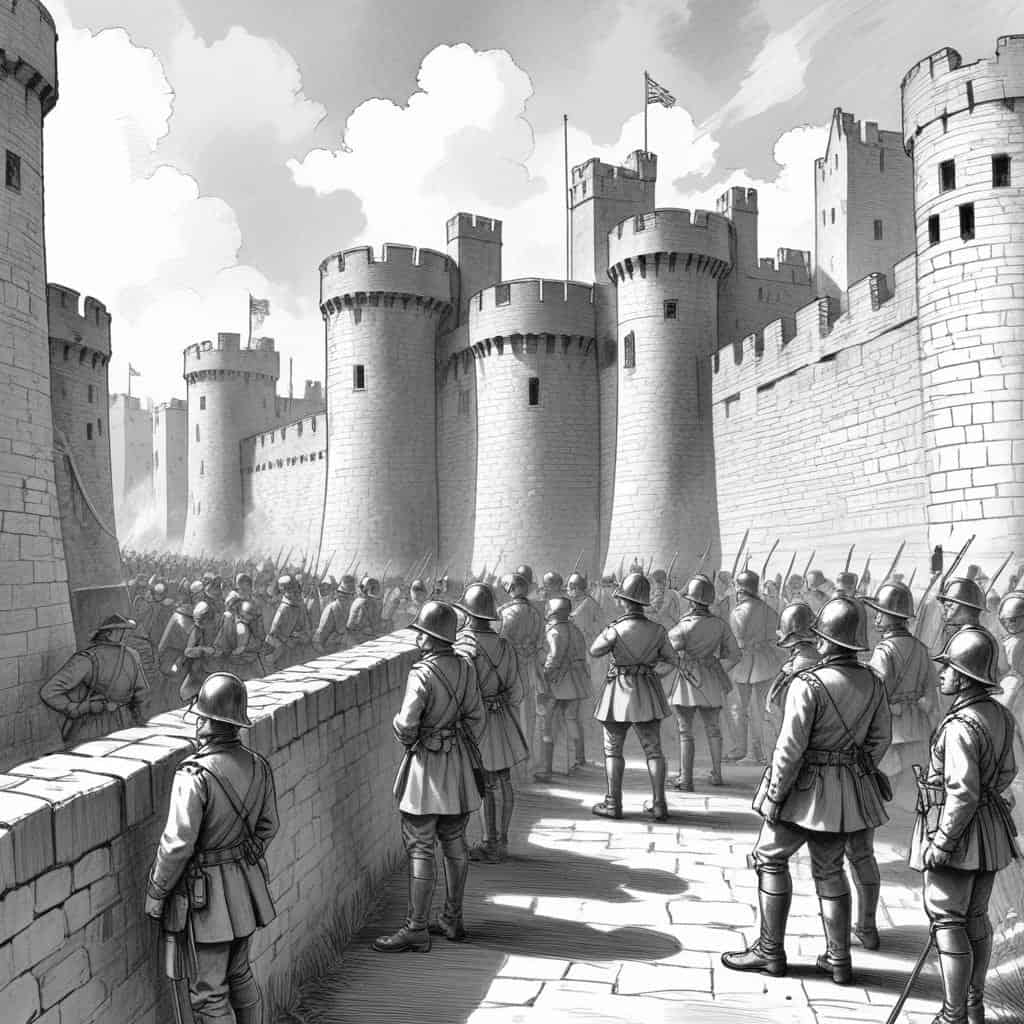
Defensive Preparations

Attempts to Break the Siege

Food Shortages

Outnumbered and Outgunned

The Turning Point

The Royalist Retreat

The Aftermath

Legacy of the Siege

Unlocking the Secrets
Lesson Details & Resources
In a Nutshell
- What: A significant event during the First English Civil War.
- When: September 10-5, 1643
- Who: Royalist forces led by King Charles I, Parliamentarian forces led by Sir William Waller.
- Outcome: Parliamentarian victory, preventing the Royalists from capturing Gloucester and boosting morale for the Parliamentarians.
Famous Figures in the Siege of Gloucester
-
Sir William Waller
Sir William Waller: A Parliamentarian commander during the English Civil War and a key figure in the Siege of Gloucester. He successfully defended the city against Royalist forces.
-
Sir Ralph Hopton
Sir Ralph Hopton: A Royalist commander during the English Civil War. He led the siege on Gloucester but was ultimately unsuccessful in capturing the city.
-
Edward Massey
Edward Massey: A Parliamentarian commander who played a significant role in the Siege of Gloucester. He commanded the city's defenses and successfully repelled the Royalist attacks.
-
Prince Rupert
Prince Rupert: A prominent Royalist commander and nephew of King Charles I. He was involved in the Siege of Gloucester and led Royalist forces in several battles during the English Civil War.
-
Colonel Henry Washington
Colonel Henry Washington: A Parliamentarian officer who served in the Siege of Gloucester. He played a crucial role in defending the city against Royalist assaults.
Timeline of Siege of Gloucester
Siege of Gloucester begins
Royalist forces under Prince Rupert surround Gloucester
Gloucester garrison led by Colonel Edward Massey prepares for siege
Royalist artillery bombardment of Gloucester begins
Parliamentarian reinforcements arrive in Gloucester
Royalist attempts to storm the city walls are repelled
Parliamentarian sallies against Royalist siege lines
Parliamentarian forces under Sir William Waller relieve Gloucester
Royalist forces retreat from Gloucester
Siege of Gloucester officially ends
Parliamentarian forces pursue Royalists after the siege
Royalist forces regroup at Newbury
Parliamentarian victory at First Battle of Newbury
Prince Rupert's forces retreat to Oxford
Colonel Massey praised for his defense of Gloucester
Gloucester garrison celebrates the lifting of the siege
Parliamentarian forces consolidate control of Gloucester
Parliamentarian forces continue campaign in the West Country
Gloucester becomes a symbol of Parliamentarian resistance
Siege of Gloucester remembered as a key event in the English Civil War
Vocabulary List
- Royalist
- The Royalist forces laid siege to Gloucester in an attempt to capture the city.
- Parliamentarian
- The Parliamentarian defenders of Gloucester held off the Royalist siege.
- Siege
- The Siege of Gloucester in 1643 was a key event in the English Civil War.
- Besiege
- The Royalist forces besieged Gloucester for several weeks before being forced to retreat.
- Fortifications
- The Parliamentarians had strong fortifications in place to defend Gloucester during the siege.
- Blockade
- The Royalists attempted to blockade Gloucester to cut off its supply lines.
- Surrender
- The Parliamentarians refused to surrender Gloucester to the Royalists.
- Relief
- A relief force was sent to break the siege of Gloucester and provide reinforcements to the defenders.
- Victory
- The successful defense of Gloucester was a major victory for the Parliamentarians.
- Defeat
- The Royalists suffered a defeat at Gloucester, leading to a setback in their campaign.
- Casualties
- Both sides suffered heavy casualties during the Siege of Gloucester.
- Strategy
- The Parliamentarians used a clever strategy to outmaneuver the Royalists during the siege.
Key Facts
This is the information used in the fact matching game
- The Siege of Gloucester took place during the First English Civil War in 1643.
- The Royalists, led by King Charles I, besieged the city of Gloucester, which was held by the Parliamentarians.
- The siege lasted from August 10 to September 5, 1643.
- The Parliamentarian defenders were led by Colonel Edward Massey.
- The Royalists had a larger army and superior firepower, including artillery.
- The Parliamentarians managed to hold off the Royalist attacks through strong defensive tactics.
- The defenders of Gloucester successfully repelled several assaults by the Royalists.
- The Parliamentarians used innovative techniques such as digging trenches and building earthworks to strengthen their defenses.
- The siege was a significant turning point in the First English Civil War as the Parliamentarians' successful defense boosted their morale.
- The people of Gloucester played an active role in the defense of the city, including women who assisted in the construction of defenses.
- The Royalists eventually abandoned the siege and withdrew their forces due to the strong resistance from the Parliamentarians.
- The siege of Gloucester was one of the few Parliamentarian victories in the early stages of the Civil War.
- The successful defense of Gloucester boosted the Parliamentarians' confidence and strengthened their position in the war.
- The siege of Gloucester demonstrated the importance of strong defensive tactics and the resilience of the Parliamentarians.
- The Parliamentarians considered the defense of Gloucester a significant victory and celebrated it as a symbol of their resistance against the Royalists.
- The siege of Gloucester highlighted the strategic importance of the city as a key transportation hub and a gateway to the west of England.
- The Parliamentarians' successful defense of Gloucester prevented the Royalists from gaining control of the city and its resources.
- The siege of Gloucester resulted in significant casualties on both sides, with estimates ranging from 700 to 1,500 deaths.
- The siege of Gloucester was depicted in John Drinkwater's play 'X = O' (1925).
- Gloucester's successful resistance during the siege became a symbol of the Parliamentarians' determination and ability to withstand Royalist attacks.
Analysis & Significance
Immediate Consequences
The Siege of Gloucester in 1643 resulted in the Parliamentarian forces successfully defending the city against Royalist attacks, securing a crucial strategic victory. The immediate consequence was the boost in morale for the Parliamentarians and the setback for the Royalists in their campaign.
Long-Term Impact
The long-term impact of the Siege of Gloucester was significant as it marked a turning point in the English Civil War. The Parliamentarian victory at Gloucester bolstered their cause and paved the way for subsequent victories, ultimately leading to the defeat of the Royalists and the establishment of a parliamentary democracy in England.
Cultural Significance Today
The Siege of Gloucester is remembered as a pivotal moment in English history that shaped the outcome of the Civil War and influenced the development of modern democracy. The courage and resilience displayed by the defenders of Gloucester continue to inspire and serve as a reminder of the importance of standing up for one’s beliefs in the face of adversity.
Siege of Gloucester Games


Take Your Learning Offline
Want a convenient, print-ready study guide for this lesson? Become a Memory Wizards Pro member to unlock the downloadable " Memory Scrolls" for this topic and our entire library!
- ✓ Complete Vocabulary Lists
- ✓ Key Facts & Timelines
- ✓ Beautifully Formatted for Print & Mobile