
Summary of The Anarchy (1135-1154)
Unravel the chaos and intrigue of England's turbulent Anarchy period.
How Do You Learn Best?
Learn by Listening
Start with the 3-minute audio summary to get the key facts and narrative highlights quickly.
Learn by Reading
Immerse yourself in the 10-minute visual lesson for a comprehensive understanding of the topic.
Learn by Reviewing
Jump directly to the key facts, timeline, and vocabulary lists to build a solid foundation of details.
Learn by Doing
Challenge yourself! Jump straight into the interactive games to learn by trial, error, and discovery.
Audio Library
As one of our featured lessons, this topic includes premium audio guides.
Unlock the Wizard's Cram Session
This powerful audio study guide is a Pro-exclusive feature. Upgrade to Memory Wizards Pro to access this and all of our premium learning tools.
Upgrade to ProThe Anarchy in 10 Minutes
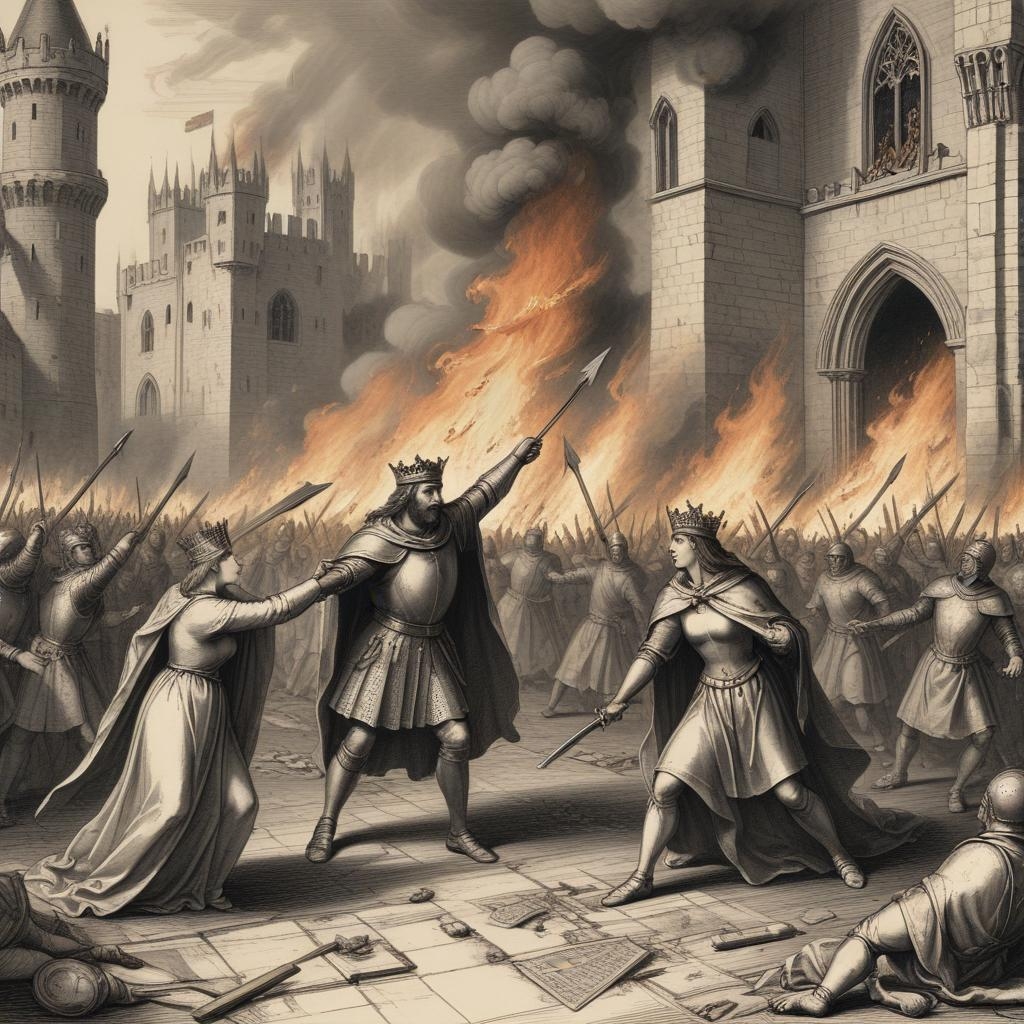
Introduction

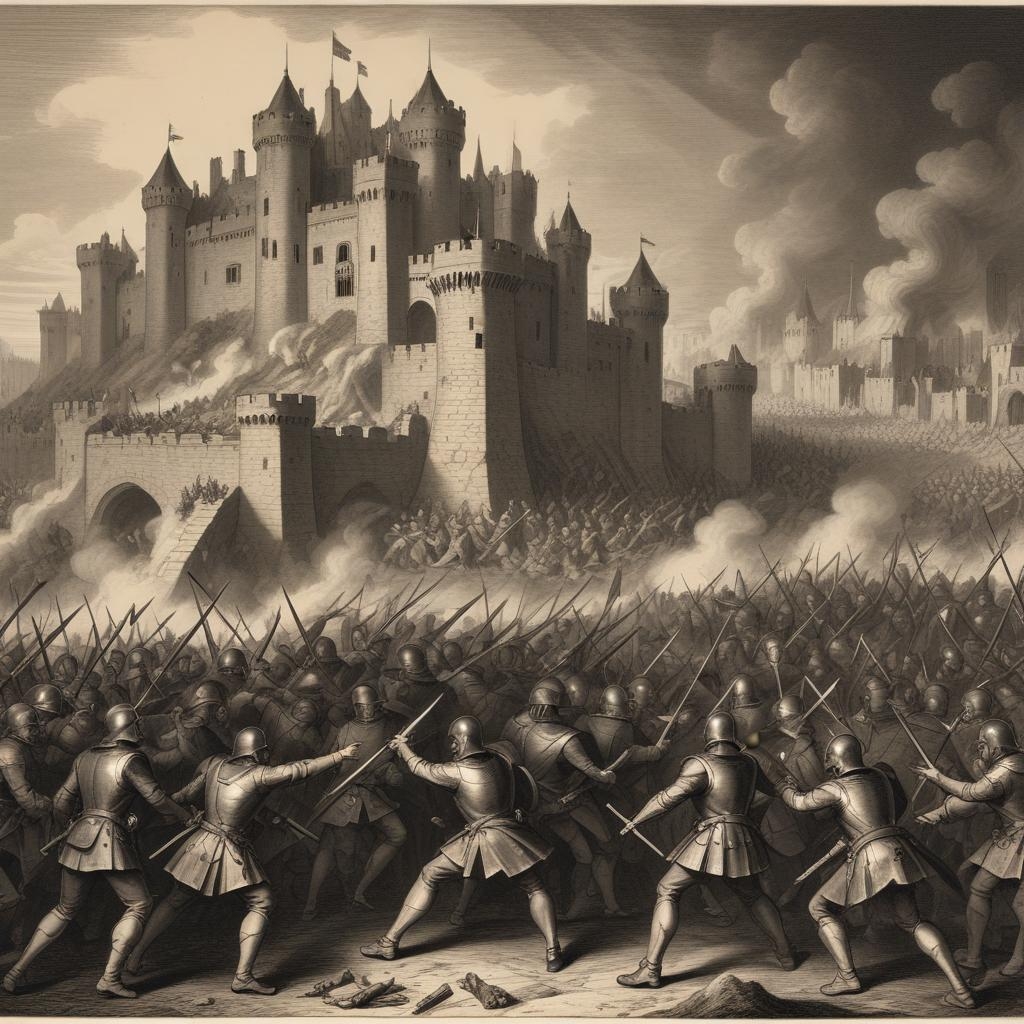
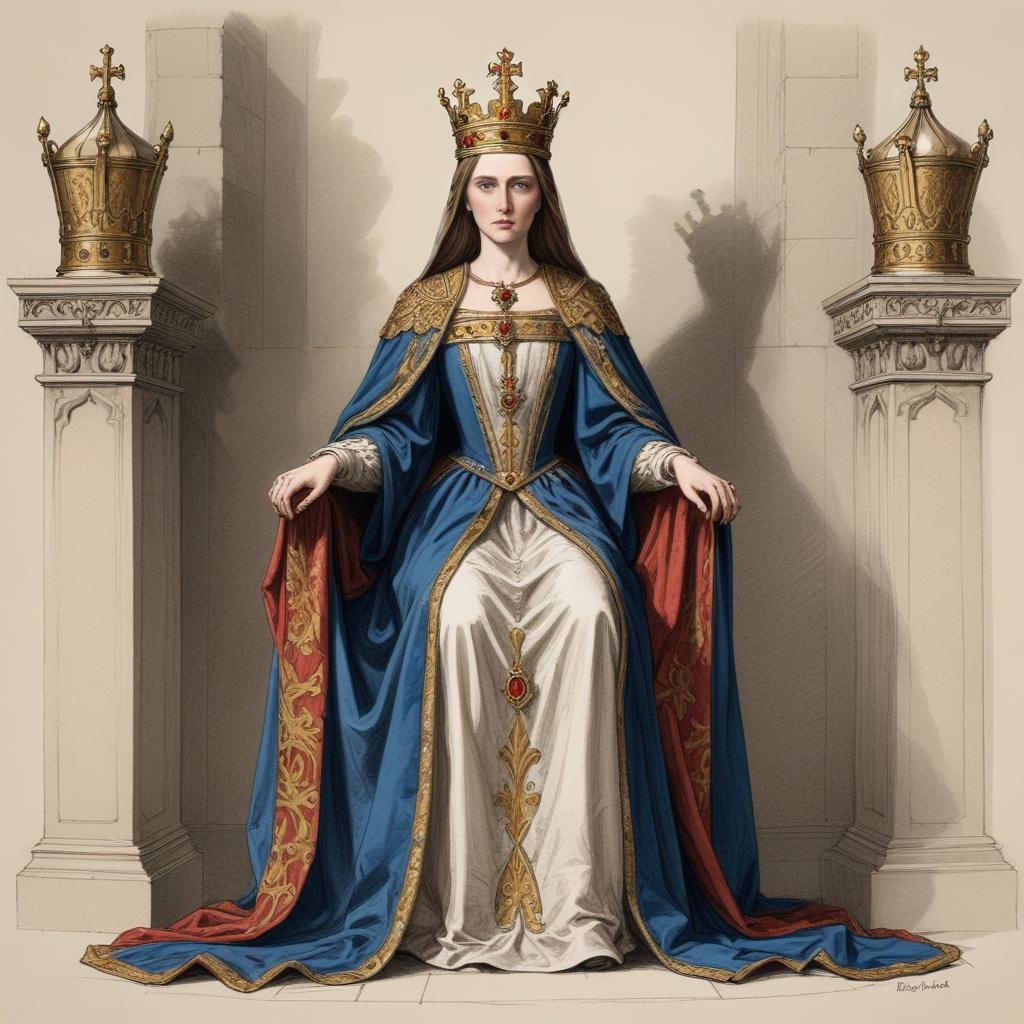
Empress Matilda
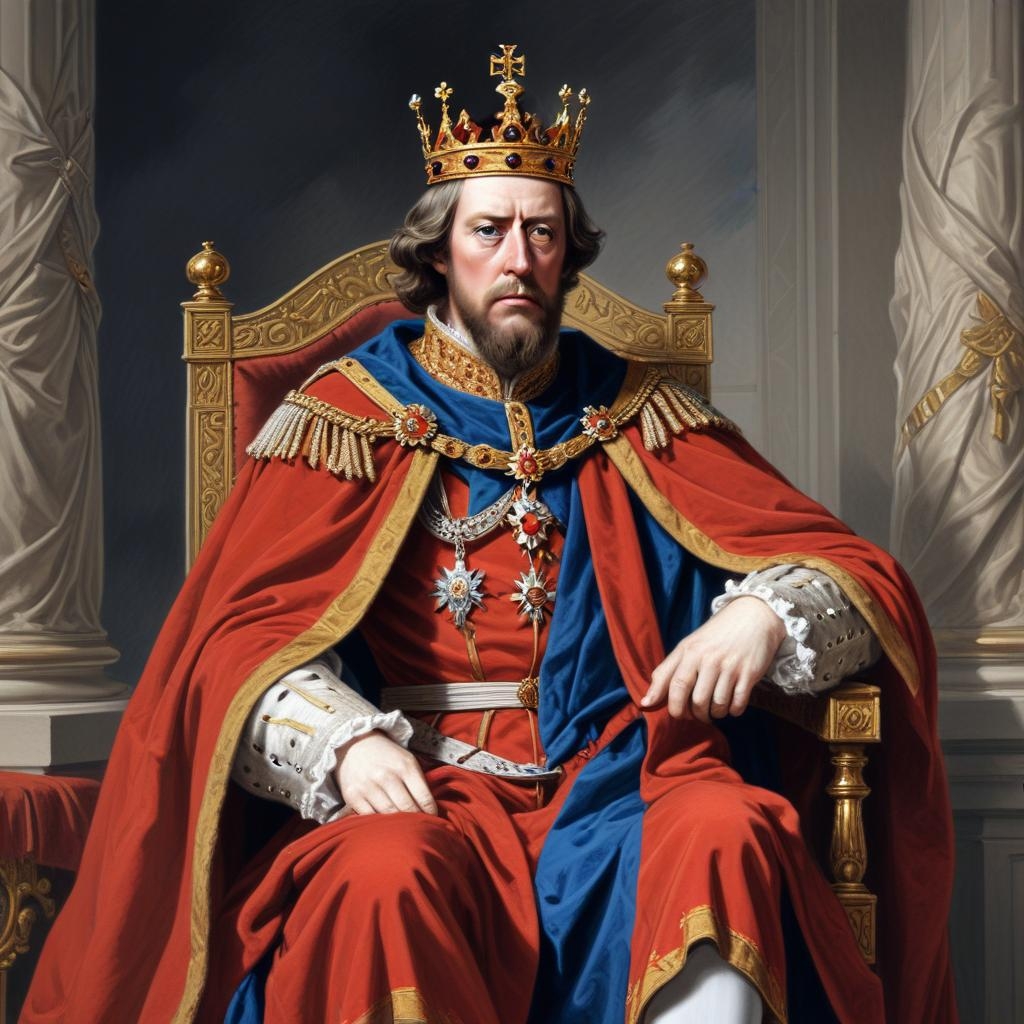
King Stephen
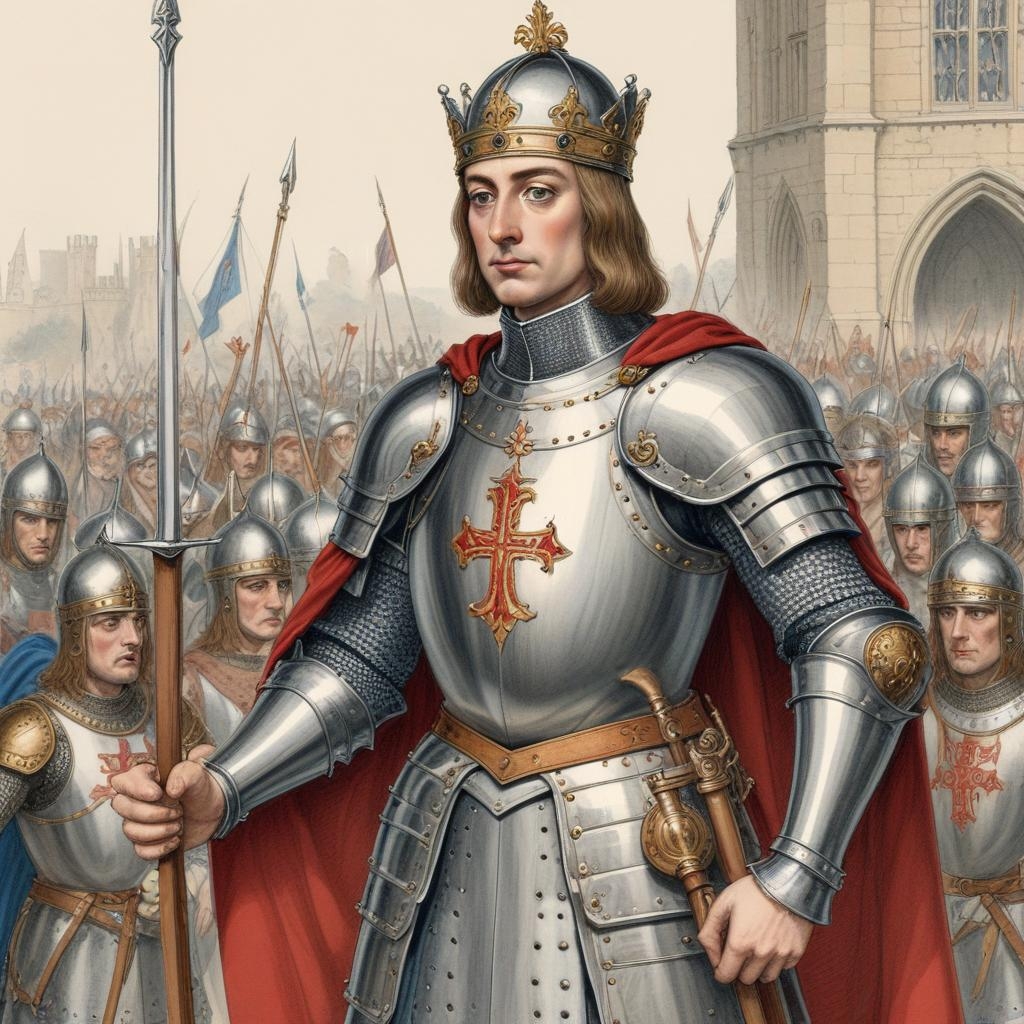
Robert, Earl of Gloucester

Henry II
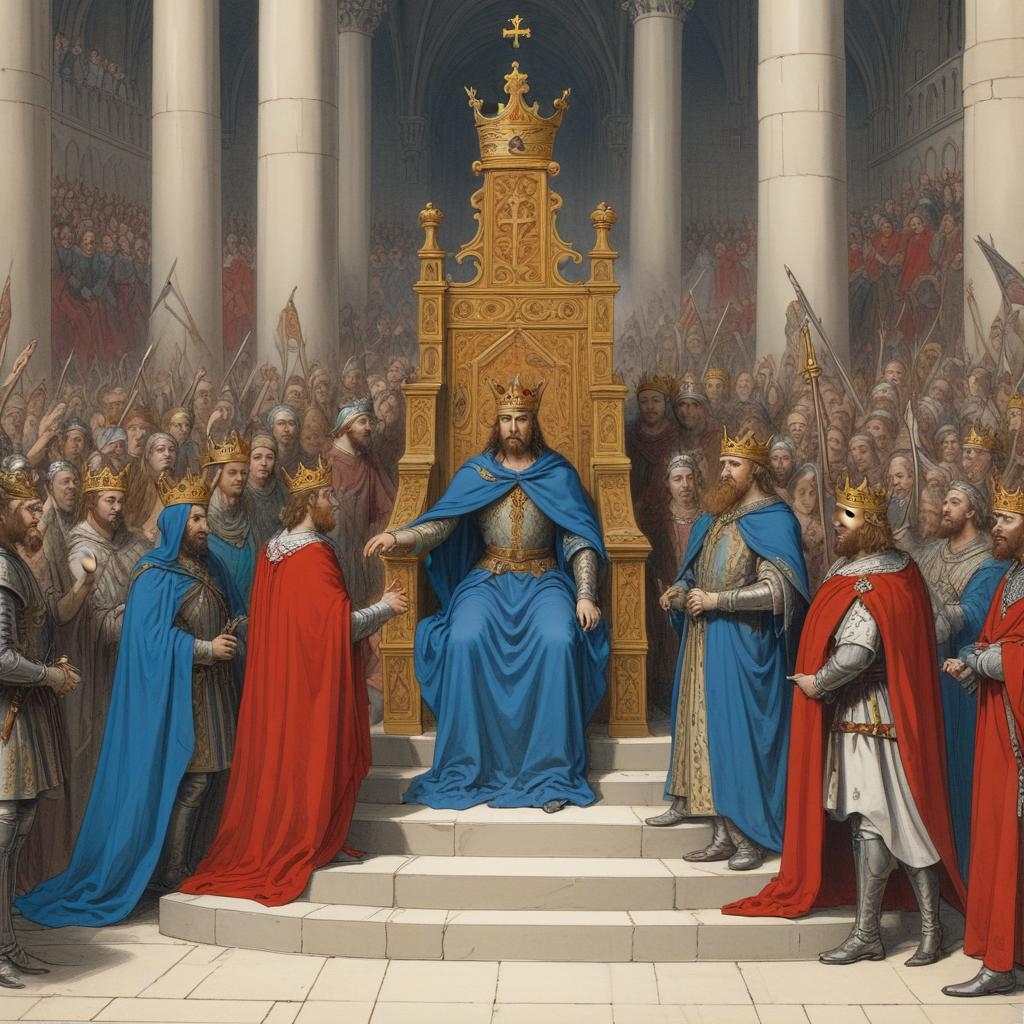
The Anarchy Begins
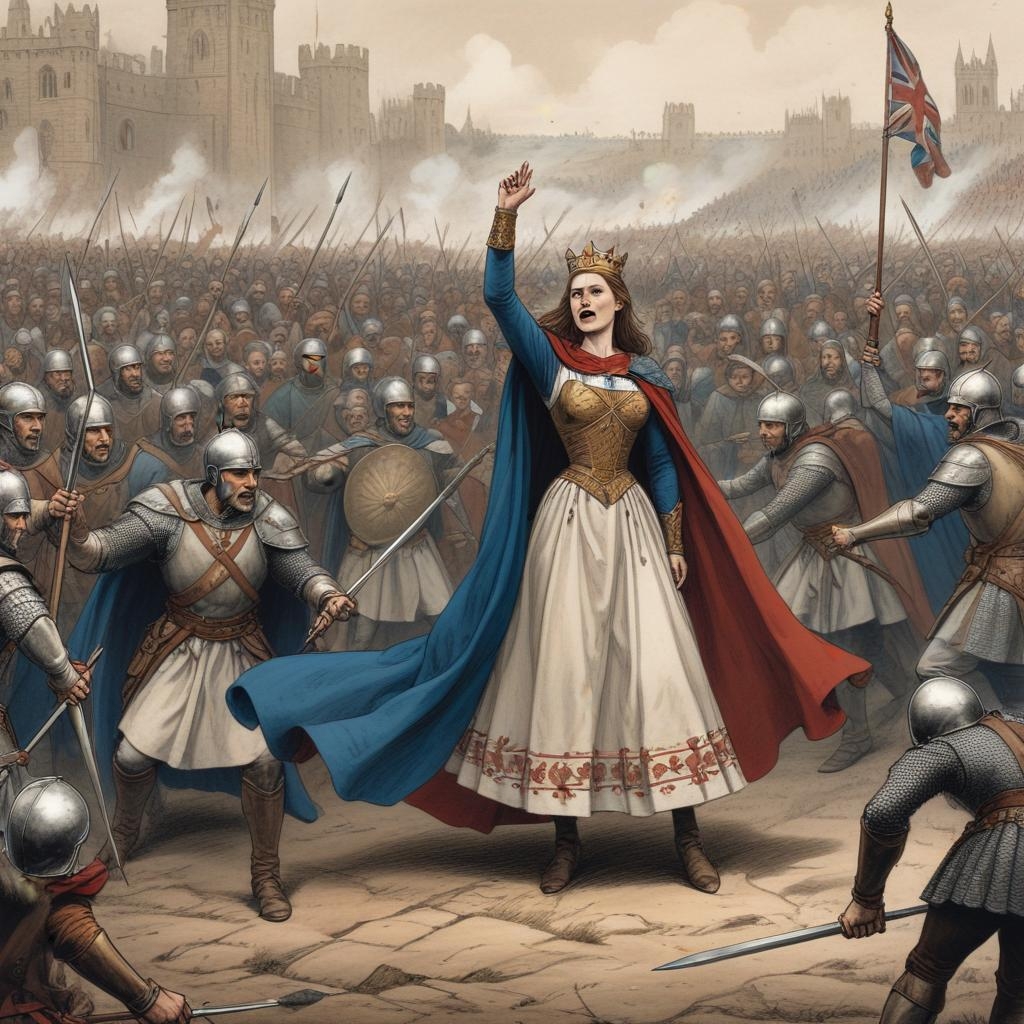
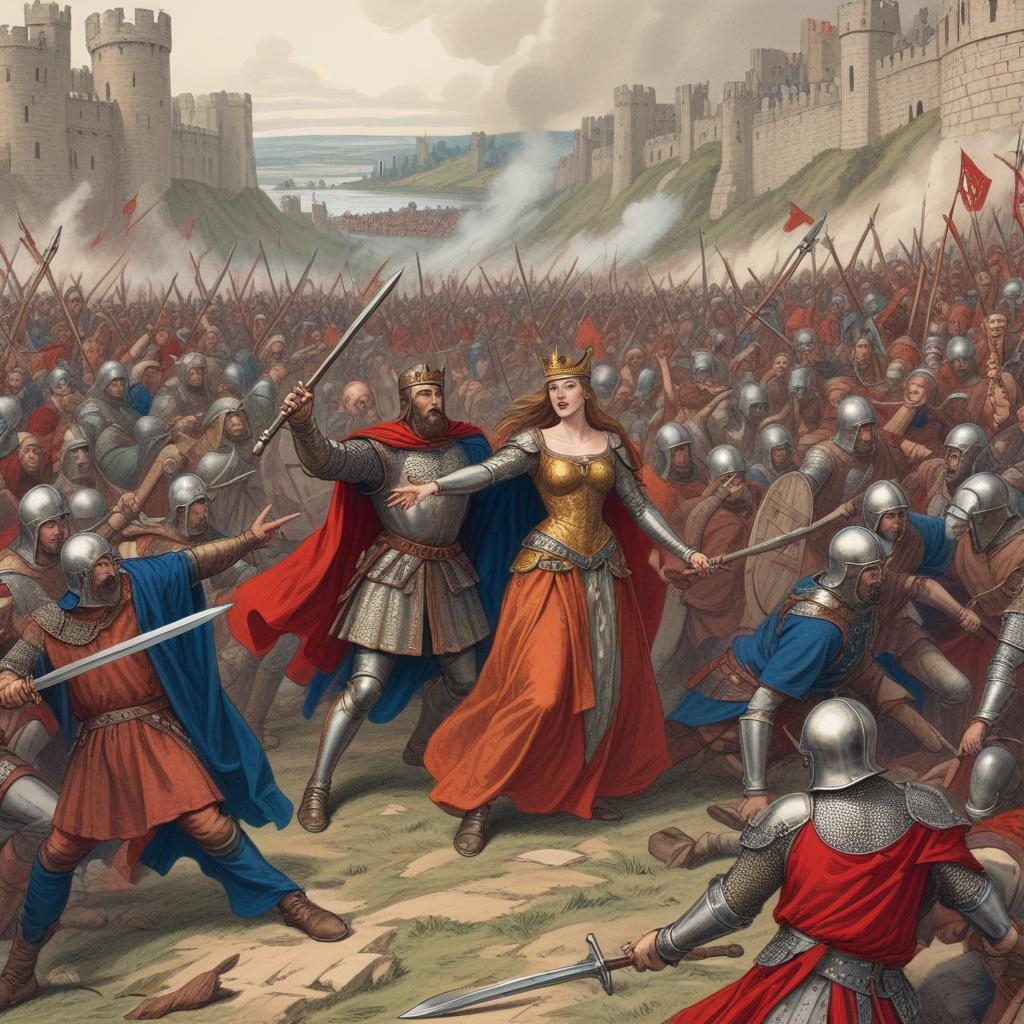
The Battle of Lincoln

The Empress Matilda
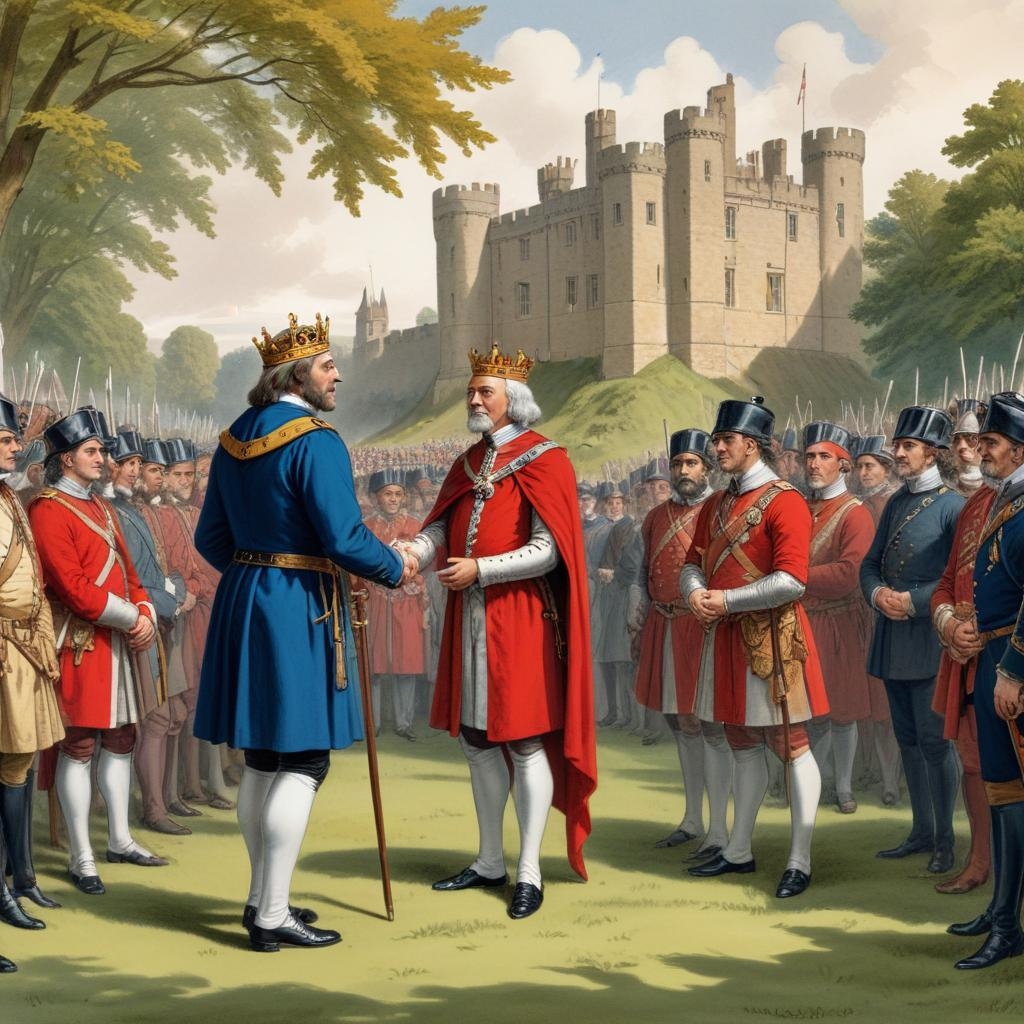
The Treaty of Wallingford
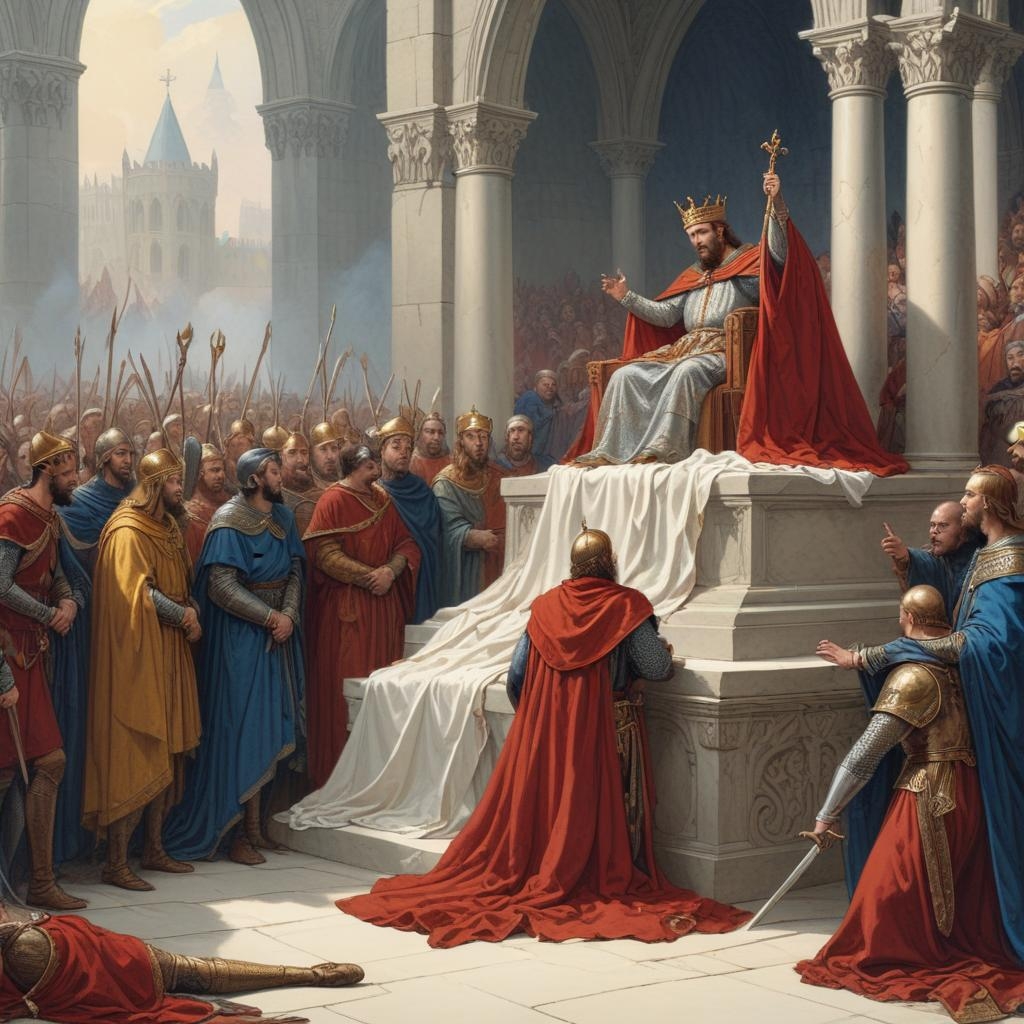
The Death of King Stephen
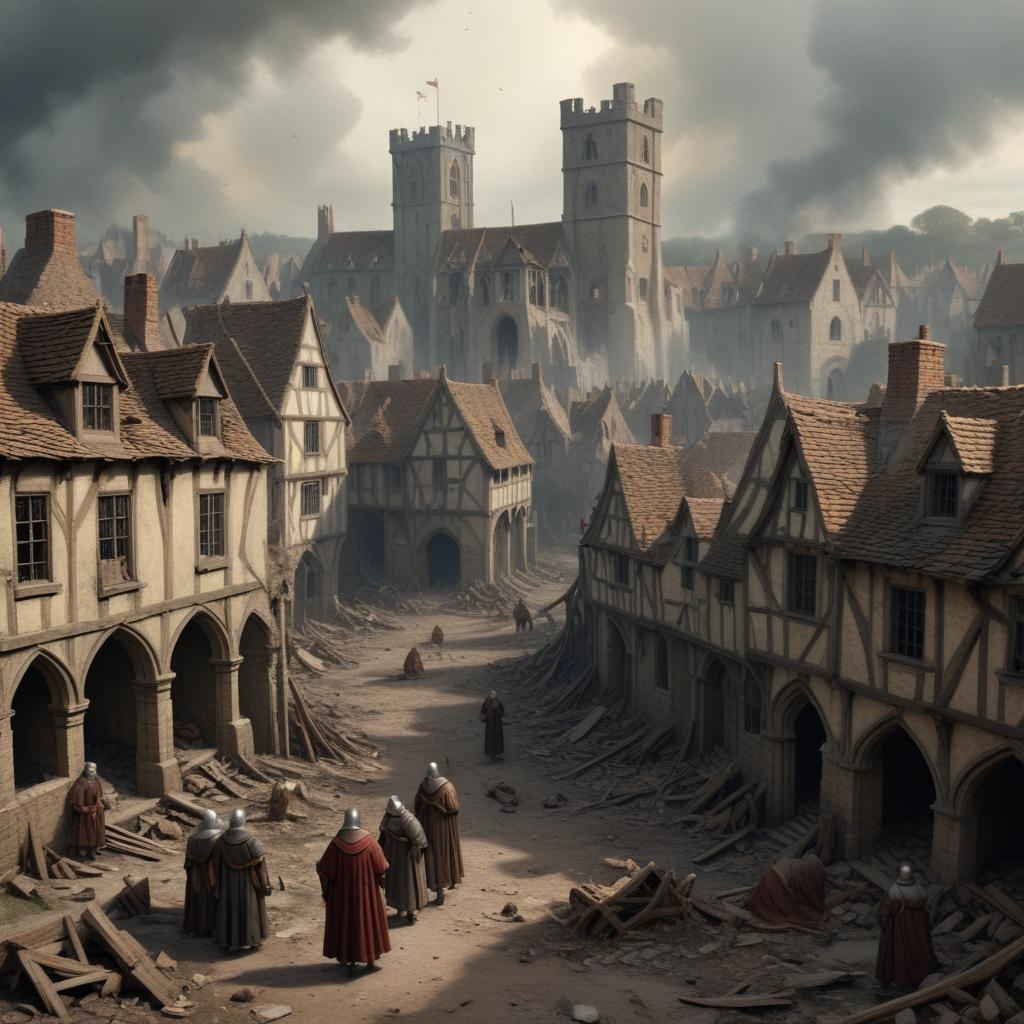
The Legacy of The Anarchy
Lesson Details & Resources
In a Nutshell
- What: A period of civil war and unrest in England
- When: 1135-1154
- Who: Empress Matilda, King Stephen, Henry II
- Outcome: Resulted in the eventual ascension of Henry II to the throne and the establishment of the Plantagenet dynasty
Famous Figures in the The Anarchy
-
King Stephen of England
King Stephen of England was a monarch who ruled from 1135 to 1154 and was a central figure in the Anarchy.
-
Empress Matilda
Empress Matilda was the daughter of King Henry I of England and played a significant role in the power struggle during the Anarchy.
-
Henry II of England
Henry II of England succeeded King Stephen and brought stability to the kingdom after the turbulent period of the Anarchy.
-
Geoffrey Plantagenet
Geoffrey Plantagenet was the husband of Empress Matilda and played a crucial role in her claim to the English throne during the Anarchy.
-
Robert of Gloucester
Robert of Gloucester was an illegitimate son of King Henry I and a key supporter of Empress Matilda's claim to the throne during the Anarchy.
-
William the Conqueror
William the Conqueror was the first Norman King of England and his legacy laid the foundation for the events that unfolded during the Anarchy.
-
Eustace IV
Eustace IV was the eldest son of King Stephen and was expected to succeed him, but his untimely death changed the course of the Anarchy.
-
David I of Scotland
David I of Scotland was a Scottish monarch who took advantage of the turmoil in England during the Anarchy to expand his kingdom's influence.
-
Stephen of Tournai
Stephen of Tournai was an influential bishop and diplomat who played a role in negotiating peace treaties during the Anarchy.
-
Henry of Blois
Henry of Blois was the brother of King Stephen and a prominent figure in the Church, being appointed as the Bishop of Winchester during the Anarchy.
Timeline of The Anarchy
Stephen of Blois is crowned as King of England, starting a civil war known as The Anarchy
Empress Matilda, daughter of King Henry I, declares herself as the rightful heir to the throne
Matilda's forces capture Stephen during the Battle of Lincoln
Matilda's supporters proclaim her as Queen of England
Matilda is driven out of London by Stephen's forces
Matilda's half-brother, Robert of Gloucester, is captured by Stephen's forces
Matilda's son, Henry, is captured by Stephen's forces
Stephen is released in exchange for Robert and Henry
Matilda's forces capture the city of Winchester
Stephen's forces capture Matilda's supporters in Oxford
Matilda's half-brother, Robert, dies
Stephen's wife, Queen Matilda, convinces him to release Matilda's son, Henry, again
Henry, now an adult, arrives in England to claim the throne
Stephen and Henry agree to a peace treaty known as the Treaty of Wallingford
Stephen is allowed to remain as king until his death, but Henry is declared as his heir
Stephen's son, Eustace, dies
Stephen dies, and Henry is crowned as King Henry II
The Anarchy officially ends with Henry II's coronation
Henry II begins to restore order and centralize power in England
Henry II institutes legal reforms and establishes a system of royal justice
Vocabulary List
- Empress Matilda
- Empress Matilda was the daughter of King Henry I and the mother of Henry II. She played a major role in the civil war known as The Anarchy.
- Stephen of Blois
- Stephen of Blois was a cousin of Empress Matilda and became the King of England during The Anarchy, after a period of dispute over the throne.
- Civil war
- The Anarchy was a period of civil war in England, mainly between Empress Matilda and Stephen of Blois, for control over the throne.
- Feudalism
- Feudalism was the dominant social and economic system during The Anarchy, where land was exchanged for service and loyalty to a lord.
- Barons
- Barons were powerful landowners who held significant political and military influence during The Anarchy, often supporting either Empress Matilda or Stephen.
- Castles
- Castles played a crucial role in The Anarchy as they served as military fortresses and bases for both Empress Matilda and Stephen's forces.
- Anarchy
- The Anarchy refers to the period of political instability and disorder in England from 1135 to 1154, marked by the struggle for the throne.
- Normans
- The Normans, descendants of the Viking settlers in Normandy, played a significant role in The Anarchy as they were involved in the power struggles and conflicts.
- Empress Matilda's son
- Empress Matilda's son, Henry II, ultimately succeeded in establishing stability and ending The Anarchy by becoming the King of England.
- Anglo-Norman
- The Anglo-Norman nobility, composed of both English and Norman families, were deeply impacted by The Anarchy and their loyalties were divided.
Key Facts
This is the information used in the fact matching game
- The Anarchy was a civil war in England that occurred from 1135 to 1154.
- It was a conflict between Empress Matilda and King Stephen for the English throne.
- The war was triggered by the death of King Henry I, who had no male heir.
- Empress Matilda was the daughter of King Henry I and claimed the right to succeed him.
- King Stephen, Matilda's cousin, seized the throne instead, leading to the war.
- The conflict was characterized by political instability, lawlessness, and widespread violence.
- Both sides had support from various nobles, resulting in a decentralized and fragmented war.
- Empress Matilda was initially supported by her half-brother Robert of Gloucester.
- King Stephen had the backing of the powerful barons and the Church.
- The war led to a breakdown in central authority and the rise of regional warlords.
- Numerous castles were built during the Anarchy as strategic strongholds.
- The conflict caused significant devastation, with widespread looting and destruction.
- The common people suffered greatly during the war, facing famine and displacement.
- Empress Matilda's forces captured King Stephen in 1141, but he was later released.
- Matilda's son, Henry, played a crucial role in continuing the fight against King Stephen.
- Henry later became King Henry II and ended the Anarchy when Stephen died.
- The Treaty of Wallingford was signed in 1153, establishing Henry II as Stephen's successor.
- The Anarchy had a lasting impact on English feudal society and the monarchy.
- The war weakened the authority of the crown and strengthened the power of the nobles.
- It also highlighted the importance of securing a clear line of succession.
- The Anarchy is considered one of the darkest periods in English history.
- Contemporary chroniclers described the period as one of great lawlessness and chaos.
- The war had a profound influence on literature, inspiring works like 'The History of the Kings of Britain.'
- The conflict was also depicted in the historical novel 'The Pillars of the Earth' by Ken Follett.
- The Anarchy ended with the establishment of the Plantagenet dynasty under Henry II.
- Henry II's reign brought stability and centralized authority back to England.
- The war resulted in the loss of many lives and significant destruction of property.
- The Anarchy is often cited as an example of the destructive nature of civil wars.
- It paved the way for changes in governance and succession laws in England.
- The war highlighted the importance of a strong and capable ruler in maintaining order.
- The Anarchy ultimately shaped the course of English history for centuries to come.
Analysis & Significance
Immediate Consequences
The Anarchy, a period of civil war in England from 1135 to 1154, resulted in widespread chaos and instability. The power struggle between Empress Matilda and King Stephen led to political turmoil, economic devastation, and social unrest across the kingdom.
Long-Term Impact
The Anarchy had lasting consequences on the English monarchy and society. It weakened central authority, increased the power of local lords, and set a precedent for future challenges to royal succession. The period also marked a shift towards more formalized feudal relationships and strengthened the role of barons in governing the realm.
Cultural Significance Today
The legacy of The Anarchy can still be seen in modern political structures and power dynamics. It serves as a cautionary tale about the dangers of weak leadership and the importance of a stable succession process. The period continues to influence discussions on governance, legitimacy, and the balance of power between the monarchy and the nobility.
The Anarchy Games


Take Your Learning Offline
Want a convenient, print-ready study guide for this lesson? Become a Memory Wizards Pro member to unlock the downloadable " Memory Scrolls" for this topic and our entire library!
- ✓ Complete Vocabulary Lists
- ✓ Key Facts & Timelines
- ✓ Beautifully Formatted for Print & Mobile