
Summary of The Battle of Assandun
Uncover the secrets of King Canute and the fateful Battle.
How Do You Learn Best?
Learn by Listening
Start with the 3-minute audio summary to get the key facts and narrative highlights quickly.
Learn by Reading
Immerse yourself in the 10-minute visual lesson for a comprehensive understanding of the topic.
Learn by Reviewing
Jump directly to the key facts, timeline, and vocabulary lists to build a solid foundation of details.
Learn by Doing
Challenge yourself! Jump straight into the interactive games to learn by trial, error, and discovery.
Audio Library
As one of our featured lessons, this topic includes premium audio guides.
Unlock the Wizard's Cram Session
This powerful audio study guide is a Pro-exclusive feature. Upgrade to Memory Wizards Pro to access this and all of our premium learning tools.
Upgrade to ProThe Battle of Assandun in 10 Minutes
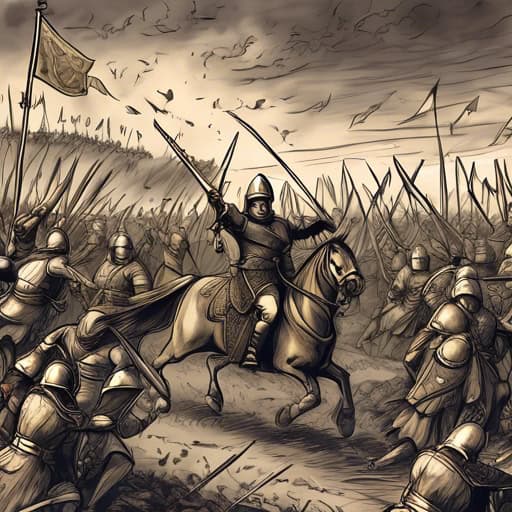
Introduction
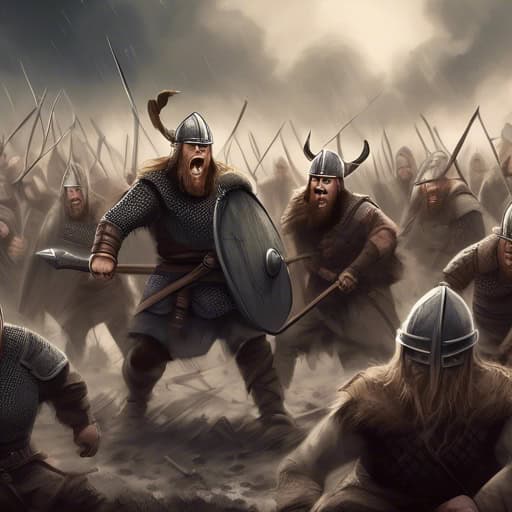
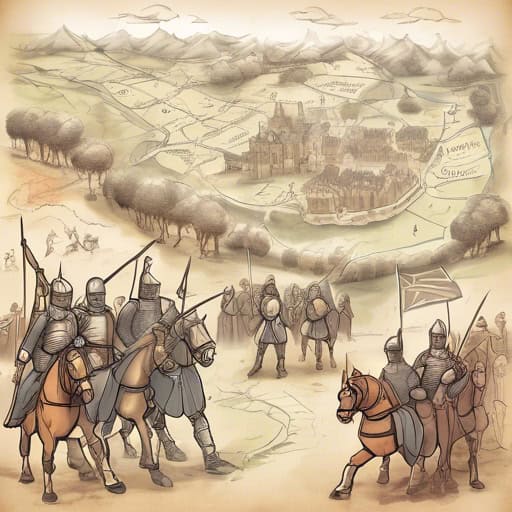
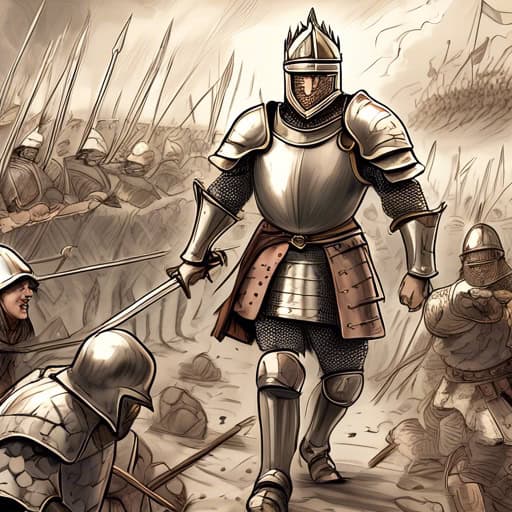
King Edmund Ironside
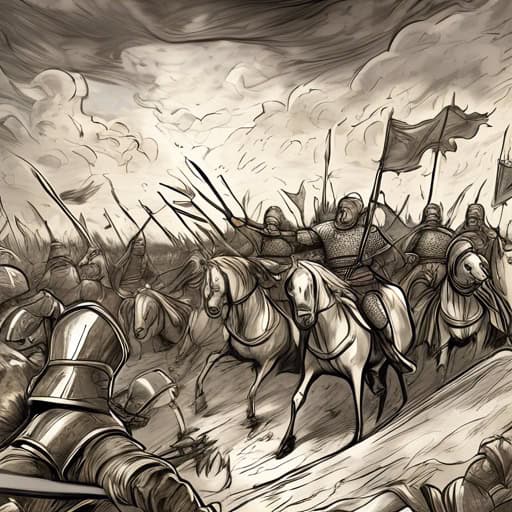
Canute the Great
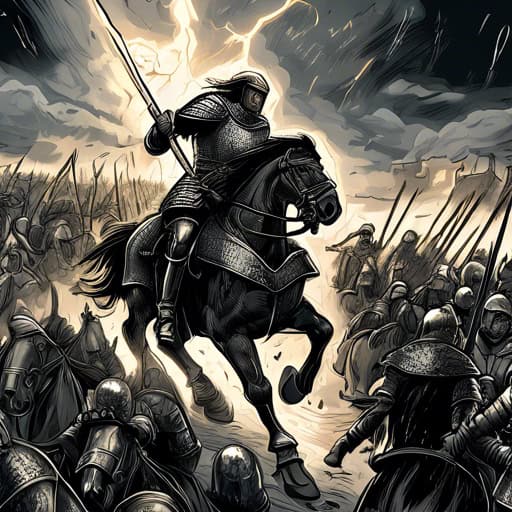
Earl Uhtred the Bold
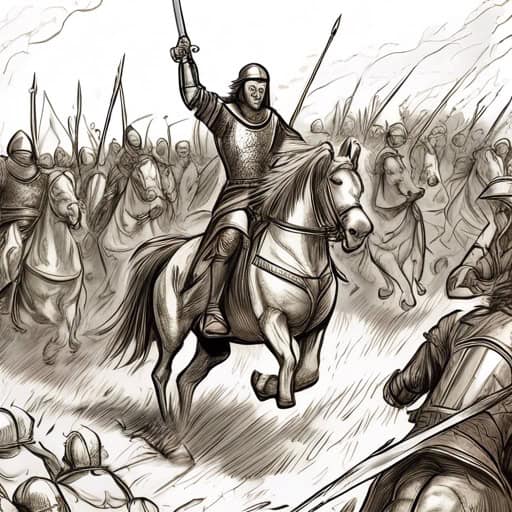
Ealdorman Aethelweard
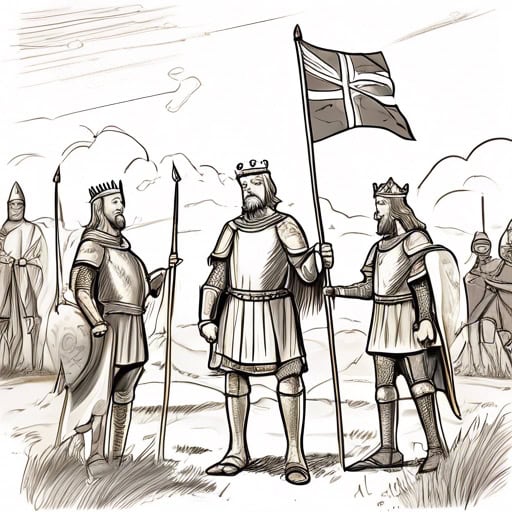
The Rise of King Harold
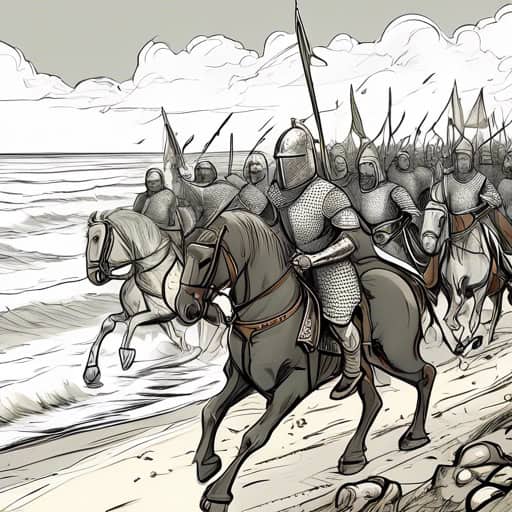
The Invasion of William the Conqueror
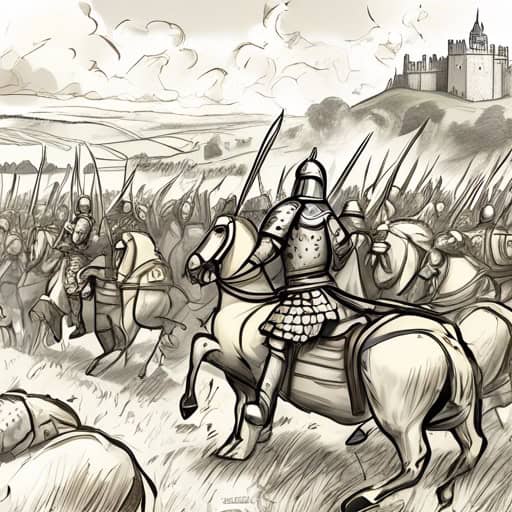
The Battle of Fulford
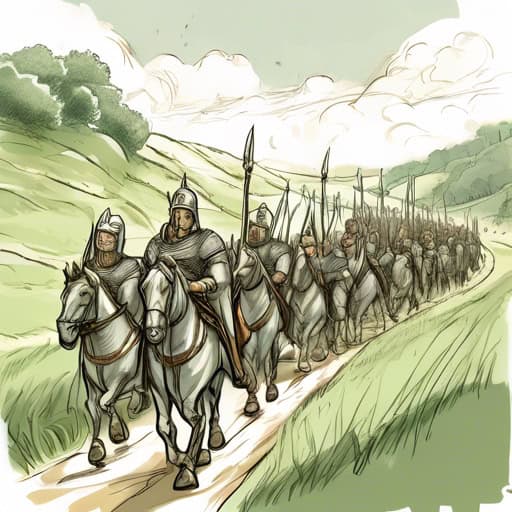
The March to Assandun
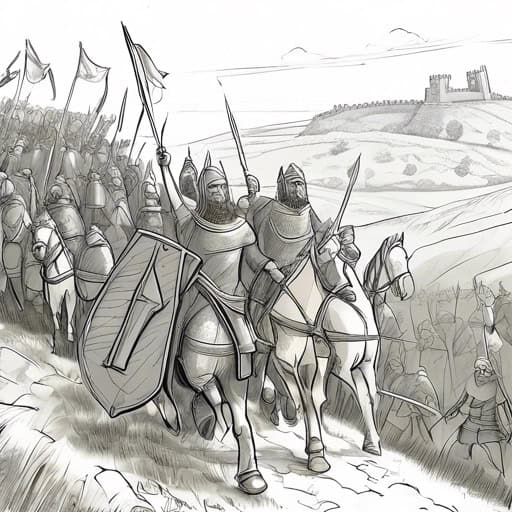
The Gathering of Forces
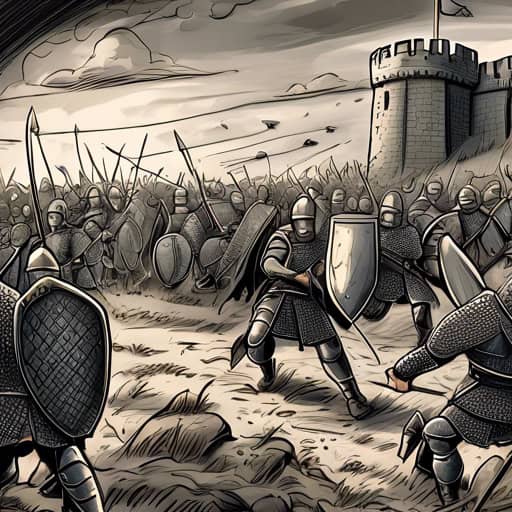
The Battle Begins
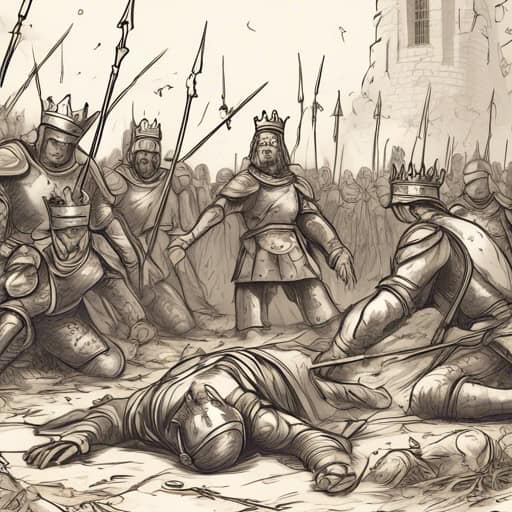
The Death of King Harold
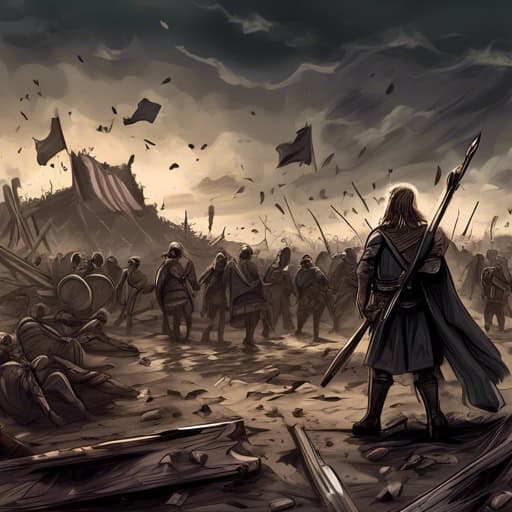
The Aftermath of Assandun
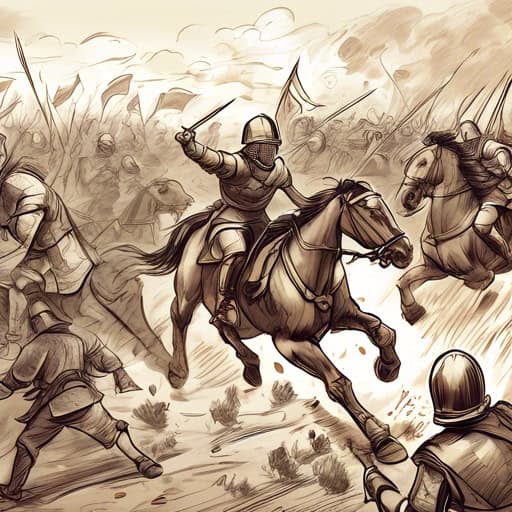
The Legacy of Assandun
The Historical Significance
Lesson Details & Resources
In a Nutshell
- What: A significant battle during the Viking Age fought between the English and the Vikings.
- When: October 18, 1016
- Who: King Edmund Ironside of England and King Cnut of Denmark
- Outcome: Treaty of Alney signed, dividing England between the two kings
Famous Figures in the The Battle of Assandun
-
King Edmund Ironside
King Edmund Ironside was the son of Aethelred the Unready and one of the main commanders during the Battle of Assandun. He fought valiantly to defend his kingdom against the invading forces.
-
King Sweyn Forkbeard
King Sweyn Forkbeard was the Danish king who led the Viking invasion of England and commanded the opposing forces in the Battle of Assandun. He sought to expand his influence and claim the English throne.
-
Thorkell the Tall
Thorkell the Tall was a Danish nobleman and one of the key military leaders on King Sweyn's side. He was known for his towering stature and exceptional fighting skills.
-
Eadric Streona
Eadric Streona was an English nobleman who initially supported King Aethelred but later switched sides to join the Danish forces. He played a controversial role in the Battle of Assandun.
-
Aethelred the Unready
Aethelred the Unready was the English king who faced multiple Viking invasions during his reign. He was the father of King Edmund Ironside and was involved in the Battle of Assandun.
-
Ulf Jarl
Ulf Jarl was a prominent nobleman in King Sweyn's army. He was known for his strategic abilities and played a crucial role in the Battle of Assandun.
-
Olaf Haraldsson
Olaf Haraldsson was a Norwegian nobleman who fought alongside the Danes in the Battle of Assandun. He was a skilled warrior and contributed to the Danish victory.
-
Ealdorman Aelfric
Ealdorman Aelfric was an English nobleman who supported King Edmund Ironside in the Battle of Assandun. He was known for his loyalty and played a vital role in the defense of England.
-
Eadric the Wild
Eadric the Wild was an English nobleman who led a group of rebels against King Edmund Ironside. He opposed the king's rule and sought to gain power for himself.
-
Thurkill the Tall
Thurkill the Tall was a Danish nobleman and military leader who fought for King Sweyn Forkbeard in the Battle of Assandun. He was known for his strength and bravery in battle.
Timeline of The Battle of Assandun
King Æthelred dies
Edmund Ironside succeeds Æthelred as King of England
Battle of Penselwood
Battle of Sherston
Battle of Brentford
Battle of Otford
Battle of Canterbury
Battle of Bleadon
Battle of Buttington
Battle of Thetford
Battle of Ringmere
Treaty of Deerhurst
Edmund Ironside dies
Cnut the Great becomes King of England
Cnut consolidates his rule over England
Cnut's death
Harold Harefoot becomes King of England
Battle of Assandun
End of the Battle of Assandun
Vocabulary List
- Assandun
- The Battle of Assandun was a significant battle fought between the armies of King Edmund Ironside of England and King Cnut of Denmark in the year 1016.
- Edmund Ironside
- King Edmund Ironside was the ruler of England during the time of the Battle of Assandun. He led the English army against the invading forces of King Cnut of Denmark.
- Cnut
- King Cnut, also known as Canute, was the Danish ruler who challenged King Edmund Ironside for the control of England. He led the Danish army in the Battle of Assandun.
- Viking
- The Battle of Assandun involved Viking warriors from Denmark who were led by King Cnut. The Vikings were known for their seafaring and raiding abilities.
- Anglo-Saxons
- The Anglo-Saxons were the native inhabitants of England during the time of the Battle of Assandun. King Edmund Ironside represented the Anglo-Saxon faction in the battle.
- Warrior
- The Battle of Assandun witnessed fierce clashes between the warriors of King Edmund Ironside and King Cnut. Both sides had skilled and courageous warriors.
- Invasion
- The Battle of Assandun was part of a larger invasion attempt by the Danish forces under King Cnut to conquer England. The battle played a crucial role in determining the outcome of the invasion.
- Victory
- The Battle of Assandun resulted in a victory for King Cnut and the Danish forces. This victory allowed Cnut to establish himself as the ruler of England, unifying the Anglo-Saxon and Danish territories.
- Conflict
- The Battle of Assandun was a major conflict that took place during the Viking Age, marking a significant moment in the power struggle between the Anglo-Saxons and the Vikings.
- Treaty
- Following the Battle of Assandun, a treaty known as the Treaty of Olney was signed between King Edmund Ironside and King Cnut, dividing England between them.
Key Facts
This is the information used in the fact matching game
- The Battle of Assandun took place on October 18, 1016.
- It was fought between the armies of King Edmund Ironside of England and King Cnut the Great of Denmark.
- The battle occurred near the village of Ashingdon in Essex, England.
- It was one of the decisive battles of the Viking Age in England.
- King Edmund Ironside's army consisted mainly of English troops, while King Cnut's army was primarily composed of Danish and Norwegian warriors.
- The battle was part of the larger conflict known as the Danish Conquest of England.
- The Danish Conquest of England lasted from 1013 to 1016.
- King Cnut had already conquered much of England, leaving only Wessex under King Edmund's control.
- The battle was fought to determine the control of England.
- Both sides were evenly matched in terms of military strength.
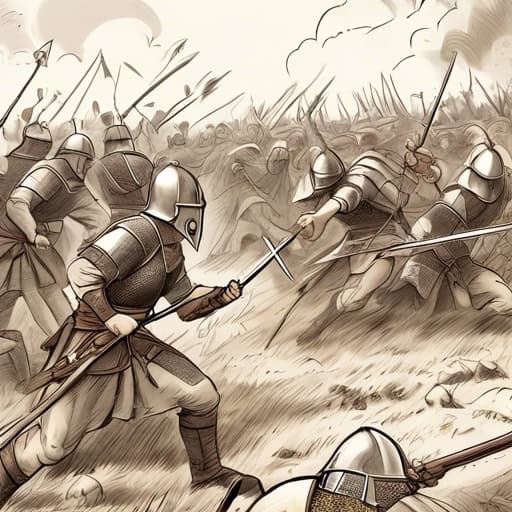
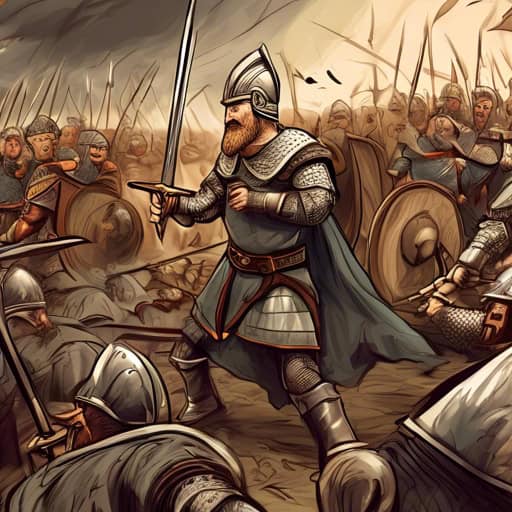
- The battle began with a fierce clash between the two armies.
- The fighting was intense, with heavy casualties on both sides.
- At one point, it is said that the English troops broke the Danish line, causing panic among King Cnut's soldiers.
- However, the Danish troops managed to regroup and launched a counterattack.
- The battle lasted for several hours.
- In the end, King Edmund's army was defeated, and he was forced to retreat.
- Following the battle, King Cnut became the undisputed ruler of England.
- King Edmund Ironside died shortly after the battle, possibly due to injuries sustained during the fighting.
- The Battle of Assandun marked the end of Anglo-Saxon rule in England.
- King Cnut went on to establish the Danish line of kings in England.
- The battle had a profound impact on the history of England.
- It solidified Danish control over the country and paved the way for the Norman Conquest in 1066.
- The exact location of the battle is still debated among historians.
- Some sources suggest it took place near the present-day town of Rochford.
- The battle is also sometimes referred to as the Battle of Ashingdon.
- The name 'Assandun' is derived from the Old English words 'æsc' (ash tree) and 'dun' (hill).
- The battle is mentioned in several contemporary sources, including the Anglo-Saxon Chronicle and the Encomium Emmae Reginae.
- King Cnut's victory at Assandun helped secure his position as king and established the Danish dynasty in England.
- The battle is often overshadowed by the more famous battles of the Norman Conquest, such as the Battle of Hastings.
- Despite its significance, the Battle of Assandun is relatively unknown outside of academic circles.
- The battle is a notable event in the history of Viking invasions in England.
Analysis & Significance
Immediate Consequences
The Battle of Assandun, fought in 1016 between the forces of King Edmund Ironside and King Canute of Denmark, resulted in a decisive victory for Canute. This led to King Edmund’s death and Canute’s ascension to the throne of England, solidifying his power and control over the kingdom.
Long-Term Impact
The Battle of Assandun marked a turning point in English history, as it established the Danish Viking rule over England for the next two decades. Canute’s reign brought about a period of relative stability and prosperity, as he successfully unified the Anglo-Saxons and Vikings under his rule.
Cultural Significance Today
The Battle of Assandun is remembered as a significant event in the history of England, showcasing the impact of Viking invasions on the country. It serves as a reminder of the complex interactions between different cultures and the lasting influence of foreign rulers on English society. The battle continues to be studied and commemorated, highlighting its enduring cultural significance today.
The Battle of Assandun Games


Take Your Learning Offline
Want a convenient, print-ready study guide for this lesson? Become a Memory Wizards Pro member to unlock the downloadable " Memory Scrolls" for this topic and our entire library!
- ✓ Complete Vocabulary Lists
- ✓ Key Facts & Timelines
- ✓ Beautifully Formatted for Print & Mobile