
Summary of Battle of Assandun (1016)
Unravel the mystery of England's forgotten battle in 1016.
How Do You Learn Best?
Learn by Reading
Immerse yourself in the 10-minute visual lesson for a comprehensive understanding of the topic.
Learn by Reviewing
Jump directly to the key facts, timeline, and vocabulary lists to build a solid foundation of details.
Learn by Doing
Challenge yourself! Jump straight into the interactive games to learn by trial, error, and discovery.
Battle of Assandun in 10 Minutes
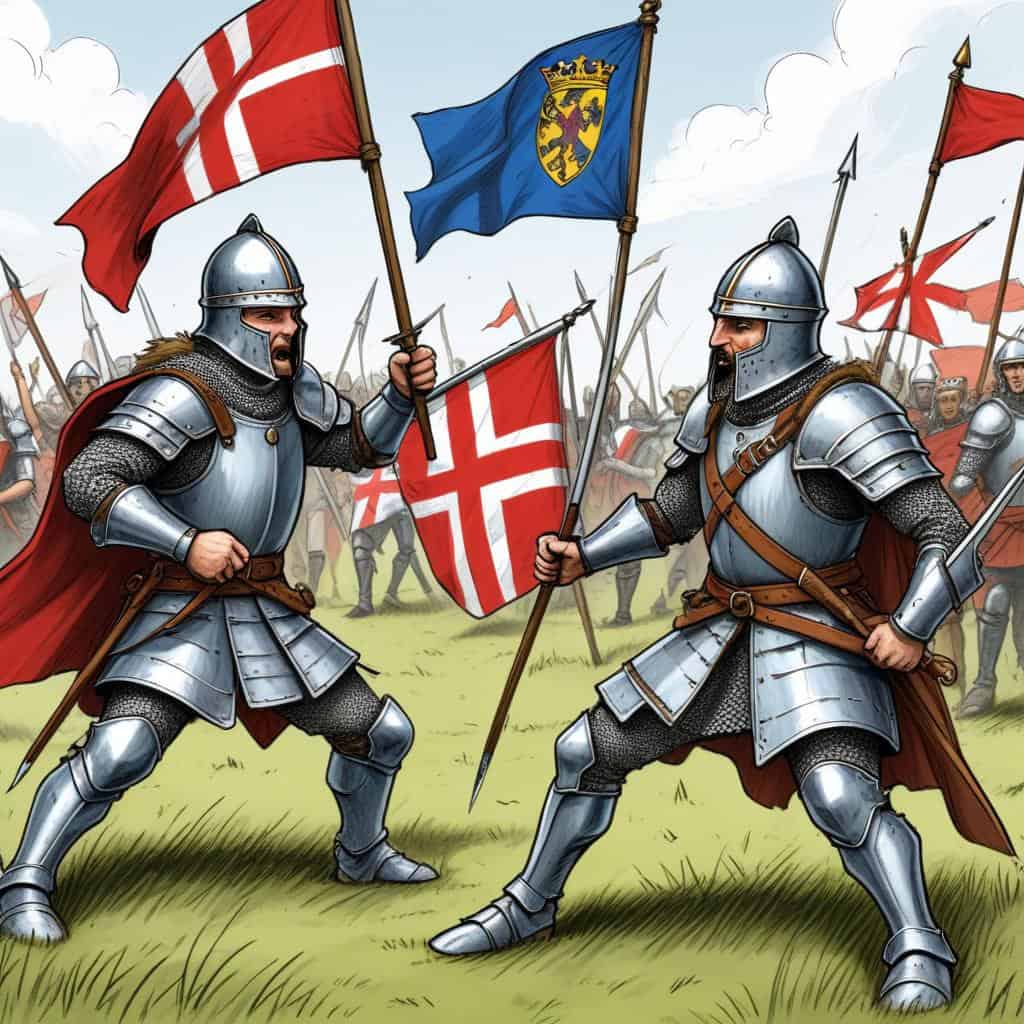
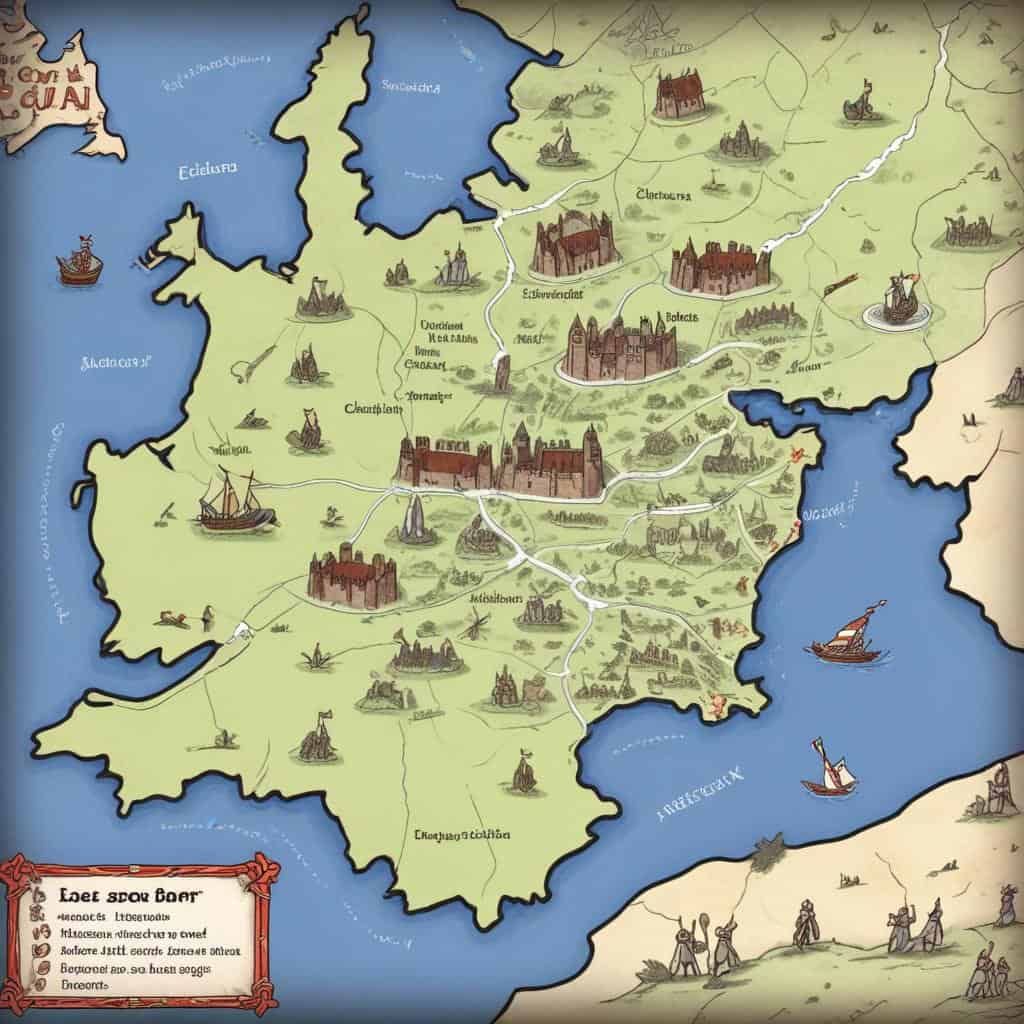
Introduction
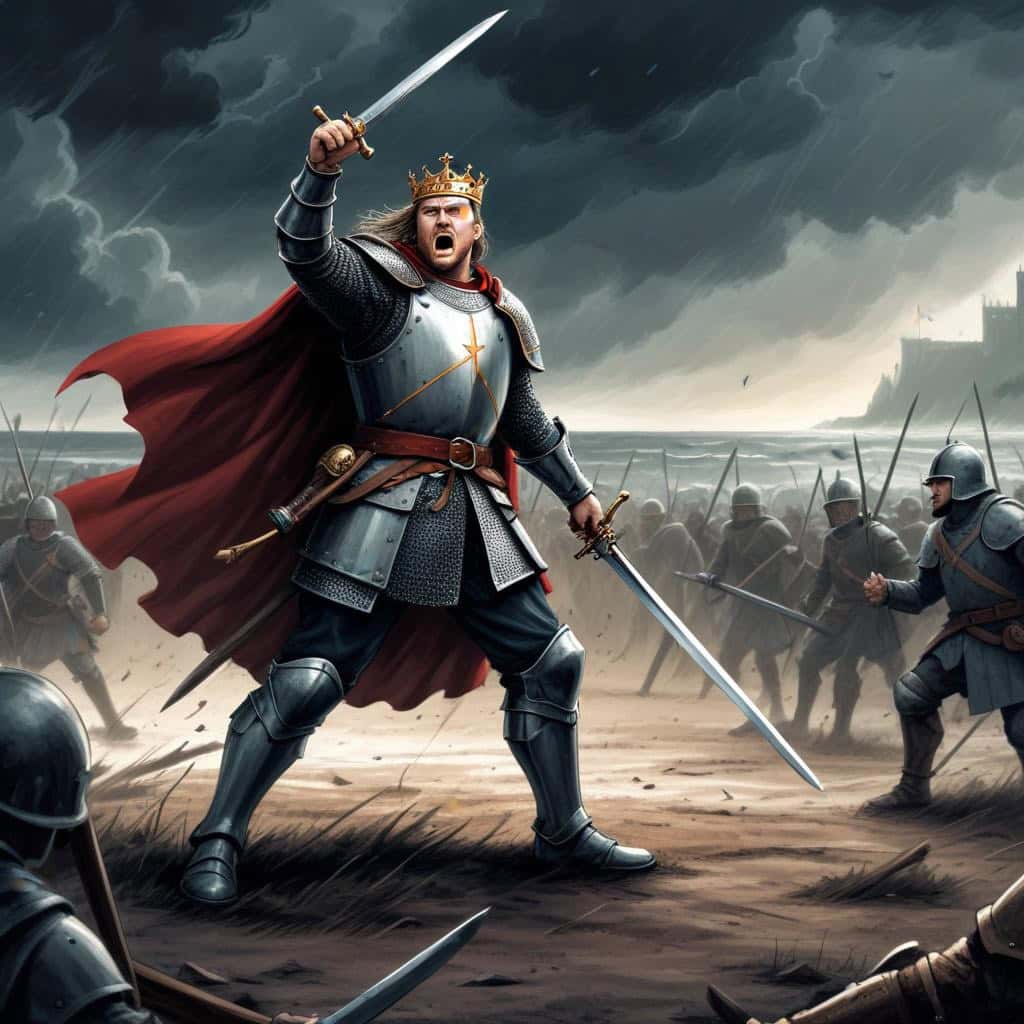
King Edmund Ironside
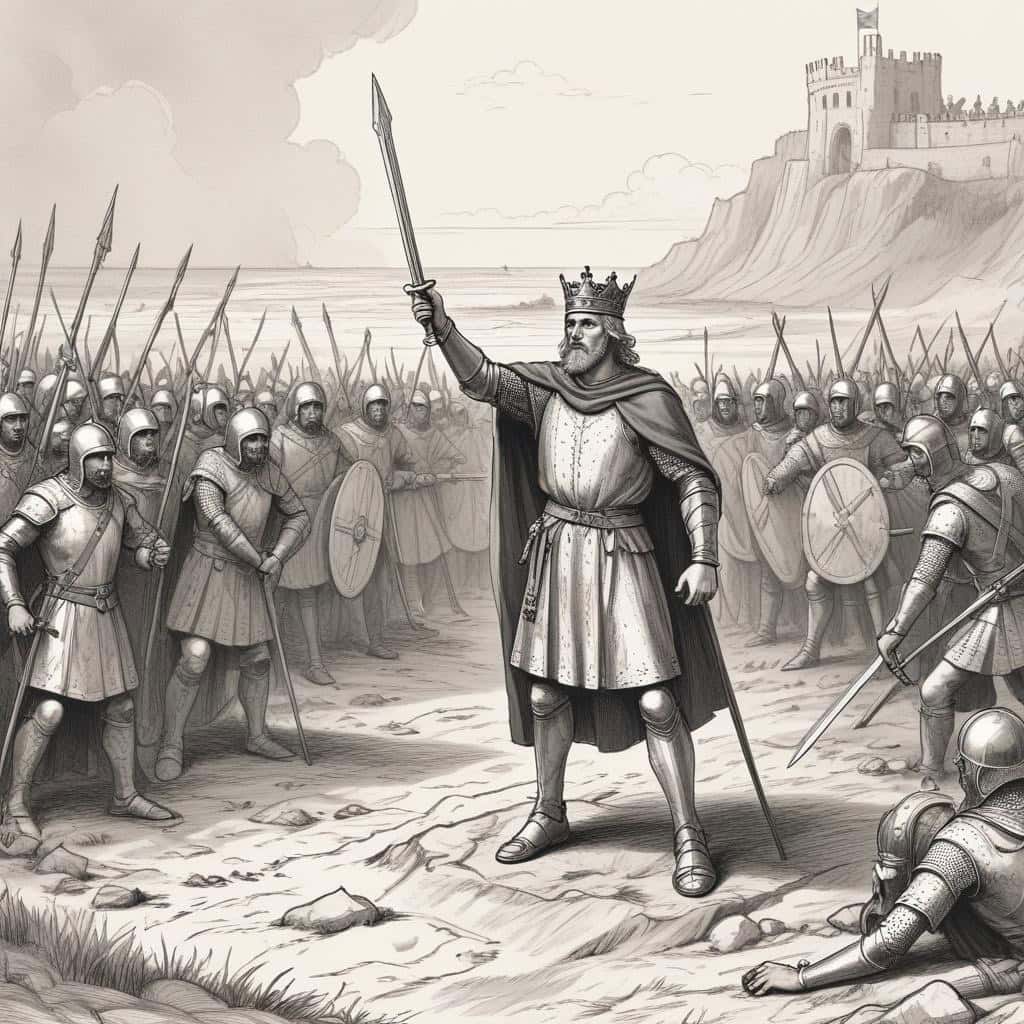
King Canute
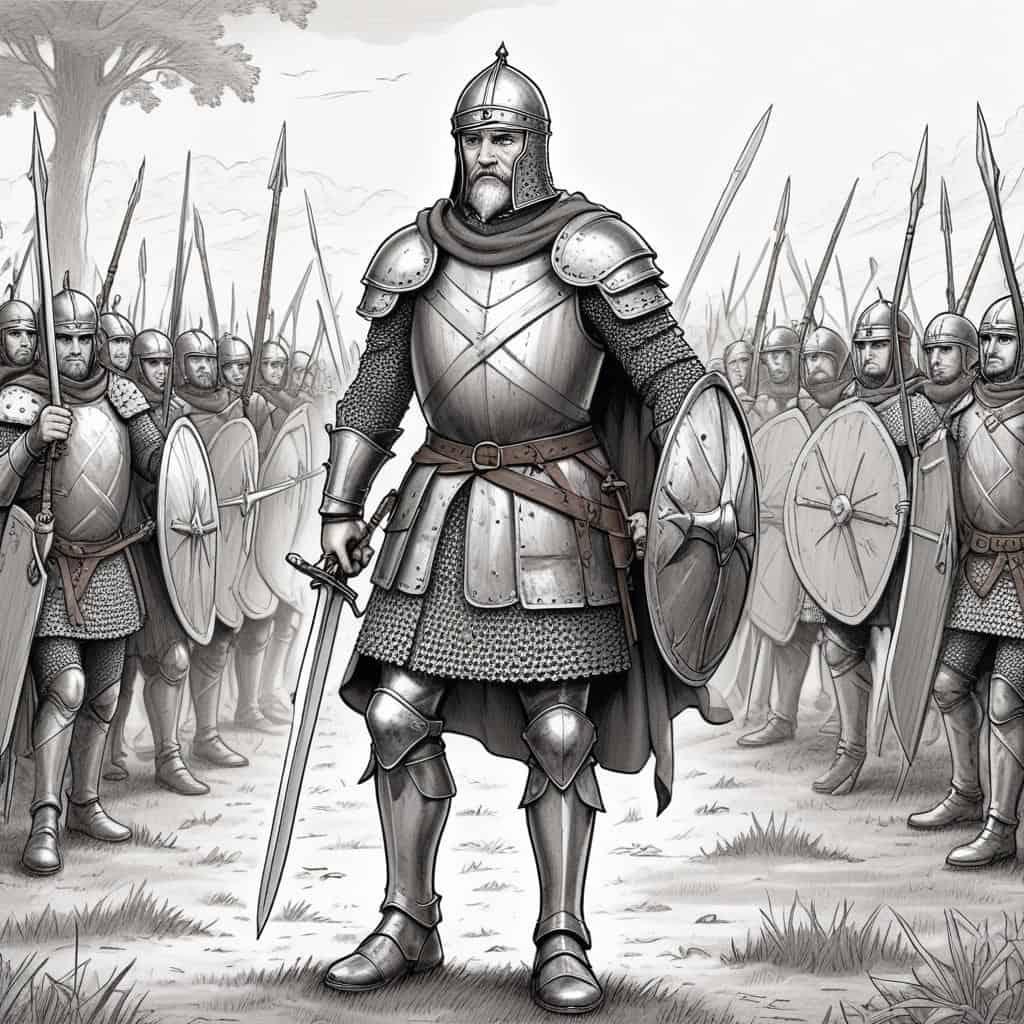
Anglo-Saxon Army
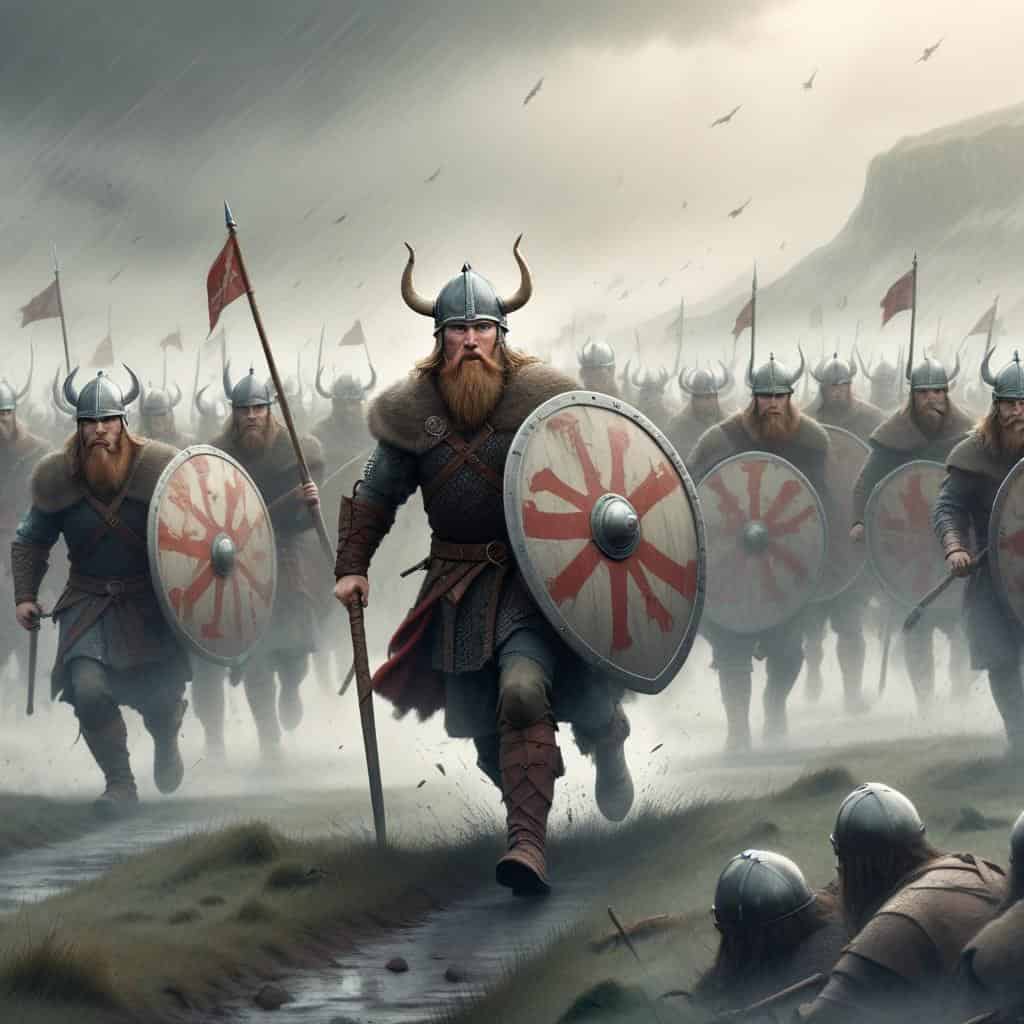
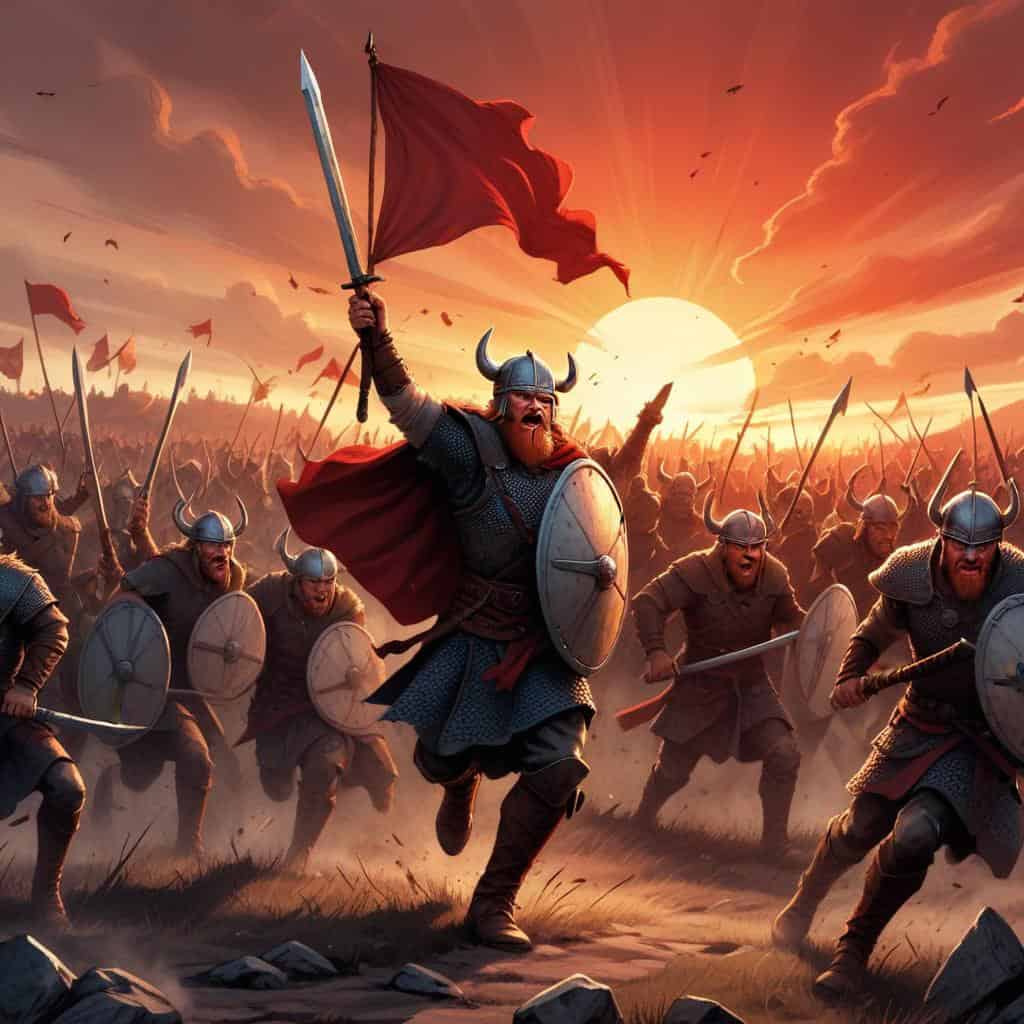
Danish Army

The Battle Begins

Initial Skirmishes

The Turning Point

King Edmunds Last Stand

The Death of King Edmund

The Aftermath of the Battle

Canute Becomes King

The Legacy of Assandun

Remembering the Fallen

Conclusion
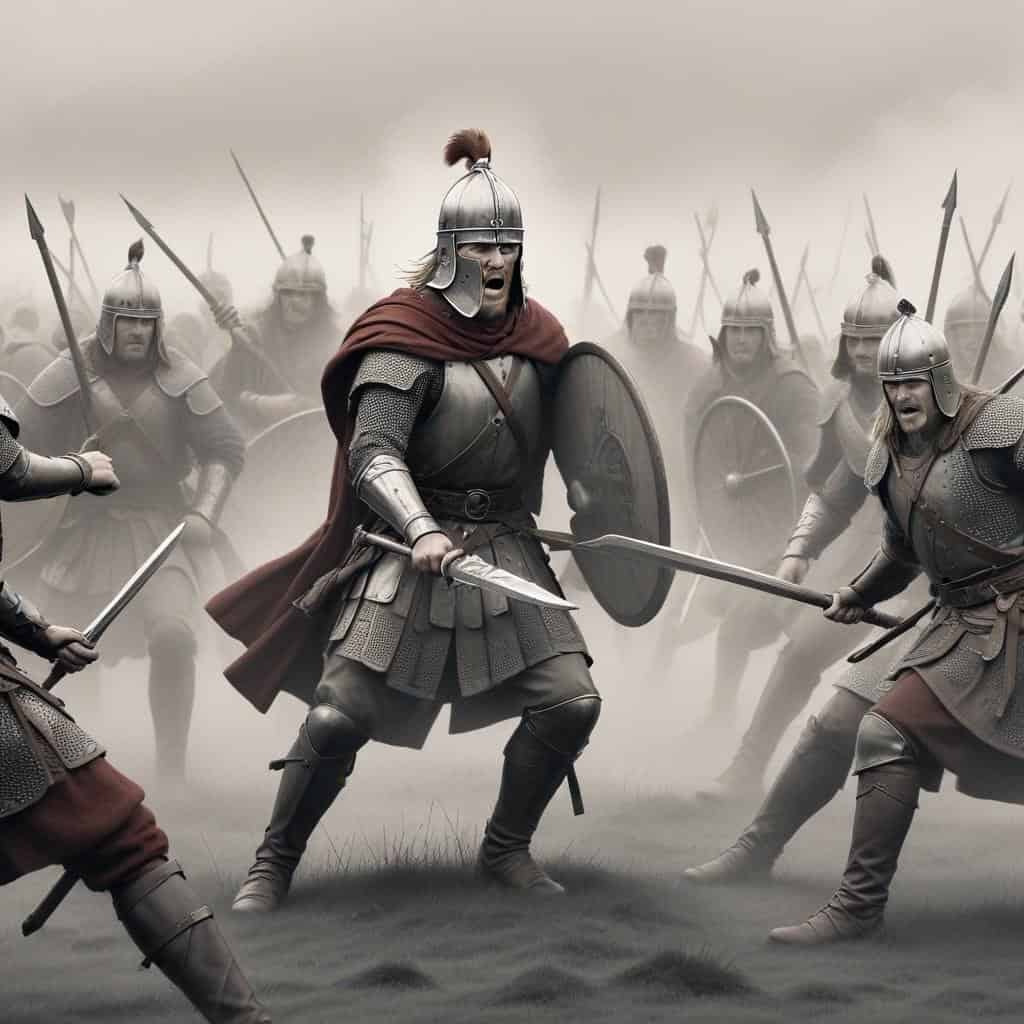
Lesson Details & Resources
In a Nutshell
- What: A pivotal battle in English history during the Viking invasions.
- When: 1016
- Who: King Edmund Ironside vs. King Cnut the Great
- Outcome: Cnut the Great emerged victorious, becoming the King of all England.
Famous Figures in the Battle of Assandun
-
Cnut the Great
Cnut the Great was a Danish king who emerged victorious in the Battle of Assandun.
-
Edmund Ironside
Edmund Ironside was the Anglo-Saxon king who fought against Cnut in the Battle of Assandun.
-
Thorkell the Tall
Thorkell the Tall was a Viking commander who switched sides during the Battle of Assandun.
-
Eadric Streona
Eadric Streona was an Anglo-Saxon nobleman who betrayed Edmund Ironside during the battle.
-
Ulfcytel Snillingr
Ulfcytel Snillingr was an Anglo-Saxon nobleman who supported Edmund Ironside in the battle.
-
Eadric Cild
Eadric Cild was a nobleman who fought alongside Cnut in the Battle of Assandun.
-
Edmund the Martyr
Edmund the Martyr was a former Anglo-Saxon king of East Anglia who was killed in battle.
-
Thorkell the Tall
Godwin, Earl of Wessex, was an influential Anglo-Saxon nobleman who played a role in the battle.
-
Godwin, Earl of Wessex
Ulf Jarl was a Danish nobleman who served under Cnut during the Battle of Assandun.
Timeline of Battle of Assandun
Battle of Assandun takes place between the forces of King Edmund Ironside of England and King Cnut of Denmark
Edmund Ironside's forces are defeated by Cnut's forces
Following the battle, Edmund and Cnut agree to divide the kingdom of England between them
Edmund Ironside dies shortly after the battle, possibly due to wounds sustained during the fighting
Cnut becomes the undisputed ruler of England
Cnut is crowned King of England
Cnut marries Emma of Normandy, widow of King Æthelred the Unready
Cnut consolidates his power in England, ruling as a strong and effective king
Cnut leads successful military campaigns in Scotland and Wales
Cnut becomes King of Denmark in addition to his title as King of England
Cnut becomes King of Norway after the death of Olaf II of Norway
Cnut dies and is succeeded by his sons Harold Harefoot and Harthacnut
Harthacnut becomes the sole ruler of England after Harold Harefoot's death
Harthacnut dies without an heir, leading to a succession crisis in England
Edward the Confessor becomes King of England, bringing an end to the Danish rule established by Cnut
The Battle of Assandun is remembered as a significant event in English history, marking the end of the Anglo-Saxon rule and the beginning of the Danish rule under Cnut
Vocabulary List
- Assandun
- The Battle of Assandun took place in 1016 between the armies of King Edmund Ironside of England and King Cnut of Denmark.
- Edmund Ironside
- King Edmund Ironside was the ruler of England during the Battle of Assandun.
- Cnut
- King Cnut of Denmark was the rival of King Edmund Ironside and led the Danish army in the Battle of Assandun.
- Viking
- The Viking warriors played a significant role in the Battle of Assandun, fighting on the side of King Cnut.
- Anglo-Saxons
- The Anglo-Saxon army led by King Edmund Ironside fought bravely in the Battle of Assandun.
- Succession
- The outcome of the Battle of Assandun determined the succession of the English throne between King Edmund Ironside and King Cnut.
Key Facts
This is the information used in the fact matching game
- The Battle of Assandun took place on October 18, 1016.
- It was a decisive battle fought between the English and Danish forces.
- The English forces were led by King Edmund Ironside.
- The Danish forces were led by King Cnut the Great.
- The battle took place near Ashingdon, Essex, England.
- King Edmund Ironside was defeated in the battle.
- After the battle, King Cnut the Great became the king of all England.
- The Battle of Assandun is also known as the Battle of Ashingdon.
- The battle marked the end of the Anglo-Saxon rule in England.
- It was one of the bloodiest battles in English history.
- The Battle of Assandun was part of the Danish invasion of England.
- The battle resulted in a treaty between King Edmund Ironside and King Cnut the Great.
- King Edmund Ironside died shortly after the battle, possibly due to his wounds.
- The Battle of Assandun paved the way for Danish rule in England.
- The battle had significant implications for the future of England.
- King Cnut the Great was crowned king of England in 1017.
- The Battle of Assandun is considered a turning point in English history.
- The exact location of the battle site is still disputed by historians.
- The Battle of Assandun is mentioned in various historical texts and chronicles.
Analysis & Significance
Immediate Consequences
The Battle of Assandun in 1016 resulted in the defeat of King Edmund II by the Danish forces led by King Canute. This led to King Edmund’s death and the consolidation of Canute’s power over England, marking a significant shift in the political landscape of the time.
Long-Term Impact
The long-term impact of the Battle of Assandun was the establishment of the Danish rule over England, which lasted for nearly two decades. This period of Danish rule had a lasting influence on the cultural and political development of England, shaping the country’s future trajectory.
Cultural Significance Today
The Battle of Assandun is remembered as a pivotal moment in English history, highlighting the struggles for power and control that have shaped the nation. It serves as a reminder of the complex interplay of forces that have influenced the course of history, and continues to be studied and commemorated for its significance in understanding the evolution of England as a nation.
Battle of Assandun Games


Take Your Learning Offline
Want a convenient, print-ready study guide for this lesson? Become a Memory Wizards Pro member to unlock the downloadable " Memory Scrolls" for this topic and our entire library!
- ✓ Complete Vocabulary Lists
- ✓ Key Facts & Timelines
- ✓ Beautifully Formatted for Print & Mobile