
Summary of St. Brice’s Day massacre (1002)
Unravel the dark history of the St. Brice's Day massacre.
How Do You Learn Best?
Learn by Reading
Immerse yourself in the 10-minute visual lesson for a comprehensive understanding of the topic.
Learn by Reviewing
Jump directly to the key facts, timeline, and vocabulary lists to build a solid foundation of details.
Learn by Doing
Challenge yourself! Jump straight into the interactive games to learn by trial, error, and discovery.
St. Brice’s Day massacre in 10 Minutes

Introduction
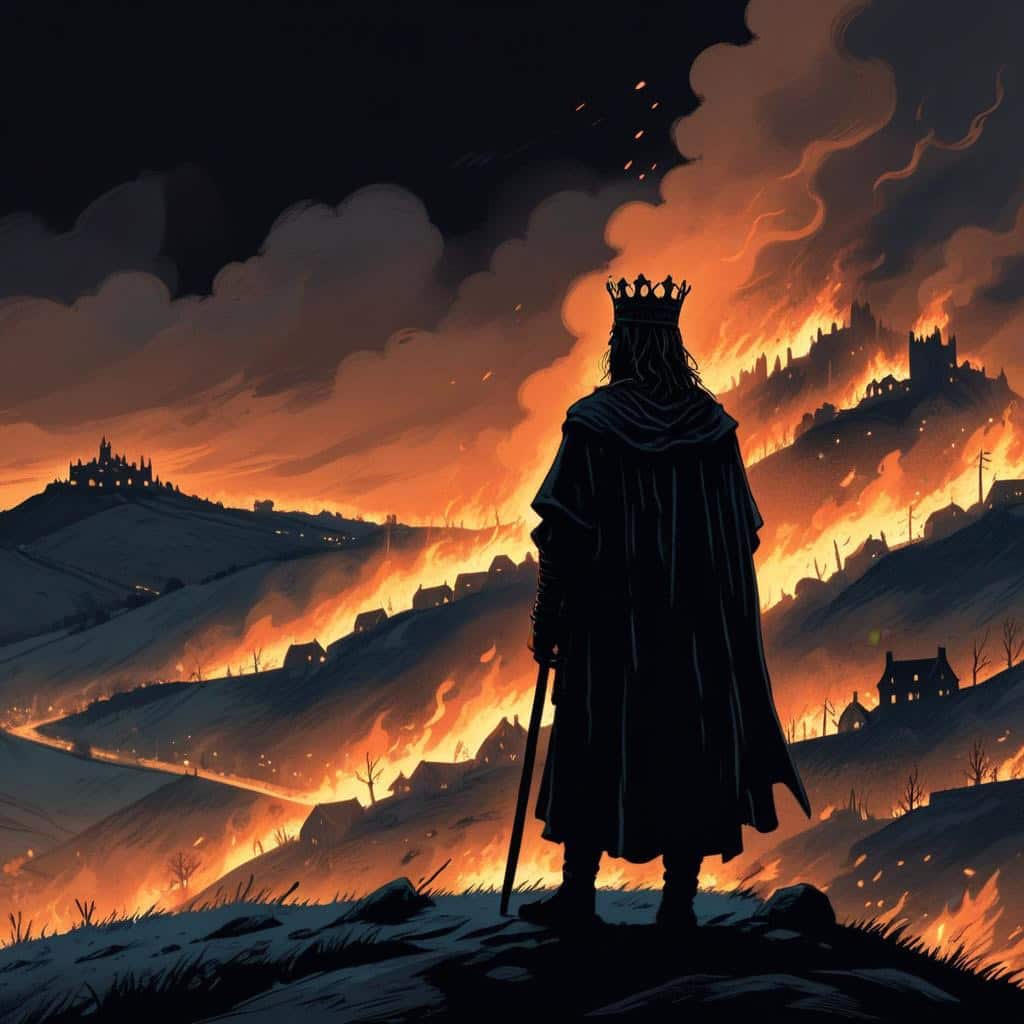
King Æthelred the Unready

Thorkell the Tall
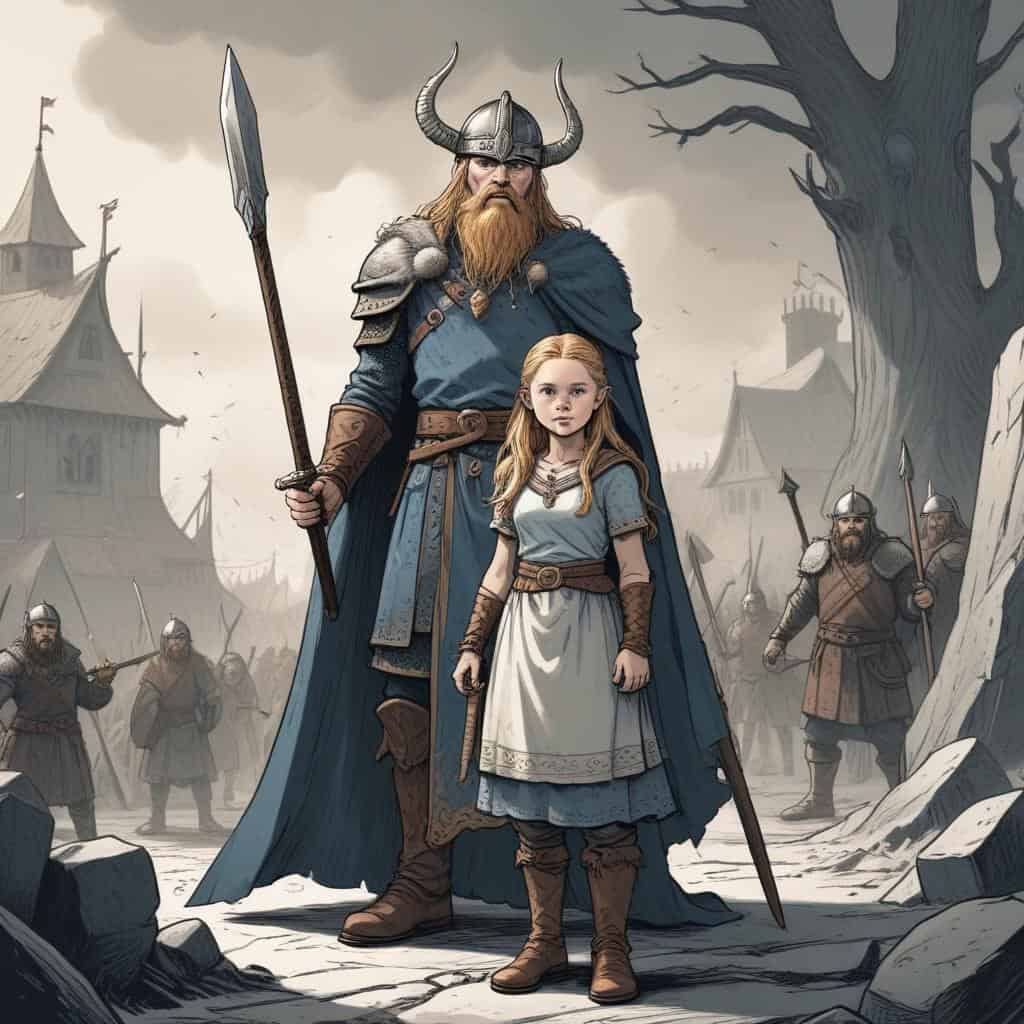
Gunhilde, sister of Sweyn Forkbeard
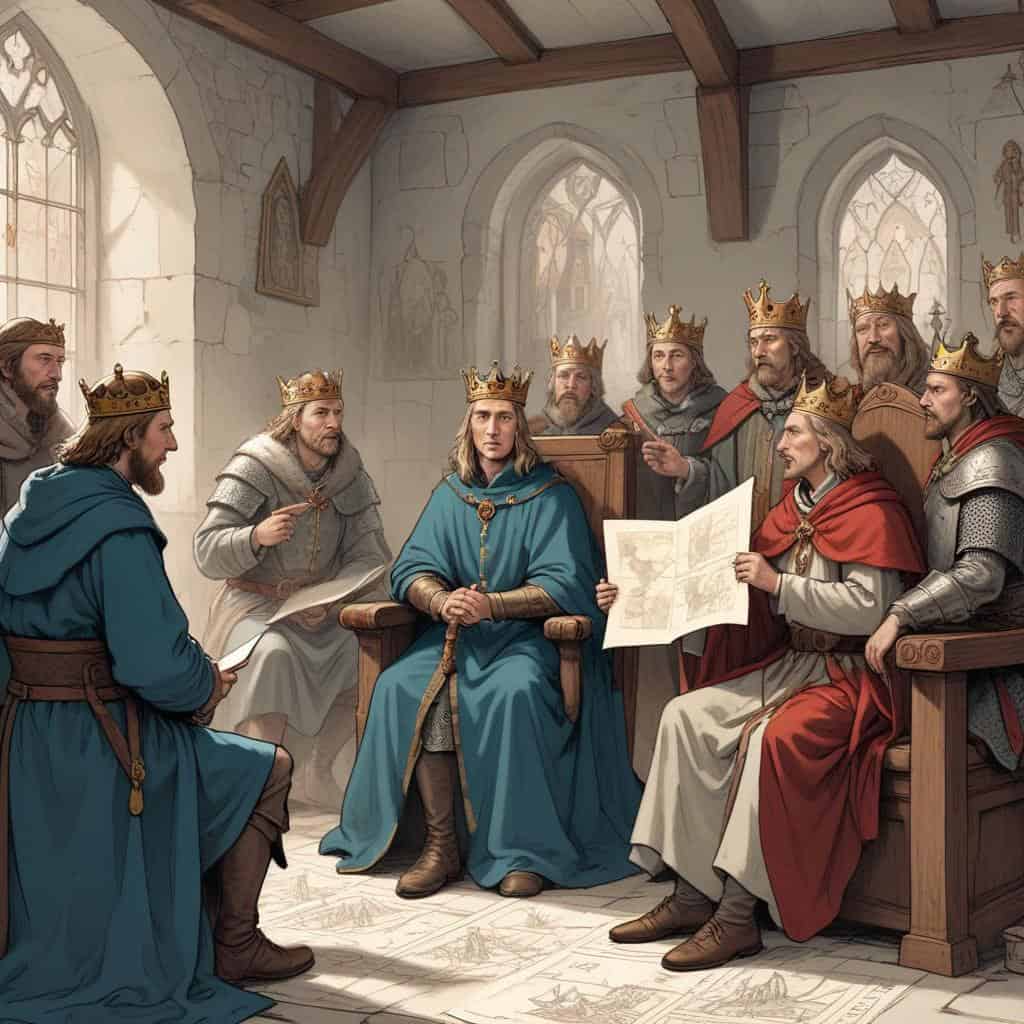
Ethelreds advisors
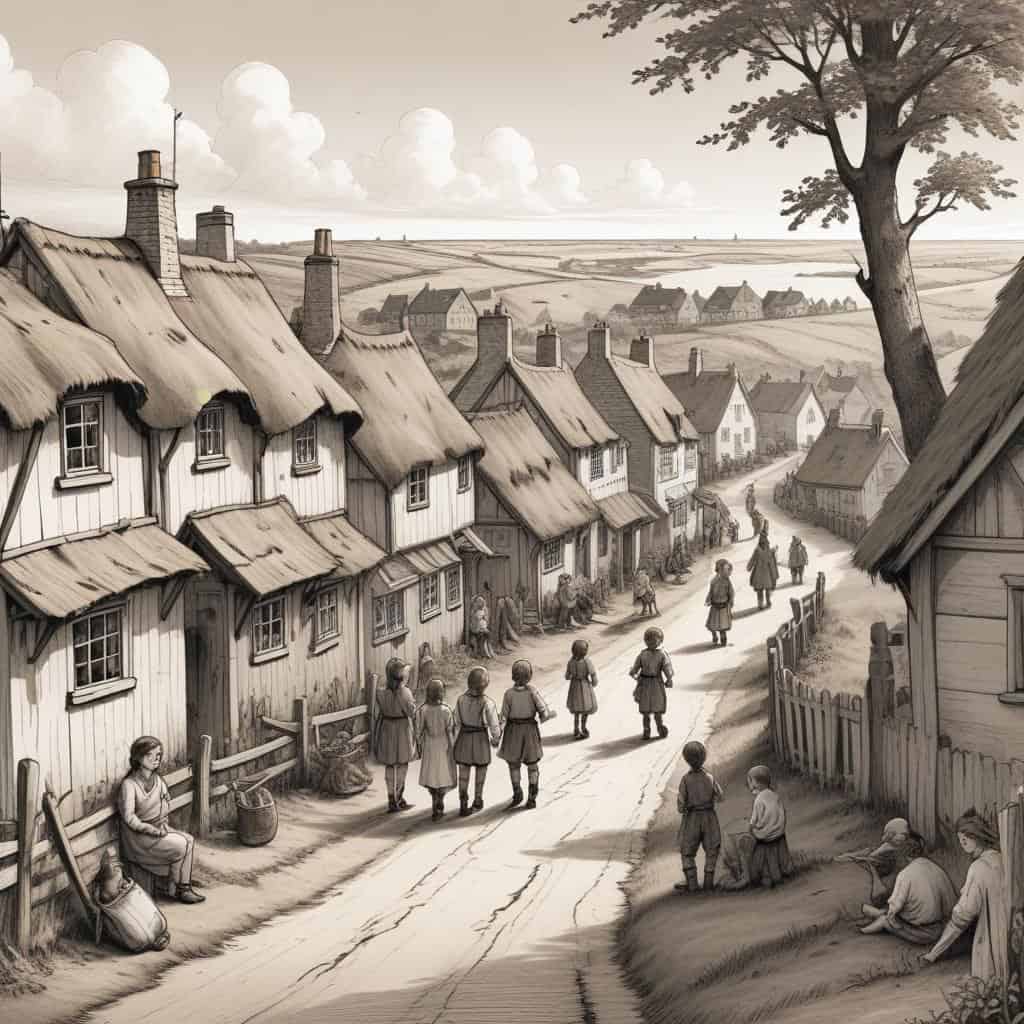
Danish settlers in England
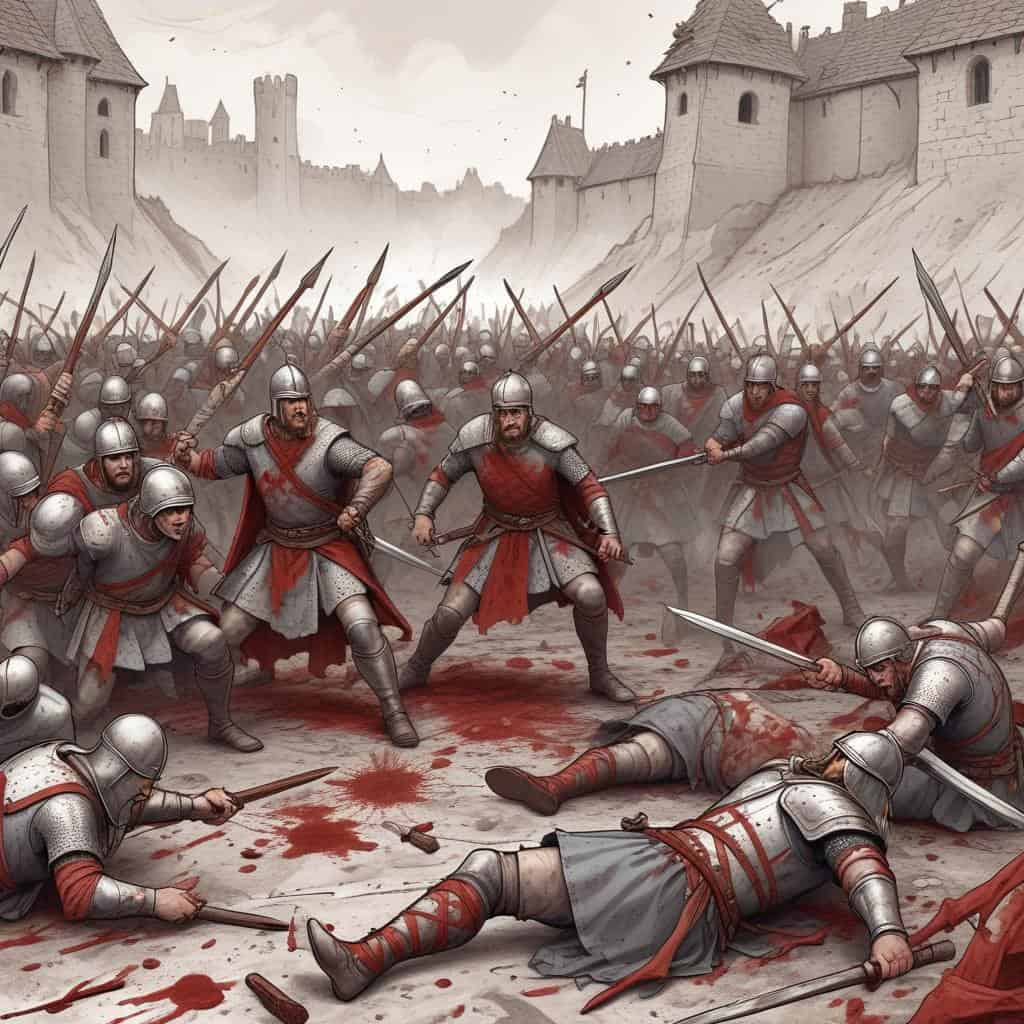
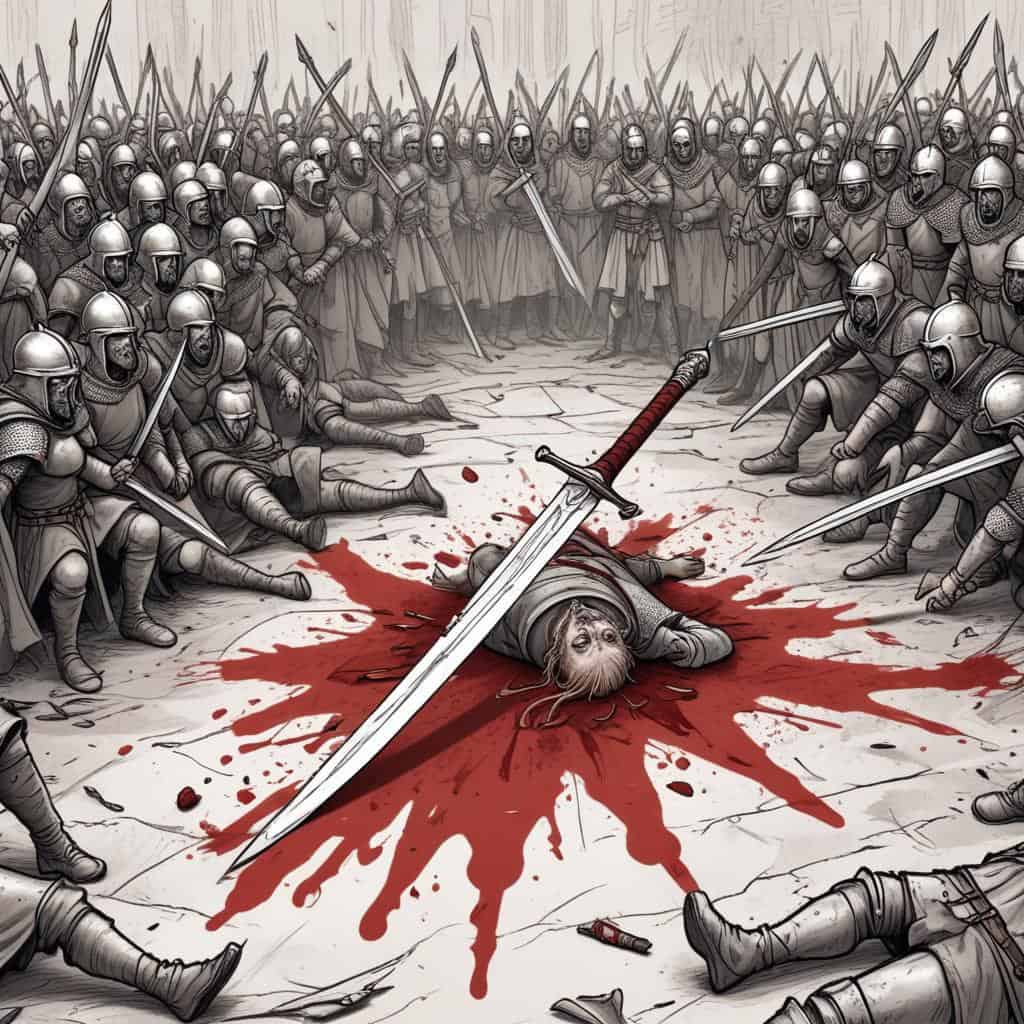
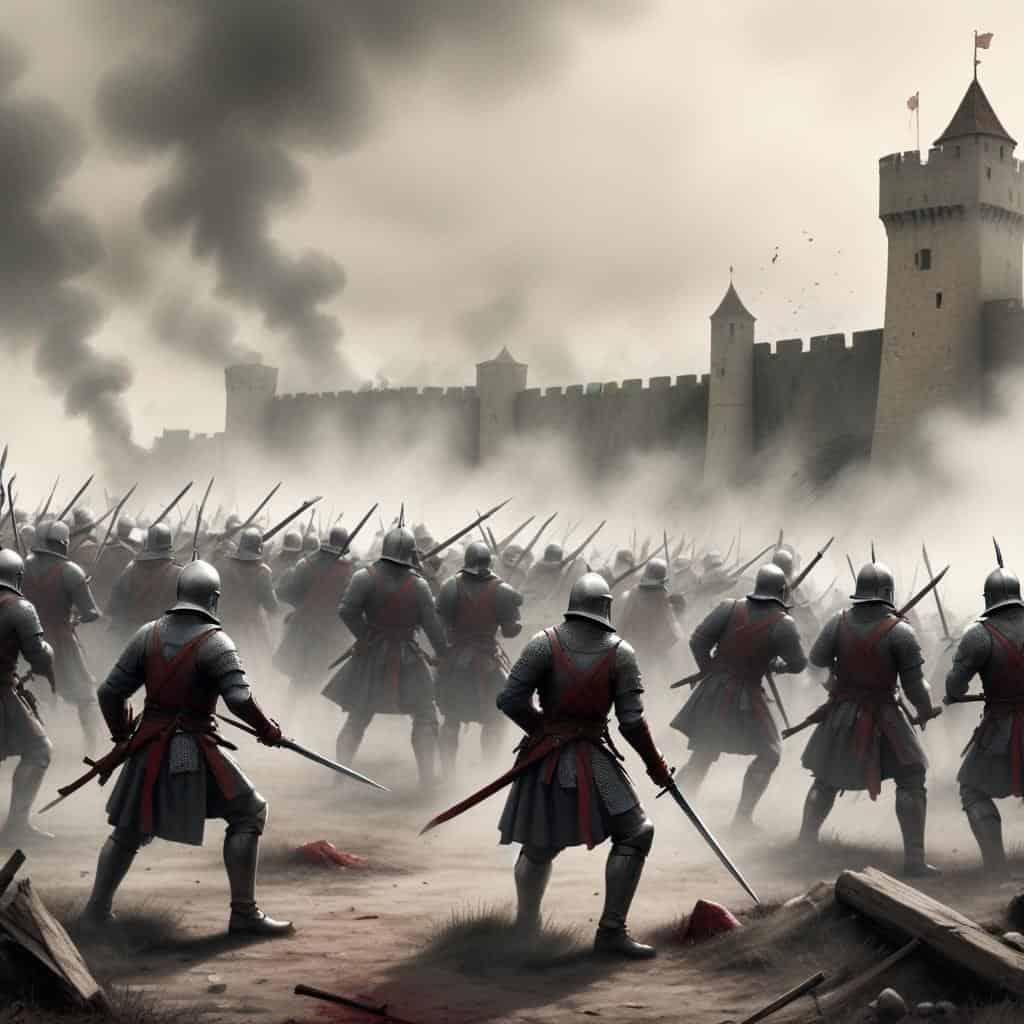
The Brutal Massacre Begins

The Targeted Danish Communities
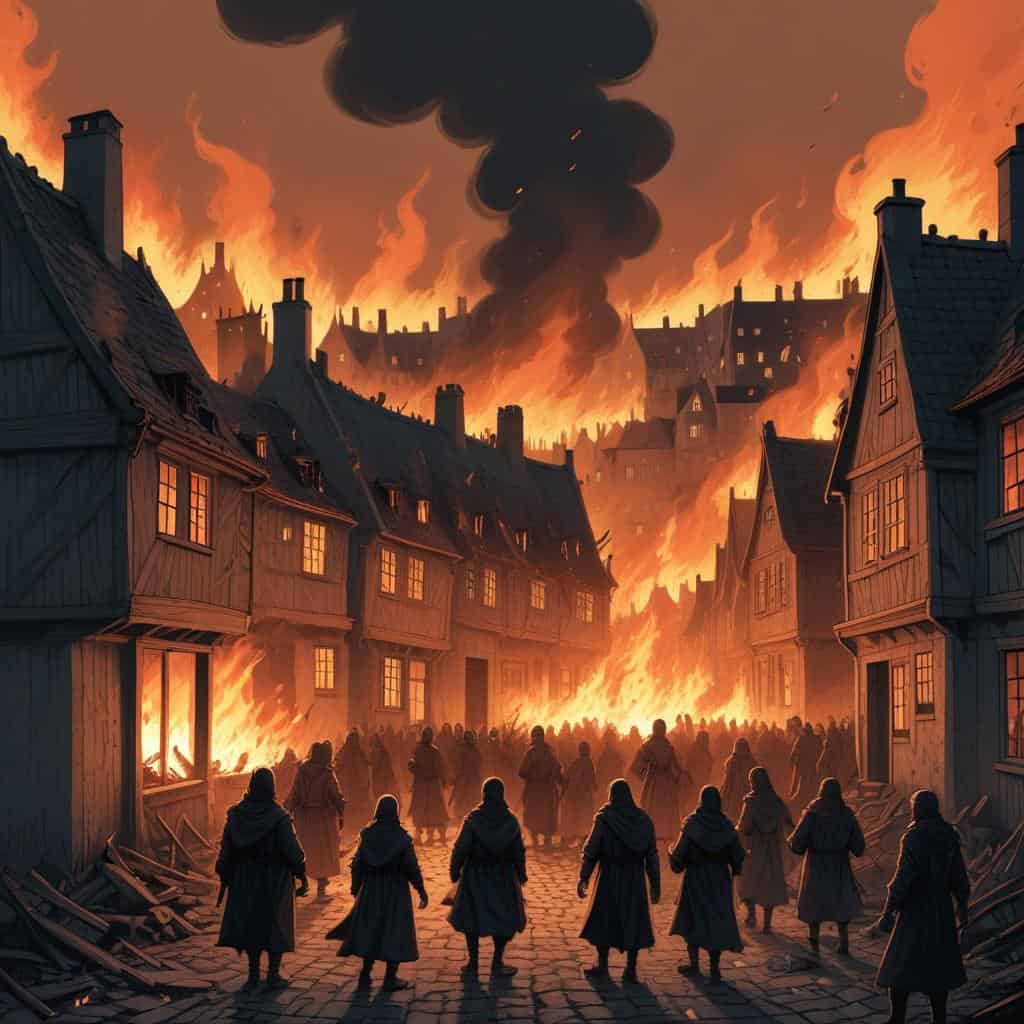
The Violence Spreads

The Brutality of the Attacks

The Aftermath of the Massacre
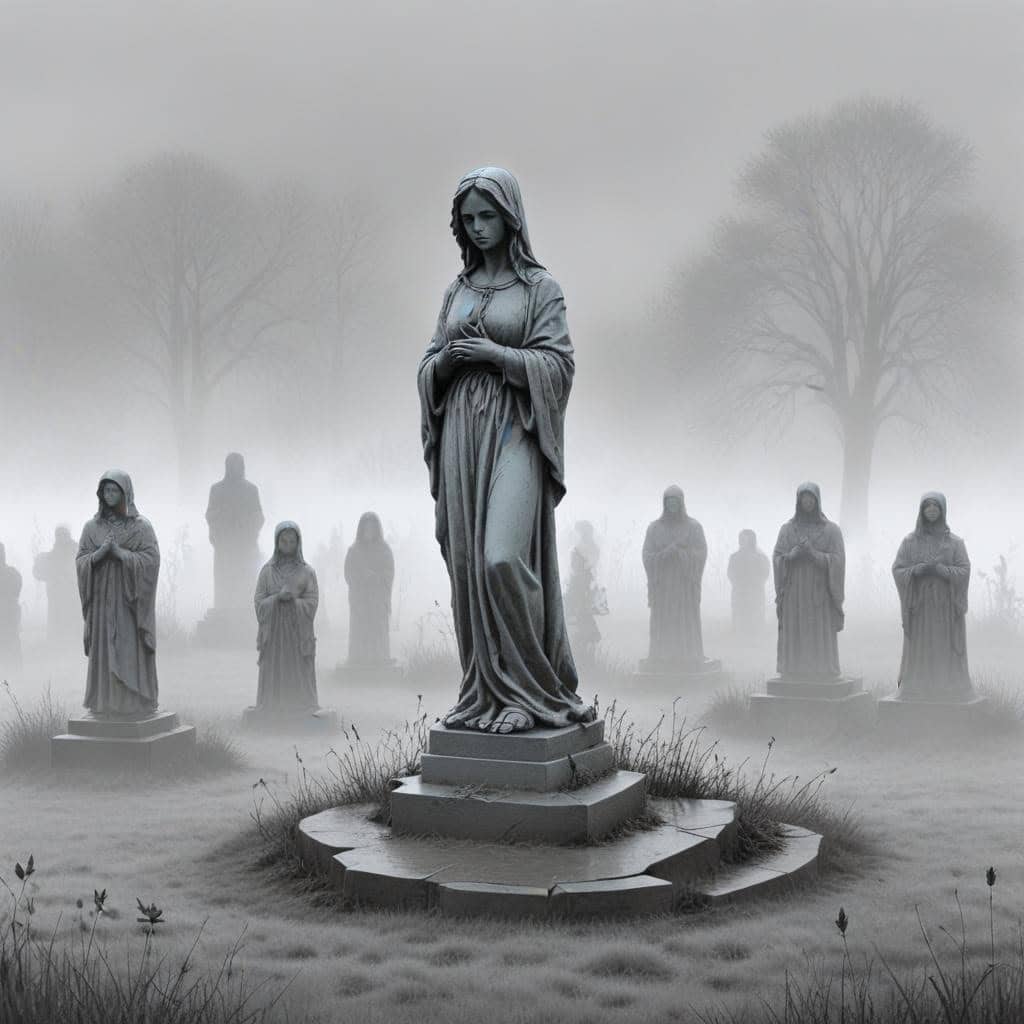
The Legacy of the Massacre

The Impact on Anglo-Saxon-Danish Relations

The International Fallout

Remembering the Victims

Lessons Learned
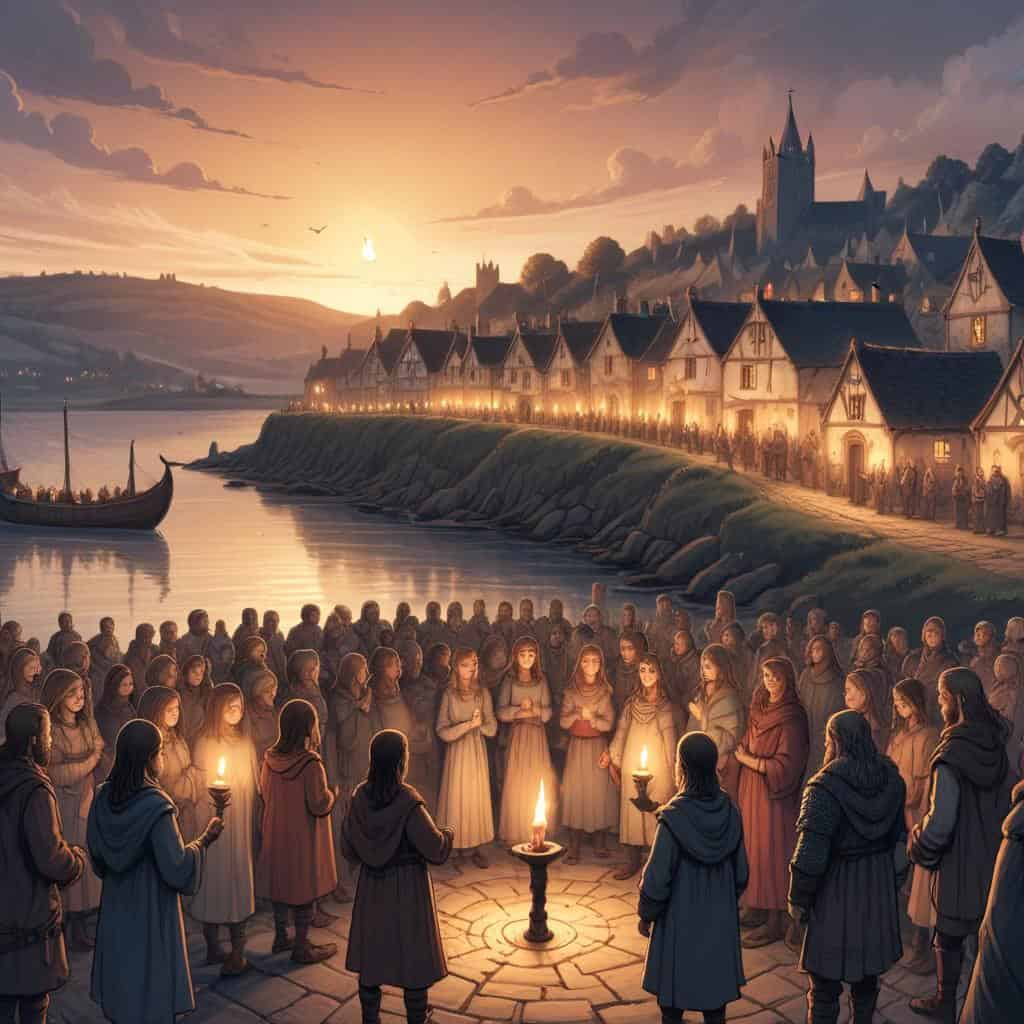
Lesson Details & Resources
In a Nutshell
- What: A massacre ordered by King Æthelred the Unready of England against Danes living in England.
- When: November 13, 1002
- Who: King Æthelred the Unready, Danish residents in England
- Outcome: Increased tensions between the English and Danish populations in England.
Famous Figures in the St. Brice’s Day massacre
-
Æthelred the Unready
Æthelred the Unready was the King of England during the St. Brice's Day massacre in 1002.
-
Sweyn Forkbeard
Sweyn Forkbeard was the King of Denmark and father of Cnut the Great, who sought revenge for the massacre.
-
Alphege
Alphege was an Archbishop of Canterbury who was eventually killed by the Danes in retaliation for the massacre.
Timeline of St. Brice’s Day massacre
Sweyn Forkbeard, King of Denmark, launches a series of raids on England in retaliation for the St. Brice's Day massacre
Sweyn Forkbeard's forces capture the city of Oxford
Sweyn Forkbeard becomes King of England after the death of King Ethelred the Unready
Sweyn Forkbeard dies shortly after being declared King of England, leading to political unrest
Sweyn Forkbeard's son, Cnut the Great, becomes King of England after a period of conflict
Cnut the Great consolidates his power in England and becomes a respected ruler
Cnut the Great dies, leading to a power struggle among his sons
The St. Brice's Day massacre is remembered as a brutal event in English history
The massacre is believed to have been ordered by King Ethelred the Unready in an attempt to eliminate Danish influence in England
The massacre results in the deaths of many Danes living in England, leading to further conflict between the two nations
The St. Brice's Day massacre is seen as a turning point in Anglo-Danish relations, leading to years of warfare and instability
The massacre is condemned by many in England and Denmark, leading to increased tensions between the two countries
The St. Brice's Day massacre is still remembered in modern times as a tragic event in English history
The massacre is often cited as an example of the destructive consequences of xenophobia and ethnic hatred
The events of the St. Brice's Day massacre continue to shape the relationship between England and Denmark to this day
The massacre is a reminder of the dangers of intolerance and prejudice in society
The St. Brice's Day massacre serves as a cautionary tale about the consequences of violence and hatred
The massacre is a somber reminder of the human cost of war and conflict
The St. Brice's Day massacre is a dark chapter in the history of Anglo-Danish relations
The events of the massacre continue to be studied and debated by historians and scholars
Vocabulary List
- St. Brice's Day massacre
- The massacre was ordered by King Æthelred the Unready in 1002 in an attempt to eliminate Danish settlers in England.
- Æthelred the Unready
- King of England who ordered the massacre on St. Brice's Day in 1002.
- Danish settlers
- The target of the massacre on St. Brice's Day, many of whom were killed or expelled from England.
- Massacre
- The violent and brutal killing of a large number of people, such as the St. Brice's Day massacre in 1002.
- England
- The country where the St. Brice's Day massacre took place in 1002, leading to strained relations with Denmark.
Key Facts
This is the information used in the fact matching game
- The St. Brice's Day massacre occurred on November 13, 1002.
- The massacre was ordered by King Æthelred the Unready of England.
- The massacre targeted Danish settlers in England.
- The exact number of casualties in the massacre is unknown.
- The massacre was in retaliation for Viking raids on England.
- The massacre led to increased hostilities between the English and Danes.
- King Sweyn I of Denmark vowed to avenge the massacre.
- The St. Brice's Day massacre is also known as the Danish Genocide.
- The massacre was part of a series of conflicts between the English and Danes.
- The massacre was one of the most significant events of Æthelred's reign.
- The massacre resulted in a wave of Danish refugees fleeing England.
- The massacre is believed to have been motivated by fear and xenophobia.
- The massacre had long-lasting consequences for Anglo-Danish relations.
- Some sources suggest that the massacre may have been exaggerated in later accounts.
- The massacre is depicted in the Anglo-Saxon Chronicle.
- The St. Brice's Day massacre is considered a dark chapter in English history.
- The massacre is remembered in various historical texts and chronicles.
- The massacre is often cited as an example of ethnic cleansing in medieval Europe.
- The St. Brice's Day massacre is a subject of debate among historians.
- The massacre remains a controversial and sensitive topic in Danish-English relations.
Analysis & Significance
Immediate Consequences
The St. Brice’s Day massacre of 1002 resulted in the brutal killing of many Danes across England, ordered by King Æthelred the Unready in a bid to eliminate potential threats to his rule. This act of violence led to immediate retaliation from the Danes, triggering a cycle of revenge and further conflict.
Long-Term Impact
The massacre had lasting repercussions on Anglo-Danish relations, creating deep-seated animosity and distrust between the two peoples for generations to come. It also contributed to the deteriorating political stability in England, weakening the kingdom’s ability to defend itself against external threats.
Cultural Significance Today
The St. Brice’s Day massacre remains a dark chapter in history, serving as a cautionary tale of the consequences of xenophobia and intolerance. It reminds us of the destructive power of fear-driven decisions and the importance of promoting unity and understanding among diverse communities in our modern world.
St. Brice’s Day massacre Games


Take Your Learning Offline
Want a convenient, print-ready study guide for this lesson? Become a Memory Wizards Pro member to unlock the downloadable " Memory Scrolls" for this topic and our entire library!
- ✓ Complete Vocabulary Lists
- ✓ Key Facts & Timelines
- ✓ Beautifully Formatted for Print & Mobile