
Summary of the Battle of Actium
Unveil the dramatic clash that shaped the fate of Ancient Rome.
How Do You Learn Best?
Learn by Listening
Start with the 3-minute audio summary to get the key facts and narrative highlights quickly.
Learn by Reading
Immerse yourself in the 10-minute visual lesson for a comprehensive understanding of the topic.
Learn by Reviewing
Jump directly to the key facts, timeline, and vocabulary lists to build a solid foundation of details.
Learn by Doing
Challenge yourself! Jump straight into the interactive games to learn by trial, error, and discovery.
Audio Library
As one of our featured lessons, this topic includes premium audio guides.
Unlock the Wizard's Cram Session
This powerful audio study guide is a Pro-exclusive feature. Upgrade to Memory Wizards Pro to access this and all of our premium learning tools.
Upgrade to Prothe Battle of Actium in 10 Minutes
Introduction
Augustus
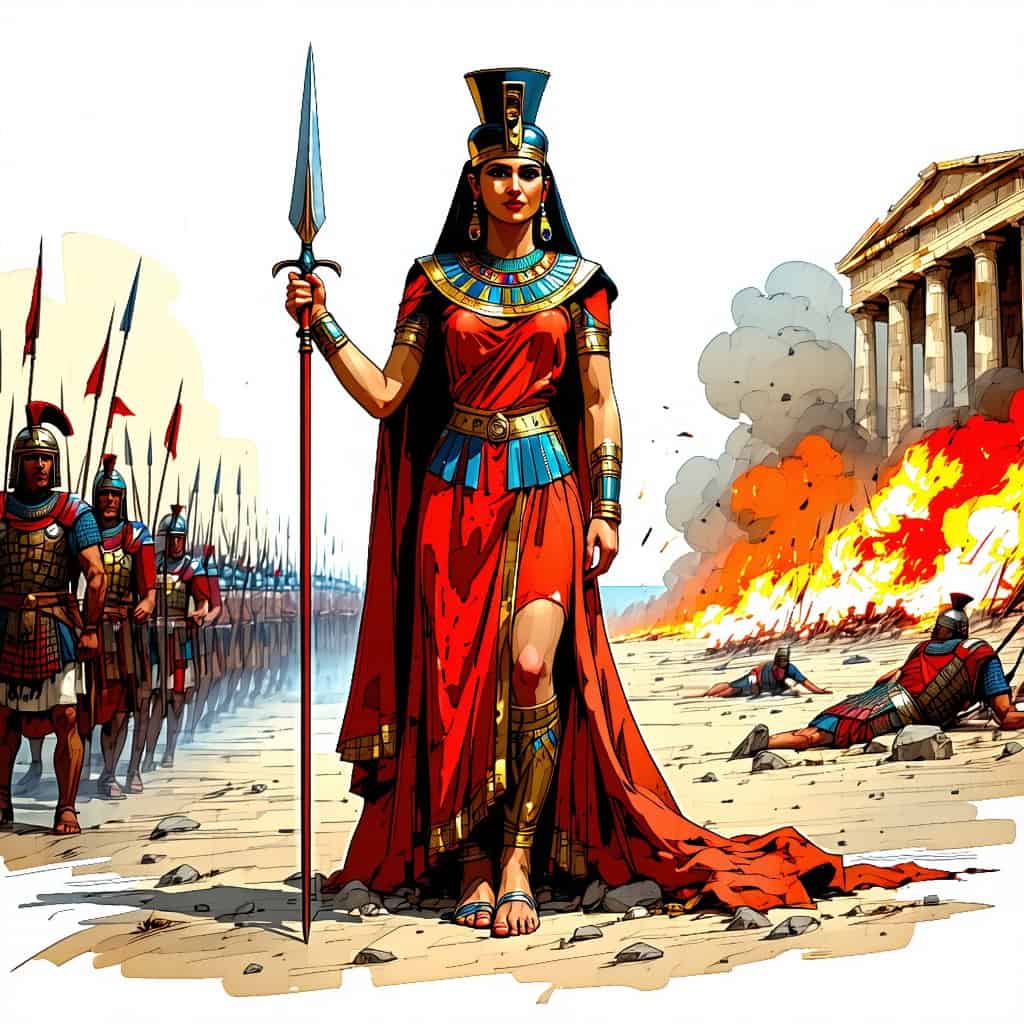
Cleopatra
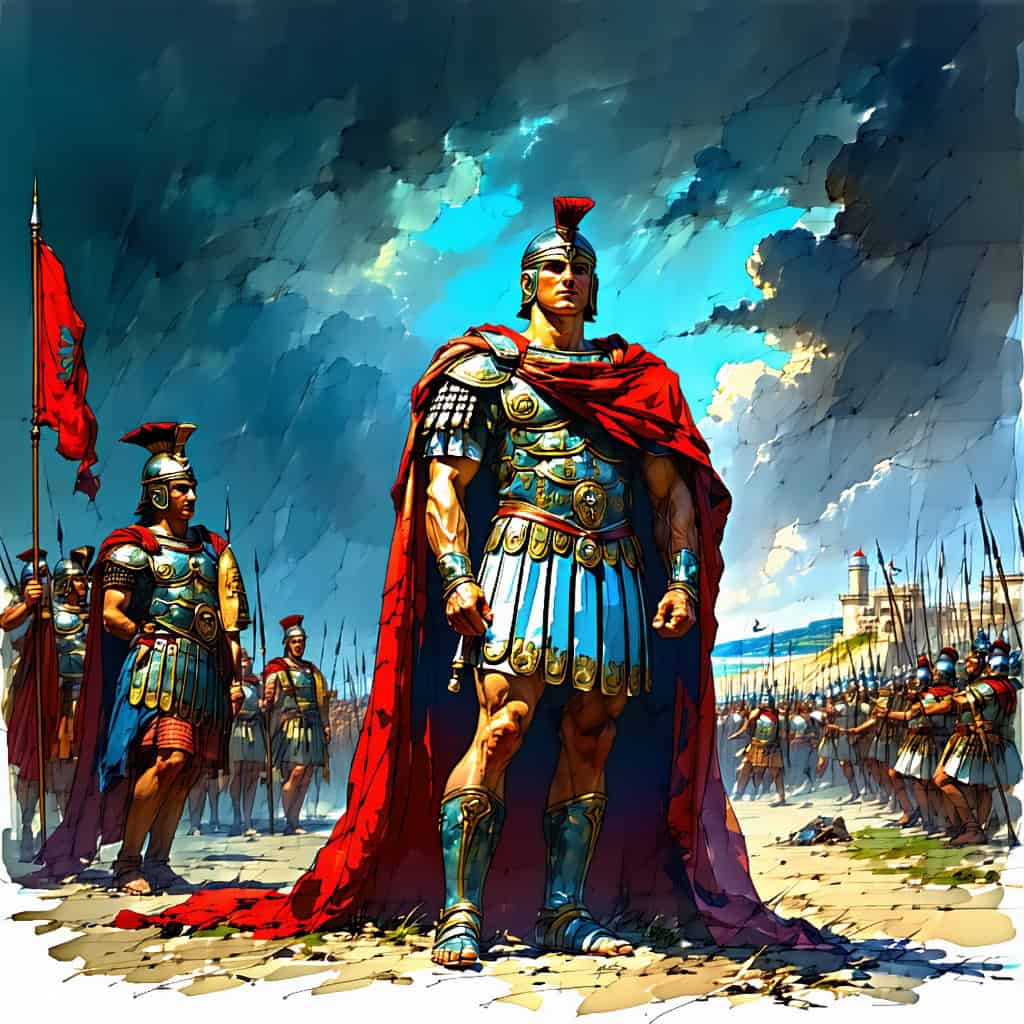
Mark Antony
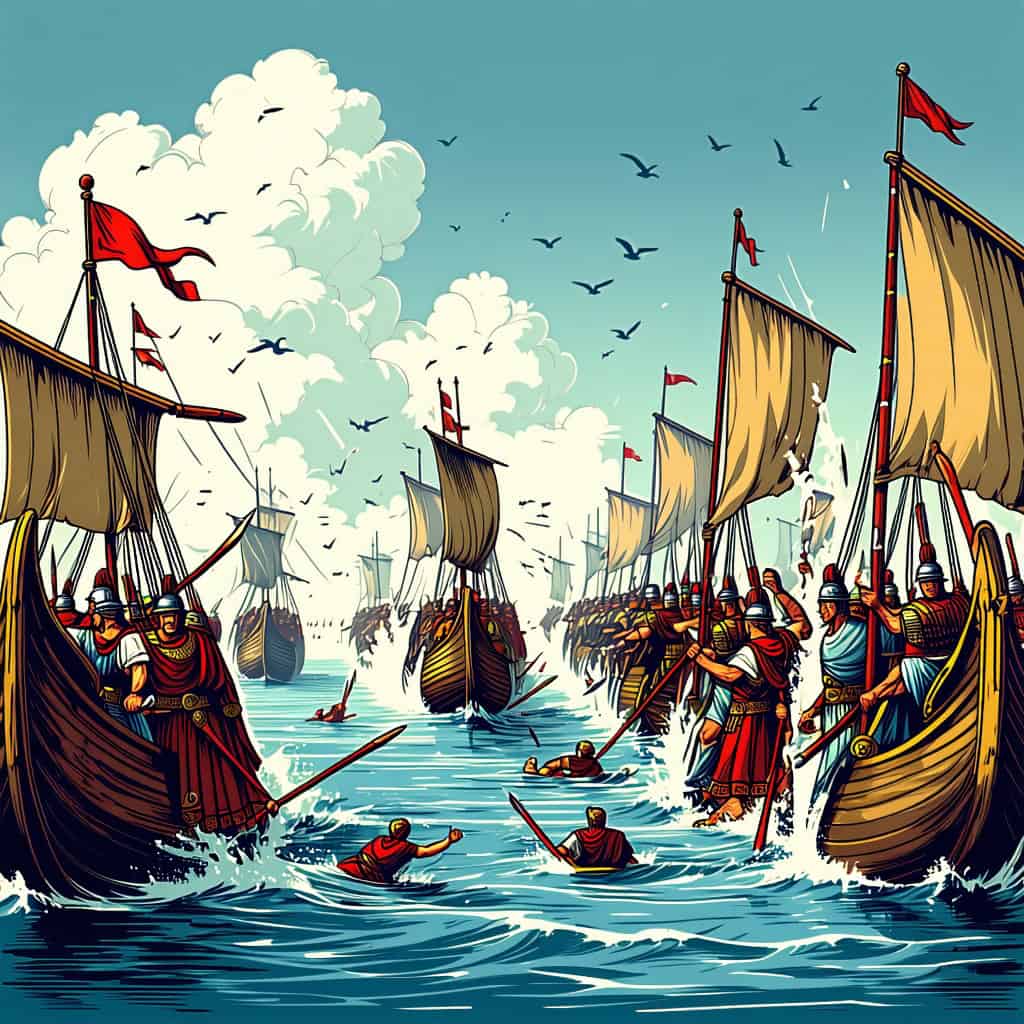
Agrippa
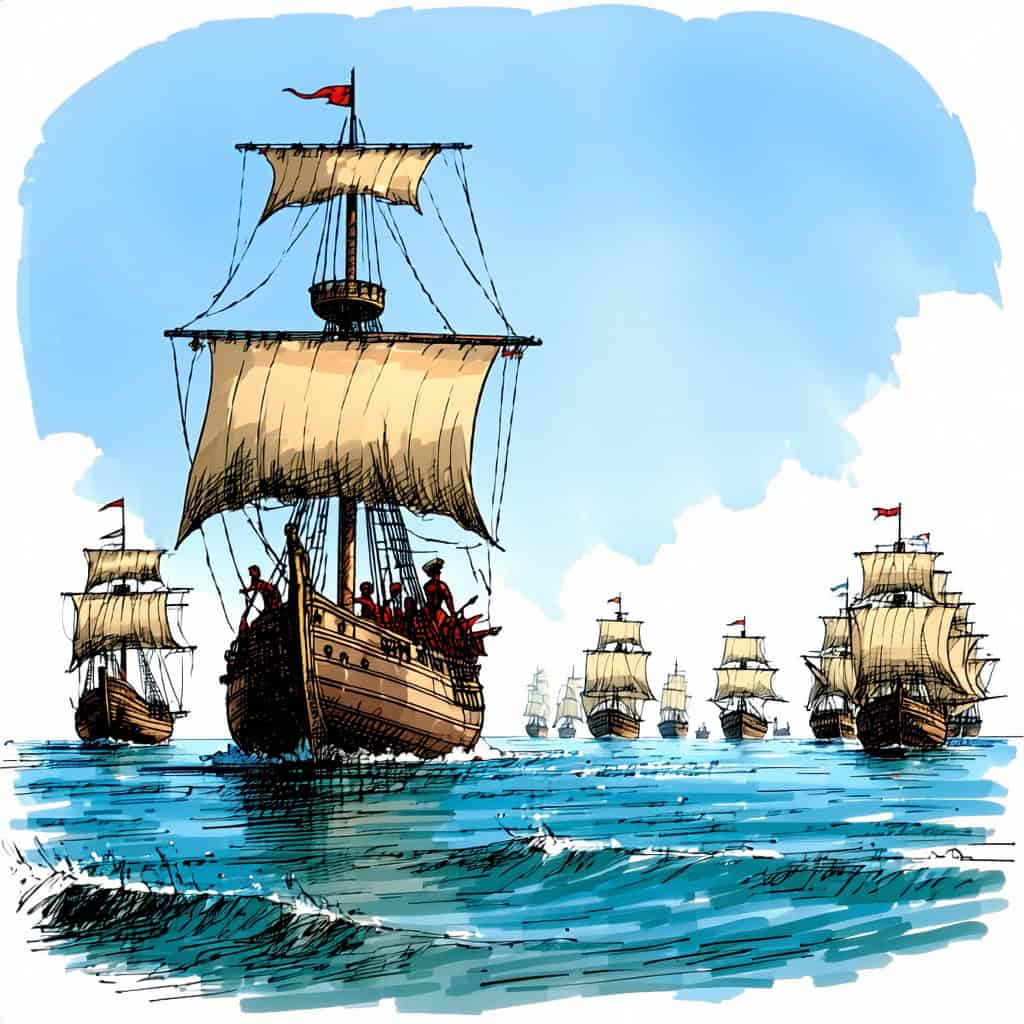
Antonys fleet

The Battles Build-Up

Naval Engagement

Cleopatras Retreat
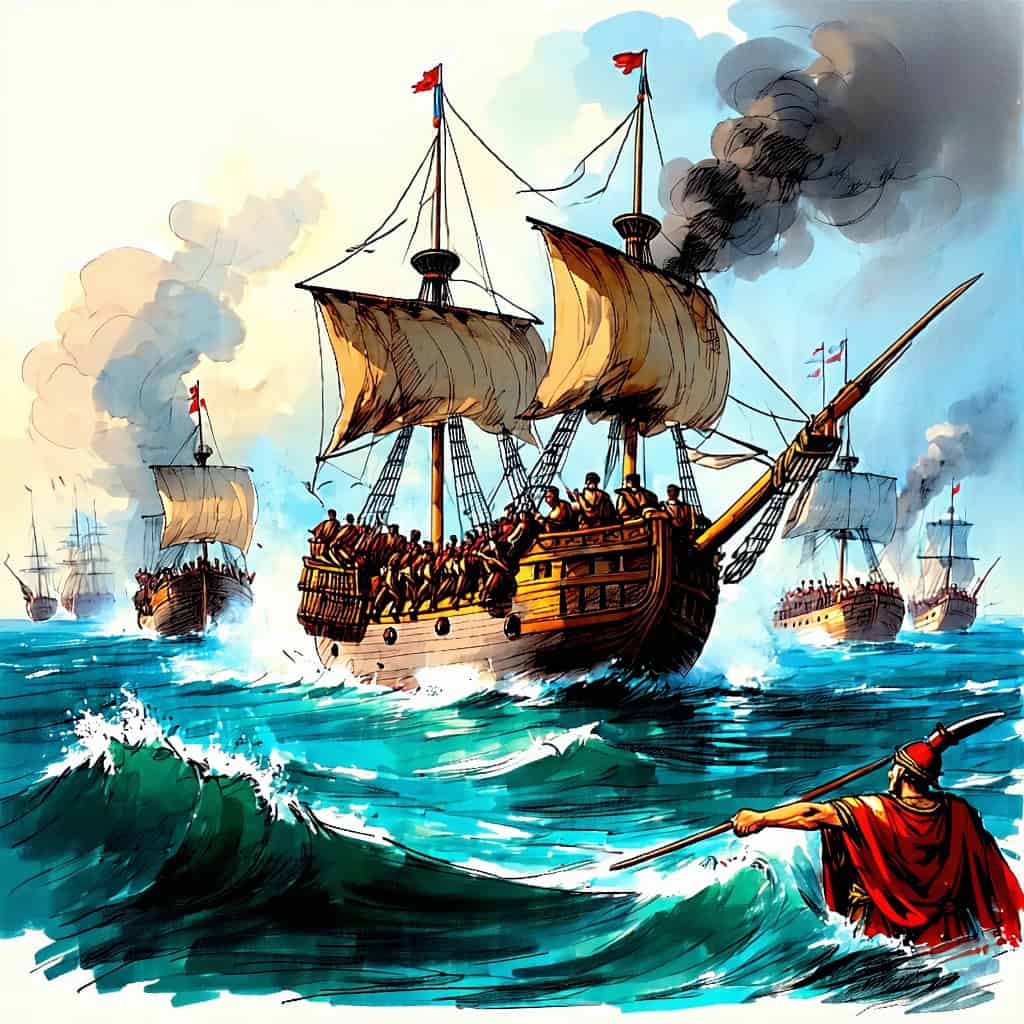
Mark Antonys Defeat
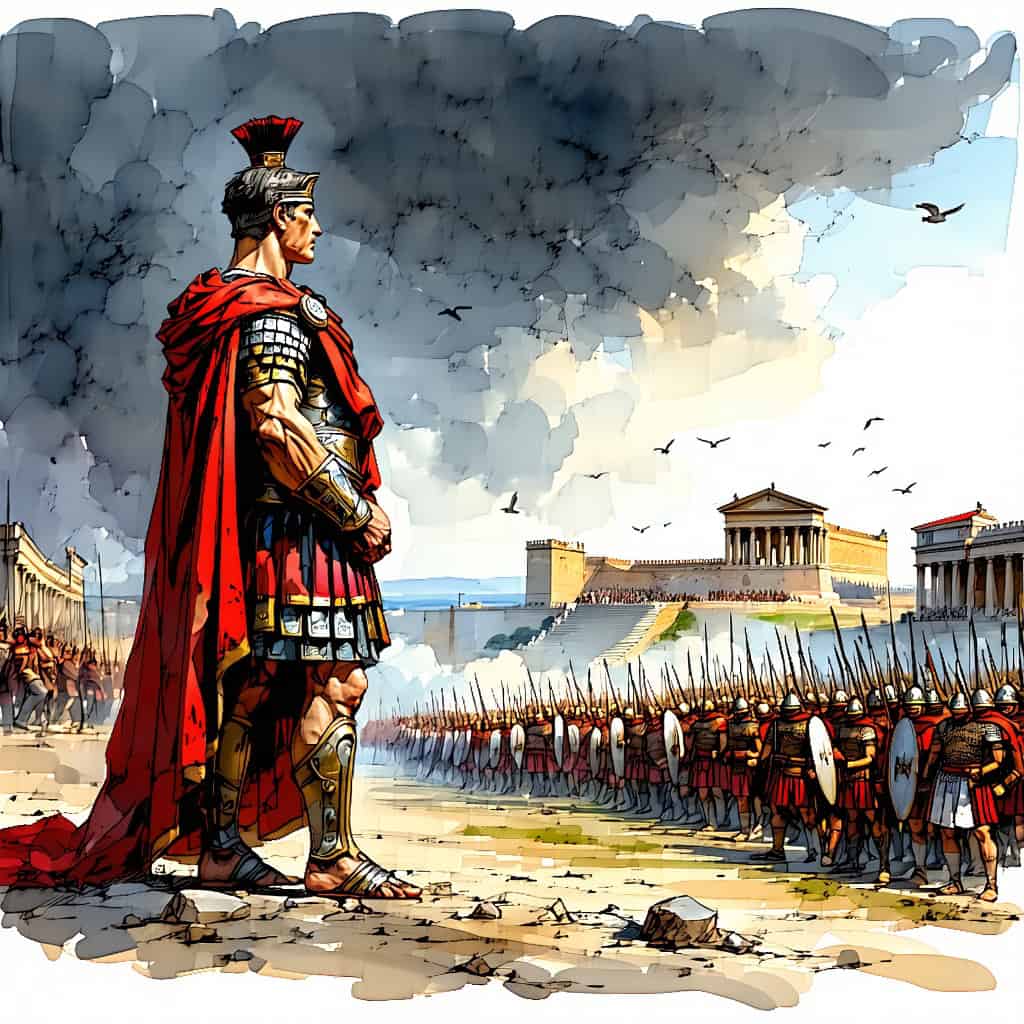
Octavians Triumph

Cleopatras Demise
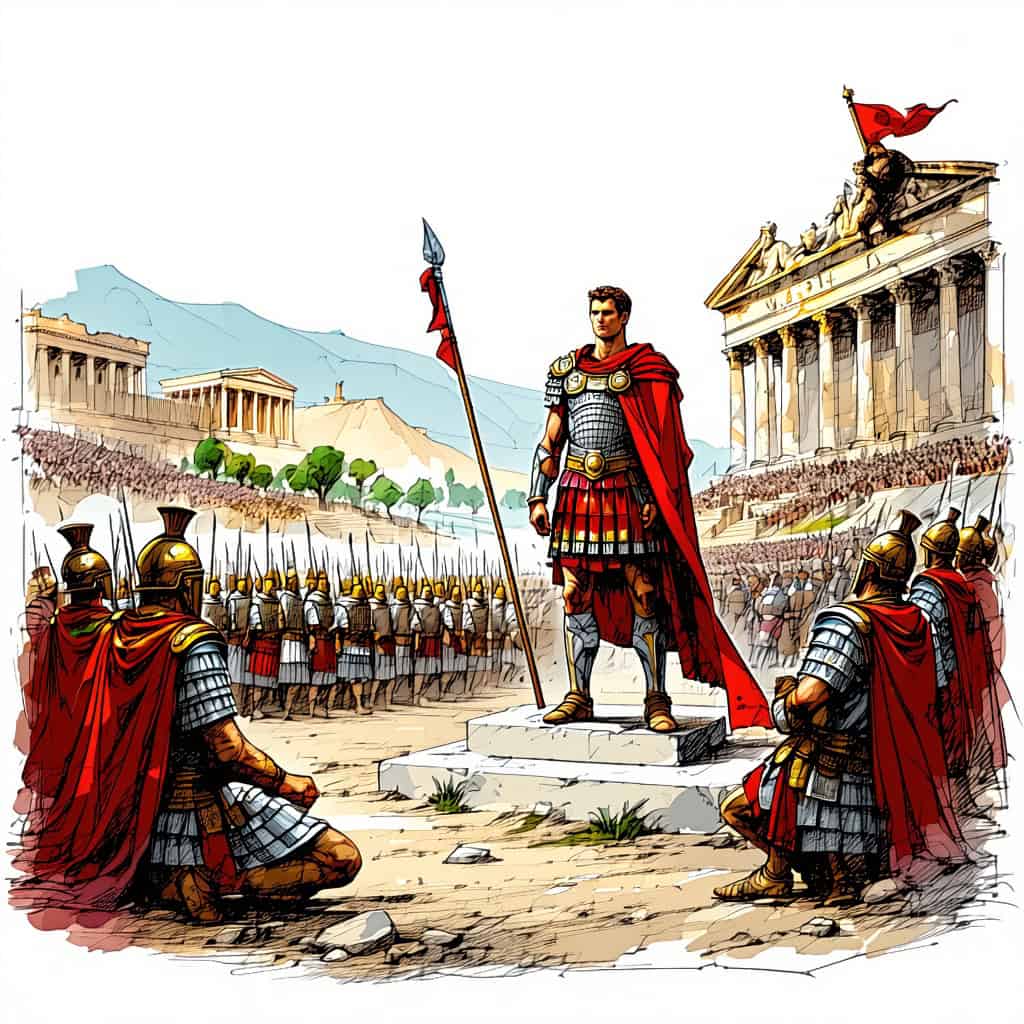
Consolidation of Power

Legacy of Actium
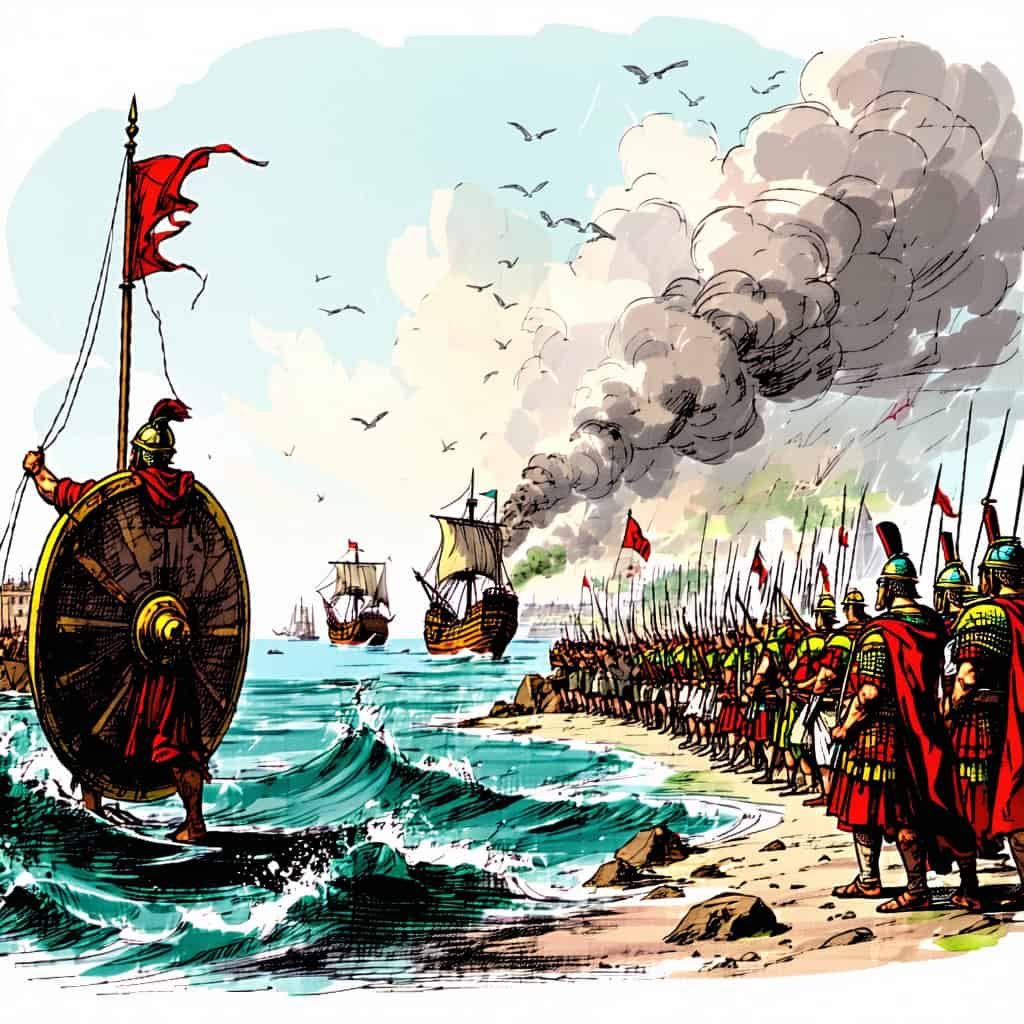
Lesson Details & Resources
In a Nutshell
- What: A pivotal naval battle during the Roman Civil War between the forces of Octavian and Mark Antony.
- When: 31 BC
- Who: Octavian (later Augustus) and Mark Antony
- Outcome: Decisive victory for Octavian, leading to the end of the Roman Republic and the beginning of the Roman Empire.
Famous Figures in the the Battle of Actium
-
Octavian
An influential Roman statesman and military leader who later became the first Roman emperor.
-
Marc Antony
A Roman general and politician who was a close ally of Julius Caesar and later became rivals with Octavian.
-
Cleopatra
The last active ruler of the Ptolemaic Kingdom of Egypt, known for her relationships with both Caesar and Antony.
-
Agrippa
A Roman general and close ally of Octavian, he played a crucial role in Octavian's victory at Actium.
-
Gaius Sosius
A Roman senator who supported Marc Antony during the battle.
-
Lucius Arruntius
A Roman senator who supported Marc Antony during the battle.
-
Gaius Furnius
A Roman senator who supported Marc Antony during the battle.
-
Marcus Titius
A Roman senator who supported Marc Antony during the battle.
-
Gaius Cornelius Gallus
A Roman senator who supported Marc Antony during the battle.
-
Publius Canidius Crassus
A Roman general and supporter of Octavian who commanded the land forces at Actium.
Timeline of the Battle of Actium
Caesarion, son of Cleopatra and Julius Caesar, is declared pharaoh of Egypt
Cleopatra meets Mark Antony in Tarsus
Cleopatra and Mark Antony form a political and romantic alliance
Octavian, the future Augustus, becomes consul in Rome
Treaty of Brundisium is signed between Octavian, Mark Antony, and Lepidus
Lepidus is stripped of his powers and exiled by Octavian
Mark Antony divorces Octavia, sister of Octavian
Cleopatra gives birth to twins, Alexander Helios and Cleopatra Selene
Octavian declares war on Cleopatra and Mark Antony
Naval forces of Octavian and Mark Antony clash at the Battle of Actium
Mark Antony's navy is defeated, leading to the fall of Mark Antony and Cleopatra's forces
Cleopatra and Mark Antony commit suicide in Alexandria
Octavian annexes Egypt as a province of the Roman Empire
Caesarion, son of Cleopatra and Julius Caesar, is executed by Octavian
Octavian becomes the sole ruler of Rome and is given the title Augustus
The Battle of Actium marks the end of the Roman Republic and the beginning of the Roman Empire
Octavian is hailed as the first emperor of Rome
Egypt becomes a province of the Roman Empire
Octavian reorganizes the Roman government and military
The Pax Romana (Roman Peace) begins under Augustus' rule
Vocabulary List
- Actium
- A coastal town in ancient Greece where the Battle of Actium took place
- Naval
- Related to ships and sailing
- Engagement
- A military confrontation between two forces
- Fleet
- A group of ships operating together
- Armada
- A large fleet of warships
- Navy
- The branch of a nation's armed forces that conducts military operations at sea
- Strategist
- A person skilled in planning military operations
- Commander
- A person in authority who directs and controls military forces
- Tactics
- The methods and procedures used in achieving a military objective
- Victory
- A successful outcome in a battle or war
- Defeat
- A loss in a battle or war
- Battlefield
- The location where a battle takes place
- Strategy
- A plan of action designed to achieve a long-term or overall aim
- Decisive
- Having the power to settle a matter or produce a definite result
- Leader
- A person who guides or directs a group
- Alliance
- A union or association formed for mutual benefit, especially between countries or organizations
- Squadron
- A unit of warships or aircraft
- Conquer
- To overcome and take control of a place or people by military force
- Retreat
- To withdraw from enemy forces as a result of defeat or unfavorable circumstances
- Amphibious
- Relating to or adapted for both land and water
- Warfare
- The activities and characteristics of war.
Key Facts
This is the information used in the fact matching game
- The Battle of Actium took place on September 2, 31 BC
- It was a naval battle between the forces of Octavian and Mark Antony
- The battle was fought near the Actium promontory in Greece
- Octavian's forces consisted mainly of Roman legions and Egyptian ships
- Mark Antony's forces were made up of Roman legions and Egyptian and Eastern ships
- The battle marked the final conflict of the Roman Republic period
- It was a major turning point in the rise of Octavian as the first Roman Emperor
- Octavian had formed an alliance with Cleopatra, the queen of Egypt
- Mark Antony and Cleopatra aimed to establish a joint Roman-Egyptian empire
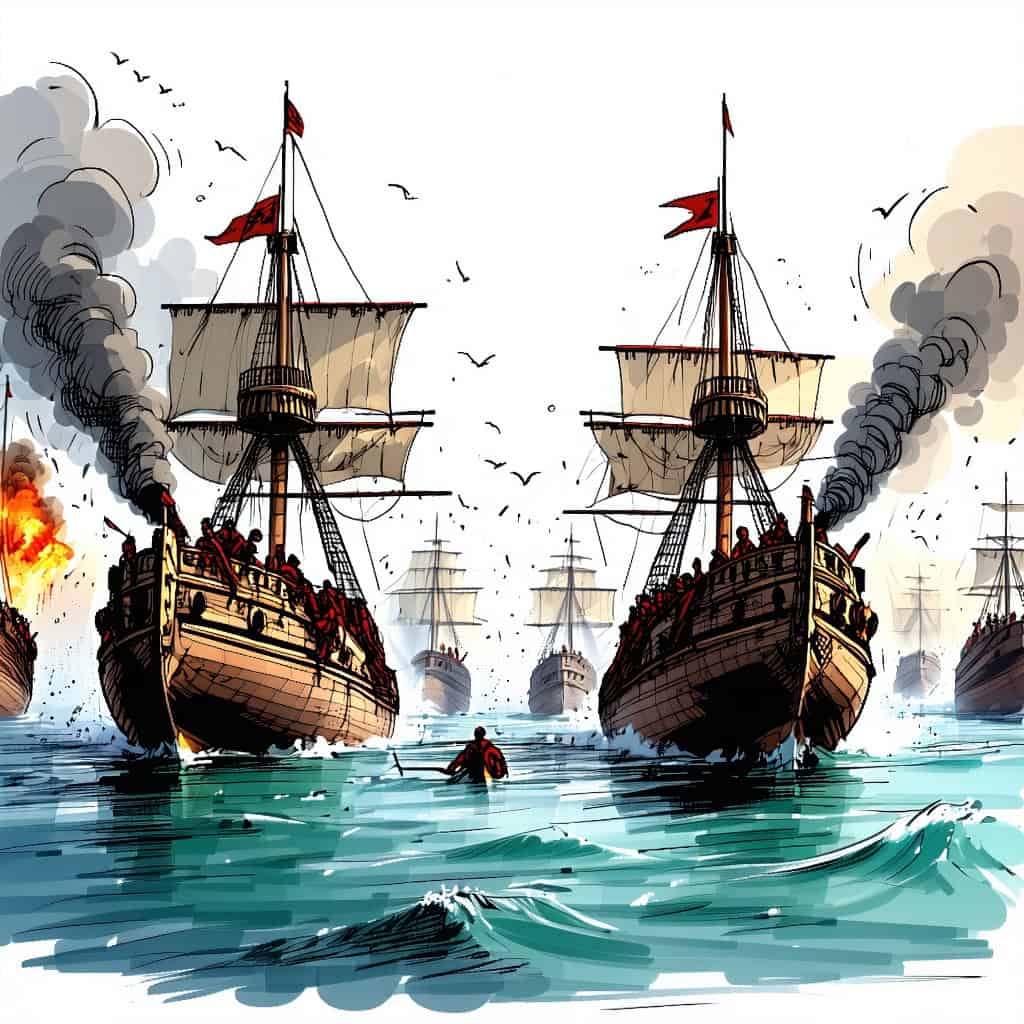
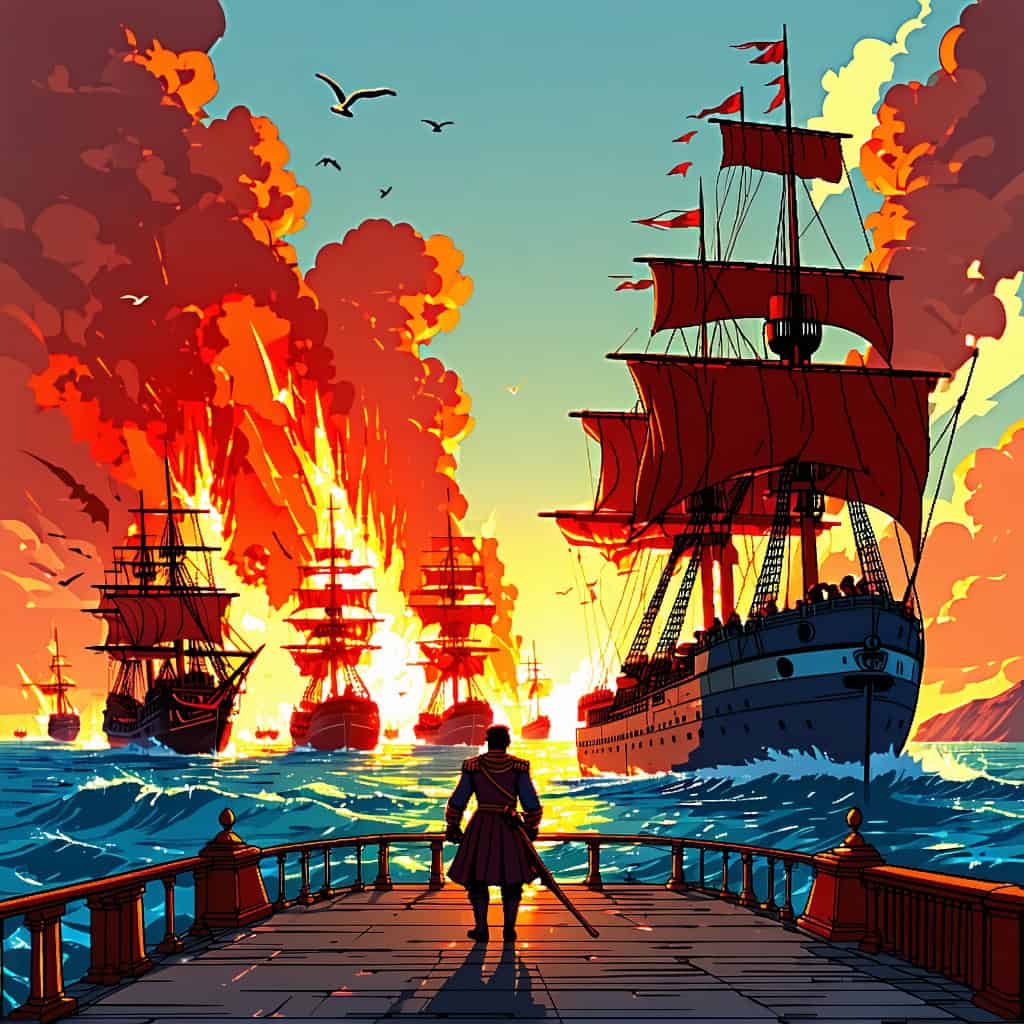
- The battle lasted for several hours and involved thousands of ships
- Octavian's forces were led by the skilled admiral Agrippa
- Mark Antony's forces were commanded by him and Cleopatra
- Cleopatra's decision to join the battle proved to be a crucial mistake
- The battle resulted in a decisive victory for Octavian's forces
- Many of Mark Antony's ships were captured or destroyed
- Following the battle, Mark Antony and Cleopatra retreated to Egypt
- Octavian pursued them and laid siege to Alexandria
- Facing defeat, Mark Antony and Cleopatra committed suicide
- With their deaths, Octavian became the sole ruler of the Roman Empire
- The Battle of Actium effectively ended the Roman Republic and began the Roman Empire.
Analysis & Significance
Immediate Consequences
The Battle of Actium in 31 BC resulted in the decisive defeat of Mark Antony and Cleopatra by Octavian, solidifying Octavian’s power as the sole ruler of Rome. This victory marked the end of the Roman Republic and the beginning of the Roman Empire.
Long-Term Impact
The Battle of Actium had far-reaching consequences on the course of history. Octavian, now known as Augustus, established the Pax Romana, a period of relative peace and stability that lasted for over two centuries. This event also marked the beginning of the Roman Empire’s dominance in the Mediterranean world.
Cultural Significance Today
The Battle of Actium is remembered as a pivotal moment in ancient history that shaped the future of the Roman Empire. It continues to be studied by historians and serves as a reminder of the impact of power struggles on the course of civilization. The battle’s legacy can still be seen in modern political and military strategies, highlighting the enduring influence of this historic event.
the Battle of Actium Games


Take Your Learning Offline
Want a convenient, print-ready study guide for this lesson? Become a Memory Wizards Pro member to unlock the downloadable " Memory Scrolls" for this topic and our entire library!
- ✓ Complete Vocabulary Lists
- ✓ Key Facts & Timelines
- ✓ Beautifully Formatted for Print & Mobile